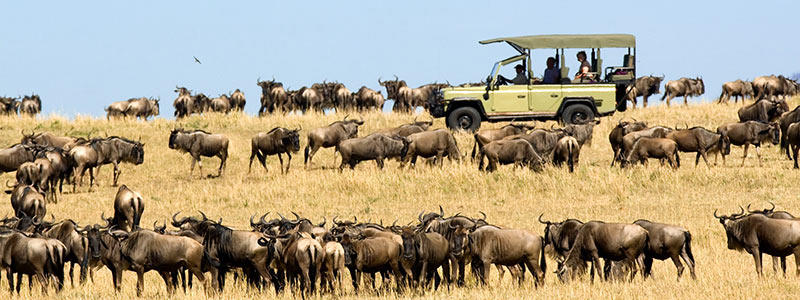
A Tanzania wildlife safari offers iconic experiences like witnessing the Great Migration in the Serengeti, exploring the dense wildlife of the Ngorongoro Crater, tracking chimps in Mahale/Gombe, seeing tree-climbing lions in Lake Manyara, and encountering massive elephants in Tarangire, complemented by unique activities such as hot-air balloon rides, cultural visits to Maasai villages, walking safaris, night drives, diving/snorkeling (Mafia/Zanzibar), climbing Mt. Kilimanjaro, and boat safaris in Nyerere/Ruaha, creating unforgettable memories.
20-days-perfect-uganda-rwanda-tanzania-safari-holiday
16-days-prefect-uganda-rwanda-and-tanzania-safari-itinerary
15-days-uganda-rwanda-tanzania-safari-and-zanzibar-beach-holidays
14-days-best-tanzania-honeymoon-safari-and-zanzibar-for-couples
13-days-best-tanzania-kenya-safari-combined-tour-package
12-days-tanzania-photography-safari-capturing-the-wild-with-lenses
12-days-best-tanzania-and-kenya-safari-combo-itinerary
12-days-budget-tanzania-safari-itinerary-visiting-tanzania-on-budget
12-days-perfect-tanzania-zanzibar-beach-holiday-tour-package
12-days-tanzania-safari-and-culture-experience
10-days-southern-tanzania-safari-to-nyerere-mikumi-ruaha-and-udzungwa-mountains
11-days-kenya-tanzania-safari-and-zanzibar-beach-holiday-vacation
11-day-tanzania-safari-to-tarangire-lake-naron-serengeti-ngorongoro-and-lake-eyasi
9-days-budget-tanzania-safari-vacation-holiday
8-days-great-mara-river-crossing-hadzabe-tribe-and-optional-hot-air-balloon-tanzania-safari
8-days-budget-tanzania-safari-tour-holiday-vacation
7-days-tanzania-wildlife-safari-africa-safari-tour-best-park-visits
7-days-kilimanjaro-climb-and-hiking-safari-ascent-to-peak
7-days-best-of-tanzania-safari-grumetimara-river-crossing-and-masai-warrior-homestay
6-days-lake-manyara-ngorongoro-crater-and-serengeti-tour-package
5-days-tanzania-safari-holiday-vacation-tour
4-days-best-tarangire-ngorongoro-and-serengeti-safari-itinerary
3-days-best-of-central-serengeti-safari-begive-spotting-and-game-watching
20 best things to do in Tanzania-on-Tanzania wildlife safari tour
Witness the Great Wildebeest Migration
Witnessing the Great Wildebeest Migration is the crowning jewel of a Tanzania wildlife safari and is widely considered one of the greatest natural spectacles on Earth. Each year, over 1.5 million wildebeest, accompanied by hundreds of thousands of zebras and antelopes, traverse the vast plains of the Serengeti-Mara ecosystem in search of fresh grazing and water, a journey spanning over 800 km. This massive, circular movement is driven by seasonal rainfall patterns, making timing crucial for witnessing specific events.
One of the most thrilling and dramatic moments of the migration occurs during the perilous river crossings, primarily the Mara River in the northern Serengeti. Here, the herds must confront powerful currents and the snapping jaws of massive Nile crocodiles, creating an intense live-action survival drama that is a magnet for top predators like lions, leopards, and cheetahs. While river crossings are unpredictable and can involve a long waiting game, the spectacle is unmatched.
Beyond the river crossings, the migration offers different highlights throughout the year. From January to March, the herds gather in the southern Serengeti and Ndutu plains for the calving season, where approximately half a million calves are born, attracting a high concentration of predators and offering excellent cheetah sightings. This phenomenon, often described as "swarm intelligence" as the herd moves as one unit, underscores the raw, untamed beauty of nature and is an experience that defines the essence of a Tanzania wildlife safari. The best time to catch the river crossings is typically from July to September.
Explore Ngorongoro Crater
Exploring the Ngorongoro Crater is a highlight of any Tanzania wildlife safari, offering a unique and consistently rewarding game-viewing experience in a stunning, self-contained ecosystem. Often referred to as Africa's "Garden of Eden" or the "eighth wonder of the world," this UNESCO World Heritage Site is the world's largest intact and unfilled volcanic caldera. The crater floor, covering about 260 sq. km and enclosed by a 610m high escarpment, is home to one of the highest concentrations of wildlife in Africa, making it a reliable destination for seeing a vast array of animals in a single day.The primary draw for many visitors on a Tanzania wildlife safari to Ngorongoro is the excellent chance of spotting the "Big Five" (lion, leopard, elephant, buffalo, and rhinoceros) in close proximity. It is widely considered the best place in Tanzania, and possibly East Africa, to see the rare black rhino, a critically endangered species. The resident animal population means sightings are almost guaranteed year-round, as the high crater walls naturally contain the wildlife within the fertile, water-rich basin.A full-day 4x4 game drive typically includes a picnic lunch on the crater floor, allowing visitors to soak in the incredible panoramic views of the diverse landscape, which includes grasslands, swamps, and a central soda lake. The Ngorongoro Conservation Area also integrates human and wildlife conservation, with the Maasai people living in harmony with the animals, adding a rich cultural layer to the natural experience. This incredible density and variety of wildlife against such a spectacular natural backdrop ensures the crater is a staple on most northern circuit itineraries for a memorable Tanzania wildlife safari.
Track Chimpanzees
Tracking chimpanzees in the remote, forested havens of western Tanzania offers an intimate and profoundly different experience from the traditional savannah game drives, making it a unique addition to any comprehensive Tanzania wildlife safari itinerary. The primary locations for this activity are Gombe Stream and Mahale Mountains National Parks, both situated on the shores of Lake Tanganyika. These parks are less crowded and require access via light aircraft or boat, enhancing their sense of adventure and exclusivity. Gombe Stream National Park is famously known as the site where Dr. Jane Goodall conducted her pioneering and groundbreaking research on chimpanzee behavior starting in the 1960s, a legacy that continues to draw visitors today. Here, the chimpanzees are well-habituated, allowing for incredible face-to-face encounters and photo opportunities as you observe their complex social interactions in their natural habitat.Mahale Mountains National Park is another pristine wilderness area, accessible primarily by boat, where visitors can track one of the largest and best-protected chimpanzee populations in Africa. The experience in both parks is immersive, involving hiking through lush forest trails with experienced guides who interpret the subtle calls and signs of the chimpanzees. Beyond the chimps, the parks are also home to other primates and a rich array of birdlife, set against the backdrop of the stunning Lake Tanganyika. A Tanzania wildlife safari to these areas is more challenging logistically but rewards intrepid travelers with one of Africa’s most authentic and memorable primate encounters. The best time for tracking is during the dry season from May to October when the chimps are easier to find as they congregate near the lake shore.
See Tree-Climbing Lions
Observing the unique phenomenon of tree-climbing lions is a fascinating and unusual highlight of a Tanzania wildlife safari, with Lake Manyara National Park being one of the best and most famous places in Africa to witness this behavior. While lions typically rest on the ground, the Manyara lions have developed this intriguing habit, often spending their afternoons draped lazily across the branches of ancient mahogany and acacia trees, an unusual sight for these large predators. There are several theories as to why these specific lion populations climb trees, including escaping the heat of the day, avoiding irritating ground-dwelling insects like tsetse flies, or simply to get a better vantage point for spotting prey in the grassy plains below. Regardless of the exact reason, the sight of a pride of lions lounging high in the canopy offers a fantastic photographic opportunity and a memorable break from traditional ground-level game drives. Lake Manyara National Park itself is a diverse, compact park nestled at the base of the Great Rift Valley escarpment. In addition to the famous felines, a Tanzania wildlife safari in this park reveals a variety of ecosystems, from the soda ash lake, which attracts a kaleidoscope of flamingos and over 400 species of birds, to dense woodlands and open plains. The park also boasts substantial populations of elephants, giraffes, buffalo, and a large concentration of baboons. While not as large as the Serengeti, Manyara's unique attractions and high density of game make it an essential and distinctive stop on the northern circuit safari route.
Discover Tarangire's Elephants
Discovering the magnificent elephant herds is a core attraction of a Tanzania wildlife safari in Tarangire National Park, a destination renowned for having one of the largest concentrations of elephants in the world, particularly during the dry season. Tarangire's landscape is defined by the permanent Tarangire River, which becomes the sole water source for hundreds of animals during the arid months from June to October, drawing massive herds of elephants to its banks.
A Tanzania wildlife safari in Tarangire is a visually spectacular experience. The park is characterized by its iconic, ancient baobab trees that dot the rolling hills and savannah, creating a dramatic backdrop for wildlife viewing. It's not uncommon to witness groups of 300 elephants at a time, leisurely drinking from the river or foraging amongst the baobabs. This high density of pachyderms offers unparalleled opportunities for close observation of their complex social behaviors and interactions.
Beyond the elephants, Tarangire is a fantastic park for overall game viewing, often seen as a quieter alternative to the more crowded Serengeti during certain times of the year. It's home to significant populations of buffalos, giraffes, and various antelopes, as well as a healthy predator population, including lions and leopards. The park is also a birdwatcher's paradise with over 550 species recorded. The sheer scale of the elephant gatherings, however, remains the defining memory of a Tanzania wildlife safari to Tarangire, offering intimate and awe-inspiring wildlife encounters that showcase Africa's wilderness at its most impressive.
Visit Nyerere (Selous) & Ruaha
Visiting Nyerere National Park (formerly Selous Game Reserve) and Ruaha National Park introduces a thrilling, off-the-beaten-path dimension to a Tanzania wildlife safari, offering a wilder, more remote experience far from the northern circuit crowds. These parks, comprising the majority of Tanzania's southern safari circuit, are vast, largely untouched wilderness areas accessible primarily by small bush planes, adding to their adventurous appeal and exclusivity.
Nyerere National Park, one of the largest protected areas in Africa, is unique for its diverse range of safari activities beyond the standard game drive. A Tanzania wildlife safari here can include boat safaris along the mighty Rufiji River, offering a unique perspective on aquatic life, including massive populations of hippos and crocodiles, as well as an incredible array of birdlife. Guided walking safaris and fly camping are also popular options, allowing for a truly immersive experience in the bush. The park is a stronghold for the African wild dog and boasts large numbers of elephants and buffalos.
Ruaha National Park, Tanzania's largest national park, is known for its rugged, arid landscapes and the Great Ruaha River that runs through it, acting as a lifeline for a tremendous concentration of predators. A Tanzania wildlife safari here is ideal for those seeking big cat action, as Ruaha is home to nearly 10% of the world’s lion population and has an exceptional leopard and cheetah presence. The remote nature of both parks ensures a private and intimate safari experience, where the sense of untamed Africa is truly palpable.
Experience Katavi
Experiencing Katavi National Park is the ultimate choice for the intrepid traveler seeking a genuinely remote and untouched wilderness during a Tanzania wildlife safari. Located in western Tanzania, far from the well-trodden northern safari routes, Katavi is one of the country's most isolated national parks, promising an exclusive and raw African adventure. The difficulty of access—usually via chartered flight—ensures few visitors, making it a pristine ecosystem with minimal human impact.
The park's dry season, typically from July to October, is when the wildlife spectacle is at its peak. As seasonal floodplains recede, thousands upon thousands of buffalo and enormous populations of hippos gather in the remaining water sources, creating one of the most incredible concentrations of large mammals in all of Africa. A key highlight of a Tanzania wildlife safari in Katavi is witnessing the incredible "hippo-crushing" spectacle, where hundreds of hippos crowd into tight river bends, often fighting for space in the dwindling pools of water.
This abundance of prey naturally draws a significant number of large predators. Lion prides are numerous and often visible, as are leopards, cheetahs, and the elusive African wild dog. The park's untouched nature means animals exhibit natural, unhabituated behaviors, offering authentic, dramatic wildlife viewing opportunities. For those who prioritize solitude, exclusivity, and the chance to see Africa as it once was, a Tanzania wildlife safari to Katavi provides an unparalleled and unforgettable deep wilderness experience that is hard to match anywhere else on the continent.
Bird Watching
Bird watching is a rewarding and integral part of any Tanzania wildlife safari, as the country is a paradise for ornithologists and casual observers alike, boasting over 1,100 recorded bird species. While the "Big Five" and the Great Migration often steal the spotlight, the sheer diversity and vibrant colors of Tanzania's avian life provide a constant, engaging backdrop to any game drive.
Key locations stand out for their exceptional birding opportunities. The shallow, soda-ash waters of Lake Manyara National Park are famous for attracting millions of lesser flamingos, creating a stunning pink ribbon along the shore that is an iconic photographic sight. The park's diverse habitats, from the lake to the groundwater forests, support a wide variety of species, including pelicans, cormorants, and a multitude of raptors.
Other water bodies and national parks, such as the swamps of Tarangire and the rivers of Nyerere National Park, are also hotspots for birdlife. In Tarangire, one can spot a variety of ground-dwelling birds like the Kori bustard, the heaviest flying bird, alongside vibrant lovebirds and hornbills. The southern parks' remoteness means fewer disturbances, offering pristine birding environments. Whether you are an experienced birder with a life list to fill or simply enjoying the colorful flash of a lilac-breasted roller perched on an acacia, the abundant birdlife significantly enhances the richness and depth of a Tanzania wildlife safari, ensuring every moment is filled with discovery.
What to consider when choosing activities to do on Tanzania wildlife safari tour
1. Your Interests and Safari Goals
The foundational step in planning a successful Tanzania wildlife safari is clearly defining your interests and primary safari goals. Are you a purist focused intensely on checking off the "Big Five" (lion, leopard, elephant, buffalo, and rhino), or are you a generalist seeking diverse experiences such as specialized birdwatching, intimate primate tracking of chimpanzees, or enriching cultural interactions with local communities? Your interest dictates which parks and activities are prioritized. Beyond standard vehicle-based game drives, you must decide if you prefer active pursuits. This could involve thrilling guided walking safaris in quieter reserves like Ruaha or Nyerere, which offer an entirely different, ground-level perspective of the bush, or serene boat safaris on the Rufiji River to observe aquatic life. High-end options like hot air balloon safaris over the Serengeti offer a breathtaking, panoramic view at sunrise for a premium cost. Pacing is another critical factor; decide whether you want an action-packed, sunrise-to-sunset schedule maximizing every game viewing opportunity or a more relaxed itinerary with ample downtime at comfortable lodges. Defining these personal goals ensures your operator can craft a Tanzania wildlife safari that delivers the exact experience you envisioned.
2. Time of Year and Seasonality
The timing of your visit is paramount when choosing activities for a Tanzania wildlife safari, as the country's ecosystems are highly seasonal, and wildlife behavior changes dramatically throughout the year. The primary driver of this seasonality is rainfall. To witness the most famous natural event, the Great Wildebeest Migration, precise timing is essential. The dramatic river crossings of the Mara River require visiting the northern Serengeti between July and September. If your goal is to see the mass calving season and intense predator action, plan your Tanzania wildlife safari for the southern Serengeti and Ndutu plains from January to February. For chimpanzee trekking in remote Mahale or Gombe, the dry season (May to October) is ideal, as chimps stay closer to the lakeshore and are easier to locate. Generally, the dry season (June to October) offers the best overall game viewing as animals gather at limited water sources. The green season, while offering lush landscapes and lower prices, comes with the possibility of rain and potentially harder-to-spot wildlife. Aligning your desired activities with the appropriate season is vital for a successful outcome.
3. Budget and Trip Length
Budgetary constraints and the duration of your trip are practical considerations that heavily influence activity selection for a Tanzania wildlife safari. The overall cost varies substantially, from budget camping safaris around $250 per person per day to luxury fly-in experiences exceeding $1,500. Every activity choice has a price tag: optional add-ons like a hot air balloon safari over the Serengeti typically cost an extra $500–$700 per person and require booking far in advance. Logistics also play a major role; accessing remote parks like Katavi or Ruaha via expensive chartered flights is significantly pricier than road-based travel within the northern circuit. The length of your stay also dictates feasibility. A longer Tanzania wildlife safari allows you to seamlessly combine multiple parks and diverse activities, such as a traditional game drive followed by a boat safari in Nyerere, without rushing. Conversely, a shorter trip might necessitate focusing intensely on one key activity or geographical area to maximize efficiency and stay within budget parameters, prioritizing key parks like Ngorongoro and the Serengeti.
4. Physical Fitness and Accessibility
Considering physical fitness levels and accessibility requirements is an essential aspect of planning a comfortable and enjoyable Tanzania wildlife safari. The majority of safari activities, specifically classic game drives in a 4x4 vehicle, are relatively low physical effort and accessible to nearly all ages and mobility levels. However, certain specialized activities demand a higher degree of physical stamina. Guided walking safaris require participants to hike over potentially uneven and dusty terrain for several hours under the African sun. Chimpanzee trekking in the forested mountains of Mahale and Gombe involves strenuous hiking through dense vegetation in humid conditions. If you or members of your group have mobility concerns or specific physical limitations, it is crucial to communicate these clearly with your tour operator during the planning phase. They can ensure that vehicles are modified for easier access and select lodges that offer accessible accommodations and ground-level rooms, guaranteeing that the Tanzania wildlife safari experience is comfortable and enjoyable for everyone involved.
5. Tour Operator Expertise and Logistics
Leveraging the expertise of an experienced and reputable tour operator is a crucial step when finalizing activities for your Tanzania wildlife safari. Their knowledge is invaluable in navigating the complex logistics and seasonal nuances that an independent planner might overlook. A good operator understands the intricate travel logistics—knowing that most northern parks are easily connected by road, while southern and western parks require light aircraft flights—and can structure an efficient itinerary. They possess the expertise to time your visit precisely to catch hyper-specific events like the peak wildebeest migration river crossings or the calving season. Furthermore, they handle all the necessary park permits, conservation fees, and guide requirements, which can be bureaucratic and time-consuming. Relying on their expert advice ensures that the chosen activities are feasible within your timeframe and budget, and that your entire Tanzania wildlife safari is seamlessly executed, maximizing your enjoyment and minimizing logistical stress.
When is the Best Time for a Tanzania Wildlife Safari?
The ideal time for a Tanzania wildlife safari largely depends on what you wish to see, as the seasons dictate animal movements. Generally, the dry season from June to October is considered the prime time for a safari. During these months, vegetation is sparse and animals congregate around limited water sources, making them easier to spot. This period also coincides with the dramatic Mara River crossings of the Great Wildebeest Migration in the northern Serengeti. For those interested in the wildebeest calving season and increased predator action, the best time is from late January to February in the southern Serengeti's Ndutu area. The "green season" (March to May) offers fewer crowds, lower prices, beautiful lush landscapes, and excellent birdwatching opportunities, though heavy rains can occasionally hinder travel. For specific activities like chimpanzee trekking, the dry season in Mahale and Gombe (May to October) yields the best results. Ultimately, the best time for your Tanzania wildlife safari is the season that aligns with your specific interests.
Where to Stay on a Tanzania Wildlife Safari
Accommodation options on a Tanzania wildlife safari are incredibly diverse, ranging from basic camping to ultra-luxurious lodges, catering to every budget and preference. Your choice of where to stay often depends on the parks you visit and the type of experience you desire. In popular national parks like the Serengeti and Ngorongoro, options include permanent tented camps that blend the feeling of the wild with comfortable beds and en-suite bathrooms, and luxury lodges featuring amenities like swimming pools and fine dining. For the adventurous, public campsites offer an immersive, budget-friendly experience under the stars. In remote southern and western parks like Ruaha and Katavi, smaller, exclusive tented camps offer a more intimate connection with the wilderness. Mobile camps move seasonally to follow the Great Migration, ensuring you are always near the action. Working with a safari operator will help you select the best accommodation type to enhance your overall Tanzania wildlife safari experience, ensuring comfort and proximity to key wildlife viewing areas.
Booking a Tanzania Wildlife Safari with Us Roads of Adventure Safaris
Booking your unforgettable Tanzania wildlife safari is a seamless process with Us Roads of Adventure Safaris. As local experts based in Tanzania, we possess intimate knowledge of the national parks, seasonal animal movements, and the logistics required to craft a tailor-made safari itinerary that aligns perfectly with your interests, budget, and timing. We handle all aspects of your trip, from park permits and conservation fees to selecting the best accommodations and providing experienced, professional guides and reliable 4x4 safari vehicles. Whether you wish to witness the Great Migration, track chimpanzees, or explore the remote southern parks, our team designs a personalized journey for you. To start planning your dream Tanzania wildlife safari, simply visit our website to explore sample itineraries or contact our planning team directly to discuss your specific travel desires. Trust our expertise to deliver a safe, ethical, and truly memorable African adventure.
