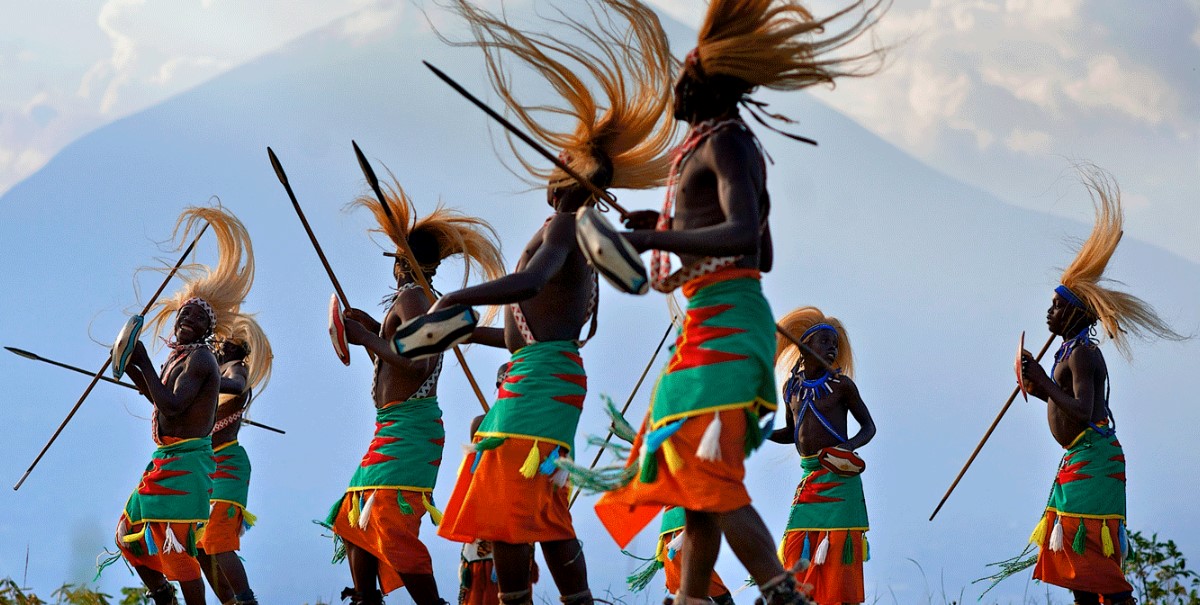
This 21 Days Rwanda primate safari, culture, history and wildlife holiday weaves close wildlife encounters, local culture and living history into a single journey. Over three weeks you will move from Kigali’s hills to the rainforest canopy, along Lake Kivu’s shoreline, into the Virunga foothills and across the eastern savannah — a carefully paced 21 Days Rwanda primate safari, culture, history and wildlife holiday that balances active days (trekking, kayaking, biking) with calm evenings and community visits. Expect average daily drives of 2–5 hours, several early starts for tracking primates, and group sizes commonly between 4–10 people to keep lodge experiences personal. Practical details such as gorilla and chimpanzee permit logistics, altitude (Kigali ~1,600 m; Volcanoes Park ~2,400 m), and seasonal notes (dry months June–September) will be covered in briefings. This 21 Days Rwanda primate safari, culture, history and wildlife holiday is designed for travelers who want meaningful connections — with people, with primates, and with a country that has rebuilt itself with warmth and purpose.
Welcome to your 21 Days Rwanda primate safari, culture, history and wildlife holiday. On arrival at Kigali International Airport you’ll be met and transferred (30–45 minutes) to a comfortable hotel. After long-haul travel the afternoon is reserved for rest and a short orientation meeting where your guide explains permits, entry fees and the week’s schedule. Examples: your guide might suggest a short 45-minute walk to a nearby café for Rwandan coffee (about RWF 2,000–4,000) and a light meal, or a quick visit to a hilltop viewpoint for city panoramas. Group size of 4–10 helps personalize introductions. Practical figures: hotel check-in from 14:00, typical dinner 19:00; bring a light jacket (Kigali evenings 15–18°C). This evening you’ll receive final gorilla and chimp permit confirmations for the 21 Days Rwanda primate safari, culture, history and wildlife holiday.
Today’s walking and short-drive itinerary kicks off your 21 Days Rwanda primate safari, culture, history and wildlife holiday with a visit to the Kigali Genocide Memorial and a guided tour explaining context and local memorial practices. After a reflective morning, head to Kimironko Market for hands-on shopping and cultural exchange: try sampling grilled plantain (ibiharage) or buy hand-woven baskets (from $10–25). Example: meet a cooperative of five seamstresses who supply local lodges and learn about their microfinance projects. Afternoon options include a city-food tour or an optional visit to the Inema Arts Center (open until 18:00). Expect short drives under 30 minutes between stops and time to rest before dinner. This day grounds you in the social history central to the 21 Days Rwanda primate safari, culture, history and wildlife holiday.
On Day 3 of your 21 Days Rwanda primate safari, culture, history and wildlife holiday you travel to Muhanga for a day-in-the-life cultural immersion. Spend the morning with artisans practicing imigongo cow dung painting — a distinctive local art form — learning techniques and trying a small panel (materials supplied). Midday join a household for traditional cooking: prepare isombe (cassava leaves) and local staples, then share the meal with a family. Examples and figures: typical workshop groups are 6–8; sessions last 90–120 minutes. Learn about cooperative income: some artisans earn $30–$60 monthly from sales. In the afternoon visit a local agricultural project to see coffee or banana processing; see how smallholder yields translate into market kilograms (e.g., 200–500 kg/year per household). Return to Kigali or nearby lodge late afternoon, debriefing on how these community links support the 21 Days Rwanda primate safari, culture, history and wildlife holiday.
Today you travel to Butare (Huye) as part of the 21 Days Rwanda primate safari, culture, history and wildlife holiday to visit the National Museum — the Ethnographic Museum — for a focused tour. The museum houses textiles, royal regalia and agricultural tools; an example exhibit explains Rwandan cattle traditions with labeled artifacts and photographs. Meet museum educators who often run short demonstrations on traditional weaving or oral history narration. Lunch in town at a café serving local dishes costs roughly $6–12 per person. Afternoon options include a guided walk to the old university precinct or a visit to a local women’s cooperative producing textile goods; typical cooperative groups are 8–12 members and sell to regional markets. Return to your Huye lodge for dinner and rest before heading toward Nyungwe, reflecting on cultural continuity and the place of museums in the 21 Days Rwanda primate safari, culture, history and wildlife holiday.
On Day 5 of this 21 Days Rwanda primate safari, culture, history and wildlife holiday you drive southwest to Nyungwe. After arrival and check-in, prepare for the Canopy Walk (booked in advance) — including forest trails and extended time on the suspended bridge. Examples: the canopy walk spans roughly 160–200 meters and reaches 50–60 meters above the forest floor in places; expect shaded paths and possible light rain. Guides will point out colobus monkeys, bird species and endemic plants. Practical notes: wear sturdy shoes and a lightweight rain jacket, and bring binoculars. The lodge briefing includes chimp and gorilla permit confirmations for upcoming days. Evening: a ranger talk may cover Nyungwe’s biodiversity and how this leg of the 21 Days Rwanda primate safari, culture, history and wildlife holiday supports conservation.
Start very early today for chimpanzee trekking in Nyungwe National Park as part of your 21 Days Rwanda primate safari, culture, history and wildlife holiday. The trek can vary in duration depending on habituation and trail conditions; expect uneven terrain and altitudes near 2,000 m. Guides carry radios and will brief on chimp behavior and safety: maintain a 7-meter distance and follow rangers’ instructions. Example: a typical encounter allows one hour viewing of a habituated chimp group of 10–25 individuals, usually at breakfast or mid-morning. Carry water (1–2 L), snacks, and gaiters for muddy stretches. After the trek, return to the lodge for lunch and a rest; afternoon options include a short birding walk or a cultural visit to a nearby community. This chimp-focused day is a highlight of the 21 Days Rwanda primate safari, culture, history and wildlife holiday.
Day 7 of your 21 Days Rwanda primate safari, culture, history and wildlife holiday blends natural scenery and agricultural insight. Take a guided hike to a scenic waterfall with some steep sections and shaded forest trails. Following the hike, visit a tea plantation where smallholder plots and large estates produce leaves destined for export; example figures: Rwanda’s tea estates process many tons annually, and a single worker may pluck 15–25 kg of fresh leaf per day on average. Tour the processing factory (if open) to see withering, rolling and drying stages and conclude with tea tasting and discussion of fair-trade and cooperative models that help local families — practical context for the 21 Days Rwanda primate safari, culture, history and wildlife holiday.
On Day 8 of this 21 Days Rwanda primate safari, culture, history and wildlife holiday you move north to Kibuye (Karongi) for a relaxed day on Lake Kivu. A boat trip visits nearby islands such as Napoleon Island, where you can see the large fruit bat colonies at dusk or in late afternoon roosts; islands are minutes by boat from shore. Example: a typical boat tour covers 10–20 km and includes a stop at a fishing village where you can learn traditional net techniques and meet cooperative members. Afternoon options include swimming in calm bays, visiting a coffee mill, or renting a kayak. Expect light local fees ($5–15) for boat hire per person depending on group size. This restful lake day balances the active trekking of the 21 Days Rwanda primate safari, culture, history and wildlife holiday.
Today’s journey continues your 21 Days Rwanda primate safari, culture, history and wildlife holiday along the scenic Congo Nile Trail toward Gisenyi (Rubavu). Depending on your chosen segments, you can cycle or drive portions of the trail; expect photo stops and short hikes. Example: stop at viewpoints for Lake Kivu panoramas and small artisan cafés; the trail skirts terraced hills and small farms. If cycling a trail segment, plan for moderate climbs and varied terrain suitable for intermediate cyclists. Arrive in Gisenyi for shoreline relaxation and an optional dip in the lake. This leg highlights slow travel on the 21 Days Rwanda primate safari, culture, history and wildlife holiday.
Day 10 of your 21 Days Rwanda primate safari, culture, history and wildlife holiday focuses on community development visits around Gisenyi. Meet local cooperatives working on coffee, artisanal weaving and women-led microbusinesses; typical meetings include Q&A and purchase opportunities. Example: visit a cooperative of coffee farmers where you’ll see post-harvest sorting and drying tables and learn how cherries convert to exportable green beans — yields might be 200–400 kg per season per smallholder. Another stop could be a youth-run eco-tourism initiative offering homestay experiences. These visits include short walks and often a light lunch prepared by the community. The day reinforces the social impact elements built into the 21 Days Rwanda primate safari, culture, history and wildlife holiday.
On Day 11 of your 21 Days Rwanda primate safari, culture, history and wildlife holiday you’ll explore Lake Kivu by kayak. Morning sessions cover sheltered bays along the Rubavu coastline; guided paddles keep you close to fishing coves and calm water. Example: paddle to a small fishing cove and meet local fishers to learn about sustainable catch methods; return travel time is planned to avoid late-afternoon winds. Equipment: sit-on-top kayaks or double kayaks are common; lifejackets provided. After lunch enjoy beach time or a short visit to local markets. Safety notes: basic swimming ability is advisable and guides check weather before departure. This relaxed water day is a restorative chapter in the 21 Days Rwanda primate safari, culture, history and wildlife holiday.
Day 12 of the 21 Days Rwanda primate safari, culture, history and wildlife holiday visits Buhanga sacred forest and the Twin Lakes Burera and Ruhondo. Start with a guided forest walk in Buhanga to learn about sacred tree species, local taboos, and community guardianship; guides often point out medicinal plants and map the site’s key trees. Then drive to the Twin Lakes area for a boat trip where you may see waterbirds and enjoy mountain views. Example: fishermen use small dugout canoes and may demonstrate traditional casting nets. Lunch at a lakeside spot offers fresh fish options. Expect moderate walking on uneven trails and boat transfers to explore shoreline habitats. This cultural-nature blend deepens the 21 Days Rwanda primate safari, culture, history and wildlife holiday experience.
Today is a flagship day of the 21 Days Rwanda primate safari, culture, history and wildlife holiday: gorilla trekking in Volcanoes National Park. After an early transfer to the trailhead and ranger briefing, the trek can last several hours depending on gorilla movements and terrain; vertical climbs may reach several hundred meters. Groups are small (maximum of 8 per gorilla permit) and you’ll have one hour with a habituated gorilla family — expect close views and photographic moments with guidelines on safe distances. Examples: some treks include short, steep bamboo sections where trekking poles and gaiters help; average encounter sizes are 5–20 gorillas including infants. Post-trek enjoy a celebratory lunch at the lodge and a permit certificate presentation. This encounter is central to the 21 Days Rwanda primate safari, culture, history and wildlife holiday.
On Day 14 of your 21 Days Rwanda primate safari, culture, history and wildlife holiday you track golden monkeys in the bamboo zones of the Virungas. Treks are generally shorter than gorilla treks on steeper, grassy slopes and dense bamboo patches. Expect close, playful groups of golden monkeys numbering in the tens; rangers will guide safe viewing practices and photo etiquette. Example: mountain views from the trail can reach high altitudes and the morning light is ideal for photography. After the trek visit a local conservation education center to learn about strategies protecting primate habitat and supporting community livelihoods — presentations typically include practical examples and local partners. Return to your lodge mid-afternoon for rest. This primate variation enriches the 21 Days Rwanda primate safari, culture, history and wildlife holiday with contrast and accessibility.
On Day 15 of the 21 Days Rwanda primate safari, culture, history and wildlife holiday you cross the country toward Akagera National Park — a longer travel day depending on stops. Expect scenic eastern landscapes, intermittent market towns and a lunch stop en route. Arrival at Akagera includes park briefings and a late-afternoon game drive to spot species adapting to savannah and wetland habitats. Examples of wildlife: kob, zebra, buffalo and waterbuck are commonly seen; rangers provide estimated sighting ranges and recent park reports. Lodges often sit near park gates and offer evening talks about conservation successes such as the reintroduction of lions and rhinos. This transfer introduces the savannah chapter of the 21 Days Rwanda primate safari, culture, history and wildlife holiday.
Day 16 of your 21 Days Rwanda primate safari, culture, history and wildlife holiday starts with an early morning game drive followed by a boat cruise on Lake Ihema. The boat trip focuses on hippos, crocodiles and abundant waterbirds; expect multiple sightings and good photographic opportunities from a safe distance. Example: a typical morning may record dozens of hippos in a section of shore and several crocodile basking spots. Guides explain wetland ecology and ongoing anti-poaching measures. Afternoon options include a community visit near the park boundary to learn about human-wildlife coexistence, with local groups describing grazing and farming adjustments. This water-and-wildlife day is designed for both viewing and learning during the 21 Days Rwanda primate safari, culture, history and wildlife holiday.
On Day 17 of your 21 Days Rwanda primate safari, culture, history and wildlife holiday you take a full-day game drive through Akagera from south to north with stops and a picnic lunch. Drive distances within the park may reach significant kilometers and the day includes interpretive stops explaining anti-poaching patrols and community benefits from tourism. Example sightings include giraffes browsing acacia, elephant family groups near marshes, and the park’s reintroduced lions and rhinos — sightings vary by season, but guides’ radio networks increase success rates. Bring sun protection, a refillable water bottle, and motion-sickness precautions for rough roads. Return to the lodge tired but enriched — a full wildlife chapter of the 21 Days Rwanda primate safari, culture, history and wildlife holiday.
Day 18 of the 21 Days Rwanda primate safari, culture, history and wildlife holiday offers a gentler pace: a morning biking excursion near Akagera or lodge-led nature walks. Typical cycling routes are 10–25 km on dirt roads with light gradients and short wildlife viewing stops; bicycles provided are hybrid mountain models with helmets. Example: ride to a nearby village for coffee with hosts and learn about livestock management. Afternoon options include massage, reading by the pool or a short birdwatching walk with a ranger. This recovery day reduces travel strain and allows time to reflect on sightings so far. Evening briefings cover logistics for the return to Kigali and final cultural visits within the 21 Days Rwanda primate safari, culture, history and wildlife holiday.
Day 19 of your 21 Days Rwanda primate safari, culture, history and wildlife holiday is a transfer back to Kigali with a meaningful stop at Agahozo-Shalom Youth Village. At the village you’ll meet staff and beneficiaries, learn about its residential education and agribusiness programs, and see how vocational training operates within a model serving hundreds of youth; visits typically last 60–90 minutes. Example figures: the village supports cohorts of 200–300 residents across programs and partners with local farms for training. Lunch en route and an afternoon arrival in Kigali allow time for last-minute shopping or museum visits. This stop provides social context to tourism and demonstrates reinvestment models central to the 21 Days Rwanda primate safari, culture, history and wildlife holiday.
Day 20 of the 21 Days Rwanda primate safari, culture, history and wildlife holiday is devoted to deeper historical learning in Bugesera District. Visit the Ntarama and Nyamata Genocide Memorials for guided reflections on testimony, exhibits and survivor stories; local guides often share personal or community narratives that take time to absorb. Example: memorial archives include photographs, recorded testimonies and sacred objects, and staff lead conversations about reconciliation programs that operate today. Expect a respectful dress code and quiet time for reflection; light refreshments are available nearby. The afternoon offers an optional visit to a reconciliation project or community-led memorial garden where small groups speak with facilitators about healing and education. This solemn day completes the historical strand of the 21 Days Rwanda primate safari, culture, history and wildlife holiday.
On the final day of your 21 Days Rwanda primate safari, culture, history and wildlife holiday enjoy a short walking tour of Kigali’s neighborhoods before your transfer to the airport. Examples: stroll through Kimihurura for boutique shops and cafés, visit a craft cooperative for last-minute purchases, or walk a market lane with your guide pointing out spice and snack vendors. Typical timings: hotel checkout by 11:00, a half-day tour for mid-afternoon flights, or a morning breakfast tour for earlier departures. Your guide assists with airport check-in, recommended arrival 2–3 hours before international flights. Reflect on experiences from the trip — primate encounters, conservation projects supported, and community partners met — that shaped this 21 Days Rwanda primate safari, culture, history and wildlife holiday. Safe travels home.
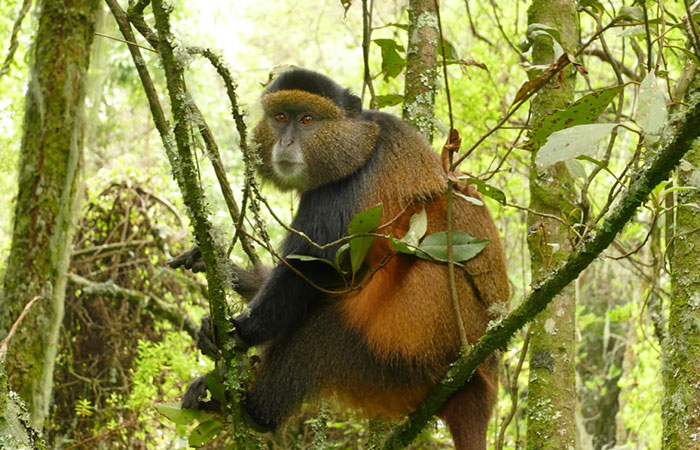
This 3 days Akagera park, Golden monkey tracking and Ibi-wachu cultural village tour offers the ultimate Rwandan escape. You'll start with sweeping sa...
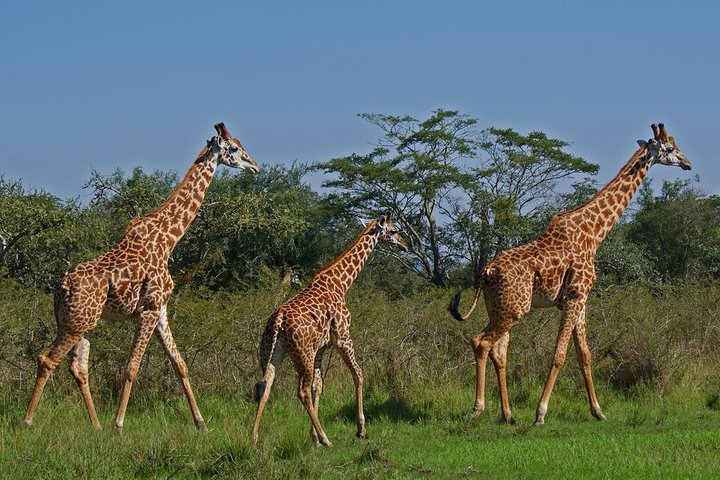
Embark on the ultimate 3 Days Nyungwe and Akagera combined Rwanda tour package, bridging sweeping savannahs and ancient montane rainforests. This swif...
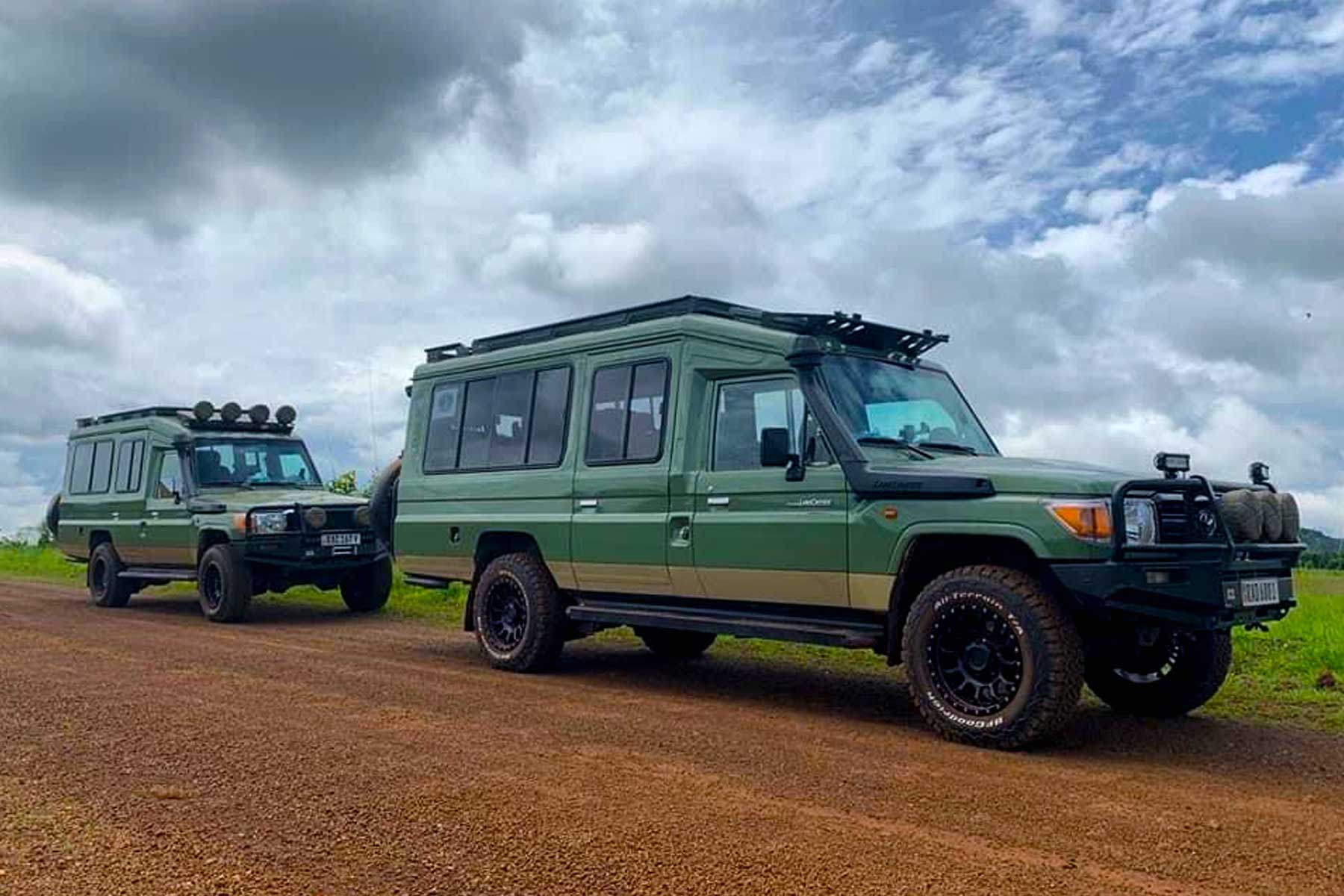
Welcome to the ultimate 10 Days best of Luxury iconic Rwanda safari holiday vacation. This unforgettable journey introduces you to the pristine natura...
Copyright © 2026 Roads of Adventure Safaris. All Rights Reserved.
Designed by aHUBUg
