26 Days East Africa safari to Uganda Rwanda and Kenya Tanzania safari offers a comprehensive expedition across diverse ecosystems and renowned wildlife strongholds. This 26 Days East Africa safari to Uganda Rwanda and Kenya Tanzania safari begins in Entebbe and moves through Uganda’s northern and western conservation areas, Rwanda’s volcanic highlands, Kenya’s central and Rift Valley reserves, and Tanzania’s northern circuit. The route is designed to balance active wildlife pursuits—game drives, chimpanzee and gorilla treks, boat cruises—and pragmatic transfers for efficient time use. Professional guides and rangers will lead each excursion, emphasizing ecological context, animal behavior, and safety. Travelers will encounter Africa’s emblematic species, rare primates, dramatic waterways and crater landscapes while learning about local cultures and conservation initiatives. This meticulously planned itinerary is ideal for discerning travelers seeking focused wildlife observation, meaningful nature interpretation, and a seamless progression across four countries’ premier parks.
Arrival at Entebbe International Airport marks the official start of the 26 Days East Africa safari to Uganda Rwanda and Kenya Tanzania safari. Upon landing, you will be met by a representative who will assist with immigration and luggage formalities and provide a briefing on the itinerary and practical information for the journey ahead. Time permitting, a short orientation session covers health and safety protocols, park regulations, and packing reminders for field activities. If schedule allows, there may be a brief drive to a nearby nature area for an introductory birdwatching walk to acclimate and stretch after travel. The remainder of the day is reserved for rest and final preparations—vehicle checks, permit confirmations, and a review of the next day’s early departure to Murchison Falls National Park. This measured start ensures efficiency and readiness for the intensive travel segment ahead.
Early departure from Entebbe begins the overland transfer to Murchison Falls National Park as part of this 26 Days East Africa safari to Uganda Rwanda and Kenya Tanzania safari. The drive traverses central Uganda’s agricultural landscapes, with stops for refreshments and photo opportunities. En route you will pass small towns, tea estates, and Rift Valley escarpments; guides will provide context on regional history and conservation efforts. Upon arrival at the park boundary, the team completes administrative clearances and enters the Murchison conservation zone. An afternoon orientation and short game drive introduce savanna habitats and resident species such as elephants, buffalo, Uganda kob, and several antelope species. Time is allotted for a vantage point visit near the park’s iconic waterfall area to witness the river constriction that produces the falls’ dramatic flow. Evening briefing prepares for the following day’s full-day activities.
Day three combines a morning game drive and an afternoon boat cruise to experience both terrestrial and aquatic wildlife concentrations. A pre-dawn game drive capitalizes on peak predator and herbivore activity, targeting sightings of lions, leopards (where present), giraffes, buffalo, and elephant along the park’s grassy floodplains. Guides focus on behavioral observation and field identification. After midday rest, participants embark on a guided boat cruise up the Nile toward the base of Murchison Falls, passing hippos, crocodiles, waterbirds and riverine mammals while learning about riparian ecology and hydrology. The cruise culminates near the falls’ violent throat, offering dramatic photographic opportunities and geological interpretation. Throughout, attention is given to safety on water and preserving quiet observation to avoid disturbing wildlife. Evening debrief covers logistics for the transfer to Kibale Forest.
This day entails a long but rewarding transfer from Murchison Falls toward western Uganda’s Kibale Forest National Park, a key primate habitat on the 26 Days East Africa safari to Uganda Rwanda and Kenya Tanzania safari. The route crosses diverse landscapes—savanna to cultivated highlands—affording continuous interpretation from the guide on land use, local communities, and conservation challenges. Scheduled stops include roadside markets and scenic viewpoints for short walks and photography. Arrival in the Kibale area includes administrative formalities and a late-afternoon forest walk to introduce the region’s flora, canopy structure, and understory birdlife. Guides will brief participants on the upcoming chimpanzee tracking protocols, safety guidelines, and expected physical demands. The day’s pace emphasizes recovery from travel while providing an ecological orientation that sets expectations for the next day’s primate-focused activities.
Day five centers on morning chimpanzee tracking in Kibale Forest, followed by an overland transfer to Queen Elizabeth National Park. Early morning forest entry increases chances of locating chimpanzee groups as they become active; trackers use habituation knowledge and signs to locate troops. The tracking session prioritizes minimal disturbance, short observation windows, and strict adherence to permitting rules—allowing up-close behavioral observation within regulated viewing times. After the tracking experience and a debrief covering chimp behavior and conservation, the group departs for Queen Elizabeth. The drive includes scenic passes through the Rwenzori foothills and Rift Valley farmland, with stops for refreshments and wildlife spotting where possible. On arrival at Queen Elizabeth’s perimeter, guides complete park registration and outline the next day’s activities, which include game drives and a potential boat trip on the Kazinga Channel.
Queen Elizabeth National Park day activities focus on maximizing sightings across its varied habitats, including crater lakes, woodlands, and the Kazinga Channel corridor. Morning and afternoon game drives target predators, elephants, buffalo, Uganda kob, and kob-associated bird species, with stops at notable viewpoints and waterholes. Guides integrate natural history interpretation—feeding ecology, anti-predator behavior, and landscape use patterns—enhancing observational depth. If scheduled, a midday or late-afternoon boat cruise along the Kazinga Channel concentrates on waterbirds, hippos and crocodiles, and provides a contrasting vantage for photography and species identification. Between drives there is time for map-based briefings and conservation talks about regional ecological pressures. The day balances active search efforts with measured observation periods to increase success while minimizing disturbance, preparing the group for the drive toward Bwindi Impenetrable Forest.
On day seven the itinerary transitions from savanna and wetland systems into the montane forest of Bwindi Impenetrable Forest. The transfer involves scenic driving through the Ishasha sector—famous for tree-climbing lions in some years—before ascending to higher-altitude rainforest. Along the way, guides provide commentary on shifting ecosystems, agricultural mosaics, and community conservation projects that support gorilla protection. Arrival at Bwindi includes registration and a briefing on gorilla trekking regulations: hygiene protocols, group size limits, silence requirements and safety measures. A short afternoon orientation walk acquaints participants with the forest environment—dense understory, lianas, and abundant birdlife—while preparing physically and mentally for the next day’s more strenuous gorilla tracking. Emphasis is placed on minimizing ecological impact and respecting local cultural practices that intersect with conservation.
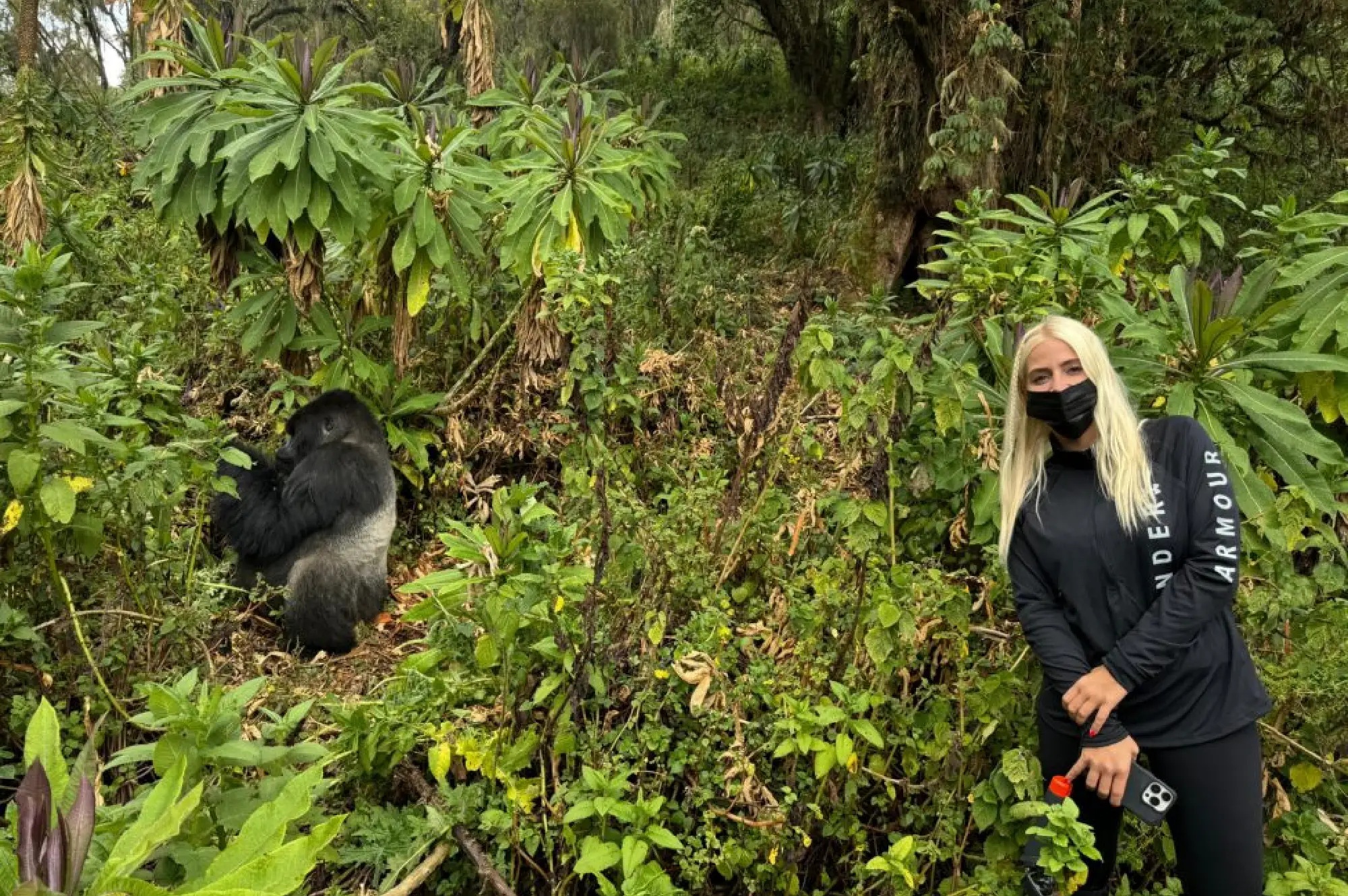
Day eight features the principal highlight of the 26 Days East Africa safari to Uganda Rwanda and Kenya Tanzania safari: mountain gorilla trekking in Bwindi Impenetrable Forest. After early arrival at the park headquarters for permits and ranger briefings, groups enter the forest with experienced trackers to locate habituated gorilla families. Trek durations vary depending on gorilla movements and terrain; participants should be prepared for steep, muddy conditions and intermittent physical exertion. Once the gorillas are located, the visit follows strict viewing rules—restricted to one hour, close but non-intrusive observation, and guidance to reduce disease transmission risk. Rangers will provide interpretive context on gorilla behavior, social structure, and conservation status. The experience emphasizes respect, patience and minimal interference. After trekking, there is time for rest and a debrief summarizing the day’s observations and discussing conservation support options.
Day nine is a cross-border transfer toward Rwanda’s Volcanoes National Park, continuing the primate-focused segment of the 26 Days East Africa safari to Uganda Rwanda and Kenya Tanzania safari. The morning begins with departure from Bwindi, traversing scenic highlands and border formalities into Rwanda. The drive provides ample opportunity to observe terraced agriculture and traditional highland communities, with stops for photographic viewpoints of volcanic peaks. Arrival at Volcanoes National Park includes an orientation to Rwandan park protocols and a briefing on forthcoming activities such as gorilla tracking alternatives, golden monkey hikes, and community visits. An afternoon short walk or cultural engagement gives additional context on conservation strategies in Rwanda, such as community-based tourism and anti-poaching initiatives. Preparation and permit confirmation for the next day’s activities conclude the day.
Day ten offers focused activities around Volcanoes National Park, where options include gorilla trekking (if permits scheduled), golden monkey tracking, or regional hikes emphasizing volcanic ecology. Early morning operations maximize successful encounters with habituated primate groups and capitalize on cooler forest conditions. Guides explain the interplay between volcanic soils, montane forest biodiversity, and agricultural livelihoods. If participants are already gorilla-permit holders, the tracking process mirrors Bwindi’s protocol: regulated viewing time, close observation under ranger supervision, and strong biosecurity measures. Golden monkey tracking offers a less strenuous, highly rewarding primate observation alternative, highlighting diurnal behaviors and canopy dynamics. Later, participants may visit conservation education centers or community projects to learn about reforestation, habitat restoration, and livelihood alternatives that reduce human-wildlife conflict. The day culminates in a logistical briefing for the transfer to Kigali and onward travel.
Day eleven involves a transition from Rwanda to Kenya, starting with a short transfer to Kigali for clearance and onward travel to Nairobi. Early departure ensures comfortable transfer times and airport formalities. Upon arrival in Kigali, there is a concise cultural and historical orientation that may include a visit to a memorial site or a brief city overview, depending on timing and preferences. The journey then continues via regional flight to Nairobi; inflight briefings review the upcoming Kenya segment of the 26 Days East Africa safari to Uganda Rwanda and Kenya Tanzania safari. Arrival in Nairobi includes immigration and customs assistance, vehicle regrouping, and an operational briefing. Time allows for equipment checks and rest, with an eye to early departure the next day for Ol Pejeta Conservancy and the continuation of focused wildlife viewing.
On day twelve the safari moves from Nairobi to Ol Pejeta Conservancy, a key Kenyan destination renowned for rhino conservation and diverse big-game populations. The morning transfer crosses Nairobi’s peri-urban mosaic into the Laikipia plateau, where conservation models integrate livestock, wildlife and community livelihoods. Arrival at Ol Pejeta includes park registration and a field briefing highlighting the conservancy’s rhino protection programs, chimpanzee sanctuary, and anti-poaching operations. Afternoon game drives target black and white rhinos, elephant herds, lion prides, and endemic birdlife. Guides provide interpretive commentary on species conservation status, anti-poaching technology and community engagement initiatives. Activities are paced to maximize daylight wildlife observation while offering insight into land-use practices that support both pastoralism and biodiversity. Evening planning covers the route to subsequent reserves including Nakuru and Masai Mara.
A full day in Ol Pejeta concentrates on extended game drives and conservation-focused experiences. Morning drives search for early predator activity and rhino sightings; guides use knowledge of current patrol data and resident animal movements to position the vehicle for optimal viewing. Midday may include a visit to the conservancy’s chimpanzee sanctuary or to a viewpoint offering landscape-level interpretation of the Laikipia ecosystem. The afternoon emphasizes habitat variation—from riverine corridors to open bush—and associated species assemblages, including rare bird species and large herbivores. Conservation briefings explain the roles of private conservancies in Kenya’s broader protected-area network and discuss community benefit-sharing mechanisms. The day is structured to blend immersive wildlife observation with an educational perspective on contemporary conservation challenges and successes, setting expectations for the drive toward Nakuru the next day.
The transfer to Nakuru National Reserve covers central Kenyan landscapes and introduces the Rift Valley lake ecosystem focal to this stage of the 26 Days East Africa safari to Uganda Rwanda and Kenya Tanzania safari. Departure early in the day permits arrival at Nakuru in time for an afternoon of wildlife viewing concentrated around the lake, woodlands and escarpments. Nakuru’s birdlife—especially waterfowl and the greater flamingo when conditions allow—provides a contrasting avian highlight to the preceding days’ large mammals. Game drives also seek Rothschild’s giraffe, buffalo, baboons and resident predators. Guides will frame observations around the lake’s fluctuating ecology, water-level impacts on bird populations, and park management strategies to mitigate human-wildlife conflict. The day ends with a briefing for the onward journey to the Masai Mara, including an overview of Mara ecosystem dynamics.
Day fifteen completes the transit to the iconic Masai Mara National Reserve, renowned for its high-density predator populations and seasonal ungulate migrations. The drive crosses varied Rift Valley terrain and arrives in time for an introductory game drive. Guides orient participants to Mara habitats—open plains, riverine thickets, and kopjes—and outline strategies for locating big cat activity and observing complex predator-prey dynamics. The initial afternoon drive focuses on establishing baseline sightings: plains game, top predators, and varied scavenger guilds. Safety briefings reiterate vehicle conduct near wildlife and interactions with local pastoralists. The day concludes with a discussion of the next two full days’ plans to explore key Mara sectors and to maximize encounters with cheetahs, lions, hyenas, and potentially migration herds, depending on season.
A full-day exploration of the Masai Mara emphasizes early-morning and late-afternoon game drives to capitalize on peak animal activity. Morning drives target ambush-hunting zones and river crossings, with particular attention to cheetah and lion hunting behavior, as well as observations of hyena and jackal scavenging dynamics. Midday periods allow for interpretive briefings, map-based tracking discussions, and focused birding. In the afternoon, guides reposition to follow predator movement patterns and to increase chances of witnessing hunting sequences or interspecific interactions. The park’s open visibility supports extended observation windows, enabling detailed study of feeding ecology and social structures among herbivores and carnivores. Throughout the day, guides emphasize minimizing disturbance, ethical photography practices, and the Mara’s role within wider ecosystem connectivity that spans into neighboring conservancies and seasonal migration routes.
A second full day in the Masai Mara provides additional opportunity to pursue elusive behaviors and to visit alternate sectors of the reserve. The schedule remains flexible—early start, mid-morning rest and extended afternoon drive—to react to real-time wildlife intelligence and maximize encounter quality. Possible highlights include observing migratory concentrations (season dependent), riverine predator hotspots, and lesser-known microhabitats that support unique bird species and small mammal communities. Guides will offer in-depth commentary on herbivore grazing strategies, predator territoriality and Mara socio-ecological challenges such as human-wildlife conflict mitigation. This day can also incorporate a guided walk with an armed ranger where permitted, offering close-range interpretation of tracks, dung, and smaller ecological indicators that vehicles cannot access. The day is dedicated to deepening field-based understanding while ensuring participant safety and conservation compliance.
Day eighteen covers the return transfer from the Masai Mara to Nairobi. The morning includes a final game drive to make best use of early activity and to secure any last observations. Departure from the Mara proceeds through rural landscapes, with potential stops at community projects or markets en route for cultural context. Arrival in Nairobi includes regrouping and an operational briefing for the Nairobi to Amboseli segment. If time permits, there may be a short urban orientation or logistical checks—equipment servicing and permit confirmations—for the Tanzania leg of the itinerary that follows Kenya. The day is organized to be unobtrusive while addressing administrative needs, ensuring a smooth cross-border progression and readiness for the Amboseli activities scheduled over the coming days.
On day nineteen the safari moves south from Nairobi toward Amboseli National Park, famed for its elephant populations and iconic views of Mount Kilimanjaro. The transfer crosses semi-arid plains into Amboseli’s unique ecosystem characterized by open salt flats, swamps and woodland patches. Arrival includes park registration and an afternoon game drive focusing on large elephant herds, matriarchal social behavior, and interactions with other ungulates. Guides will present interpretive material on elephant ecology, ranging patterns, and the role of Amboseli within transboundary conservation involving Tanzania. Emphasis is placed on photographic composition, understanding kilimanjaro-influenced microclimates, and observing the park’s seasonal water dynamics. Evening briefings prepare participants for a full day of Amboseli exploration and provide safety reminders relevant to the park’s open environment.
A full-day program in Amboseli concentrates on extended observation of elephant families and diverse avifauna while exploring different park habitats. Early-morning drives prioritize active feeding and movement patterns of elephant herds, including calf rearing and social interactions. Midday offers a chance for map-based interpretation sessions where guides discuss historic population trends, telemetry research and pastoralist coexistence strategies. Afternoon drives access peripheral wetland areas and vantage points that afford panoramic views of Kilimanjaro when conditions permit. Field discussions emphasize adaptive behavior in semi-arid landscapes, ecological responses to water availability and conservation measures addressing poaching and habitat fragmentation. The day balances close, ethical wildlife observation with education on Amboseli’s scientific significance and the human dimensions integral to its long-term stewardship.
This morning begins a substantial transfer from Amboseli into northern Tanzania, reaching Lake Manyara National Park by afternoon. The overland route traverses changing topography and crosses borders with required formalities; guides provide commentary on the transition between Kenyan and Tanzanian conservation frameworks. On arrival at Lake Manyara, participants explore its diverse habitats—groundwater forest, soda lake shores and acacia woodlands—through an introductory game drive. Highlights typically include tree-climbing lions, large troop primates, and abundant waterbirds concentrated along the shoreline. Guides interpret the lake’s limnology, flamingo ecology, and the fragile hydrological balance sustaining the park’s productivity. The day focuses on acclimating to Tanzania’s park operational protocols and preparing for the Serengeti transfer the next day.
Day twenty-two features the transfer from Lake Manyara into the greater Serengeti ecosystem, a core highlight of the 26 Days East Africa safari to Uganda Rwanda and Kenya Tanzania safari. The journey typically crosses the Ngorongoro Conservation Area into the vast Serengeti plains, offering dramatic changes in scale and species assemblages. Upon entry, game drives commence immediately to exploit late-afternoon activity, targeting large herbivore concentrations and resident predators. Guides discuss large-scale ecological processes that shape the Serengeti—seasonal migrations, predator-prey oscillations, and fire regimes—and use satellite-based intelligence where available to locate high-density wildlife areas. The expansive views and open habitat provide excellent conditions for landscape-scale wildlife observations and photography. Evening briefings set objectives for a full day of Serengeti exploration tomorrow.
A full day in the Serengeti is dedicated to maximizing close observation of the park’s emblematic species and dynamic ecological processes. Early-morning drives seek active predators and predators’ hunting grounds, emphasizing stealthy observation and vehicle positioning to avoid disturbance. Midday sessions provide interpretive talks on migration timing, grazing impacts and the role of apex predators in ecosystem health. Afternoon activities continue to follow animal movements and may include long-range tracking to locate prides, cheetah coalitions or large herbivore herds. Guides offer detailed behavioral interpretation—social hierarchies, mating strategies and interspecific interactions—enhancing field experiences. The day’s flexible approach allows teams to adjust routes in response to real-time wildlife intelligence, aiming for sustained, high-quality observations while maintaining strict adherence to park rules and ethical wildlife viewing standards.
Day twenty-four transitions from the Serengeti to the Ngorongoro Crater, a UNESCO-listed caldera renowned for its dense wildlife concentrations. The morning departure leaves time for a final Serengeti drive en route to the crater rim, where panoramic overlooks provide geological context and landscape-scale perspectives. After descending into the crater, the afternoon is dedicated to a comprehensive game drive within the caldera floor, which supports resident populations of black rhino, lion, buffalo, and diverse ungulates in a relatively condensed area. Guides provide geological interpretation of the crater’s formation, discussion of nutrient cycling within the closed basin, and insights into predator-prey dynamics unique to crater environments. The contained geography allows for intensive observation and high encounter rates, offering a fitting culmination to the Serengeti segment of the itinerary.
Day twenty-five is devoted to further exploration of Ngorongoro Crater, allowing for prolonged observation of its resident communities and deeper interpretive sessions. Early-morning drives maximize sightings of predators on the move and herbivores at water sources. Guides present focused talks on the crater’s carrying capacity, human-wildlife interactions—particularly Maasai pastoralism on the rim—and conservation initiatives aimed at balancing livelihoods with biodiversity protection. Additional activities may include a focused visit to observe black rhino where permitted, or targeted birding in marshy zones. Time is allotted for reflective discussion on long-term conservation challenges and the ecological importance of crater ecosystems. The day is structured to provide both intensive wildlife encounters and substantive context, reinforcing the scientific and cultural significance of Ngorongoro within the region.
The final day of the 26 Days East Africa safari to Uganda Rwanda and Kenya Tanzania safari is a measured transfer from Ngorongoro Crater back to Arusha for departure. A last early morning game drive offers opportunities for final sightings and photography as wildlife activity peaks. After exiting the crater, the route ascends to the highlands and proceeds toward Arusha, where administrative formalities and final briefings occur. Time in Arusha is used to consolidate travel documents, provide departure assistance and offer recommendations for onward travel or extensions. The guide conducts a comprehensive debrief covering conservation highlights, observational summaries, and practical advice for post-safari care and follow-up. The itinerary concludes with farewells and coordinated transfers to Arusha’s airport or onward destinations, closing a multi-country expedition rich in biodiversity and interpretive learning.
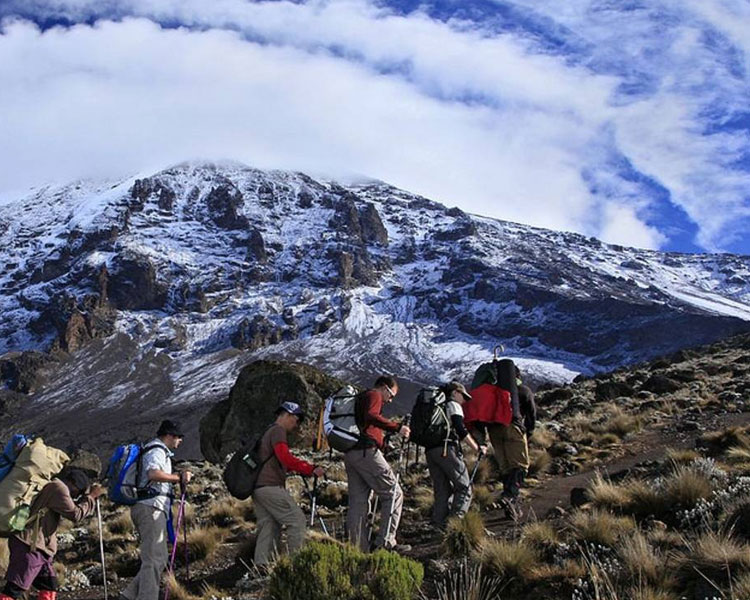
Embarking on a 9 Days Northern Circuit Kilimanjaro climb is widely considered the pinnacle of mountain expeditions in East Africa. By choosing this ex...
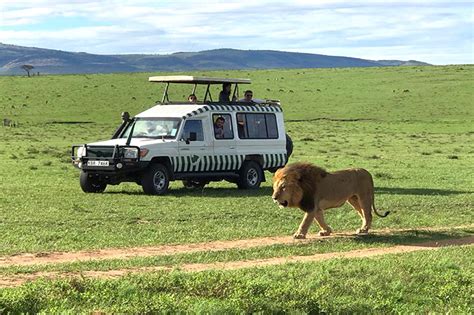
This 11 days Opulent Kenya Tanzania safari combined adventure package is crafted for the discerning traveler seeking the ultimate East African experie...
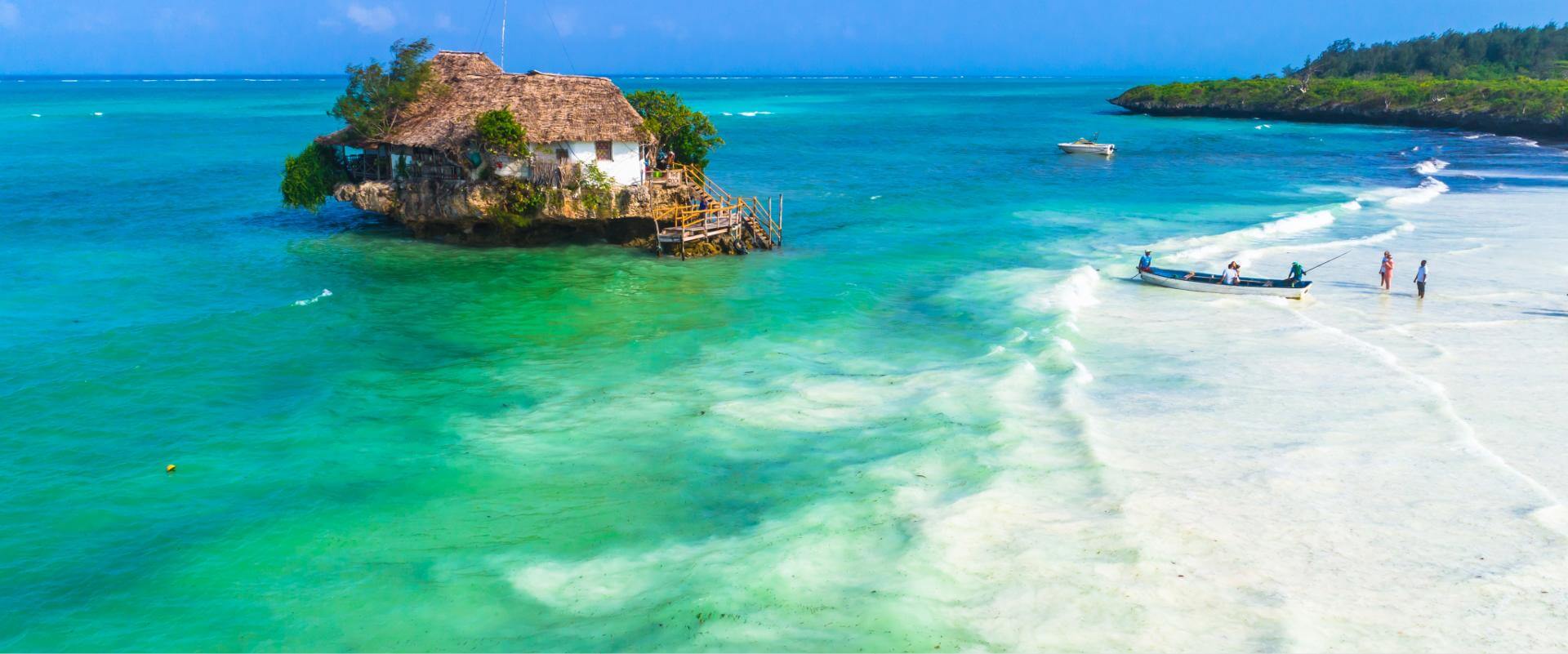
This 13 Days best of Tanzania wildlife safari and Zanzibar beach holiday escape offers a balanced exploration of Northern Tanzania’s most prolific eco...
Copyright © 2026 Roads of Adventure Safaris. All Rights Reserved.
Designed by aHUBUg
