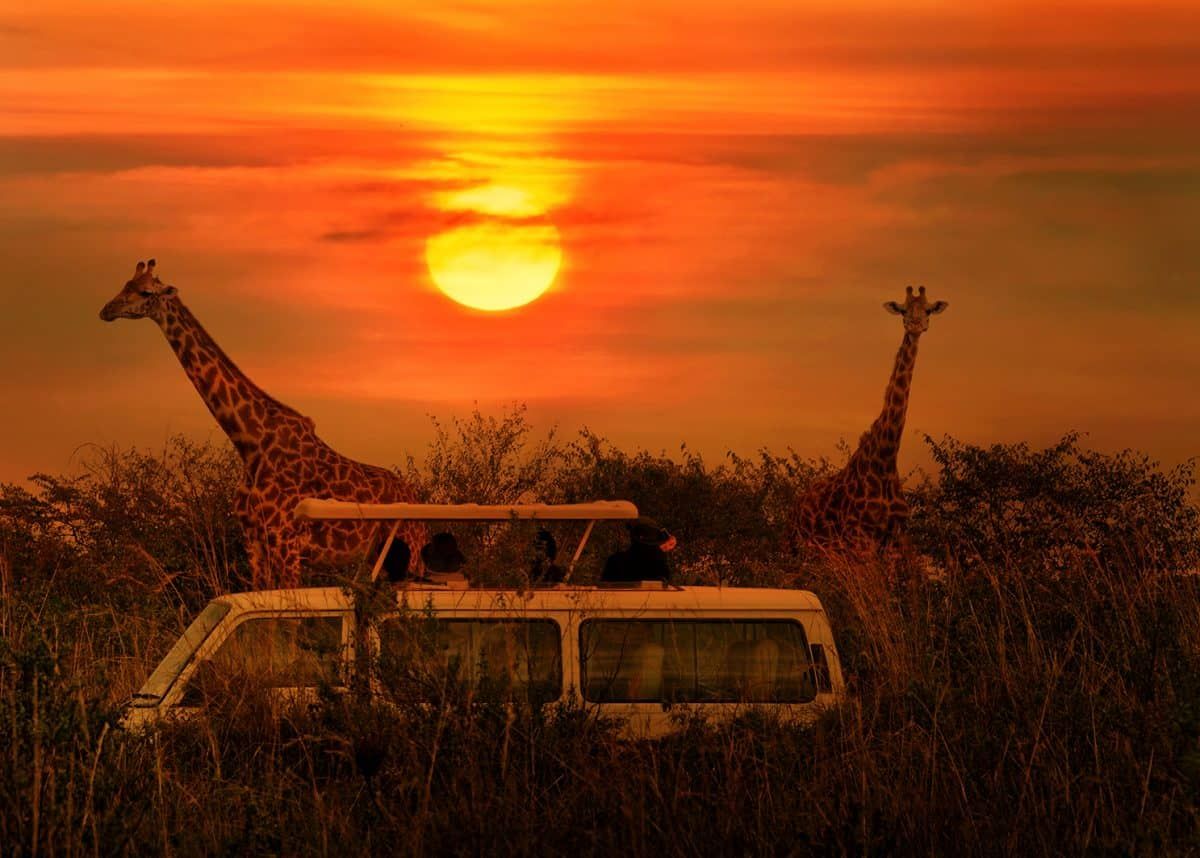
The best time to visit Samburu National Reserve is during the dry seasons, specifically from June to October and December to March. During these months, the vegetation is sparse, and animals congregate around the Ewaso Ng'iro River, offering exceptional, reliable wildlife viewing and easier, clearer spotting.
Popular related tour packages
4-days-samburu-national-reserve-and-ol-pejeta-kenya-safari-holiday
5-days-best-northern-circuit-kenya-wildlife-safari-less-explored-destinations
10-days-samburu-amboseli-nakuru-naivasha-maasai-mara-safari-tour
8-days-ol-pejeta-lake-nakuru-masai-mara-lake-naivasha-and-amboselib
8-days-samburu-special-five-ol-pejeta-and-masai-mara-safari-tour
Key Considerations for Visiting Samburu National Reserve
Best Wildlife Viewing (Dry Seasons)
The dry seasons from June to October and December to February are the best times for wildlife viewing in Samburu National Reserve. During this period, the Ewaso Ng'iro River becomes a vital resource for many animals, prompting them to congregate near its banks. This makes wildlife spotting more rewarding, as various species gather to drink, offering unparalleled chances to see them in action.
This time of year, is particularly special for observing the "Samburu Special Five," which includes the Grevy’s zebra, Somali ostrich, reticulated giraffe, gerenuk, and Beisa oryx. Each of these species displays unique adaptations to the arid environment, making their sightings a highlight of any safari. For instance, the long-necked reticulated giraffe can reach treetops for food, while the gerenuk, a long-necked antelope, stands upright to browse on shrubs. Wildlife photographers and enthusiasts are rewarded with spectacular moments, as predator-prey interactions often play out in full view.
However, while the dry season offers excellent visibility, it is also the busiest time for the reserve. Expect more tourists, especially during peak months from July to August. Booking accommodations and game drives in advance is highly recommended to secure your preferred options. Despite the crowds, the sheer abundance of wildlife makes this time a popular choice for many safari-goers.
Peak Season (June–October)
The peak season from June to October offers the best visibility for wildlife enthusiasts, making it the busiest time in Samburu National Reserve. The long dry spell transforms the reserve, making game drives highly productive as animals congregate around essential water sources. During these months, you can expect to witness an exciting range of wildlife activity, from elephants bathing in the river to predators stalking their prey.
However, the peak season's popularity means that lodges and camps tend to fill up quickly. Early booking is necessary to secure accommodations and game drive slots, particularly for luxury lodges that offer unique experiences. Prices are generally at their highest during this time, but travelers are often willing to invest in the experience due to the high chances of spotting the region's iconic wildlife.
While the vibrancy of the environment and the opportunities for unforgettable wildlife encounters make peak season appealing, visitors should also prepare for the possibility of sharing these experiences with larger crowds. This can impact wildlife sightings, as well as the overall atmosphere on game drives. Opting for less frequented routes during drives can provide a more intimate experience amidst the beauty and excitement of Samburu.
Birding & Scenery (Wet Seasons)
The wet seasons in Samburu, notably November and April to May, present a different yet rewarding experience for visitors, especially birdwatchers. While the roads may become more challenging due to rain, the lush landscapes transformed by the rains create a beautiful backdrop for wildlife viewing and photography. The increased availability of food and water also draws in a diverse range of wildlife, offering unique sightings of animals that thrive in these conditions.
Birdwatchers will find these months particularly exciting, as migratory birds arrive, adding a spectrum of colors and sounds to the ecosystem. Species such as the Vulturine guinea fowl and various raptors become more visible, while the lush vegetation enhances the scenery. Even if wildlife spotting may be slightly more challenging due to thicker foliage, the abundance of flora and fauna brings a different charm to the landscape.
Although the wet season generally offers lower accommodation rates, travelers must be prepared for possible logistical challenges, such as muddy roads and the potential for heavy rain. Those willing to embrace the unpredictability of the wet season will discover a quieter and more tranquil version of Samburu, along with unique birdwatching opportunities and stunning scenery.
Budget Travel
For travelers looking to maximize their budget, the low season, typically around April to June, presents an excellent opportunity to enjoy Samburu National Reserve at lower rates. During this period, accommodations often offer special deals, and safari packages are generally more affordable. This makes it an ideal option for budget-conscious travelers who still want to experience this stunning destination without compromising on quality.
Although wildlife sightings may be less predictable during the low season, visitors can still enjoy the beauty and serenity that Samburu has to offer. Fewer tourists mean less crowded game drives, allowing a more personal and intimate experience with nature. This period also provides a chance to engage with local communities, as lodges are often more accessible, and special cultural experiences may be available.
However, travelers should be prepared for potential weather challenges, including rain and muddy roads. Proper planning—including waterproof gear and flexible itineraries—can help ensure a successful trip during this time. By embracing the unique aspects of low season travel, visitors can fully appreciate the raw beauty of Samburu National Reserve while staying within budget.
Best time to visit Samburu national reserve month by month
Best Time to Visit Samburu National Reserve: Month by Month
January
January marks the peak of the dry season, making it an excellent time for wildlife viewing. Animals congregate around water sources, particularly the Ewaso Ng'iro River. You can expect clear skies and comfortable temperatures, ideal for game drives. January is also less crowded than peak months, allowing for a more intimate safari experience.
February
February continues the dry conditions, providing great visibility for spotting wildlife. Temperatures rise, but morning and evening game drives remain pleasant. It’s a fantastic month to witness animal behaviors as they gather near water for hydration. Birdwatchers may notice migratory species before they leave as the month progresses.
March
In March, the dry season starts to wane, and temperatures peak. Wildlife viewing remains good, but animal movements may change as the first rains begin to arrive. The landscape starts to green, making for beautiful scenery. This month can be less busy, offering good deals on accommodations, though wildlife sightings can become a bit more unpredictable.
April
April marks the beginning of the wet season. While rain showers transform the landscape into a lush paradise, road conditions can become challenging. This is a quiet time for tourism, providing a chance to enjoy tranquil wildlife experiences. Birdwatchers will find plenty to admire as migratory species arrive, and the overall environment becomes vibrant with life.
May
May sees continued rainfall, with the reserve becoming extremely lush. While wildlife sightings may be more challenging due to thick vegetation, the scenery is breathtaking. This is an excellent time for budget travelers, as accommodations often offer lower rates. Birdwatchers will benefit from the abundance of migratory birds, making this a special time for avian enthusiasts.
June
June marks the return of the dry season, improving wildlife viewing significantly. Animals are once again drawn to the Ewaso Ng'iro River, making for fantastic sightings. The weather is mild, perfect for morning and evening game drives. The safari experience becomes more popular as tourists return, so early booking is highly recommended.
July
July is the peak of the dry season and one of the best months to visit. The visibility is excellent, and gatherings of wildlife near the river create extraordinary opportunities for memorable encounters. Expect larger crowds, so be prepared for busier lodges and more competition during game drives. Wildlife interaction remains at its peak in this vibrant month.
August
August continues the dry conditions and crowded booking scenarios, making animal sightings highly rewarding. With temperatures slightly cooler, game drives are particularly enjoyable. Expect exciting opportunities to observe predators in action as they hunt near water sources. Accommodation prices are at their highest, reflecting the increased demand during this peak season.
September
September sees the dry season in full swing, with fantastic wildlife viewing available. This is the perfect time to spot the "Samburu Special Five." With fewer tourists than in July and August, you can enjoy more intimate wildlife experiences. As temperatures begin to cool, early morning drives become especially pleasant.
October
October marks the end of the dry season and the onset of increased wildlife movement. While temperatures can still be warm, the landscape is starting to prepare for the rains. This transitional month offers excellent opportunities for spotting animals and enjoying fewer tourists, as many begin to transition their travel plans for the upcoming wet season.
November
November brings the onset of the wet season, characterized by short but heavy rains. While wildlife sightings may prove more challenging due to thick vegetation, the park becomes a lush paradise. Birdwatchers will delight in the rich array of migratory species. Expect fewer tourists, providing a tranquil setting for those who embrace the changing environment.
December
December serves as a transition month, with rain becoming less frequent. Wildlife viewing improves as animals reacquaint themselves with their surroundings after the rains. This month offers great opportunities for cultural experiences as local communities celebrate the festive season. It marks a great time to visit for those seeking fewer crowds and still considering shorter, pleasant game drives.
What is the Overall Best Time to Visit Samburu National Reserve?
The overall best time to visit Samburu National Reserve is during the dry seasons, specifically from June to October and December to March. During these months, wildlife is much more active as animals migrate toward the Ewaso Ng'iro River—the primary water source in the area. The reduced foliage and concentrated animal movements enable more effective game viewing. This dry season also coincides with cooler temperatures, making outings more comfortable for visitors. As animals gather around water, the opportunities to witness predator-prey interactions significantly increase. Therefore, if you aim to see the rich and diverse wildlife of Samburu, scheduling your trip during the dry months will enhance your safari experience. Additionally, the clear skies and vibrant landscapes during these times offer excellent conditions for photography, allowing you to capture stunning images of both wildlife and the breathtaking scenery.
When is the Best Time to Visit Samburu National Reserve to See the "Special Five"?
The dry season from June to October is definitively the best time to visit Samburu National Reserve specifically to spot the "Samburu Special Five," which includes the reticulated giraffe, Grevy's zebra, Somali ostrich, gerenuk, and Beisa oryx. During this period, these rare species tend to congregate near the Ewaso Ng'iro River for hydration, making them much easier to find and observe. The dry season also means that the lower vegetation allows better visibility and enhances wildlife photography opportunities. Visitors will benefit from the active wildlife, particularly predators, that often hunt in these areas. The combination of abundant animal sightings and lovely weather makes the dry season ideal for nature enthusiasts seeking to experience the unique fauna of Samburu.
Is June to October Considered the Best Time to Visit Samburu National Reserve?
Yes, June to October is widely regarded as the best time to visit Samburu National Reserve, and for good reason. This period encompasses the long dry season when animals flock to the river, ensuring excellent wildlife viewing opportunities. With water sources dwindling, you can expect to see significant numbers of wildlife, including both herbivores and their predators, engaging in their natural behaviors. The chances of witnessing spectacular predator interactions rise sharply during this time, turning every game drive into a potentially thrilling experience. Furthermore, the weather during these months is generally pleasant, making early morning and late afternoon drives particularly enjoyable. While this period attracts the highest number of tourists, significantly enhancing your wildlife interactions and photographic opportunities solidifies its reputation as the prime time for visiting this captivating reserve.
When is the Best Time to Visit Samburu National Reserve for Bird Watching?
The best time to visit Samburu National Reserve for bird watching is during the wet seasons, particularly in April, May, and November. During these months, the return of migratory species and the blooming of flora create a vibrant environment perfect for birders. Migratory birds flock to the reserve, offering the chance to spot numerous species that may not be present during the dry season. Additionally, the lush landscapes enhance visibility and provide excellent backdrops for bird photography. While the thick vegetation means that some wildlife sightings can be more challenging, the wealth of avian life compensates for this, making birdwatching a rewarding endeavor. Overall, visiting during these periods not only enriches the birdwatching experience but also allows visitors to appreciate the unique ecological balance of Samburu.
Is December to February a Good Time to Visit?
Yes, the period from December to February is indeed a good time to visit Samburu National Reserve. This segment marks a short dry season that offers excellent conditions for wildlife viewing, albeit slightly warmer temperatures. As the dry spell settles in, animals begin to gather around the Ewaso Ng'iro River, making sightings more frequent. This season is less crowded than the long dry season from June to October, allowing for a more relaxed atmosphere while enjoying the abundance of wildlife. Wildlife interactions are vibrant during this time, especially following the rains that rejuvenate the landscape. While temperatures may rise, the warm days are offset by cooler mornings and evenings, making for a pleasant safari experience, especially during game drives.
Why is November Not Considered the Best Time to Visit Samburu National Reserve?
November is generally not considered the best time to visit Samburu National Reserve due to the peak of the wet season, which brings heavy rains and challenging road conditions. The increased moisture leads to thick vegetation, making it difficult to spot wildlife. Consequently, animals may be more dispersed, making sightings less predictable compared to the dry seasons. While the wet season creates a lush and scenic landscape, it does not favor optimal wildlife viewing conditions. Moreover, the unpredictable weather can hamper outdoor activities, and some roads may become impassable. Although there are unique benefits, such as birdwatching opportunities and lower tourist numbers, the wet conditions usually lead visitors to prefer other times of the year for more reliable wildlife encounters.
When is the Best Time to Visit Samburu National Reserve for Photography?
For photographers, the best time to visit Samburu National Reserve is undoubtedly from June to October. This period offers excellent light conditions and clear, dry weather, making it ideal for capturing stunning wildlife images. The dry season not only enhances visibility for spotting animals but also provides beautiful landscapes characterized by vibrant skies and more pronounced contrasts between the dust and greenery. Photographers can take advantage of the golden hour during early morning and late afternoon game drives, yielding dramatic lighting perfect for capturing both wildlife and scenic backgrounds. With animals concentrated around water sources, photographers have greater opportunities to frame breathtaking shots of various species interacting in their natural habitat. Dedicating your safari to these months ensures the best conditions for capturing the beauty of Samburu.
Is it Possible to Visit Samburu Year-Round?
Absolutely, it is possible to visit Samburu National Reserve year-round. However, certain months offer distinct advantages and disadvantages depending on your wildlife-viewing priorities. While the dry seasons from June to October are recognized as the best times for wildlife viewing, the wet seasons—particularly April and May—offer unique opportunities for birdwatching and experiencing the reserve's lush landscapes. Even during the wet periods, wildlife remains present, albeit in different viewing conditions. Travelers seeking solitude and lower accommodation rates may find benefits in visiting the reserve during the low season, typically around April to early June. Ultimately, while the dry season is optimal for wildlife encounters, a year-round visit can still provide enriching experiences tailored to diverse interests.
When is the Best Time to Visit Samburu National Reserve for Fewer Crowds?
If your goal is to enjoy fewer crowds while still experiencing excellent wildlife viewing, the ideal time to visit Samburu National Reserve is during September and late October. By avoiding the peak months of July and August, you can take advantage of great wildlife visibility while enjoying a more relaxed atmosphere. The animals remain active and plentiful, and the concentration of wildlife around water sources is still high. Additionally, accommodations are more available and often more affordable during these months. The weather can be particularly pleasant, with cooler temperatures compared to earlier in the dry season, making for comfortable game drives. Emphasizing a less crowded experience while observing wildlife makes these months an attractive alternative for discerning travelers.
What is the Best Time to Visit Samburu National Reserve for Lower Prices?
The best time to visit Samburu National Reserve for lower prices is typically from April to early June, excluding Easter. During this low season, many accommodations and safari packages offer reduced rates, making it easier for budget-conscious travelers to enjoy the stunning landscape and wildlife. While the weather can be wetter and road conditions may be challenging, the savings can be significant. Visitors during this time often get to experience the reserve with fewer tourists, providing opportunities for more intimate wildlife encounters. Additionally, the lush landscaping during the rains ends up creating stunning views for photography enthusiasts. Travelers willing to brave the less predictable conditions may find it a rewarding and affordable option for experiencing the reserve's natural beauty.
When are the "Long Rains" and Should I Avoid Them?
The "long rains" in Samburu generally occur from April to May. During this period, heavy rainfalls transform the landscape into a lush paradise, attracting various migratory birds and revitalizing flora. However, while the scenery becomes stunningly beautiful, visitors should be cautious, as the rains can make road conditions difficult and congestion may hinder wildlife sightings. Many safari-goers prefer to avoid this period due to the unpredictable weather and potential for impassable roads. Yet, for those seeking solitude and the opportunity to see a different aspect of the reserve, visiting during the long rains can provide a unique experience, as fewer tourists venture to Samburu. Ultimately, travelers' preferences for wildlife viewing and scenic landscapes will determine their choice regarding the timing of their visit.
What Makes the Dry Season the Best Time to Visit Samburu National Reserve?
The dry season is considered the best time to visit Samburu National Reserve for several compelling reasons. The Ewaso Ng'iro River becomes the only reliable water source during these months, prompting animals to congregate around its banks. This behavior makes wildlife viewing much easier and more rewarding, as visitors can observe a wide array of animals, including predators and their prey, coming together in predictable locations. The reduced vegetation also enhances visibility, allowing for clear sighting opportunities. Additionally, the dry season tends to coincide with pleasant weather, characterized by cooler mornings and evenings that are ideal for early game drives. The overall experience during this time enhances both wildlife interactions and photographic opportunities, making the dry season the optimal choice for most visitors.
Is the Weather Too Hot During the Best Time to Visit Samburu National Reserve?
While the best time to visit Samburu during the dry season can be hot, temperatures are generally manageable. Daily temperatures often range from 20°C to 30°C (68°F to 86°F) during this period, with cooler mornings and evenings providing relief for early morning and late afternoon activities. Visitors should prepare by dressing in lightweight, breathable fabrics and staying hydrated throughout their safari experience. While daytime temperatures may be warm, the weather remains suitable for outdoor activities, particularly during game drives when temperatures are lower. With the right precautions, such as applying sunscreen and using hats for sun protection, travelers can comfortably enjoy all that Samburu has to offer during its prime wildlife-viewing months.
When is the Best Time to Visit Samburu National Reserve to See Baby Animals?
The best time to visit Samburu National Reserve to see baby animals is generally around May and June. Following the rainy season, many species give birth, making this an exciting time for nature lovers. As the landscape turns green and vibrant, visitors can expect to see young wildlife, including antelopes and other species, frolicking in their natural habitats. This period not only provides opportunities to observe baby animals but also allows visitors to see how animals adapt to their surroundings. Additionally, the lush environment during this time enhances the overall scenic beauty of the reserve. While wildlife sightings might be less predictable due to thicker foliage, the chance to witness new life often makes this an appealing alternative time for many visitors.
Are There Any Dangers in Traveling During the Best Time to Visit Samburu National Reserve?
Traveling during the best time to visit Samburu National Reserve, typically the dry season, is generally safe; however, visitors should remain aware of certain considerations. The heat can be intense, so maintaining hydration is critical to avoid dehydration, especially during long game drives. Sun protection measures, including using high-SPF sunscreen, wearing suitable clothing, and staying in shaded areas when possible, are essential to avoid sunburn. Moreover, while the risk of encountering dangerous wildlife is minimal while in the vehicle, guests should always adhere to the safety guidelines provided by their guides. Diligently following safety protocols enhances the overall experience while minimizing risks. Being well-prepared ensures that travelers can safely enjoy their safari while creating lasting memories amid the diverse wildlife of Samburu.
Booking Samburu safari with us Roads of Adventure safaris
Book your unforgettable 3-day Samburu National Park safari with Roads of Adventure Safaris, a trusted, specialized tour operator. Experience the dramatic, arid landscapes of Northern Kenya while spotting the unique "Samburu Special Five"—including reticulated giraffes and Grevy’s zebras—alongside lions and elephants by the Ewaso Ng'iro River. Our customized packages feature expert, knowledgeable guides, comfortable 4x4 vehicles, and premier lodge accommodations. Immerse yourself in local Samburu culture, enjoy scenic game drives, and witness breathtaking sunsets. Contact us to plan your tail
