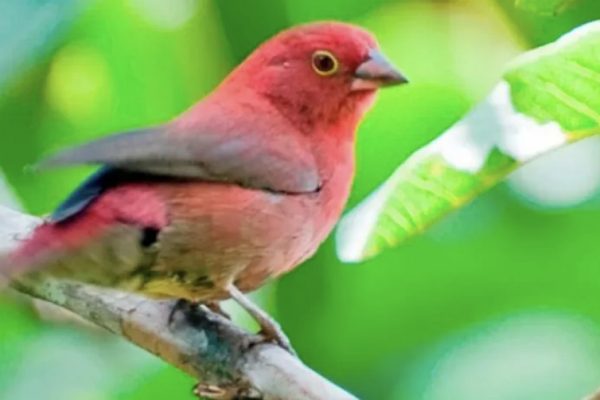
This 16 Days exclusive Rwanda bird watching safari extravaganza blends Rwanda’s finest bird habitats with unforgettable wildlife encounters and comfortable logistics. Beginning in Kigali, you immediately connect with wetlands and restored habitats before moving east to the mosaic of Akagera’s savannas and lakes. Northern highlands around Musanze and Buhanga offer montane and forest-edge specialties, while Rugezi wetland delivers peatland and marsh species. Volcanoes National Park provides a change of pace with gorilla trekking and Golden Monkey tracking—two of Rwanda’s most iconic primate experiences—interwoven with highland birding. Western Rwanda’s Lake Kivu and Gishwati-Mukura extend the program into regenerating forest and lakeshore habitats, leading to Nyungwe’s exceptional rainforest and canopy walkway for canopy specialists and mixed-species flocks. The itinerary balances targeted early-morning sessions, relaxed afternoon walks, and strategic transfers to keep birding fresh and effective. Each day includes key species to target, brief habitat notes, and realistic timing so serious birders and wildlife lovers leave with both deep species lists and memorable photographic moments.
Arrive at Kigali International Airport for your 16 Days exclusive Rwanda bird watching safari extravaganza and transfer to a nearby lodge before heading to Umusambi Village (the restored wetland and crane sanctuary). This compact site provides an easy first afternoon of birding with minimal travel fatigue while introducing you to Rwanda’s conservation successes. Habitat: restored wetland, shallow ponds, reedbeds and adjacent grassland. Key species to target: Grey Crowned Crane (striking crest and bobbing display), African Jacana (long toes walking on floating vegetation), Malachite Kingfisher (brilliant blue-green, fast dives), Squacco Heron (streaky buff heron often in reed edges), and African Openbill (specialist with unique bill gap). Expect waterbirds, waders, and reedbed passerines; listen for calls that reveal secretive species. This session is also a gentle acclimatization—perfect for adjusting optics, confirming guide tactics, and compiling an early checklist. Return to Kigali for dinner and a briefing on the next day’s Nyabarobgo wetland excursion.
A full morning at Nyabarobgo Wetland concentrates on marsh and wetland specialists in a complex of papyrus, open shallow water, and reed edges. Habitat: extensive marshland with channels and reedbeds. Key species to target: Shoebill (iconic, heavy bill and slow movements in papyrus channels), Papyrus Gonolek (bright red/black papyrus specialist), Black Crake (secretive rail often in dense vegetation), Little Bittern (compact heron lurking in reeds), and African Pygmy Kingfisher (tiny, bright and fast). Focus on quiet, patient observation from hides and canoe or shore-based vantage points when available—movement and patience are crucial for shoebill encounters. Afternoon optional walk in adjacent farmland and scattered trees targets weavers and marsh-edge finches. Logistics: early start optimizes cool, quiet conditions; carry water-resistant clothing and insect protection. Return to Kigali or stay closer to route for the transfer to Akagera the following day.
Transfer eastwards toward Akagera National Park with strategic birding stops en route through agricultural mosaics, roadside wetlands, and scattered woodlots. Habitat: transition from cultivated lowlands to lakeshore and savanna systems approaching Akagera. Key species to target en route and on arrival: African Harrier-Hawk (forest edge raptor), White-crowned Lapwing (near riverine gravel bars), Yellow-billed Stork (large wetland wader), Marabou Stork (large scavenger in watery margins), and Namaqua Dove (open-country dove near settlements). As you approach the park, the landscape opens into acacia woodlands and lakes; target species shift to savanna specialists. Arrive mid-to-late afternoon for a first short game-drive or lakeshore scan—ideal for picking up papyrus and shoreline birds and some larger mammals such as hippo at dusk. Evening briefing covers full Akagera coverage. Accommodation is inside or close to park to maximize early starts.
Spend a full day exploring Akagera’s mosaic of savanna, papyrus-fringed lakes, and gallery forest. Habitat: open grassland, woodland, large lakes and papyrus swamps. Key species to target: African Fish Eagle (prominent over open water), Shoebill (possible in papyrus pockets depending on movement), Papyrus Gonolek (again in papyrus zones), Swamp Flycatcher (papyrus specialist), and African Pitta-like understorey species in gallery forest edges where present. Boat trips on Lake Ihema deliver waterbird concentrations—herons, egrets, cormorants, and storks—while game drives produce raptors and savanna passerines. Mammal highlights include elephant, buffalo, zebra, and antelope species, which often concentrate bird activity around watering points. Use a morning boat cruise for best waterbird activity, followed by midday forest-edge birding and late-afternoon savanna drives targeting raptors and weavers. Guides will position you for sunset scans over lakes—prime time for fish eagles and fishing kingfishers.
Today focuses on the northern reaches of Akagera where the park’s habitat changes with more rugged shoreline, islands, and less-visited papyrus pockets. Habitat: rocky shorelines, papyrus-fringed inlets, riverine woodland. Key species to target: African Skimmer (if present on sandy bars), Lesser Flamingo (seasonal on alkaline lagoons), Rufous-bellied Heron (secretive in marshy fringes), African Jacana (abundant on floating vegetation), and White-browed Coucal (dense riverine thickets). Northern areas often hold localized specialities and higher concentrations of waterbirds on quieter islands. Combine boat reconnaissance with shoreline walks and short drives into gallery forest patches. Keep scopes ready for distant flocks and for skimmers that feed low over water at dusk. Expect fewer crowds and more localized sightings; this day rewards patience and scanning. Return to lodge for a late debrief and preparation for the morning transfer back to Kigali.
Begin with an early-morning birding session in Akagera to capture pre-dawn and early rising activity—especially raptors and waterbird movement—then transfer back to Kigali. Habitat: lake edges, reedbeds and savanna patches near the park exit. Key species to target in early session: Martial Eagle (large soaring raptor over open plains), Bateleur (distinctive short-tailed raptor in flight), Giant Kingfisher (large, perched near rocky river channels), African Fish Eagle (still prominent), and various weavers and bishop species in nearby reeds. After the morning session, depart for Kigali with birding stops at roadside wetlands and woodlots—watch for sunbird congregations and migrant flycatchers. Arrive Kigali late afternoon; evening at leisure and brief review of species seen so far. This day aids logistics by restoring proximity to Kigali prior to northern highland transfers for Buhanga and Rugezi.
Transfer north to Musanze (Ruhengeri) and spend the afternoon birding Buhanga Forest, an ancient montane forest remnant known for highland forest species. Habitat: small but dense montane forest with mature trees and thick understorey. Key species to target: Neumann’s Warbler (elusive understorey insectivore—listen for its distinctive calls), Ruwenzori Turaco (vivid green and red crest in montane canopy), Handsome Francolin (ground-dwelling montane francolin if present), Mountain Masked Apalis (highland apalis with sharp calls), and Red-collared Mountain Babbler-type species in thick understorey. Buhanga is compact but productive; birding here relies heavily on call recognition and guided locating. Afternoon sessions often yield mixed feeding flocks and vocal highland species. Accommodation in Musanze gives access for early starts toward Rugezi and Volcanoes National Park the following days.
A full day at Rugezi Peatland and Swamp concentrates on highland wetland species, marsh specialists, and passerines that exploit sphagnum and reed zones. Habitat: montane peatbog, marsh channels, and surrounding grassland. Key species to target: Rwenzori Turaco (if range overlaps), Papyrus Canary (specialist of reed edges in highland marsh), White-collared Oliveback-type weaver in marsh periphery, African Marsh Harrier (if present hunting over open sedge), and African Snipe (in muddy bog margins). Rugezi’s cooler climate and unique peatland flora attract specialized birds and offer contrasting behavior to lowland wetlands. Walks around boardwalks and hides, with long careful scans across open pans, increase chances of secretive marsh birds. Guides will also look for montane endemics near forest edges. Return to Musanze for a rest before Volcanoes National Park gorilla trekking.
Today is dedicated to the iconic gorilla trek in Volcanoes National Park—an immersive primate experience that also offers significant forest birding opportunities around trails and campsite clearings. Habitat: montane forest with bamboo zones and ridge forests. Key species to target around trek zones: Albertine Rift endemics such as Handsome Francolin (low forest floor species), Ruwenzori Double-collared Sunbird (bright sunbird in forest edges), White-tailed Ant Thrush (forest understorey), Cinnamon-chested Bee-eater-type flyovers in open sections, and Black-headed Gonolek near forest margins. While the primary focus is gorillas, keep optics ready: mixed flocks, forest pigeons, and turacos often appear along trekking routes. Trekking difficulty varies by gorilla location—expect steep paths and muddy sections—but the payoff is close gorilla encounters and simultaneous birding of rare highland species. Evening return to lodge for recovery and species list consolidation.
Begin with a morning golden monkey tracking session in the bamboo and mixed montane forest slopes—these acrobatic primates often occur with active mixed bird flocks. Habitat: bamboo zones and adjacent montane forest. Key species to target: Golden Monkey-associated birds like Mountain Yellow Warbler (highland warbler species), Collared Apalis (bamboo specialist), African Blue Flycatcher in clearings, and Ruwenzori Turaco vocalizations in canopy. After tracking, transfer west toward Lake Kivu for lakeshore birding and relaxed late-afternoon scans. At Lake Kivu, target species include African Fish Eagle (waterside raptor), Pied Kingfisher (hovering over the lake), and various swallows and terns over open water. The lakeshore sunset often attracts large congregations of swifts and swallows—excellent for flight identification and photography. Evening at Lake Kivu offers a restful change of pace after active primate mornings.
Transfer from Lake Kivu into Gishwati-Mukura, a regenerating forest mosaic with high conservation value and recovering endemic bird communities. Habitat: regenerating montane forest patches, riverine corridors and secondary growth. Key species to target: Gishwati-target specialists such as Chapin’s Flycatcher-type montane insectivores (localized species), Gishwati-specific forest bulbuls, African Hill Babbler-type highland passerines, White-naped Pigeon-type forest pigeons, and African Emerald Cuckoo in flowering trees. Because Gishwati-Mukura is a recovering forest, sightings often reward patience and local-knowledge scouting. Midday forest walks and riparian checks can turn up mixed-species flocks and shy understorey birds. Evening allows for consolidation of local endemics; accommodation in or near the park positions you for the transfer to Nyungwe the next day.
Transfer south to Nyungwe Forest National Park, arriving in early afternoon for the canopy walkway experience and initial forest edge birding. Habitat: lowland to montane rainforest with continuous canopy and complex vertical structure. Key species to target on the canopy walkway and nearby trails: Rwenzori Turaco and Great Blue Turaco (large, colorful canopy turacos), Grauer’s Swamp Warbler-type canopy and understorey species, White-headed Wood Hoopoe (if present on forest edges), Red-tailed Bristlebill and various greenbuls within canopy flocks. The canopy walkway grants rare visibility into mixed-species flocks and fruiting trees where many canopy specialists feed. Use the late afternoon window to catch active movement and enjoy primate sightings—colobus monkeys are often visible from the walkway. Evening: optional short forest-edge session if time and energy allow.
A full day exploring Nyungwe’s rich trail network—Gisakura, Kamiranzovu and Karamba trails (depending on access and park guidance) to cover different elevational zones and microhabitats. Habitat: primary rainforest, stream gullies, ridge forest and planted sections near lodges. Key species to target across trails: Grauer’s Swifling-type forest swifts, Bar-tailed Trogon-type forest trogons, Green-breasted Pitta-like understorey birds (when present), White-bellied Robin-Chat, and Black-capped Apalis in mid-storey. Focus on mixed-species flocks, fruiting trees, and streamside vegetation—these are prime spots for elusive insectivores and colorful passerines. Pre-dawn starts find higher bird activity; guides will use call playback sparingly and always responsibly to confirm IDs. Afternoon searches around forest clearings and along streams often reveal kingfishers and sunbirds. Night options include listening for owls and other nocturnal species if arranged.
Spend the day on Mt. Bigugu trail, a ridge-and-slope route in Nyungwe that samples montane forest at varying elevations and provides opportunities for localized highland species. Habitat: montane ridge forest, slopes with mossy understorey and fruiting trees. Key species to target: Ruwenzori Batis-type highland flycatchers, Mountain Illadopsis-type understorey thrushes, Red-faced Woodland Warbler-type species, Grauer’s Warbler-like endemics where present, and Bocage’s Akalat-like insectivores in dense understory. The trail’s elevational gradient often concentrates birds in fruiting stands and in edge zones—useful for picking up species less frequent on lower trails. Expect mixed flocks and vocal understorey activity; persistence and quiet observation yield the best results. Afternoon descent offers a second window for canopy and mid-storey species; return to lodge for a final Nyungwe checklist review.
Today you’ll track and observe chimpanzees in Nyungwe’s forest—an intense primate experience combined with excellent opportunistic birding along trails and in clearings. Habitat: dense rainforest, gallery forest and riverine corridors. Key species to target during tracking excursions: Grey-headed Sunbird-type nectar feeders near clearings, Elegant Sunbird and other sunbirds in flowering trees, Yellow-bellied Waxbill and other forest-edge finches, African Emerald Cuckoo in fruiting patches, and mixed-flock insectivores including various greenbuls. While the primary focus is chimpanzees, the slow-paced walking and quiet waits during tracking increase chances of observing shy bird species that avoid busier trails. Keep optics ready during chimp breaks—many canopy birds appear while primates feed in fruiting trees. Return to lodge for a wrap-up session and preparation for the final transfer.
On your final day, transfer back to Kigali with a birding stop at Kings’ Palace (Nyanza) or similar cultural-historical site en route, depending on routing and time. Habitat: cultivated gardens, open fields, and scattered woodland patches near cultural sites. Key species to target: Red-chested Sunbird (near flowering gardens), Speckled Mousebird (common in hedges), Glossy-backed Drongo-type flycatchers on fenceposts, Cabanis’s Bunting or local bunting species in grassland edges, and White-browed Robin-Chat in shaded gardens. Kings’ Palace provides both cultural interest and reliable roadside birding opportunities. Arrive Kigali with time for a final species tally and departure preparations. End of tour: airport transfer or Kigali drop-off as scheduled. This final day ties together countryside and garden species that complement the highland and rainforest lists compiled during the 16 Days exclusive Rwanda bird watching safari extravaganza.
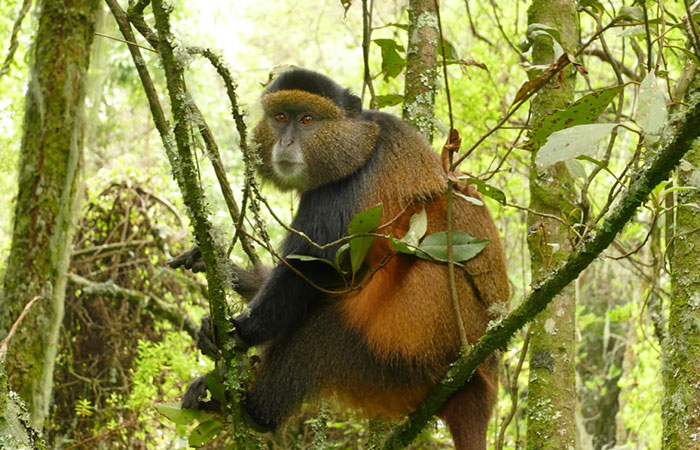
This 3 days Akagera park, Golden monkey tracking and Ibi-wachu cultural village tour offers the ultimate Rwandan escape. You'll start with sweeping sa...
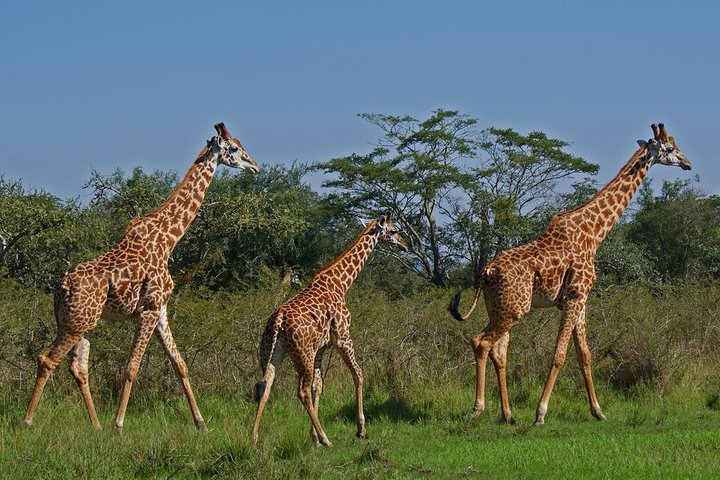
Embark on the ultimate 3 Days Nyungwe and Akagera combined Rwanda tour package, bridging sweeping savannahs and ancient montane rainforests. This swif...
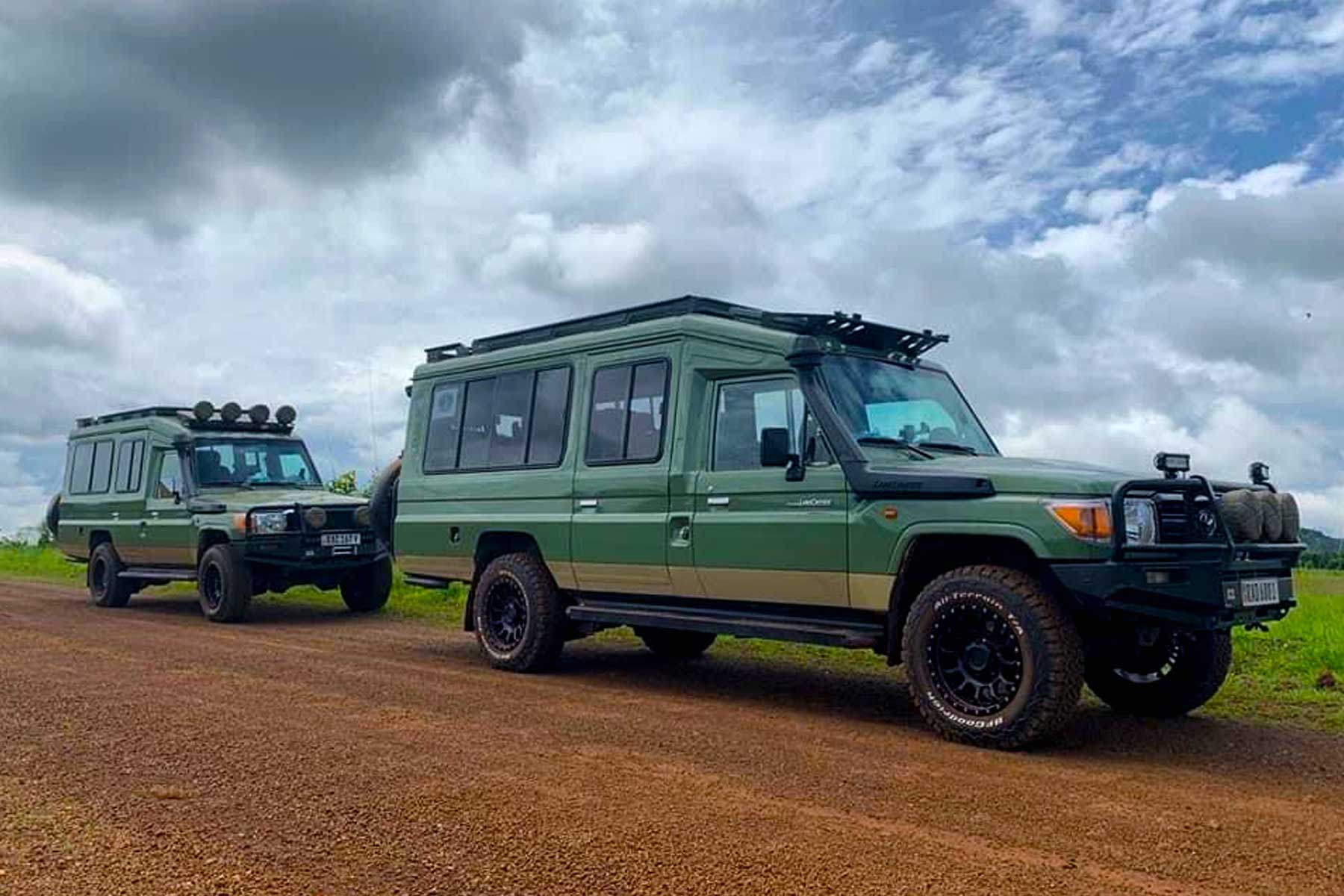
Welcome to the ultimate 10 Days best of Luxury iconic Rwanda safari holiday vacation. This unforgettable journey introduces you to the pristine natura...
Copyright © 2026 Roads of Adventure Safaris. All Rights Reserved.
Designed by aHUBUg
