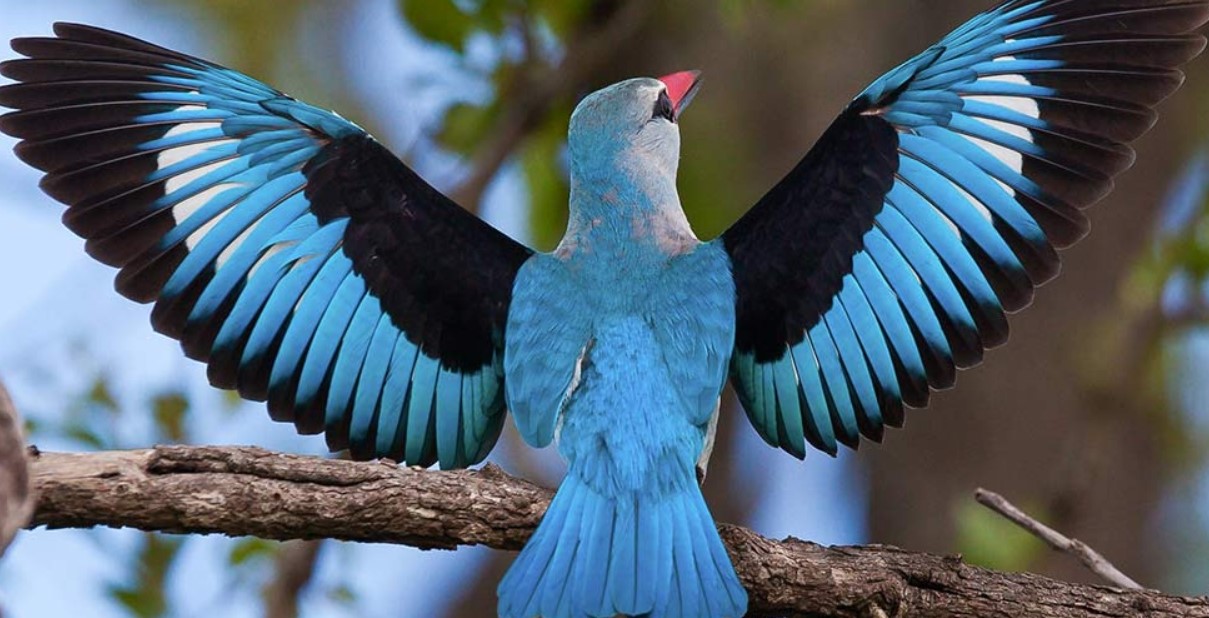
This 9 Days best Rwanda birding safari, primates and wildlife offers a masterclass in biodiversity, weaving through the "Land of a Thousand Hills" to connect three distinct ecosystems. From the sprawling wetlands of Akagera National Park to the mist-shrouded bamboo forests of Volcanoes National Park and the ancient canopy of Nyungwe Forest, this journey targets Rwanda’s most prestigious biological prizes. Birders will scan for the prehistoric Shoebill and the vibrant Great Blue Turaco, while wildlife enthusiasts face the profound experience of mountain gorilla trekking.
Rwanda’s commitment to ecological restoration has transformed these landscapes into premier destinations for spotting Albertine Rift endemics. As you transition from sun-drenched savannahs to high-altitude rainforests, you’ll witness a dramatic shift in avian life and primate behavior. This 9 Days best Rwanda birding safari, primates and wildlife
is meticulously designed for those who seek high-value photography, rare life-list additions, and a deep connection with the soul of Central Africa’s wilderness. Prepare for an immersive journey that balances the thrill of the hunt with the serenity of Rwanda’s majestic landscapes.
Your 9 Days best Rwanda birding safari, primates and wildlife odyssey begins with a scenic drive toward the eastern border, where the landscape flattens into the acacia-dotted plains of Akagera National Park. This park represents Rwanda’s primary savannah habitat, offering a sharp contrast to the mountainous west. As you enter the park, your birding journey starts immediately among the mixed acacia woodlands. Keep your binoculars ready for the Lilac-breasted Roller, the Ross's Turaco, and the Crested Barbet. During a late afternoon safari drive, the focus shifts to the sky as raptors like the Bateleur and Wahlberg's Eagle begin their final patrols. The air is filled with the calls of Red-faced Barbets—an Akagera specialty. This first day sets the stage for a diverse trip, blending the excitement of classic African big game with high-density birding in a beautifully restored ecosystem.
Today is dedicated to the complex water systems of Akagera, specifically the marshes and lakes fed by the Akagera River. A morning boat trip on Lake Ihema is a highlight, offering a front-row seat to one of Africa’s most sought-after birds: the Shoebill. Navigating the papyrus-lined edges, you’ll also search for the Papyrus Gonolek, White-winged Swamp Warbler, and the Carruthers's Cisticola. The water’s edge is teeming with African Fish Eagles and Giant Kingfishers, while hippos and crocodiles provide a dramatic backdrop. On land, the circuit continues through the northern plains to find the Southern Ground Hornbill and Red-necked Spurfowl. The sheer variety of habitats—from open water to floating papyrus beds—ensures a high species count, making Akagera a cornerstone for any serious birder visiting Rwanda.
Leaving the savannah behind, you will traverse the heart of Rwanda toward the northwest. The drive is a visual feast of terraced hillsides and vibrant villages, eventually rising into the cool, misty air of the Virunga Massif. Along the way, stops in remnant forest patches and riverine valleys offer chances to spot the Long-crested Eagle and the Augur Buzzard soaring over the agricultural landscapes. As you approach Volcanoes National Park, the avian cast changes to highland specialists. You might encounter the Grey-crowned Crane—Rwanda’s national bird—in the marshy valleys nearby. Arriving at the gateway of the gorillas, the vegetation shifts to thick bamboo and Hagenia forests, signaling your entry into the realm of the Albertine Rift endemics and the start of a high-altitude birding chapter.
The morning is dedicated to a life-changing encounter: trekking the mountain gorillas. While moving through the dense bamboo zone, keep an eye out for the Golden Monkey, a primate endemic to these volcanic slopes. Once the gorilla encounter is complete, the focus returns to the park's unique avian inhabitants. The bamboo and sub-alpine moorlands are home to the Archer’s Robin-Chat, Rwenzori Turaco, and the Red-faced Woodland Warbler. For photographers, the vibrant Regal Sunbird provides a stunning subject against the moss-covered trees. The "giants" of this park aren't just the primates; the ancient trees and volcanic peaks create a prehistoric atmosphere. Ending the day with a search for the Strange Weaver ensures your list of regional endemics continues to grow in this dramatic, high-altitude sanctuary.
Today involves a scenic transfer south along the shores of Lake Kivu to Nyungwe Forest National Park, one of the oldest rainforests in Africa. The transition through tea plantations provides excellent "edge-effect" birding, where you can spot the Great Blue Turaco gliding between forest remnants. Nyungwe is a biodiversity powerhouse, holding over 300 bird species and 13 types of primates. Your first foray into the forest interior may yield sightings of the Black-and-white-casqued Hornbill and the Mountain Sooty Boubou. The air here is thick with the calls of Chubb’s Cisticola. As you settle into this lush environment, the sheer scale of the canopy becomes apparent, offering a three-dimensional birding experience where rare endemics like the Neumann's Warbler hide in the dense, emerald undergrowth.
Adventure takes to the skies today at the Uwinka Visitor Center. The Canopy Walkway, suspended 60 meters above the forest floor, provides a unique perspective on species that rarely descend from the treetops. Look for the Blue-headed Sunbird, Purple-breasted Sunbird, and the Black-billed Turaco at eye level. After returning to solid ground, the forest trails offer chances to see the L’Hoest’s Monkey foraging on the floor. Dedicated birding along the road and trail systems focuses on the Yellow-eyed Black Flycatcher and the Rwenzori Batis. The density of the vegetation makes photography a rewarding challenge, but the reward is high-quality sightings of the Red-collared Mountain Babbler, a stunning endemic often found in noisy social groups moving through the mid-strata of this ancient, misty rainforest.
This day is designed for "mopping up" specific endemics and exploring specialized habitats. A hike to the Kamiranzovu Swamp is essential for the Grauer’s Swamp Warbler, a rare specialist of the high-altitude peat bogs. You will also search for the elusive Kivu Ground Thrush and the Kungwe Apalis in the deeper forest shadows. The afternoon offers a second chance at the Handsome Francolin, often seen darting across the forest tracks. As dusk falls, the forest takes on a different character. A nocturnal excursion is aimed at the Rwenzori Nightjar, whose haunting call defines the Nyungwe night. With luck, you may also locate the Albertine Owlet or the Fraser’s Eagle-Owl. This immersive day ensures that even the most secretive inhabitants of the Albertine Rift are given the attention they deserve.
Enjoy a final morning of birding in the Nyungwe fringes, perhaps catching a final glimpse of the White-tailed Blue Flycatcher or the Dusky Crimsonwing. The journey back to Kigali is punctuated by cultural stops, including the Ethnographic Museum in Butare, providing context to Rwanda’s history and its remarkable ecological recovery. As you leave the forest, the landscape transitions back into the rolling hills that define the country. This drive serves as a period of reflection, allowing you to review your photographs and checklists. You’ll note the incredible contrast between the papyrus swamps of the east and the montane forests of the west. In the evening, a farewell dinner in Kigali allows the group to celebrate a successful tour filled with iconic primates and rare avian treasures.
The final day of your 9 Days best Rwanda birding safari, primates and wildlife offers a relaxed pace to explore Rwanda’s clean and vibrant capital. Depending on your flight schedule, a visit to the Kigali Genocide Memorial provides a moving insight into the country's resilience and transformation. You might also explore local craft markets for last-minute souvenirs, where the intricate "Agaseke" baskets mirror the patterns found in the wings of the birds you’ve spent the week tracking. Even within the city, birding doesn't stop; the hotel gardens and city parks often host the African Goshawk and the African Thrush. As you are transferred to the airport, you leave with a profound appreciation for Rwanda’s "Green Revolution" and a memory card full of Africa’s most spectacular wildlife, concluding an epic journey through one of the continent's most rewarding destinations.
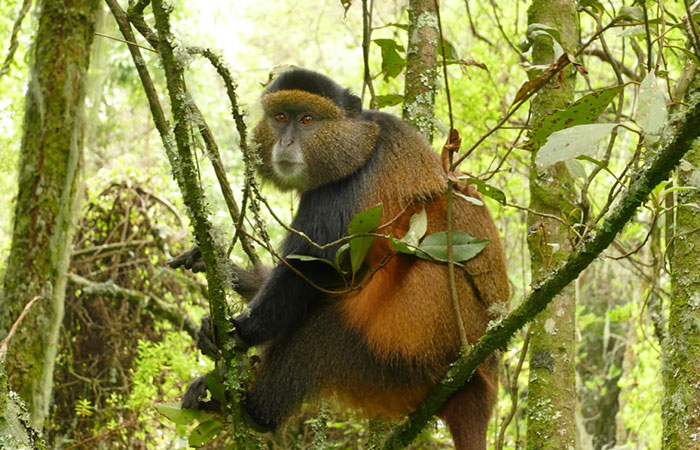
This 3 days Akagera park, Golden monkey tracking and Ibi-wachu cultural village tour offers the ultimate Rwandan escape. You'll start with sweeping sa...
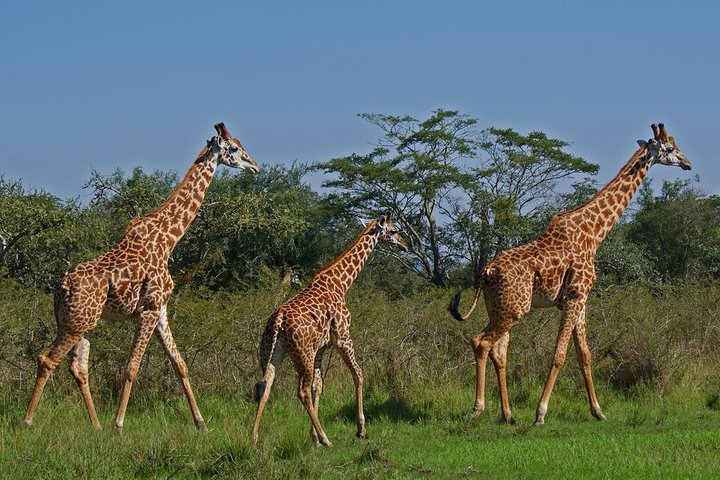
Embark on the ultimate 3 Days Nyungwe and Akagera combined Rwanda tour package, bridging sweeping savannahs and ancient montane rainforests. This swif...
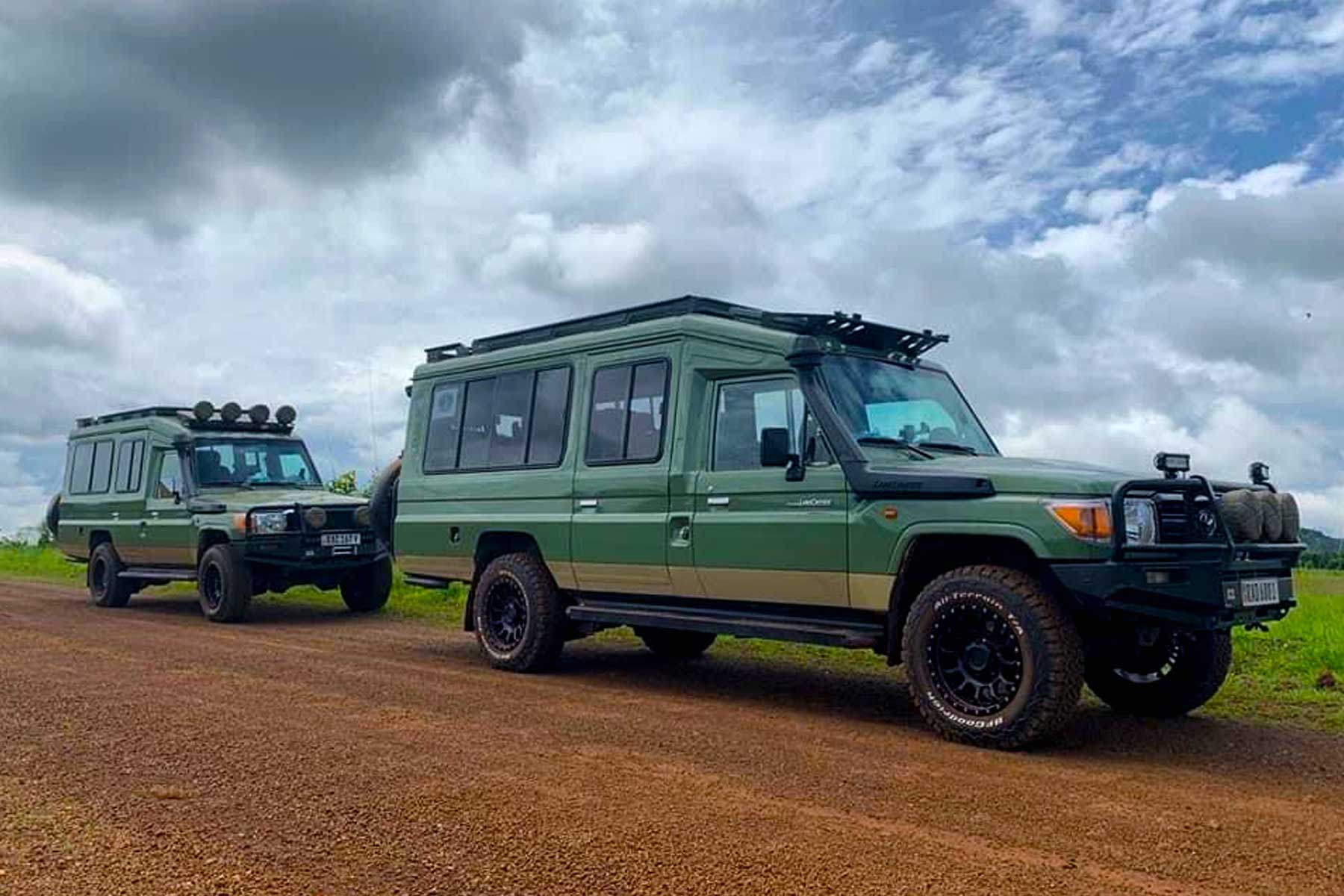
Welcome to the ultimate 10 Days best of Luxury iconic Rwanda safari holiday vacation. This unforgettable journey introduces you to the pristine natura...
Copyright © 2026 Roads of Adventure Safaris. All Rights Reserved.
Designed by aHUBUg
