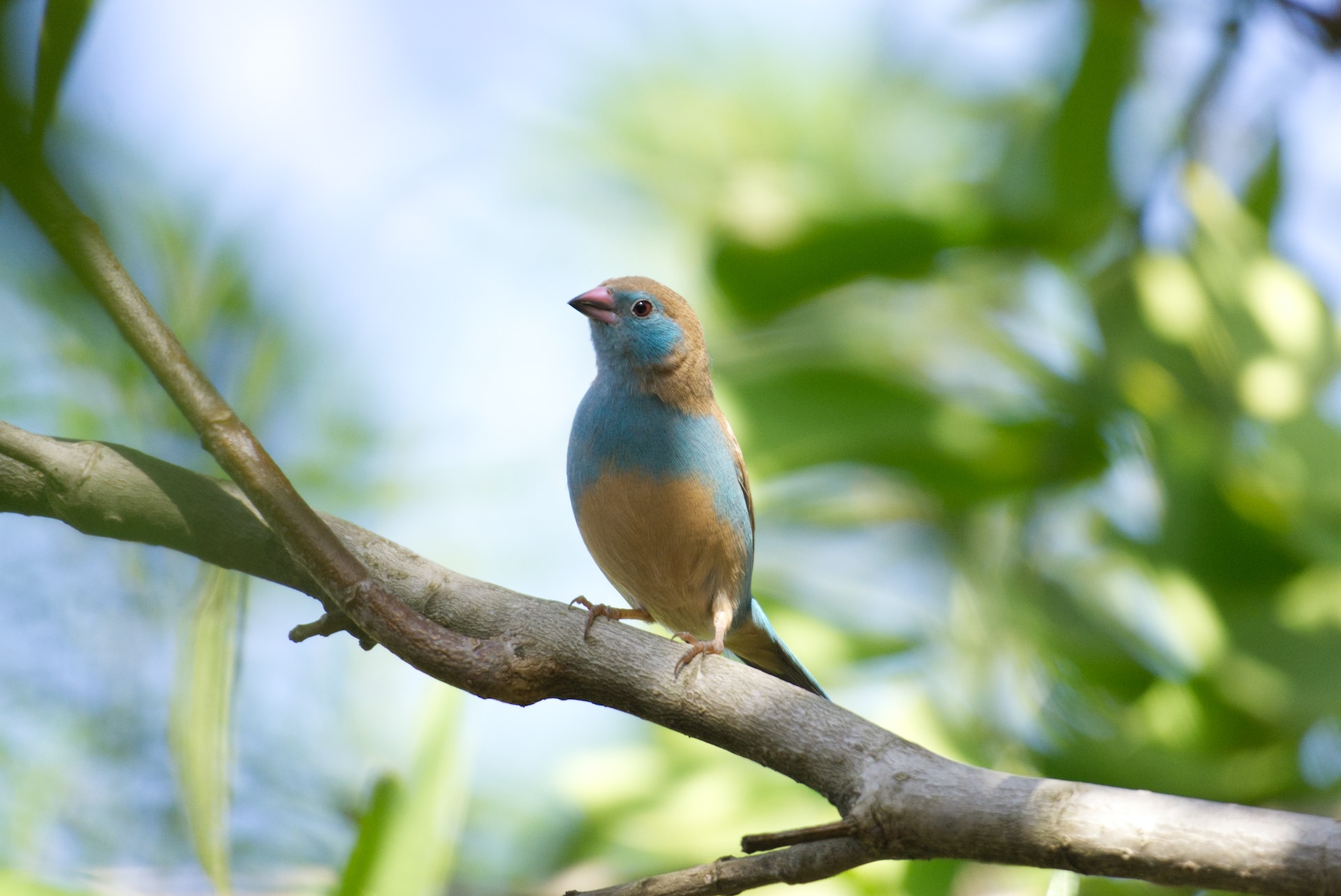
This 28 Days perfect Uganda Rwanda bird watching safari and wildlife expedition is built for serious birders and wildlife lovers who want steady sightings, good logistics, and comfortable pacing. Starting in Entebbe, you begin with wetland specialties, then move into forest and savanna habitats across eastern, northern, western, and Albertine Rift regions. Elgon, Pian Upe, Kidepo, Murchison Falls, Budongo/Royal Mile, Kibale, Semliki, Queen Elizabeth, Bwindi, and Mgahinga each support distinctive bird communities and mammals, so each section changes what you see and how the habitat behaves. After crossing into Rwanda, the program adds Nyungwe Forest canopy birding, then ends with Akagera savanna birds and large mammals. Along the way, you’ll look for raptors, kingfishers, hornbills, forest pigeons, drongos, weavers, bulbuls, swallows, and many regional endemics—paired with primates, hippos, buffaloes, elephants, and more. Every day’s plan includes target species, described field marks, and clear transfer timing.
Arrive at Entebbe for your 28 Days perfect Uganda Rwanda bird watching safari and wildlife expedition and settle for rest. Depending on arrival time, take an easy late-afternoon walk around lodge surroundings and the nearby waterfront for first habitat impressions. Common early targets include African Fish Eagle (large, white-headed raptor often seen over water), Hamerkop (odd “bucket-nest” builder near wetlands), and Goliath Heron (very tall, dark-and-white heron by shorelines and channels). If conditions allow, look for Kingfishers along quieter edges—often Malachite Kingfisher with vivid green-blue body and slow, darting movements. Wildlife that may appear includes Grey Parrots in nearby green areas and occasional monitor lizards or water-associated mammals at the lakeshore. This day is a short settling step before wetlands birding the next morning, helping you avoid fatigue for field tracks. Early dinner and sleep support an on-time start.
After breakfast, bird in Mabamba Swamp near Entebbe, focused on wetland birds and papyrus channels. Key species include Shoebill (a heavy, prehistoric-looking bird; look for a bulky head, thick shoe-like bill, and slow movement in reed beds), African Openbill (slender bill with a gap), Goliath Heron, Little Grebe, and African Jacana (floating on lily pads with long toes). Listen for Wagtails and cuckoos in nearby vegetation. In the afternoon, bird Entebbe Botanical Gardens for woodland-edge species such as Greenbul species (often olive to green tones, with loud song), Black-and-White Casqued Hornbill (large, pale casque; strong bill and stout flight), and mixed forest canopy birds. Wildlife possibilities include baboons in some garden edges and small primates in taller trees. Return to Entebbe for a comfortable night.
Start early to reduce driving time and arrive before late afternoon. Transfer from Entebbe toward Mount Elgon National Park (or the Elgon forest sector used by your lodge). En route, stop at safe viewpoints and roadside habitats for opportunistic birds and mammals. Possible wetland roadside species include cattle egrets and pond herons, plus kites hunting over open fields. As you approach higher elevations, watch for changes to forest birds: Turaco species (crest and vivid red/green tones, strong calls) and sunbirds near flowering trees. By late afternoon, do a short settling bird walk around the lodge vicinity, focusing on forest-edge species that are active at dusk. Wildlife that may appear include bushbucks or small antelope in forest clearings. This day mainly positions you for full Elgon birding on Day 4 with better timing and less fatigue.
Spend a full day birding Elgon montane forest habitats. Target species include Elgon francolin (ground bird; watch for secretive foraging on forest floors), white-winged cliff chats (if you reach rocky sections), and montane forest hornbills such as Knysna Turaco is common elsewhere but Elgon supports regional turacos and forest pigeons depending on altitude. Look for forest pigeons (rounded bodies, often gray-brown with pale wing patches) moving through mid-storey. Raptors may include Augur Buzzard in open clearings and Accipiter hawks in forest gaps. If you reach swamps or streams, search for Kingfishers and dippers in suitable water. Wildlife sightings can include duikers and other forest antelopes, plus primates if present in the forest canopy. Evening session focuses on quieter understorey birds and call-based identification. Keep a steady pace, use local guides for altitude-based hotspots, and record sightings for later comparison.
After an early breakfast, transfer to Pian Upe Game Reserve. The route typically takes you from montane forest zones into more open savanna and grassland. En route, stop at appropriate rest points for birding along wetlands and roadside trees. Targets may include Bee-eaters near sandy banks or open country, swallows over roadsides, and hawks scanning fields. As you approach Pian Upe, focus on savanna birds and insect feeders: Burchell’s or related larks (ground foraging), weavers near grass clusters, and bustards if habitat is suitable (watch for slow, upright walking and strong display behavior). On arrival, do a short late-afternoon drive/walk near lodge surroundings to pick up first savanna species. Wildlife possibilities include antelopes and warthog in open areas. This day is transfer-focused, with bird stops kept short and safe so you can maximize time on the reserve the next day.
Full-day birding in Pian Upe savanna and woodland mosaics. Start early for active vocal birds and hornbill movements. Key species targets include African Pied Hornbill (large hornbill with contrasting bill patterns; often seen in flight), Crowned Cranes if present locally, Kori Bustard (very large, heavy ground bird; long legs; often in open grass), and Secretarybird (serpentine posture and upright stance; scans for prey). Watch for Lappet-faced Vulture or other vultures around suitable carcass sites or thermals if available. Along rivers or seasonal water, look for African Fish Eagle and Egyptian Goose. Smaller birds often include sunbirds, weavers, and drongos with glossy black tones and aggressive flock behavior. Mammals you may see include buffalo, giraffe, zebra, and antelopes, depending on seasonal water. Evening drive focuses on raptors and nocturnal roosting movements from distance, using light sparingly for wildlife comfort.
Depart early with a direct route toward Kidepo Valley National Park. Driving time is significant, so plan for refreshment breaks and safe roadside bird stops. During the transfer, focus on species typical of changing savanna: Hawks over open areas, larks and cisticolas in grass patches, and hornbills on acacia-lined roads. As you move closer to Kidepo’s drier habitats, expect more arid-country birds and stronger raptor presence. Upon arrival, do a short, late-afternoon drive along accessible viewpoints for first sightings, aiming at raptors and ground birds near sandy or rocky flats. Wildlife could include antelopes and warthog at water sources. This day emphasizes arrival timing and settling into Kidepo habitat rather than pushing a full birding schedule. You’ll start full Kidepo birding on Day 8 with better light and more route options.
A full day dedicated to Narus Valley and Kidepo River areas, where bird density and habitat variety increase near water. Targets include Cinnamon-breasted Bunting and other savanna buntings (often foraging on grass edges), Double-spurred Francolin (ground forager; look for upright posture and quick flush), and Amur Falcon or other migrants if in-season (small, swift raptors during movement days). Along the river corridor, search for kingfishers and herons, including Goliath Heron if water volume suits it. Raptors may include Bateleur (broad wings, dark body, and pale underside flashes in flight) and Steppe Buzzard if present seasonally. For mammals, Kidepo commonly holds elephants, buffalo, warthog, and predators that appear in sightings windows, depending on conditions. Evening focuses on communal roost and calls, using guides to pinpoint species based on vocalizations.
After breakfast, transfer south toward Murchison Falls National Park. Because this is a long move, schedule multiple short breaks for rest and quick bird checks at safe pull-offs. Along the way, you may spot bushshrikes, drongos, kites, and vultures in open country. As the environment changes toward riverine areas, expect egrets and storks near water. Arrive at Murchison for an evening rest session and a light drive if time allows. Early focus near the lodge or nearby river edges can include African Fish Eagle and kingfishers, depending on sightings. Keep the day efficient: it positions you for Day 10’s boat cruise and open savanna birding with strong morning activity. This transfer plan reduces late driving and improves accuracy for daytime birds.
In the morning, take a boat cruise for river and lakeside birds. Strong targets include African Fish Eagle (perches above water, loud calls), Grey-headed Kingfisher (blue-gray with strong hooked bill), Crested Kingfisher (chunkier, bold calls), and herons along calmer channels. As you approach the falls area, watch for birds that move with spray and airflow—often raptors circling and swallows hawking insects. After the boat portion, visit the falls viewpoint and then proceed to open savanna birding sessions. Look for larks, bustards, and vultures over open grasslands. Wildlife sightings commonly include hippos near water, plus crocodiles along edges. In savanna sections, keep an eye on elephants, buffalo, and antelopes near clearings. Evening game viewing often improves sightings of raptors hunting over open ground.
Depart after breakfast for Masindi. This is a positioning day, moving you closer to forest-edge birding routes. En route, use short stops at safe roadside habitats: small woodlots and grass interfaces hold larks, pratincoles if present, and shrikes on exposed branches. As you near Masindi, focus on bird activity around cultivated areas and patches of woodland. Targets can include weavers and whydahs in roadside trees, plus kites or hawks over open farmland. Arrive in Masindi and check in with time for a short rest and a gentle sunset bird walk if your schedule allows. The goal is to keep energy for Budongo Forest / Royal Mile birding on Day 12. Expect some primate presence if forest edges are near—listen for distant calls. This day also helps with practical logistics before the western forest belt.
Spend the day birding Budongo Forest (Royal Mile route) for canopy-edge and forest interior birds. Key targets include Nahan’s Francolin (if present in forest edge thickets), forest hornbills (large bills; strong flight silhouettes), and kingfishers in stream-adjacent sections. Look for Black-and-White Casqued Hornbill if habitat supports it, plus Brown-throated Wattle-eye type small passerines where appropriate. In healthier canopy areas, chimpanzees may be encountered on guided primate viewing routes—also listen for loud vocal activity in the morning. Mammal sightings can include red-tailed monkeys, colobus, and other forest primates. Birding strategy here is call-based as much as sight-based: guides will lead you to fruiting trees, movement corridors, and canopy gaps where birds feed. Evening checks focus on understory species and mixed flocks. This is one of the best forest birding days in western Uganda.
After breakfast, transfer to Kibale Forest National Park. As you move from forest-edge toward the Kibale region, habitats often shift into thicker rainforest mosaics. Use brief stops for roadside birds and open-country raptors. Targets may include bushshrikes, sunbirds around flowering patches, and raptors perched on poles. Approaching Kibale, expect higher chances of forest pigeons, turacos, and canopy birds visible near tall trees. Arrive in time for a short afternoon walk or familiarization birding at the lodge area. Listen for primate calls; Kibale’s soundscape often gives early clues to chimpanzee presence. If available, take an early sunset drive to locate watering points where mammals come in to feed. This transfer day is about safe arrival and establishing a comfortable base so the next day’s Semliki and Kibale birding can be done with full energy and better morning results.
Today focuses on Semliki Forest Park, a habitat known for rich forest edges and river-associated bird activity. Target species include a mix of forest passerines, turaco-like calls, and colorful bulbuls in mid-storey. Look for African Grey Parrot-type birds if seen in your guide’s target lists, as well as cuckoos and woodpeckers that drum in quieter areas. Along stream channels, search for kingfishers and darters (river-dependent where conditions match). Many birder-friendly species here are best detected by song and by observing foraging flocks moving between tree levels. Wildlife targets include chimpanzees, colobus monkeys, and other primates that use forest pathways. Keep an eye on ground and low vegetation for forest insectivores. Morning routes usually yield more stable bird movement, while afternoon activity can shift to fruiting trees. This day balances woodland birds with river-edge specialists and keeps you aligned for the “pitta day” focus tomorrow.
A special day devoted to finding pittas and other difficult forest specialties. Your exact species depends on season and the specific pitta habitat, but this itinerary is structured for prolonged, patient forest listening and short, guided movements between likely calling points. The pitta you target is typically a compact, upright, colorful bird with strong contrast in throat or breast and an insect-feeding posture; when it appears, expect a quick burst of activity—walking on leaf litter more than hopping. Birds that may accompany pitta targets include forest kingfishers, barbets, and woodpeckers in nearby patches. Because pitta birding is largely call-based, keep your schedule flexible: stop when called, move only when advised, and maintain quiet for accurate detection. Wildlife may include monkeys moving through the canopy overhead while you wait—listen for troop calls and keep still to avoid startling birds. Evening can include a short return walk for general forest birds, but prioritize the pitta session for your best chance.
Travel to Queen Elizabeth National Park with a schedule designed to reduce long, tiring driving. After breakfast, proceed toward the park while stopping at safe roadside habitat for quick bird checks. En route, look for swallows and larks over open stretches, plus raptors perched in tall trees. As you approach Queen Elizabeth’s savanna-forest mosaic, expect more weavers, starlings, and woodland birds, with occasional woodpeckers in tree trunks. Arrive and settle, then take an initial game-drive route if time allows. This first evening drive helps you map where birds concentrate near water sources and where mammals travel. Wildlife can include kob, waterbuck, and buffalo in suitable open zones. The objective is to set you up for Day 17’s boat cruising on Kazinga Channel and additional game drives, so keep this day efficient and avoid late-night travel that reduces birding sharpness.
Spend the morning on Kazinga Channel by boat for waterbird concentration. Targets include African Skimmer and similar skimming behavior (if present and depending on season), African Fish Eagle near perches, and herons along shores. You’ll also look for cormorants, ducks, and open-water waders that feed along calm edges. With luck, watch for kingfishers darting at the water surface. After the boat, take game drives across savanna and grassland areas. Wildlife to watch includes elephants, hippos, and buffalo, plus predators that may appear around animal movement corridors. Birding focus during game drives targets raptors hunting above grasslands and bushshrikes in acacia-lined zones. Mammal sightings often increase bird activity because animals move insects and create clearings. Late afternoon is ideal for raptors and for birds using thermals. Evening drive focuses on activity near watering points, with quiet observation for shy species.
Transfer to Bwindi Impenetrable National Park, one of the most important forest regions for primates and forest birds. Plan the transfer so you arrive before evening bird activity fades. Along the route, you may encounter changing altitude scenery with forest edges and small settlements. Birding stops can include bulbuls, sunbirds, and raptors over ridges if conditions allow. On arrival, check in and take a short orientation walk around your lodge or nearby forest trail. Bwindi’s forest structure supports species that forage mid-storey and near fruiting trees, including forest hornbill types, pigeons, and forest insectivores. Primates that may be visible include colobus monkeys and other forest mammals depending on lodge proximity. This day is largely logistical and gentle, allowing you to prepare for the intensive birding around trails and waterfalls on Day 19. Nightfall is best spent resting so you can handle humid forest conditions comfortably.
Bird the main trail and waterfall sections of Bwindi, where humidity and water flow attract both insects and forest birds. Target species include forest canopy birds such as hornbill species depending on local lists, barbets, and diverse bulbuls. Waterfall mist can also attract birds that feed on insects lifted by air currents. Look for forest pigeons and fruity species that move between fruiting trees; keep watch for slow wingbeats and quick pauses as they feed. Insectivores often appear as mixed flocks with rhythmic calls. Wildlife targets include gorillas if your route overlaps with trekking corridors, plus colobus monkeys and other small primates near canopy edges. Guided observation helps you spot birds that hide in dense mid-storey. Evening can include a short return walk for nocturnal call listening if safe and allowed. This day balances structured birding with misty microhabitats so your sightings increase without repeating identical trails.
Today you transfer to the Ruhija sector in the eastern part of Bwindi. This is planned as a route shift rather than a full walking day. Your start time depends on trail access and lodge location, but the main goal is to arrive with enough daylight for a light birding session. During transit, bird from vehicle stops at safe viewpoints and forest edges; higher density areas often show birds like sunbirds, bulbuls, and small passerines moving along secondary growth. Upon arrival in Ruhija, settle and do a short afternoon forest walk focusing on birds active in the mid-storey and near streams. Wildlife possibilities include primates moving through the canopy and occasional forest mammals near lodge approaches. Ruhija’s reputation often supports excellent forest bird activity, especially in early morning and during humid conditions. This move sets you up for the focused Mubwindi swamp + Ruhija birding on Day 21, with reduced backtracking and better habitat match.
Spend the day birding Mubwindi swamp and surrounding Ruhija habitats. Swamp-edge conditions create a different bird community from drier forest trails. Look for wetland-associated forest birds, insect feeders, and water-edge species that exploit dense vegetation around standing water. Targets can include assorted sunbirds, warblers, and weaver-like passerines depending on season and microhabitat. In the swamp itself, scan carefully for movement through reeds and low shrubs; many species prefer to stay partly hidden while feeding. Because these birds can be quiet, rely on call recognition with your guide to avoid missing targets. Wildlife sightings can include primates feeding in nearby trees and other forest mammals using swamp corridors. If your guides report gorilla presence nearby, you may also see signs or occasional distant sightings, though swamp-focused birding is the main priority. Keep water-resistant gear handy; humidity and mist are common. Evening returns to lodge for rest.
Transfer to Mgahinga Gorilla National Park in Rwanda border region. Plan this as a day of movement with short birding stops: open clearings can host raptors, while forest edges can hold additional passerines and hornbill activity. Along the way, watch for birds in mixed agricultural and wooded zones, including cisticolas in grass patches and larks or bushshrikes on exposed perches. Arrive in Mgahinga and settle at your lodge with time for an initial walk near accessible trails. Mgahinga’s habitat includes forest and volcanic slopes, supporting montane species and woodland birds. Targets often include montane forest passerines, kingfishers near streams, and raptors riding thermals over slopes. Wildlife possibilities include baboons and primates near forest patches, plus forest mammals depending on sightings windows. This transfer positions you for Day 23’s gorge-area birding. Keep the schedule calm to maintain energy for active trail searching.
Bird the main trail and gorge areas in Mgahinga. Gorges and slopes often concentrate birds that prefer steep, broken terrain and dense cover. Focus on scan-and-wait along cliffs and stream corridors for kingfishers and other water-adjacent species, plus insect feeders that follow airflow. Search for montane passerines and forest robins-type small birds (species names vary by microhabitat and season) moving through understorey. Rarer birds are often detected by calls first, so keep quiet and allow your guide to pace you with minimal disturbance. Raptors may be visible as they circle overhead, especially during clearer intervals. Wildlife sightings can include primates and other forest mammals moving along slope trails. If the habitat is active, you may also see bushy-tailed species in vegetation edges, but sightings depend on timing. This day emphasizes bird microhabitats—stream edges, gorge walls, and trail junctions—so you finish with a strong primate-and-bird connection before crossing into Rwanda.
Cross the border and continue into Rwanda, then drive to Nyungwe Forest National Park. Because this involves logistics, plan efficient departure timing and keep transfers practical, with short stops for sanitation and birding when safe. During the drive, you may see open-country birds such as raptors, larks, and scattered forest-edge species. As you approach Nyungwe, vegetation thickens and bird types shift toward rainforest communities. Targets can include turacos (crest display in flight), colorful sunbirds, and forest passerines that move in fruiting trees. Arrive late afternoon and do a brief lodge-area walk to pick up canopy-edge species and familiarize yourself with forest sounds. Nyungwe is known for rich primate ecology; you may hear primate calls even when you do not see them immediately. This day focuses on arrival and acclimatization to higher humidity and forest conditions, preparing you for canopy birding on Day 25 when the habitat and views improve your chances.
Spend time birding around and during the canopy walkway experience in Nyungwe. This setting gives you high visibility for canopy species and mixed flocks traveling between fruiting points. Targets often include canopy birds such as Ruwenzori turaco-type turacos (vivid green and red tones, loud calls) depending on seasonal presence, barbets, and assorted woodpecker and finch-like small birds in canopy gaps. Look for toucans/big fruit-eaters are not typical here, but Nyungwe supports diverse rainforest birds including broadbills and greenbuls depending on guides’ target lists. Moving flocks are key: birds often show up as quick flashes of color and patterned wings rather than long sits. Wildlife may include colobus monkeys in canopy trees, and occasional other primates at treetop height. Use binoculars steadily—don’t rush the walkway. Evening adds a short forest-edge session if timing allows. This day is planned to maximize bird detection using canopy-level access.
Transfer from Nyungwe to Akagera National Park, transitioning from rainforest to savanna and wetlands. Expect a habitat shift that changes bird behavior quickly: more open-air raptors, ground foragers, and water-edge species. En route, stop briefly where permitted for roadside birding—watch for kites, swallows, and weavers in acacia and settlement trees. Arrive at Akagera and settle, then take an early evening game-drive near accessible areas. Targets include larks, bustards (if open grass is present), and hornbills where woodland meets savanna. Water-adjacent zones can hold herons and egrets, plus kingfishers along shoreline channels. Mammals you may see include zebra, giraffe, antelope species, and possibly elephants depending on sightings. This day’s main goal is to arrive before peak nightfall so you can gather first Akagera species, then go deeper with full-day birding on Day 27.
Spend a full day birding Akagera across savanna, woodland, and water-associated habitats. Key targets include raptors over open grasslands—look for Steppe Buzzard, Bateleur, and other scavenger/soaring birds depending on conditions. In woodland edges, scan for hornbills and barbets, plus kingfishers near water. For savanna passerines, expect weavers and bushshrikes with strong, diagnostic calls. If wetlands are active, watch for herons and egrets and possible storks. Akagera also offers opportunities for large mammals, including the “Big Five” possibilities: elephants, buffalo, lions, leopards, and rhinos. Exact sightings cannot be guaranteed, but Akagera’s habitats support these species, and guides plan routes to maximize your chances. Birding here works best with patience: stop frequently, observe wing patterns, and check both canopy and ground-level movement. Evening drive focuses on raptors and water-edge birds.
Today is the last day of your 28 Days perfect Uganda Rwanda bird watching safari and wildlife expedition. After breakfast, schedule a short final birding session near lodge grounds or a nearby accessible water point, focusing on species that are often easiest at the start of the day—herons, kingfishers, raptors perched on trees, and small passerines in nearby vegetation. If you still need savanna water-edge birds, concentrate on likely shoreline and reed edges where movement becomes noticeable. Then proceed to the airport for departure. The pace remains calm to avoid rushing and to keep transfers smooth. Final wildlife notes often include elephants at distant watering holes or buffalo movement corridors, but priority stays on completing the trip comfortably and on time. If time allows before departure, do one last scan with binoculars for soaring raptors and any standout forest-edge birds that appear during the morning. Pack up, confirm flight timing, and close your safari with a final checklist of sightings.
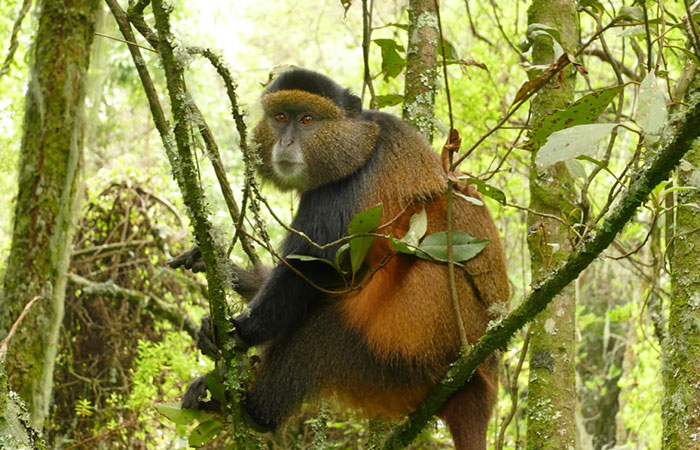
This 3 days Akagera park, Golden monkey tracking and Ibi-wachu cultural village tour offers the ultimate Rwandan escape. You'll start with sweeping sa...
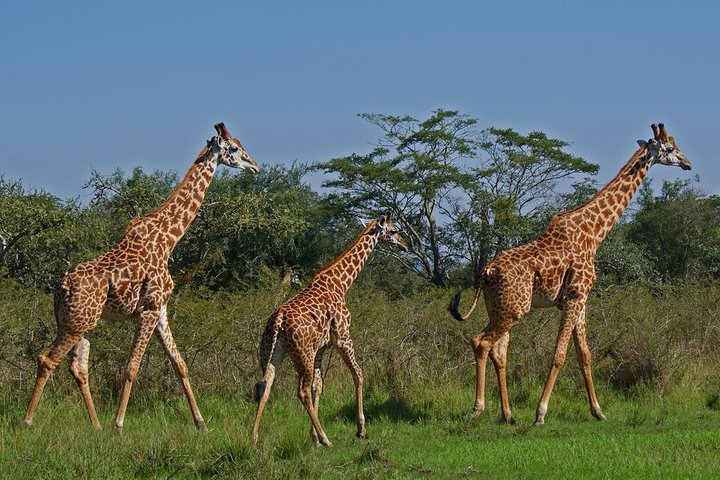
Embark on the ultimate 3 Days Nyungwe and Akagera combined Rwanda tour package, bridging sweeping savannahs and ancient montane rainforests. This swif...
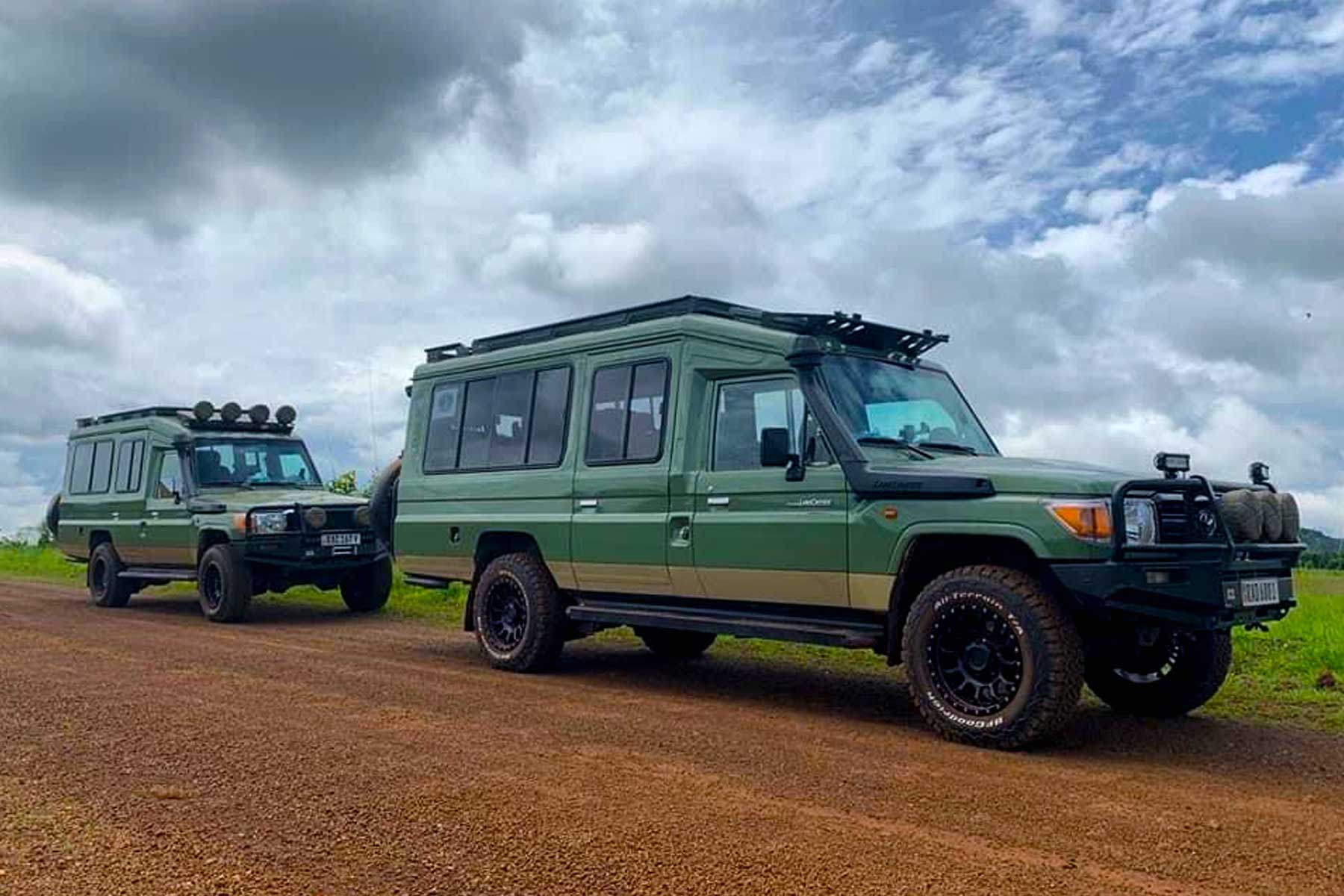
Welcome to the ultimate 10 Days best of Luxury iconic Rwanda safari holiday vacation. This unforgettable journey introduces you to the pristine natura...
Copyright © 2026 Roads of Adventure Safaris. All Rights Reserved.
Designed by aHUBUg
