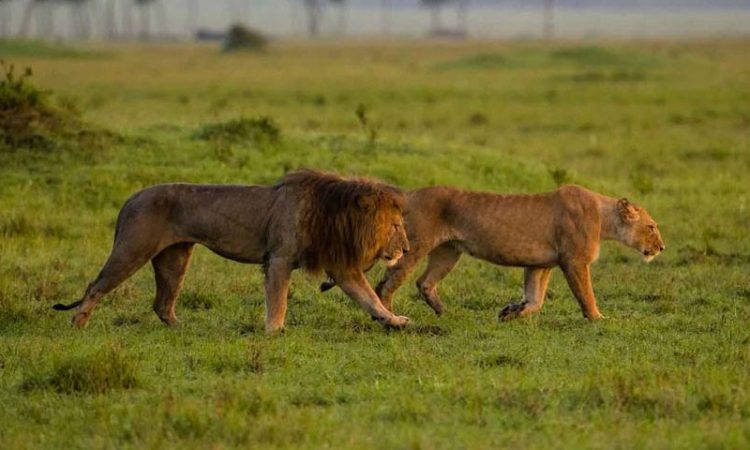
An 8-day Kenya wildlife safari offers an immersive experience, blending dramatic big cat encounters in the Masai Mara, birdwatching at Rift Valley lakes, and cultural interactions. Key highlights include witnessing the Big Five, morning game drives, hot air ballooning, cultural visits, and enjoying sundowners in the savanna.
8-day-best-kenya-tanzania-safari-vacation
8-days-masai-mara-lake-nakuru-amboseli-tsavo-west-taita-sanctuary-tsavo-east-kenya-wildlife-safari
8-days-ol-pejeta-lake-nakuru-masai-mara-lake-naivasha-and-amboseli
8-day-7-nights-midrange-africa-kenya-safari-holiday
8-days-kenya-family-safari-vacation-and-wildlife-viewing
8-days-kenya-photography-safari-expedition
8-days-masai-mara-lake-nakuru-amboseli-and-mombasa-beach-holidays
8-days-affordable-budget-kenya-safari
8-days-samburu-special-five-ol-pejeta-and-masai-mara-safari-tour
8-days-honeymoon-kenya-safari-tour-bush-to-beach-vacation
8-days-honeymoon-kenya-tanzania-safari-and-optional-hot-air-balloon-safari-for-couples
8-day-africa-safari-tour-to-masai-mara-safari-tour-serengeti-ngorongoro
- Witness the Great Wildebeest Migration (July–October)
The Great Wildebeest Migration is one of the planet’s most spectacular wildlife events, involving more than a million wildebeest accompanied by hundreds of thousands of zebras and gazelles moving between Tanzania’s Serengeti and Kenya’s Masai Mara. July through October is the prime window for seeing the Mara crossings: immense herds gather on the Mara plains, driven by seasonal rains and the search for fresh grazing. The dramatic river crossings, when animals leap into crocodile-infested waters and battle currents to reach the far banks, are the migration’s iconic moments—high stakes for prey and predator alike. Photographers and wildlife enthusiasts often plan multi-day stays in the Mara to increase their chances of witnessing a crossing; river crossings are unpredictable and can occur multiple times across the season.
Practical tips: Book Mara accommodation and guided drives well in advance for July–October, as lodges and mobile camps fill quickly. Choose an operator with reliable radio networks and experienced guides who monitor herd movements and can position vehicles at likely crossing points. Early mornings and late afternoons are prime viewing times for active groups and dramatic light. Keep safety in mind—never attempt to follow animals into water or cross riverbanks unsafely.
How to include in an 8-day safari: Center your itinerary on the Masai Mara for at least three nights—ideally four—so you have several full days to track migration movements. Combine this with a shorter visit to Amboseli or a Rift Valley lake at the start or end of your trip to diversify scenery and wildlife. Consider adding a private conservancy option (e.g., Mara Naboisho) where vehicle numbers are limited to improve viewing quality.
- Game Drive in Masai Mara National Reserve
Masai Mara National Reserve is Kenya’s premier big-game destination, celebrated for high densities of predators and abundant plains game. Game drives here are the core safari activity: open-topped 4x4 Land Cruisers and experienced guides take you across expansive savanna, kopjes, and riverine strips to seek the “Big Five” (lion, leopard, rhino, elephant, and buffalo), as well as cheetahs, hyenas, jackals, and countless ungulates. Early morning and late afternoon drives are most productive—cooler temperatures concentrate animal activity, and the low-angle sun produces flattering, dramatic light for photography. Guides use knowledge of territorial behavior, spoor, and inter-track radio to locate prides and hunting events, often allowing extended observation of stalking and social interactions.
Practical tips: Opt for small-group vehicles or private drives when possible to minimize disturbance and maximize photographic angles. Bring binoculars and a telephoto lens (300mm+ recommended) for detailed shots; a wide-angle lens is useful for landscapes and environmental portraits with Mount Kenya or acacia trees. Wear neutral-colored clothing, a hat, and sunscreen; rides can be dusty. Carry water and a small daypack.
How to include in an 8-day safari: Reserve at least two full days in the Mara within your eight-day plan to increase chances of big-cat encounters and varied sightings across different reserve sectors. Pair Mara drives with earlier stops in Amboseli and a Rift Valley lake to experience landscape contrasts—elephants with Kilimanjaro in Amboseli, hippos and birds at Naivasha or Nakuru, then big-cat drama in the Mara.
- Hot Air Balloon Safari
A hot air balloon ride over the Masai Mara is a quintessential luxury-safari experience, combining silent aerial perspectives with dawn light and wildlife below. Flights launch just before sunrise, drifting gently over the Mara plains where you can observe animals from above—herds of grazing ungulates, predators on the move, and the geometric patterns of rivers and acacia trees. The basket’s vantage removes the disturbance of vehicles, producing unique photographic and observational opportunities. Flights typically last 45–60 minutes and conclude with a champagne bush breakfast in the wilderness—a ceremonious end that often includes a short drive to a prepared spot for food and celebration.
Practical tips: Book flights well ahead, as capacity is limited and weather can force cancellations. Flights are weather-dependent; early morning winds or rain may ground balloons, so allow a buffer night in the Mara if the balloon ride is a must-do. Wear warm layers for chilly pre-dawn temperatures; the basket is stable but wear sensible shoes. Balloon companies provide safety briefings—follow the pilot’s instructions on landing positions and disembarkation.
How to include in an 8-day safari: Schedule your balloon for one of the Mara mornings, preferably early in your stay to allow a rebooking if weather cancels. Pair the balloon experience with a morning game drive or a full-day Mara stay to maximize time in the reserve. Note that balloon rides add cost and require early wake-ups but are widely considered a highlight for their cinematic perspectives.
- Visit Amboseli National Park
Amboseli National Park, on Kenya’s southeastern border, is renowned for impressive elephant populations and sweeping views of Mount Kilimanjaro (weather permitting). The park’s mosaic of marshes, open plains, and woodland supports large bull tuskers, family herds, and plentiful birdlife. Amboseli’s relatively compact size makes it accessible for intensive game viewing—morning and late-afternoon drives often yield close encounters with elephants, groups of buffalo, zebras, and occasionally predators such as lions and cheetahs. The park’s marshes attract waterbirds and offer opportunities for environmental storytelling: the interplay of water sources, grazing patterns, and human-wildlife interfaces shapes Amboseli’s ecology.
Practical tips: For best Mount Kilimanjaro photography, seek clear mornings—Kilimanjaro is frequently cloud-shrouded midday. Use a telephoto lens for detailed elephant portraits and a wide-angle lens for environmental shots that include the mountain. Amboseli can be busy at popular viewpoints; hiring a guide with local knowledge helps find lesser-used vantage points. Consider staying in a lodge with elevated viewing decks or hides.
How to include in an 8-day safari: Place Amboseli early in your itinerary (e.g., days 1–2) to transition from Nairobi and set a high-visibility wildlife tone. Spend a full day here to maximize sightings and capture sunrise/sunset portraits of elephants with Kilimanjaro as backdrop. From Amboseli you can transfer to the Rift Valley lakes or fly/drive onward to the Masai Mara.
- Boat Safari at Lake Naivasha
Lake Naivasha—one of the freshwater Rift Valley lakes—offers a refreshing contrast to open savanna game drives: boat safaris here put you close to hippos, fish eagles, kingfishers, and an astonishing diversity of waterbirds, while the papyrus-fringed shores and floating vegetation provide intimate ecological perspectives. Boat trips on the lake often include visits to crescent-shaped islands and quiet inlets where hippos loaf and edge vegetation hosts nesting birds. Crescent Island, a predator-free sanctuary reachable by short boat transfer, allows guided walking safaris among giraffes, zebras, and antelope—one of the few places in Kenya where you can walk with large mammals without vehicle presence.
Practical tips: Bring waterproof covers for camera gear and binoculars; hippos can cause splashes and boat wakes. Morning and late-afternoon boat trips are productive for bird activity and softer light. Confirm capacity and safety standards of boat operators—life jackets and experienced skippers are essential. Combine boat rides with optional hikes or visits to lakeside flower farms and community experiences.
How to include in an 8-day safari: Use Lake Naivasha as a midpoint between Amboseli and the Masai Mara, dedicating a half- to full-day for a boat safari and Crescent Island walk. It’s an excellent way to vary your safari experience, especially for birders and travelers who enjoy mixing water-based wildlife viewing with classic game drives.
- Birdwatching at Lake Nakuru National Park
Lake Nakuru National Park is a legendary birding destination, historically known for its spectacular congregations of lesser flamingos that once turned the lakeshore a vivid pink. While flamingo numbers fluctuate with lake levels and algae blooms, Nakuru’s mix of soda lake habitat, acacia woodlands, and dense bush supports diverse avifauna—pelicans, cormorants, fish eagles, storks, and many passerines. The park is also a vital rhino sanctuary: both black and white rhinos are regularly sighted, and conservation efforts are prominent. Game drives here blend birdwatching with mammal viewing—buffalo, giraffe, waterbuck, and leopard are among the possible sightings.
Practical tips: Bring a spotting scope or high-quality binoculars and a field guide for African birds. Flamingo sightings depend on water chemistry and should be treated as a seasonal bonus rather than guaranteed. Early mornings and late afternoons are best for bird activity. Stay at a lodge within or close to the park to maximize time at dawn.
How to include in an 8-day safari: Consider Nakuru when you want a bird-focused day between Amboseli and the Masai Mara, or swap Nakuru for Naivasha depending on your interests. A full day allows for thorough birding and rhino tracking, with the possibility of short hikes to viewpoints and picnic spots around the lake.
- Cultural Visit to a Maasai Village
A visit to a Maasai village (boma) offers cultural context to the landscapes and wildlife you’ll encounter on safari. The Maasai—semi-nomadic pastoralists renowned for their colorful shuka cloth, beadwork, and jumping dances (adumu)—have coexisted with wildlife on the rangelands for generations. Village visits typically include demonstrations of traditional dress, bead-making workshops, and opportunities to learn about pastoral life, cattle herding, and community conservancy models that balance livelihoods with wildlife protection. Many community visits are organized as partnerships with local conservancies, ensuring that tourism revenue supports healthcare, education, and conservation.
Practical tips: Choose ethical, community-run visits that pay fair fees and follow respectful guidelines—ask if proceeds fund local projects. Wear modest clothing and ask permission before photographing people, especially children. Be open to learning and reciprocal exchange: many Maasai hosts appreciate questions about your culture as well.
How to include in an 8-day safari: Schedule a short village visit during a transfer day, e.g., between Amboseli and the Rift Valley lakes or on arrival in the Mara. Visits typically last 1–3 hours and can be combined with a game drive or market stop. Prioritize operators that emphasize ethical interactions and community benefits.
- Walking Safaris in Private Conservancies
Walking safaris offer a different sensory and educational experience from vehicle-based drives—moving at a walking pace reveals tracks, insect life, flora, and small mammals that are often overlooked from a car. Private conservancies adjacent to major reserves—such as Ol Pejeta, Lewa, or Mara Naboisho—provide guided walking safaris led by armed, highly trained guides and rangers, balancing safety with intimacy. Walks can cover short interpretive routes or full-day treks with picnic lunches, and they often include night-time monitoring or tracking exercises. Walks emphasize tracking skills, sign interpretation, and understanding animal behavior in context.
Practical tips: Walking safaris require sturdy closed-toe shoes, long trousers, sun protection, and a comfortable daypack with water and snacks. Follow your guide’s safety briefings carefully—do not attempt to approach wildlife. These walks are best for physically able travelers and are often limited by conservancy regulations to reduce impact.
How to include in an 8-day safari: Incorporate a half-day or full-day walking safari in a private conservancy en route to or from the Mara. This diversifies your itinerary’s pace—mix morning drives, afternoon walks, and rest periods to keep the schedule enjoyable.
- Night Game Drives
Night game drives let you experience Africa’s nocturnal wildlife theatre—predators on the prowl, owls, bush babies, porcupines, and elusive nocturnal cats—activities largely unseen on daytime drives. Many national parks prohibit night drives to protect wildlife and reduce disturbance, but private conservancies and some community-run reserves permit them under strict conditions. Night drives use guided vehicles with low-impact spotlights and experienced trackers who read night-time sign and listen for calls. Leopard, genet, and civet sightings are more likely after dark, and you may witness predator hunting behaviors that follow dusk’s cooling.
Practical tips: Night drives are done in smaller groups with fuel-efficient lights; avoid bright phone screens and sudden flashes that can disturb animals. Dress warmly—the air cools rapidly after sunset in the highlands. Use red-filtered lights if available, as these are less disturbing to wildlife and preserve night vision.
How to include in an 8-day safari: Plan a night drive during your Mara conservancy stay or in a private conservancy like Ol Pejeta. Make sure your operator has permits for night drives and experienced rangers. Combine night drives with daytime game drives and a restful midday to manage energy.
- Sundowner Drinks in the Savanna
Sundowner drinks are a classic safari ritual—ending an afternoon game drive with a cold beverage at a scenic vantage point as the sun dips below the horizon. This ritual provides time to reflect on the day’s sightings, enjoy dramatic light, and watch nocturnal species begin to stir. Sundowners range from simple tea or soft drinks to elegant cocktail setups with snacks on kopjes, riverbanks, or specially prepared platforms. Beyond relaxation, they’re social moments where guides recount tracks and behaviors and guests trade highlights.
Practical tips: Bring a lightweight jacket for cooler evenings and follow guides’ instructions about safe viewing distances from wildlife. If you prefer nonalcoholic options, request them in advance—many operators accommodate preferences. Photographers should bring a small tripod or monopod for low-light shots if they plan to capture the sunset.
How to include in an 8-day safari: Sundowners are easily woven into every day in the field—most operators include them as a standard part of late-afternoon drives. They’re a low-cost, high-reward experiential moment that fits naturally into any Mara, Amboseli, or conservancy schedule.
- Bike or Hike in Hell’s Gate National Park
Hell’s Gate National Park, near Naivasha, is one of Kenya’s most accessible parks for self-guided activities: its lack of predator species makes cycling and hiking safe and rewarding. The park features dramatic volcanic gorges, towering cliffs, geothermal activity, and resident giraffes and zebras that roam among cliffs and trails. Cycling through the park offers close contact with the landscape—past towering red-rock walls, hot springs, and geothermal vents—while hiking trails like the Fischer’s Tower offer panoramic viewpoints. Rock climbing and guided walking tours are also available, catering to active travelers.
Practical tips: Rent sturdy mountain bikes and helmets from park operators; wear closed shoes, sun protection, and carry water. Guided hikes are recommended if you want geological or cultural context. Start early to avoid midday heat. Observe park rules about staying on trails and not feeding wildlife.
How to include in an 8-day safari: Schedule Hell’s Gate as a half- to full-day activity when transferring between Nairobi and the Rift Valley lakes or as a morning excursion before heading to Naivasha. It’s an excellent way to add active adventure to a wildlife-focused trip and works well for families and active travelers.
- Explore Samburu National Reserve
Samburu National Reserve, in Kenya’s semi-arid north, offers a distinctly different safari landscape and species set—the “Samburu Special Five” (Grevy’s zebra, reticulated giraffe, Somali ostrich, gerenuk, and Beisa oryx) are highlights unique to the region. The Ewaso Ng’iro River runs through the reserve, supporting elephant herds, large crocodiles, and a water-dependent wildlife community. Samburu’s arid, rocky terrain and riverine corridors create striking contrasts with the greener southern parks. The reserve is also culturally rich, with Samburu pastoralist communities maintaining traditional ways of life.
Practical tips: Samburu is hot and dry—carry sun protection and water. Game drives follow the river for reliable wildlife sightings, especially during dry seasons when animals congregate at water points. Choose lodges that support community conservancies and anti-poaching efforts.
How to include in an 8-day safari: Samburu is best visited as a stand-alone northern loop or combined with a Nairobi arrival/departure. For an eight-day trip focusing on central and southern parks (Amboseli, Nakuru, Mara), Samburu would require swapping one of those stops or extending your itinerary. If you’re seeking endemic species and fewer crowds, consider dedicating two days to Samburu.
- Visit the Giraffe Centre in Nairobi
The Giraffe Centre in Nairobi is a conservation and education facility dedicated to protecting the endangered Rothschild’s giraffe. It’s an accessible, family-friendly stop near the city, located at the foot of the Ngong Hills. The centre offers raised feeding platforms where visitors can come face-to-face with giraffes and feed them leafy treats, providing unique photo opportunities and an intimate conservation message. Educational talks cover giraffe ecology, threats from habitat loss and poaching, and the centre’s breeding and reintroduction programs. Nearby is the Nairobi Animal Orphanage and other educational sites that round out a half-day of wildlife-focused city activities.
Practical tips: Visit early to avoid crowds and the midday heat. Book entry tickets in advance if visiting during peak tourist seasons. Bring a camera with a mid-range telephoto for close-up portraits, and follow staff guidance when feeding or interacting with animals.
How to include in an 8-day safari: Schedule the Giraffe Centre either on arrival in Nairobi (day 0) or on your final day before your international flight. It’s a convenient and rewarding conservation stop that balances the wild exposures of your safari with urban conservation education.
- Explore the Great Rift Valley Viewpoint
The Great Rift Valley is a dramatic tectonic feature running north–south through Kenya, marked by escarpments, alkaline lakes, and fertile highlands. Viewpoints along the Rift—such as those near Lake Nakuru, Lake Naivasha, or the Ainabkoi/Longonot areas—offer sweeping panoramas of the valley floor dotted with lakes, acacia woodlands, and distant ranges. These vistas are not only scenically breathtaking but also geologically informative: faults, volcanic cones, and fumaroles tell a story of Earth-shaping processes. Sunrise and sunset intensify colors and shadows, making the Rift a photographer’s dream.
Practical tips: Stop at designated viewpoints for safe, panoramic shots and to learn from guides about the valley’s geology and human history. Bring layered clothing—the highland rim can be cool, especially in the early morning. Combine viewpoint stops with birdwatching or short hikes to crater rims like Mount Longonot for active travelers.
How to include in an 8-day safari: Integrate a Rift Valley viewpoint stop when moving between Amboseli and the Mara or during a day around Nakuru/Naivasha. A short halt provides landscape context to your wildlife itinerary and excellent photo opportunities without requiring much additional time.
- Dhow Cruise or Snorkeling in Diani
If you extend your Kenya trip to include the coast, Diani Beach on the Indian Ocean is an idyllic tropical finish to a land-based safari. Dhow cruises—traditional wooden sailing boats—offer leisurely sunset trips, snorkeling excursions over coral reefs, and opportunities to see dolphins and sea turtles. Snorkeling or scuba diving at nearby Kisite-Mpunguti Marine National Park exposes you to vibrant coral gardens, colorful fish, and clear turquoise waters. Diani’s palm-fringed beaches, beachfront restaurants, and relaxed atmosphere create a perfect contrast to the intense wildlife-focus of inland safaris.
Practical tips: Book certified operators for snorkeling and diving; check seasonal conditions and marine park fees. Bring reef-safe sunscreen, a rash guard, and underwater camera gear if you want high-quality marine photos. Diani is a safe and tourist-friendly town—arrange transfers through reputable providers.
How to include in an 8-day safari: Add a 2–3-day beach extension after your 8-day inland safari if flights and schedule permit. Fly from Nairobi or Mombasa to Ukunda/Diani Airport for a short transfer to beach resorts. A coastal extension is an ideal way to relax and decompress after intensive game viewing, offering aquatic wildlife and cultural experiences to round out a Kenyan holiday.
8 days Kenya wildlife safari holiday
An 8 days Kenya wildlife safari holiday offers an unforgettable blend of dramatic landscapes, intimate wildlife encounters, and cultural experiences across some of East Africa’s premier reserves. Over eight days you’ll travel by comfortable 4x4 vehicles and short bush flights to maximize time in the field, visiting iconic destinations such as Amboseli National Park with its majestic elephant herds and views of Mount Kilimanjaro, the Rift Valley lakes (Naivasha or Nakuru) for exceptional birdlife and hippo encounters, and the world-famous Masai Mara for big-cat action and, seasonally, the Great Wildebeest Migration. Daily rhythms center on dawn and dusk game drives when animals are most active, balanced with restful mid-day breaks, optional walking safaris in private conservancies, cultural visits to Maasai villages, and a possible hot-air balloon over the Mara. The itinerary is paced to deliver high-quality sightings while minimizing road fatigue, delivering both photography opportunities and meaningful conservation-focused learning. An 8 days Kenya wildlife safari holiday is an ideal introduction to Kenya’s biodiversity and landscapes, leaving you with lasting memories and spectacular photographs.
Day 1 — Nairobi to Amboseli
Begin your 8 days Kenya wildlife safari holiday with a morning departure from Nairobi toward Amboseli National Park, a drive of about 4–5 hours across changing highland scenery. Check into your lodge or tented camp before an afternoon game drive that introduces you to Amboseli’s open plains and marshy pans. The park is famous for large elephant families and, on clear days, outstanding views of Mount Kilimanjaro—perfect for dramatic photography at golden hour. During the drive, expect to see elephant herds, buffalo, zebra, and diverse birdlife; predators such as lions and hyenas may appear near water sources. Return to camp for dinner and an evening briefing. An early wake-up call is typical to catch dawn activity the next day, when Amboseli’s wildlife is most active and photographic light is at its best—an ideal start to your Kenya safari holiday.
Day 2 — Full day Amboseli
Spend a full day in Amboseli on your 8 days Kenya wildlife safari holiday, maximizing sightings with early-morning and late-afternoon game drives. Dawn drives are especially rewarding as elephants and other grazers move toward water and predators finish nocturnal hunting. Guides focus on locating well-known elephant family units and larger bull tuskers, offering close photographic opportunities against Kilimanjaro’s slopes when weather cooperates. Midday is for relaxation at the lodge or a guided nature walk to learn about local flora, bird species, and conservation work. Amboseli’s marshes attract numerous waterbirds, adding variety to mammal-focused viewing. The late-afternoon drive often produces striking silhouettes and calmer animal behavior for extended observation. Return for sundowners and dinner, and review the following day’s travel plans. This measured pace ensures you extract maximum value from Amboseli’s concentrated wildlife populations during your safari holiday.
Day 3 — Amboseli to Lake Naivasha/Nakuru
On day three of your 8 days Kenya wildlife safari holiday, enjoy a final morning game drive in Amboseli before setting out for the Rift Valley lakes region—either Lake Naivasha or Lake Nakuru—depending on your interests. The journey takes roughly 5–6 hours with scenic stops en route. Arrive in the afternoon for an introductory activity: at Lake Naivasha this typically means a boat safari to see hippos, fish eagles, and papyrus-lined shores; at Lake Nakuru it involves a game drive focused on rhino and flamingo habitats. Both lakes offer contrasting wetland ecosystems to the savanna plains you’ve visited. Spend the evening relaxing at your lodge, sampling local cuisine, and preparing for a full day of birdwatching or lakeside exploration tomorrow. This transition enriches your Kenya safari holiday by introducing aquatic wildlife and important conservation projects in the Rift Valley.
Day 4 — Full day Lake Naivasha/Nakuru
Day four of your 8 days Kenya wildlife safari holiday is dedicated to exploring the Rift Valley lake you chose. At Lake Naivasha, start with a morning boat cruise to view hippos, fish eagles, and an array of waterbirds, followed by a guided walk on Crescent Island for close encounters with giraffes, zebras, and antelope in a predator-free setting. If you’re at Lake Nakuru, morning and afternoon game drives focus on rhino tracking, flamingo gatherings (seasonal), and possible leopard sightings in the surrounding woodlands. Birdwatchers will relish the variety of species; photographers should watch for reflections and colorful shorelines at golden hour. Midday offers downtime to rest and enjoy the lodge before an afternoon outing. Evenings provide a chance to learn about local conservation initiatives protecting rhinos and lake ecosystems—an informative contrast to your savanna experiences earlier in the trip.
Day 5 — Transfer to Masai Mara
On day five of your 8 days Kenya wildlife safari holiday, depart the Rift Valley and head southwest to the Masai Mara, the itinerary’s wildlife highlight. The drive is roughly 5–6 hours, or opt for a short internal flight to maximize time on the ground. Arrive at your Mara camp in the afternoon, settle in, and head out on an introductory game drive. The Mara’s rolling grasslands support abundant predators and plains game—your guide will seek big cats, elephants, and, seasonally, concentrations of migrating wildebeest and zebras. Sundowner stops on kopjes provide iconic panoramas at sunset. Consider a cultural visit to a nearby Maasai village if time permits. Evening at camp includes dinner under starry skies and planning for full days of exploration ahead. The Mara delivers the dramatic wildlife encounters that define many Kenya safari holidays.
Day 6 — Full day Masai Mara
Dedicate day six of your 8 days Kenya wildlife safari holiday to full-day exploration of the Masai Mara. Early-morning drives increase your chances of seeing predators hunting and offer exceptional light for photography. Return to camp mid-morning to rest, then head out again for afternoon and evening drives—reserve additional time in private conservancies if you prefer fewer vehicles and longer sightings. Optional activities include a hot-air balloon sunrise with a champagne bush breakfast (book in advance) for spectacular aerial perspectives. Guides often use radio networks to locate prides and other high-interest sightings, and they’ll spend time letting you observe natural behaviors. The Mara’s biodiversity and density make it the itinerary’s wildlife climax—expect sustained game viewing, memorable predator interactions, and ample photo opportunities on this key day of your Kenya safari holiday.
Day 7 — Masai Mara
On day seven of your 8 days Kenya wildlife safari holiday, continue deepening your Mara experience with more game drives and focused tracking. Use this additional day to seek leopards in riverine thickets, follow lion prides across the plains, or position near migration corridors during the July–October window for possible river crossings. Consider a guided walking safari in designated conservancy areas for a different perspective on spoor, dung, and smaller wildlife—these are led by armed rangers for safety. Photographers and wildlife enthusiasts benefit from longer sits with single sightings; guides commonly negotiate extra time at compelling events. Late-afternoon sundowners and a final camp dinner provide a relaxed context to reflect on the trip’s highlights. This extra Mara day increases your odds of once-in-a-lifetime wildlife moments and rounds out the central experience of your Kenya safari holiday.
Day 8 — Return to Nairobi and depart
Conclude your 8 days Kenya wildlife safari holiday with a final early-morning game drive in the Masai Mara to catch last glimpses of wildlife before breakfast. After packing, travel back to Nairobi by road (approximately 4–6 hours) or take a bush flight to Wilson or Jomo Kenyatta Airport for a quicker return. If your schedule allows, stop in Nairobi for souvenir shopping at local craft markets or a short visit to the Giraffe Centre or Karen Blixen Museum. Ensure timely arrival for international flights; many operators include airport transfers. Reflect on the trip’s defining moments—from Amboseli’s elephants against Kilimanjaro to the Mara’s big-cat dramas and the Rift Valley’s bird spectacles—collecting photographs and memories of Kenya’s remarkable biodiversity. If you have extra time, consider extending your holiday with a beach stay on the Kenyan coast for relaxation after an active safari.
When is the best time for a Kenya wildlife safari holiday
The best time for a Kenya wildlife safari holiday depends on your priorities. For witnessing the Great Wildebeest Migration in the Masai Mara, plan between July and October when river crossings and large herds peak. June–October is generally drier, improving road access, concentrating animals at water sources, and offering excellent game-viewing and clearer skies for photography. November–May brings short and long rains (November and March–May), which reduce dust, produce lush scenery, and attract newborn animals—ideal for birdwatching and calf sightings, though some roads may be muddy. Birders should consider October–April for migrant species. Amboseli’s Kilimanjaro views are clearest in the dry months early morning during June–September. If you prefer fewer crowds and lower rates, shoulder months (May–June, November) can offer good sightings at better value. Ultimately, tailor timing to the experiences you value most—big-migration spectacle, calving season, birdlife, or quieter travel.
Where to stay on a Kenya wildlife safari holiday
Where you stay on a Kenya wildlife safari holiday shapes comfort, access, and the overall experience. Options range from luxury lodges and tented camps with ensuite facilities, guides, and gourmet meals, to mid-range camps offering comfortable tents and guided drives, down to basic bush camps for budget-conscious travelers seeking immersion. Choose locations inside or adjacent to reserves—lodges in private conservancies often allow exclusive activities like walking safaris and night drives, while community-run camps provide cultural immersion and direct community benefits. Consider camp style (permanent vs. mobile), inclusions (meals, game drives, park fees), and proximity to key sights to minimize road time. For photographers and serious wildlife enthusiasts, smaller camps with experienced guides and fewer guests yield better viewing. Book early for peak seasons (July–October) and prioritize operators with strong conservation credentials and transparent pricing.
Booking a Kenya wildlife safari holiday with Roads of Adventure Safaris
Booking your Kenya wildlife safari holiday with Roads of Adventure Safaris ensures a tailored, professionally guided experience focused on wildlife, comfort, and responsible tourism. We design personalised itineraries that balance top wildlife hotspots—Amboseli, Rift Valley lakes, Masai Mara—and optional extensions like Samburu or the Kenyan coast. Our bookings include experienced guides, reliable 4x4 vehicles with pop-up roofs, lodge and camp selections across budgets, park fees, and logistical support such as bush flights and airport transfers. We prioritise community partnerships and conservation-minded suppliers, directing tourism revenue to local projects. To book, contact our reservations team with preferred dates, group size, and priorities (migration focus, photography, family-friendly). We’ll provide a detailed quote, suggested packing list, and pre-trip briefing. Flexible payment options and clear cancellation policies protect your plans—reach out to Roads of Adventure Safaris to start planning your 8 days Kenya wildlife safari holiday.
