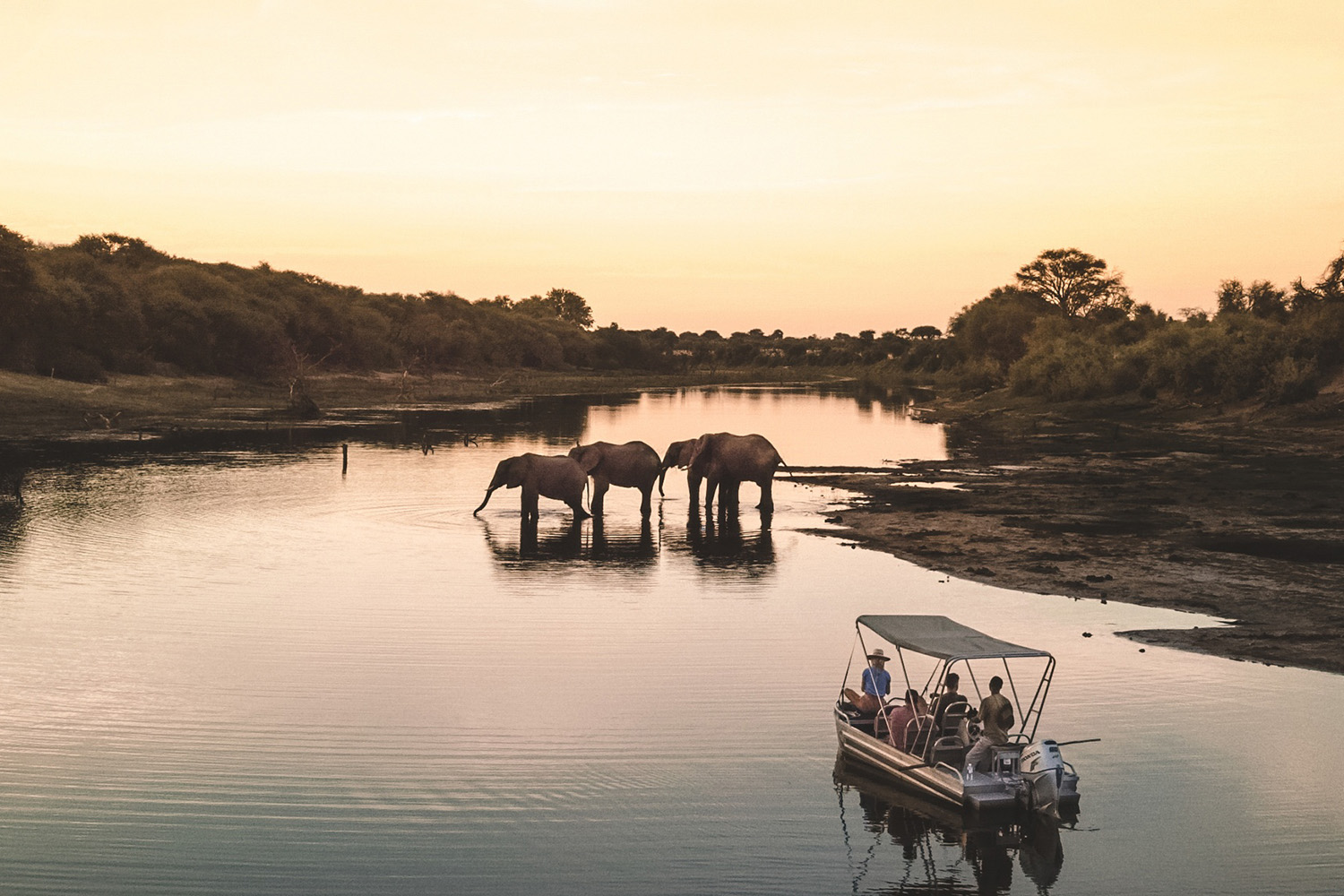
Top photography locations in Botswana include the Okavango Delta, Chobe National Park, and Moremi Game Reserve, offering unparalleled opportunities for water-level, predator, and bird photography. Prime areas feature iconic wildlife, such as elephants in Linyanti, predators in Mababe, and scenic pans in the Makgadikgadi
19-days-exciting-botswana-photography-safari
18-days-exclusive-botswana-safari-victoria-falls-and-zambia-wildlife-safari-tour
16-days-botswana-safari-hwange-and-victoria-fall-tour
5-days-central-kalahari-and-makgadikgadi-botswana-safari-tour
7-days-ultimate-botswana-safari-to-makgadikgadi-pans-okavango-delta-and-chobe
7-days-okavango-delta-moremi-khwai-best-africa-safari-in-botswana
21-days-exceeding-botswana-safari-itinerary-all-inclusive-tour-package
Okavango Delta (All Year, Best April–June)
The Photography Botswana safari experience in the Okavango Delta is unparalleled, especially from April to June when the waters are at their peak. This unique ecosystem is renowned for its rich biodiversity, offering varied birdlife and aquatic wildlife that creates incredible photographic opportunities. Exploring the delta from a mokoro—traditional dugout canoe—provides a unique perspective, allowing photographers to glide silently through the waters. This approach can yield stunning images of animals like hippos and elephants as they interact with the water, undisturbed by the typical noise of vehicles.
Key spots in the delta include Vumbura Plains and Xugana Island Lodge, both offering luxurious accommodations and excellent access to prime photography settings. Vumbura Plains features a diverse habitat, providing opportunities to photograph everything from water lilies to large herds of game. Xugana Island Lodge is situated on a permanent waterway, ensuring excellent birdwatching, particularly for capturing kingfishers and herons.
During this period, the delta transforms into a vibrant oasis, teeming with life. The late afternoon light is especially beautiful for photography, casting a warm glow over the landscape. With expert guides who understand the intricacies of wildlife behavior and photographic needs, participants in a Photography Botswana safari can spend quality time at sightings, ensuring they capture the crisp details and emotions of their subjects. Whether you're an avid birdwatcher or interested in capturing the tranquil beauty of nature, the Okavango Delta offers an unforgettable backdrop for your photographic journey.
Chobe National Park (Year-Round)
Chobe National Park is a prime destination for a Photography Botswana safari, renowned for its massive elephant herds and incredible wildlife diversity. The park attracts photographers year-round, but the Northern Sector, particularly near the Chobe River, is especially rewarding. The riverfront provides unique photographic opportunities, especially for capturing the majestic elephants as they bathe and drink, offering compelling compositions against the shimmering water.
The Pangolin Chobe Hotel specializes in photo-focused safaris, providing guests with the latest photography equipment and expert guidance. They offer specialized boat-based photography expeditions that allow for low-angle shots of predators and riverbirds, enhancing the overall photography experience. Imagine capturing a pride of lions resting on the banks or a fish eagle taking flight, set against the vibrant colors of a Chobe sunset.
Throughout the year, varying landscapes, including dense woodlands and open savannah, create a tapestry of settings for photographers. Early mornings and late afternoons yield the best light conditions, perfect for capturing dramatic silhouettes and vibrant colors. The park is also home to a variety of bird species, providing ample opportunities for bird photography as they flit between trees and skim the river surface.
With a variety of habitats and constant wildlife movement, every day in Chobe National Park presents new photographic possibilities, making it an essential stop on your Photography Botswana safari. The combination of a rich ecosystem, knowledgeable guides, and specialized equipment ensures a fulfilling photographic adventure.
Moremi Game Reserve (All Year)
Moremi Game Reserve is a treasure trove for photographers on a Photography Botswana safari, offering year-round access to diverse habitats ranging from lagoons to mopane woodlands. This stunning area is especially known for its high chances of encountering and photographing big cats, making it a dream destination for wildlife photographers eager to capture lions, leopards, and cheetahs in their natural environment.
Mombo Camp, located within Moremi, is renowned for its predator concentration, providing photographers with exceptional opportunities to capture these majestic animals. The camp offers luxurious accommodations and access to prime photography settings, ensuring guests can spend ample time with their chosen subjects. Early morning and late afternoon light create the best conditions for photographing the exquisite detail of fur and eyes; moments spent with big cats are always memorable.
The reserve's varied landscapes not only offer opportunities for dynamic wildlife compositions but also provide beautiful backdrops for landscapes, including stunning sunsets. Waterholes attract animals, and photographers can set up in strategic locations to capture unique interactions among species.
Guides in the Moremi Game Reserve are well-versed in both wildlife behavior and photography, allowing them to position guests for optimal shots. Whether you’re interested in capturing dramatic action shots of predators or tranquil scenes of elephants at play, Moremi's diverse offerings make it an invaluable part of your Photography Botswana safari experience.
Linyanti Concession & Selinda (Dry Season)
During the dry season, the Linyanti Concession and Selinda regions become hotspots for wildlife photography on a Photography Botswana safari. This area is particularly celebrated for its high concentrations of elephants and predators, especially along the waterways that zigzag through the landscape. The dry season, from May to October, transforms these regions into vibrant hubs of wildlife activity, providing unparalleled opportunities for stunning photographs.
Zarafa Camp, known for its immersive wildlife filmmaking focus, is a prime accommodation choice in this area. The camp offers luxurious settings that cater specifically to photographers, with expert guides who can navigate the intricate ecosystems and bring you close to remarkable wildlife encounters. The combination of open floodplains and dense woodlands creates diverse environments perfect for a variety of photographic subjects.
The dramatic light conditions during the dry season—characterized by clear skies and vibrant sunsets—can elevate your photography. Animals congregate around remaining water sources, making for captivating compositions of wildlife, especially elephants, drinking or bathing.
As you explore the Linyanti and Selinda regions, you’ll find numerous opportunities to capture not only the iconic African wildlife but also the intricate dynamics of their interactions. This makes the Linyanti Concession and Selinda a must-visit destination for any serious photographer undertaking a Photography Botswana safari.
Mababe Plains
The Mababe Plains region offers unique landscapes and energetic wildlife interactions, making it an exciting stop on your Photography Botswana safari, especially during the dry season. This vast area is characterized by sprawling savannahs and unique geological features, providing stunning backgrounds for wildlife photography. High predator activity during this time adds an element of thrill to each photography session, enhancing your chances of capturing action shots of lions, leopards, and more.
Wilderness Mokete, known for its intimate approach to safaris, offers access to an expansive 50,000-hectare private area, ensuring that photographers can explore without the usual crowd. The camp's knowledgeable guides are trained in both wildlife behavior and photography, providing tips to help you get the best shots possible.
The unique landscapes of Mababe Plains deliver ample opportunities for wide-angle photography that captures the essence of the expansive wilderness. Early mornings and late afternoons allow for striking light conditions, while the dry season emphasizes contrasts that create visually compelling images.
From predator interactions to sweeping landscape shots, the Mababe Plains region makes for a dynamic photographic setting on your Photography Botswana safari, promising to enrich your portfolio with striking images and unforgettable wildlife encounters.
Makgadikgadi Salt Pans
The Makgadikgadi Salt Pans are a stunning destination for wide-angle landscape, sunrise, and night photography during your Photography Botswana safari. These expansive white pans create a surreal and dramatic atmosphere, particularly when illuminated by the golden rays of dawn or dusk. The stark, reflective surface offers endless opportunities for unique compositions that highlight Botswana's otherworldly beauty.
Photographers can take advantage of the contrasting elements found here—dune landscapes, barren salt crusts, and occasional wildlife such as meerkats, which serve as charming focal points against the stark backdrop. The simplistic beauty of the salt pans sets the stage for both minimalist shots and expansive landscapes filled with dramatic skies.
Night photography is also exceptional in the Makgadikgadi, as the clear skies provide brilliant starry views. Capturing the Milky Way reflecting on the salt crust can yield breathtaking images that evoke the magic of the African night.
Engaging with the unique environment of the Makgadikgadi Salt Pans enhances your Photography Botswana safari experience, allowing you to capture pictures that not only preserve memories but also showcase the stunning diversity of Botswana's landscapes.
Okavango Panhandle
The Okavango Panhandle is a tranquil, water-based area crucial for capturing exquisite bird photography, making it an essential component of your Photography Botswana safari. This stretch of the Okavango River is particularly well-known for its rich birdlife, where photographers can capture species such as Pel's fishing owl and various kingfishers in their natural habitats.
The lush surroundings create a vibrant backdrop for bird photography, providing numerous shooting opportunities. Photographers can maneuver boats through the waterways, allowing for low-angle shots that showcase the birds as they perch on branches or dive for fish. This immersive experience puts you at the heart of the action and enables stunning close-ups often unattainable from the land.
Additionally, the serene atmosphere of the Panhandle is perfect for both birdwatching and capturing fishing scenes, adding layers to your photographic collection. Early mornings offer the best light for capturing the shimmering waters and graceful silhouettes of birds against the rising sun.
The combination of unique avian subjects and tranquil landscapes makes the Okavango Panhandle a standout destination for your Photography Botswana safari, ensuring you return home with stunning images highlighting the beauty of both nature and biodiversity.
When is the Best Time for a Photography Botswana Safari?
The best time for a photography Botswana safari is widely considered to be during the dry season, from May to October. This period is characterized by lower rainfall and diminishing water sources, causing wildlife to congregate around permanent rivers and pans. As vegetation becomes sparse, it offers photographers clear sightlines for capturing stunning images of animals in their natural habitats.
During the dry season, many species, including elephants, lions, and wildebeests, can be reliably spotted at water sources, making planning for sightings much easier. Furthermore, the light quality during this time is exceptional—especially during golden hours—allowing for dramatic, vibrant photographs. The absence of thick foliage also means that photographers can capture the majestic grandeur of Botswana’s landscapes alongside its wildlife, enhancing overall image composition.
While the dry season is optimal for wildlife photography due to clear visibility and predictable sightings, it's essential to consider the unique opportunities that arise throughout the year. Each season provides its own charm, but for those specifically focused on wildlife, the dry months offer the most reliable conditions. In essence, planning your photography Botswana safari for the dry season maximizes not just the number of sightings but also the quality of the images captured.
Is the "Green Season" Good for Photography?
Absolutely! The "Green Season," extending from November to March, offers a different but equally enriching opportunity for photographers on a photography Botswana safari. During this period, the landscape transforms into a lush paradise, characterized by vibrant greens and dramatic storm skies that add depth and emotion to your images.
The Green Season is particularly notable for being the birthing season for many herbivores, which in turn attracts a high concentration of predators. Photographers can document the dynamic interactions between these species, showcasing the rawness of nature in a compelling way. The contrast between new life and the predatory instincts of animals such as lions and leopards makes for powerful storytelling in your images.
Additionally, this season is the peak time for bird photography. With over 580 species residing in Botswana, migratory birds arrive, providing a wealth of colorful subjects. Vibrant species such as the Lilac-breasted Roller and African Fish Eagle are particularly photogenic against lush backdrops.
While the weather may include rain showers, these can create breathtaking skies and unique lighting conditions for photography. The vivid colors that come after a rain shower can be mesmerizing, offering remarkable opportunities for landscape photography. In summary, the Green Season is a fantastic time for a photography Botswana safari, presenting a blend of wildlife activity and stunning scenery that can yield impressive and memorable photographs.
What are the Top Locations for Wildlife Photography in Botswana?
Botswana is home to some of the most exceptional destinations for wildlife photography, making it a haven for photographers seeking to capture the beauty of nature. Chief among these is the Okavango Delta, a UNESCO World Heritage Site renowned for its intricate network of waterways and lush landscapes. The Delta offers photographers the chance to capture stunning water-based shots, whether it’s elephants wading in the water or colorful birds perched among the reeds. The unique environment fosters intimate wildlife encounters, providing ample opportunities for both wide-angle landscapes and detailed close-ups.
Chobe National Park is another must-visit location, especially famous for its vast herds of elephants. The proximity of these massive animals to the Chobe River creates striking compositions, particularly during sunset when the sky is ablaze with color. Specialized photo boats equipped with 360-degree swivel seats allow photographers to get low-angle, eye-level shots of swimming elephants and other wildlife, making for captivating images.
For capturing predators, the Savuti and Linyanti regions stand out as top choices. The Savuti Marsh is known for its high density of lions and other big cats, while Linyanti offers excellent opportunities to photograph elephants and various other species in a stunning, remote setting.
In summary, Botswana’s diverse landscapes—from wetlands to savannahs—provide incredible opportunities for wildlife photography. Every location has its unique charm, ensuring that a photography Botswana safari will yield a rich and varied portfolio.
How Many Days Should I Book for a Photo-Focused Trip?
Ultimately, the ideal duration for a photography Botswana safari depends on your interests and specific photography goals. However, a minimum of 4 to 6 nights is recommended to cover at least two distinct regions effectively. This time frame allows you to experience the diversity of Botswana's landscapes and wildlife, ensuring you capture a range of subjects and environments.
For photographers aiming for a more comprehensive portfolio, booking 10 or more days is even better. This extended duration allows for in-depth exploration of various regions, including the Okavango Delta, Chobe National Park, and the desert landscapes of the Makgadikgadi Pans. Spending more time in each area means you can adjust plans based on weather or animal activity, ultimately leading to a richer photographic experience.
Additionally, longer trips provide the flexibility to participate in multiple activities, such as game drives, mokoro excursions, and guided walking safaris, which can all yield different photographic opportunities. With additional time, you can also revisit successful locations at different times of day to take advantage of varying lighting conditions.
In summary, planning a photography Botswana safari with a minimum of 4 to 6 nights is advisable, but extending your stay is strongly encouraged for a more fulfilling and comprehensive photographic journey.
Should I Book a Private Vehicle?
Booking a private vehicle is highly recommended for a photography Botswana safari. This option allows you to customize your experience significantly, particularly when it comes to wildlife sightings. In a private vehicle, you can spend as much time as you wish at a specific sighting, ensuring you capture the perfect shot without the pressure of moving on due to other guests.
Additionally, having your private guide can greatly enhance your photography experience. Guides equipped with an understanding of photography can position the vehicle to take advantage of the best light or framing for your shots. Their knowledge of wildlife behavior can also ensure you are in the right place at the right time for exceptional encounters.
Moreover, a private vehicle allows for greater flexibility in your itinerary. If you encounter interesting wildlife activity, you don't have to adhere to a set schedule, enabling spontaneous photographic opportunities that could result in stunning images.
In essence, choosing a private vehicle elevates your photography Botswana safari experience by offering tailored interactions with wildlife, optimizing for perfect lighting conditions, and allowing for an overall more immersive and rewarding photographic journey.
Gear & Technical Tips for Photography in Botswana
When preparing for a photography Botswana safari, having the right gear is crucial for capturing the beauty of the landscapes and wildlife. A telephoto zoom lens, typically in the range of 100–400mm or 200–600mm, is essential for wildlife photography, allowing you to capture animals from a distance without disturbing them. This is particularly important in the wild settings of Botswana, where maintaining a respectful distance from wildlife is paramount.
A wide-angle lens (16–35mm) is equally important when it comes to photographing the expansive landscapes of the Delta or the iconic baobab trees, giving you the ability to capture the vastness of your surroundings. Having two camera bodies is advisable if possible; this allows you to keep a long lens on one body and a wide or medium zoom on the other. This setup minimizes the need to change lenses and reduces the risk of getting dust on your sensor, which is quite common in Botswana’s dry conditions.
Regarding stabilization, a beanbag is typically more practical than a tripod in safari vehicles, as it provides adequate support for your camera while being more versatile in confined spaces. Many safari operators, such as Pangolin Photo Safaris, offer beanbags on-site.
Lastly, be mindful of the dust that can accumulate on your gear during your travels. Bring a rocket blower, microfiber cloths, and a protective cover to shield your equipment between sightings. These technical preparations will significantly enhance your ability to capture striking images during your photography Botswana safari.
What is Unique About Chobe River Photography?
The Chobe River offers a unique and unparalleled opportunity for photography Botswana safari adventurers. It is renowned for its specialized photo boats, which are equipped with 360-degree swivel seats and gimbal mounts. These features enable photographers to achieve low-angle, eye-level shots that capture the magnificence of swimming elephants and hippos as they emerge playfully from the water.
The river itself is home to a plethora of wildlife, including crocodiles, numerous bird species, and, of course, the famous herds of elephants that frequent its banks. As such, photographers can capture dynamic interactions among various animals in their natural habitat, often resulting in stunning and candid moments.
The hour just before sunset is particularly magical along the Chobe River, as the golden light reflects off the water's surface, illuminating subjects beautifully. This creates opportunities for breathtaking images that convey both atmosphere and emotion.
Furthermore, the flexibility of moving slowly along the river allows for spontaneous stops whenever interesting wildlife is sighted, significantly enhancing the photographic experience. This accessibility to wildlife and exceptional viewing angles makes Chobe River photography one of the most rewarding aspects of a photography Botswana safari.
Where Can I Photograph Meerkats?
If you're keen to photograph meerkats, the Makgadikgadi Salt Pans are the premier location in Botswana. These iconic salt pans provide an excellent habitat for habituated meerkat families, which are particularly photogenic as they emerge from their burrows at sunrise.
Sunrise is the optimal time to capture these charming creatures as they stretch and groom themselves after a night’s rest, providing delightful opportunities for capturing energetic behavior. The soft morning light enhances the vivid colors of the landscape and allows for exceptional detail in your photographs.
The habituation of these meerkats to human presence means that photographers have a unique chance to observe and capture their natural behaviors without disturbing them, offering a more intimate portrait of these fascinating animals.
With wide open spaces surrounding the pans, you can also incorporate stunning landscape shots in your compositions. The contrast between the meerkats and the stark white expanse of the salt pans adds depth and interest to your images.
In summary, photographing meerkats in the Makgadikgadi Salt Pans is a must during your photography Botswana safari, as it offers unique, vibrant, and engaging opportunities to capture these delightful creatures in their natural environment.
Are There Opportunities for Night Photography?
Yes, Botswana offers excellent opportunities for night photography, particularly in private concessions like Khwai and Linyanti, where night drives are permitted. These locations allow you to capture the nocturnal behavior of fascinating creatures such as leopards and lions, offering a unique perspective on wildlife that is active after dark.
Night photography can be extremely rewarding, as the absence of light pollution allows for a stunning backdrop of African stars. Using spotlights, guides can help locate animals and illuminate them for photography, resulting in dramatic, evocative images that showcase a side of the African wilderness often unseen during the day.
When preparing for night photography, it's essential to use a fast lens with a wide aperture (like f/2.8 or wider) to capture clear images in low light conditions. Additionally, using higher ISO settings can be beneficial, though care should be taken to avoid excessive noise in your images.
The combined experience of night drives and starry skies offers photographers a captivating dimension to their photography Botswana safari. It's an opportunity to create stunning images that tell the story of wildlife interactions and the serene beauty of Botswana’s nights, making it a highlight of any photographic journey.
What Kind of Birdlife Can I Expect?
Botswana boasts an incredible variety of birdlife, making it a paradise for birdwatchers and photographers. With over 580 recorded species, the country presents ample opportunities to capture stunning avian subjects during your photography Botswana safari. The diverse habitats contribute to this rich avian diversity, from wetlands and woodlands to savannahs and riverine forests.
Key highlights of Botswana's birdlife include the majestic African Fish Eagle with its striking white head and fierce yellow beak, perfect for capturing aerial shots as it dives for fish. Colorful species like the Malachite Kingfisher and the vibrant Lilac-breasted Roller are also prime subjects, showcasing the vivid colors that make bird photography so rewarding.
The wet season, in particular, is the peak time for bird photography, as migratory birds return, adding to the diversity and vibrancy of the avian population. Photographers can capture the nesting behaviors of various species during this time as well, providing unique opportunities to document life cycles and interactions.
In summary, you can expect an engaging array of birdlife during your photography Botswana safari, offering countless chances for dynamic and colorful photographic experiences that will enrich your portfolio and deepen your appreciation for wildlife.
Is Botswana Better for Photography than Kenya or South Africa?
Botswana offers a unique and compelling experience that can be particularly advantageous for photographers compared to Kenya or South Africa. One of the standout features of Botswana is its low-density tourism. The country has vast private concessions and limited vehicle numbers, which means you often have exclusive access to wildlife sightings without the interruption of other vehicles. This allows for a more intimate photography experience and the opportunity to capture animals in their natural behavior without the distraction of crowds.
Additionally, Botswana's diverse ecological zones—from the wetlands of the Okavango Delta to the arid landscapes of the Makgadikgadi Salt Pans—offer a myriad of stunning photography settings. Unlike Kenya or South Africa, which can often feel more tourist-centric in popular areas, Botswana retains a sense of wilderness that enhances the overall photographic experience.
Another critical factor is the ability for off-road driving in private reserves, which gives photographers the flexibility to position themselves optimally for the best shots. The intimate approach encourages guided experiences that cater specifically to photography enthusiasts, allowing you to spend quality time at each sighting.
In essence, while Kenya and South Africa have their own unique offerings, Botswana stands out for its low-density tourism and pristine wild areas, making it an exceptional destination for a photography Botswana safari. The chance to capture remarkable wildlife in uninterrupted settings is a significant advantage that many photographers appreciate.
What is the Best Time for a Photography Botswana Safari Location?
The best time for a photography Botswana safari is during the dry season, which runs from May to October. This period is characterized by minimal rainfall and cooling temperatures, making it ideal for high-visibility wildlife photography. As the water sources begin to shrink, animals congregate around the few remaining rivers and pans across the landscape, making sightings more predictable. This natural phenomenon allows photographers to capture compelling images of animals engaging in their daily activities—drinking, feeding, and socializing—against stunning backdrops.
Conversely, the "green season," lasting from November to April, offers a different allure for photographers. During this time, Botswana transforms into a lush paradise filled with vibrant scenery, dramatic storm skies, and the births of many baby animals, providing a unique opportunity to capture the circle of life. The contrast between newly born herbivores and their predator counterparts is captivating, presenting an exciting dynamic to document.
Both seasons offer unique photographic opportunities: the clear visibility of the dry season and the vibrant life and stunning landscapes of the green season. Depending on your photographic goals—whether capturing wildlife in stark conditions or lush, verdant landscapes—each season provides compelling reasons for your photography Botswana safari.
Where Are the Top Photography Botswana Safari Locations?
Botswana is brimming with premier photography safari locations that promise stunning wildlife and landscapes. The Okavango Delta stands as one of the most iconic destinations, recognized as a UNESCO World Heritage Site. It features a labyrinth of waterways, lagoons, and swamps, making it perfect for capturing water-based shots and vibrant birdlife. The use of mokoros (traditional dugout canoes) offers unique perspectives, allowing you to photograph the stunning reflections of animals and landscapes on the water’s surface.
Chobe National Park is another premier location renowned for its massive elephant herds. The park's proximity to the Chobe River allows photographers to capture intimate shots of elephants bathing and interacting with one another. The park is not just limited to elephants; its diverse ecosystems make it an excellent venue for photographing a variety of wildlife, including predators and numerous bird species.
The Linyanti Wildlife Reserve is also a top choice, celebrated for its high concentrations of big cats, including lions and leopards. The varied landscapes, from floodplains to woodlands, create dynamic backdrops for wildlife photography. Each of these locations offers incredible opportunities to capture unique images and experiences, making them essential stops on any photography Botswana safari.
Why Choose the Okavango Delta as a Photography Botswana Safari Location?
Choosing the Okavango Delta for your photography Botswana safari is a decision that guarantees remarkable photographic opportunities. As a UNESCO World Heritage Site, the Delta is celebrated for its unique ecosystems and breathtaking landscapes. The abundance of water channels creates a lush, vibrant environment that hosts a multitude of wildlife and bird species, making it an ideal location for capturing life in various forms.
The Delta’s mokoro (dugout canoe) experiences provide a distinctive way to photograph wildlife. Gliding silently through the waterways allows for intimate interactions with nature, offering chances to capture stunning reflections of animals and landscapes that can be difficult to achieve on land. The close proximity to wildlife enables photographers to document behaviors and details unobtainable from a vehicle.
Additionally, the Delta is home to numerous bird species, some of which are endemic to the region. Photographers can capture images of pelicans, kingfishers, and herons in vivid, lush backdrops. With its striking contrasts and unique landscapes, the Okavango Delta promises a rich variety of photographic subjects year-round. The chance to immerse oneself in such a unique and breathtaking ecosystem makes the Delta an unmissable destination for any serious wildlife photographer.
What Camera Equipment Should I Bring to a Photography Botswana Safari Location?
When preparing for a photography Botswana safari, selecting the right camera equipment can vastly enhance your photographic experience. A sturdy 35mm SLR camera is essential, providing versatility and high-quality images. It is advisable to bring a range of lenses to cover diverse photographic needs: a 25-70mm lens is great for landscapes, allowing you to capture the vastness of the environment, whether it’s the sprawling savannahs or intricate waterways.
For wildlife photography, a 70-210mm lens will enable you to capture moving animals, such as elephants and lions, from a respectable distance without disturbing them. However, to capture detailed portraits and actions of specific species, a 400-500mm telephoto lens is recommended. This lens is crucial for photographing wildlife effectively and will allow you to obtain sharp, detailed images without the risk of scaring off your subjects.
In addition to lenses, consider bringing extra batteries and multiple memory cards, as wildlife photography can require numerous shots to capture the perfect moment. The excitement can lead to heavy usage, especially with increasingly sophisticated cameras. Keeping these equipment recommendations in mind will ensure you are well-prepared for the unique challenges and opportunities that arise during your photography Botswana safari.
What is the Best Way to Photograph in Chobe National Park?
Photographing in Chobe National Park offers unique challenges and exciting opportunities, primarily due to its diverse ecosystems and rich wildlife. One of the best methods for capturing breathtaking images in Chobe is through boating on the Chobe River. This waterway allows for eye-level and intimate portraits of wildlife, particularly elephants, hippos, and various bird species.
The maneuverability of boats enables photographers to navigate closer to the animals without disturbing them, providing a unique angle for photographs. Expect to capture stunning images of elephants splashing in the water or hippos basking in the sun—moments that can be truly magical when framed perfectly against the golden hues of an African sunset.
Timing your outings is crucial. Early mornings and late afternoons are particularly effective for wildlife photography, as the soft light adds depth and warmth to your images.
Chobe is also renowned for its birdlife, so keeping an eye out for such subjects while on the river adds to the diversity of what you can photograph. Whether you choose to capture wide landscapes or intimate wildlife portraits, boating on the Chobe River lessens the chances of running into other vehicles, further enhancing your photographic experience.
Are Specialized, Private Photographic Vehicles Available?
Yes, specialized and private photographic vehicles are indeed available for those seeking an enriched experience on a photography Botswana safari. These customized safaris, like those offered by Pangolin Photo Safaris, are specifically designed for photographers, providing equipment and features tailored to meet their unique needs.
Photographic vehicles come equipped with multiple charging stations for camera batteries, ample storage for lenses and accessories, and strategically positioned seats for optimal viewing and shooting angles. Some vehicles also include specialized mounts for long lenses, minimizing shake and allowing for clearer images.
In addition to vehicles, specialized photographic boats may be available as well, particularly in regions like the Chobe River. These boats are often designed with swivel seats and gimbals for steady shooting, providing the opportunity to capture wildlife at eye level.
Overall, opting for a specialized photographic safari enhances your experience, offering both the equipment and support necessary to capture breathtaking images without the distractions and limitations often found in standard safari vehicles. These focused experiences cater to serious photographers' needs and significantly enrich their safari journey.
How Do I Photograph the Arid Regions Like the Kalahari?
Photographing the arid regions such as the Kalahari Desert presents unique opportunities and challenges that can yield stunning images. The Kalahari is characterized by extreme contrasts—an interplay between vast, open landscapes and the presence of remarkable wildlife like the famous black-maned Kalahari lions and adorable meerkats, making it an intriguing location for any wildlife photographer.
To capture the essence of this vast desert, focus on wide-angle photography to showcase the expansive landscapes. Early morning and late afternoon light will provide exquisite soft tones and rich colors essential for landscape photography. The interplay of light and shadow can create drama in your images, emphasizing the contours of the landscape.
Additionally, documenting wildlife behaviors in such a stark environment contributes depth to your portfolio. The Kalahari is home to unique species such as meerkats, which can be observed at their burrows at sunrise. Capturing their emergence can yield captivating images.
Conversely, the extreme conditions of the Kalahari, combined with its dust, call for careful handling of your equipment. Using protective covers, keeping your gear clean, and being ready to adapt to changing light conditions are crucial for successful photography in this extraordinary environment.
Ultimately, blending landscape and wildlife photography in the Kalahari allows for a rich storytelling opportunity, making it an incredible destination for any photographer.
Is Drone Photography Allowed?
Drone photography in Botswana is generally subject to strict regulations and is often restricted or entirely banned in national parks and game reserves. The primary reason for such regulations is to avoid disturbing wildlife, ensuring that animal behavior remains unaffected by technological disruptions. Authorities prioritize preserving the delicate balance of these ecosystems, aiming to protect both the wildlife and the experience of safari-goers.
If you intend to use a drone, you will typically require a permit from the Civil Aviation Authority of Botswana (CAAB). The application process must be completed well in advance of your trip, as approvals can take time. Using a drone without proper permits can result in hefty fines or confiscation equipment, so adherence to laws is crucial.
Even in areas where drone use is permitted, it’s advisable to exercise caution and follow local guidelines to ensure that your photography does not disturb the wildlife. Respecting the natural behavior of animals is paramount, as many are sensitive to noise and movement.
For those preferring a different perspective in their photographs, traditional methods—like using zoom lenses or specialized photography boats—can also achieve breathtaking images without the environmental concerns associated with drone photography.
What Photographic Opportunities Exist in Linyanti?
The Linyanti Wildlife Reserve offers exceptional photographic opportunities, making it a premier destination for any eager wildlife photographer. Renowned for its high concentrations of elephants and predators, including lions and leopards, Linyanti showcases some of the most dramatic interactions between species in Botswana.
Linyanti is characterized by its diverse habitats, including floodplains, woodlands, and rivers. This variety provides photographers with a wide range of environments to capture, each offering unique subjects and compositions. The reserve is also known for its spectacular sunsets and sunrises, providing exquisite lighting conditions that enhance the overall appeal of images.
Given that Linyanti is relatively less trafficked compared to other regions, photographers can enjoy more intimate sightings of wildlife without the interference of large crowds. This exclusivity allows for cleaner compositions and richer storytelling through images, enabling you to immerse yourself in the natural world.
Moreover, opportunities for diverse activities such as boat safaris and guided walking tours make it possible to capture different angles and perspectives of the wildlife. Whether photographing elephants wading through the water or capturing the stealthy movements of a leopard on the prowl, Linyanti offers photographers an enriching and fulfilling shooting environment that exemplifies the beauty of Botswana.
Do I Need a Tripod?
When embarking on a photography adventure in Botswana, the question of whether to bring a tripod is important to consider. In most safari situations, particularly when shooting from a moving vehicle or boat, a gimbal head or beanbag is a more practical and convenient option than a traditional tripod.
A gimbal head allows for smooth movements and quick adjustments, making it easier to track moving wildlife like elephants or lions while minimizing camera shake during prolonged shooting. Many specialized safari operators, including Pangolin Photo Safaris, provide beanbags on their vehicles, allowing you to stabilize your camera efficiently without the bulk of a tripod.
In static situations, such as evening landscapes or low-light environments like inside hides, a tripod may become necessary to ensure stability. However, due to the nature of most safari photography that involves mobility, relying on a gimbal or beanbag tends to be the best strategy.
In summary, while a tripod can be useful in specific scenarios, for most wildlife photography on a photography Botswana safari, a beanbag or gimbal head offers far greater mobility and practicality, enhancing your ability to capture stunning images in various conditions.
When Does the "Green Season" Photography Run?
The "Green Season" in Botswana runs from November to March, providing exceptional photography opportunities marked by dramatic, soft lighting and lush landscapes. During this time, the country experiences its peak rainfall, resulting in vibrant flora and an explosion of life. This period is particularly appealing for photographers, as the dramatic storm clouds can create stunning backdrops for wildlife and landscape photography.
Many animals give birth during this season, offering photographers unique chances to capture the dynamics of life—newborn animals interacting with their families draw stark contrasts with their predators, adding an emotional element to images.
While this season presents beautiful photographic subjects, it also requires careful planning, as rain can affect travel and shooting conditions. Carrying rain gear for both yourself and your camera is advisable to protect your equipment.
Photographers can take advantage of the vivid sunsets and the refreshed landscapes, characterizing the Green Season as a time for discovering the rich, lush tapestry of Botswana’s wildlife. In essence, the Green Season is a visually stunning period that brings opportunities for unique storytelling through photography, making it an essential time for those looking to document the beauty of Botswana’s wilderness.
Are There Any Hidden Gem Photography Spots?
While Botswana offers many renowned photography destinations, several hidden gems often go unnoticed by travelers, one of which is the Tuli Block. This less-visited area presents unique rock formations, ancient baobab trees, and diverse habitats, making it a fascinating and resourceful location for photographers looking to capture different aspects of Botswana.
The Tuli Block is characterized by its rich history, ancient landscapes, and year-round wildlife sightings that offer exceptional photographic opportunities. Known for its dramatic cliffs and riverine vegetation, this region provides contrasting backdrops that can help elevate your images, offering a completely different vibe compared to more well-known locations like Chobe or the Okavango Delta.
Photographers interested in birdwatching will also find the Tuli Block to be rewarding, as it hosts various species, including raptors and migratory birds. The remote setting means fewer tourists, allowing for a more intimate experience with the wildlife.
In summary, the Tuli Block serves as an excellent alternative for those wanting to explore less-trafficked photography locations while still enjoying top-tier safari experiences. The chance to capture unique geological features and rich ecological systems makes this hidden gem a worthy addition to any photography Botswana safari itinerary.
How Do I Manage Camera Power and Memory?
Managing camera power and memory is essential for a successful photography Botswana safari. Given the remote locations and often limited electricity, pre-planning can help ensure you don't miss crucial photographic opportunities due to inadequate power or storage.
First and foremost, bring extra batteries for your camera. Given the demands of wildlife photography, having multiple charged batteries can be the difference between capturing a memorable shot and running out of power during a critical moment. Consider investing in battery storage solutions such as insulated pouches to keep them in optimal condition, especially in extreme temperatures.
Memory cards also play a vital role in your photographic journey. Bring more than you think you'll need. It’s not uncommon to take hundreds or thousands of photos in a day, especially in active wildlife settings. Having multiple high-capacity cards on hand ensures you can shoot freely without worrying about running out of space.
In many remote, solar-powered camps, electricity may be limited, making charging your batteries a challenge. Be prepared to charge batteries whenever possible, whether via a charging station or through solar means. Keeping your charging equipment organized can prevent last-minute scrambling before a shoot.
In conclusion, effective management of camera power and memory through careful planning will enhance your photography Botswana safari experience, allowing you to focus on creativity and capturing stunning images without concern for technical limitations
Booking Photography Botswana safari with us Roads of Adventure safaris
Book an unforgettable photography safari in Botswana with Roads of Adventure Safaris to explore the Okavango Delta and Chobe National Park. We provide specialized vehicles, expert guides, and tailored, high-end itineraries designed for photographers of all levels, focusing on wildlife conservation and optimal, low-angle shots. Enjoy exclusive, intimate experiences with top-tier lodge or mobile tented camp accommodations. Experience the best of Botswana’s breathtaking landscapes and wildlife.
Our customized photography tours offer:
