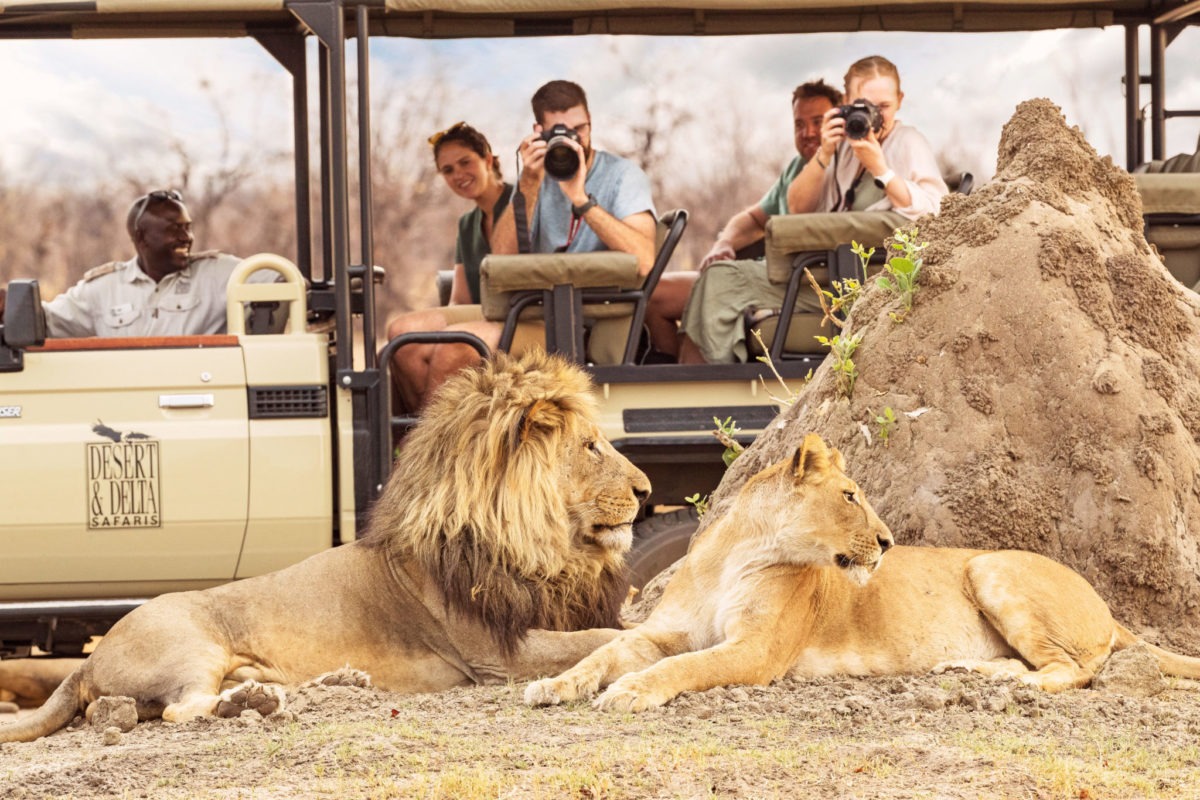
For a successful Botswana photography safari, bring a 400mm+ telephoto lens, use two camera bodies to avoid lens changes in dusty conditions, and shoot in manual mode with auto ISO for changing light. Focus on early morning/late afternoon light, prioritize stability with beanbags, and anticipate animal behavior by listening to guides.
19-days-exciting-botswana-photography-safari
18-days-exclusive-botswana-safari-victoria-falls-and-zambia-wildlife-safari-tour
16-days-botswana-safari-hwange-and-victoria-fall-tour
5-days-central-kalahari-and-makgadikgadi-botswana-safari-tour
7-days-ultimate-botswana-safari-to-makgadikgadi-pans-okavango-delta-and-chobe
7-days-okavango-delta-moremi-khwai-best-africa-safari-in-botswana
21-days-exceeding-botswana-safari-itinerary-all-inclusive-tour-package
Essential Equipment & Setup
Bring a 400mm+ Lens
A telephoto zoom lens (e.g., 100-400mm, 200-500mm, or 600mm) is vital for any Botswana photography safari. This equipment facilitates close-up shots of distant wildlife without disturbing them. During a safari, animals often stay far away from the vehicle. A lens with an extended focal length allows you to capture stunning, detailed images of lions, elephants, and other wildlife in their natural behaviors. Furthermore, using such lenses can significantly enhance the quality of your photography, as they provide a tightly framed view of the intricate details that compact lenses might miss.
Two Camera Bodies
Having two camera bodies is a strategic advantage on a Botswana photography safari. One camera can be equipped with your telephoto lens, while the other can have a wider zoom lens (24-70mm, for instance). This setup minimizes lens changes, which can lead to dust entering the sensor— a common issue in the dusty landscapes of Botswana. Quick access to two cameras means you won’t miss fleeting moments, whether it's a pride of lions on the move or a stunning golden hour sunset.
Use Beanbags, Not Tripods
A conventional tripod may not be practical in the often cramped environment of a safari vehicle. Instead, utilize a beanbag to stabilize your camera. Drape the beanbag over the vehicle’s edge to provide a solid base for steady shots. This setup allows you to maneuver easily while keeping your gear secure. With Botswana's unpredictable road conditions, ensuring stabilization without compromising mobility is crucial for your photography.
Auto ISO + Manual Mode
For a successful Botswana photography safari, having the right camera settings is essential. Set your camera to manual mode with a high shutter speed to capture dynamic wildlife action, preventing motion blur. Pair this with Auto ISO, allowing your camera to adjust to rapidly changing light conditions typical during dawn and dusk. This combination lets you concentrate on composition without worrying about exposure settings, ensuring that you capture striking images regardless of the light.
Camera Settings & Technique
Fast Shutter Speeds
When on a Botswana photography safari, swift shutter speeds (1/1000 sec or faster, depending on the situation) are essential for capturing fast-moving subjects. Wildlife often exhibits unpredictable behaviors—especially during hunts or chases—requiring your camera to respond quickly. Rigorous action can lead to camera shake, introducing blur into your shots. By utilizing fast shutter speeds, you can negate vehicle vibrations and ensure crisp, clear photographs that highlight the vitality and dynamism of Botswana’s rich wildlife.
Use Burst Mode
In high-action moments, using burst mode can be invaluable. This feature allows you to capture multiple frames per second, increasing your chances of getting that perfect shot. Whether it’s a lion chase or a bird taking off, this technique can produce stunning series of images that can reveal the intensity of the moment. This dynamic approach is particularly effective in the robust environments of Botswana, where action can happen suddenly and without warning, enhancing your collection of striking wildlife imagery.
Silent Shooting Mode
Switching to silent shooting or electronic shutter mode is wise during a Botswana photography safari. This minimizes noise when firing the shutter, which can help prevent startling animals. Many species are sensitive to sounds, and a noisy shutter could lead to missed opportunities. The ability to shoot discreetly allows you to observe and capture moments without disrupting the behavior of the wildlife you are photographing, leading to more natural and intimate images.
Focus on the Eyes
Always remember to focus on the animal's eyes. Eyes are where emotion and connection lie in wildlife photography, making them a critical element in any successful composition. Utilizing animal tracking autofocus, if available, can enhance your chances of achieving sharp focus on the eyes even in dynamic situations. This technique will allow you to create compelling and expressive shots that bring the spirit of Botswana's wildlife to life in your photos.
Underexpose High Contrast Scenes
When photographing high-contrast scenes, especially during a Botswana photography safari, consider slightly underexposing your images. This technique is crucial when your subject is backlit, such as when capturing wildlife against a bright African sky. Underexposing can help maintain important highlight details, preventing overexposed areas that lose textures and colors. For instance, when photographing elephants or lions during sunrise or sunset, where the sky can be exceptionally bright, this approach ensures that the intricate textures of the animals’ fur or skin remain visible without being washed out by the light.
Furthermore, when you intentionally underexpose, you retain more information in the highlights, allowing for better post-processing adjustments. Photographers can later recover shadow details without compromising image quality. It also adds depth to your images and enhances the dramatic effect, particularly when the vibrant African skies are involved. Always check your histogram after taking the shot to ensure that you’re capturing the full range of tones available. This method not only enhances color saturation and contrast but also channels the true beauty of Botswana’s landscapes into your photography, ensuring that the essence of the scene is preserved.
Lower Your Angle
Shooting from a lower angle can significantly enhance your wildlife images during a Botswana photography safari. Rather than standing up in the vehicle, try to position yourself at an eye-level perspective with your subjects. This approach creates a more intimate and engaging experience, allowing the viewer to feel more connected to the animal. Lower angles can reveal unique features often unnoticed from above, such as intricate textures and behaviors, creating captivating shots that evoke a sense of presence and immediacy.
Additionally, photographing wildlife at this level can also help minimize distractions in the background, producing cleaner compositions. Shooting up from the ground can isolate your subject against striking backgrounds, such as skies or distant landscapes, emphasizing the subject while reducing unwanted elements. This technique is particularly effective with large mammals like elephants and lions, where a lower angle can transform a standard shot into a powerful narrative piece that resonates with viewers. Overall, employing a lower perspective in your photography adds emotional depth and a storytelling element, capturing the essence of the enchanting wildlife and landscapes during your Botswana photography safari.
Follow the "Golden Hours"
Capturing the best light is essential for stunning wildlife photography on a Botswana photography safari. The golden hours—just after sunrise and just before sunset—provide the most favorable conditions for photography, with soft, warm light that enhances natural colors and creates a magical atmosphere. Planning your game drives around these periods can significantly impact your ability to capture extraordinary images.
During these times, light is diffused at lower angles, reducing harsh shadows and creating a softness that wraps around your subjects beautifully. Animals are often more active during these hours, providing ample opportunities to photograph dynamic behaviors against striking backdrops. Early morning light can illuminate the dew on grass or amplify the colors of the savannah, while evening light casts dramatic hues across the landscapes.
Make sure to arrive at your desired locations well before these golden hours begin, allowing yourself time to set up and prepare. This preparation can make a substantial difference in achieving well-composed images. Remember, the quiet moments of dawn or dusk are often when the essence of Botswana’s wildlife and landscapes comes alive, delivering photographs that resonate for years to come.
Prioritize Animal Behavior
During your Botswana photography safari, it’s vital to focus on animal behavior rather than merely capturing static portraits. Anticipating movement and gestures enriches the storytelling quality of your photographs. Observing how animals interact with each other and their environment allows photographers to capture the essence of wildlife experiences.
By understanding animal behavior, you can prepare for upcoming actions, maximizing your chances of capturing breathtaking moments—from a lioness stalking her prey to a herd of elephants playfully splashing in a waterhole. Utilize your time spent observing these animals, allowing you to recognize signs of movement or change in behavior, which can lead to excellent photographic opportunities.
Additionally, patience is key in wildlife photography. Waiting for the right moment may yield rewarding shots that tell a profound story. Your images should reflect not just what is seen but also what might unfold—transmitting the energy and life of Botswana’s wildlife through your lens. Thus, prioritizing behavior over mere snapshots results in a portfolio that captures the vibrant pulse of the natural world.
Use Rule of Thirds
Implementing the rule of thirds can elevate your composition during a Botswana photography safari. This fundamental guideline will help you create more engaging and dynamic photos. Instead of always centering your subjects, imagine breaking your frame into three equal parts horizontally and vertically. Placing your main subject along these lines or at their intersections frequently results in a more balanced, visually appealing image.
This technique can guide the viewer's eye through the photograph, encouraging them to explore the entirety of the scene rather than focusing solely on the subject. For example, when photographing an elephant against a vast savannah backdrop, positioning it off-center not only gives context to the environment but also amplifies the feeling of space and freedom that characterizes Botswana’s landscapes.
Always consider various angles for adopting this approach. Experimentation is key—each moment is unique, and shifting your perspective can lead to exceptional outcomes. Utilizing the rule of thirds enhances the storytelling aspect of your wildlife photography, transforming simple snapshots into captivating narratives that deeply resonate with the viewer.
Look for Clean Backgrounds
Finding a clean background is crucial for strong wildlife photography during a Botswana photography safari. A cluttered or distracting background detracts from the impact of your subject, losing focus on your wildlife subjects. Evaluate your surroundings before composing your shot; often, slight adjustments in your position yield significant improvements.
Look for contrasting colors, soft gradients, or open spaces that can serve as a backdrop, ensuring that the attention remains on the animal. For example, capturing a lion against a clear blue sky can emphasize its majestic form, while a field of soft grass can provide a gentle context without overshadowing the subject.
Don’t hesitate to change your shooting perspective; sometimes stepping back or changing angles opens up opportunities for cleaner compositions. Previewing your shot through the camera viewfinder can help identify distracting elements and allow for quick adjustments. Additionally, working with natural light can help provide the necessary depth and separation between your subject and the background, making for striking images that capture the essence of Botswana’s wildlife.
Shoot Wide for Environment
Capturing animals within their expansive environment is essential for showcasing the beauty of wildlife during a Botswana photography safari. Utilizing a 24-70mm or 70-200mm lens allows you to frame your subjects in conjunction with their surroundings, constructing compelling narratives that highlight the connection between wildlife and habitat.
This technique is especially effective in areas like the Okavango Delta, where the landscape plays a crucial role in animal behavior. Shooting wide can help depict the vastness of the wetlands or plains, providing depth to your images and context about the wildlife being photographed. For example, a wide shot of a herd of zebras amidst the stunning Delta landscape can amplify the sense of scale while celebrating their natural habitat.
Don’t shy away from experimenting with wide angles, even including foreground elements to compose images that pull the viewer into the scene. Balance your shots by emphasizing both the animal and its environment, telling a richer story of life in Botswana. This approach stimulates appreciation for the magnificence of both the wildlife and the landscapes they inhabit.
Use Silhouettes
Creating striking silhouettes during your Botswana photography safari can be an artistic approach to wildlife photography, especially during captivating sunsets. To achieve this effect, turn off your flash and slightly underexpose your images, allowing shadows to dominate the frame and highlight the animal’s shape against the vibrant colors of the sky.
Identify scenic backdrops, such as acacia trees or expansive savannah, to frame your subject. The goal is to isolate your animal, emphasizing its outline while the warm amber or violet sky serves as the canvas. This technique can evoke emotions, and convey a sense of awe that often accompanies the natural beauty of Botswana.
Ensure you’re prepared in advance for these golden moments. Scout locations during the day to identify potential subjects and backdrops you can return to as the sun sets. Capturing silhouettes transforms ordinary wildlife encounters into powerful visual statements, adding a unique dimension to your photography portfolio and allowing you to convey the dramatic essence of Botswana's stunning landscapes.
When is the best time for a Botswana photography safari
The prime window for a Botswana photography safari is the dry season, May through October. During these months water retreats into permanent channels and pans, concentrating wildlife and making subjects easier to locate and frame — herds of elephant and buffalo, big cats, hippos, and waterbirds gather around chokepoints for predictable action. June–September are especially good for clear light and crisp mornings, which help with exposure and sharpness. If you want dramatic water reflections, lush green backgrounds and abundant migratory birds, visit in the “green” season (November–March), but expect softer light, higher humidity, and some access limitations. For a balanced photographic program that maximizes animal encounters, low-contrast skies, and reliable vehicle access, plan your Botswana photography safari for the late dry season and book camps early to secure the best photographic hides and guides.
Where to stay on a Botswana photography safari
Choose camps that place you close to wildlife concentrations and offer photography-focused facilities. In the Okavango Delta, mobile tented camps and water-front camps provide direct access to mokoro and boat-based shooting, with prime river and floodplain views for edges-of-water compositions. Chobe lodges on the riverfront let you photograph elephants and hippos from boats at eye level. Moremi and Linyanti camps are excellent for big-cat behavior and intimate vehicle-based drives. Prioritize accommodations with experienced photographic guides, flexible drive schedules (extended golden-hour drives), and photographic hides or platforms. Consider small, exclusive camps to reduce vehicle competition near subjects. Confirm luggage limits for camera gear on light aircraft and request assistance with vehicle positioning for stable, low-angle shots.
Booking a Botswana photography safari with us — Roads of Adventure Safaris
Booking with Roads of Adventure Safaris streamlines logistics so you can focus on shooting. Tell us your travel dates, preferred parks, group size, camera kit, and photographic goals (big cats, elephants, birding, water reflections). We’ll design a Botswana photography safari that minimizes transfer time and positions you at the best camps for your targets, secure photographic hides and private vehicle options where available, and arrange experienced local guides who understand composition, lighting windows, and vehicle positioning. We handle internal flights, park fees, and luggage arrangements for camera equipment, and can suggest specialized kit, insurance, and vehicle-mounted camera supports. For peak months, early reservations are crucial to secure top camps and guides.
