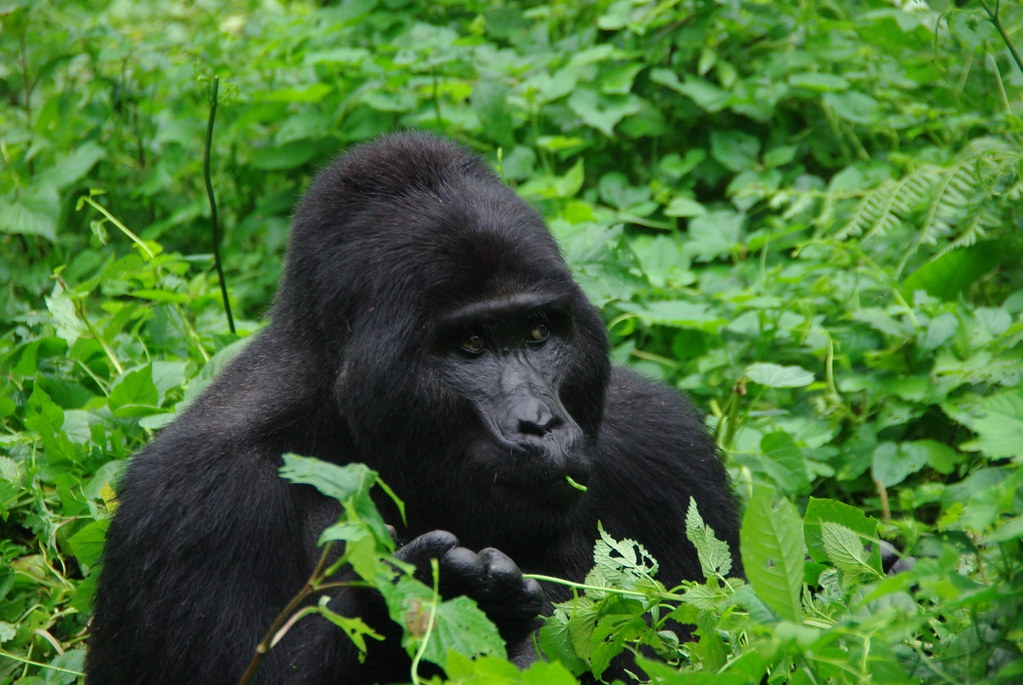
The best time to combine a Kenya safari and Uganda gorilla trekking is during the dry seasons, specifically June to October or December to February. These months offer optimal conditions with dry, accessible hiking trails in Uganda and prime wildlife viewing in Kenya, including the Great Migration in the Masai Mara.
18-days-exclusive-kenya-tanzania-safari-to-uganda-primate-safari
17-days-east-africa-safari-to-uganda-rwanda-kenya-tanzania-and-zanzibar-beach-holidays
13-days-kenya-tanzania-safari-and-uganda-gorilla-trekking
11-days-gorilla-trekking-and-kenya-safari-in-masai-mara-to-zanzibar-beach-holiday
10-days-kenya-wildlife-safari-and-gorilla-safari-in-uganda
6-days-kenya-masai-mara-and-bwindi-gorilla-trekking-in-uganda-and-lake-bunyonyi
Best Overall (Dry Season): June to October
The period from June to October is often regarded as the best time for a Kenya wildlife safari combined with gorilla trekking in Uganda. This dry season not only offers optimal weather conditions but also coincides with the Great Migration—a stunning natural spectacle where millions of wildebeests and zebras traverse the Serengeti and Masai Mara in search of fresh grazing. The clear skies and minimal rainfall during these months make wildlife spotting easier, as animals tend to congregate around water sources.
In Uganda, the dry weather is particularly favorable for gorilla trekking in Bwindi Impenetrable National Park. The trails become less muddy, and trekkers can more easily navigate the rugged terrain. Since gorilla permits can sell out several months in advance, planning your trip during this peak season requires early booking. While the experience is unparalleled, it’s essential to prepare for high visitor numbers in the parks. Thus, securing accommodations and permits ahead of time is crucial to avoid missing out on this incredible opportunity.
Visitors during this period can enjoy not only the variety of wildlife but also the unique habits observed in animals. Lions, for instance, are often spotted during the day, taking advantage of the warm weather. While June to October offers the ultimate safari experience, bear in mind that crowds are to be expected. However, with careful planning and early reservations, travelers can navigate the busier aspects of this peak season and fully immerse themselves in the extraordinary wildlife and stunning landscapes of East Africa.
Secondary Option (Dry Season): December to February
Those looking for an alternative window for a Kenya wildlife safari and gorilla trekking might consider the secondary dry season from December to February. This period offers a delightful climate characterized by drier and warmer weather, making it ideal for outdoor activities like trekking in Bwindi Impenetrable National Park. The trails are generally more accessible than in the wet seasons, and the likelihood of encountering the majestic mountain gorillas is high.
In Kenya, this timeframe is also advantageous for wildlife sightings. The animals are often more active during these months, thanks to the favorable conditions. Visitors can expect to see the Big Five—lions, leopards, elephants, buffalo, and rhinos—while also enjoying excellent birdwatching opportunities, as many migratory birds return to the area. It’s a great time to appreciate the vibrant ecosystems in both countries, as the landscape is lush from the earlier rains, making it visually captivating.
While this period does not see the bustling crowds of the June to October peak season, it’s still advisable to book permits and accommodations in advance. This ensures you secure preferred lodging and access to the best gorilla families for trekking. Overall, December to February strikes a perfect balance between favorable weather and a more manageable visitor flow, allowing for a fulfilling wildlife experience without the peak season rush.
Peak Season Considerations
While the period from June to October is widely acclaimed as the optimal time for wildlife enthusiasts, it comes with its own set of challenges, primarily related to crowding. This peak season attracts thousands of tourists each year, eager to witness the Great Migration and experience gorilla trekking amidst the best weather conditions. Because of this high demand, both permits for gorilla trekking and accommodations within the national parks can become limited. It's essential to plan your trip well in advance, often booking permits and lodging several months ahead of time.
Crowds can be particularly intense in popular areas of the Masai Mara and Bwindi Impenetrable National Park. During these months, visitors may find themselves surrounded by larger groups during game drives or trekking excursions. While the excitement of witnessing wildlife in their natural habitat is enhanced during this season, it’s vital to consider the aspect of enjoying these experiences without the hustle of crowds.
Travelers seeking a quieter environment may want to explore alternative options or consider visiting during the shoulder months, such as May or late November, which can provide decent wildlife viewing without the peak-season crowds. However, if you are committed to seeing the Great Migration and encountering gorillas during this optimal weather, advanced planning and early bookings are critical to ensure a smooth and rewarding experience.
Shoulder Season
June serves as a unique bridge month in the safari calendar, often recommended as a shoulder season between the short rains of May and the high peak months of July and August. During June, wildlife enthusiasts can enjoy relatively good conditions for both game viewing and gorilla trekking. As the rains wane and the landscapes start to dry out, animals become easier to spot, congregating around water sources in Masai Mara and Bwindi.
Visiting during June can often allow you to bypass the heavy tourist influx that arrives in July and August. This means you may enjoy a more intimate experience with the wildlife and have fewer visitors around as you embark on treks or game drives. Moreover, while the weather remains generally pleasant, it’s still essential to prepare for occasional rain, which can refresh the lush scenery and provide brief, refreshing showers that enhance the natural beauty of the landscape.
For those eager to see gorillas and experience wildlife without the overwhelming crowds, June presents an attractive option. While permits for gorilla trekking may still require early booking, the overall experience can be more tranquil, allowing you to deeply appreciate the biodiversity and stunning settings without the high-season rush. This makes it an appealing time for wildlife enthusiasts looking to maximize their adventure in East Africa.
10 Days Combine Kenya Safari and Uganda Gorilla Trekking
This 10-day safari combines the thrill of world-class Big Five game viewing in Masai Mara with the adventure of intense gorilla trekking in Bwindi Impenetrable National Park. The journey begins in Kenya’s iconic Masai Mara, an area renowned for its rich wildlife, where you'll have the opportunity to see elephants, lions, leopards, buffalo, and rhinoceroses, among other species like giraffes, zebras, hippos, and various bird life. Flights connect Nairobi to Entebbe, Uganda, where you will continue your safari with gorilla tracking, chimpanzee trekking, and diverse wildlife observations. A $700 gorilla permit is required for this unique opportunity to observe mountain gorillas in their natural environment. Each day promises adventures filled with wildlife encounters, making this itinerary ideal for nature enthusiasts seeking a comprehensive experience of East Africa's beauty and biodiversity.
Days 1-4: Kenya Safari (Masai Mara & Lakes)
Day 1: Arrival in Nairobi, Kenya
Arrive at Nairobi’s Jomo Kenyatta International Airport, where you will be welcomed and transferred to your hotel. Take the rest of the day to relax and adjust to your surroundings. If time allows, you can visit the Giraffe Centre to interact with Rothschild giraffes or explore the David Sheldrick Wildlife Trust to see orphaned elephants. Enjoy a dinner featuring local flavors at a nearby restaurant. Overnight, rest well at the hotel, preparing for the safari ahead.
Day 2: Transfer to Masai Mara National Reserve for Evening Game Drive
After breakfast, travel to Masai Mara National Reserve, home to a diverse array of wildlife, including lions, elephants, wildebeests, and cheetahs. Upon arrival, check into your lodge and have lunch. In the afternoon, set out on your first game drive, where you’ll have the chance to spot animals in their natural habitat. Look for zebra herds grazing and buffalo wallowing in mud. Return to your lodge for dinner and enjoy the sounds of the African night.
Day 3: Full Day in Masai Mara (Big Five, Potential Great Migration)
Today is dedicated to exploring Masai Mara. After an early breakfast, venture out for a morning game drive. Look for the Big Five: lions, leopards, elephants, buffalo, and rhinos. If your visit coincides with the migration season, witness wildebeests and zebras traversing the plains. Enjoy a packed lunch in the park, maximizing your wildlife viewing time. In the late afternoon, return to your lodge for dinner and share stories of the day’s wildlife sightings with fellow travelers.
Day 4: Morning Game Drive, Then Flight to Entebbe, Uganda
Enjoy an early morning game drive before departing Masai Mara. Focus on spotting any wildlife you might have missed, such as hyenas and various antelope species. After breakfast, check out from your lodge and transfer to the airstrip for your flight to Entebbe. Upon arrival, you will be transferred to your hotel, where you can relax and prepare for the next leg of your trip.
Days 5-10: Uganda Gorilla & Wildlife Trekking
Day 5: Transfer to Kibale National Park or Queen Elizabeth National Park
After breakfast in Entebbe, transfer to either Kibale National Park or Queen Elizabeth National Park, depending on your itinerary. Kibale is known for its vibrant primate population, including chimpanzees, while Queen Elizabeth offers stunning scenery. Upon arrival, enjoy lunch at your lodge. In the afternoon, take a guided nature walk or relax at your lodge, keeping an eye out for local wildlife such as monkeys and birds. Have dinner at the lodge and share your excitement for the upcoming encounters.
Day 6: Chimpanzee Trekking in Kibale or Boat Safari in Queen Elizabeth
If you are in Kibale, start your day early with chimpanzee trekking, where you will learn about their behaviors and social interactions. While trekking, you may encounter red-tailed monkeys and other primates. Alternatively, if you are in Queen Elizabeth National Park, enjoy a boat safari on the Kazinga Channel, famous for hippos, crocodiles, and a variety of birds such as African fish eagles. Return to your lodge for lunch, followed by relaxation for the remainder of the day.
Day 7: Game Drive in Queen Elizabeth National Park (Tree-Climbing Lions)
Today focuses on game viewing in Queen Elizabeth National Park, particularly in the Ishasha sector, renowned for its tree-climbing lions. After breakfast, head out for a morning game drive, looking for animals such as elephants, Uganda kobs, and warthogs. Keep an eye out for the unique sight of lions resting in the branches of fig trees. Enjoy a picnic lunch in the park before continuing your wildlife exploration. Return to your lodge for dinner and reflect on the day’s encounters.
Day 8: Transfer to Bwindi Impenetrable National Park
Depart Queen Elizabeth National Park and travel to Bwindi Impenetrable National Park, the next highlight of your safari. This area is famous for its gorilla population and rich biodiversity. The drive offers beautiful views of hills and valleys, and you may encounter local communities along the way. After arriving, check into your lodge and have lunch. In the afternoon, you can enjoy a short-guided nature walk to explore the park’s flora and fauna. Return to your lodge for dinner and rest.
Day 9: Gorilla Trekking Experience
Today is dedicated to gorilla trekking. After an early breakfast, attend a briefing with your guide about gorilla tracking protocols. Then, enter the forest to search for a family of mountain gorillas. As you trek through the dense vegetation, keep an eye out for birds and other wildlife. Once you locate the gorillas, spend an unforgettable hour observing their behaviors and interactions. Return to your lodge for dinner and reflect on the remarkable encounter with these gentle giants.
Day 10: Transfer to Entebbe for Departure
After breakfast, take in the last views of Bwindi. Depending on your flight schedule, you may have time for a last nature walk or souvenir shopping. Depart for Entebbe, where you will arrive in time for your departure flight. This concludes your adventure, filled with unforgettable wildlife sightings and unique encounters in two of East Africa's most captivating countries.
How to Get from Kenya to Uganda for Gorilla Trekking
Traveling from Kenya to Uganda for gorilla trekking typically involves taking a flight from Nairobi to Entebbe, which is the most convenient option. Numerous airlines operate daily flights between the two countries, making it easy to find a schedule that suits your travel plans. Alternatively, overland travel is possible, with options for private transfers or shuttle services, but this takes significantly longer and can involve border crossing procedures. Once in Uganda, you can arrange transportation to Bwindi Impenetrable National Park, where gorilla trekking takes place.
What to Pack for Gorilla Trekking in Uganda
When packing for gorilla trekking in Uganda, consider essential items that will enhance your experience. First, durable hiking boots with good traction are crucial for navigating the rugged terrain. Lightweight, moisture-wicking clothing helps keep you comfortable in varying weather conditions, while a light rain jacket is advisable due to sudden rain showers. Don’t forget your essentials: sunscreen, a hat, insect repellent, and a refillable water bottle. Binoculars and a camera will help you capture the incredible wildlife. Finally, a small backpack can carry your essentials during the trek.
Reasons to Combine Kenya Safari and Gorilla Trekking
Combining a Kenya safari with gorilla trekking in Uganda offers an enriching experience that highlights East Africa's diverse wildlife and beautiful landscapes. In Kenya, you can witness the Big Five in iconic reserves like the Masai Mara, famous for its abundant wildlife and the Great Migration. In contrast, Uganda allows for an intimate encounter with mountain gorillas in their natural habitat, alongside opportunities to see chimpanzees and other unique primates. This combination provides a well-rounded adventure, allowing you to enjoy both savannah and forest ecosystems while maximizing wildlife encounters.
Booking Kenya Safari and Gorilla Trekking with Roads of Adventure Safaris
When booking your Kenya safari and gorilla trekking with Roads of Adventure Safaris, you are choosing a team of experts dedicated to crafting personalized itineraries that meet your needs. We handle all logistics, including permits, accommodation, and guided tours, ensuring a seamless travel experience. Our knowledgeable guides enhance your adventure by providing insights into local wildlife and culture. Whether you want to spot the Big Five or trek through mountains to see gorillas, we are here to create your dream safari experience in East Africa. Contact us today to start planning!
