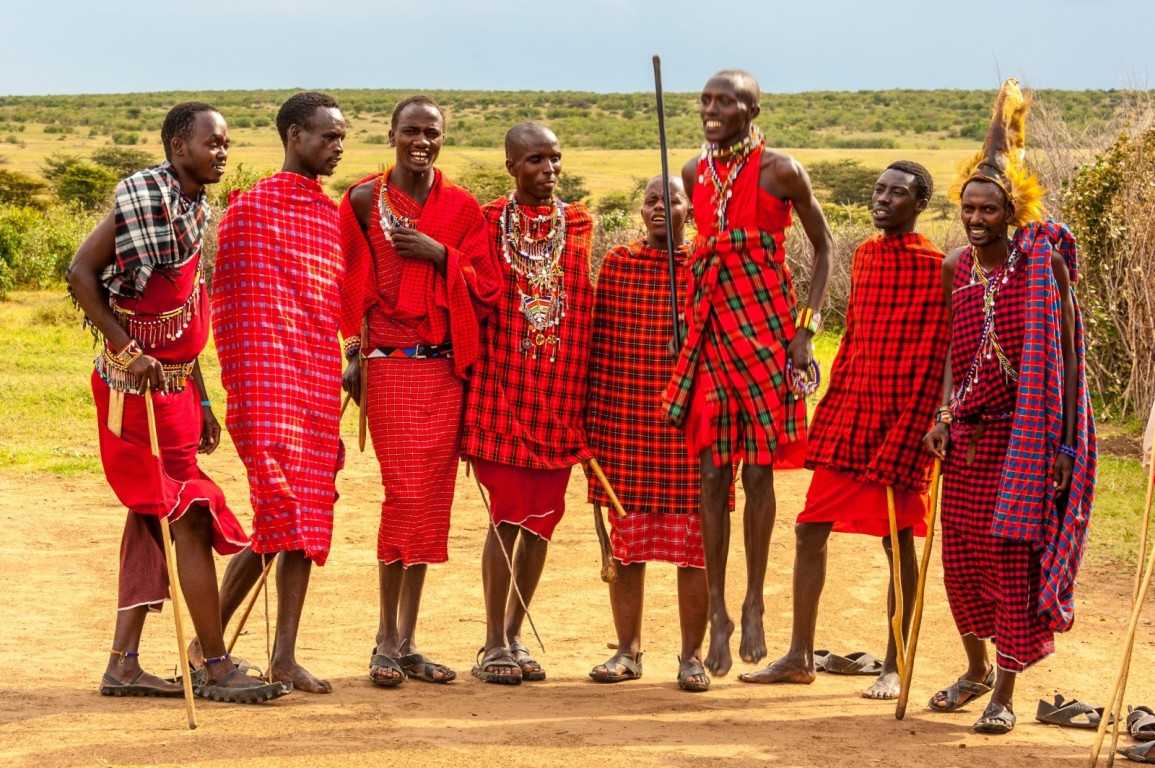
A Tanzania cultural safari offers immersive, hands-on experiences with indigenous communities like the Maasai, Hadzabe, and Datoga, highlighting traditional lifestyles, craftsmanship, local cuisine, and vibrant music. Expect to participate in activities like traditional cooking, farming, jewelry making, and guided nature walks, providing a deep connection to Tanzanian heritage beyond typical wildlife game drives.
A Tanzania cultural safari that emphasizes immersive tribal encounters offers travelers rare opportunities to meet and learn from living communities whose social systems, livelihoods, and worldviews have been shaped by centuries of adaptation. Typical visits focus on groups such as the Maasai—semi-nomadic pastoralists whose economy, ritual life, and identity revolve around cattle—and the Hadzabe hunter-gatherers around Lake Eyasi, who maintain a foraging and small-game hunting lifestyle. These encounters are ideally arranged through community-led programs or vetted guides who prioritize consent, fair compensation, and reciprocity rather than spectacle.
During an immersive visit, hosts explain social structures—age sets, clan relations, and gendered roles—and demonstrate daily practices like herding, milking, and livestock care. For the Hadzabe, guests may observe tracking techniques, bow-and-arrow hunting methods, and foraging practices that reveal an intimate knowledge of seasonal resources, edible plants, and honey-gathering. Storytelling sessions with elders transmit oral histories, creation narratives, and practical ecological knowledge that frames how communities interpret landscapes and animal behavior.
Ethical programs emphasize small groups, negotiated fees, and tangible benefits such as community development projects, education support, or microenterprise funding. They also respect boundaries: not all rituals are public, and some activities are private or sacred. Cultural sensitivity briefings—how to ask permission to photograph, appropriate dress, and respecting gendered spaces—help prevent misunderstandings and ensure dignity for hosts.
For travelers, immersive encounters yield deeper learning than staged performances. They provide context for current challenges—land rights disputes, pressures from agriculture and conservation, and youth migration—and show how communities creatively blend tradition with modern livelihoods. The visual and sensory experiences are rich: the bright beadwork and ochre-smeared hair of Maasai elders, the quiet focus of a Hadzabe hunter tracking spoor, and the taste of milk fresh from the gourd. Ultimately, immersive tribal encounters on a cultural safari are about listening and mutual respect: visitors gain knowledge and perspective while contributing directly to community resilience when programs are run ethically and transparently.
10-days-tanzania-wildlife-safari-and-optional-visit-to-masai-tribe-or-hadzabe
8-days-perfect-materuni-waterfall-and-coffee-cultural-tour-in-tanzania
7-days-best-of-tanzania-safari-grumetimara-river-crossing-and-masai-warrior-homestay
Interactive Activities
Interactive activities are a highlight of cultural safaris in Tanzania because they move beyond observation to embodied learning—inviting visitors to try tasks that structure daily life. Well-designed programs pair practical experiences (milking cattle, grinding grain, cooking, hunting demonstrations with bows and arrows, or basic blacksmith tasks) with explanation of social meaning, ecological logic, and historical background. The hands-on element deepens empathy and provides memorable skills and stories to take home.
A typical interactive itinerary might begin with a market tour, followed by participation in meal preparation using locally sourced ingredients. Guests learn how to prepare staples like ugali, maize porridge, or region-specific stews, often starting with a market visit to learn about local spices and produce. Milking sessions with pastoral households teach not only technique but also how milk is processed, shared, and incorporated into social exchanges. In Hadzabe or similar contexts, supervised tracking and foraging walks expose guests to plant identification, animal behavior, and sustainable harvesting ethics.
Blacksmith or tool-making workshops—found among Datoga and other artisanal groups—are usually adapted for safety so visitors can try hammering or filing non-hot pieces, gaining appreciation for the labor behind everyday implements. Craft sessions (beadwork, pottery, basketry) let guests produce small keepsakes under local guidance, providing direct income to artisans.
Operators should always vet interactive activities for cultural appropriateness and safety. Hosts must consent to specific interactions, and offerings should avoid turning sacred practices into commodities. Small groups preserve intimacy and minimize disruption. Ethical programs also provide fair payment and reinvestment into community priorities.
For participants, interactive activities create multisensory connections to place—learning by doing makes cultural knowledge practical and memorable. They are particularly effective for family travelers, educational groups, and photographers seeking authentic, respectful ways to document daily life with informed consent.
Traditional Crafts
Traditional crafts are living repositories of aesthetic knowledge, material skill, and social meaning—on a Tanzanian cultural safari you will encounter beadwork, pottery, basketry, and metalwork that each encode identity, status, and practical function. Craft traditions differ across regions and ethnicities: Maasai beadwork conveys age-set and marital status through color and pattern; Datoga blacksmithing produces functional iron tools and decorative metalwork; Central and southern artisans produce distinctive woven baskets and pottery forms adapted to storage and cooking needs.
Visiting craft workshops offers insight into materials, production cycles, and the local economies that sustain artisans. Demonstrations typically show the full sequence: sourcing raw materials (clay, grass, dyes, metal), forming or shaping techniques, decorative practices (incising, beading, painting), and finishing processes such as firing, polishing, or sealing. Many cooperatives provide hands-on sessions where visitors can try coiling a pot, weaving a basket rim, or threading a bead necklace—activities designed to be accessible yet revealing of the fine motor skills and cultural knowledge involved.
Buying directly from artisans supports livelihoods and strengthens craft transmission to younger generations. Ethical purchases are crucial: fair pricing, transparent supply chains, and partnerships that reinvest proceeds into training, tool replacement, or education protect craft communities from exploitation. Many community-run galleries and cooperatives reinvest profits into local priorities and maintain quality control, giving buyers confidence that their purchases matter.
For photographers and cultural documentarians, craft workshops present compelling subjects: close-up shots of hands at work, textural contrasts of natural materials, and the colorful results of bead and textile arts. However, consent is essential—ask before photographing individuals or family workshops, and consider commissioning portraits or studio visits where proceeds compensate subjects.
Traditional crafts are not static relics but evolving practices. Many artisans blend traditional motifs with contemporary forms for tourist markets, creating hybrid works that sustain tradition while innovating. Seeing crafts in context—at market stalls, in village homes, or in cooperative galleries—reveals the full cultural and economic tapestry that the objects embody.
Local Cuisine and Dance
Local cuisine and dance are inseparable on a Tanzanian cultural safari: meals are social events and music-dance performances are vessels of history, identity, and communal cohesion. Foodways tell stories of migration, trade, and adaptation—ingredients like maize, bananas, cassava, rice, and spices reveal ecological zones and culinary exchanges, while cooking techniques showcase household knowledge passed through generations. Participating in a market-to-table cooking session gives insight into ingredient selection, preservation techniques, and customary food etiquette.
Dance and music accompany rites of passage, harvest celebrations, and social gatherings. Instruments—traditional drums, ngoma ensembles, stringed zithers, and rattles—establish rhythmic frameworks for dances that range from martial displays (such as Maasai adumu) to communal circle dances emphasizing participation and coordination. Performances are often colorful: bright garments, beadwork, and body painting create striking visuals while movements encode social meanings like courtship, bravery, or agricultural thanksgiving.
Quality cultural programs blend dining and performance with explanation. A typical evening might begin with a market walk, progress to a cooking lesson, and conclude with a performance where guests eat together and then are invited to join simple dance steps. Such sequencing deepens understanding by connecting flavors to communal contexts and rhythms to social functions. Ethical programming ensures performers are fairly compensated and that dances shown are appropriate for public audiences—some rituals remain private.
For travelers, the sensory richness is the main reward: the smell of cardamom, the tactile feel of pounding grain, the sound of layered drums, and the exhilaration of joining a community circle. These experiences are family-friendly and accessible, offering practical cooking skills alongside cultural appreciation. Respectful participation—asking before photographing, following local norms for seating or gendered roles, and tipping performers—helps maintain trust and sustains the cultural custodians who share their food and song.
Village and Nature Walks
Village and nature walks combine ethnobotanical learning with community engagement, offering travelers guided exploration of local crops, medicinal plants, and the reciprocal relationships between people and landscape. Led by community members—farmers, herbalists, or elder knowledge-keepers—these walks go beyond scenic hiking to explain cropping calendars, soil-conservation techniques, agroforestry practices, and the cultural uses of wild and cultivated plants.
On village walks you might observe terraced farming, intercropping systems (coffee shaded by banana trees, for example), and smallholder techniques for water management. Guides explain household labor divisions, seasonal workloads, and how market access shapes cropping choices. Nature segments focus on identification of medicinal herbs, edible wild greens, fruit-bearing trees, and sustainable harvesting practices. In many communities, plants are classified not only by botanical traits but by social categories—plants used in childbirth, ritual purification, or livestock care.
These walks serve educational and conservation functions. They can highlight challenges such as soil erosion, invasive species, or climate variability, and demonstrate community-led responses like reforestation, contour farming, or seed-saving programs. For visitors interested in traditional medicine, conversations with herbalists illuminate local pharmacopoeias and ethical considerations around knowledge-sharing and intellectual property.
Practical arrangements should be community-managed, with fees supporting guides and local conservation initiatives. Walks are best done in small groups to reduce trampling and social disruption. Photographers can document landscapes and plant uses, but should request permission when capturing people or private gardens. Village and nature walks are ideal for travelers seeking slower, interpretive experiences that connect ecological literacy with cultural context—offering both insight and tangible examples of human-environment stewardship.
Unique Cultural Accommodations
Staying in unique cultural accommodations transforms a Tanzania cultural safari from a series of day visits into an immersive, overnight experience that supports local livelihoods. Options range from community-run campsites and homestays to eco-lodges designed in consultation with local communities. These accommodations often employ local staff, source food locally, and channel part of revenues into village projects—making them practical engines for sustainable tourism.
Community-run campsites and homestays provide intimate access to daily life. Guests sleep in village guesthouses or tents near homesteads, sharing meals and morning routines with hosts. These stays emphasize reciprocity: fees typically go directly to families or community funds, and hosts often offer morning activities like market walks, farm chores, or storytelling. Homestays require clear expectations around private space, hygiene, and cultural norms; responsible operators brief guests and host families to ensure mutual comfort.
Eco-lodges that partner with communities provide higher-end comfort while maintaining strong local ties. They might employ guides and staff from nearby villages, use local building materials and design motifs, and offer cultural programming run by community members. Some lodges support education, healthcare, or conservation projects through a percentage of profits. Architecturally, these properties often reflect vernacular styles—thatching, locally made furniture, and art produced by nearby artisans—offering an aesthetic continuity between accommodation and place.
Choosing culturally aligned accommodations strengthens economic benefits and deepens learning. Guests should look for transparent reporting on community partnerships, fair wages, and conservation commitments. Reviews, third-party certifications, and direct communication with operators help assess claims. Staying overnight also enables participation in evening rituals, early-morning farm activities, and extended conversations that create empathy and stronger cross-cultural ties. In short, unique cultural accommodations turn tourism into partnership—providing meaningful revenue for communities while offering travelers a richer, more authentic experience.
What is a Tanzania cultural safari?
A Tanzania cultural safari is a guided travel experience that centers on the living cultures, everyday practices, and heritage of local communities across Tanzania, often integrated with traditional wildlife- and landscape-focused touring. Unlike a purely game-oriented safari, a cultural safari deliberately foregrounds human stories: how communities make a living from the land, how social institutions and rituals structure life, and how art, food, language, and technology express identity. These trips are typically organized so visitors meet representatives from ethnic groups such as the Maasai, Hadzabe, Datoga, and Chagga; attend demonstrations of daily skills; visit homes, workshops, and markets; and stay in accommodations that reflect the local setting—ranging from community-run homestays and campsites to eco-lodges operated in partnership with villages.
Logistics differ from region to region. Cultural safaris often take place in northern Tanzania around the Serengeti and Ngorongoro highlands, the Rift Valley and Lake Eyasi area, and the slopes of Kilimanjaro, where communities maintain distinctive livelihoods and crafts. Guides with local knowledge—or community hosts themselves—explain social structures (age sets, clans, gender roles), subsistence systems (pastoralism, hunting-gathering, smallholder farming), and the meaning behind ceremonies, clothing, and craft motifs. Many programs combine short village visits with hands-on activities—cooking, beading, blacksmithing demonstrations, guided nature walks that teach ethnobotany, and performances of song and dance.
Ethical cultural safaris emphasize consent, fair payment, and community benefit. The best operators secure prior agreements with host communities, limit group sizes, compensate hosts fairly for time and services, and channel revenues into local projects or cooperatives. Responsible travelers are briefed on respectful behavior—asking permission before photographing people, dressing modestly, and honoring private or sacred spaces.
For visitors, a cultural safari deepens context: wildlife sightings are framed by how people interact with and manage their environment; crafts and foods become meaningful artifacts rather than souvenirs; and conversations with hosts reveal contemporary challenges—land tenure issues, climate pressures, and youth migration. Ultimately, a Tanzania cultural safari aims to foster mutual understanding: guests gain richer perspectives on culture and place while communities receive tangible, respectful economic support when trips are run ethically.
Which tribes will I meet on a Tanzania cultural safari?
On a typical Tanzania cultural safari you are likely to meet several prominent ethnic groups, each with distinct livelihoods, material culture, and social systems. The Maasai are the most widely recognized: semi-nomadic pastoralists whose social identity is intertwined with cattle-keeping, elaborate beadwork, and age-set rituals. Visits to Maasai villages (manyattas) typically showcase homestead layout, ceremonial dance (including the adumu “jumping” dance), bead-making workshops, and explanations of pastoral economy and grazing practices.
The Hadzabe, resident around Lake Eyasi, are among East Africa’s remaining hunter-gatherer groups. Hadzabe experiences usually center on tracking and hunting demonstrations with bows and arrows, honey-collection methods, and foraging walks for edible tubers and fruits. These encounters emphasize ecological intelligence, communal sharing norms, and a mobile social organization adapted to seasonal resource availability.
The Datoga, living in parts of northern Tanzania, are renowned metalworkers and blacksmiths. Datoga smiths produce iron tools, spearheads, and ornamental metalwork; observing their forges reveals traditional smelting and forging techniques and underscores the continuing relevance of craft economies in pastoral regions.
On the slopes of Kilimanjaro and surrounding highlands you will encounter the Chagga—settled smallholder farmers known for intensive terrace farming, banana-coffee agroforestry systems, and distinct social institutions. Chagga visits often include coffee- and banana-garden tours, demonstrations of processing coffee cherries, and explorations of terracing and soil-conservation practices.
Other ethnic groups may appear depending on itinerary and region: Swahili coastal communities with their trading and seafaring heritage, or multiethnic marketplaces such as Mto wa Mbu that bring together many groups’ foods and crafts. Good cultural-safari operators work with community liaisons to ensure visits suit local preferences and that hosts benefit fairly. Host selection often aims for diversity—pastoralists, hunter-gatherers, artisans, and agriculturalists—so travelers see multiple livelihood systems and cultural logics. Meeting these groups provides layered insights into Tanzania’s human landscape: different ways of managing land and livestock, varied craft and culinary traditions, and distinct responses to modernization and conservation pressures.
What can I do on a Tanzania cultural safari in a Maasai village?
A visit to a Maasai village on a Tanzania cultural safari offers direct engagement with pastoralist lifeways through observation, demonstration, and sometimes participatory activities. Typical experiences begin with an orientation to the manyatta—the compound of family huts (enkaji) built from mud, sticks, and cow dung—and the corral where livestock are kept. Hosts explain the centrality of cattle to Maasai social and ritual life: cattle provide milk, meat on ceremonial occasions, bridewealth, and are a measure of wealth and status.
Cultural demonstrations often include beadwork workshops led by women’s groups, where travelers learn how color, pattern, and design signify age-set, marital status, and social roles. Purchasing beadwork directly from artisans supports household incomes. Visitors will likely witness or be invited to watch traditional dances—most famously the adumu or “jumping dance”—and may be asked to respectfully observe rather than participate in ritualized rites reserved for community members. Storytelling by elders provides oral history, proverbs, and explanations of customary law and social organization.
Participatory options commonly offered include milking cows and learning how milk is processed—drinking fresh milk or fermented products in a gourd—preparing simple meals, and trying basic bead-stringing under guidance. Some programs allow supervised visits to grazing areas to observe livestock management strategies, grazing rotation, and how pastoralists cope with drought and land-pressure challenges.
Ethical visits prioritize respectful consent and tangible community benefit. Reputable operators arrange agreed fees, compensate hosts for their time, and channel part of revenues into education or health projects where appropriate. Travelers should follow etiquette: ask permission before photographing people or sacred spaces, dress modestly, and avoid giving gifts directly to children in ways that disrupt local norms.
A Maasai village visit is visually striking and informative: bright red shukas, intricate beadwork, ochre-smeared hair, and the rhythmic energy of communal song and dance. Beyond aesthetics, the visit offers real insight into resilience, the cultural logic of pastoralism, and contemporary negotiations between tradition, land rights, and modern livelihoods.
Can I go hunting on a Tanzania cultural safari?
Yes, but with important ethical and legal caveats. In the Lake Eyasi area, cultural safaris may include experiences with the Hadzabe, who practice small-game hunting with bows and poisoned arrows as part of a hunter-gatherer subsistence system. Organized visits typically allow guests to observe hunting demonstrations, learn tracking and foraging techniques, and sometimes accompany hunters on non-lethal tracking or foraging outings. Direct participation in active hunting of large wildlife is generally neither legal nor ethical for tourists in Tanzania, which has strict wildlife protection laws and conservation zones.
Responsible operators structure Hadzabe experiences to prioritize cultural integrity and community consent. Demonstrations are usually controlled and supervised: hunters may stage short, educational tracking walks or show how bows are strung and arrows prepared; foraging walks let guests taste wild tubers, fruits, and honey. When actual hunting occurs, it is embedded in subsistence practices and is not a tourist spectacle—operators should never encourage or finance hunts purely for tourist entertainment.
Legal frameworks also matter. Tanzania prohibits trophy hunting in most conservation areas and regulates any form of hunting through permits. Tourists should not engage in independent hunting or provide funds for unsanctioned hunts. Ethical visitation means choosing operators who have written agreements with Hadzabe communities, compensate them fairly for demonstrations, and respect limits set by community leaders regarding what may be shown or done.
Additionally, conservation and animal-welfare considerations arise: some communities are sensitive to external pressure and prefer not to stage kills for visitors. Ask your operator in advance how interactions are conducted, whether any live hunting will be involved, and how the proceeds support community needs. In short: you can learn about and sometimes accompany Hadzabe hunters in educational, non-exploitative ways, but active participation in lethal hunting should be treated with caution and only undertaken within legal, community-approved contexts.
What should I wear on a Tanzania cultural safari?
Dress for a Tanzania cultural safari should balance comfort, cultural respect, and practical protection for varied activities and environments. Neutral, muted colors—earth tones such as khaki, olive, brown, and gray—are recommended because they are less likely to attract insects and are culturally unobtrusive. Avoid bright reds or flashy patterns that might be culturally insensitive or draw undue attention. Note: some guidance also advises avoiding pure blue or black as these colors can attract tsetse flies in certain regions, though practical risk varies seasonally and geographically.
Comfort and functionality are key: breathable, quick-dry fabrics (lightweight long-sleeve shirts and long trousers) protect from sun, scratches, and insects during village or nature walks. Layering is useful: mornings at higher altitudes (Ngorongoro rim, Kilimanjaro foothills) can be cool while midday heat rises. A wide-brimmed hat, sunglasses, and a lightweight scarf or buff help protect against sun and dust. Closed-toe, sturdy walking shoes or low-ankle boots with good traction are essential for village paths and uneven terrain; sandals may be fine at homestays but are poor for bush walks.
Cultural modesty matters: in many rural areas dress modestly—avoid revealing clothes, short shorts, or low-cut tops—especially when visiting conservative communities or religious spaces. Women may prefer to carry a shawl to cover shoulders when entering homesteads or during ceremonies. Avoid wearing clothing with offensive or political imagery.
Practical extras: insect repellent (DEET or picaridin), sunscreen, a small first-aid kit, and a lightweight rain jacket for sudden showers in some regions. If planning to photograph, a muted-colored camera cover and a small daypack to carry water and personal items are useful.
Finally, when participating in specific cultural activities, follow host guidance: some ceremonies require particular dress or prohibit certain garments; purchasing or borrowing a local shuka or wrap (with permission) can be a respectful way to engage and support local craftswomen.
Is a Tanzania cultural safari safe?
Yes—when properly organized and when travelers follow local guidance—Tanzania cultural safaris are generally safe. Operators and community hosts prioritize guest safety, and experienced guides are familiar with regional logistics, cultural protocols, and basic first-aid. Safety considerations differ from wildlife safaris: cultural interactions involve social etiquette, health precautions, and situational awareness rather than large-animal risk.
Key safety measures: use reputable tour operators who vet communities and secure prior consent for visits; travel with knowledgeable guides who act as cultural interpreters; limit group sizes to avoid crowding and undue strain on hosts; and follow host instructions regarding where guests may go within a village or homestead. Respect local norms—don’t enter private family areas without permission, avoid photographing children without consent, and heed gendered boundaries that may restrict access to certain activities.
Health precautions include up-to-date routine vaccinations, malaria prophylaxis where recommended, and standard food and water hygiene practices. If staying in remote communities or homestays, bring basic medicines and verify emergency-evacuation plans with your operator. Roads to remote villages can be rough; ensure vehicles are well-maintained and that drivers are experienced in local terrain. Travel after dark in rural areas is less advisable.
Cultural sensitivity contributes to safety: respectful behavior reduces the risk of misunderstandings. Discuss tipping, bartering, and gift policies with your guide to avoid offense. Also be mindful of political or land-rights tensions in some areas; trusted local operators will avoid contentious locations and will advise on current conditions.
Finally, personal security is similar to other travel contexts: keep valuables secure, make copies of travel documents, and register travel plans with friends or family. When these measures are in place and operators adhere to ethical practices, a cultural safari is a rewarding and safe way to connect with Tanzania’s human and natural heritage.
Can I buy crafts on a Tanzania cultural safari?
Absolutely—purchasing locally made crafts is a common and welcome part of a Tanzania cultural safari, and when done ethically it provides direct economic support to artisans and their communities. Crafts you’ll encounter include Maasai beadwork, woven baskets, pottery, Datoga metalwork, woodcarvings, and locally roasted coffee from Chagga farms. These items often reflect cultural symbolism and practical utility, and buying directly from makers or through community cooperatives ensures most proceeds stay local.
To make purchases ethical and sustainable, prioritize community-run cooperatives, fair-trade outlets, or direct sales where artisans set prices. Avoid coercive bargaining that undercuts artisans’ livelihoods; modest negotiation is normal in many markets, but recognize the labor and materials behind handcrafted goods. Ask about the materials and techniques used—knowing whether beads are glass or recycled, or whether baskets use sustainably harvested grasses—helps you make informed choices.
Consider practical matters: crafted metal items can be heavy and subject to customs restrictions; fragile pottery might require careful packing. Many cooperatives offer shipping or can advise on safe transport. If you want to support craft continuity, look for opportunities to fund apprenticeships, tool replacement, or training programs that help artisans access broader markets.
When photographing or commissioning work, obtain consent and, where appropriate, pay for time or take part in a paid portrait session. Small gestures—such as asking for the artisan’s name, learning the story behind a piece, and providing feedback or referrals—foster respectful relationships.
Finally, documentation matters: ask for receipts or business cards and keep records of purchases if you need to declare them at customs. Buying crafts on a cultural safari can be an enriching exchange that benefits both visitors and hosts when done with awareness, fairness, and respect.
Do I need to speak Swahili on a Tanzania cultural safari?
No—you do not need to speak Swahili to enjoy a Tanzania cultural safari. Most reputable cultural-safari operators provide experienced English-speaking guides who also serve as cultural interpreters and translators during visits. These guides introduce guests to hosts, explain cultural practices, and help negotiate permissions for photos or purchases. In areas frequented by international visitors, community members who participate in tourism often speak at least some English as well.
That said, knowing a few basic Swahili phrases enriches interactions and is appreciated by hosts. Simple greetings—“Jambo” or “Habari” (hello), “Asante” (thank you), “Karibu” (welcome)—signal respect and create goodwill. Learning specific vocabulary relevant to an experience—words for food, tools, or family relations—can enhance conversations and demonstrates interest.
If you plan to visit more remote communities (e.g., certain Hadzabe camps), your guide may arrange for a local translator or community liaison who speaks both the local language and Swahili or English. For highly specialized cultural exchanges—ethnobotanical walks, in-depth craft apprenticeships, or long homestays—some prior knowledge of Swahili or the local language will deepen the experience, but it is rarely required.
Finally, beyond practical translation, cultural interpretation matters. A skilled guide will not just translate words but explain context: what a gesture means, how a particular item functions socially, or why a ritual is performed. So choose operators with well-trained guides and ask in advance about language support for your itinerary.
What is the accommodation like on a Tanzania cultural safari?
Accommodation options on a Tanzania cultural safari vary widely to match traveler comfort levels and community preferences. You can expect a spectrum from rustic community-run homestays and eco-camps to mid-range lodges and full-service eco-lodges or safari camps that partner with local villages. The choice usually depends on budget, desired immersion, and the remoteness of the sites visited.
Community homestays and campsites offer the most direct cultural immersion. Guests stay in family homes or simple guest huts, sharing meals and daily routines with hosts. Facilities are basic—shared bathrooms, simple bedding, and limited electricity—but these stays provide meaningful economic benefits directly to households and are ideal for travelers seeking authentic overnight experiences. Community camps may include communal kitchens and shared latrines, and hosts typically brief guests on norms and expectations.
Eco-lodges and boutique camps provide higher comfort while maintaining cultural links. Many operate in partnership with nearby villages: they employ local staff, source food locally, display community art, and return a portion of profits to village projects. Facilities may include private bathrooms, reliable hot water, and curated cultural programming such as guided walks, craft workshops, and evening performances.
Logistics should be clear before you book: remote village stays may require long drives on rough roads and have limited phone or medical access; confirm evacuation procedures and the operator’s contingency plans. Seasonal weather can affect accessibility—rainy-season tracks become difficult—so accommodation standards may vary by time of year.
When choosing accommodation, look for transparency in community partnership: clear revenue-sharing, fair wages for staff, and support for local conservation or social projects indicate ethical practice. Reviews and operator references help assess comfort levels and cultural authenticity. Whether you prefer rustic homestays or comfortable eco-lodges, accommodations on a cultural safari are chosen not just for comfort but as a way to support and learn from local communities.
What food can I expect on a Tanzania cultural safari?
Food on a Tanzania cultural safari ranges from simple, locally sourced dishes to more elaborate meals prepared by lodge chefs—often reflecting the regional diversity of ingredients and culinary traditions. Expect staples such as ugali (a stiff maize- or cassava-based porridge), rice, beans, stews featuring seasonal vegetables, and meat dishes (beef, goat, or chicken) depending on host community practices. In pastoralist settings like a Maasai village, milk and dairy products—fresh milk, fermented milk, and occasionally meat during ceremonies—feature prominently; in Hadzabe foraging contexts, you may sample wild tubers, fruits, and honey.
Many cultural safaris include market visits where guides explain commonly used spices, fruits, and vegetables, and shopping with hosts adds context to subsequent cooking sessions. Cooking demonstrations and participatory meals are common: guests may learn to prepare chapati, pilau (spiced rice), coconut-based coastal dishes in Swahili areas, or local snacks like roasted maize. In Chagga coffee-region visits you might taste banana-based dishes and freshly brewed locally processed coffee.
Food safety is usually well-managed by reputable operators: bottled or treated drinking water, hygienic food preparation, and guidance on what to avoid if you have dietary restrictions. If staying in homestays or remote camps, inform your operator of allergies and dietary needs in advance so hosts can accommodate. Vegetarian and vegan options are generally available but may be simpler in very remote areas.
Part of the cultural value is learning food etiquette—how meals are shared, customary seating, and ritual uses of food. Tasting local beverages—from banana beer in some communities to freshly roasted coffee in Chagga homesteads—adds cultural depth. Purchasing and sampling locally produced foods supports smallholder farmers and often results in a more authentic, memorable culinary experience.
Is a Tanzania cultural safari suitable for children?
Yes—Tanzania cultural safaris can be highly suitable and educational for children, provided activities are chosen and paced appropriately. Cultural experiences such as beadwork workshops, market visits, supervised nature and village walks, cooking classes, and homestays offer hands-on learning that helps children understand cultural diversity, human-environment relationships, and practical skills. Many families find that children respond enthusiastically to making crafts, trying local foods, and participating in safe, guided activities with community members.
Safety and attention to energy levels are key. Long game-drive–style transfers between sites can be tiring for young children; opt for shorter travel days and plan rest periods. Choose operators experienced with family travel who provide child-friendly activities and can adapt demonstrations (e.g., simplified beadwork or non-heat blacksmith tasks). Ensure health precautions—vaccinations, malaria prophylaxis where recommended, and careful food-and-water hygiene—are in place.
Cultural sensitivity is also important for children: brief them beforehand on appropriate behavior—asking permission before touching items or photographing people, respectful dress, and following local norms. Some rituals or private family spaces are not suitable for children; guides will advise. Homestays can be enriching but require clear communication about sleeping arrangements, privacy, and expectations on both sides.
Educational benefits are strong: children gain curiosity about other cultures, improved social skills, and firsthand experience of food production, craft-making, and local ecology. For families, balancing cultural days with downtime, simple wildlife viewing that children enjoy, and predictable routines will make the safari rewarding for all ages.
When is the best time for a Tanzania cultural safari?
The dry season—roughly June through October—is widely recommended for a Tanzania cultural safari because roads are generally in better condition, remote villages are more accessible, and outdoor activities such as village walks and market visits are less disrupted by rain. Dry conditions also make travel between sites faster and more reliable, which is helpful when visiting several communities across varied terrains.
However, cultural experiences are available year-round and different seasons have distinct advantages. The short rains (November–December) and long rains (March–May) can limit access to remote locations but also provide unique insight: planting and early-growing seasons show agricultural cycles in action, while lush landscapes make for beautiful scenery and rich ethnobotanical learning. Some ceremonies and festivals are seasonal—timed to harvests, rites of passage, or initiation cycles—so timing a trip to coincide with a particular cultural event can be rewarding but requires advance planning and community permission.
Consider practicalities: roads may become impassable in heavy rains, and some lodges or community camps close during off-season maintenance. Wildlife patterns influence accompaniment activities—some operators combine cultural visits with wildlife viewing timed to migration or calving seasons—so align your interests accordingly. For coffee-harvest experiences in Chagga areas, harvest timing is seasonal and varies by altitude; check with operators for optimal windows to see picking and processing.
In short, choose the dry season for maximum accessibility and predictability; choose the rainy season if you’re interested in agricultural cycles, fewer tourists, or particular festivals—but plan with a reputable operator who monitors road and weather conditions.
What is the etiquette on a Tanzania cultural safari?
Etiquette on a Tanzania cultural safari centers on respect, humility, and reciprocity. First and foremost, always ask permission before photographing people, homes, or rituals; many communities have specific rules about images, and some elders or ritual spaces are off-limits. Dress modestly—cover shoulders and knees—especially in conservative or rural areas. Follow your guide’s advice about greetings, seating arrangements, and whether to remove shoes when entering homes.
Respect private and sacred spaces: do not enter homesteads or enclosures without invitation, and decline offers to participate in rituals unless hosts explicitly invite you. Be mindful of gendered norms; in some contexts, certain tasks or areas are gender-specific and outsiders should not assume access. When offered food or drink, accept graciously if you feel comfortable; food sharing often signals hospitality and refusal can be misinterpreted. If you must refuse for dietary or religious reasons, explain politely through your guide.
Tipping and gift practices vary; consult your operator on appropriate amounts and methods. If you want to give gifts, coordinate with community leaders to ensure offerings are culturally appropriate and do not create dependency or jealousy. Buying local crafts is a practical way to show appreciation—pay fair prices and treat bartering as a social ritual rather than an aggressive negotiation.
Be mindful of children: avoid distributing candy or money directly to children in ways that undermine community structures; instead, contribute to community-managed funds or ask guides how best to help. Engage in conversations with curiosity rather than judgment; asking about traditions respectfully and listening more than speaking fosters trust.
Finally, follow public health guidance—keep distance if you’re ill, use handwashing, and follow food-and-water safety advice—to protect communities with limited medical services. Good etiquette makes cultural exchanges richer and more sustainable for both visitors and hosts.
Are there walking activities on a Tanzania cultural safari?
Yes—walking activities are a central part of many Tanzania cultural safaris and often provide the most intimate means of learning about daily life and landscape knowledge. Guided village walks take you through homesteads, farms, and markets where community members demonstrate cropping systems, irrigation practices, food processing, and craft production. Ethnobotanical walks with local knowledge-holders highlight medicinal plants, wild foods, and the practical uses of trees and shrubs in construction, dyeing, and ritual.
Bush and crater-rim walks may be led by naturalists who also liaise with villagers, combining ecological interpretation with cultural context—explaining how certain plants are used for tool-making, how grazing patterns affect local biodiversity, and how communities manage fire and soil conservation. Walks are often slow-paced and conversational, allowing time to ask questions and observe techniques such as terracing, shade-grown coffee intercropping, or livestock-keeping routines.
Safety and respect are priorities: follow the guide’s route to avoid private gardens or sensitive ritual sites, wear appropriate footwear, and carry water and sun protection. Small groups are preferred to reduce trampling and disturbance. Walking activities can be tailored to fitness levels—from short market-to-kitchen routes to half-day nature-and-village excursions.
Walking also enables sensory learning: the scent of drying coffee, the texture of woven grasses, the sound of village life, and direct interaction with hosts deepens understanding in ways vehicle-based visits cannot. For photographers, walking reveals candid moments and close-up details—hands shaping clay, the pattern of beadwork, or a child tending goats. Well-run walking programs are community-led, compensate guides fairly, and contribute fees to village priorities.
How long does a typical Tanzania cultural safari last?
The length of a Tanzania cultural safari varies by traveler interest, region, and how deeply you want to engage with communities. Options range from short half-day or full-day cultural excursions integrated into broader wildlife itineraries, to multi-day or week-long cultural circuits focused primarily on human landscapes. A single village visit or workshop can be conducted as a half-day activity (2–5 hours) and fits neatly into game-drive schedules; these are ideal if you want a taste of local life without altering a larger safari plan.
Full-day cultural programs—about 6–10 hours—allow for multiple activities such as market tours, cooking classes, craft workshops, and an evening performance, giving a fuller sense of daily rhythms. Multi-day cultural safaris (3–7+ days) immerse you more deeply: you might spend nights in homestays or community camps, combine visits across regions (Maasai, Hadzabe, Datoga, Chagga), and participate in extended activities like coffee harvests, craft apprenticeships, or multi-day foraging and tracking walks.
The choice depends on pacing and priorities. Travelers with limited time can combine a single meaningful village visit with wildlife highlights; those seeking deeper engagement benefit from overnight stays, which permit morning chores, evening storytelling, and more relaxed conversation. Logistics—road conditions, seasonal accessibility, and accommodation availability—also affect itinerary length. Reputable operators tailor trip length to goals, provide clear schedules, and allow flexibility for community events or weather disruptions.
Booking Tanzania cultural safari with us Roads of Adventure safaris
Book an unforgettable Tanzanian cultural safari with Roads of Adventure Safaris to experience the heart of East Africa. Our tailored itineraries combine thrilling game drives in Serengeti and Ngorongoro Crater with authentic cultural immersion, including visits to local villages. Led by knowledgeable guides, you will explore diverse landscapes and witness the Big Five in their natural habitat, ensuring an intimate, educational, and memorable journey. From the plains of Tarangire to the rich traditions of the Maasai, we offer comfortable, private adventures for a truly remarkable Tanzania experience. Book with us today.
