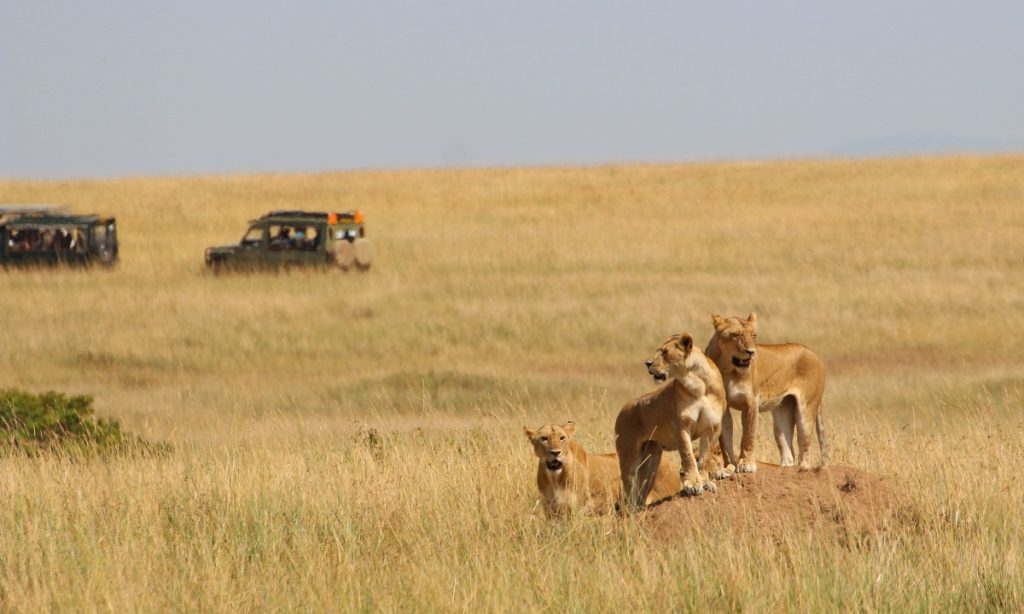
For first-timers, the best East Africa safari itineraries combine Kenya's Masai Mara and Tanzania's Serengeti/Ngorongoro Crater (10-12 days) for the ultimate Big Five experience. Top choices include the Northern Tanzania Circuit (7-10 days) for high wildlife density and Rwanda/Uganda for gorilla trekking. These tours offer diverse landscapes, from savannahs to crater highlands, ideal for beginners.
15-days-best-of-uganda-safari-kenya-and-tanzania-safari-in-africa
12-days-uganda-safari-and-tours-combined-with-zanzibar-beach-vacation
25-days-east-africa-safari-to-uganda-rwanda-kenya-tanzania-safari-and-zanzibar-beach-holidays
15-days-uganda-rwanda-tanzania-safari-and-zanzibar-beach-holidays
8-days-serengeti-ngorongoro-and-bwindi-gorilla-trekking-in-uganda
1. 10-12 Day Classic Kenya & Tanzania Safari
Embark on a 10–12-day classic safari that captures the essence of East Africa’s stunning landscapes and rich wildlife. This itinerary takes you to some of the most famous spots, including the Great Migration in the Maasai Mara and the breathtaking Serengeti plains. Experience the unparalleled beauty of the Ngorongoro Crater, where you can witness diverse wildlife in a unique ecosystem. Enjoy luxurious lodges that provide comfort and style, allowing you to unwind after days filled with safari adventures. This trip perfectly encapsulates the iconic wildlife spectacles of East Africa, making it an ideal choice for first-time visitors eager to experience the region’s extraordinary natural wonders in one unforgettable journey.
Day 1-2: Arrive in Nairobi, where you will be welcomed and transferred to your hotel. On day two, embark on a flight to the Maasai Mara. After settling into your lodge, begin your first game drive, where you will be introduced to the wildlife-rich plains the area is famous for. Look out for lions, elephants, and more as you explore.
Day 3-4: Spend the next couple of days in the Maasai Mara, where thrilling morning and afternoon game drives await. This period allows for opportunities to witness the Great Migration, with herds of wildebeest and zebras traversing the plains. Engage with local Maasai culture, exploring their traditions and lifestyle.
Day 5-6: Fly from the Maasai Mara to the Serengeti. Enjoy morning and afternoon drives, with a focus on spotting predators in action. Spend evenings at your lodge, where you can reflect on a day filled with exhilarating wildlife encounters. Optimize your experience around the ongoing migrations, maximizing your chances of witnessing spectacular scenes.
Day 7-8: Head to the Ngorongoro Crater for an adventure. On your first day, descend into the crater, home to impressive concentrations of wildlife. Enjoy game drives and explore the unique ecosystem, where you can expect to see a variety of species, including the endangered black rhino. Spend your evenings at the lodge, soaking in stunning views.
Day 9-10: Transfer back to Arusha with an optional visit to local markets or coffee plantations. After a restful night, embark on your flight back to Nairobi for international connections or further explorations in Kenya. This concludes your remarkable safari journey, filled with memories and breathtaking experiences.
2. 7-8 Day Northern Tanzania Circuit
This 7–8-day itinerary showcases the beauty of Northern Tanzania, focusing on renowned national parks and their incredible wildlife. Perfect for those with limited time, this trip includes visits to Tarangire National Park, known for its large elephant population, followed by the Serengeti and the iconic Ngorongoro Crater. This circuit offers high wildlife concentrations, ensuring thrilling safari experiences at every turn. With smooth logistics and expert guides, you’ll make the most of your time in these stunning landscapes. Ideal for first-timers, this journey highlights the diverse ecosystems and vibrant wildlife that Northern Tanzania has to offer in an efficient and enjoyable manner.
Day 1-2: Arrive in Arusha, where you’ll be greeted and have the opportunity to overnight before your safari. On day two, head to Tarangire National Park. Enjoy your first game drive, focusing on spotting the park's famous elephants and other wildlife amidst its iconic baobab trees.
Day 3-4: After an exciting day in Tarangire, depart for the Serengeti National Park. As you transition, enjoy a scenic drive filled with picturesque landscapes. Upon arrival in the Serengeti, embark on your first game drive, where you might encounter a variety of wildlife. Spend the next couple of days exploring the vast plains, optimizing your time for wildlife viewing.
Day 5: Spend a full day in the Serengeti with morning and afternoon game drives. Explore different areas of the park depending on migration patterns, ensuring that you experience the best wildlife action. Witness the incredible spectacle of animals and their natural behaviors while relishing time in the beautiful landscape.
Day 6-7: Head to the Ngorongoro Crater for a unique wildlife experience. Descend into the crater for an unforgettable day of game viewing. Encounter rare species like the black rhino and enjoy breathtaking scenery from the crater rim. Wrap up with a transfer back to Arusha, where you can relax and reflect on your safari adventure.
Day 8: On your final day, enjoy a leisurely breakfast before departing. Depending on your flight schedule, consider a visit to local markets or the Arusha Cultural Heritage Centre. Say farewell to the vibrant landscapes and wildlife as you prepare for your onward journey, cherishing the memories made during your Northern Tanzania circuit.
3. 7-Day Uganda/Rwanda Gorilla & Wildlife Safari
Immerse yourself in the heart of the African wilderness with this unique 7-day itinerary that combines gorilla trekking in Uganda or Rwanda with the chance to explore iconic wildlife parks. Begin with an exhilarating trek in Bwindi Impenetrable National Park or Volcanoes National Park, where you can encounter mountain gorillas in their natural habitat. This intimate experience is coupled with game drives in Queen Elizabeth National Park, highlighting the diversity of wildlife, from elephants to hippos. This itinerary offers an exceptional opportunity to connect with nature and witness the incredible beauty of East Africa's wildlife and landscapes, making it a perfect choice for first-time visitors seeking a rich adventure.
Day 1: Arrive in Entebbe, Uganda, where you’ll be welcomed and transferred to your hotel. Take the opportunity to explore the local area before your exciting adventure begins. Enjoy a restful evening in preparation for the thrilling days ahead, soaking in the vibrant atmosphere of Uganda.
Day 2: Set off for Bwindi Impenetrable National Park after breakfast. This scenic drive takes you through breathtaking landscapes and local villages en route. Once in Bwindi, settle into your lodge and prepare for the incredible adventure of gorilla trekking the following day.
Day 3: Experience the highlight of your trip—gorilla trekking in Bwindi Impenetrable National Park. Join an expert guide for an exhilarating hike through dense jungle, trailing to meet the majestic mountain gorillas. Spend precious moments observing these incredible creatures in their natural habitat before returning to your lodge, reflecting on the intimate encounter.
Day 4: Depart for Queen Elizabeth National Park, taking in stunning scenery along the way. Upon arrival, enjoy an afternoon game drive to spot wildlife, including lions, elephants, and more. Engage with the park’s unique ecosystems, witnessing its diverse flora and fauna during your exploration.
Day 5: Spend a full day in Queen Elizabeth National Park, combining game drives with a boat cruise on the Kazinga Channel. Enjoy breathtaking views of the surrounding landscapes and watch wildlife as they gather along the water’s edge. This experience allows for unique photography and wildlife sighting opportunities.
Day 6: After breakfast, travel to Volcanoes National Park in Rwanda, soaking in the beautiful landscapes en route. Once there, prepare for a night of rest before embarking on another gorilla trekking adventure. Engage with local culture and enjoy a relaxing evening at your lodge.
Day 7: Embark on your final gorilla trekking adventure in Volcanoes National Park. Spend quality time with the majestic gorillas, relishing the extraordinary experience before returning to your lodge for a farewell dinner. Afterward, head back to Kigali, reflecting on the awe-inspiring encounters and unforgettable journey in East Africa.
1. What is the best time to visit East Africa for a safari?
The ideal time for an East African safari generally coincides with the dry seasons, which run from June to October and December to February. During these months, the foliage becomes less dense, making wildlife spotting significantly easier as animals tend to congregate around dwindling water sources like rivers and waterholes. This timing aligns with the spectacular Great Migration, primarily in the Serengeti and Maasai Mara, when millions of wildebeest and zebras traverse the plains in search of greener pastures. The "green season," or wet season, often from March to May, brings lush landscapes and fewer tourists, making it a quieter time for wildlife viewing and lower prices. This period is also ideal for birdwatching as migratory species arrive, adding diversity to the avian population. The dramatic landscapes transform during the wet season, offering a different perspective on this breathtaking region. Ultimately, the best time for a visit depends on your interests, be it witnessing the migration or enjoying a quieter experience with rich photographic opportunities.
2. How much does a typical East Africa safari cost?
The cost of an East Africa safari can vary dramatically based on several factors such as duration, level of accommodation, and included experiences. Budget camping safaris can start around $150-$300 per day, suitable for adventurous travelers who are comfortable with shared facilities and simpler accommodations. Mid-range options usually fall between $400 and $700 per day, offering a balance of comfort and experience with lodges that often include better amenities and private bathrooms. For those seeking the ultimate in luxury, ultra-luxury safaris can exceed $1,500 per person per night, featuring opulent lodges and exclusive services. These prices typically encompass park fees, accommodation, meals, and guides. It's essential to factor in additional costs, including international flights, visas, and gratuities, which can significantly influence your total travel budget. Early planning allows for better accommodations and can help make the most of your itinerary, ensuring that you find the experience that fits your budget and expectations.
3. Do I need a visa to enter East African countries?
Yes, most international travelers require a visa to enter East African countries such as Kenya, Tanzania, Uganda, or Rwanda. A convenient option exists in the form of the East Africa Tourist Visa, allowing for multiple entries into Kenya, Uganda, and Rwanda over 90 days for approximately $100. However, Tanzania typically requires its own separate visa, which can usually be obtained online as an eVisa or upon arrival at major entry points, although checking the latest entry requirements is always advisable. Visa application processes and fees can vary depending on your nationality and the recent changes in regulations, so it's essential to verify this before your journey. Additionally, ensure that your passport is valid for at least six months past your planned entry date to avoid complications. Being prepared with the necessary travel documents can enhance your safari experience, allowing for a smooth entry into these magnificent countries.
4. Are vaccinations required for a safari in East Africa?
Vaccinations are an important consideration when planning a safari in East Africa. A Yellow Fever vaccination certificate is often mandatory, particularly if you are traveling between East African countries or arriving from a country with a risk of transmission. Besides the Yellow Fever vaccine, it’s typically recommended to be up-to-date on routine vaccinations, including Hepatitis A and Typhoid. Because most safari destinations are in malaria-endemic areas, considering anti-malarial medication is also advised. Consulting a travel clinic between 6-8 weeks before your trip allows for tailored advice based on your specific itinerary and health history. They can help you with vaccinations, health precautions, and necessary medications. Preparing in advance will ensure that you are adequately protected, allowing you to focus on enjoying your safari adventure without health concerns.
5. Is it safe to go on a safari in East Africa?
Traveling on a safari in East Africa is generally considered very safe, especially when you choose reputable operators with a solid track record. These companies employ experienced guides who are well-versed in animal behavior and adhere to strict safety protocols. While on safari, remaining inside your vehicle is crucial unless in designated areas, and following the instructions provided by your guide will enhance your overall safety. In urban areas, standard travel safety practices apply, such as avoiding large sums of cash and staying in well-lit locales at night. Using licensed guides for all transfers and activities ensures peace of mind throughout your journey. Understanding the local environment and its wildlife behaviors contributes to a safer experience. With appropriate precautions, numerous travelers embark on memorable and safe safari adventures every year.
6. What should I pack for my first safari trip?
Packing smartly for your first safari trip is crucial to ensure comfort and safety. Opt for neutral-colored clothing—khaki, tan, or brown—so you can blend into the environment and avoid attracting annoying insects like tsetse flies. Bright colors and camouflage patterns may be inappropriate, as they can also be restricted in certain areas. Layering is essential since mornings and evenings can be chilly while daytime temperatures soar. Essential items include a wide-brimmed hat for sun protection, a high-SPF sunscreen, insect repellent to ward off bugs, and a good pair of binoculars for wildlife viewing. Don’t forget a lightweight rain jacket for unpredictable weather. Packing light in soft-sided bags is advisable, as many small bush planes have strict weight limits. Versatile clothing items can maximize wardrobe efficiency, ensuring you're prepared for different activities and conditions throughout your safari.
7. What is the "Big Five" everyone talks about?
The term "Big Five" originally referred to five of Africa's most challenging animals to hunt on foot: the Lion, Leopard, Elephant, Buffalo, and Rhino. Today, the Big Five have become a symbol of wildlife conservation and an essential goal for most safari-goers. These majestic animals are celebrated for their unique behaviors and status within the ecosystem, attracting countless visitors hoping to observe them in their natural habitats. Locations like the Ngorongoro Crater in Tanzania and the Maasai Mara in Kenya are iconic for offering high chances of spotting all five. While these animals often take center stage, it's important to appreciate the smaller wildlife and diverse bird species that complete the ecosystem. A well-rounded safari experience includes observing various animals, understanding their roles, and appreciating the beauty of the entire landscape.
8. Can children go on safari in East Africa?
Yes, many lodges and safari camps in East Africa are family-friendly and welcome children. However, age restrictions often apply, especially for activities like walking safaris or gorilla trekking, typically requiring children to be at least 6 or 12 years old. Many properties also provide specialized programs, such as "junior ranger" activities, designed to engage young travelers with the natural environment. While planning your trip, consider the length of game drives and travel times between parks, as these can be exhausting for younger children. Always check with your tour operator to ensure that the accommodations and activities align with your family's specific needs and interests. With thoughtful planning, a safari can be a wonderful experience for families, offering enriching opportunities in a captivating setting.
9. What are the different types of safari accommodation?
Safari accommodation ranges widely, allowing travelers to choose what best fits their budget and preferences. Budget camping safaris provide basic accommodations in tents with shared facilities, perfect for those seeking adventure and authenticity. Mid-range lodges usually offer more comfort and amenities, with private bathrooms and varied dining options. Ultra-luxury tents provide opulent experiences, featuring high-end services and facilities like spas and swimming pools. Tented camps often offer an immersive experience, allowing guests to enjoy the sounds of the wilderness while still enjoying hotel-like accommodations. Your choice of accommodation can significantly impact your trip, from the level of comfort to the connection you feel with nature. Booking well in advance is essential, particularly for popular lodges during peak migration seasons, ensuring you secure the ideal fit for your adventure.
10. What is a typical day on safari like?
A typical day on safari usually starts early, with a wake-up call around 5:30 AM. Guests often enjoy a light breakfast and coffee before heading out for a morning game drive, when animals are most active. This drive usually lasts several hours, allowing for extensive wildlife viewing. After returning to the lodge, guests typically indulge in a hearty late breakfast or brunch. The midday hours are often allocated for relaxation—guests might take a siesta, swim, or catch up on reading in the serene environment. Around 3:30 or 4:00 PM, another game drive usually commences, often concluding with a "sundowner" drink to watch the sunset. The evening wraps up with a multi-course dinner and the opportunity to share stories around a campfire. This daily rhythm balances adventure and relaxation, allowing guests to immerse themselves in the extraordinary safari experience.
11. How does tipping work on an East African safari?
Tipping plays an important role in the safari experience, as it is a standard way to show appreciation for the hardworking staff who contribute to your adventure. While not mandatory, it’s customary to tip your professional guide around $10 to $20 per person per day, depending on the quality of service and your overall experience. Lodge staff often have a tip box in the reception area where guests can contribute; a suggested amount is about $5 to $10 per person per day. It’s advisable to use small, crisp US dollar bills or the local currency. Always check whether your specific safari package includes any recommended tipping guidelines, as some companies may have established practices. Understanding these pointers can enhance your overall experience and ensure you express gratitude appropriately during your trip.
12. What is gorilla trekking, and how do I do it?
Gorilla trekking is a once-in-a-lifetime experience that involves hiking through dense rainforests in Uganda or Rwanda to spend an hour with a habituated family of mountain gorillas. Many travelers describe this encounter as life-changing. To participate, you must purchase a trekking permit well in advance, as these are strictly limited and can cost between $700 and $1,500. The trek can be physically demanding, requiring good fitness, sturdy footwear, and a willingness to navigate through challenging terrain. A highly organized system ensures that expert rangers guide you safely through the forests while adhering to conservation rules. It’s wise to train ahead of your trek to maximize your enjoyment and stamina. Preparing adequately will enhance your experience, allowing you to focus on the profound joy of connecting with these incredible primates in their natural habitat.
13. Is there Wi-Fi and electricity in the safari camps?
Most well-established lodges and camps offer electricity, typically generated through solar power or generators, and often provide charging stations for your devices. However, power availability may be restricted to certain hours. Wi-Fi is becoming increasingly common in many lodges, but it is often limited to shared lounge areas rather than in individual tents, and speeds can be slow or spotty due to the remote locations. To stay connected more reliably, consider purchasing a local SIM card upon arrival at the airport, which can provide more dependable service. Embracing the opportunity to disconnect during your safari enhances your experience and allows for a deeper appreciation of nature. Remember that the primary focus of a safari is on wildlife and scenery, making it a perfect time for reflection and connection with your surroundings.
14. What is the difference between a group safari and a private safari?
Group safaris involve joining a pre-scheduled tour with other travelers, making them typically more affordable and allowing for social interactions. However, participants sacrifice some flexibility in the itinerary and pacing, often having to adhere to the group's schedule. Private safaris provide a dedicated vehicle and guide exclusively for your party, allowing for customization according to your specific interests, such as photography or birdwatching. Although private safaris are usually more costly, they offer exclusivity and make it possible for you to spend as much time as you wish at a particular wildlife sighting. Choosing between the two options depends on personal preferences and budget, so carefully consider what kind of experience you wish to have on your safari adventure.
15. What kind of food is served on safari?
Food quality in most safari lodges is typically high, featuring international cuisine along with some local specialties, emphasizing fresh, seasonal ingredients. Expect well-planned meals, often comprising three-course offerings in beautiful dining settings. Many lodges are adept at accommodating dietary requirements, including vegetarian, vegan, or gluten-free options, provided you notify them in advance. While on game drives, you might enjoy unique experiences like bush breakfasts or picnic lunches amidst stunning landscapes, adding to the adventure. It’s crucial to drink bottled or filtered water and avoid tap water while brushing your teeth to ensure your health during your safari. The culinary experience is an integral part of the journey, enhancing your overall adventure and the opportunity to savor local flavors.
16. How do I choose between Kenya and Tanzania?
Selecting between Kenya and Tanzania can be a challenging decision, as both countries offer exceptional safari experiences. Kenya is often regarded as more accessible, with shorter distances between parks and a dense concentration of wildlife in areas like the Maasai Mara. On the other hand, Tanzania boasts vast landscapes, renowned destinations like the Serengeti and Ngorongoro Crater, though this could entail longer travel times between parks. Many first-time visitors opt for a combined itinerary that allows them to experience the highlights of both countries in a single trip, typically lasting 10 to 14 days. Discussing your travel preferences with your tour operator can help tailor your journey to ensure you experience the best each country has to offer while maximizing your adventure.
17. What camera gear should I bring for wildlife photography?
To capture stunning wildlife photographs on your safari, it’s essential to have the right camera gear, though you don’t necessarily need to invest in professional equipment. A digital camera with a good telephoto lens (ideally at least 300mm) is ideal for photographing animals from a distance, as wildlife can be unpredictable and shy. Additionally, many safari-goers find a wide-angle lens useful for capturing dramatic landscapes. Essential photography accessories include spare batteries—since cold weather and dust can drain them quickly—and several high-capacity memory cards. Always ensure that you follow photography etiquette: seek permission before photographing local communities and minimize noise around wildlife to avoid disturbing them. Investing in the right gear and respecting wildlife will enhance your safari experience.
18. Is the Great Migration guaranteed to be seen?
While the Great Migration is one of nature’s most breathtaking spectacles, its exact timing and location vary yearly due to rainfall patterns that influence animal movement. Typically, the herds spend most of the year in the Serengeti (Tanzania) and migrate to the Maasai Mara (Kenya) between July and October. While witnessing the migration can be a highlight, it’s essential to understand that exceptional wildlife viewing occurs year-round, even if the migrations are elsewhere. Consult with your safari operator to ensure you plan your stay around the expected migration patterns, maximizing your chances of witnessing this extraordinary event. Regardless of the timing, East Africa's diverse wildlife and breathtaking landscapes provide countless memorable moments on safari.
19. How much cash should I carry on safari?
When embarking on your safari, it’s essential to consider your cash needs wisely. If your safari is all-inclusive, you may not need much cash in the bush beyond tips and small personal purchases. US dollars are widely accepted across East Africa, but you should ensure your bills are crisp and printed after 2013, as older or worn notes may be rejected. Local currency is useful for market shopping in urban areas. Most lodges accept credit cards for larger payments, but it’s prudent to carry a backup card and notify your bank of your travel plans to prevent potential transaction blocks. Being prepared allows you to navigate local transactions smoothly and enjoy your safari experience without financial worries.
20. Should I get travel insurance for an African safari?
Absolutely, securing comprehensive travel insurance is a must for any safari in Africa. Your policy should cover medical emergencies, emergency evacuations, trip cancellations, and the loss or theft of luggage. Given the remote nature of safari destinations and the substantial financial commitments involved, possessing insurance that protects against unexpected situations is crucial. Before purchasing your policy, carefully review coverage specifics, ensuring it includes activities like gorilla trekking or light aircraft flights, as these can have unique requirements. Having appropriate insurance provides peace of mind, allowing you to focus on enjoying the beauty and adventure of your African safari.
Booking East Africa safari with us Roads of Adventure safaris
Book your unforgettable East Africa safari with Roads of Adventure Safaris, a premier, trusted operator specializing in tailored gorilla trekking in Uganda/Rwanda and wildlife, Big Five, and scenic tours across Kenya, Tanzania, and beyond. We offer seamless, expert-guided experiences—from luxury, eco-friendly lodges to budget-friendly adventures. Whether it's the Great Migration or cultural encounters, we handle all logistics for a safe, immersive, and memorable journey. Secure your spot with a 30% deposit and enjoy personalized service that ensures an exceptional, stress-free, and, most of all, thrilling African adventure. Plan your trip of a lifetime today!
