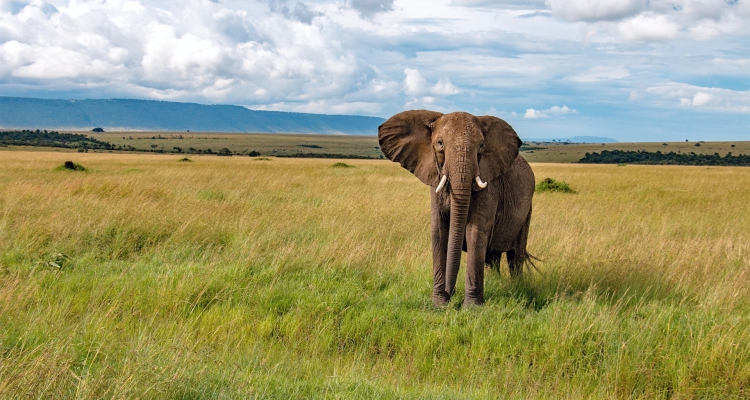
For a stunning Tanzania photography safari, focus on golden hour light, use telephoto/wide lenses with spare batteries/cards, bring beanbags/tripods, get low for unique angles, and listen to your guide for prime positioning, while also considering a private vehicle for flexibility and avoiding dark clothes that attract tsetse flies. Patience and preparation for dust are key, as is capturing animal eyes in focus and experimenting with composition like silhouettes and natural frames.
7-days-best-great-wildebeest-migration-safari-in-tanzania
7-days-epic-africa-big-five-safari-in-tanzania-top-best-parks
7-days-budget-tanzania-safari-affordable-africa-budget-safari
7-days-kilimanjaro-climb-and-hiking-safari-ascent-to-peak
7-days-tanzania-wildlife-safari-africa-safari-tour-best-park-visits
7-days-best-southern-tanzania-safari-parks-nyerere-mikumi-ruaha-and-udzungwa
7-day-best-zanzibar-beach-holidays-combo-to-ruaha-and-mikumi-safari-parks
7-days-zanzibar-beach-activities-and-chimpanzee-tracking-in-mahale-mountains
7-days-amboseli-kenya-and-serengeti-fly-in-tanzania-safari
7-days-masai-mara-safari-tour-and-serengeti-safari-tour-in-kenya-and-tanzania
7-days-ultimate-budget-kenya-tanzania-safari-holiday-vacation
11-day-tanzania-safari-to-tarangire-lake-naron-serengeti-ngorongoro-and-lake-eyasi
10-days-perfect-tanzania-safari-itinerary
11-days-combined-rwanda-tour-and-tanzania-wildlife-safari-tour
11-days-ultimate-rwanda-safari-and-kenya-tanzania-safari-itinerary
12-days-best-east-africa-safari-tour-package-to-rwanda-tanzania-and-south-africa-safaris
10-days-family-tanzania-safari-tour-to-lake-manyara-serengeti-ngorongoro-crater-and-tarangire
12-days-tanzania-safari-and-culture-experience
20-days-uganda-kenya-tanzania-and-zanzibar-beach-holidays
18-days-exclusive-kenya-tanzania-safari-to-uganda-primate-safari
12-days-best-tanzania-and-kenya-safari-combo-itinerary
12-days-uganda-safari-and-tours-combined-with-zanzibar-beach-vacation
25-days-east-africa-safari-to-uganda-rwanda-kenya-tanzania-safari-and-zanzibar-beach-holidays
Bring Two Camera Bodies
When embarking on an Uganda photography safari, bringing two camera bodies is highly advisable. This strategy minimizes the need for lens changes, which can be cumbersome and dusty in rugged environments. If one camera fails—unlikely but possible—having a backup ensures you won't miss capturing those breathtaking moments. In remote areas, where repair options are limited, a second body can be a lifesaver. Consider using one camera with a long lens and the other with a wide-angle lens, allowing you to switch seamlessly between wide landscapes and close-up animal portraits without losing precious time. As you journey through Uganda's stunning national parks—like Queen Elizabeth or Murchison Falls—this setup maximizes your opportunities and keeps the focus on the wildlife, rather than the gear adjustments. Ultimately, ensuring that you have two camera bodies enhances your entire photographic experience, letting you concentrate on capturing the beauty of Uganda's landscapes and wildlife.
Prioritize Long Lenses
During your Uganda photography safari, a long lens is essential for capturing wildlife in detail. Lenses between 100-400mm or 200-600mm allow you to photograph animals from a safe distance, minimizing disturbance to their natural behaviors. Anything under 300mm may hinder your ability to get close-ups, particularly in the dense vegetation of Uganda’s parks. Long lenses are especially critical for capturing species like elephants, gorillas, and various birds that might otherwise be too far away for effective photography. In gorilla trekking scenarios in Bwindi Impenetrable National Park, having just the right gear can make all the difference in securing breathtaking shots. Not only do long lenses help isolate subjects against beautiful backdrops, but they also provide the necessary reach for wildlife in the often thick underbrush. Investing in a high-quality long lens is a key step toward elevating your Uganda photography experience, ensuring you don't miss any extraordinary moments.
Pack a Wide-Angle Lens
While capturing wildlife is a primary focus on your Uganda photography safari, don't overlook the beauty of the landscapes. A wide-angle lens, typically ranging from 16-35mm or 24-70mm, is invaluable for portraying the dramatic vistas of Uganda's national parks. This lens allows you to capture expansive landscapes, from the sweeping hills of Bwindi to the stunning sceneries along the shores of Lake Victoria. Wide-angles are also perfect for including environmental elements that contextualize your wildlife shots, providing a storytelling aspect that enriches your portfolio. For example, a wide-angle shot of a group of elephants in front of a sprawling sunset can be as powerful as a close-up portrait. These lenses also excel in tight spaces, allowing you to creatively frame shots in dense jungles. Including a wide-angle lens in your gear will elevate your images and give a sense of place, making your Uganda photography safari even more memorable.
Use a Beanbag for Stability
On your Uganda photography safari, stability is crucial for capturing sharp images, especially when photographing wildlife from a vehicle. Traditional tripods can be cumbersome and challenging to use in confined spaces, but a beanbag offers a versatile, more practical solution. Simply resting it on the window or the roof frame of your vehicle provides a stable support system, allowing you to aim and shoot with precision, particularly for long lens photography. This method not only helps reduce vibrations but also affords a fast and flexible setup, letting you quickly respond to wildlife moments without adjusting heavy equipment. Beanbags are lightweight and easy to travel with, making them an ideal addition to your gear. Whether you're in Queen Elizabeth National Park, photographing lions basking in the sun, or golden monkeys in the Virunga mountains, using a beanbag enhances your photography experience, ensuring sharp, high-quality images as you capture the essence of Uganda’s incredible wildlife.
Bring More Memory Than You Expect
When embarking on an Uganda photography safari, it's essential to carry more memory cards than you think you'll need. High-speed continuous shooting modes, commonly featuring 12+ frames per second, can fill your cards in no time, especially during dynamic moments such as animal encounters or the Great Migration. Aim to reserve enough memory for at least a full day of shooting before considering backups. Having ample storage helps alleviate stress during shooting sessions, ensuring you won't miss capturing a fleeting moment due to full memory. In addition to carrying multiple cards, consider bringing a portable hard drive or a cloud backup solution to regularly transfer and secure your images, especially in remote areas where you may lack access to power. This approach not only safeguards your valuable photographs but also clears up space for new shots. By planning your memory needs in advance, you can focus wholly on capturing the breathtaking beauty of Uganda's wildlife and landscapes, making your safari experience even more rewarding.
Protect Against Dust
On your Uganda photography safari, protecting your equipment from dust and environmental conditions is vital for capturing pristine images. Dust can quickly accumulate on camera sensors and lenses, impacting image quality. Bring along lens cleaning kits, including microfiber cloths and cleaning solutions, to ensure your gear remains in top shape. During game drives, it’s wise to cover your equipment with a cloth or store it in a dry bag when not in use, especially in windy or dusty conditions. This not only protects your camera gear but also helps maintain its operational efficiency throughout your safari. Additionally, regularly checking your gear for dust and smudges allows you to clean them before capturing those perfect wildlife shots. Maintaining your equipment prepares you for the stunning vistas and diverse animals you’re likely to encounter, whether it’s gorillas in Bwindi, elephants in Murchison, or colorful birds throughout Uganda.
Carry Spare Batteries
Long days on your Uganda photography safari can quickly drain your camera batteries, especially in cool mornings when temperatures drop and constant autofocus is in use. As you embark on explorations in stunning national parks like Queen Elizabeth or Bwindi, always come prepared with at least two spare batteries that are fully charged. Cold mornings can be especially taxing on battery life, so it’s wise to keep your batteries warm before heading out on early game drives. Consider using a battery case or keeping them close to your body to maintain warmth. Regularly rotating your batteries ensures that each one remains charged and ready for action. Having spare batteries not only prevents you from missing crucial moments but also enhances your overall experience, allowing you to focus entirely on capturing Uganda’s incredible wildlife and landscapes.
Check Luggage Limits
When planning your Uganda photography safari, be mindful of luggage limits, particularly if you're using internal bush planes to access remote parks. Most airlines enforce strict weight limits of about 15kg (33lbs) for all luggage, which includes camera gear. To avoid excess baggage fees or logistical challenges, make a checklist and prioritize your essential photography equipment. Consider the weight of your camera bodies, lenses, and accessories, and leave behind any items that are not critical to your photographic goals. Using lightweight gear and efficient packing techniques can help you stay within these limits without sacrificing quality. Additionally, most lodges and tour companies can provide guidelines on luggage allowances, giving you confidence in your travel plans. By being prepared, you can focus on the adventure ahead and capture stunning images without worrying about your gear logistics.
Focus on the Eyes
Capturing impactful wildlife portraits during your Uganda photography safari often hinges on focusing on the eyes of your subject. The eyes convey emotion and connection, making sharp focus on this area crucial for compelling photographs. When framing your shots, ensure that the eye nearest to the camera is in sharp focus to create an engaging image. This attention to detail enhances the viewer’s connection with the animal, whether it's a majestic lion or a curious chimpanzee. Use single-point autofocus settings for precise targeting, and be prepared for rapid adjustments as animals move. Additionally, experimenting with different angles can help you achieve striking engagements, making your visuals resonate. By prioritizing eye focus, you can capture the essence and spirit of Uganda's wildlife, creating stunning images that tell a rich story.
Use High Shutter Speeds
To capture sharp, dynamic images of wildlife during your Uganda photography safari, using high shutter speeds is essential. Aim for at least 1/1000 of a second or faster to freeze action, particularly during moments when animals are on the move. This technique is especially valuable when photographing fast animals like leopards sprinting or birds taking flight. A fast shutter speed helps eliminate motion blur, allowing you to capture crisp images that showcase the vibrancy and energy of Uganda's incredible wildlife. In addition to shutter speed, pairing it with an appropriate aperture can improve your depth of field, ensuring clarity in your subject. Experiment with different settings based on the available light and movement, adapting your approach as the safari progresses. This attention to detail will elevate your photographs and result in stunning, memorable images from your adventure.
Leverage the Golden Hours
One of the best times to capture breathtaking images during your Uganda photography safari is during the golden hours—shortly after sunrise and before sunset. These times offer soft, warm lighting, enhancing the colors and textures of your subjects while creating a magical atmosphere. Plan your game drives strategically to coincide with these hours, allowing you to maximize opportunities for stunning wildlife and landscape shots. Animals tend to be more active during dawn and dusk, increasing your chances of encountering magnificent species in action. The warm light, combined with the dramatic colors of the Ugandan landscape, creates dynamic backdrops that enhance the overall quality of your photographs. Embrace the fleeting nature of these golden moments, ensuring your creative vision translates into captivating images, illustrating the beauty of Uganda in its prime.
Master the Rule of Thirds
Implementing the Rule of Thirds can enhance your composition skills when photographing wildlife during your Uganda photography safari. This principle involves dividing your frame into a 3x3 grid and positioning your subject along these grid lines or their intersections, leading to a more balanced and engaging shot. Avoiding centered compositions can create visual interest and guide the viewer's eye through the photograph. For instance, position a lion lounging in the grass on one vertical grid line while featuring expansive landscapes in the remaining space. This technique draws attention and creates harmony, making your images more compelling. With Uganda's diverse scenery and rich wildlife, mastering this rule will help you capture stunning, memorable shots that tell a story and evoke emotions.
Shoot at Eye Level
For powerful wildlife photography, shooting at eye level is a technique that can greatly enhance the impact of your images during your Uganda photography safari. When you lower your perspective to the animal’s eyes, it creates a more intimate connection between the viewer and the subject. This perspective helps to showcase the animal in its habitat, adding depth and emotion to your photos. If you find yourself in a hide or a low-slung vehicle, seize the opportunity to adopt this angle; it adds professionalism to your work. Whether photographing a gorilla in Bwindi or a bird in Queen Elizabeth National Park, being at eye level allows for striking compositions that draw the viewer in. By prioritizing this approach, you can create stunning visuals that elevate your Uganda safari experience and produce memorable images.
Include the Environment
While close-up shots are captivating, don't forget to include the environment in your Uganda photography safari images. Capturing wildlife within their habitat adds context and depth to your photographs, telling a more compelling story. For example, photographing a cheetah perched on a baobab tree highlights its behavior while also emphasizing the unique landscape. Step back occasionally to reveal the beauty surrounding your subjects, creating images that resonate more with viewers. This technique helps emphasize the delicate balance between wildlife and their natural surroundings, enhancing the viewer’s understanding of the ecological relationships at play. Incorporating the environment in your compositions enriches your images and provides a broader perspective on the extraordinary experiences you encounter in Uganda, making your photography truly memorable.
Anticipate Behavior
Being able to anticipate animal behavior is a crucial skill for capturing dynamic images during your Uganda photography safari. Pay attention to subtle cues, such as a flick of a tail, raised ears, or tense posture, which can indicate an impending action or interaction. Spend time observing the animals from a distance to learn their habits and behaviors. This knowledge will allow you to be ready with your camera when exciting moments unfold—like a lioness preparing to hunt or a troop of baboons engaging in playful antics. Understanding the context of animal interactions not only enhances your photography opportunities but also deepens your appreciation for the natural world. By staying alert and tuned in to your surroundings, you can capture those perfect moments that tell a compelling story about Uganda's remarkable wildlife.
Experiment with Silhouettes
Using silhouettes to capture iconic shapes during your Uganda photography safari can create dramatic and unforgettable images. The strong African sunset offers a perfect backdrop for silhouette photography, emphasizing the outline of animals like elephants or giraffes against the warm, glowing sky. To achieve this effect, position your subject in front of the light source, adjusting your exposure settings to create darkness against the vibrant colors of the horizon. This technique allows you to spotlight the subject while creating a sense of mood and atmosphere. The resulting images often evoke emotions, making them some of the most compelling photographs in your portfolio. Experiment with different compositions and angles, and take advantage of Uganda’s stunning sunset light to produce captivating silhouettes that beautifully capture the essence of your safari experience.
Book a Private Vehicle
Booking a private vehicle for your Uganda photography safari enables you to have total control over your experience. This flexibility allows you to extend your time at specific sightings, ensuring you capture the best possible images without the pressure of a group itinerary. Whether you're spending extra minutes observing a family of elephants or repositioning the vehicle for the perfect angle, having a private vehicle considerably enhances the quality of your shots. You can also customize your schedule to coincide with the wildlife's most active times, maximizing photography opportunities during your trip. Additionally, you can communicate effectively with your guide, asking for special stops or adjustments based on your interests. Ultimately, the private vehicle experience allows you to concentrate on what matters most: capturing the stunning wildlife and landscapes of Uganda at your own pace.
Communicate with Your Guide
Effective communication with your guide is essential for maximizing your Uganda photography safari experience. Let your guide know your photography goals and preferences, such as specific wildlife you’re eager to capture or desired shooting conditions. Their extensive knowledge of animal behavior and park logistics can help position you optimally for the best shots. Informing your guide when to turn off the engine can also reduce vibration, leading to sharper images during critical moments. Additionally, discussing your preferred angles and light conditions enables them to position the vehicle accordingly, enhancing your photographic opportunities considerably. Building a good rapport with your guide creates a collaborative experience, ensuring that you can focus entirely on capturing the stunning landscapes and remarkable wildlife of Uganda.
Dress in Earth Tones
When preparing for your Uganda photography safari, dressing in earth tones is crucial for blending into the environment. Wearing khaki, olive, or brown helps minimize your visibility, reducing disturbances to wildlife. Bright colors or dark blue and black can attract unwanted attention, especially from Tsetse flies, which are commonly found in Uganda. By donning muted shades, you will not only keep yourself more comfortable while observing animals but also improve your chances of capturing authentic, candid moments devoid of disturbances. Choosing breathable, lightweight fabrics is also essential to stay cool in the fluctuating temperatures, particularly during midday. Practical clothing balancess style with function, enabling you to move freely while focusing on photography, making your safari experience more enjoyable and productive.
Pack Layers
Packing layers is essential for your Uganda photography safari, where temperatures can fluctuate significantly. Early mornings might be chilly, dropping to around 10°C (50°F), while afternoons can soar above 30°C (86°F). To stay comfortable and focused on your photography, start your day with a base layer, such as a thermal shirt, topped with a warmer jacket that can be easily removed as the day progresses. Additionally, consider carrying a lightweight rain jacket for unpredictable weather. By incorporating versatile clothing items, you’ll adapt easily to changing conditions, ensuring you remain focused on capturing stunning wildlife and landscapes. Layering not only enhances comfort but also maintains your energy levels throughout an engaging day of exploration, allowing you to enjoy your safari to the fullest.
Respect Park Hours
When embarking on your Uganda photography safari, always respect park hours, which are typically from 6:00 AM to 6:30 PM. Many parks and reserves enforce strict policies regarding photography to protect wildlife and preserve the environment. Adhering to these hours ensures that you are maximizing your chances of observing animals at their most active times—early mornings and late afternoons. Capturing wildlife during these peak hours also enhances image quality, as the soft light creates spectacular conditions for photography. Additionally, respecting park regulations fosters a responsible approach to wildlife encounters, emphasizing the importance of preserving these beautiful ecosystems. By planning your game drives within these timeframes, you create opportunities for stunning visuals while contributing to the overall well-being of Uganda's incredible natural resources.
Obtain Drone Permits Early
If you’re considering using a drone during your Uganda photography safari, it's essential to obtain the necessary permits well in advance. The use of drones in Uganda is strictly regulated, and you will need multiple government permits, such as those from the Ministry of Defense and Civil Aviation Authority. The application process can take time, so it's advisable to start early to avoid last-minute complications. Familiarize yourself with the regulations and restrictions related to drone usage in national parks, as some areas may prohibit them altogether to protect wildlife and minimize disturbances. By planning ahead and securing the necessary approvals, you can enhance your photographic experience with unique aerial perspectives of Uganda’s stunning landscapes while adhering to ethical guidelines.
Practice Ethical Distance
In your Uganda photography safari, practicing ethical distance is paramount for the well-being of wildlife. Although capturing remarkable images may tempt you to get closer to animals, it’s crucial to respect their space and avoid disturbing their natural behaviors. Never attempt to harass or provoke animals just to get a shot; prioritize their welfare above all. Observing from a safe distance allows you to capture authentic moments while minimizing stress on the animals. Involving your guide in discussions about ethical practices can also help keep your safari experience responsible and respectful. By adhering to these principles, you'll not only create compelling images but also contribute to the conservation of Uganda's incredible wildlife, ensuring future generations can enjoy these natural wonders.
Capture Cultural Moments
Capturing cultural moments is as essential as wildlife photography during your Uganda safari. The country is rich in tradition and diversity, and interacting with local communities—such as the Maasai and Hadzabe tribes—offers unique photographic opportunities. However, always remember to ask for permission before photographing locals to ensure mutual respect. Illuminate cultural practices, craftsmanship, traditional dances, or daily activities to create compelling narratives that complement your wildlife images. These portraits not only showcase the beauty of the people of Uganda but also deepen your understanding of the region's rich cultural tapestry. Engaging ethically with the communities fosters meaningful interactions and helps you create powerful, evocative images that reflect the soul of Uganda alongside its stunning wildlife.
Stay Hydrated and Safe
Staying hydrated and safe during your Uganda photography safari is essential for an enjoyable experience. The long, dusty days can be exhausting, so it's crucial to keep your water supply handy, ensuring you drink regularly. Dehydration can lead to fatigue, which might hamper your ability to focus on capturing those perfect shots. Bring along high-SPF sunscreen to protect your skin from the sun’s harsh rays, as well as a hat and sunglasses for added protection. Additionally, remember to remain inside the vehicle unless you're in designated areas, as this is vital for both your safety and that of the wildlife. Prioritizing hydration and safety not only enhances your photography experience but also ensures you can engage fully in the beauty of Uganda's landscapes and wildlife.
When is the Best Time for Tanzania Photography Safari Tour
The best time for a Tanzania photography safari tour is during the dry season, generally from June to October. This period coincides with the Great Migration, as millions of wildebeest and zebras traverse the Serengeti in search of fresh grazing lands. The dry weather makes wildlife easier to spot, as animals gather around water sources, increasing your chances for memorable photographs. The golden light during sunrise and sunset also enhances photography opportunities, creating breathtaking landscapes and perfect conditions for capturing animals in action. In addition to wildlife, visiting in this season allows for stunning vistas of Tanzania’s diverse environments, from the expansive savannahs to lush woodlands. While the wet season, from November to May, offers its own charm—such as vibrant green landscapes and migratory birds—the visibility for wildlife can be challenging due to dense foliage. Therefore, planning your Tanzania photography safari during the dry season maximizes your chances of capturing extraordinary moments.
Where to Stay on Tanzania Photography Safari Tour
Choosing the right accommodation during your Tanzania photography safari tour can greatly enhance your experience. Options range from luxury lodges to tented camps, each providing unique opportunities for wildlife encounters and stunning views. Staying in proximity to national parks, such as Serengeti or Ngorongoro Crater, ensures convenience for early morning and late afternoon game drives, which are ideal for photography. Many lodges and camps are designed specifically for wildlife enthusiasts, offering services such as guided photography tours and dedicated viewing platforms. For a more immersive experience, consider spending a night fly camping in remote areas, where you can sleep under the stars surrounded by nature. Accommodations with all-inclusive options often provide meals and refreshments, allowing you to focus solely on capturing the stunning landscapes and wildlife. Selecting the right place to stay on your Tanzania photography safari will help create unforgettable memories and remarkable images throughout your journey.
Booking Tanzania Photography Safari Tour with Us Roads of Adventure Safaris
Booking your Tanzania photography safari tour with Roads of Adventure Safaris guarantees an unforgettable experience tailored to your photographic interests. Our expert team is passionate about wildlife and photography, ensuring that you are positioned in the perfect locations for stunning shots. We offer customizable itineraries that include visits to iconic parks like Serengeti and Ngorongoro, as well as lesser-known gems for unique photographic opportunities. Our knowledgeable guides are skilled in wildlife behavior and photography techniques, providing valuable insights and assistance during your safari. Additionally, we prioritize your comfort and preferences, offering a range of accommodations from luxury lodges to intimate tented camps. With Roads of Adventure Safaris, you’ll benefit from not only outstanding service but also an enriching experience that fosters a deeper connection to Tanzania’s breathtaking landscapes and wildlife. Let us help you capture the beauty of Tanzania while creating lasting memories on your photography adventure.
