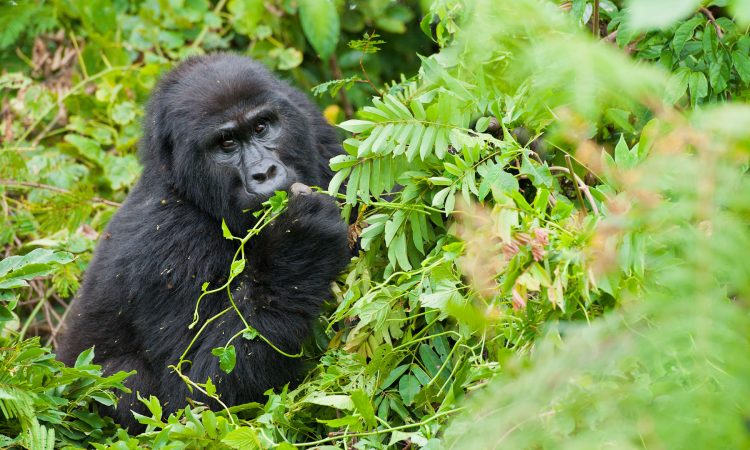
A Rwanda primate safari offers an unparalleled, intimate encounter with endangered mountain gorillas, golden monkeys, and chimpanzees within lush, accessible rainforests like Volcanoes and Nyungwe. Beyond primates, Rwanda delivers a safe, clean, and breathtakingly beautiful experience, featuring Volcano climbing, Big Five safaris in Akagera, rich cultural history, and vibrant, welcoming communities
20-days-complete-rwanda-uganda-safari-tour-combo
13-days-best-rwanda-uganda-wildlife-safari-and-primate-experience
12-days-rwanda-primate-safari-vacation-and-akagera-national-park
9-days-best-africa-big-five-safari-and-rwanda-gorilla-trekking-tour-package
8-days-ultimate-gorilla-and-uganda-safari-tour-from-kigali-rwanda
7-days-best-gorilla-trekking-and-other-highlights-of-rwanda-tour
6-days-classic-uganda-rwanda-safari-tour-package-holiday
1. Mountain Gorilla Trekking
Mountain gorilla trekking is arguably the highlight of any primate safari in Rwanda. Home to nearly half of the world's remaining mountain gorillas, Volcanoes National Park offers an exclusive opportunity to come face-to-face with these gentle giants. The experience begins with a briefing by park rangers who provide essential information on the gorilla families you will be tracking. After an exhilarating hike through the dense montane forest, encountering gorillas in their natural habitat is an awe-inspiring moment. Observing them interact, play, and care for their young provides unique insights into their social structures. This experience is profoundly moving—realizing the conservation efforts that have allowed these majestic animals to thrive makes it even more meaningful. Trekking gorillas not only supports conservation but also local communities that benefit from tourism. As you catch sight of a silverback or watch a mother with her baby, you'll gain an appreciation of the critical work being done to protect these endangered species.
2. Chimpanzee Tracking
In addition to mountain gorillas, Rwanda offers exceptional opportunities to track chimpanzees in Nyungwe Forest National Park. This ancient rainforest, rich in biodiversity, is home to a thriving population of habituated chimpanzees. The tracking experience begins with an early morning start, setting off into the lush, hilly terrain that encompasses the park. With the guidance of knowledgeable park rangers, you'll traverse rugged paths, learning about the forest's ecology and spotting various bird species along the way. Once you locate the chimps, observing their behavior is an exhilarating experience. Chimpanzees share over 98% of their DNA with humans, showcasing complex social interactions and emotional connections. Watching them play, groom, and communicate offers profound insights into their world. The experience not only enriches your understanding of primate behavior but also emphasizes the importance of conservation efforts that protect these habitats. Nyungwe’s rainforest is one of Africa's oldest, providing an incredible backdrop for this unique adventure.
3. Golden Monkey Trekking
For those seeking a different, enchanting experience, golden monkey trekking in the bamboo forests of Volcanoes National Park is a must. These playful and endangered primates are known for their striking coat and sociable behavior, making them a joy to observe. As with gorilla trekking, this adventure involves a guided trek through the lush, scenic terrain, immersing you in the beauty of the Rwandan landscape. Upon encountering a group of golden monkeys, you can witness their lively antics as they swing through the branches and interact with one another. The experience is not only exhilarating but also essential for raising awareness regarding conservation efforts focused on this species. Golden monkeys are endangered due to habitat loss and poaching, making your role as a visitor crucial in supporting their preservation. The unique opportunity to witness these captivating creatures in their natural habitat is a delight, enriching your journey to Rwanda.
4. Diverse Primate Species
Rwanda is home to a diverse array of primate species beyond just gorillas and chimps, particularly in Nyungwe Forest National Park. The park’s varied ecosystems host black-and-white colobus monkeys, olive baboons, and numerous other species. As you explore the forest, you can encounter these fascinating primates and witness their behaviors up close. The colobus monkeys are especially noteworthy, with their striking black and white fur and acrobatic moves through the treetops. Their social dynamics and interactions are unique, offering a deeper understanding of primate behavior. The rich biodiversity in Nyungwe extends beyond primates to include over 300 bird species and countless other wildlife, making it a paradise for nature lovers. Each trek brings the opportunity to discover various habitats, from dense rainforests to open grasslands, enriching your experience and understanding of Rwanda's ecological diversity. This wealth of species ensures that every visit is rewarding and that you leave with a greater appreciation for conservation efforts aimed at protecting these remarkable animals.
5. Canopy Walkway
One of the most exciting and unique attractions in Nyungwe Forest is the canopy walkway, a marvel of engineering offering breathtaking views from above the forest floor. Suspended 60 meters high, the walkway allows you to experience the rainforest from a vantage point usually reserved for birds. As you walk along the meticulously constructed pathway, you’ll have the opportunity to see the rich flora and fauna that thrives in the upper canopy. Keep an eye out for various primates, including the acrobatic colobus monkeys, and numerous bird species that inhabit the treetops. The sense of being suspended among the trees creates a thrilling sensation, enhancing the experience of being deeply immersed in the natural world. This experience not only elevates the typical safari adventure but also emphasizes the importance of preserving rainforest ecosystems. The views from the walkway are nothing short of spectacular, providing an unforgettable way to appreciate Nyungwe’s lush expanse and the incredible biodiversity it supports.
6. Dian Fossey Legacy
Dian Fossey, the renowned primatologist, dedicated her life to studying and conserving mountain gorillas, leaving a profound legacy that can be explored during your visit to Rwanda. A trek to the Karisoke Research Center, where Fossey conducted her groundbreaking research, includes a hike to her grave, which lies among the gorillas she loved and studied. The center offers insights into Fossey’s work and the ongoing conservation efforts to protect these magnificent creatures. Visitors can learn about the challenges gorillas face, the importance of habitat preservation, and the programs in place to ensure their survival. This connection to Fossey’s legacy provides not only a sense of reverence but also informs and inspires visitors about the vital role that conservation plays in the future of these animals. Her story and commitment to gorilla conservation highlights the importance of preserving wildlife and habitats, reminding us of our responsibilities as stewards of nature.
7. Volcano Hiking
Rwanda's dramatic landscape is dominated by the volcanic massif known as the Virunga Mountains, offering exhilarating hiking opportunities for adventurers. The challenge of scaling mountains like Mount Bisoke, with its stunning crater lake, is a thrilling experience for trekkers. The hikes vary in difficulty, with breathtaking views rewarding those who take on the challenge. As you navigate the terrains of the volcanoes, you’ll encounter diverse ecosystems and wildlife unique to these high-altitude environments. Guides provide insights into the geology of the area and the flora and fauna inhabiting these volcanic slopes. Moreover, trekking these mountains not only provides physical challenges but also brings the satisfaction of reaching summits with unparalleled views of the surrounding landscape, including neighboring countries. This adventurous aspect of your trip complements the more tranquil moments spent observing Rwanda’s primates, offering a well-rounded experience full of nature, challenge, and breathtaking beauty.
8. High Safety Standards
Rwanda is renowned as one of Africa's safest countries for tourists, making it an appealing destination for those seeking adventure without compromising security. The nation's focus on stability and safety is evident throughout its tourism sector, which adheres to high standards and regulations. As a visitor, you’ll find a welcoming atmosphere, with friendly locals and an efficient tourism infrastructure. Enhanced safety measures, including well-trained guides and tour operators, contribute to the reassuring environment for travelers. This emphasis on safety allows visitors to relax and fully immerse themselves in the wonderful experiences Rwanda has to offer, from gorilla trekking to cultural explorations. The country’s commitment to creating a secure environment reflects its dedication to promoting tourism while fostering an enriching and enjoyable experience for all who visit.
9. Incredible Cleanliness
Rwanda is lauded for its cleanliness, which is strikingly noticeable in cities like Kigali, often referred to as one of the cleanest cities in Africa. This dedication to cleanliness stems from a nationwide ban on plastic bags and regular community clean-up days, fostering a culture of environmental responsibility. The clean environment enhances the overall travel experience, allowing visitors to enjoy Rwanda’s beautiful landscapes, parks, and towns without the distraction of litter. Cleanliness is not simply about aesthetics; it intertwines with the country's commitment to sustainability and conservation. The government’s efforts to maintain clean public spaces result in healthy ecosystems, benefiting both wildlife and local communities. As you explore Rwanda, the pristine surroundings provide a backdrop for memorable experiences, reinforcing the nation’s efforts in creating a model of environmental stewardship for other countries to emulate.
10. Rich Biodiversity
Rwanda's diverse ecosystems range from the volcanic mountains of the Virunga range to the vast savannahs and lush rainforests of Nyungwe, offering rich biodiversity that captivates nature enthusiasts. This compact country is home to multiple national parks, each with unique landscapes and wildlife. In Nyungwe, you can discover a myriad of plant and animal species, including over 300 bird species and several primate species. The varied climates across these ecosystems contribute to the different wildlife experiences available. Exploring this biological richness through activities like trekking, birdwatching, and nature hikes allows travelers to appreciate Rwanda's ecological variety intimately. Conservation efforts by the Rwandan government and local organizations have been pivotal in preserving these habitats, ensuring that the diverse wildlife continues to thrive. As you traverse the landscapes, the beauty and complexity of Rwanda’s ecosystems leave an indelible impression, encouraging a deeper appreciation for nature and the importance of conservation.
Expanding on these reasons provides a comprehensive understanding of the enriching and multifaceted experiences Rwanda offers on a primate safari. Each aspect contributes to a holistic journey that fosters appreciation for both wildlife and cultural heritage.
11. Bwindi Impenetrable Forest
Bwindi Impenetrable Forest is a UNESCO World Heritage Site renowned for its rich biodiversity and stunning landscapes. Spanning over 321 square kilometers, this ancient rainforest is one of Africa’s oldest, dating back more than 25,000 years. It is home to roughly half of the world's remaining mountain gorilla population, making it a premier location for gorilla trekking. Beyond gorillas, Bwindi hosts over 120 species of mammals, more than 350 species of birds, and countless plant species, some of which are found nowhere else on Earth. The forest's dense greenery, towering trees, and diverse ecosystems provide nesting sites and habitats for a variety of wildlife, making it a vital conservation area.
Visitors can explore various trails through the forest, guided by knowledgeable rangers who share insights into the flora and fauna. The hiking experience is both physically rewarding and spiritually uplifting, offering a chance to connect with nature in its purest form. From the sounds of chirping birds to the rustle of leaves and chance sightings of primates, every moment in Bwindi is rich with discovery. The forest's high elevation enhances its beauty, offering breathtaking views of the surrounding landscapes.
Moreover, visiting Bwindi supports local communities through eco-tourism initiatives, ensuring that your experience contributes to conservation efforts and the livelihoods of local people. The combination of spectacular scenery, incredible biodiversity, and the opportunity to encounter mountain gorillas makes Bwindi Impenetrable Forest a must-visit destination for nature lovers and adventurers alike.
12. The Mighty Murchison Falls
The Mighty Murchison Falls, located within Murchison Falls National Park, is one of Uganda’s most stunning natural wonders. This incredible waterfall is renowned for being the world's most powerful waterfall, where the Nile River explodes through a narrow gap in the rocks, creating a dramatic drop of about 43 meters. The sight and sound of the water crashing down is nothing short of exhilarating, making it a prime destination for photographers and nature enthusiasts. Visitors can experience the falls from different vantage points, including the hiking trails and boat cruises that allow you to see the falls from below, where you can fully appreciate the immense power of the Nile.
The surrounding park is equally impressive, boasting a rich variety of wildlife, including elephants, giraffes, hippos, and numerous bird species, making it a fantastic place for game viewing. Guided safaris provide opportunities to spot animals while learning about the ecosystem's dynamic interactions. The park's mix of landscapes, including savannahs, woodlands, and riverbanks, contribute to its diverse habitats.
Activities at Murchison Falls include not only game drives but also boat tours along the Nile, giving visitors a unique perspective on both the wildlife and the magnificent falls. Whether you are hiking to the falls, enjoying a leisurely boat ride, or simply soaking in the natural beauty, Murchison Falls is an unforgettable experience that highlights Uganda's spectacular landscapes and rich biodiversity.
13. Rwenzori Mountains
The Rwenzori Mountains, often dubbed the "Mountains of the Moon," offer a breathtaking backdrop for outdoor enthusiasts and adventurers. This spectacular mountain range, straddling the border between Uganda and the Democratic Republic of Congo, is home to some of the highest peaks in Africa, including Margherita Peak, which stands at 5,109 meters. The Rwenzoris are known for their stunning, glacier-capped scenery, unique vegetation, and diverse ecosystems, making them a UNESCO World Heritage Site.
Hiking in the Rwenzori Mountains is a rewarding experience for trekkers of all levels. Trails wind through lush bamboo forests, alpine meadows, and rocky terrain, leading climbers to breathtaking viewpoints and shimmering glaciers. The diverse flora and fauna, including endemic species of plants and various wildlife, add to the allure of this remote mountain range. The cool climate and daily variation in scenery make every step an adventure.
The Rwenzoris also hold cultural significance, with local communities such as the Bakonzo residing in the foothills. Engaging with these communities offers insights into their traditional lifestyles, customs, and unique cultural heritage. Various trekking routes cater to different durations and skill levels, allowing both seasoned climbers and novice hikers to enjoy these magnificent mountains. For those seeking a blend of adventure, stunning natural beauty, and cultural experiences, the Rwenzori Mountains are an unmissable destination.
14. Crater Lakes & Landscapes
Uganda’s highlands are dotted with beautiful volcanic crater lakes, offering stunning landscapes and tranquil environments for visitors. These lakes, formed by volcanic activity, are surrounded by lush, rolling hills and provide picturesque settings for relaxation, exploration, and photography. Notable crater lakes like Lake Nyinambuga and Lake Bunyonyi are renowned for their crystal-clear waters and vibrant ecosystems, making them perfect for activities such as canoeing, swimming, and birdwatching.
The landscapes surrounding these lakes are quintessentially Ugandan, featuring vibrant greenery and diverse flora. Hiking the trails around the lakes provides opportunities to immerse yourself in nature while soaking in panoramic views of the surrounding hills and valleys. This varied terrain creates ideal habitats for numerous bird species, including the beautiful African fish eagle and various kingfishers, making it a paradise for birdwatchers and nature enthusiasts.
Beyond their natural beauty, many crater lakes are culturally significant, with local communities living nearby who depend on the lakes for fishing and agriculture. Engaging with these communities offers insights into their lives, traditions, and sustainable practices. Additionally, many lakes serve as ideal spots for picnics and relaxation, allowing visitors to connect with nature. The serene atmosphere and stunning scenery make Uganda’s crater lakes enchanting places to visit, providing both adventure and tranquility.
15. Source of the Nile
Visiting Jinja, the town where the Nile River begins its long journey from Lake Victoria, is a must for any traveler to Uganda. Known as the "Source of the Nile," this picturesque town holds rich historical and geographical significance. The site where the Nile River flows out of the lake has been celebrated for centuries, drawing explorers and adventurers from around the world, including the famous Victorian explorer John Hanning Speke.
At Jinja, visitors can enjoy a variety of activities along the Nile, from serene river cruises to exhilarating white-water rafting. The calm stretches of the river are perfect for leisure activities, while the rapids attract adrenaline seekers looking for adventure. The surrounding scenery is breathtaking, with lush landscapes and vibrant communities that contribute to the area's charm and cultural richness.
In addition to adventure sports, Jinja offers visitors opportunities to engage with local cultures through crafts, music, and cuisine. Guided tours provide insights into the significance of the Nile River in Ugandan history and culture. The area around the source is also a great spot for photography and enjoying the beautiful natural surroundings. Whether you're interested in adventure, culture, or simply relaxing by the water, the Source of the Nile in Jinja is an enchanting destination that showcases the beauty and significance of one of Africa's most iconic rivers.
16. Warm & Welcoming People
Ugandans are known for their famously friendly culture and warm hospitality, making any visit to the country a delightful experience. With over 50 different ethnic groups, Uganda's cultural diversity contributes to its hospitality. Whether in bustling cities like Kampala or rural villages, you’ll find locals eager to share their customs, stories, and smiles. This hands-on engagement creates authentic connections that enrich your travel experience.
Interactions with local communities foster a sense of belonging, allowing you to immerse yourself in their traditions and lifestyle. Whether you're enjoying a delicious Ugandan meal, participating in a traditional dance, or simply chatting with locals, these genuine encounters leave lasting impressions. This warm hospitality is not only limited to social interactions but extends to the tourism sector, where guides and service providers strive to make your experience memorable and enjoyable.
Community-based tourism initiatives encourage visitors to engage positively with locals, contributing to local economies. Many programs focus on sustainable practices, further enhancing your connection with the culture and environment. By choosing to visit Uganda, you are not only treated to stunning landscapes and rich biodiversity but also welcomed into the hearts and homes of its people. Their warmth significantly enhances the overall travel experience, making it one that resonates long after you’ve left.
17. Rich Cultural Heritage
Uganda boasts a rich cultural heritage, with over 50 distinct tribes, each with its own unique customs, languages, and traditions. Engaging with these diverse cultures allows travelers to delve into the rich tapestry of Ugandan life. From traditional dances and music to craft markets and festivals, the vibrant cultural expressions provide an enriching experience during your visit.
Participating in cultural activities, such as dance performances or artisanal workshops, allows you to connect with local artisans and musicians, gaining insights into their traditions. Many villages offer cultural tours where visitors can learn about the history, art, and everyday lives of the community members. Traditional crafts such as basket weaving, pottery, and bead-making are often showcased, providing opportunities to purchase authentic souvenirs while supporting local artisans.
Uganda's cultural heritage is also evident in its storytelling traditions, where oral histories passed down through generations bring the country's past to life. Engaging with local storytellers offers access to these narratives, enriching your understanding of Ugandan identity. The nation's cultural diversity, manifested in various customs and practices, creates an immersive experience, allowing visitors to appreciate the country beyond its stunning landscapes and wildlife. This cultural richness, combined with the warm hospitality of the people, offers a profound and unforgettable dimension to any visit to Uganda.
18. Affordable Luxury
Uganda provides a remarkable opportunity for travelers to experience affordable luxury, particularly in the realm of safari experiences. Compared to neighboring countries renowned for high-end tourism, Uganda offers intimate safari lodges and luxury accommodations at more accessible price points. This affordability does not compromise quality, as many lodges are committed to providing exceptional service in stunning locations that showcase Uganda’s natural beauty.
Visitors can enjoy high-quality amenities, gourmet dining, and personalized service without breaking the bank, allowing for a well-rounded travel experience. The diversity of available options—from luxurious tented camps to upscale lodges—ensures that every traveler can find accommodations that suit their preferences and budget. Additionally, many lodges offer package deals, covering various activities and experiences, adding extra value.
Furthermore, participating in activities like gorilla trekking or wildlife safaris contributes to conservation efforts and local community development. By paying for permits and park fees, visitors support both wildlife preservation and the livelihoods of local communities. This emphasis on ethical tourism not only enhances the travel experience but also ensures that your adventure contributes positively to the environment and local society. Uganda's unique blend of luxury, affordability, and meaningful travel experiences makes it an enticing destination for discerning travelers seeking both adventure and comfort.
19. Eco-Friendly Tourism
Uganda’s approach to eco-friendly tourism emphasizes sustainability and conservation, making it an appealing destination for environmentally conscious travelers. Many lodges and tour operators are committed to environmentally responsible practices, such as sourcing local materials and supporting community-based tourism initiatives. This focus on sustainability helps to minimize the carbon footprint of tourism activities while ensuring that the natural environment is preserved for future generations.
Visitors can participate in activities that promote conservation, such as guided treks to visit endangered mountain gorillas or community tours that showcase traditional farming practices. These experiences not only allow travelers to appreciate Uganda’s rich biodiversity but also directly support the local communities engaged in conservation efforts. The revenue generated from gorilla trekking permits and park fees often goes back into wildlife protection initiatives, highlighting the symbiotic relationship between tourism and conservation.
Additionally, many establishments in Uganda prioritize environmentally friendly practices, such as using solar energy, implementing waste management systems, and promoting responsible wildlife viewing. This commitment enhances the overall travel experience, allowing visitors to leave a positive impact on the places they explore. By choosing eco-friendly tourism, travelers can enjoy Uganda’s stunning landscapes and rich wildlife while supporting sustainable practices that benefit both the environment and local communities.
20. Safe & Accessible
Uganda offers travelers a politically stable and safe environment, making it a desirable destination for various types of tourists. The government places a high priority on maintaining security and order, making visitors feel at ease during their travels. This focus on safety translates to well-trained guides and tourism professionals who are committed to providing enjoyable and secure experiences for all.
Accessibility is another key aspect of Uganda's attractiveness as a travel destination. With a range of international flights arriving in Entebbe and good road networks connecting major attractions, getting around the country is relatively straightforward. Whether you're heading to national parks, cultural sites, or urban centers, the ease of travel contributes to a seamless experience.
In addition to physical safety, the warm hospitality of Ugandans fosters a welcoming atmosphere for travelers. Locals are friendly and willing to help, enhancing the overall experience. With numerous tours and accommodations focusing on the needs of international visitors, tourists can find reliable options that suit their preferences and budget.
When is the Best Time to Visit Rwanda on a Primate Safari Tour
The best time to visit Rwanda for a primate safari tour is during the dry seasons, which occur from June to September and December to February. During these months, the weather is generally pleasant with less rain, making trekking conditions more accessible and enjoyable. Wildlife sightings are more frequent as animals are active and easier to spot. Additionally, dry conditions create clearer trails for gorilla and chimpanzee trekking. The dry seasons also align with peak tourist times, so it’s advisable to book accommodations and permits in advance. However, the green seasons from March to May and October to November can also offer lush landscapes and fewer crowds, enhancing the overall experience.
Tips for Visiting Rwanda on a Primate Safari Tour
When visiting Rwanda for a primate safari tour, consider these essential tips for a smooth adventure. First, obtain the necessary permits for gorilla and chimpanzee trekking well in advance, as they are limited and sell out quickly. Second, pack appropriately for varying weather conditions, including lightweight clothing for warm days and waterproof gear for possible rain. It’s also advisable to wear sturdy hiking boots for trekking in mountainous terrain. Don’t forget your camera for capturing breathtaking moments, but be mindful of wildlife photography guidelines. Finally, respect local customs and wildlife guidelines to ensure conservation efforts are upheld and produce a positive interaction with the local communities and the wildlife.
Where to Stay on Visit Rwanda on a Primate Safari Tour
Rwanda offers various accommodation options to enhance your primate safari tour experience. In Volcanoes National Park, Sabyinyo Silverback Lodge and Bisate Lodge provide luxury stays with stunning views and easy access to gorilla trekking trails. For those visiting Nyungwe Forest National Park, consider staying at Nyungwe House or Gisakura Guest House, which offer comfort and proximity to chimpanzee tracking. Additionally, The Retreat by Heaven in Kigali provides a relaxing atmosphere before or after your safari. Each accommodation option is designed to offer excellent service, fine dining, and opportunities for interacting with local culture, ensuring a memorable experience throughout your journey in Rwanda.
What to Pack for Visit Rwanda on a Primate Safari Tour
Packing appropriately for your Rwanda primate safari tour is crucial for comfort and enjoyment. Essential items to bring include lightweight, moisture-wicking clothing suitable for warm weather and layers for cooler evenings. Don’t forget sturdy hiking boots for trekking through diverse terrains. A waterproof jacket is also advisable, as rain can be unpredictable. Binoculars and a camera with a zoom lens are recommended for wildlife watching and photography. Additionally, pack a small backpack for your daily essentials, including snacks, water, and sunscreen. Insect repellent is essential for protection against mosquitoes, along with personal medications and a basic first-aid kit. A power bank for charging devices can also be invaluable in remote areas.
Booking Visit Rwanda on a Primate Safari Tour with Us
When you book your Rwanda primate safari tour with Roads of Adventure Safaris, you align yourself with a team dedicated to creating unforgettable wildlife experiences. We tailor your itinerary to include gorilla tracking, chimpanzee trekking, and the opportunity to explore Rwanda's stunning landscapes and rich biodiversity. Our knowledgeable guides ensure safety while providing insights into local wildlife and conservation efforts. From accommodations to transportation, we handle all details, allowing you to focus on enjoying your adventure. Our commitment to sustainable tourism means your visit supports local communities and conservation initiatives. Trust us for a seamless and memorable safari experience that celebrates the beauty of Rwanda’s primate-rich environments.
