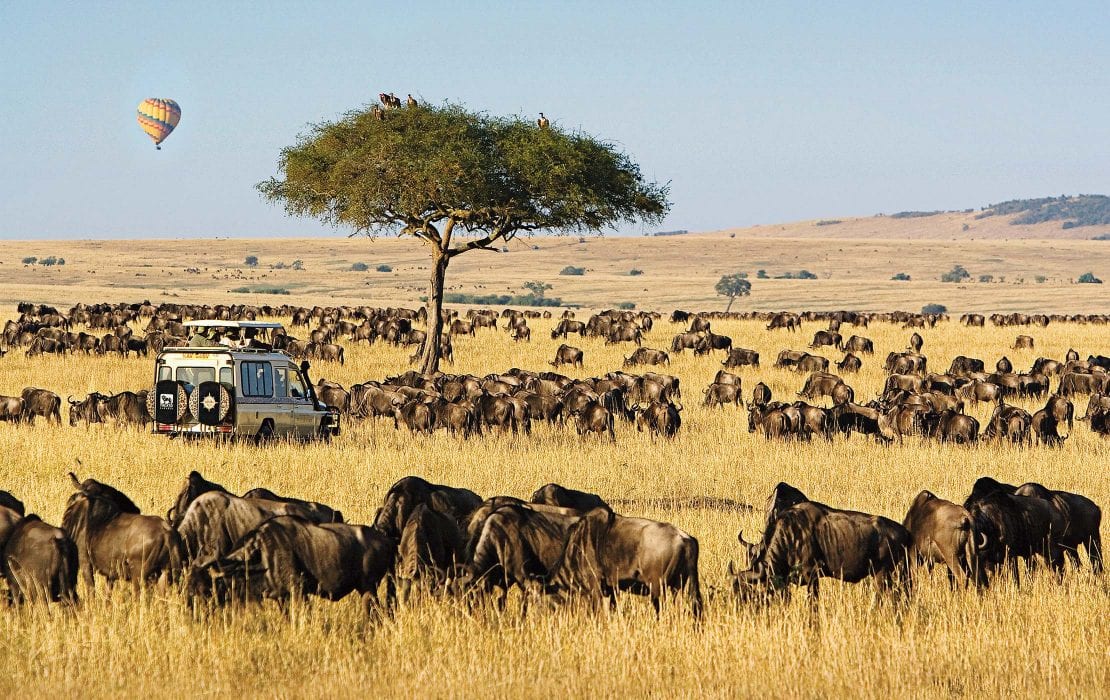
An 8-day Tanzania Big Five safari typically covers the Northern Circuit—Serengeti, Ngorongoro, and Tarangire—offering high-density wildlife viewing, including lions, leopards, rhinos, elephants, and buffalo. Expect daily game drives in 4x4 vehicles, luxury tented camps or lodges, potential Great Migration sightings, and cultural Maasai village visits
8-days-budget-tanzania-safari-tour-holiday-vacation
8-days-tanzania-safari-tour-to-nyerere-mikumi-udzungwa-and-ruaha-national-parks
8-days-great-mara-river-crossing-hadzabe-tribe-and-optional-hot-air-balloon-tanzania-safari
8-days-lemosho-route-kilimanjaro-climb
8-days-best-tanzania-wildlife-safari-to-zanzibar-beach-holiday-combined
8-days-best-tanzania-wildlife-safari-to-zanzibar-beach-holiday-combined
Key Highlights & What to Expect
Wildlife Focus: The Big Five
Tanzania’s Northern Safari Circuit is a powerhouse for Big Five sightings, offering some of the most reliable encounters in East Africa. The term "Big Five"—referring to the lion, leopard, African elephant, Cape buffalo, and rhinoceros—comes from the historical challenge of hunting these animals on foot, but today, they represent the ultimate photography checklist. Each park in the circuit plays a specific role in this pursuit.
The Ngorongoro Crater is the undisputed star for rhino sightings. Because the crater floor is a contained, 260-square-kilometer caldera, the resident population of endangered black rhinoceroses is relatively easy to monitor and find. It is one of the few places in Africa where you can see a rhino grazing in the morning and a pride of lions hunting by noon. While rhinos are the "gold" of the crater, lions and buffalo are also present in staggering densities.
Serengeti National Park is the premier destination for the elusive leopard. These solitary predators favor the rocky outcrops (kopjes) and the acacia-lined riverbanks of the Seronera Valley, where they can drape themselves over branches to avoid the midday heat. The Serengeti also hosts one of the largest lion populations in the world, often seen lounging in the "endless plains." To round out the Big Five, elephants are abundant throughout the region, particularly in the woodlands. While seeing all five in a single trip requires a bit of luck and a skilled guide, the unique geography of Tanzania’s north makes it arguably the best place on Earth to complete the set in a single week.
Park Diversity: Serengeti National Park
The Serengeti is the crown jewel of Tanzania’s wilderness, a vast expanse of roughly 14,750 square kilometers that defines the "classic" African safari experience. The name itself comes from the Maasai word Siringet, meaning "endless plains," and the horizon here seems to stretch forever, punctuated only by flat-topped acacia trees and the occasional granite kopje.
The Serengeti is most famous for the Great Wildebeest Migration, a thundering circular journey of over 1.5 million wildebeest and hundreds of thousands of zebras and gazelles. Depending on the season, you might witness the "calving season" in the southern plains (January–March) or the dramatic, heart-stopping river crossings in the north (July–October). This constant movement of biomass supports an incredible concentration of big cats. The Serengeti is a predator’s paradise; it is not uncommon to see a cheetah testing its speed on the plains or a pride of lions guarding a fresh kill.
Beyond the migration, the park's diversity is seen in its varied ecosystems—from the short-grass plains of the south to the hilly woodlands of the north and the "corridor" leading toward Lake Victoria. This variety ensures that even outside of the migration window, the resident wildlife is spectacular. You can spot giraffes, hippos, and over 500 bird species year-round. The sheer scale of the Serengeti means that no two game drives are ever the same, offering a sense of raw, unscripted discovery that few other places on the planet can match.
Park Diversity: Ngorongoro Crater
Often described as a "natural wonder" or the "eighth wonder of the world," the Ngorongoro Crater is the largest inactive, intact, and unfilled volcanic caldera on Earth. Formed nearly three million years ago when a giant volcano exploded and collapsed, it now serves as a self-contained Eden. The crater floor, roughly 600 meters below the rim, houses a permanent population of approximately 25,000 large mammals, making it one of the most densely populated wildlife areas in Africa.
The crater is a sanctuary for the black rhinoceros, and your probability of seeing one here is exceptionally high compared to almost anywhere else. Because the animals rarely leave the crater’s steep walls, the wildlife is incredibly habituated to vehicles. You can observe lions mating, hyenas scavenging, and massive "tusker" elephants wandering through the Lerai Forest at very close range. The central Lake Magadi is often a shimmering pink carpet of flamingos, while the surrounding marshes are filled with hippos and waterbirds.
A game drive in the crater is unique because of the micro-habitats packed into such a small area—you move from open grasslands to fever-tree forests and soda lakes in a matter of minutes. The view from the rim at sunrise, with the mist clinging to the crater floor before it burns off to reveal the teeming life below, is one of the most iconic sights in travel. It is a compact, high-intensity safari experience that provides a perfect contrast to the vast, sprawling landscapes of the Serengeti.
Park Diversity: Tarangire National Park
Tarangire National Park is the "hidden gem" of the northern circuit, often overshadowed by its more famous neighbors but beloved by safari veterans for its distinct character. The park is defined by two things: massive elephant herds and iconic baobab trees. The landscape is dotted with these "upside-down trees," some of which are hundreds of years old, creating a whimsical and ancient atmosphere that is perfect for photography.
During the dry season (June to October), Tarangire becomes a magnet for wildlife as the Tarangire River becomes the only permanent water source in the region. This leads to a "mini-migration" where thousands of zebras, wildebeest, and buffalo congregate along the riverbanks. However, the elephants are the true stars; it is common to see herds of 300 or more individuals moving together, their grey hides dusty against the golden grass.
Tarangire is also one of the few places in the north where you can spot the rare fringe-eared oryx and the long-necked gerenuk. The birdlife is equally impressive, with over 550 species recorded—the most in any Tanzanian park. Because Tarangire is less crowded than the Serengeti or Ngorongoro, the safari experience feels more private and wilder. Whether you are watching a leopard haul its prey into a baobab tree or observing a family of elephants bathing in the river, Tarangire offers a raw, authentic beauty that captures the true spirit of the African bush.
Park Diversity: Lake Manyara National Park
Lake Manyara National Park may be small, but it packs a significant punch in terms of scenic beauty and biological variety. Nestled at the base of the dramatic Great Rift Valley escarpment, the park is dominated by its namesake alkaline lake, which covers nearly two-thirds of the park's area. Manyara is most famous for its tree-climbing lions, a rare behavior where prides lounge in the sturdy branches of acacia and mahogany trees to escape the heat and the ground-dwelling insects.
The park’s "pink sea" of flamingos is another major draw. Thousands of these birds line the shores of the lake, creating a vibrant spectacle against the backdrop of the blue water and grey escarpment. Beyond the lions and birds, Manyara is an excellent place to see large troops of olive baboons and Blue monkeys, particularly in the groundwater forest near the park entrance.
The landscape itself is incredibly varied for such a compact area. You enter through a lush, jungle-like forest fed by underground springs, which then opens up into acacia woodlands and finally the open lake shore. This diversity of habitat supports a wide array of wildlife, including giraffes, hippos, and a healthy elephant population. Because it is located conveniently on the road to the Ngorongoro Crater, Lake Manyara is a perfect "introductory" safari stop, offering a lush, water-focused contrast to the drier plains of the Serengeti and Tarangire.
Accommodation & Transport
The logistics of a Tanzanian safari are designed to maximize both adventure and comfort. Transportation is almost exclusively provided by 4x4 Safari Land Cruisers. These rugged vehicles are the workhorses of the bush, featuring heavy-duty suspension to handle "African massage" roads and pop-up roofs that allow you to stand and get an unobstructed 360-degree view of the wildlife. Most vehicles are equipped with charging ports, a fridge for cold drinks, and a radio to help your guide coordinate with others to find the best sightings.
When it comes to accommodation, the options are vast and cater to every level of comfort. Luxury Tented Camps are a favorite for those seeking an authentic "Hemingway-style" experience. These are not your average tents; they feature wooden floors, en-suite bathrooms with hot showers, and fine linens, all while being "under canvas" so you can hear the roar of a lion or the rustle of the wind at night. Permanent Safari Lodges offer a more solid structure, often with swimming pools, gourmet dining rooms, and expansive decks overlooking the savannah.
For the budget-conscious or adventure-seeking, mid-range camps and even public campsites are available, ensuring the safari experience is accessible to all. Regardless of the price point, the hospitality in Tanzania is legendary. After a day in the dust and sun, returning to a "bush shower," a three-course meal, and a campfire (often called "bush television") is a ritual that turns a wildlife trip into a true luxury holiday. The blend of high-end service and raw wilderness is what makes a Tanzanian safari so uniquely addictive.
Daily Routine: The Rhythm of the Bush
A day on safari in Tanzania follows the rhythm of the animals. The daily routine typically begins with a pre-dawn wake-up call. Predators like lions, leopards, and hyenas are most active in the cool hours of the early morning before the sun gets too high, so being out by sunrise is essential. After a quick coffee, you head out for a morning game drive, watching the bush come alive as the golden "magic hour" light provides the perfect backdrop for photography.
By late morning, as the temperature rises and the animals retreat to the shade, you might return to the lodge for a hearty brunch and a "siesta." Alternatively, especially in the vast Serengeti, many travelers opt for a full-day game drive. In this case, you carry a picnic lunch provided by your camp, which you enjoy at a designated site—perhaps under the shade of a giant acacia tree or overlooking a hippo-filled river. These picnic moments are often highlights, allowing you to stay deep in the wilderness without the need to travel back and forth.
In the late afternoon, you head out for an afternoon game drive as the heat begins to break. This is another prime time for wildlife movement and often culminates in a "sundowner" stop to watch the sunset with a drink in hand. Evenings are spent around a campfire, sharing stories of the day's sightings over dinner before an early night to prepare for the next dawn. This structured yet unpredictable routine ensures you are in the right place at the right time to witness the primal drama of the African wilderness.
Culture: The Maasai Experience
While the wildlife is the primary draw, a safari in Tanzania is incomplete without experiencing the rich cultural heritage of the Maasai people. One of the most famous ethnic groups in Africa, the Maasai have maintained their traditional, semi-nomadic pastoralist way of life for centuries, co-existing with the wildlife of the Rift Valley. A visit to a Maasai Boma (a traditional homestead) offers a fascinating and respectful insight into their world.
Upon arrival, you are often greeted by the vibrant songs and high-jumping dances of the Maasai warriors (Moran). This "jumping dance" is more than just a performance; it is a display of strength and endurance. Inside the Boma, which is a circular compound of mud-and-thatch huts (Manyattas) surrounded by a thorn-bush fence to protect livestock from predators, you can learn about their social structure, their deep spiritual connection to their cattle, and their intricate beadwork.
The Maasai women are masters of beadwork, with every color and pattern carrying a specific meaning related to age, status, or bravery. Engaging in a cultural visit allows for a two-way exchange, where you can ask questions and purchase authentic crafts directly from the artisans. These interactions provide a human context to the landscapes you are traversing, reminding you that the Serengeti and Ngorongoro are not just parks, but ancestral lands. Most travelers find that the warmth and resilience of the Maasai people leave as lasting an impression as the lions and elephants themselves.
8 Days Tanzania big five safari tour
Embark on an unforgettable 8 Days Tanzania big five safari tour, designed to showcase the pinnacle of East Africa’s wildlife, breathtaking landscapes, and rich cultural heritage. This immersive adventure takes you through Tanzania’s renowned Northern Circuit, starting with the elephant-rich plains of Tarangire National Park, characterized by its iconic baobab trees. You will then journey to the world-famous Serengeti National Park, where the endless plains offer unparalleled opportunities to witness the Big Five—lion, leopard, elephant, buffalo, and rhinoceros—and the Great Migration. The itinerary continues to the breathtaking Ngorongoro Crater, a UNESCO World Heritage Site known for its high density of wildlife, providing arguably the best chance in Africa to spot the rare black rhino. Conclude your journey in the scenic Lake Manyara National Park, famous for its tree-climbing lions and diverse birdlife. Perfectly blending exhilarating game drives with luxurious or comfortable lodging, this 8-day itinerary offers a truly comprehensive and unforgettable Tanzanian wilderness experience.
Day 1: Arrival at Kilimanjaro International Airport – Arusha
Upon arrival at Kilimanjaro International Airport, you will be warmly welcomed by your experienced driver-guide from the tour company. After airport formalities, you will receive a brief overview of your upcoming 8 Days Tanzania big five safari tour before being transferred to your lodge in Arusha, the "safari capital" of Tanzania. The drive offers a glimpse into the local lifestyle as you pass through vibrant communities. You will check into your comfortable accommodation, such as the Sanna Boutique Hotel or similar, for a relaxed evening. This time allows you to recover from your flight, adjust to the local time, and prepare for the adventures ahead. A detailed safari briefing will be provided, ensuring you are ready for the early start to the national parks the following day. Enjoy a delicious dinner and a refreshing night's sleep in preparation for your, as detailed on your African safari.
Day 2: Arusha to Tarangire National Park
After a hearty breakfast, your 8 Days Tanzania big five safari tour continues with a scenic drive to Tarangire National Park, famous for its large herds of elephants and stunning baobab-studded landscapes. Upon arrival, you will embark on an extensive morning game drive. The park is a haven for wildlife, especially during the dry season when the Tarangire River acts as the main water source, attracting a high concentration of animals. Look forward to spotting lions, giraffes, leopards, and large herds of wildebeest and zebras. You will have a picnic lunch surrounded by the natural beauty of the park. In the afternoon, you will continue with another game drive, exploring different areas of the park before heading to your tented camp or lodge, such as the Tarangire Simba Lodge, for dinner and overnight.
Day 3: Tarangire to Serengeti National Park
On day three, you will leave Tarangire and drive through the Ngorongoro Conservation Area, ascending towards the vast plains of the Serengeti, which is a highlight of this 8 Days Tanzania big five safari tour. The drive offers spectacular views of the rift valley highlands. As you enter the Serengeti National Park, you will enjoy a game drive en route to your lodge. The central Serengeti (Seronera area) is renowned for its big cats, offering excellent sightings of lions, leopards, and cheetahs, as well as the herds of the Great Migration. You will witness the incredible scenery of vast savannahs, dotted with iconic kopjes—rock formations that provide perfect lookout points for predators. After a full day of exploration, you will check into a lodge, such as the Serengeti Serena Safari Lodge or a luxury tented camp, for dinner and overnight.
Day 4: Full Day in Serengeti National Park
You will spend the entire fourth day exploring the iconic Serengeti National Park on your 8 Days Tanzania big five safari tour, with the option of both morning and afternoon game drives or a full-day, packed-lunch safari. This flexibility allows you to maximize your wildlife sightings, following the movements of the herds and searching for the Big Five. The Serengeti's central area is rich in wildlife year-round, offering consistent chances to see huge herds of buffalo and elephants, along with the predator activity they attract. Your guide will focus on finding the elusive leopard, often seen resting in acacia trees. You will also explore the Seronera River Valley, which supports a diverse array of wildlife, including hippos and crocodiles. The day is filled with unforgettable, close-up wildlife encounters. Enjoy a relaxing dinner at your lodge in the heart of the Serengeti.
Day 5: Serengeti to Ngorongoro Conservation Area
After a final morning game drive in the Serengeti, you will drive towards the Ngorongoro Conservation Area, a crucial part of your 8 Days Tanzania big five safari tour. The journey takes you through the beautiful crater highlands, where you can catch glimpses of the Maasai people and their livestock. Before arriving at the crater rim, you may choose to visit the Olduvai Gorge Museum, known as the "Cradle of Mankind," to learn about the significant archaeological discoveries made by Louis and Mary Leakey. In the afternoon, you will arrive at your lodge located on the rim of the crater, such as the Ngorongoro Serena Safari Lodge, which offers spectacular, panoramic views of the crater below. The evening is spent relaxing and enjoying the cooler climate of the crater highlands.
Day 6: Ngorongoro Crater Tour (The "Eighth Wonder of the World")
On day six of your 8 Days Tanzania big five safari tour, you will descend 600 meters into the Ngorongoro Crater for a full-day, private game drive. Often considered the "Eighth Wonder of the World," this UNESCO World Heritage Site is a natural enclosure teeming with 25,000 large animals. It offers the best chance in Tanzania to spot the rare black rhino, completing the Big Five, along with large prides of lions, hyenas, and wildebeest. You will enjoy a picnic lunch at the Ngoitokitok Springs picnic site, surrounded by hippos and stunning views. The crater’s unique ecosystem ensures incredible, up-close wildlife experiences throughout the day. After ascending the crater rim in the late afternoon, you will head to a lodge, perhaps in the Karatu area, for a well-deserved dinner and overnight, as recommended by Kagera Safaris.
Day 7: Lake Manyara National Park - Arusha
After breakfast, you will drive to Lake Manyara National Park for the final game drive of your 8 Days Tanzania big five safari tour. This park is renowned for its diverse scenery, including a shallow alkaline lake, lush groundwater forests, and acacia woodlands. Manyara is famous for its tree-climbing lions, which you may spot resting in the acacia trees. Other highlights include the immense birdlife, with thousands of flamingos, along with large troops of baboons and monkeys. The park also offers excellent sightings of elephants, buffalo, and giraffes. After an exciting morning, you will have lunch and then, in the afternoon, begin the scenic drive back to Arusha. You will check into your hotel in Arusha, such as the Arusha Coffee Lodge, for a final, relaxing evening and farewell dinner.
Day 8: Departure from Kilimanjaro International Airport
On the final day of your 8 Days Tanzania big five safari tour, you will enjoy a relaxed breakfast at your hotel in Arusha. Depending on your flight time, you may have the opportunity to explore the local markets in Arusha for souvenirs or simply enjoy the amenities of your lodge. Afterward, your driver-guide will transfer you to Kilimanjaro International Airport for your departure flight, marking the end of your incredible 8-day Tanzanian safari adventure. The experience leaves you with lasting memories of the diverse wildlife, stunning landscapes, and warm hospitality of Tanzania. This 8-day itinerary ensures you experience the very best of the Northern Circuit, bringing you close to nature and the "Big Five".
1. What are the "Big Five" and can I see them all in 8 days?
The term "Big Five" was originally coined by big-game hunters to refer to the five most difficult and dangerous African animals to hunt on foot: the Lion, Leopard, African Elephant, Cape Buffalo, and Rhinoceros. Today, the term has been reclaimed by the safari industry as the "ultimate" viewing list.
Seeing all five in 8 days is highly achievable in Tanzania, but it requires a bit of luck and a great guide. Elephants and Buffalo are almost guaranteed; you’ll likely see hundreds. Lions are very common in the Serengeti and Ngorongoro. The real challenges are the Leopard and the Rhino. Leopards are solitary and camouflaged, often draped over a tree limb in the Seronera Valley. The Black Rhino is the rarest; your best bet is the floor of the Ngorongoro Crater, where a small, protected population resides. While 8 days provides a fantastic window, remember that nature doesn’t follow a script—some days you’ll see four of the five before lunch, and other days the leopard will stay hidden in the thicket.
2. Which parks are included in this 8-day itinerary?
The "Northern Circuit" is the crown jewel of East African tourism.
- Tarangire National Park: Usually the first stop, famous for its massive Baobab trees and the largest density of elephants in Tanzania. During the dry season, the Tarangire River becomes a magnet for thirsty wildlife.
- Lake Manyara: Known for its groundwater forest, flamingo-filled alkaline lake, and the legendary (though elusive) tree-climbing lions.
- Ngorongoro Crater: A UNESCO World Heritage site and a collapsed volcano (caldera) that creates a self-contained ecosystem. It offers the densest concentration of large mammals on earth.
- Serengeti National Park: The big one. Over 14,000 square kilometers of rolling plains. This is where you spend the bulk of your time, as it offers the classic "Lion King" landscapes and the best chance for big cat sightings.
3. What is the best time of year for a Big Five Safari?
Timing is everything.
- Dry Season (June to October): This is widely considered the best time. Because there is little rain, the bush thins out (making animals easier to spot) and wildlife congregates around predictable water holes. The weather is also more comfortable, with clear blue skies and fewer mosquitoes.
- Short Rainy Season (November to December): Usually involves afternoon bursts of rain. The landscape turns a vibrant green, which is beautiful for photography but can make spotting cats in the tall grass slightly harder.
- Calving Season (January to March): If you want to see baby animals and high-stakes predator action, this is the time. Thousands of wildebeest are born daily in the southern Serengeti, attracting lions and cheetahs.
- Long Rains (April to May): Some lodges close, and roads can be muddy, but this is the "Green Season." It’s much cheaper, less crowded, and the birdwatching is world-class.
4. What does "game drive" actually mean?
A game drive is the core activity of any safari. You aren’t just "driving through a park"; you are engaging in a guided search for wildlife. You’ll typically head out in a 4x4 Land Cruiser specially modified with a pop-up roof. This allows you to stand up safely and have an unobstructed 360-degree view of the horizon.
A "game drive" is a slow-paced endeavor. Your guide uses their expert eyes (and often a radio to communicate with other rangers) to track footprints, listen for alarm calls from baboons or birds, and navigate to the best viewing spots. You might sit silently for 20 minutes watching a pride of lions sleep, or you might race across a plain to catch a cheetah on the hunt. It is a mix of patience, education, and adrenaline.
5. How much time will I spend in the vehicle?
On an 8-day itinerary, the vehicle is your second home. Typically, you will spend 6 to 8 hours a day inside the 4x4. This includes the transit time between parks (which can be bumpy—often called a "Tanzanian massage") and the actual game viewing.
Most days start at sunrise (around 6:00 AM) because predators are most active in the cool morning air. You’ll return for a late breakfast or take a picnic lunch to stay out all day. While the seats are padded and comfortable, the roads are unpaved and can be dusty. It’s important to communicate with your guide; if you’re feeling tired, you can always head back to the lodge early for a sundowner by the pool.
Quick-Fire Highlights for Questions 6–15:
- Migration (6): It’s a circular journey. If you want the famous "river crossings," aim for Northern Serengeti in August/September.
- Accommodation (7): Don’t be fooled by the word "tent." Luxury tented camps often have king-sized beds, en-suite bathrooms, and hardwood floors.
- Safety (8): You are safe as long as you stay in the vehicle. Animals view the car as a single, non-threatening object. Never walk away from the camp at night without an escort.
- Packing (9): Layers are key. It can be 10°C at dawn in Ngorongoro and 30°C by noon in the Serengeti.
- Food (10): Expect high-quality multi-course meals. Most dietary restrictions (Vegan, GF) are easily accommodated if you notify the operator in advance.
- Families (11): It's great for kids, though the long drives can be tough for toddlers. Many lodges have "Junior Ranger" programs.
- Private vs. Group (12): Private gives you control. If you want to spend 2 hours watching a dung beetle, you can. In a group, you go with the majority.
- Health (13): Consult a doctor about Malaria pills and Yellow Fever requirements (especially if entering from another African country).
- Culture (14): The Maasai are the most well-known, but you can also visit the Hadzabe (hunter-gatherers) near Lake Eyasi for a more "off-the-beaten-path" experience.
- Serengeti Big Five (15): Yes, but the Rhino is the "needle in the haystack" here. You are much more likely to check the Rhino off your list in the Ngorongoro Crater!
Booking 8 days Tanzania big five safari with us Roads of Adventure safaris
Roads of Adventure Safaris offers tailored 8-day Tanzania Big Five safari itineraries built to showcase the best of the Northern Circuit
