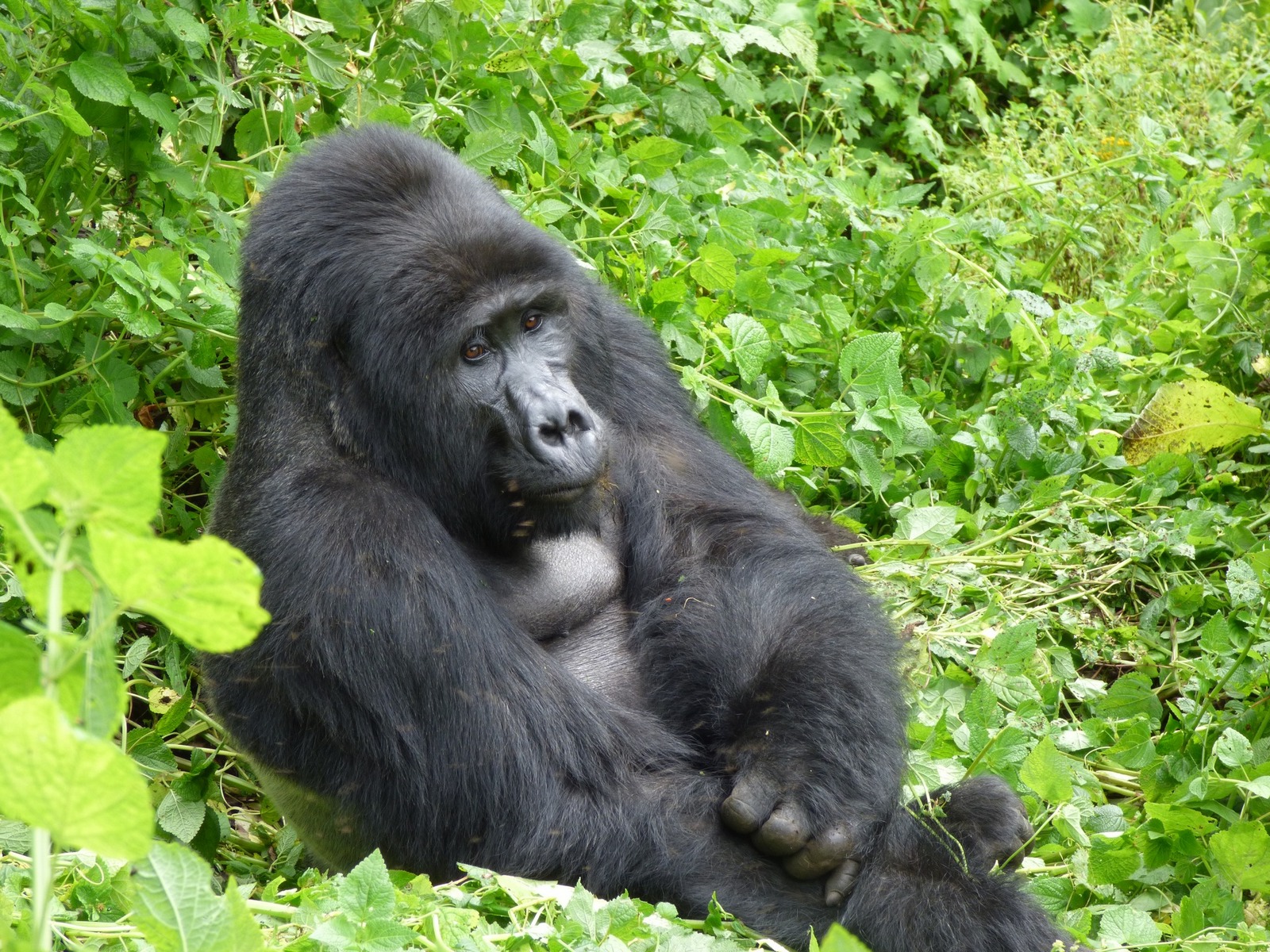
Choose your Uganda gorilla sector based on your physical fitness, budget, and desired lodging quality. Bwindi Impenetrable National Park has four distinct areas, each offering a drastically different trekking experience. These regions feature varying terrain difficulties and accommodation options: the Buhoma sector for easier hikes and luxury lodges, the Rushaga sector for permit availability and habituation, the Ruhija sector for birders and scenic views, and the Nkuringo sector for challenging climbs and stunning mountain vistas
Popular Uganda gorilla trekking safari holiday in Bwindi impenetrable
3-days-fly-in-uganda-gorilla-habituation-africa-safari-tour-package
2-days-best-gorilla-trekking-safari-tour-via-kigali-to-bwindi-impenetrable-forest-park
3-days-gorilla-trekking-safari-and-lake-bunyonyi-relaxation-itinerary
3-days-affordable-uganda-budget-gorilla-trekking-via-kigali
4-days-ultimate-gorilla-and-uganda-safari-and-chimpanzee-tracking
4-days-ultimate-gorilla-and-uganda-safari-and-chimpanzee-tracking
4-days-uganda-gorilla-safari-with-golden-monkey-tracking-from-rwanda
4-days-luxury-gorilla-trekking-safari-in-bwindi-fly-in-all-inclusive-tour
5-days-gorilla-and-uganda-safari-and-golden-monkey-trekking-tour-from-kigali
5-days-un-matched-uganda-gorilla-safari-and-chimpanzee-tour-itinerary
6-days-gorilla-and-uganda-safari-to-see-big-five
7-day-ultimate-uganda-primate-safari-chimpanzees-and-game-drives
1. Buhoma Sector (North)
Buhoma is the historical cradle of gorilla tourism in Uganda. Located in the northern reaches of Bwindi, it holds a legendary status as the site where formal gorilla trekking first launched in 1993 with the habituation of the Mubare family. Because it is the longest-established sector, Buhoma enjoys a highly developed infrastructure and a well-deserved reputation as the most accessible entryway into the impenetrable forest.
The defining characteristic of Buhoma is its relatively forgiving terrain. While it is still a tropical rainforest featuring thick undergrowth, the valleys here are broader and the slopes are noticeably gentler than those found in the southern sectors. For first-time trekkers, older travelers, or anyone concerned about their physical endurance, Buhoma is the ideal choice. Most treks here are highly efficient, often clocking in at a manageable three to four hours before you are back at your lodge enjoying lunch.
Beyond the trails, Buhoma stands out as the epicenter of luxury wilderness hospitality in Uganda. It plays host to world-class, ultra-high-end lodges nestled right into the forest canopy, offering premium comforts, fine dining, and private butler services. This concentration of luxury makes it a favorite for high-net-worth travelers and high-end safari operators. Additionally, its northern positioning allows seamless road connections to Queen Elizabeth National Park's famous Ishasha sector, making it incredibly easy to pair a gorilla trek with a search for tree-climbing lions.
However, Buhoma's unmatched convenience and prestigious reputation create its greatest drawback: extreme competition for permits. With only a few habituated groups—such as the Mubare, Habinyanja, and Rushegura families—the standard allocation of eight permits per family daily means spaces vanish almost instantly. To secure a spot in this sector during the dry peak months, travelers typically must lock in their bookings six to twelve months in advance.
2. Rushaga Sector (South)
Perched dynamically in the rugged southern territory of Bwindi, the Rushaga sector is a thriving powerhouse for wildlife encounters. It is widely recognized as the ultimate destination for flexibility and deep primate immersion. It offers an entirely different, raw energy compared to the manicured, exclusive feel of the north.
Rushaga's primary logistical advantage is its sheer volume of gorillas. It is home to the highest concentration of habituated gorilla families in the entire national park—including large, dynamic groups like the Nshongi, Kahungye, and Busingye families. Because of this high density, the Uganda Wildlife Authority allocates significantly more permits to Rushaga daily than to any other sector. This abundance makes Rushaga the premier fallback zone for securing last-minute permits during peak seasons when other trailheads have long since sold out.
Most notably, Rushaga is the exclusive home of the highly coveted Gorilla Habituation Experience. While a standard trek grants you exactly one hour with a fully habituated family, the habituation permit allows a tiny group of just four visitors to spend up to four full hours tracking alongside researchers and rangers. This extended window lets you witness the subtle nuances of gorilla behavior as wild primates are gently conditioned to human presence. It is a profoundly intimate, unscripted encounter that justifies its premium pricing.
The terrain in Rushaga is characterized by moderate-to-steep ridges and deeply carved valleys. It requires a solid baseline of physical fitness, as trails can become slick and demanding. Logistically, Rushaga is highly attractive for travelers flying into Rwanda's Kigali International Airport; a scenic four-hour drive crosses the Cyanika border and places you directly at the southern gates, bypassing the long nine-hour drive from Kampala.
3. Nkuringo Sector (South)
For the adventurous purist, the photographer, and the mountain hiker, the Nkuringo sector represents the absolute pinnacle of Bwindi’s wild beauty. Positioned on a dramatic, high-altitude ridge directly adjacent to Rushaga in the south, Nkuringo is widely celebrated as the most scenic—and physically punishing—corner of the national park.
The landscape here is breathtakingly theatrical. On a clear day, the high ridges of Nkuringo offer sweeping, uninterrupted panoramic views of the entire Virunga Volcano chain, stretching across the horizon into Rwanda and the Democratic Republic of Congo. Watching the morning mist burn off the jagged volcanic peaks while standing on the edge of an ancient rainforest provides some of the most spectacular photographic backdrops anywhere on the African continent.
However, these magnificent views require a physical trade-off. Nkuringo’s terrain is famously uncompromising, featuring steep, vertical ascents and deep valleys that demand maximum physical exertion. Trekking here is a rigorous endurance test, often requiring hours of navigating slick mud, dense vines, and punishing inclines. The iconic Nkuringo gorilla family itself frequently ranges deep into these vertical spaces, meaning that just returning to the trailhead at the end of the day involves a demanding uphill climb.
Because of its remote, high-altitude profile, Nkuringo has maintained an intimate, exclusive, and uncrowded atmosphere. Accommodations here are fewer but highly intentional, ranging from ultra-luxury eco-lodges perched on the ridgeline to cozy, community-run mid-range chalets. Like Rushaga, its southern orientation allows effortless access from Kigali via the land border. For travelers who view the physical challenge of a mountain trek as an integral part of the adventure, Nkuringo delivers an unforgettable, rugged reward.
4. Ruhija Sector (East)
Tucked away in the misty, high-altitude eastern heights of the park, Ruhija is the quiet, contemplative gem of Bwindi. Sitting at a chilly elevation of roughly 2,340 meters above sea level, it is the highest of the four sectors, offering a refreshingly cool climate and an off-the-beaten-path atmosphere that appeals directly to nature purists and wilderness enthusiasts.
Ruhija is globally renowned as a premier destination for serious birdwatchers. The sector's unique high-altitude montane forest ecosystem serves as a critical habitat for over 340 bird species, including a staggering number of Albertine Rift endemics that cannot be found anywhere else on earth. The crown jewel for birders here is the famous Mubwindi Swamp Trail, a deeply immersive, steep descent through ancient, virgin canopy where enthusiasts regularly spot the rare, localized African Green Broadbill, along with stunning turacos, trogons, and francolins.
When it comes to gorilla trekking, Ruhija strikes a perfect middle ground. Its terrain features moderate-to-steep slopes that are less punishing than the sheer drops of Nkuringo, yet provide a more authentic, immersive jungle hike than the flatter trails of Buhoma. It is home to peaceful, fascinating gorilla families like the Bitukura and Oruzogo groups, which are famous for their playful juveniles and relaxed dynamics around human visitors.
Logistically, Ruhija is uniquely flexible. It sits perfectly positioned between the northern and southern sectors, allowing it to be easily accessed from Kabale town or directly from Queen Elizabeth National Park's southern gate. The lodging infrastructure here heavily emphasizes eco-tourism, featuring intimate, environmentally conscious tented camps and mid-range safari lodges that look out over endless rolling green hills. It remains the ideal escape for those who want to experience the magic of Bwindi away from the busier tourist hubs.
Choosing the right trailhead in Bwindi Impenetrable National Park or Mgahinga Gorilla National Park is the most influential decision you will make for your Uganda safari. Because your trekking permit is permanently tied to a specific location, your choice directly dictates your daily physical exertion, logistical routing, and accommodation options.
1. How Does Your Physical Fitness Level Dictate Which Bwindi Sector You Should Choose?
Your current stamina and physical endurance are the most critical metrics when matching your needs to a trekking trailhead. Bwindi’s four sectors feature vastly contrasting topographies, ranging from gently rolling valley bottoms to punishingly vertical mountain ridges that test even seasoned hikers.
If you prefer a less strenuous experience or are traveling with older family members, the northern Buhoma sector stands as the definitive choice. Its valleys are broader, and the primary trails follow gentler inclines, meaning hikes here are frequently completed within a manageable three to four hours. Conversely, if you are a fit, athletic adventurer seeking a true mountain challenge, the southwestern Nkuringo sector offers an uncompromising playground. Nkuringo sits on a high-altitude ridge where the trails descend steeply into deep valleys; returning to camp requires a demanding uphill climb that requires solid knee health and cardiovascular stamina.
The eastern Ruhija sector and southern Rushaga sector offer balanced, moderate-to-steep options that still demand respect, thick boots, and steady footing. Selecting a sector without evaluating its physical demands can transform an unforgettable wildlife encounter into an overwhelming physical struggle. Therefore, assessing your physical fitness before requesting a permit ensures you spend your energy admiring the primates rather than fighting the terrain.
2. Why Is Understanding Your Total Safari Routing Essential for Selecting a Gorilla Sector?
A common structural mistake in safari planning is booking a gorilla permit in a sector that sits geographically isolated from the rest of your travel itinerary. Uganda’s rugged terrain and unpaved mountain roads mean that driving between the northern and southern edges of Bwindi can absorb a significant portion of a day, consuming valuable time.
If your broader safari itinerary includes wildlife viewing in Queen Elizabeth National Park—particularly searching for tree-climbing lions in the Ishasha sector—booking your trek in Buhoma or Ruhija provides flawless, efficient route synergy. These northern and eastern trailheads are located just a few hours' drive from the savannah plains, allowing a smooth, natural transition from classic game drives to dense jungle trekking.
On the other hand, if you are focusing your trip on southwestern highlights like golden monkey tracking in Mgahinga Gorilla National Park, canoeing on Lake Mutanda, or exploring the numerous islands of Lake Bunyonyi, the southern hubs of Rushaga or Nkuringo are much more accessible. Aligning your gorilla sector with your geographical loop eliminates exhausting, redundant hours behind the wheel, keeping your transit times down and your relaxation time up.
3. How Can Flying from Entebbe vs. Driving from Kigali Shape Your Sector Selection?
The international airport you choose for your arrival heavily impacts which side of Bwindi makes the most practical sense for your itinerary. Travelers face a strategic choice between a long domestic overland transit or a streamlined cross-border journey from neighboring Rwanda.
Arriving via Entebbe International Airport in Uganda opens up the option for a luxury fly-in safari. If you choose this path, booking in the Buhoma sector is highly advantageous because it sits just a short, scenic drive from the Kihiihi Airstrip. Scheduled domestic flights can whisk you from Entebbe to Kihiihi in under two hours, bypassing the intense nine-to-ten-hour overland drive from Kampala.
Alternatively, flying into Kigali International Airport in Rwanda and driving across the land border into Uganda has become an incredibly popular strategy for accessing the southern sectors. From Kigali, it is a smooth, highly scenic four-hour drive through the Cyanika or Katuna border posts directly into Rushaga or Nkuringo. This cross-border approach effectively cuts your driving time in half compared to a drive from Kampala. If you prefer the Kigali arrival route, focusing your permit search entirely on Bwindi's southern trailheads creates a highly efficient, time-saving itinerary.
4. What Is the Strategic Significance of Permit Availability Across the Different Trailheads?
Gorilla trekking permits are strictly regulated conservation assets, with the Uganda Wildlife Authority capping group sizes at exactly eight visitors per habituated family each day. Because demand frequently outstrips supply during peak travel windows, understanding permit distribution across the sectors is a key tactical advantage.
The northern Buhoma sector, being the oldest and most famous trailhead, carries immense brand recognition and a lower physical barrier to entry. Consequently, its small pool of permits vanishes almost immediately when bookings open. If you have your heart set on Buhoma during the dry months, you must lock in your permits six to twelve months ahead of time.
If you are planning a closer, last-minute safari or traveling as a larger multi-generational family group, you should strategically pivot your focus toward the southern Rushaga sector. Rushaga manages the highest concentration of habituated gorilla families in the entire national park. Because it looks after a larger number of groups, Rushaga commands the highest daily allocation of standard permits. This volume turns Rushaga into an excellent operational safety net, offering a much stronger mathematical probability of securing legal tracking clearance on short notice, even when the rest of the park is completely sold out.
5. How Does the Gorilla Habituation Experience Impact Your Choice of Location?
For travelers seeking a profound, deeply educational wildlife encounter that goes far beyond a standard safari, the choice of sector is instantly narrowed down by a single exclusive activity. The Gorilla Habituation Experience represents a unique tier of primate tourism available only in one specific corner of Bwindi.
While a standard gorilla trekking permit grants a group of eight travelers exactly one hour of observation time with a fully habituated family, a habituation permit scales the experience up dramatically. It permits a maximum of only four visitors to spend up to four full hours in the presence of a semi-habituated gorilla group. Guided by park rangers, trackers, and veteran researchers, you actively participate in the delicate process of reassuring wild primates, learning to interpret subtle vocalizations, chest-beats, and complex group hierarchies.
This premium, immersive experience is exclusively operated within the southern valleys of the Rushaga sector. The specialized permit carries a distinct price tag of $1,500 for foreign non-residents. If your primary goal is to maximize your time in the jungle alongside the world's leading primate experts, your accommodation and travel logistics must be anchored entirely within Rushaga or the neighboring Nkuringo ridge to ensure you reach the early-morning briefing on time.
6. How Should Your Preferred Style of Accommodation Guide Your Trailhead Choice?
The hospitality landscape around Bwindi Impenetrable National Park varies significantly by region. Because the rugged topography makes driving between trailheads at dawn highly impractical, your choice of sector dictates the lodge options available to you.
The northern Buhoma sector is the undisputed crown jewel of luxury wilderness hospitality in Uganda. As the pioneer trailhead, it has spent decades cultivating an exclusive collection of high-end eco-lodges. These properties feature world-class amenities, private decks looking over the forest canopy, fine dining, and private butler services. If your travel style demands top-tier luxury, Buhoma offers the most comprehensive, well-established selection.
If you are a mid-range or budget-conscious traveler, the southern Rushaga sector presents an incredibly diverse and competitive market. Rushaga has experienced a dynamic lodge building boom, resulting in a wide array of high-quality tented camps, locally run cottages, and comfortable mid-range safari veins that offer great value.
For those seeking an intimate, remote, and less commercialized atmosphere, the high-altitude ridges of Nkuringo and Ruhija offer fewer options overall, but feature highly intentional, eco-conscious properties. These range from spectacular luxury lodges perched on scenic cliffs to cozy, community-driven mountain chalets, requiring early bookings due to limited room capacity.
7. Why Should Serious Birdwatchers Prioritize the High-Altitude Ruhija Sector?
While every square mile of Bwindi’s ancient canopy is rich with life, the eastern Ruhija sector stands out as a world-class destination for serious birding enthusiasts. Sitting at a chilly, refreshing elevation of 2,340 meters above sea level, Ruhija's unique high-altitude montane forest creates a distinct microclimate and ecosystem.
This eastern trailhead is a vital sanctuary for over 340 distinct bird species, including an incredible concentration of Albertine Rift endemics that cannot be found anywhere else on the globe. The focal point for any birder visiting Ruhija is the famous trail leading down into the pristine Mubwindi Swamp. This immersive jungle path gives you the opportunity to seek out incredibly rare, localized avian wonders, most notably the endangered African Green Broadbill.
Ruhija Avian Highlights:
├── Albertine Rift Endemics (e.g., Rwenzori Batis, Handsome Francolin)
├── IUCN Red List Species (Mubwindi Swamp specialists)
└── Rare Canopy Dwellers (e.g., African Green Broadbill, Purple-breasted Sunbird)
Trekking for gorillas in Ruhija allows you to easily blend a primate safari with a highly productive birding expedition. Rangers in this sector are exceptionally well-trained in avian identification, frequently pausing along the gorilla trails to point out striking turacos, trogons, and sunbirds. If your ideal safari involves checking rare endemic species off your life list while tracking silverbacks, Ruhija is the perfect choice.
8. How Do the Views and Photographic Backdrops Vary Between Bwindi's Sectors?
For professional photographers and travelers focused on visual storytelling, the aesthetic personality of each sector is an important variable to consider. Bwindi's distinct trailheads offer completely different landscapes, lighting conditions, and background scenery.
The southwestern Nkuringo sector is widely celebrated as the most visually dramatic trailhead in the region. Perched on the spectacular Nteko Ridge, it delivers breathtaking, uninterrupted panoramic views of the entire Virunga Volcano chain. On a crisp, clear morning, photographing the jagged volcanic peaks rising above a blanket of low-lying forest mist provides an extraordinary backdrop that captures the raw essence of East Africa's highlands.
In contrast, the eastern Ruhija sector offers a softer, enchanting aesthetic defined by rolling mist, deep green valleys, and sweeping ridgelines that create a fairy-tale-like forest atmosphere. The northern Buhoma sector features lower-altitude, classic riverine jungle scenery with massive, ancient tree canopies and dense ferns that offer an intimate, enclosed rainforest feel.
Finally, the southern Rushaga sector provides a varied landscape of sharp ridges opening up into agricultural valleys cultivated by local communities. If your photographic goal is to capture majestic volcanic horizons alongside your wildlife subjects, centering your itinerary around the dramatic overlooks of Nkuringo will give you exactly what you are looking for.
9. What Are the Seasonal Weather Differences Between the High-Altitude and Low-Altitude Sectors?
Uganda’s equatorial climate keeps temperatures relatively consistent throughout the year, but Bwindi’s dramatic variations in elevation create distinct regional microclimates that alter the trekking experience as seasons shift.
The eastern Ruhija sector and the southwestern Nkuringo ridge are the highest trailheads, with elevations climbing well past 2,300 meters. These sectors are noticeably colder than the rest of the park. During the rainy seasons (March to May and October to November), these high-altitude zones experience heavy downpours, thick mountain fog, and plunging temperatures. The trails become slick, muddy, and physically demanding, requiring heavy layers, gaiters, and high-quality waterproof gear.
The northern Buhoma sector sits at a lower altitude, making it consistently warmer and more humid. While rain falls year-round across the entire park, Buhoma’s lower trails dry out faster and are less prone to the biting mountain winds found on the southern ridges.
An interesting advantage of traveling during the wet shoulder months across all sectors is that food is abundant throughout the forest. Because bamboo shoots and fruits are readily available, the gorilla families rarely wander far into the deeper interior, often resulting in shorter, less exhausting treks compared to the hot, dry peak season months.
10. How Do Community and Cultural Add-ons Differ Across the Trailheads?
A great gorilla safari is enriched by connecting with the local communities that live along the edges of the ancient forest. Each trailhead offers distinct, highly rewarding cultural experiences that support community-led conservation initiatives.
In the northern Buhoma sector, community tourism is highly organized and well-developed. Here, you can experience the Buhoma Community Walk or visit projects like Ride 4 a Woman, a remarkable local initiative empowering village woman through craft production, weaving, and bicycle repair. Buhoma also features structured Batwa cultural trail experiences, where the forest’s original indigenous inhabitants share their traditional hunting, gathering, and fire-making skills.
In the southern sectors of Rushaga and Nkuringo, the cultural encounters have a raw, less commercialized feel. The Buniga Forest walk near Nkuringo offers a deeply authentic look into Batwa heritage, managed entirely by the community itself. Additionally, the southern trailheads provide easy access to the stunning terraced farmlands of the Bakiga people, offering sweeping views of local life against a volcanic backdrop.
Choosing a sector based on its community footprint allows you to seamlessly weave meaningful cultural education and local philanthropy into your wildlife itinerary, ensuring your tourism dollars directly benefit the families safeguarding the park's boundaries.
11. Why Is traveling with Children or Elderly Family Members a Decisive Factor for Sector Choice?
The strict minimum age limit for gorilla trekking in Uganda is 15 years old, a conservation rule enforced to protect the primates from childhood illnesses. If you are traveling with teenagers who just meet this threshold, or with elderly parents, choosing the right sector is vital to your group's comfort and safety.
The Buhoma sector is the most accommodating choice for families and multi-generational groups. Beyond its gentler terrain, Buhoma’s long history of tourism has led to a highly coordinated porter network and refined tracking logistics. The local guides are exceptionally skilled at pacing hikes to accommodate the slowest member of the group, ensuring no one feels rushed or left behind on the trail.
For travelers facing significant mobility challenges, Buhoma is also the premier hub for arranging specialized sedan-chair assists, often referred to locally as the "helicopter transport." This service allows elderly or disabled guests to be carried into the jungle by a team of dedicated local porters.
Attempting to coordinate this type of specialized assistance in the steep, vertical valleys of Nkuringo or the remote ridges of Ruhija is significantly more challenging due to the demanding terrain. Prioritizing family composition when selecting your sector ensures that every member of your group can experience the magic of the jungle safely and comfortably.
12. How Does Crowding and the Ambience of Your Trek Vary Across the Four Corners of Bwindi?
The atmosphere of your safari is deeply influenced by how busy a trailhead feels. Some travelers thrive in a bustling, social hub, while others seek a quiet, deeply personal connection with the wilderness.
The northern Buhoma sector is the busiest and most vibrant area of the park. With its high concentration of premium lodges, craft markets, and visiting safari vehicles, Buhoma has a classic, energetic tourist-hub feel. It is an excellent place to share stories with fellow travelers over dinner, but it may feel a bit commercialized if you are looking for absolute solitude.
If you want a more tranquil, off-the-beaten-path experience, you should focus on the Nkuringo or Ruhija sectors. Because these regions are more remote and have fewer accommodation options, they attract fewer daily visitors, preserving an authentic, quiet, and untouched mountain atmosphere.
The southern Rushaga sector sits in the middle; while it handles a high volume of permits due to its many gorilla families, its sprawling geographic layout and numerous accommodation options prevent it from feeling overly congested. Matching your sector to your preferred style of travel—whether you want a lively safari hub or a peaceful wilderness retreat—ensures your environment complements your personal expectations.
13. How Do Road Conditions and Transit Reliability Affect Your Access to Each Sector?
The mountain roads in southwestern Uganda are notoriously unpredictable, changing dynamically with the weather. The ease of physically reaching your trailhead should be a key factor when designing your itinerary.
The northern Buhoma sector offers the most straightforward and reliable road access from central Uganda. The route from Kampala via Kanungu is well-traveled and generally well-maintained, making it a reliable choice for standard safari vehicles.
In contrast, reaching the high-altitude eastern heights of Ruhija or the remote dead-end tracks of Nkuringo can be a true mountain adventure. The dirt roads leading to these trailheads are winding, steep, and can become incredibly muddy and slick during heavy rains. Navigating these routes requires a robust 4x4 vehicle, an experienced driver, and a flexible mindset regarding travel times.
Road Accessibility Overview:
├── Buhoma: Most reliable, well-traveled routes from central Uganda
├── Rushaga: Smooth cross-border access via tarmac from Kigali
└── Nkuringo / Ruhija: Rough, winding mountain roads requiring excellent 4x4 capability
If you are entering from Rwanda, the road from the Cyanika border to the southern gateway of Rushaga is largely paved and very reliable, offering a smooth journey. Factoring road conditions into your sector choice prevents unexpected delays, ensuring a comfortable arrival at your lodge before your early-morning trek.
14. What Role Do Other Primate and Wildlife Species Play in Your Sector Decision?
While mountain gorillas are the undeniable highlight of Bwindi, the national park is a vibrant, biodiverse ecosystem home to a variety of other fascinating wildlife species. The likelihood of encountering these animals varies noticeably across the different trailheads.
The high-altitude montane forest of the Ruhija sector is unique because it is one of the few areas in Bwindi where wild forest elephants regularly migrate through the dense interior, particularly around the edges of the Mubwindi Swamp. While sightings are rare due to the thick foliage, discovering fresh tracks and hearing their distant calls adds an exciting element of wild mystery to your trek. Ruhija is also an excellent place to spot troops of black-and-white colobus monkeys and L’Hoest’s monkeys moving through the canopy.
If your wildlife goals extend to seeing tree-climbing lions, the northern positioning of Buhoma makes it incredibly easy to pair your forest trek with a short drive to Queen Elizabeth National Park's Ishasha plains.
For travelers who want to combine a gorilla trek with high-speed tracking of golden monkeys, booking a southern sector like Rushaga allows you to make the short, smooth journey to neighboring Mgahinga Gorilla National Park. Tailoring your sector selection to your wider wildlife interests creates a richer, multi-dimensional safari experience.
15. How Do Mgahinga Gorilla National Park and Bwindi Compare When Choosing a Sector?
When planning a gorilla safari in Uganda, it is valuable to compare the four sectors of Bwindi with the country's second, hidden primate sanctuary: Mgahinga Gorilla National Park. Mgahinga offers a distinct, compelling alternative to the dense rainforest experience of Bwindi.
Mgahinga features a single habituated gorilla group—the famous Nyakagezi family—which lives along the dramatic slopes of three extinct Virunga Volcanoes (Mount Muhavura, Mount Gahinga, and Mount Sabinyo). Tracking here is a unique experience characterized by open bamboo forests that offer excellent visibility and wonderful lighting for photography, standing in contrast to the thick, shadowy undergrowth of Bwindi.
Uganda Gorilla Trekking Options:
├── Bwindi Impenetrable National Park (18+ Families across 4 Sectors)
│ ├── Buhoma (North)
│ ├── Ruhija (East)
│ ├── Rushaga (South)
│ └── Nkuringo (Southwest)
└── Mgahinga Gorilla National Park (1 Multi-silverback Family)
└── Nyakagezi Family (Volcanic bamboo forest terrain)
Because Mgahinga operates just one gorilla group, it sees a fraction of the foot traffic found in Bwindi, offering a deeply personal, exclusive, and uncrowded mountain atmosphere. Additionally, Mgahinga is the only place in Uganda where you can trek for endangered golden monkeys, allowing you to easily book a world-class "Gold and Silver" primate combination.
If you prefer wide-open bamboo scenery, dramatic volcanic landscapes, and the chance to view two iconic primate species in a single location, adding Mgahinga to your southern sector search provides an unforgettable alternative to the classic Bwindi experience.
Booking gorilla trekking with us Roads of Adventure safaris
Book your gorilla trekking adventure with Roads of Adventure Safaris, based right here in Uganda. They specialize in tailor-made itineraries, secure gorilla permits (currently ($800) for foreign non-residents), and manage all 4x4 transport and lodge accommodations
