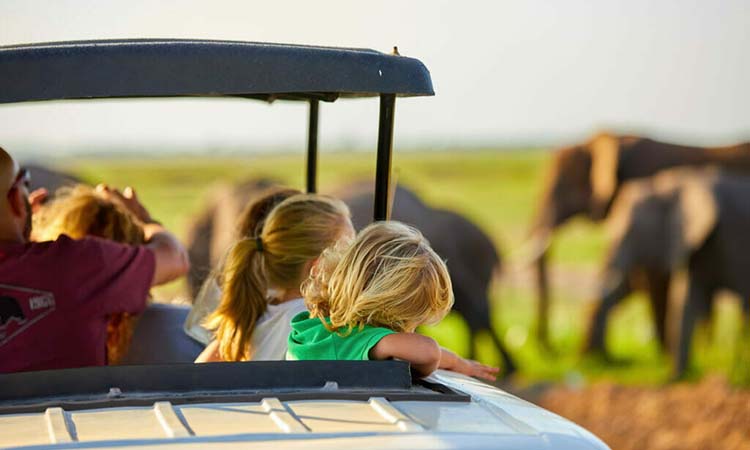
A 9-day Tanzania safari is ideal for experiencing the "Northern Circuit," featuring iconic spots like the Serengeti and Ngorongoro Crater. Top itineraries combine the Big Five with cultural visits or Zanzibar beaches, generally starting in Arusha
9-day-tanzania-safari-parks-in-northern-circuit-and-serval-wildlife
9-days-perfect-tanzania-wildlife-safari-and-kilimanjaro-climb-combon
9-days-8-nights-midrange-safari-in-tanzania-east-africa-safari
9-days-budget-tanzania-safari-vacation-holiday
9-days-luxury-family-tanzania-safari-in-africa-holiday-vacation
8 Days Tanzania safari tour
Embark on the ultimate nine-day odyssey through the Northern Circuit, a journey designed for those who seek the raw, unfiltered beauty of the African wilderness. This premier itinerary focuses on Tanzania’s most iconic landscapes, from the ancient, baobab-studded plains of Tarangire to the "Garden of Eden" within the Ngorongoro Crater. The crown jewel of your adventure is an extended, deep-dive exploration of the Serengeti National Park, where you will spend four days tracking the Big Five and witnessing the legendary Great Migration. This route is meticulously crafted to maximize wildlife encounters while providing a seamless transition from the lush highlands to the endless golden savannas. Whether it is the sight of a pride of lions on a granite kopje or a massive herd of elephants at a watering hole, this classic circuit promises a transformative safari experience that captures the true essence of East Africa.
Day 1: Arrival in Arusha
Your Tanzanian adventure begins in Arusha, the vibrant gateway to the safari stars. Upon landing at Kilimanjaro International Airport (JRO), you will be met by your private guide and transferred to your lodge. Nestled at the foothills of Mount Meru, Arusha offers a refreshing climate and lush coffee plantations that provide the perfect backdrop for recovery after your flight. Use this afternoon to relax by the pool, enjoy a briefing with your safari expert, or take a guided walk through a local coffee estate. As the sun sets, enjoy a welcome dinner where you will discuss the exciting days ahead. This first night is about acclimatization and anticipation, ensuring you are well-rested and ready to dive into the wilderness at daybreak.
Day 2: Tarangire National Park
After breakfast, you head south to Tarangire National Park, famously known as the "Home of the Giants." The park is defined by its massive Baobab trees and the highest density of elephants in Tanzania. During the dry season, the Tarangire River becomes a magnetic lifeline for wildlife, attracting thousands of zebras, wildebeests, and buffalos. Your game drive will focus on the riverbanks, where predator-prey interactions are frequent. Keep a sharp eye out for Tarangire’s famous tree-climbing pythons and the elusive leopard resting in the boughs of a sausage tree. The park’s silhouette, punctuated by prehistoric trees against a fiery sunset, offers some of the most dramatic photography opportunities in Africa. You will overnight at a lodge either inside the park or on the boundary, falling asleep to the distant trumpeting of elephants.
Day 3: Karatu and the Ngorongoro Highlands
Leaving the baobabs behind, you ascend the Great Rift Valley escarpment toward the lush, green highlands of Karatu. This region serves as the vital agricultural hub of the north and the doorstep to the Ngorongoro Conservation Area. Today is a transition day that allows for cultural immersion or relaxation. You might choose to visit a local brick-making factory, explore a colorful bustling market, or tour a traditional Iraqw village to learn about the local heritage. Alternatively, bird watchers can enjoy the forest trails around the lodge. Staying in Karatu offers a cooler climate and a chance to prepare for the early morning descent into the Crater the following day. The evening is spent in a cozy highland lodge, often featuring gardens that grow the very vegetables served at your dinner table.
Day 4: Ngorongoro Crater Floor
Today, you descend 600 meters into the Ngorongoro Crater, a UNESCO World Heritage site and a natural wonder of the world. This collapsed caldera acts as a self-contained ecosystem where over 25,000 large mammals reside. It is arguably the best place in Tanzania to see the endangered Black Rhino. Within a few hours, you are likely to check off most of the Big Five as lions, elephants, and buffalos roam the short-grass plains. The soda lake, Lake Magadi, is often shimmering pink with thousands of flamingos, while the Lerai Forest provides shade for majestic bull elephants. After a picnic lunch on the crater floor near the hippo pool, you will continue wildlife viewing before ascending to the rim. The sheer density of animals in such a confined space makes this one of the most intense wildlife days of the circuit.
Day 5: Journey to Central Serengeti
The journey continues into the "Endless Plains" of the Serengeti. As you cross the Malanja Depression, the landscape shifts from highland forest to vast, treeless grasslands. You enter the Serengeti through the Naabi Hill Gate, where you can climb the kopjes for a breathtaking 360-degree view of the plains. The Central Serengeti (Seronera Valley) is a year-round wildlife hotspot due to the permanent Seronera River. This area is world-renowned for its high concentration of big cats; it is not uncommon to spot lions, leopards, and cheetahs all in a single afternoon. Your first game drive here will introduce you to the granite outcroppings known as Kopjes, which serve as lookout points for predators. You will reach your tented camp by sunset, enjoying "safari television"—a crackling campfire under the vast African stars.
Day 6: Exploring the Seronera Valley
A full day is dedicated to the Seronera Valley, the heart of the Serengeti. Because of the permanent water source, this area supports a staggering amount of resident wildlife that does not migrate. You will set out at dawn—the best time to witness feline hunters returning from their nightly rounds or finishing a kill. You’ll explore the various loops along the river, looking for hippos in the pools and crocodiles basking on the banks. The Seronera is also a fantastic place to see the Leopard, which often drapes itself over the branches of yellow-barked acacia trees. Your guide will use their expert tracking skills to find rare sightings, perhaps a serval or a caracal. Between drives, enjoy the tranquility of your camp, listening to the sounds of the bush while the heat of the day passes.
Day 7: Heading North (Migration Tracking)
On Day 7, you trek further north toward the Mara River region or the northern plains, depending on the season and the movement of the Great Migration. This is a day of scenic travel and opportunistic game viewing. As you move away from the central hub, the crowds thin out, and the landscape becomes more rugged. You are following the path of millions of wildebeests and zebras. Your guide will communicate with other rangers to locate the largest herds. The sight of a "mega-herd" stretching to the horizon is a humbling spectacle of nature. Along the way, you might encounter massive herds of buffalo or lone giraffe silhouetted against the sky. Arriving in the Northern Serengeti, you sense a wilder, more remote atmosphere, setting the stage for the dramatic river crossing areas.
Day 8: Northern Serengeti and the Mara River
Today is focused on the drama of the Northern Serengeti. If your visit coincides with the crossing season (July–October), much of the day will be spent near the Mara River. Here, you wait for the "crossing"—the high-stakes moment where thousands of wildebeests plunge into the crocodile-infested waters. It is a scene of raw survival and incredible intensity. Even outside of crossing moments, the northern region is home to large prides of lions and territorial leopards. The scenery here is different from the south, characterized by rolling hills and hidden valleys. You will enjoy a packed lunch under a lone tree, surrounded by the sights and sounds of the migration. This is your final full day in the wild, and your guide will work to find any specific species you haven't yet checked off your list.
Day 9: Serengeti to Arusha and Departure
Your final morning begins with a "golden hour" game drive as you head toward the airstrip or begin the drive back. This is a chance for one last look at the predators on the prowl or a final photograph of a Serengeti sunrise. Depending on your preference, you may take a scenic bush flight from the Serengeti back to Arusha, providing a bird's-eye view of the path you traveled on the ground. Upon arrival in Arusha, you will have access to a day room to freshen up and enjoy a final Tanzanian meal. You can do some last-minute souvenir shopping for Tanzanite gemstones or local beadwork. Finally, you will be transferred to Kilimanjaro International Airport for your flight home, carrying with you the memories of the Big Five and the echoes of the Serengeti.
9 Days Migration Explorer & Cultural Experience
The 9-Day Migration Explorer & Cultural Experience is a profound immersion into the dual heartbeat of Tanzania: its world-class wildlife and its vibrant human heritage. This itinerary transcends the standard safari by weaving together the spectacle of the Great Migration with authentic encounters alongside East Africa’s most iconic tribes. You will journey from the elephant-rich plains of Tarangire to the shores of Lake Eyasi, where time stands still among the Hadzabe hunter-gatherers. After exploring the "Eighth Wonder of the World" at the Ngorongoro Crater, you will venture deep into the Serengeti, tracking millions of wildebeests across the savanna. This is more than a sightseeing tour; it is a transformative odyssey that connects you to the ancient survival skills of the bushmen and the majestic scale of the natural world. Designed for the curious traveler, this route balances the thrill of the Big Five with the soul-stirring depth of cultural exchange.
Day 1: Arrival in Arusha
Your journey begins in Arusha, the safari capital nestled under the watchful eye of Mount Meru. Upon arrival at Kilimanjaro International Airport, you will be greeted and whisked away to your boutique lodge. This first day is dedicated to unwinding after your international travels. Arusha is a lush, green oasis where the scent of coffee blossoms fills the air. You can spend your afternoon wandering through the vibrant gardens of your lodge, visiting a nearby social enterprise like Shanga to see local artisans at work, or simply resting by the pool. In the evening, you will meet your private guide for a comprehensive safari briefing over a gourmet dinner featuring local ingredients. It is a quiet, comfortable introduction to the Tanzanian hospitality that will accompany you throughout your nine-day expedition into the wild.
Day 2: Tarangire National Park
After an early breakfast, you depart for Tarangire National Park, a landscape dominated by the iconic "upside-down" Baobab trees. Tarangire is world-famous for its massive elephant herds, often numbering in the hundreds, which congregate around the life-giving Tarangire River. During your game drive, you will witness these gentle giants bathing and socializing in the water. The park’s diverse habitats, ranging from seasonal swamps to savanna, support a wealth of wildlife including lions, leopards, and over 500 species of birds. The dry season brings a dramatic influx of migratory animals, making it a predator's playground. As the golden hour approaches, you’ll drive to your lodge, perhaps stopping to photograph a silhouette of an elephant against a giant baobab—a quintessentially Tanzanian scene. You will fall asleep to the distant, rhythmic calls of the African night.
Day 3: Lake Eyasi and the Hadzabe Tribe
Today offers a profound shift from wildlife to humanity. You travel to the rugged shores of Lake Eyasi, home to the Hadzabe, one of the last true hunter-gatherer tribes in the world. This is an active, immersive morning; you will join the Hadzabe men on a traditional hunt, learning about their incredible tracking skills and the use of bows and arrows. You will also spend time with the women, learning about the gathering of wild tubers and medicinal plants. These people still speak a unique "click" language, unchanged for millennia. Later, you will visit the Datoga tribe, skilled blacksmiths who forge arrowheads and jewelry from scrap metal using ancient techniques. This raw, unfiltered look at human history provides a humbling perspective on survival and community, far removed from the modern world.
Day 4: Lake Manyara and the Great Rift Valley
Leaving the dry beds of Eyasi, you head to Lake Manyara National Park, a jewel tucked beneath the towering wall of the Great Rift Valley escarpment. This park is a lush contrast to the areas you’ve visited, featuring an underground water forest teeming with baboons and blue monkeys. Manyara is famous for its tree-climbing lions, which lounge in the branches of ancient mahogany trees to escape the heat. The lake itself is a shimmering expanse of alkaline water, often carpeted in a pink haze of thousands of flamingos. Your game drive will take you through diverse ecosystems, from dense woodlands to the grassy floodplain. Keep an eye out for hippos basking in the "Hippo Pool" and the elegant giraffes that frequent the acacia groves. In the late afternoon, you ascend the escarpment for breathtaking views of the valley below.
Day 5: Ngorongoro Crater Exploration
Prepare for an early descent into the Ngorongoro Crater, a magnificent natural amphitheater and a UNESCO World Heritage site. This intact volcanic caldera provides a sanctuary for over 25,000 large animals, including the "Big Five." Because the crater walls act as a natural enclosure, the wildlife viewing here is unparalleled in its density. You will navigate the alkaline Lake Magadi, watching for rhinos in the tall grasses and prides of lions stalking their next meal. The Lerai Forest offers a sanctuary for the crater’s massive "tusker" elephants. Enjoy a picnic lunch near a hippo-filled swamp, soaking in the surreal beauty of being inside a volcano. In the afternoon, you visit a Maasai Boma on the crater rim, where you can engage with these famous pastoralists, learn about their cattle-centric culture, and witness their traditional jumping dances.
Day 6: Into the Serengeti Plains
Today you travel into the legendary Serengeti National Park, passing through the Malanja Depression where Maasai herds graze alongside wild zebras. The name "Serengeti" is derived from the Maasai word Siringet, meaning "endless plains." As you enter the park, the horizon expands infinitely. This is the land of the Great Migration, and your guide will navigate toward the areas where the herds are currently concentrated. Whether it’s the southern calving grounds or the central valley, you will find yourself surrounded by a sea of wildebeests and zebras. The sheer scale of life is overwhelming. You’ll spend the afternoon on a game drive, tracking predators like cheetahs and hyenas that follow the migration. Your evening is spent in a luxury tented camp, where the thin canvas walls allow you to feel completely at one with the wilderness.
Day 7: Tracking the Migration
A full day is dedicated to following the pulse of the Great Migration. Depending on the time of year, you might witness the frantic energy of the calving season or the determined northward trek toward the Mara River. The Serengeti’s ecosystem is dynamic; your guide will use local knowledge to find the most active "crossing" or "grazing" points. Beyond the migration, you will explore the granite kopjes, massive rock formations that serve as lookout points for lions and leopards. These islands of stone in a sea of grass are often home to small families of hyraxes and colorful lizards. Lunch is served "bush-style" under an acacia tree, allowing you to maximize your time in the field. Every turn of the trail offers a new drama—a lioness stalking her prey or a newborn zebra taking its first wobbly steps.
Day 8: Deep Savanna Immersion
Spend another day deep in the Serengeti to truly absorb the rhythm of the wild. Having seen the massive herds, today you might focus on the "Small Five" or the park’s incredible birdlife, which exceeds 500 species. You could opt for an early morning Hot Air Balloon Safari (optional) to glide silently over the herds as the sun rises. On the ground, you’ll explore more remote areas of the park, away from the main tracks, seeking out the elusive leopard or a rare sighting of a caracal. The Serengeti is a place of infinite stories; today is about the finer details of the bush—the complex social structures of a baboon troop or the symbiotic relationship between rhinos and oxpeckers. As the sun sets on your final full day in the savanna, enjoy a "sundowner" drink, reflecting on the incredible journey you’ve undertaken.
Day 9: Serengeti to Arusha and Farewell
On your final day, enjoy a sunrise game drive as you make your way toward the airstrip or the park exit. The early light provides the perfect conditions for last-minute photography, often catching the predators at their most active. After a final bush breakfast, you will take a scenic flight from the Serengeti back to Arusha. This flight offers a stunning perspective of the Rift Valley, the crater highlands, and the vast plains you have just explored. Upon arrival in Arusha, you will have access to a day room at a local lodge to freshen up and repack. You might visit the Cultural Heritage Centre for some final shopping before a farewell lunch. Finally, you will be transferred to the airport, leaving Tanzania with a heart full of stories and a soul touched by the ancient spirit of Africa.
9 Days Tanzania Safari & Zanzibar Beach Escape
The 9-Day Tanzania Safari & Zanzibar Beach Escape is the ultimate "surf and turf" adventure, seamlessly blending the adrenaline of a world-class safari with the serene tranquility of the Indian Ocean. Your journey begins in the wild heart of the Northern Circuit, where you will encounter the massive elephant herds of Tarangire, the dense predator populations of the Ngorongoro Crater, and the iconic, endless horizons of the Serengeti. After six days of tracking the Big Five and witnessing the raw drama of the savanna, you will trade your safari boots for sandals. A direct flight whisks you from the golden plains to the spice-scented shores of Zanzibar. Here, you will explore the winding, historic alleys of Stone Town and unwind on the pristine white sands of Matemwe Beach. This itinerary is perfectly balanced for those who want to experience Africa’s most legendary wildlife spectacles before retreating to a tropical paradise to reflect and recharge.
Day 1: Arrival in Arusha
Your Tanzanian odyssey commences in Arusha, a bustling city situated at the base of Mount Meru. Upon arrival at Kilimanjaro International Airport, your driver will transfer you to a quiet lodge nestled among coffee plantations. This day is designed for relaxation and preparation. After checking in, you can stroll through the fragrant gardens, listen to the vibrant birdlife, or visit the Arusha Cultural Heritage Centre to admire African art and gemstones. In the late afternoon, you will meet your professional safari guide for an indepth briefing on the wildlife and terrain you are about to encounter. A delicious dinner featuring fresh, local produce sets the tone for your adventure. As you settle in for your first night, the cool mountain air and the distant sounds of the city fading into the bush provide a peaceful prelude to the excitement of the safari ahead.
Day 2: Tarangire National Park
After breakfast, you drive to Tarangire National Park, a landscape defined by its ancient, bulbous Baobab trees and the shimmering Tarangire River. This park is a sanctuary for Tanzania’s largest population of elephants; seeing herds of three hundred individuals is not uncommon. During your game drive, you will explore the riverbanks where thirsty wildebeests, zebras, and giraffes congregate, closely watched by lions and leopards. Tarangire’s unique ecosystem also supports rare species like the fringe-eared oryx and the long-necked gerenuk. The birdlife is equally spectacular, with over 500 species recorded. After a picnic lunch overlooking a valley teeming with life, you will continue your exploration of the silty marshes and savanna. As evening falls, you will head to your lodge, enjoying a "sundowner" as the sky turns a deep violet behind the silhouettes of the prehistoric baobabs, marking a triumphant first day of wildlife viewing.
Day 3: The Ngorongoro Crater
Today you visit the "Eighth Wonder of the World," the Ngorongoro Crater. You will descend 600 meters into this massive, intact volcanic caldera, which hosts a permanent census of 25,000 large mammals. The crater floor is one of the few places on Earth where you can see the Big Five in a single morning. You will scan the horizon for the rare Black Rhino, watch prides of lions lounging in the sun, and observe massive "tusker" elephants wandering through the Lerai Forest. The soda lake in the center is often a carpet of pink flamingos, while hippos grunt in the nearby swamps. The sheer density of wildlife in this enclosed natural amphitheater is breathtaking. After a full day of sightings and a scenic picnic lunch on the crater floor, you will ascend the steep walls to a lodge on the rim, offering a spectacular panoramic view of the caldera below.
Day 4: Serengeti National Park
Leaving the highlands behind, you travel toward the "Endless Plains" of the Serengeti. En route, the landscape transforms from lush forests to vast, golden grasslands. You will enter the park through the Naabi Hill Gate, immediately beginning your game drive as you head toward the Central Serengeti. This region, known as Seronera, is world-famous for its high concentration of big cats. Your guide will navigate the granite kopjes, which serve as the preferred lookout points for lions and cheetahs. The Serengeti’s scale is humbling; as far as the eye can see, the plains are dotted with grazing gazelles and zebras. By late afternoon, you will arrive at your luxury tented camp. Here, you can enjoy a shower and a drink by the fire, listening to the evocative sounds of the African night—the distant roar of a lion or the laugh of a hyena—while under a canopy of stars.
Day 5: Seronera Valley Exploration
Spend a full day exploring the Seronera Valley, the heart of the Serengeti. Because this area has permanent water sources, it supports resident wildlife year-round, making it a predator’s paradise. You will set out at first light, the prime time to catch leopards descending from their trees or lions finishing a night-time hunt. Your guide will follow the river loops, searching for hippos, crocodiles, and the elusive serval cat. The valley is also a haven for giraffes, which browse on the acacia trees, and vast herds of buffalo. Between morning and afternoon game drives, you can relax at camp, soaking in the stillness of the wilderness. This day is about the rhythm of the savanna; there is no rush, only the patient observation of nature’s daily dramas. As the sun sets, the Serengeti transforms into a masterpiece of orange and gold, providing a perfect backdrop for your final night in the bush.
Day 6: Safari to Zanzibar (The Flight)
After a final sunrise game drive and a hearty bush breakfast, you bid farewell to the savanna and head to the Seronera airstrip. You will board a bush plane for a spectacular scenic flight across the Tanzanian mainland, soaring over the Great Rift Valley and the crater highlands before the turquoise waters of the Indian Ocean come into view. Upon landing in Zanzibar, the change in atmosphere is immediate; the dry heat of the plains is replaced by a warm, spice-scented tropical breeze. You will be met and transferred to Stone Town, the historic heart of the island. Spend the late afternoon wandering through its labyrinthine alleys, admiring the famous carved wooden doors and the fusion of African, Arab, and Indian architecture. In the evening, visit the Forodhani Gardens night market to sample local seafood and "Zanzibar pizza" as the dhows sail past at sunset.
Day 7: Stone Town to Matemwe Beach
Your morning begins with a guided tour of Stone Town, a UNESCO World Heritage site. You will visit the former slave market, the House of Wonders, and the Sultan’s Palace, learning about the island’s complex history and the lucrative spice trade. Afterward, you will drive across the island, perhaps stopping at a spice plantation to see how cloves, nutmeg, and cinnamon are grown. Your destination is the tranquil northeast coast at Matemwe Beach. This area is famous for its long, palm-fringed stretches of white sand and its view of the Mnemba Atoll. After checking into your beachfront resort, the rest of the day is yours to unwind. Sink your toes into the powdery sand, take a dip in the warm turquoise water, or simply lounge in a hammock with a book. The transition from the rugged Serengeti to this tropical eden is complete, and the relaxation truly begins.
Day 8: Relaxation at Matemwe
Today is dedicated entirely to leisure and the sea. Matemwe offers some of the best diving and snorkeling in Zanzibar, particularly around the nearby Mnemba Atoll, where the coral reefs are teeming with tropical fish and dolphins are frequently spotted. You can arrange a traditional wooden dhow to take you out for a morning of snorkeling, followed by a seafood lunch on the boat. Alternatively, stay on land and enjoy the rhythmic ebb and flow of the tide. Watch the local seaweed farmers at work during low tide or take a long walk along the pristine coastline. For those seeking more activity, kayaking or village walks are available. As evening approaches, enjoy a final farewell dinner on the beach under the stars, reflecting on the incredible contrast between the dust of the Serengeti and the salt of the Indian Ocean—a truly holistic Tanzanian experience.
Day 9: Departure from Zanzibar
Your final morning in paradise allows for one last swim in the Indian Ocean or a leisurely breakfast overlooking the reef. Depending on your flight schedule, you may have time for some last-minute souvenir shopping for local textiles or spices. Your driver will then transfer you to Zanzibar International Airport for your departure flight. As you soar over the islands and the mainland, you’ll carry with you the diverse memories of your 9-day journey: the trumpeting of Tarangire’s elephants, the ancient walls of the Ngorongoro Crater, the endless golden grass of the Serengeti, and the serene, turquoise beauty of Zanzibar’s shores. You leave with a deep appreciation for the natural wonders and cultural richness of Tanzania, having experienced the very best of Africa’s wild heart and its most soulful coast.
9 Days Off-the-Beaten-Path Northern Adventure
The 9-Day Off-the-Beaten-Path Northern Adventure is meticulously designed for the intrepid traveler seeking solitude and raw, volcanic landscapes far from the standard tourist trails. This journey deviates from the predictable, guiding you through the dramatic scenery of the Great Rift Valley and the stark, crimson beauty of Lake Natron, home to the world’s most significant flamingo breeding grounds. You will witness the staggering diversity of Arusha National Park and the elephant kingdoms of Tarangire before venturing into the remote northern reaches of the Serengeti. This route prioritizes a sense of discovery, taking you through rugged corridors where the earth feels ancient and untouched. By combining the legendary river crossings of the north with the geological wonders of active volcanoes and soda lakes, this itinerary offers a sophisticated, high-adventure perspective on Tanzania. It is an invitation to explore the quiet corners of the wild, where the only audience to the spectacle of nature is you.
Day 1: Arusha National Park
Your adventure begins with a hidden gem: Arusha National Park. Often bypassed by mainstream tours, this park offers a stunning introduction to Tanzania’s varied ecosystems. You will explore the lush montane forests of Mount Meru, where the striking black-and-white colobus monkeys leap through the canopy. A highlight of the day is a visit to the Momella Lakes, a series of alkaline bodies of water that shimmer with varying shades of green and blue, often dotted with pink flamingos. This park is one of the few places where you can enjoy a guided walking safari, allowing you to experience the thrill of being on foot near giraffes, buffalo, and zebras. The day concludes with a drive to the rim of the Ngurdoto Crater, often called "Little Ngorongoro," offering spectacular views of the forest floor below before you retire to your lodge in Arusha.
Day 2: Tarangire’s Elephant Empire
After breakfast, you head to Tarangire National Park, a sanctuary of ancient baobabs and massive elephant herds. Tarangire’s landscape is rugged and grand, characterized by rolling hills and the life-giving Tarangire River. During the dry season, the river becomes a focal point for thousands of migratory animals, including wildebeests, zebras, and the rare fringe-eared oryx. Your game drive will take you deep into the park’s southern reaches, away from the busier entrance gate, to find secluded watering holes where predators like lions and leopards lie in wait. The park is a photographer’s dream, offering dramatic lighting against the backdrop of prehistoric trees. You will spend the night at a lodge overlooking the valley, listening to the sounds of the African bush and watching the stars emerge over one of the most biodiverse regions in the country.
Day 3: Journey to Lake Natron
Today you leave the savanna behind and journey into the heart of the Rift Valley toward Lake Natron. This is a spectacular, rugged drive through semi-arid landscapes and Maasai villages. As you descend the escarpment, the majestic silhouette of Ol Doinyo Lengai, the "Mountain of God," dominates the horizon. This is the only active carbonatite volcano in the world. Upon arrival at Lake Natron, you will be greeted by a surreal, lunar-like landscape. The lake is highly alkaline and caustic, yet it serves as the primary breeding ground for 2.5 million Lesser Flamingos. You will take a sunset walk along the lake’s shores, witnessing the vibrant pink birds against the deep red, mineral-crusted waters. This remote outpost offers a profound sense of isolation and geological wonder, far removed from the modern world.
Day 4: Exploring Natron and Engare Sero
Start your morning with a hike to the Engare Sero Waterfalls. Tucked away in a deep gorge, these falls provide a refreshing palm-fringed oasis in the middle of the parched Rift Valley floor. You can swim in the natural pools and enjoy the dramatic scenery of the canyon walls. Later, you will visit a local Maasai community. Because this area is off the main tourist track, the cultural interactions here are exceptionally authentic. You will learn about their traditional pastoralist lifestyle and their deep spiritual connection to the volcano. In the afternoon, you can explore the nearby hominid footprints—ancient tracks preserved in the mud that date back thousands of years. The day ends with a campfire at your camp, under the watchful eye of the glowing volcano, experiencing the silence of the vast, open wilderness.
Day 5: Crossing into the Northern Serengeti
Today involves a long but breathtaking drive as you cross from the Rift Valley floor into the Northern Serengeti. This route takes you through the Loliondo Game Controlled Area, a scenic corridor where wildlife moves freely outside the park boundaries. As you climb higher, the landscape shifts from arid plains to rolling green hills. This is one of the most remote sections of the Serengeti, and you will likely see very few other vehicles. This region is the theater for the Mara River crossings during the migration season. Even outside of the migration, the north is home to large resident prides of lions and the "kopje-loving" leopards. You will arrive at your camp in the late afternoon, perfectly positioned to begin your exploration of the Serengeti’s wilder, northern frontier at daybreak tomorrow.
Day 6: The Mara River and Northern Plains
A full day is dedicated to the Northern Serengeti, a region defined by the treacherous Mara River. Your guide will spend the day tracking the migration herds, searching for the intense moments when wildebeests gather on the riverbanks, hesitant to plunge into the water. The tension is palpable as they face both the current and the enormous Nile crocodiles waiting below. This area is also excellent for spotting cheetahs on the open plains and lions patrolling the rocky outcrops. The North is significantly less crowded than the central Serengeti, allowing for a more intimate and quiet wildlife experience. Between sightings, you will enjoy a picnic lunch in the shade of an acacia tree, looking out over the hills that roll toward the Kenyan border. It is a day of raw survival and epic scenery.
Day 7: Central Serengeti and Seronera
Heading south, you travel from the rugged north toward the Central Serengeti (Seronera Valley). This transition allows you to witness the diversity of the park’s geography, from the hilly woodlands of the north to the classic, open savannas of the center. The Seronera Valley is famous for its high density of big cats, particularly leopards and lions, thanks to the year-round presence of the Seronera River. You will explore the river loops, looking for hippos and crocodiles, while keeping an eye on the tall yellow-barked acacia trees for resting leopards. The central region serves as a vibrant hub of activity where you can observe a wide variety of species, including giraffes, elephants, and buffalos, all coexisting in the heart of the park. You will overnight in a tented camp, enjoying the quintessential "Out of Africa" experience.
Day 8: Ngorongoro Crater Floor
After an early breakfast, you depart the Serengeti and head toward the Ngorongoro Conservation Area. You will descend into the Ngorongoro Crater, a UNESCO World Heritage site and a self-contained Eden. The 20-kilometer-wide caldera holds an incredible concentration of wildlife, including the rare Black Rhino. Within the crater's varied habitats—swamp, forest, and savanna—you will encounter lions, hyenas, and massive bull elephants. The soda lake, Magadi, is a magnet for water birds, while the Lerai Forest provides a canopy for monkeys and leopards. After a full day of game viewing and a picnic lunch near a hippo pool, you will ascend the crater walls. Staying on the rim tonight provides a cool mountain climate and one of the most famous views in Africa as the sun sets over the ancient caldera floor.
Day 9: Departure to Arusha
On your final day, you enjoy a leisurely breakfast on the crater rim, soaking in the last views of the "Eighth Wonder of the World." You will then begin your drive back toward Arusha. This scenic return journey takes you through the highland wheat and coffee plantations of Karatu and back down the Rift Valley escarpment. You will have the opportunity to stop at a local market or the Mto wa Mbu village for some final cultural insights and souvenir shopping—look for the unique Makonde carvings or colorful tingatinga paintings. Upon reaching Arusha, you will be provided with a day room to refresh and relax before your transfer to Kilimanjaro International Airport. You depart with the memory of hidden waterfalls, crimson lakes, and the thunderous river crossings of the great northern wilderness.
9 Days Northern Tanzania Luxury Camping
The 9-Day Northern Tanzania Luxury Camping safari is the definitive choice for those who desire a raw connection with the wild without surrendering the refinements of high-end travel. This itinerary centers on the use of luxury mobile tented camps, which are strategically moved throughout the year to ensure you are always in the heart of the action, whether following the Great Migration or seeking out the most active predator territories. You will trade permanent structures for the romance of canvas, falling asleep to the rhythmic chorus of the savanna while enjoying mahogany furniture, fine linens, and en-suite facilities. From a private guide navigating the elephant-rich corridors of Tarangire to an exclusive stay on the very rim of the Ngorongoro Crater, every detail is curated for intimacy and exclusivity. This journey is about the "unfiltered" Africa—where the barrier between you and the wilderness is a mere layer of canvas, yet every need is anticipated by a dedicated camp crew.
Day 1: Arrival in Arusha
Your luxury expedition begins in Arusha, the lush gateway to Tanzania’s northern treasures. Upon arrival at Kilimanjaro International Airport (JRO), you will be met by a private chauffeur and transferred to a secluded luxury lodge or coffee estate at the foothills of Mount Meru. The afternoon is yours to recover from your journey; you might choose to take a guided walk through the aromatic coffee plantations, indulge in a spa treatment, or simply relax by the infinity pool. In the evening, you will meet your private safari guide for an in-depth briefing over a gourmet welcome dinner. This night serves as a gentle transition into the African rhythm, ensuring you are refreshed and prepared for your first foray into the bush the following morning.
Day 2: Tarangire National Park
After a leisurely breakfast, you depart for Tarangire National Park, a landscape famous for its ancient baobabs and the highest density of elephants in the country. You will enter the park for a full-day game drive, focusing on the Tarangire River, which acts as a magnet for wildlife. In your private, open-sided vehicle, you’ll witness massive herds of elephants socializing and bathing. Your first night of luxury camping takes place in a secluded area of the park. These camps provide a "vintage safari" feel with modern comforts—think sundowners by a crackling fire and three-course meals served under the stars. The isolation of these camps allows for an incredibly personal connection to the land, far from the larger lodges and tourist crowds.
Day 3: Exploring the Tarangire Silale Swamp
Spend a full day exploring the more remote corners of Tarangire, specifically the Silale Swamp. This vast green wetland acts as a giant sponge, attracting thousands of zebras, wildebeests, and buffalos, which in turn draw in predators like lions and leopards. Because you are in a luxury camp with a private guide, your schedule is entirely flexible; you can choose to spend hours observing a single pride or track the rare fringe-eared oryx across the plains. Between drives, you’ll enjoy a gourmet picnic lunch in a shaded spot overlooking the marsh. In the late afternoon, return to your luxury tent for a bucket shower—a classic safari tradition—followed by drinks around the campfire as the bush comes alive with nocturnal sounds.
Day 4: Ngorongoro Crater Rim
Leaving Tarangire, you ascend into the lush, mist-covered Ngorongoro Highlands. Today’s highlight is arriving at a luxury tented camp situated directly on the Crater Rim. This is one of the most exclusive locations in Tanzania, offering a panoramic view of the 600-meter-deep caldera below. After checking into your tent, which is often equipped with a wood-burning stove to ward off the highland chill, you can take a guided nature walk along the rim. Guided by a Maasai warrior, you’ll learn about the local flora and the spiritual significance of the crater. As the sun sets, the view from your camp is unparalleled, providing a sense of immense scale and silence before your descent into the "Eighth Wonder of the World" tomorrow.
Day 5: Ngorongoro Crater Floor
At daybreak, you descend the steep crater walls into a self-contained ecosystem teeming with over 25,000 large mammals. This is your best opportunity to spot the endangered Black Rhino roaming the open plains. The crater floor offers an incredible density of wildlife; you are likely to see lions, hyenas, and massive bull elephants within a very small radius. Your private guide will navigate the diverse habitats, from the soda Lake Magadi to the Lerai Forest. After a private picnic lunch at a scenic spot away from the main crowds, you will continue game viewing before ascending back to the rim. Spending a second night on the rim allows you to fully absorb the majesty of this UNESCO World Heritage site as the evening mists roll over the caldera.
Day 6: Into the Serengeti (Central/Southern)
Today you travel into the "Endless Plains" of the Serengeti. Depending on the season, your luxury mobile camp will be positioned in either the Central (Seronera) or Southern (Ndutu) region to maximize your proximity to the wildlife. As you enter the park, you’ll begin game viewing immediately, crossing the vast grasslands that host the Great Migration. The move to a mobile camp here means you are living "inside" the migration’s path. Upon arrival, you’ll find your luxury tent waiting—a sanctuary of comfort in the middle of the wilderness. The afternoon is spent exploring the nearby kopjes, the granite outcrops that serve as the preferred lookout points for Serengeti’s big cats, particularly cheetahs and lions.
Day 7: Full Day in the Heart of the Serengeti
A full day is dedicated to the rhythms of the Serengeti. If you are in the south during the calving season (January–March), you will witness thousands of newborn wildebeests and the intense predator activity that follows. If in the central region, you will focus on the resident big cats and the diverse wildlife of the Seronera River valley. Your luxury camp provides a perfect base; you can opt for a "bush breakfast" to maximize your morning game drive time. The beauty of luxury camping is the ability to hear the sounds of the savanna—the whoop of a hyena or the distant roar of a lion—through your tent walls, creating an immersive experience that no permanent lodge can replicate.
Day 8: Deep Savanna Exploration
On your final full day in the Serengeti, you might choose to venture further afield to find more secluded sightings. Your private guide can take you to hidden waterholes or follow the movement of a specific leopard family. This is also an ideal day for an optional Hot Air Balloon Safari, gliding silently over the plains at dawn for a bird’s-eye view of the wildlife. Back on the ground, the focus is on the "Small Five" and the park’s spectacular birdlife. As evening approaches, your camp crew will prepare a final celebratory dinner in the bush. This is a time for reflection on the incredible journey, enjoying the luxury of silence and the vast, unpolluted African night sky.
Day 9: Departure to Arusha
Your final morning begins with a "golden hour" game drive as you make your way toward the Seronera or Ndutu airstrip. This is your last chance to catch the predators at their most active before the sun climbs high. You will board a scenic flight back to Arusha, flying over the Great Rift Valley and providing a stunning final perspective of the landscapes you’ve explored. Upon arrival in Arusha, you will have access to a day room to refresh and enjoy a final lunch. You may visit the local markets for last-minute souvenir shopping before being transferred to Kilimanjaro International Airport for your departure. You leave Tanzania with the spirit of the bush in your soul, having experienced the wild in its most authentic and comfortable form.
Planning an 8-day Tanzania safari requires a deep understanding of the Northern Circuit's logistics. Based on 2026 travel trends and operational standards, here is a comprehensive breakdown of your questions to assist in your planning.
What is the best 8-day Tanzania safari itinerary?
The itinerary you highlighted—covering Arusha, Tarangire, Lake Manyara, the Serengeti, and Ngorongoro—is widely considered the "Gold Standard" of Northern Tanzania. This route is strategically designed to provide a diverse cross-section of ecosystems. Starting in Arusha, you allow for a necessary "soft landing" to manage jet lag and gear checks. Tarangire follows, offering a rugged landscape dominated by baobabs and massive elephant herds that provide an immediate, high-impact wildlife experience. Lake Manyara serves as a scenic contrast with its lush groundwater forests and flamingos.
The heart of the trip lies in the Serengeti, where two full days in the Central (Seronera) region ensure a very high probability of seeing large predators like lions and leopards, which are resident there year-round. The transition to the Ngorongoro Crater on Day 6 and 7 is the grand finale; descending into the caldera is often the highlight of the trip due to the sheer density of animals. This sequence is logistically efficient because it follows a geographical loop, reducing "dead" travel time and ensuring that every day builds in excitement and variety, concluding with a manageable drive back to Arusha for departure.
What is included in a typical 8-day safari?
A typical comprehensive package is designed to be largely hassle-free so that guests can focus entirely on the wilderness. The core of any high-quality safari is the private 4x4 Land Cruiser with a pop-up roof for 360-degree viewing. This vehicle is your mobile home for eight days, equipped with a fridge for cold drinks and charging ports for cameras. Accompanying you is a professional silver- or gold-level guide, whose expertise in animal behavior and topography is the most valuable part of the inclusion.
Financially, the package covers all National Park entrance fees and Crater service fees, which are substantial in Tanzania. Accommodation is typically full-board, meaning all meals (breakfast, picnic lunches in the bush, and multi-course dinners) are included. Most mid-range to luxury packages also include airport transfers from Kilimanjaro (JRO) and bottled water throughout the journey. What is usually excluded are international flights, the Tanzanian visa (approx. $50–$100), travel insurance, alcoholic beverages (unless in a high-end luxury camp), and personal tips for the guide and camp staff.
When is the best time for an 8-day Tanzania safari?
Timing is everything in East Africa. The Peak Season (June to October) coincides with the long dry season. During this time, the vegetation thins out and water sources dry up, forcing animals to congregate around predictable rivers and waterholes. This makes wildlife spotting significantly easier, and the weather is generally pleasant with clear skies and very few mosquitoes. This is also the time for the dramatic Mara River crossings in the North.
The Calving Season (January to February) is the hidden gem of Tanzanian tourism. During these months, the Great Migration herds are in the Southern Serengeti and Ndutu areas. Within a short window, hundreds of thousands of wildebeest calves are born, leading to an incredible spike in predator activity as lions, cheetahs, and hyenas take advantage of the abundance of prey. This is arguably the best time for high-action photography. The "Green Season" (March to May) brings the long rains; while some roads can be challenging, this period offers the lowest prices, fewer crowds, and stunning emerald landscapes that are perfect for birdwatching.
Can I see the Great Migration in 8 days?
Yes, but seeing the Great Migration requires moving your "home base" to match the herds' current location. The Migration is a dynamic, year-round cycle, not a single event. To see it in an 8-day window, you must align your itinerary with the seasonal movement:
- January–March: You must stay in the Southern Serengeti or Ndutu. This is where the herds congregate for the calving season on the nutrient-rich short-grass plains.
- May–July: The herds move through the Western Corridor. If you want to see the Grumeti River crossings, this is the area to target.
- August–October: This is the most famous window for the Northern Serengeti (Kogatende). This is the only time and place to witness the iconic Mara River crossings.
- November–December: The herds are moving south through the eastern limits of the park back toward the plains.
In an 8-day itinerary, if you wish to see the Migration, you may need to swap "Central Serengeti" for the specific region where the herds are located, or add a short internal flight to save the 6-7 hour drive to the remote North.
Is it better to stay inside or outside the parks?
The choice between staying inside or outside the parks depends on your budget versus your desire for immersion. Staying inside the parks (in "public" or "private" tented camps and lodges) is the superior experience. It allows you to be "in the wild" 24/7. You will hear lions roaring at night and be on the trail at the first light of dawn without waiting for park gates to open. For the Serengeti and Ngorongoro, staying inside is highly recommended to avoid long commutes.
Staying outside the parks is most common in the "Highlands" area around Karatu (near Ngorongoro) or near the gates of Tarangire and Manyara. The benefit here is cost; lodges outside the park are often more affordable and sometimes offer more "resort-style" amenities like large swimming pools and expansive gardens. However, staying outside means you are subject to park gate hours (typically 6:00 AM to 6:00 PM), which can eat into your prime "golden hour" viewing time. For an 8-day trip, a "hybrid" approach is often best: stay in a beautiful estate in Karatu for the mid-section of the trip, but insist on staying inside the Serengeti to maximize your time in the bush.
What should I pack for a 7–8-day safari?
Packing for Tanzania is a lesson in layering. The most common mistake travelers make is assuming Africa is always hot. In reality, early morning game drives in an open vehicle can be biting cold, especially in the Ngorongoro Highlands where temperatures can drop to 10°C (50°F). A high-quality fleece or a light down jacket is essential.
For clothing, stick to neutral tones—khaki, tan, and olive green. Avoid bright whites (they get dusty immediately), and strictly avoid dark blue or black clothing, as these colors are magnets for tsetse flies in certain wooded areas. Essential gear includes a high-quality pair of binoculars (don't rely solely on the guide's pair), a camera with a telephoto lens (at least 300mm), and plenty of spare memory cards. Since 2026 standards favor eco-conscious travel, bring a reusable water bottle and biodegradable sunblock. Finally, don't forget a small "day pack" to keep your essentials—wet wipes, lip balm, and sanitizers—handy during the long hours spent in the vehicle.
How much does a 8-day Tanzania safari cost?
The cost of an 8-day safari is largely determined by the "tier" of accommodation and whether the safari is private or a group-join. In 2026, Mid-Range packages typically cost between $2,800 and $4,200 per person. This level usually features "comfort" lodges or permanent tented camps with en-suite bathrooms and good meals. You get a private vehicle and a highly experienced guide.
Luxury packages start at $5,500 and can easily exceed $10,000 per person. At this level, you are staying in world-class properties (like those from Singita, &Beyond, or Lemala) that offer gourmet dining, private plunge pools, and often include "fly-in" segments where you skip the long drives between parks by using light aircraft. Budget/Camping safaris (sleeping in small ground tents with shared bathrooms) can be done for $1,800–$2,200, but these are physically demanding and less common for an 8-day duration. Remember that roughly 30-40% of your total cost goes directly to the Tanzanian government in the form of park and concession fees, which helps fund conservation efforts.
Is a hot air balloon ride worth it?
A hot air balloon safari over the Serengeti is one of the most iconic travel experiences in the world, but at roughly $550 to $600 per person, it is a significant investment. Whether it is "worth it" depends on your perspective. The experience begins before dawn with a drive to the launch site, followed by a silent, hour-long flight as the sun rises over the savanna. From the air, you get a unique perspective on the scale of the Migration and can spot animal tracks and hidden pools that are invisible from the ground.
The flight concludes with a traditional "Champagne Bush Breakfast"—a full English breakfast served under an acacia tree in the middle of the Serengeti, complete with white linen and fine china. For many travelers, this single morning is the highlight of their entire African journey. If you are celebrating a birthday, honeymoon, or anniversary, it is an absolute must. However, if your primary goal is high-intensity wildlife photography, you might find that the same $600 invested in an extra day of private ground-based game driving yields more "close-up" results.
What is the best way to see the Big Five in 8 days?
To see the Big Five (Lion, Leopard, Elephant, Buffalo, and Rhino) in 8 days, you must visit specific parks that favor each species.
- Elephant: Tarangire is the undisputed king of elephants. You will see them in massive herds around the river.
- Buffalo & Lion: These are the easiest to find. They are found in high concentrations in both the Serengeti and the Ngorongoro Crater.
- Leopard: These are elusive and solitary. The Central Serengeti (Seronera Valley) is the best place to find them, as the area’s dense acacia and sausage trees provide the perfect habitat for them to hide their kills.
- Rhino: The Ngorongoro Crater is your best (and often only) chance to see the endangered Black Rhino. There is a small population that lives on the crater floor and is protected 24/7 by rangers.
While "guarantees" don't exist in nature, an 8-day Northern Circuit tour gives you a 90% chance of seeing four of the five, with the Rhino being the "prize" that requires a bit of luck and a sharp-eyed guide.
Do I need visas for Tanzania?
Most international travelers (including citizens of the US, UK, Canada, and the EU) require a visa to enter Tanzania. As of 2026, there are two primary ways to obtain one. The E-Visa is the recommended method. You apply online via the official Tanzanian Immigration website at least 2 to 3 weeks before your trip. The process is straightforward, and once approved, you simply present the printed confirmation at the airport. This allows you to skip the long "Visa on Arrival" lines, which can take over two hours during peak season.
The Visa on Arrival is still available at major entry points like Kilimanjaro International Airport (JRO) and Dar es Salaam (DAR). You will need $50 USD in crisp, new bills ($100 for US citizens due to a reciprocal agreement). While it is a functional backup, the process involves three separate queues (application, payment, and finger-printing), which can be exhausting after a long international flight. Note: Ensure your passport is valid for at least six months beyond your departure date and has at least two blank pages.
How long are the drives between parks?
Tanzania is a massive country, and "African miles" are different from highway miles. While the distances on a map look short, the roads can be bumpy, dusty, and restricted by speed limits.
- Arusha to Tarangire/Manyara: Approx. 2 to 3 hours on paved roads.
- Manyara to Ngorongoro (Karatu): Approx. 1 to 2 hours of winding uphill driving.
- Ngorongoro to Central Serengeti: This is the longest stretch, taking 5 to 7 hours. However, much of this is a "game drive en route," meaning you are viewing wildlife as you travel through the Ngorongoro Conservation Area and into the Serengeti.
- Central Serengeti to North Serengeti: Approx. 4 to 6 hours.
The "long drives" are rarely boring because the scenery is constantly shifting, and you are often passing through Maasai lands where you can see traditional life unfolding. Most travelers find that the 4x4 vehicles are comfortable enough that the travel becomes an integral part of the adventure rather than a chore.
Can I combine the safari with a trip to Zanzibar?
Combining a safari with Zanzibar is the most popular "add-on" in East Africa, creating a perfect balance of adventure and relaxation. In an 8-day window, you can follow a "5-Day Safari / 3-Day Beach" split. This typically involves 5 days hitting the highlights (Tarangire, Ngorongoro, and Central Serengeti) followed by a direct flight from a bush airstrip like Seronera to Zanzibar.
By flying directly from the Serengeti to Zanzibar (a roughly 2-hour flight), you avoid the long drive back to Arusha and save an entire day of travel. Once in Zanzibar, you can spend one night in Stone Town to experience the spice markets and historic architecture, followed by two nights at a beach resort in Nungwi or Paje. This "Bush and Beach" combination allows you to wash off the Serengeti dust in the turquoise waters of the Indian Ocean. If you have 10–12 days, you can do a full 8-day safari and still have 4 days for the beach, which is the ideal pacing.
Is it safe to go on a safari in Tanzania?
Tanzania is one of the most stable and peaceful countries in Africa, and the safari industry is its most professional sector. From a human safety perspective, the tourism corridors are very well-regulated. Guides are highly trained not just in wildlife, but in guest safety and vehicle maintenance. Crimes against tourists on safari are extremely rare.
From a wildlife safety perspective, you are safe as long as you follow the "Rules of the Park." You must stay inside the vehicle at all times except in designated picnic areas. Animals in the Northern Circuit are "habituated" to vehicles, meaning they see the Land Cruiser as a neutral object and generally ignore it—provided you don't stand on the seats or make loud, sudden noises. At night, if you are staying in an unfenced tented camp, you will be escorted to and from your tent by an armed ranger or a Maasai watchman (askari). They are experts at reading the environment and ensuring no predators are nearby, allowing you to enjoy the thrill of the wild with total peace of mind.
What is a "game drive en route"?
A "game drive en route" is a clever logistical feature of Tanzanian safaris that turns transit time into active wildlife viewing. Because parks like the Serengeti and the Ngorongoro Conservation Area are contiguous, there are no fences between them. When you leave your lodge in the Serengeti to head toward the Ngorongoro Crater, you don't just "drive to the gate." Instead, your guide keeps the pop-up roof open, and you continue to search for animals as you move toward your next destination.
This is often when some of the best sightings happen, as you are traveling through "migratory corridors" that are less frequented by stationary vehicles. You might be driving at a steady pace, but if your guide spots a leopard in a tree or a cheetah on the hunt, the "transit" stops immediately and becomes a game drive. This ensures that you never feel like you are "wasting" a day in the car. By the time you reach your next lodge, you have often checked several animals off your list, making the journey part of the overall safari tally.
How much should I tip the safari guide?
Tipping is an integral part of the safari culture in Tanzania and forms a significant portion of the staff's income. For your Safari Guide, the general 2026 guideline is $20 to $30 USD per vehicle, per day. If you are a family of four in one vehicle, the total tip for the guide would be around $200–$240 for the 8-day trip. This is typically presented in a lump sum at the very end of the safari.
For Camp or Lodge Staff, most properties have a "General Tip Box" located in the reception area. Tipping here covers the behind-the-scenes staff like chefs, housekeepers, and gardeners. A suggested amount is $10 to $15 USD per guest, per day. If a particular staff member (like a porter or a "tent steward") goes above and beyond, a small personal tip of $5 is appropriate. Always try to tip in local Tanzanian Shillings or US Dollars printed after 2013, as older bills are often rejected by local banks. Tipping is never mandatory, but it is a vital way to show appreciation for the hard work that goes into making a safari run smoothly.
Booking 9 Days Tanzania safari with us Roads of Adventure safaris
Booking a 9-day Tanzania safari with Roads of Adventure Safaris offers tailored luxury and adventure packages focusing on the Northern Circuit (Serengeti, Ngorongoro, Tarangire). These itineraries, often designed for families or small groups, feature Big Five spotting, migration viewing, and high-end accommodation. Bookings are highly recommended 6–12 months in advance for 2026, especially for peak season (June–October).
