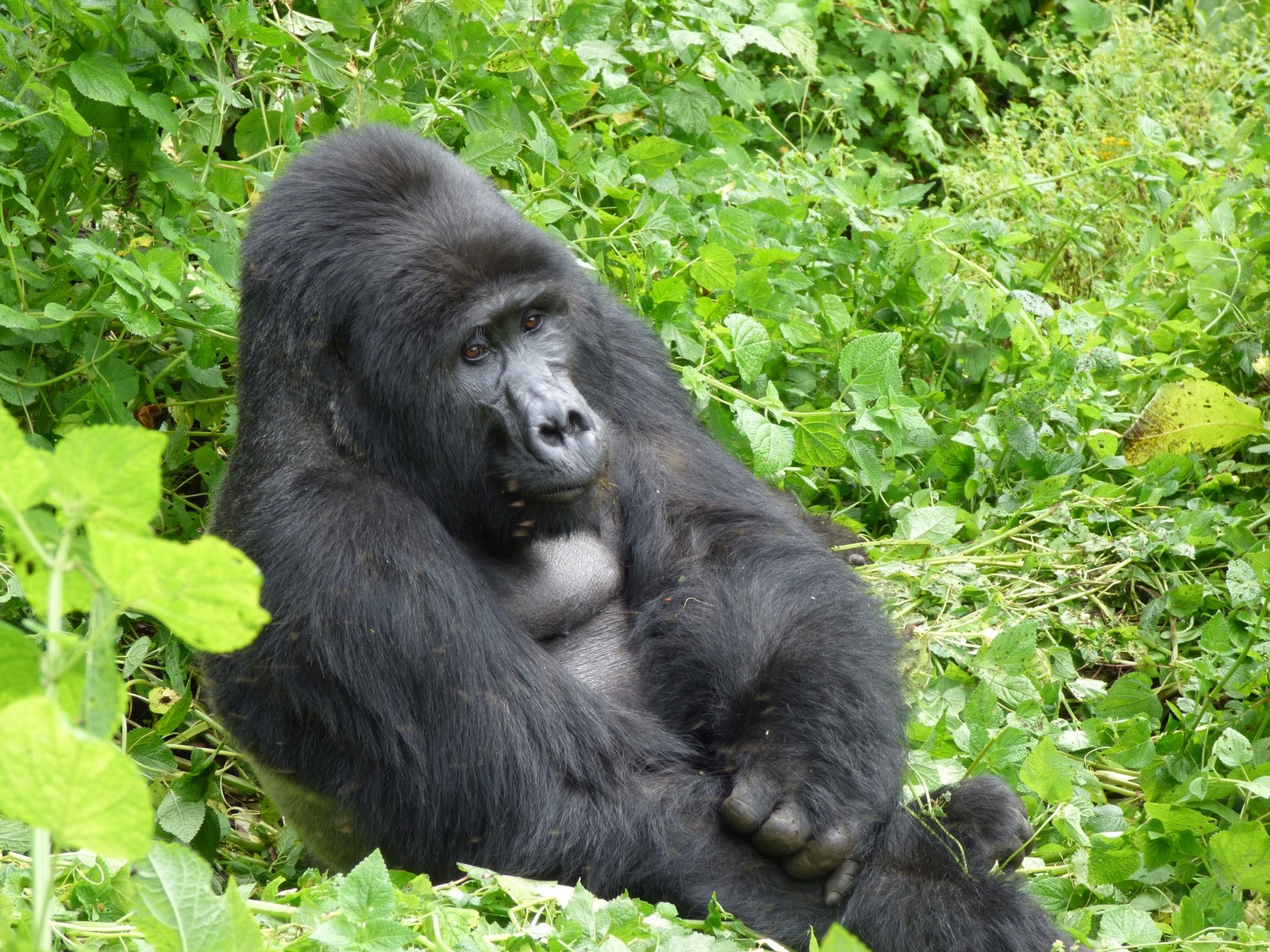
Beyond gorilla trekking, the top things to do on a Rwanda safari include tracking chimpanzees and walking the canopy walkway in Nyungwe National Park, game drives in Akagera National Park to see the Big Five, relaxing by Lake Kivu, and visiting the poignant Kigali Genocide Memorial. Other highlights include hiking Mount Bisoke and exploring local culture through communities like Iby'Iwacu
14-days-magical-rwanda-photography-safari
12-days-budget-rwanda-primate-safari-and-wildlife-tour-holiday
11-days-africa-honeymoon-rwanda-wildlife-safari-holiday
11-days-rwanda-safari-tour-and-uganda-safari-vacation
11-days-classic-uganda-rwanda-tour-combined-itinerary
9-days-rwanda-gorilla-trekking-and-adventure-activities-and-relaxation
7-days-6-nights-midrange-rwanda-gorilla-trekking-holiday
6-days-5-nights-rwanda-midrange-itinerary-nyungwe-volcanoes
5-day-akagera-bwindi-gorilla-trekking-lake-bunyonyi-and-batwa-experience
3-days-luxury-rwanda-safari-in-akagera-park
Top Non-Gorilla Safari Activities in Rwanda
1. Chimpanzee Trekking & Canopy Walk (Nyungwe Forest)
Nyungwe National Park is a prehistoric Afro-montane rainforest that feels like stepping back in time. Chimpanzee trekking here is an exhilarating, high-energy experience. Unlike gorillas, who tend to lounge, chimps are highly mobile and vocal. You’ll follow their pant-hoots through the thick undergrowth, often catching them swinging through the high canopy or socializing in small clearings. It’s a raw, authentic encounter with our closest genetic relatives.
Complementing the trek is the Nyungwe Canopy Walkway. Suspended 70 meters above the forest floor, this 160-meter-long bridge offers a literal bird’s-eye view of the ecosystem. It is the only one of its kind in East Africa. As you walk, the mist often rolls through the ancient mahogany trees, and you can spot rare orchids, colorful Turacos, and various other primate species like the L'Hoest's monkey.j
2. Big Five Safaris (Akagera National Park)
Akagera represents one of Africa’s greatest conservation success stories. Once depleted by poaching and human encroachment, the park has been restored into a thriving savannah ecosystem. Today, it is Rwanda’s only Big Five destination (Lion, Leopard, Elephant, Buffalo, and Rhino).
The landscape is a stunning mix of rolling hills, acacia woodlands, and a vast network of lakes and papyrus swamps. A game drive here offers a sense of solitude rarely found in more crowded parks in neighboring countries. Beyond the Big Five, the park is a haven for giraffes, zebras, and hippos, which are best seen during a boat safari on Lake Ihema.
3. Lake Kivu Relaxation and Watersports
Lake Kivu is the perfect "cool down" after the physical intensity of trekking. One of the African Great Lakes, its emerald waters are surrounded by terraced hills and fishing villages. In towns like Rubavu (Gisenyi) or Karongi (Kibuye), the vibe is Mediterranean.
For the active traveler, the Congo Nile Trail offers world-class hiking and biking paths along the shoreline. On the water, kayaking at sunset provides a unique perspective as the "singing fishermen" head out in their three-hull boats, chanting in unison to keep time as they paddle. It’s a peaceful, soulful way to connect with Rwandan life.
4. Golden Monkey Tracking (Volcanoes National Park)
If the gorillas are the "gentle giants," the Golden Monkeys are the "playful acrobats." Found in the lower bamboo forests of the Virunga Mountains, these endangered primates are striking with their bright orange-gold fur.
Tracking them is generally less strenuous than gorilla trekking. Because they live in the bamboo zones, the terrain is flatter, and the monkeys themselves are incredibly active. They jump from branch to branch and scurry along the ground, seemingly unbothered by human presence. It’s a photographer’s dream, though you’ll need a fast shutter speed to catch them in motion!
5. Hiking Mount Bisoke
For those who want a physical challenge with a visual reward, Mount Bisoke is a dormant volcano standing at 3,711 meters. The hike is steep and can be muddy, but it takes you through diverse vegetation zones, from bamboo forests to alpine meadows.
The "prize" at the top is a massive, stunning crater lake that often sits shrouded in fog, creating an ethereal atmosphere. From the summit, you can also look across the border into the Democratic Republic of Congo and see the jagged peaks of the other Virunga volcanoes.
6. Cultural and Historical Tours
Rwanda’s history is a story of profound tragedy followed by an even more profound resilience.
- Kigali Genocide Memorial: A visit here is essential to understanding modern Rwanda. It is a place of remembrance and education, documenting the 1994 genocide against the Tutsi with dignity and honesty.
- Iby’Iwacu Cultural Village: This community-owned project employs former poachers as cultural guides. Visitors can try their hand at archery, watch traditional Intore dancing, and learn about the ancient kingdom’s medicinal practices.
- Ethnographic Museum (Huye): This museum houses one of Africa's finest ethnographic collections, showcasing traditional crafts, clothing, and the history of Rwanda’s social structure.
7. Birding and Tea Plantation Tours
Rwanda is a birder’s paradise, with over 700 species packed into a small geographic area. Buhanga Eco Park, built on an ancient sacred forest where kings were once crowned, is a hidden gem for spotting rare forest birds. In Nyungwe, birders seek the elusive Ruwenzori Turaco, a bird so vibrant it looks painted.
Finally, a tour of the Gisakura Tea Estate provides a sensory finish to your trip. Walking through the rhythmic, undulating rows of tea bushes—which look like a bright green carpet draped over the hills—you’ll learn how the leaves are harvested and processed. Tasting a fresh cup of Rwandan black tea while overlooking the forest is a moment of pure serenity.
1. What is the best alternative primate trekking in Rwanda?
While gorillas command the spotlight, Chimpanzee trekking in Nyungwe National Park is the premier alternative. Nyungwe is one of the oldest montane rainforests in Africa, acting as a massive watershed that supplies 70% of Rwanda's freshwater.
Unlike the relatively sedentary gorillas, chimpanzees are highly mobile and vocal. A trek here is an athletic endeavor; you will likely follow their "pant-hoots" through dense undergrowth and steep terrain. The park hosts two habituated communities: one in Uwinka and a smaller one in Cyamudongo, an isolated forest patch. Beyond chimps, Nyungwe is a primate powerhouse, home to 13 species including the Ruwenzori colobus, which can be seen in massive "super-groups" of up to 400 individuals—a phenomenon unique to this forest. Tracking these primates offers a raw, unscripted look at forest life where every rustle in the leaves tells a story of survival and social hierarchy.
2. Can I see the "Big Five" in Rwanda?
Yes. Akagera National Park has undergone one of the most successful conservation transformations in Africa. After the 1994 Genocide, the park's wildlife was nearly decimated. However, through a partnership between the Rwanda Development Board and African Parks, the "Big Five" (Lion, Leopard, Rhino, Elephant, and Buffalo) have all been reintroduced.
The reintroduction of seven lions in 2015 and 18 Eastern black rhinos in 2017 restored the park’s ecological balance. Today, Akagera is a rare "savannah-meets-swamp" environment. Because it is relatively small compared to the Serengeti or Kruger, wildlife sightings are often more concentrated. The park is particularly famous for its high density of leopards and its unique aquatic ecosystem around Lake Ihema. It offers a distinct contrast to the misty mountains of the west, providing a classic African safari experience within a few hours' drive of the capital.
3. What is the Canopy Walkway in Nyungwe?
The Canopy Walkway is an engineering marvel consisting of a 160-meter-long suspension bridge divided into three sections. The highest point sits 70 meters (approx. 230 feet) above the forest floor.
It was designed to give researchers and tourists access to the "biological engine" of the forest—the canopy. Most of the rainforest's biodiversity, including rare orchids, mosses, and various bird species like the Great Blue Turaco, exists at this height. Walking across provides a sensory overload: the mist rolling over the ancient mahogany trees and the sound of distant primates echoing through the valley. It is accessible via the Igishigishigi Trail, a moderate 2.1km hike that takes about 90 minutes to two hours round-trip. For those with a fear of heights, it is a challenge worth conquering for the unparalleled bird's-eye view of the Albertine Rift.
4. Is there a "golden monkey" experience?
Yes. Golden Monkey tracking in Volcanoes National Park offers a completely different energy than gorilla trekking. These monkeys (Cercopithecus kandti) are a distinct subspecies of the Blue Monkey and are characterized by their striking, bright orange-gold fur.
They are endemic to the Albertine Rift and live primarily in the bamboo forests at the base of the volcanoes. Because they stay at lower altitudes, the trek is generally less strenuous than gorilla tracking. Once found, the experience is fast-paced; they are "pests of the bamboo," constantly leaping between stalks and feeding on bamboo shoots. They are habituated to humans, often ignoring photographers as they play and socialize just a few meters away. Their playful nature and the beautiful, filtered light of the bamboo forest make this a favorite for wildlife photographers.
5. What is the Congo Nile Trail?
The Congo Nile Trail is Rwanda's premier long-distance route, stretching 227km (141 miles) along the eastern divide of the Congo and Nile basins. It runs parallel to the shores of Lake Kivu, connecting the towns of Rubavu and Rusizi.
The trail is a "living museum" of Rwandan rural life. You aren't just seeing nature; you are walking through coffee and tea plantations, stopping at local markets, and interacting with fishing communities. While it takes roughly 10 days to hike, many travelers choose to mountain bike it in 5 days or kayak sections of the coastline. It is well-marked and supported by a network of campsites and guesthouses, offering a "slow travel" perspective of the country's "Land of a Thousand Hills" moniker. It is arguably the best way to see the "real" Rwanda beyond the designated national parks.
6. Are there good hiking opportunities besides gorillas?
Volcanoes National Park is a world-class hiking destination. Two peaks stand out:
- Mount Bisoke (3,711m): Popular for its stunning crater lake at the summit. The hike takes about 6 hours total and is moderately difficult due to the "AFM" (All Fine Mud) that characterizes the trail.
- Mount Karisimbi (4,507m): The highest peak in Rwanda and the sixth highest in Africa. This is a grueling two-day trek that involves camping at 3,700m. It often requires navigating through snow or sleet at the summit.
These hikes offer a chance to see rare afro-alpine vegetation, such as giant lobelias and groundsels, which look like something out of a science fiction novel. The physical exertion is rewarded with views that stretch into the Democratic Republic of Congo and Uganda.
7. Can I experience culture?
The Iby'iwacu Cultural Village (now known as Gorilla Guardians Cultural Village) serves a dual purpose: cultural preservation and conservation. Many of the performers and guides are former poachers who have transitioned into tourism, providing them with a sustainable income that protects the park.
Visitors can engage in traditional activities: grinding grain with stones, shooting bows and arrows, and learning about the intricacies of the Intore dance, which mimics the graceful movements of long-horned cattle. You can also visit a traditional healer’s garden to learn about the medicinal properties of local plants that have been used for centuries to treat everything from malaria to stomach ailments. It is an interactive, lively experience that helps humanize the conservation efforts of the region.
8. What water activities are available on Lake Kivu?
Lake Kivu is one of Africa’s "Great Lakes" and is unique because it is a meromictic lake (its layers of water do not mix), making it free of hippos and crocodiles and safe for swimming.
- Kayaking: Sunset kayaking near Kibuye (Karongi) is world-famous; the water is glass-calm, and you can watch the "singing fishermen" paddle out in their three-hulled boats.
- Island Hopping: Napoleon Island is a highlight, home to a massive colony of straw-colored fruit bats.
- Coffee Tours: Many boat trips stop at islands where you can participate in the "crop-to-cup" process of Rwandan specialty coffee.
The lake serves as Rwanda's "beach," providing a tranquil environment to recover from the physical demands of mountain trekking.
9. Where can I learn about Rwanda's history?
Understanding Rwanda requires engaging with its journey from tragedy to transformation.
- Kigali Genocide Memorial: This is the final resting place of over 250,000 victims of the 1994 Genocide against the Tutsi. The museum provides a harrowing but necessary educational overview of the events leading up to the genocide and the nation's subsequent reconciliation process.
- The King’s Palace Museum (Nyanza): This offers a window into Rwanda's pre-colonial monarchical history. It features a reconstruction of a 19th-century royal residence and "Inyambo"—sacred, long-horned royal cattle whose keepers sing to them to keep them calm.
Together, these sites tell the story of a nation that has moved from a rich traditional past through a dark period of conflict into a modern era of unity.
10. What is the best way to see Akagera National Park?
While a standard 4x4 Game Drive is the traditional way to see large mammals, a boat trip on Lake Ihema is arguably the most scenic experience. As the second-largest lake in Rwanda, Ihema provides a unique vantage point for birders to spot the rare Shoebill Stork or the African Fish Eagle.
For the most adventurous, Night Game Drives are available. Using spotlights and expert trackers, these drives offer a chance to see nocturnal predators like leopards, hyenas, and serval cats in action—species that are often elusive or sleeping during the day. This multi-angled approach ensures you see the full spectrum of Akagera’s biodiversity, from the giants on the plains to the predators of the dark and the life within the water.
11. Is bird watching good in Rwanda?
Rwanda is a top-tier birding destination due to its variety of habitats condensed into a small area. It hosts over 700 species, including 29 Albertine Rift Endemics.
- Nyungwe Forest: The "Holy Grail" for birders, where you can find the Red-collared Babbler and the stunning Great Blue Turaco.
- Akagera: Home to savannah and wetland species, including kingfishers, herons, and the iconic Shoebill.
- Kigali: Even the capital is a birding hotspot, with the Umusambi Village (a sanctuary for rescued Grey Crowned Cranes) providing an excellent accessible birding environment.
The country's manageable size means you can move from mountain forest species to savannah water birds in a single day, making it an incredibly efficient location for "lifers" (new species sightings).
12. What are the "Twin Lakes"?
Lake Burera and Lake Ruhondo are located at the base of the Virunga Volcanoes. They were formed by volcanic eruptions from Mount Sabyinyo that blocked the flow of the Nyabarongo River.
The lakes are famous for their deep blue water against the backdrop of the towering green volcanoes. Activities here are low-key and therapeutic: taking a traditional dugout canoe across the water, visiting the "Islands of the Twin Lakes," or enjoying a "sundowner" at a lodge overlooking the hills. It is the perfect place to decompress for 24–48 hours after the physical intensity of gorilla or chimp trekking. The view of the sunset over the volcanoes, reflected in the calm waters of the lakes, is often cited as the most beautiful vista in the country.
13. Are there any city tours?
Kigali is frequently cited as the cleanest city in Africa. A city tour is highly recommended to understand modern Rwanda.
- Kigali Cultural Village: A space for local artisans and exhibitions.
- Nyamirambo neighborhood: The most vibrant part of town. Join a walking tour by the Nyamirambo Women’s Center to visit local hair salons, tailors, and enjoy a traditional Rwandan lunch in a family home.
- Art Scene: Visit Inema Arts Center or Ivuka Arts to see how contemporary Rwandan artists are using their craft to drive social change and national identity.
The city is incredibly safe to explore on foot or via the ubiquitous "motto" (motorbike taxis), offering a blend of high-end gastronomy and bustling local markets.
14. What are the Musanze Caves?
The Musanze Caves were formed over 65 million years ago by lava flows from the Bisoke and Sabyinyo volcanoes. This 2km long natural underground cathedral was officially opened to tourism in 2013.
The tour involves walking through the massive, moss-covered entrances into the dark volcanic tubes. The caves are well-lit with walkways, making them accessible to most fitness levels. Beyond their geological interest, they have significant historical value, having served as shelters during various wars and even as a residence for local royalty in ancient times. Entering the caves feels like stepping into another world—one where the silence is only broken by the occasional drip of water and the flapping of bat wings in the darker recesses.
15. Can I visit the Dian Fossey site?
Yes, the hike to the Dian Fossey Grave and Karisoke Research Center is a "pilgrimage" for many conservationists. Located in the saddle between Mount Bisoke and Mount Karisimbi, the site sits at an altitude of about 3,000m.
The research center itself was destroyed during the 1990s, but the ruins remain, along with the "Gorilla Cemetery" where Fossey buried many of the gorillas she protected, including her favorite, Digit. Fossey herself is buried alongside them. The hike provides deep context into the woman whose work (chronicled in Gorillas in the Mist) essentially saved the mountain gorilla from extinction. It is a somber but inspiring trek that connects the traveler to the very roots of Rwanda’s modern conservation success story.
Booking Rwanda safari with us Roads of Adventure safaris
Roads of Adventure Safaris offers tailored gorilla trekking, wildlife viewing, and cultural tours across Rwanda's premier national parks.
