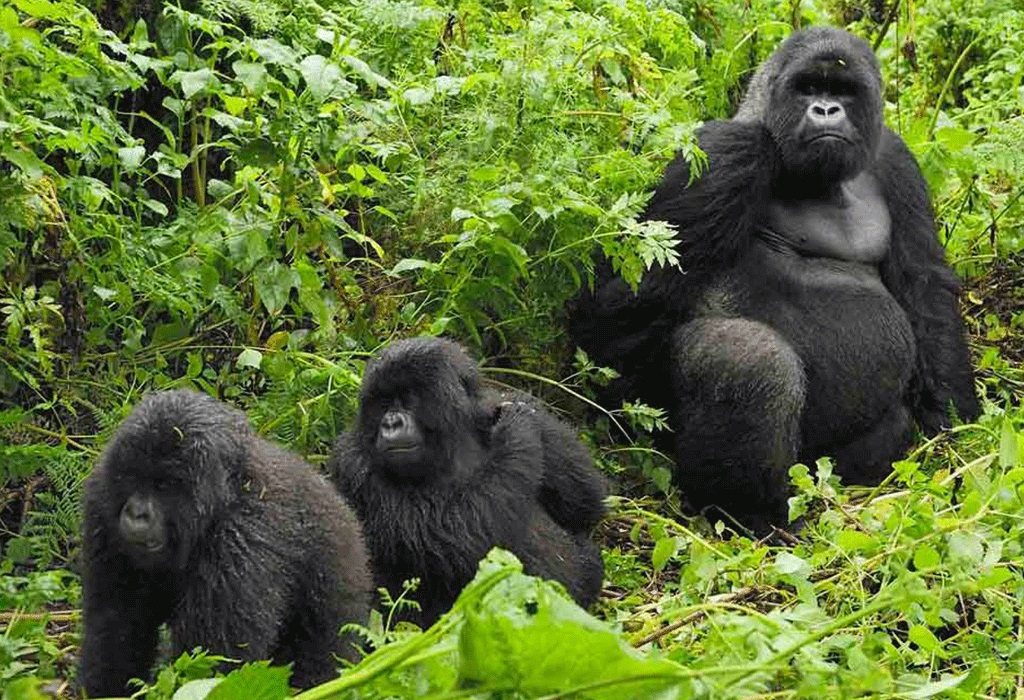
Rwanda photography safari offers unparalleled opportunities to capture endangered mountain gorillas in Volcanoes National Park, savannah wildlife in Akagera National Park, and chimpanzees in Nyungwe Forest. Key experiences include tracking gorillas, birdwatching, and capturing the "land of a thousand hills" landscape, with optimal travel times from June to September and December to February.
3-days-rwanda-gorilla-trekking-safari-itinerary-in-volcanoes-park
4-days-best-rwanda-gorilla-trekking-and-bisoke-hike
5-days-rwanda-double-gorilla-trekking-and-golden-monkey-tracking
5-days-perfect-rwanda-birding-safari-and-wildlife-and-gorilla-trekking
5-days-of-gorilla-trekking-and-chimpanzee-tracking-in-rwanda
5-days-rwanda-primate-safari-dian-fossey-hike-and-ibyiwachu-cultural-centre-visit
6-days-gorillas-trekking-chimpanzee-tracking-and-golden-monkeys-safari-in-rwanda
6-days-rwanda-gorilla-trekking-chimpanzee-tracking-and-birdwatching
6-days-akagera-safari-and-volcanoes-gorilla-trekking-and-ibi-wacu-cultural-village
6-days-classic-uganda-rwanda-safari-tour-package-holiday
7-days-best-gorilla-trekking-and-other-highlights-of-rwanda-tour
8-days-best-africa-big-five-rwanda-safari-and-gorilla-trekking
9-days-rwanda-gorilla-trekking-and-adventure-activities-and-relaxation
10-days-rwanda-photography-safari-and-gorilla-trekking-adventure
What is the Best Time of Year for a Rwanda Photography Safari to Photograph Gorillas?
The ideal time for a Rwanda photography safari focused on photographing gorillas aligns with the short dry season (December–February) and the long dry season (June–September). These periods are characterized by more favorable weather conditions, which significantly enhance the photography experience in the dense, often challenging forest environments.
During the dry seasons, the likelihood of experiencing clear skies increases, allowing for better natural lighting that is essential for capturing stunning images. Muddy trails become less of an obstacle, making treks to gorilla habitats more manageable. The reduced rainfall during these months means you can focus on your photographic pursuits rather than contending with the physical challenges presented by wet, slippery mud.
Photographically, the dry season offers richer color saturation in the lush rainforest, allowing your wildlife images to pop. The soft diffused light during this time also creates an ethereal atmosphere, enhancing the overall aesthetic of your photographs. Additionally, you are more likely to capture dynamic interactions among the gorillas, as activity levels tend to increase during periods of favorable weather.
Booking your trip during these optimal months not only boosts your chances of successful wildlife encounters but also ensures a more enjoyable and productive photography experience in Rwanda. Ultimately, planning your visit for either the short or long dry season can lead to memorable photographic opportunities in some of the most breathtaking habitats on the planet.
How Far in Advance Should I Book My Rwanda Photography Safari Permit?
When planning a Rwanda photography safari to photograph gorillas, it is highly advisable to secure your gorilla trekking permits well in advance. Experts recommend booking 3 to 6 months ahead of your desired travel date, particularly if you plan to visit during the dry season, which is the peak tourism period for gorilla trekking.
The popularity of gorilla trekking in Rwanda often leads to permits selling out quickly, as the number of visitors allowed to track gorillas each day is limited, with only a small number of permits available. Early booking helps ensure you can select your preferred dates, maximizing your chances of securing a trekking experience that aligns with your photography goals.
Moreover, securing your permit in advance allows you to plan the rest of your trip with greater flexibility and peace of mind. Knowing that you have your gorilla trekking experience locked in enables you to allocate time and resources to photography gear, accommodations, and transportation logistics more effectively.
It's also important to note that Rwanda's tourism industry has been growing rapidly, which adds another layer of urgency to advance planning. By booking your gorilla permit early, you not only guarantee your coveted spot to photograph these magnificent creatures but also contribute to responsible tourism that supports conservation efforts in the region.
What Camera Gear is Essential for a Rwanda Photography Safari?
When preparing for a Rwanda photography safari, having the right camera gear is key to successfully capturing the beauty of the wildlife and lush landscapes. A DSLR or mirrorless camera with interchangeable lenses is essential, as it offers the versatility required for various shooting conditions. For wildlife photography, a 70-200mm or 100-400mm zoom lens is particularly valuable, allowing for the flexibility to capture close-up shots of gorillas while maintaining a respectful distance.
In addition to these zoom lenses, a wide-angle lens can be beneficial for landscape photography, particularly when capturing the stunning scenery around gorilla habitats or offering context to the animals’ environment. If possible, choose lenses with a fast aperture (f/2.8 or wider). Fast lenses are particularly effective in low-light situations, which are common in Rwanda's dense forests, allowing you to capture sharper images without relying excessively on higher ISO values.
Also, consider bringing a high-capacity memory card to accommodate the high-resolution images you’ll be taking. Since gorilla trekking can be physically demanding and the moments fleeting, you may want to have a beanbag or a monopod for stabilization, especially when using longer lenses, as tripods can be cumbersome during treks.
Ultimately, ensuring your gear is suited for both wildlife and landscape photography will allow you to maximize your experience and enhance the quality of your photos while exploring the breathtaking environments in Rwanda.
Do I Need a Tripod on a Rwanda Photography Safari?
While using a tripod can be advantageous for certain types of photography, it is generally impractical during the treks involved in a Rwanda photography safari. The challenging terrain, which often includes steep climbs and dense vegetation, makes maneuvering with a tripod cumbersome and restrictive.
Instead, you might find that a monopod or a beanbag serves as a more effective stabilization tool. A monopod provides support without the bulk of a tripod, allowing for easier mobility and quick adjustments while hiking through the forest. A beanbag can also be advantageous when resting your camera on the edge of a vehicle or during stationary shoots, offering stability without the bulkiness of traditional tripod setups.
That said, if you plan to photograph landscapes, such as stunning sunsets at Lake Kivu, bringing a tripod is advisable. This situation allows for longer exposure times and sharper images, particularly in low-light conditions, resulting in breathtaking landscape photos.
Being prepared with alternate stabilization options allows you to maintain a readiness to capture the captivating moments in Rwanda's wilderness while ensuring your trekking experience remains enjoyable and fluid. This balance will help you maximize your photographic opportunities while navigating the unique environment.
What Clothing is Recommended for a Rwanda Photography Safari?
Choosing the right clothing for a Rwanda photography safari is essential for both comfort and practicality while trekking in dense forests. It’s advisable to wear neutral-colored, long-sleeved clothing to blend into the natural surroundings and minimize the chance of disturbing wildlife. Darker muted tones like khaki, olive, and light browns are ideal, as they also help protect against insect bites and stinging nettles, common in the area.
Opting for lightweight, breathable fabrics is crucial, especially when traversing Rwanda’s often humid climates. Layering your clothing allows for adjustments based on varying temperatures during the day, as mornings and evenings can be quite cool, while afternoons may warm up significantly. A lightweight waterproof jacket can also add protection against rain, which is common even in the dry season.
Sturdy hiking boots that are both waterproof and provide good grip are vital, as the trails can be steep and muddy. Ensure they are well broken in to avoid discomfort while trekking. Additionally, consider wearing a hat for sun protection and keep sunglasses handy to shield your eyes from intense sunlight.
Lastly, remember to pack insect repellent to ward off bugs, as well as a small backpack to carry essentials like water and camera gear. By dressing appropriately for the environment and potential conditions, you can focus on enjoying the experience and capturing incredible photographs during your Rwanda safari.
Is It Safe to Travel with Expensive Camera Gear on a Rwanda Photography Safari?
Yes, traveling with expensive camera gear during your Rwanda photography safari is generally considered safe, as Rwanda is one of the most stable and secure countries in Africa. However, exercising caution and practice due diligence regarding your equipment is still essential to ensure its safety.
First and foremost, keep your gear stored in secure, lockable bags, especially when traveling between locations or when you're out of sight. It’s wise to never leave your camera equipment unattended, whether in a vehicle or in accommodation. If you are hiking or trekking, use a backpack specifically designed for camera gear that provides cushioned compartments and weather resistance.
Being discreet about your camera gear also plays a vital role in safety. Instead of displaying expensive equipment openly, use a modest camera bag that doesn’t draw unnecessary attention. Avoid wearing flashy or high-value accessories that could make you a target for theft.
Ensure that your accommodation offers secure storage options for your gear when you’re not using it, and always be vigilant, especially in crowded areas. Connect with your guides to get a better understanding of safe practices while on safari.
By following these considerations, you can enjoy your photography experience while effectively safeguarding your valuable equipment during your travels in Rwanda.
How Physically Fit Do I Need to Be for a Rwanda Photography Safari?
Participating in a Rwanda photography safari, particularly for gorilla trekking, requires a moderate level of physical fitness. The treks can often be strenuous, involving steep climbs and navigating dense, high-altitude forests. Each trek can last anywhere from a few hours to a full day, depending on the location of the gorilla group you are designated to visit.
Before embarking on your safari, it’s advisable to prepare yourself physically, especially if you have not engaged in similar activities recently. Regular walking, hiking, or cardiovascular exercises can build stamina and improve your ability to navigate challenging terrains. Building leg strength and endurance will be particularly beneficial for steep climbs.
While the experience can be physically demanding, most gorilla trekking groups are small, and your guide is trained to ensure that everyone progresses at a comfortable pace. It’s worth noting that trekking conditions can be unpredictable, and the hiking trails can be muddy and slippery, especially after rain.
Always listen to your body and aim to stay hydrated throughout the trek. Having a good level of fitness will not only enhance your experience but will also allow you to focus on capturing the breathtaking wildlife encounters without feeling overly fatigued.
In summary, being reasonably fit enhances your ability to enjoy the astonishing experience of gorilla trekking, allowing you to concentrate on photography while engaging fully with this remarkable environment.
What Are the Rules for Photography During a Rwanda Photography Safari Gorilla Trek?
When embarking on a gorilla trek in Rwanda, adhering to specific photography rules is vital to ensure a respectful and safe encounter with these magnificent creatures. One of the most critical regulations is that flash photography is strictly forbidden. The sudden burst of light can startle the gorillas, agitating them and disrupting their natural behavior.
Additionally, maintaining a minimum distance of 7 meters (23 feet) from the gorillas is required. This distance helps protect the animals from potential diseases and ensures a calm environment for both the animals and the humans. Using a zoom lens allows you to capture detailed shots without violating this distance rule.
Keeping noise levels low is also essential. Excessive noise can disturb gorillas, affecting their natural behaviors and stress levels. Speaking softly and limiting any disturbances will help maintain a peaceful atmosphere. Following guidelines from your trekking guide is crucial, as they are trained to observe and respect gorilla behaviors.
While capturing photographs, try to be mindful of how your movements may impact the animals and their environment. Stay alert and composed while framing your shots, focusing on candid moments that tell a story rather than merely posed images.
By following these essential rules, photographers can enjoy the experience of capturing the incredible beauty of Rwanda's gorillas while prioritizing the wellbeing of the animals and contributing positively to wildlife conservation efforts.
How Long Do I Get to Take Photos on a Rwanda Photography Safari Trek?
During a gorilla trek in Rwanda, photographers are allocated one magical hour to observe and take photographs of the gorillas once they are located. This hour provides a unique opportunity to capture dynamic interactions and intimate moments with these magnificent creatures, allowing photographers to create meaningful images.
The allotted time is carefully regulated to balance the needs of the visitors with the wellbeing of the gorillas. Spending more than an hour with them can induce stress for the animals and disrupt their natural behavior. Therefore, it's essential to make the most of this valuable window by preparing your photography gear and approach ahead of time.
Prior to the trek, ensure your camera settings are optimized for the environment you’ll be entering. Have your equipment easily accessible to minimize any unnecessary delay once you encounter the gorillas. A well-charged camera with memory cards ready to go ensures you won’t miss precious moments.
During the hour, focus on capturing a variety of shots that document both individual gorillas and family dynamics. Candid moments of mothers nurturing their young, playful interactions, or quieter scenes of gorillas resting can tell compelling stories through photography.
In summary, the one-hour limit encourages photographers to be precise and thoughtful in their shooting, allowing for unforgettable experiences in the presence of these extraordinary animals while respecting their habitats and behaviors.
Can I Use a Drone for Aerial Shots on a Rwanda Photography Safari?
No, using a drone for aerial shots during a Rwanda photography safari is strictly prohibited within national parks and wildlife habitats. The use of drones is heavily regulated due to concerns over wildlife disturbance, as their presence can cause stress to animals and disrupt their natural behaviors.
Additionally, obtaining permission for drone use outside of designated parks can be complicated and often requires special government clearance, which is difficult to obtain. The laws and regulations surrounding drone usage in Rwanda are enforced to protect the country's rich biodiversity and ensure the safety of both wildlife and visitors.
Rather than relying on drones for aerial perspectives, consider using your photography skills to develop compelling images from ground level. Rwanda's beautiful landscapes and diverse wildlife can be captured effectively from traditional viewpoints without the need for aerial equipment.
If you are particularly interested in landscape photography, focus on framing your shots creatively from advantageous ground-level positions. Utilize the diverse terrain and natural features to your advantage, capturing wide-angle landscapes that highlight the beauty of Rwanda.
In summary, while drones offer unique photography opportunities, the restrictions in Rwanda prioritize conservation and wildlife protection, allowing for a more harmonious experience between visitors and the remarkable ecosystems in which they observe.
How Do I Handle Lighting in the Forest on a Rwanda Photography Safari?
Capturing photographs in the dense forests of Rwanda poses unique challenges, primarily due to dim lighting conditions created by the thick canopy overhead. In such environments, effective handling of lighting is critical for producing high-quality images.
To begin with, utilizing a high ISO setting (typically between 1600 and 3200) is recommended. A higher ISO increases your camera’s sensitivity to light, compensating for the less-than-ideal conditions. However, be cautious, as excessively high ISO settings can introduce noise, compromising image quality. Testing out different ISO settings and finding a balance based on your camera's performance will help achieve optimal results.
Employing a fast lens with a wide aperture (f/2.8 or wider) allows more light to be captured, making it easier to photograph the gorillas and other wildlife within the shaded areas. Each aperture setting can dramatically impact your ability to capture the moment in the available light.
Additionally, take note of the composition and framing of your shots. Look for openings in the foliage that allow natural light to filter through, helping illuminate your subject without causing harsh shadows.
Lastly, consider the golden hours—the early morning or late afternoon—when the lighting can be softer and more diffused, even within the forest. Planning your treks to utilize these times can yield beautiful natural light, enhancing the atmosphere of your photographs.
Through careful attention to ISO settings, aperture, and optimal lighting conditions, you can successfully navigate the challenges presented by dim forest environments, resulting in stunning imagery that captures the heart of Rwanda’s incredible biodiversity.
Should I Hire a Porter for My Rwanda Photography Safari?
Yes, hiring a porter during your Rwanda photography safari is highly recommended, especially for gorilla trekking. Porters play a crucial role in enhancing your experience by assisting with carrying your backpack and other essentials, allowing you to focus solely on photography and enjoying the breathtaking surroundings.
Treks to see gorillas often involve steep climbs and unpredictable terrain, which can be physically demanding. A porter can help lighten your load, making the trek more manageable and comfortable. This support allows you to keep your camera readily accessible, enabling you to seize photographic opportunities as they arise without being burdened by heavy gear.
Moreover, porters are typically knowledgeable about the local environment and can assist you in navigating the trails. Their familiarity with the area can provide valuable insights into the flora and fauna along the route, creating additional educational benefits from your trek.
Hiring a porter also directly supports the local economy and community. Porters often rely on this work for their livelihood, making it a meaningful contribution to the region's tourism industry.
Are There Specialized Photo Guides Available for a Rwanda Photography Safari?
Yes, there are specialized photo guides available for those embarking on a Rwanda photography safari. Many tour companies recognize the unique needs of photographers and offer services that cater specifically to these interests. Expert photographic guides are typically seasoned photographers themselves, well-versed in both the art of photography and the behaviors of wildlife.
These guides often assist photographers with technical aspects such as camera settings, helping to optimize exposure, shutter speed, and ISO for varying light conditions typical of Rwanda’s dense forests or open savannahs. They can provide tailored advice suited to the specific animal behavior you might encounter, whether it be for capturing fast-moving gorillas or the subtle expressions of golden monkeys.
Additionally, having a specialized guide enhances your positioning during wildlife encounters. They understand the best angles for photography and how to approach animals respectfully while minimizing disturbance. This knowledge is invaluable in maximizing the photographic opportunities that arise during treks, especially when engaging with sensitive creatures like gorillas.
Moreover, these guides can also share insights about the local environment, enriching your understanding of the wildlife and ecosystem, which can further inform your photography. This dual benefit of gaining technical expertise while deepening your appreciation for the flora and fauna makes hiring a specialized photo guide a worthwhile investment for serious photographers.
Ultimately, if you are passionate about capturing Rwanda’s diverse wildlife through photography, engaging a specialized guide can greatly enhance your experience, ensuring you return with stunning images and unforgettable memories.
What is the Best Way to Capture Motion on a Rwanda Photography Safari?
Capturing motion during a Rwanda photography safari requires specific techniques that enhance your ability to photograph agile wildlife, such as playing juveniles or moving gorillas. One of the most effective methods is to utilize burst mode or high-speed shooting mode. This feature allows the camera to take multiple shots in rapid succession, enabling you to select the sharpest image from a series of dynamic moments.
To effectively use burst mode, set your camera to this function before you anticipate a moment of action. For example, when watching young gorillas interact playfully or when anticipating a gorilla moving through the trees, take advantage of the burst mode. This technique significantly increases your chances of capturing sharp, in-focus images.
Additionally, employing a fast shutter speed is critical when capturing motion. Depending on the speed of the action, setting your shutter speed to 1/1000s or faster will freeze the motion effectively, allowing you to capture the intricacies of the animals’ movements without the blurring that can occur at slower speeds.
Another useful approach is to track the subject by panning your camera in the direction of the movement during the burst. This technique can create a sense of motion in your imagery while still maintaining focus on the subject.
By effectively using burst mode, fast shutter speeds, and panning techniques, you can capture dynamic and engaging images that reflect the vibrancy of wildlife in Rwanda, adding movement and life to your photographic portfolio.
Can I See the Big Five on a Rwanda Photography Safari?
Yes, you can photograph the Big Five on a Rwanda photography safari, primarily in Akagera National Park. This park provides one of the best opportunities in Rwanda for encountering and capturing images of lions, rhinos, leopards, elephants, and buffalo.
Akagera National Park is unique among Rwanda's national parks, as it encompasses a diverse ecosystem with savannahs, wetlands, and woodlands, making it a relatively rare location in the country for viewing these iconic species. The park has made strides in conservation efforts, leading to a resurgence in wildlife populations, including the successful reintroduction of lions and rhinos.
During game drives in an open 4x4 vehicle, photographers have an unobstructed 360-degree view of the stunning landscape, making it easier to spot the Big Five. The park offers various terrains and habitats where these animals can be observed. Elephants can often be seen near water sources, while lions are frequently spotted in the open savannah, making them accessible for capturing striking images.
Engaging with knowledgeable guides can enhance your chances of encountering these majestic animals. They are familiar with the parks and understand animal behavior, helping you locate and get positioned for the best photographic opportunities.
In summary, Akagera National Park provides an exceptional setting for photographers aiming to capture the majesty of the Big Five while enjoying Rwanda’s uniquely vibrant ecosystems, making it a must-visit destination for wildlife enthusiasts.
Are There Other Primate Photography Opportunities on a Rwanda Photography Safari?
Absolutely! Rwanda is a hotspot for primate photography, and beyond the gorillas, there are rich opportunities to photograph other primate species. Notably, Nyungwe National Park offers exceptional experiences for chimpanzee tracking, while Volcanoes National Park is famous for the charismatic Golden Monkeys.
In Nyungwe, you can embark on an adventure to find the park's resident chimpanzees. The trek usually includes navigating through lush, ancient rainforest, creating opportunities for unique photographic moments. Capturing the playful actions of chimpanzees, particularly in their natural habitat, can yield stunning images that convey their intelligence and social interactions.
Golden Monkeys, found in the upper regions of Volcanoes National Park, provide another incredible photography opportunity. These colorful primates are known for their energetic behavior, and capturing their playful antics amid the stunning backdrop of the volcanic mountains can result in vibrant and lively photographs.
When photographing primates, patience is key. After locating the groups, spend time observing their behavior to capture candid moments. Use longer lenses to maintain a respectful distance, focusing on their expressions and interactions to tell a compelling story.
Whether you’re capturing the serene moments of chimpanzees or the dynamic energy of golden monkeys, Rwanda's diverse primate populations enrich your safari experience and offer marvelous opportunities to create significant and memorable images.
What is the Best Way to Photograph in Akagera on a Rwanda Photography Safari?
For photographing wildlife in Akagera National Park, employing an open 4x4 vehicle for game drives is highly recommended. This type of vehicle provides an uninterrupted 360-degree view of the surroundings, allowing you to spot and capture images of wildlife as it roams across the savannah and wetland regions of the park.
When inside the vehicle, consider where you position yourself for optimal views. Riders at the front have a clearer line of sight, but being on the sides can also yield unique angles. Keep your camera ready and settings optimized, such as a faster shutter speed for determining animal movements and autofocus for quick focus adjustments.
Early morning and late afternoon drives are the prime times to capture wildlife activity, as animals are more active and lighting conditions are typically softer and more flattering for photography. The golden hour can create beautiful backlighting or warm tones that enhance the vibrancy of your images.
Planning for various compositions is also important. Use foreground elements like grasses and flowers to create depth in your shots or aim for sweeping landscape images that include animals in their natural habitats.
Finally, engage with knowledgeable guides who can provide insights into animal behavior and help you find locations frequented by wildlife. Their expertise can significantly amplify your chances of getting that perfect shot while immersed in the breathtaking beauty of Akagera National Park.
Can I Photograph Local Culture During a Rwanda Photography Safari?
Yes, you can absolutely photograph local culture during a Rwanda photography safari, which enriches the overall experience and creates powerful documentary-style opportunities. Engaging with local communities provides not only unique photographic subjects but also insights into the rich culture of Rwanda.
Visiting cultural villages is a great way to immerse yourself in traditional Rwandan life. Many communities welcome visitors and offer demonstrations of traditional crafts, pottery, and dance performances. Engaging respectfully with locals and asking permission before taking photos fosters trust and promotes a respectful exchange.
Attending traditional dances provides additional colorful photography opportunities. These cultural events often showcase vibrant costumes, music, and the energy of communal participation, allowing photographers to capture dynamic and expressive moments.
The Kigali Genocide Memorial is also a significant site for poignant photography, offering a space for reflection and remembrance. Capturing the atmosphere here has the potential to tell powerful stories about resilience and healing within the community. However, it’s essential to approach such subject matter with sensitivity and respect, ensuring that your photography honors the experiences of those affected by the events.
In summary, incorporating cultural photography into your Rwanda safari offers a rich tapestry of storytelling opportunities and enhances your understanding of the country, making it a truly holistic experience. Through responsible practices and respectful engagement, you can capture the heart and soul of Rwanda's diverse communities.
What is the Best Time for Bird Photography on a Rwanda Photography Safari?
The best time for bird photography in Rwanda coincides with the rainy seasons, specifically from March to May and October to November. During these periods, migratory bird species arrive in Rwanda, significantly increasing the diversity and number of birds that can be observed and photographed.
Nyungwe National Park becomes particularly active during the rainy seasons, with its lush rainforests attracting many bird species. This time presents opportunities to capture images of endemic and migratory birds in their natural habitats, including the striking Rwenzori Turaco, the great Blue Turaco, and various species of weavers. The vibrant colors and unique behaviors of these birds make them incredibly eye-catching subjects for photography.
Rainy season vegetation is often denser and more vibrant, creating stunning backdrops for bird photography. The contrast of the rich greens after rainfall, combined with the bright plumage of the birds, can yield spectacular images. As the rain subsides, birds can often be seen actively feeding and displaying vibrant behaviors, providing excellent shooting conditions.
However, photographers should be prepared for changing weather conditions. Waterproof camera gear can be invaluable, and having high-quality rain covers for your equipment will help ensure it remains protected while shooting in the lush, humid environment.
In summary, visiting during the rainy seasons will allow you to experience an explosion of avian life and vibrant landscapes, making it an ideal time for bird photography enthusiasts.
Is There a Chance for Landscape Photography on a Rwanda Photography Safari?
Yes, Rwanda, often referred to as the "Land of a Thousand Hills," offers numerous opportunities for stunning landscape photography. The terrain is characterized by breathtaking mountainous landscapes, lush valleys, and enchanting vistas that are particularly captivating in the wet season, which accentuates the rich greens and misty atmospheres.
The rolling hills, terraced farms, and dramatic skies provide infinite compositional possibilities for landscape photographers. Locations such as the Volcanoes National Park and Lake Kivu showcase some of the most picturesque backdrops. Sunrise and sunset are ideal times for capturing mesmerizing landscape images, as these moments produce beautiful colors in the sky that can enhance your foreground subjects.
The early morning mist that blankets the hills can create ethereal, dreamy photographs, while evenings can yield dramatic skies full of color that reflect over the landscapes. Utilizing a wide-angle lens allows photographers to capture expansive views while including foreground interest for depth.
It's essential to plan your excursions to coincide with these optimal lighting times. Engaging with local guides who know the best vantage points and scenic spots is equally important, as they can help you maximize your shooting opportunities.
In addition, consider taking the time to explore lesser-known paths that may lead to secluded vistas. By immersing yourself in the stunning natural beauty of Rwanda, you can create a captivating portfolio that reflects the serene and picturesque landscapes of this remarkable country.
Can I Charge My Camera Batteries at the Lodges During a Rwanda Photography Safari?
Yes, most lodges in Rwanda provide 24/7 electricity, allowing you to charge your camera batteries and other electronic devices throughout your stay. Many accommodations cater specifically to photographers and outdoor enthusiasts, ensuring that you have the amenities required to keep your gear ready for action.
While most lodges offer convenient charging facilities in guest rooms or common areas, it’s wise to plan ahead. Bringing extra batteries for your camera is essential, especially during full-day excursions or treks. Having a spare battery allows you to continue shooting without interruption, even if one battery runs low.
Additionally, packing a power bank can be beneficial for long days spent in the field, ensuring that you can charge your devices while away from the lodge. Choose a power bank that can accommodate multiple charges and has a compatible output for your camera system.
Consider utilizing any downtime at your lodge or camp to charge gear—this could be during the evening after a day of shooting or during meal times. By employing these strategies, you can guarantee that your photography gear remains powered and ready to capture the stunning wildlife and landscapes during your Rwanda safari.
What Should I Do to Protect My Gear from Rain on a Rwanda Photography Safari?
Protecting your photography gear from rain is a critical consideration during a Rwanda photography safari, where weather can be unpredictable. Even in the dry season, brief showers can occur, so being prepared is essential for safeguarding your equipment.
First and foremost, invest in professional, high-quality rain covers for your camera and lenses. These covers provide a waterproof layer that shields your gear from moisture without restricting your ability to shoot. Ensure that the covers are easy to deploy quickly so you can react promptly when rain begins.
Additionally, always keep your camera gear stored in a water-resistant bag or backpack while hiking or when not in use. Using padded compartments can also provide extra protection against bumps and falls.
When venturing out on treks, protect your gear by avoiding changing lenses in the field, as this can expose your camera to moisture or dirt. Instead, opt for zoom lenses to achieve the desired framing while minimizing dust and water exposure.
Be mindful of the environment and adjust your shooting techniques based on the conditions. For example, consider using a high ISO setting in lower light conditions caused by clouds, which allows you to maintain good exposure without capturing motion blur.
Lastly, once the rain has passed, take the time to dry off your gear and check for any moisture ingress before packing it away. By proactively employing these strategies, you can ensure the longevity and functionality of your equipment throughout your Namibia photography safari.
Is It Better to Stay in a Hotel or Lodge During a Rwanda Photography Safari?
Staying in a lodge during your Rwanda photography safari is often the better choice, especially for those focused on maximizing their experience. Lodges, particularly those situated near popular destinations like Volcanoes National Park, are designed to provide comfort and ease of access to wildlife encounters, enhancing your overall safari experience.
Lodges typically offer better amenities tailored for photographers, such as spacious rooms for organizing gear and sometimes even facilities for charging equipment. Being located closer to the parks reduces travel time in the mornings, allowing for early morning game drives or treks to optimize photographic opportunities during the best lighting conditions.
In contrast, hotels in urban areas like Kigali may lack the immediate access to wildlife-rich environments. It’s beneficial to stay within close proximity to parks to maximize your time spent with nature rather than commuting back and forth.
Moreover, lodges often have knowledgeable staff who can provide valuable insights into the local wildlife and photography tips. They may also offer organized excursions led by experienced guides, further enriching your experience.
Ultimately, the comfort, accessibility, and tailored services provided by lodges make them an ideal choice for photographers aiming to create stunning portfolios while immersing themselves in the breathtaking landscapes and wildlife of Rwanda.
How Do I Deal with Lens Dust on a Rwanda Photography Safari?
Dealing with lens dust is a common concern during a Rwanda photography safari, particularly when navigating the varied environments that can expose your gear to dust and moisture. Here are effective strategies to manage and minimize lens dust.
First, avoid changing lenses in dusty or rainy conditions. Whenever possible, use zoom lenses to reduce the frequency of lens changes. This approach minimizes the risk of dust entering your camera body and settling on the sensor or lens.
When you are out in the field, utilize a lens hood to provide an additional layer of protection against dust, rain, and unwanted flare from sunlight. This accessory helps shield the front element of the lens while you capture images, allowing you to focus on your subjects without worrying about contaminants.
Regularly check your gear for dust accumulation, especially after hiking in gritty environments. A rocket blower is a handy tool to remove any debris or dust safely. It allows you to blow air onto your lens without causing scratches or smudges.
Additionally, consider using microfiber cloths specifically designed for cleaning lenses. If you notice smudges or dirt, gently clean the lens surface using circular motions to avoid streaks, taking care not to apply too much pressure.
By employing these strategies, you can effectively manage lens dust during your Rwanda photography safari, ensuring that your images remain crisp and clear throughout the experience.
Is It Worth Adding Extra Days to a Rwanda Photography Safari?
Absolutely! Extending your Rwanda photography safari to 7–10 days can significantly enhance your experience, allowing you to explore a wider array of wildlife and landscapes while creating a more diverse portfolio. This duration enables you to combine gorilla trekking with other unique wildlife experiences, such as chimpanzee tracking in Nyungwe National Park and observing golden monkeys in Volcanoes National Park.
Taking extra days also provides the chance to visit Akagera National Park, where you can photograph the Big Five and enjoy the beauty of the savannah. Spending more time in different ecosystems allows for varied photographic opportunities, showcasing Rwanda’s vast biodiversity.
Additionally, an extended itinerary allows for flexibility in your schedule. You can accommodate weather variations or animal movements, ensuring you don’t miss out on potential photographic moments. Capturing wildlife in their natural habits often requires patience, and having additional days can provide that essential buffer.
Moreover, Rwanda's rich cultural aspects present opportunities for rewarding photography that complements your wildlife images. Visiting local communities and cultural sites while on an extended stay can help tell a fuller story of the region.
Ultimately, adding extra days to your Rwanda photography safari enriches your experience, allowing you to create a comprehensive body of work that reflects the breathtaking landscapes and vibrant wildlife of this remarkable country.
What is the "Must-Have" Photo to Take on a Rwanda Photography Safari?
The "must-have" photo on a Rwanda photography safari is the iconic "Silverback Portrait." Capturing a low-angle shot that focuses on the wise, intense eyes of a silverback gorilla is paramount for anyone seeking to encapsulate the profound beauty and majesty of these magnificent creatures.
To achieve this shot, consider positioning yourself at the eye level of the gorilla while maintaining a respectful distance to comply with trekking rules. The eyes are considered the window to the soul, and a well-composed portrait focusing on them can narrate the animal's age, wisdom, and strength.
Early morning or late afternoon light enhances the texture and color of the gorilla's fur while creating beautiful natural highlights around the subject. The lush green backdrop of the forest contrasts strikingly with the dark, dense fur of the gorilla, emphasizing its features and depth.
Using a fast lens with a wide aperture can help create a shallow depth of field, isolating the subject from the background and making it stand out while adding an artistic touch.
This type of portrait captures not only the physical beauty of the silverback but also conveys an emotional connection, making it more than just a wildlife shot. Such images often evoke curiosity and admiration, becoming iconic representations of both the subject and the conservation efforts surrounding gorilla populations.
Booking Rwanda photography safari with us Roads of Adventure safaris
Book your unforgettable Rwanda photography safari with Roads of Adventure Safaris to capture the breathtaking beauty of the Land of a Thousand Hills, including mountain gorillas in Volcanoes National Park, chimpanzees in Nyungwe, and wildlife in Akagera. Our specialized, custom itineraries offer expert guidance, comfortable 4x4 transport, and intimate, high-quality viewing opportunities tailored specifically for photographers. Experience the ultimate blend of adventure, conservation, and stunning landscapes while enjoying premium, full-board accommodation. Secure your place for this once-in-a-lifetime, ethically managed journey by contacting our expert team to plan your specialized photography trip.
