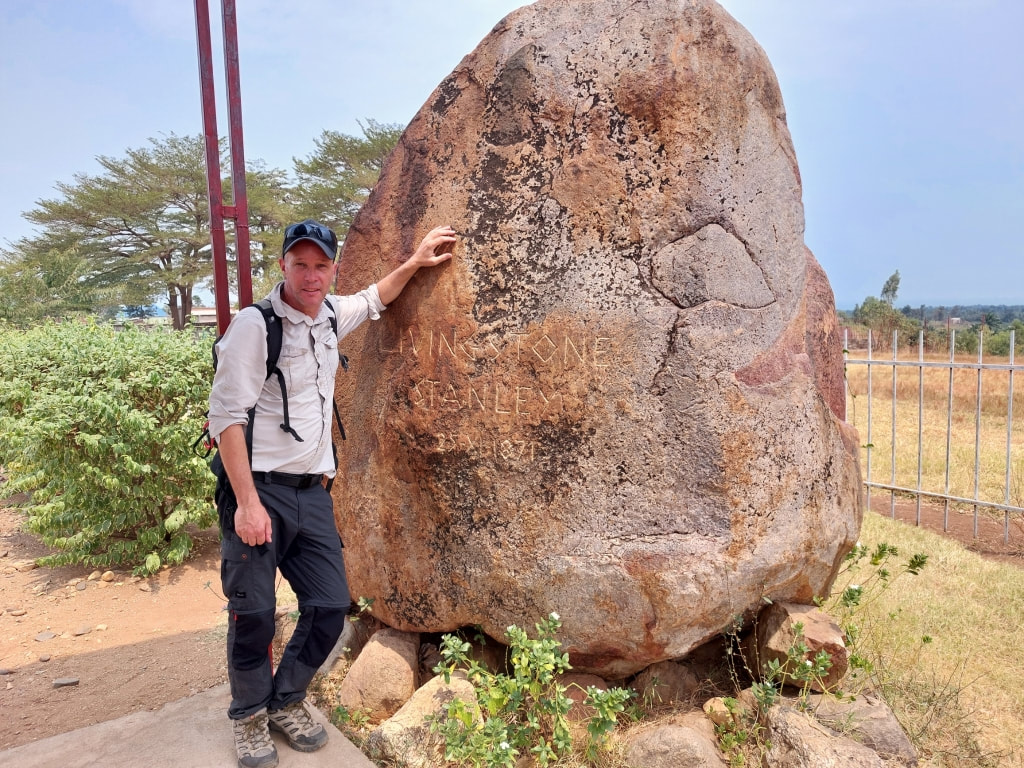
The Livingstone-Stanley Monument in Mugere, Burundi, commemorates the historic meeting between explorers Dr. David Livingstone and Henry Morton Stanley on November 25, 1871. Situated 12km south of Bujumbura, this site features a stone marker near Lake Tanganyika where they reportedly stayed for two nights. Though the famous "Dr. Livingstone, I presume?" greeting is widely associated with this location, the encounter actually took place in Ujiji, Tanzania.
3-days-best-kibira-national-park-chimpanzee-tracking-and-bujumbura-city-tour
1-day-exciting-bujumbura-city-tour-excursion-in-burundi
5-days-bujumbura-rusizi-national-park-karera-waterfalls-falls-drum-sanctuary-tour-package
8-days-best-of-burundi-safari-holiday-combined-with-cultural-experience
7-days-exclusive-burundi-cultural-tour-and-chimpanzee-tracking-in-kibira-park
9-days-best-rwanda-safari-and-burundi-safari-holiday-vacation-combo
10-days-best-of-burundi-wildlife-safari-vacation-all-best-palaces-in-burundi
12-days-best-rwanda-primate-safari-and-burundi-cultural-safari-tour-holiday
11-days-amazing-burundi-safari-with-cultural-exposure
20-days-perfect-rwanda-burundi-uganda-safari-vacation-with-cultural-experience
What Is the Livingstone-Stanley Monument?
The Livingstone-Stanley Monument is a historic site in Burundi that commemorates the famous meeting of explorers David Livingstone and Henry Morton Stanley on November 10, 1871. This monument marks the spot where Stanley found the ailing Livingstone, who had been presumed lost or dead following years of absence from the public eye.
The monument serves not only as a tribute to this significant encounter but also as a reminder of the adventurism and exploration spirit of the 19th century. Dr. Livingstone, a Scottish missionary and explorer, was a pivotal figure in the exploration of Africa, known for his deep interest in the continent’s geography and people. Conversely, Stanley, a Welsh-American journalist, was tasked with finding Livingstone by the New York Herald, reflecting the media's growing interest in journalism and adventure stories.
The site encompasses various elements of historical significance, including informative plaques, sculptures, and a picturesque landscape that adds to the visitor experience. The monument aims to educate the public about the journey and the importance of their meeting in the broader context of African exploration and European interests during that time.
As a representation of friendship, curiosity, and determination, the Livingstone-Stanley Monument stands as an enduring symbol of the exploration era. Visitors can reflect on the motivations and challenges faced by early explorers while appreciating the cultural and historical narratives that emerge from such encounters. The site thus not only memorializes a moment in history but also invites reflection on the complexities of exploration in Africa.
Where Is the Livingstone-Stanley Monument Located?
The Livingstone-Stanley Monument is situated in the town of Mugere, located a few kilometers south of Bujumbura, the former capital of Burundi. This locale holds geographical and historical significance as it is near the shores of Lake Tanganyika, an area that was crucial for the travels of many explorers during the 19th century. The proximity to Bujumbura makes the monument easily accessible for visitors, who can readily explore this important historical site while taking in the scenic beauty of the surrounding landscapes.
Mugere serves as a backdrop to the monument, connecting it to the larger narrative of exploration in Africa. The area is characterized by its natural beauty, with rolling hills and lush vegetation, enhancing the experience for those who visit. The monument itself is well-marked and often included in local tours that emphasize Burundi’s rich historical and cultural heritage.
Being located in Mugere, a town with historical connections to early European explorers, the Livingstone-Stanley Monument allows visitors to not only reflect on the significance of the meeting between Livingstone and Stanley but also to engage with the broader context of Burundi’s history and its role in the age of exploration. The site serves as a cultural touchstone, linking modern Burundi to its past while inviting visitors to ponder the complexities of exploration and colonialism in Africa.
Why Was the Livingstone-Stanley Monument Built?
The Livingstone-Stanley Monument was built to commemorate an iconic and historically significant meeting between David Livingstone and Henry Morton Stanley. This encounter took place on November 10, 1871, at a time when Livingstone, a renowned Scottish missionary and explorer, had been out of contact with the outside world for several years. Stanley, who had been commissioned by the New York Herald to locate Livingstone, arrived in what is now Burundi after a challenging journey through East Africa.
The monument serves multiple purposes, from honoring the legacy of exploration to serving as a memorial to the individuals involved in the encounter. It marks the site where Stanley found Livingstone, who was in dire physical condition, suffering from illness and lacking supplies. The act of finding Livingstone was not only a monumental achievement for Stanley but also symbolized the resilience and bravery inherent in exploration during that era.
By building the monument, Burundi ensures that this important historical narrative is preserved and recognized. The site draws attention to the broader themes of adventure, inquiry, and cross-cultural interactions in the history of Africa. Rather than being simply a point of reference, the monument serves as a reminder of the challenges faced by explorers and the complexities of the encounters between Westerners and African societies.
Additionally, the Livingstone-Stanley Monument became a place for educational purposes, inviting future generations to reflect on the consequences of exploration, the clash of cultures, and the evolving narratives of African history.
When Did the Meeting at the Livingstone-Stanley Monument Happen?
The historic encounter at the Livingstone-Stanley Monument occurred on November 10, 1871. This date marks a pivotal moment in the annals of exploration and journalism as it brought to light the fate of Dr. David Livingstone, a Scottish missionary and explorer who had not been heard from for several years. At the time, Livingstone was in Africa, searching for the source of the Nile River, driven by his dedication to exploration and missionary work.
Henry Morton Stanley, a Welsh-American journalist tasked with finding Livingstone, traveled extensively through East Africa in search of the lost explorer. His journey took him approximately 700 miles through the challenging terrains of Tanzania. Upon reaching Livingstone, Stanley famously greeted him with the words, "Dr. Livingstone, I presume?" This phrase has since become iconic and reflects not only the meeting but also the larger narrative of discovery and inquiry.
The meeting symbolizes the end of Stanley’s search and also the beginning of renewed interest in Livingstone’s explorations and the broader African continent. It brought attention to the health and status of Livingstone, who was in poor condition at the time. The date, therefore, holds not only historical significance but also serves as a reminder of the interconnected stories of exploration, adventure, and cross-cultural encounters that characterize this era.
Today, the Livingstone-Stanley Monument stands as a testament to the legacies of both men, inviting visitors to commemorate and reflect on this momentous meeting in exploring how it has shaped perceptions of Africa and exploration.
What Is the Significance of the Livingstone-Stanley Monument?
The Livingstone-Stanley Monument holds immense significance as it symbolizes one of the most notable encounters in the history of exploration. This meeting between Dr. David Livingstone, a Scottish missionary and explorer, and Henry Morton Stanley, a Welsh-American journalist, marked a pivotal moment in the discourse surrounding Africa and its representation in the Western world.
Constructed to commemorate the spot where Stanley found the ailing Livingstone on November 10, 1871, the monument represents the conclusion of Stanley’s arduous journey to locate the lost explorer. Livingstone had become a figure of intrigue and inspiration in Europe, and his prolonged absence had sparked concern and curiosity. The monument thus symbolizes the intersection of exploration, journalism, and humanitarian concern—elements that characterized an era driven by adventure and discovery.
Furthermore, the site raises awareness about the broader context of colonialism and the complex interactions between Western explorers and African societies. It invites reflection on those early encounters and their consequences, both positive and negative, for the regions involved.
The Livingstone-Stanley Monument also serves as a cultural landmark for Burundi, promoting heritage tourism while educating local and international visitors about the historical narrative that unfolds within its walls. By engaging with the monument, visitors are not only learning about the individuals involved but are also prompted to explore the broader implications of exploration, interaction, and understanding across cultures.
Overall, the significance of the Livingstone-Stanley Monument transcends its physical location; it stands as a monument to the spirit of inquiry and the complexities of historical narratives that continue to resonate today.
Who Were the People Involved at the Livingstone-Stanley Monument?
The Livingstone-Stanley Monument commemorates two pivotal figures in the history of exploration: Dr. David Livingstone and Henry Morton Stanley. Dr. Livingstone, a Scottish missionary and explorer, was renowned for his extensive travels in Africa, motivated by a desire to map the continent and spread Christianity. He dedicated much of his life to exploring uncharted territories, studying local cultures, and advocating for the abolition of slavery.
Livingstone’s endeavors were particularly significant as he sought to locate the source of the Nile River, an expedition that captured the imagination of Europe. However, his vanishing act in 1866 raised concerns, leading to a media frenzy over his fate. His disappearance turned him into an emblematic figure of exploration, and when he had not been heard from for several years, interest in his well-being surged.
Henry Morton Stanley, a Welsh-American journalist and explorer, was commissioned by the New York Herald to find Livingstone. His journey through East Africa to locate the missing explorer was arduous, involving a trek of approximately 700 miles. Upon discovering Livingstone in the town of Ujiji, he famously greeted him with the words, “Dr. Livingstone, I presume?” This encounter not only marked a significant moment in exploration history but also highlighted the emerging role of journalism in shaping narratives about Africa.
The Livingstone-Stanley Monument thus serves as a tribute to both individuals, summarizing their contributions and the historical significance of their meeting. It invites visitors to reflect on their legacies and the broader implications of exploration during a time characterized by curiosity, adventure, and the quest for knowledge about the African continent.
Did the Meeting at the Livingstone-Stanley Monument Actually Happen Here?
The Livingstone-Stanley Monument marks the general area of the celebrated meeting between Dr. David Livingstone and Henry Morton Stanley, specifically located in Mugere, in the Ujiji region. While it is widely recognized that their encounter took place here on November 10, 1871, the monument symbolizes the spirit of their meeting rather than pinpointing the exact location.
Livingstone had been out of contact with the outside world for several years, and Stanley's mission was driven by a combination of journalistic curiosity and humanitarian concern for the famed explorer’s well-being. Upon finding Livingstone, who was ailing and in dire need of supplies, Stanley's encounter signaled the climax of a significant search defined by both adventure and compassion.
The monument serves as a historical marker, honoring the legacy of both men while educating visitors about the context of their meeting. It stands as an important reminder of how exploration can bridge cultures and foster connections between different parts of the world.
While the exact spot of their meeting may not be definitively known, the Livingstone-Stanley Monument encapsulates the importance of that moment in history. It continues to attract visitors who wish to learn about the exploration era and the stories of adventure that have shaped perceptions of Africa and its peoples over the years.
What Was the Famous Phrase Said at the Livingstone-Stanley Monument?
The famous phrase attributed to Henry Morton Stanley at the Livingstone-Stanley Monument is, “Dr. Livingstone, I presume?” This greeting, uttered upon Stanley’s encounter with Dr. David Livingstone on November 10, 1871, has become iconic in the annals of exploration history, encapsulating the spirit of discovery and the human element involved in such journeys.
At the time of their meeting, Livingstone was in poor health, frail, and lacking adequate supplies after years of significant travel and exploration. Stanley, who had been commissioned by the New York Herald to locate Livingstone, not only successfully found him but also symbolized a key moment where European narrative and African reality intersected.
The phrase has since become symbolic of the meeting, representing more than just an introduction; it reflects the culmination of adventure, the quest for knowledge, and the humanitarian spirit underlying both men’s endeavors. It has passed into popular culture as an emblem of exploration and discovery, often cited in discussions about early European encounters with Africa.
The monument itself serves to commemorate not only the historical significance of that meeting but also the various themes of curiosity, exploration, and the human connections that arise in the context of such adventures. Visitors to the Livingstone-Stanley Monument are likely to encounter this phrase, marking a memorable part of their exploration of history and its meanings.
What Was Livingstone Doing Before the Livingstone-Stanley Monument Meeting?
Before the significant meeting commemorated by the Livingstone-Stanley Monument, Dr. David Livingstone was immersed in his quest to find the source of the Nile River. A Scottish missionary and explorer, Livingstone had devoted a substantial part of his life to exploring various regions of Africa, driven by his mission to promote Christianity and combat the slave trade while also charting the continent's geography.
His travels took him to remote and largely uncharted territories, where he sought to document the local cultures and natural environments. Livingstone's exploration was characterized by an unwavering dedication to uncovering the mysteries of Africa, which drew considerable attention from Europe, especially after concern grew over his unexplained disappearance from the public eye.
Livingstone's condition deteriorated during his expedition prior to the meeting with Stanley; he faced severe health challenges, including illness and a lack of provisions. At the time of Stanley’s arrival, he had essentially become isolated and was in desperate need of assistance. His journey was intended to deepen the understanding of Africa while engaging in vital humanitarian work, but the physical toll of exploration had left him weak and vulnerable.
Ultimately, Livingstone's efforts not only enhanced European knowledge of Africa but also shaped the discourse around colonialism, exploration, and cultural interaction during the 19th century. The meeting with Stanley marked a pivotal moment where his legacy began to intertwine with stories of adventure and exploration that would shape perceptions of Africa in the years to come.
Why Was Stanley Looking for Livingstone at the Livingstone-Stanley Monument?
Henry Morton Stanley was looking for David Livingstone at the Livingstone-Stanley Monument because he had been commissioned by the New York Herald to locate the missing explorer. Livingstone, a famous Scottish missionary and explorer, had not been heard from for several years, igniting concern and intrigue back in Europe. His disappearance was a topic of widespread discussion, prompting Stanley's newspaper to take action and send a reporter to find him.
Stanley’s journey to find Livingstone was both physically and mentally challenging. He traveled approximately 700 miles through the rugged terrains of East Africa, motivated by both journalistic responsibility and a sense of humanitarian mission. The task was to locate Livingstone and report on his condition while shedding light on the larger context of exploration and colonial endeavors in Africa.
When Stanley finally located Livingstone in Mugere, near Lake Tanganyika, on November 10, 1871, he encountered the explorer in a state of weakness and deprivation. This meeting not only marked the successful conclusion of Stanley's mission but also demonstrated the lengths to which journalists and explorers were willing to go during that era to uncover truths and share narratives with the outside world.
Stanley's search for Livingstone transcended mere exploration; it underscored the complexities of cultural encounters during a time marked by fascination and misunderstanding. The Livingstone-Stanley Monument serves as a poignant reminder of this significant moment in history, honoring both men’s contributions to the legacies of exploration and journalism in Africa.
How Long Did Stanley Travel Before the Livingstone-Stanley Monument Meeting?
Before the meeting commemorated by the Livingstone-Stanley Monument, Henry Morton Stanley traveled an impressive distance of approximately 700 miles through the challenging terrains of Tanzania. His journey was marked by a series of hardships and adversities often faced by explorers in the 19th century, including difficult landscapes, health issues, and safety concerns associated with traversing largely uncharted territories.
Stanley’s expedition began in early 1871 when he set out from the coastal city of Bagamoyo and moved inland. The journey was grueling, requiring not only physical endurance but also logistical planning to manage supplies and navigate through regions inhabited by various tribes, some of which were unfamiliar with outside explorers. The trek tested Stanley’s resolve and resourcefulness as he sought to uncover the fate of Dave Livingstone, a figure who had become emblematic of exploration in Africa.
After enduring physical and environmental challenges, Stanley finally encountered Livingstone in the town of Ujiji on November 10, 1871. The moment marked the culmination of his arduous journey and represented a critical intersection of exploration, journalism, and humanitarian concern as he found Livingstone in a frail condition, lacking sufficient resources.
The extent of Stanley's journey emphasizes both the excitement of 19th-century exploration and the serious challenges explorers faced in their quests. This aspect of the adventure adds depth to the historical narrative surrounding the Livingstone-Stanley Monument, illustrating the daring spirit of exploration during that time. Visitors to the site can contemplate the incredible lengths to which Stanley went to find Livingstone, reflecting on the complexities and motivations that accompanied exploration in Africa.
What Was the Condition of Livingstone at the Livingstone-Stanley Monument?
At the time of his encounter with Henry Morton Stanley, Dr. David Livingstone was in a frail and deteriorating condition. His extended period of isolation and arduous exploration had taken a significant toll on his health. Livingstone had been in Africa for many years, during which he faced numerous challenges, including illness, limited supplies, and the physical demands of travel through harsh terrains.
When Stanley located Livingstone on November 10, 1871, the Scottish missionary was suffering from illness and malnutrition. He lacked adequate provisions and provisions that had made survival increasingly difficult. Livingstone’s explorations were aimed at promoting Christianity and mapping the regions of Africa, but his health had severely declined, leading him to be vulnerable and dependent at the moment of their meeting.
Stanley's arrival was a pivotal moment not only for Livingstone but for the broader narrative of exploration in Africa. The state of Livingstone at the time highlighted the risks associated with exploration and the often-overlooked realities faced by explorers—such as physical health, emotional fatigue, and setbacks endured in the pursuit of knowledge and adventure.
The Livingstone-Stanley Monument symbolizes both the historical significance of their meeting and the complexities of exploration during that era. Visitors to the site can reflect on the challenges faced by Livingstone and the profound implications of their encounter, ultimately recognizing the intertwined destinies of these two remarkable figures in the annals of exploration history.
Is the Livingstone-Stanley Monument Open to the Public?
Yes, the Livingstone-Stanley Monument is open to the public, serving as a significant historical site that attracts both locals and tourists interested in the rich narrative surrounding the meeting of David Livingstone and Henry Morton Stanley. As an open-air monument, it provides visitors the opportunity to explore the site at their own pace while engaging with the history that the monument commemorates.
The site is typically well-maintained, allowing for an engaging and educational experience, enriched by informational plaques and sculptures that detail the significance of the meeting and the individuals involved. The open-air setting adds to the monument's charm, enabling guests to enjoy the scenic landscapes of Mugere while contemplating the history of exploration in Africa.
Accessibility to the Livingstone-Stanley Monument enhances its appeal as a cultural landmark, particularly for school groups, history enthusiasts, and tourists exploring the region. It serves as a focal point for discussions around the themes of exploration, colonialism, and cross-cultural encounters, making it an important educational site.
Visitors are encouraged to take part in guided tours or to utilize available informational resources to gain a deeper understanding of the site’s significance. Overall, the Livingstone-Stanley Monument stands as a welcoming destination where history can be appreciated and commemorated, drawing attention to the legacies of both Livingstone and Stanley in the context of African exploration.
How Do I Get to the Livingstone-Stanley Monument?
The Livingstone-Stanley Monument is easily accessible by road, located just a few kilometers south of Bujumbura, Burundi’s former capital. This proximity to the city makes it a convenient stop for visitors exploring the region's historical and cultural sites.
Travelers can reach the monument by various means, including taxis, organized tours, or personal vehicles. For those opting for public transportation, local taxis are readily available and can be hired for a straightforward journey to the site. Many
What Can You See at the Livingstone-Stanley Monument?
At the Livingstone-Stanley Monument, visitors are greeted by a modest yet meaningful stone structure that stands as a tribute to the historic meeting between explorers David Livingstone and Henry Morton Stanley. The monument itself features a white stone base, topped with a large rock, symbolizing the adventurous spirit of exploration. Surrounding the structure, visitors can enjoy stunning panoramic views of Lake Tanganyika, one of Africa's Great Lakes. The lake's serene waters reflect the natural beauty of the region and provide an idyllic backdrop for anyone visiting the monument.
The site offers a peaceful atmosphere, encouraging reflection on the historical significance it represents. Informational plaques around the monument detail the encounter between Livingstone and Stanley, providing context and insights into the lives of these explorers and the era in which they operated. The combination of the tangible monument and the breathtaking scenery invites visitors to ponder the themes of adventure, discovery, and the complexities of the historical narratives of exploration.
Additionally, the location enhances the overall experience; perched on a hill, the monument allows visitors to connect both with the history it commemorates and the beauty of the Burundian landscape. Whether one is interested in history, nature, or simply seeking an opportunity for reflection, the Livingstone-Stanley Monument provides a multifaceted experience that appeals to a wide range of interests.
In summary, visitors can expect to see a historically significant monument alongside breathtaking views of Lake Tanganyika, making the site an enriching destination for anyone interested in the narratives of exploration and adventure.
Is There an Entrance Fee for the Livingstone-Stanley Monument?
Yes, there is usually a small entrance fee for visitors to the Livingstone-Stanley Monument. This fee typically includes access to the monument itself and may also cover parking facilities at the site. While the exact amount can vary, it is generally affordable and helps contribute to the maintenance and preservation of the historical site.
The modest fee reflects the importance of generating revenue for upkeep and ensures that the site remains accessible to the public. Such fees are common in many historical and cultural sites around the world, aimed at sustaining the educational and historical value they provide to both locals and international visitors.
Visitors should anticipate that these fees may vary depending on the season or special events, so it's advisable to check in advance. The presence of guides, often included in the visit, can enhance the experience, offering deeper insights into the significance of the monument and the historical context surrounding it.
Furthermore, the fee is a small price to pay for the experience of standing at a site that marks a significant moment in exploration history. Consequently, the Livingstone-Stanley Monument not only honors the past but also fosters an appreciation for history and its impact on current understandings of cultural interactions.
Overall, the nominal entrance fee is a tangible way for visitors to support the ongoing preservation of this important historical monument while enjoying the rich cultural narrative it embodies.
How Long Does a Visit to the Livingstone-Stanley Monument Take?
A typical visit to the Livingstone-Stanley Monument generally lasts about 30 to 60 minutes. This timeframe provides enough opportunity for visitors to take in the monument itself, read the informative displays, and enjoy the breathtaking views of Lake Tanganyika.
During this visit, guests can engage with the historical context provided through various plaques that outline the meeting between David Livingstone and Henry Morton Stanley, as well as the significance of that encounter in the broader narrative of African exploration.
Many visitors choose to spend extra time in contemplation or capturing photographs, making the picturesque landscape a perfect setting for reflection. The overall experience is designed to be enriching yet manageable, allowing individuals or families to fit a visit into a broader itinerary without feeling rushed.
For those interested in deeper exploration or guided tours, the presence of local guides can enhance one’s understanding and appreciation of the site, potentially extending the visit. Engaging with these guides can lead to fascinating discussions about topics like colonialism, cultural interactions, and the legacies of exploration that shaped perceptions of Africa.
Consequently, whether one is short on time or looking to savor the experience more intentionally, a visit to the Livingstone-Stanley Monument offers flexibility and depth, making it a valuable addition to any trip in the region.
Are There Guides at the Livingstone-Stanley Monument?
Yes, local guides are often available at the Livingstone-Stanley Monument to enrich the visitor experience by providing insightful explanations of the site's history and significance. These guides are knowledgeable about not only the monument itself but also the broader context surrounding the meeting between David Livingstone and Henry Morton Stanley.
Having a guide enhance the experience can be invaluable, especially for those unfamiliar with the nuanced history of exploration in Africa. They can share stories about the challenges faced by both Livingstone and Stanley, helping to bring the monument's significance to life through narratives that may not be available through informational plaques alone.
Guided tours can also facilitate deeper discussions about the themes of adventure, cultural interaction, and the impact of colonialism that permeate the legacies of both explorers. In many cases, the guides are well-acquainted with the local culture and environment, adding further richness to the experience.
Visitors who opt for guided tours can expect a more immersive experience, often being able to ask questions and engage in dialogue about the monument's historical context and significance. This interaction makes the visit not just an opportunity to observe but also a chance to learn and reflect on the complexities of exploration.
Overall, the availability of local guides makes the Livingstone-Stanley Monument an even more compelling destination, ensuring that visitors leave with a well-rounded understanding of this fascinating chapter in exploration history.
What Does the Livingstone-Stanley Monument Look Like?
The Livingstone-Stanley Monument is a modest yet significant structure that reflects the historical essence of the moment it commemorates. It features a simple white stone base, which embodies the straightforward nature of monument design while serving as a tribute to the explorers. Atop this base rests a large rock, symbolically representing the fortitude and adventurous spirit of David Livingstone and Henry Morton Stanley.
The monument's design may not be elaborate or grand, but its understated elegance allows visitors to focus on the historical significance it represents rather than being distracted by ornate detailing. This purposeful simplicity resonates with the spirit of exploration, embodying a narrative that speaks to the quests that shaped understanding of the African continent.
Surrounding the monument, visitors are treated to stunning views of Lake Tanganyika, enhancing the experience. The site is situated on elevated terrain, offering an expansive vista of the lake beneath, characterized by its clear blue waters and stunning landscape. This picturesque setting adds to the monument's charm, encouraging contemplation and reflection on the historical events that took place there.
In addition to the monument itself, the area is often landscaped to blend harmoniously with the natural surroundings, further elevating the significance of the site. Educational plaques provide context, enriching the visitor experience by outlining the story of Livingstone and Stanley.
In summary, the Livingstone-Stanley Monument may be modest in design but is monumental in significance, standing as a poignant reminder of exploration within a breathtaking natural setting.
Is the Livingstone-Stanley Monument Near the Water?
Yes, the Livingstone-Stanley Monument is indeed situated on a hill that overlooks Lake Tanganyika, providing visitors with stunning panoramic views of the lake and its surroundings. This elevated position not only enhances the aesthetic appeal of the monument but also aligns with the historical narrative of exploration associated with both David Livingstone and Henry Morton Stanley.
Lake Tanganyika is one of Africa's Great Lakes and is known for its deep waters and rich biodiversity. Being near the lake enables visitors to appreciate the natural beauty of the area while contemplating the historical significance of their meeting, which occurred in a neighboring region. The lake’s clear waters and picturesque landscapes contribute to a serene atmosphere, inviting reflection and exploration of the themes surrounding the monument.
The vantage point from the monument allows for breathtaking views, where visitors can immerse themselves in the natural environment that once surrounded the two explorers. Such a setting provides a meaningful backdrop, making it a fitting place for a monument dedicated to a moment that symbolizes the spirit of discovery and adventure.
In addition to the visual appeal, the proximity to the water allows visitors to engage more fully with the history of the region, bridging the past and present through the natural context of Lake Tanganyika. This connection enriches the overall experience of visiting the Livingstone-Stanley Monument, making it not just a static historical site but a place of dynamic interaction with nature and storytelling.
Are There Other Attractions Near the Livingstone-Stanley Monument?
While the Livingstone-Stanley Monument itself is a significant historical site, there are additional attractions nearby that enhance the overall experience for visitors. One of the most notable locations is the town of Ujiji in Tanzania, which holds historical importance as the actual meeting place of David Livingstone and Henry Morton Stanley. Although Ujiji is not in Burundi, its proximity and connection to the broader narrative of their meeting make it a noteworthy point of interest for anyone exploring the region.
Visitors can venture to Ujiji to see historical markers and engage with local culture, gaining a deeper understanding of the events surrounding the explorers. The town offers its own set of attractions, including local marketplaces and cultural experiences that reflect the heritage of the area.
Back in Burundi, the natural beauty surrounding the Livingstone-Stanley Monument can also be a draw for tourists. The landscapes of the region, characterized by lush greenery and scenic viewpoints of Lake Tanganyika, provide numerous opportunities for hiking, birdwatching, or simply enjoying the tranquility of nature. The combination of history and nature creates a fulfilling experience for those visiting the area.
In summary, the Livingstone-Stanley Monument is not only a standalone attraction but part of a broader tapestry of historical and cultural sites nearby. Whether visitors choose to explore Ujiji or engage with the natural surroundings, the monument acts as a gateway to deeper exploration and appreciation of this historical narrative.
What Is the Best Time to Visit the Livingstone-Stanley Monument?
The ideal time to visit the Livingstone-Stanley Monument is during the dry season, which typically occurs between May and October. Visiting during this period ensures better road access and more favorable weather conditions, making the journey to the monument and the overall experience more enjoyable.
During the dry season, the likelihood of rain is considerably lower, allowing for clearer visibility and stunning views of Lake Tanganyika. The landscape is also at its most accessible, eliminating any concerns about muddy roads or difficult travel conditions that might arise during the rainy season (November to April).
Additionally, visiting during the dry season may offer a more pleasant climate, permitting visitors to fully appreciate the scenic beauty of the area without the discomfort of heat or humidity. This makes outdoor activities such as exploring the surroundings or engaging with local guides all the more enjoyable.
Planning a visit during this peak period not only enhances the experience at the Livingstone-Stanley Monument but also contributes to a wider exploration of the region's attractions. Travelers can maximize their time by engaging in local tours and enriching their understanding of both the history and culture of Burundi.
In summary, the dry season stands out as the best time to visit the Livingstone-Stanley Monument, allowing for an optimal experience amidst the historical and natural beauty that the site has to offer.
Is the Livingstone-Stanley Monument Safe to Visit?
In general, the Livingstone-Stanley Monument is considered safe to visit, but it's essential for travelers to stay informed and heed local advice when planning their trip to Burundi. As with any destination, travelers should remain aware of the local environment, customs, and any safety considerations that may arise.
Burundi has had a complex history and, while it has made strides towards stability and peace, it's advisable for visitors to check for any current travel advisories or recommendations from local authorities. Engaging with local tour operators can also provide valuable guidance on safety and best practices for exploration in the region.
Many visitors to the monument report positive experiences, appreciating the peaceful atmosphere and the welcoming spirit of the local communities. Taking standard safety precautions common to travel—such as avoiding remote areas after dark, being mindful of personal belongings, and respecting local customs—can contribute to a safe and enjoyable visit.
Additionally, being part of a guided tour can enhance safety and provide deeper insights into the cultural context of the sites being visited. Local guides are typically well-informed and can offer both historical narratives and safety tips, enriching the visitor experience.
In summary, while the Livingstone-Stanley Monument is generally safe to visit, staying informed about local conditions and exercising common-sense precautions will ensure a positive and enriching experience.
Are There Restaurants Near the Livingstone-Stanley Monument?
While the Livingstone-Stanley Monument itself does not house restaurants, there are dining options available in the nearby town of Bujumbura. This former capital of Burundi offers a variety of restaurants and eateries, providing visitors with choices ranging from local cuisine to international fare, catering to diverse palates.
The proximity to Bujumbura allows easy access to meals before or after visiting the monument, making it convenient for travelers. Visitors can explore local specialties, including traditional Burundian dishes, which often feature ingredients like plantains, beans, and grilled meats. Dining in Bujumbura not only satisfies hunger but also enhances the cultural experience by engaging with the local culinary traditions.
For those who prefer to dine in a more tranquil setting, some restaurants around Lake Tanganyika offer beautiful views and serene atmospheres, where visitors can enjoy their meals against a picturesque backdrop. Whether opting for casual street food or dining in a full-service restaurant, Bujumbura provides multiple options for guests seeking to refresh after their visit to the monument.
In summary, while dining options may be limited directly at the Livingstone-Stanley Monument, the nearby town of Bujumbura boasts a range of restaurants that enhance the overall visitor experience, making it easy to enjoy a meal while exploring the rich cultural landscape of Burundi.
Booking tour to Livingstone-Stanley Monument with us Roads of Adventure safaris
To book a tour to the Livingstone-Stanley Monument with Roads of Adventure Safaris, you should contact them directly as they specialize in custom itineraries and do not offer instant online booking for this specific site. You can reach their main office in Kampala, Uganda, via email at info@roadsofadventuresafaris.com or by phone at +256 701041637. Their team will work with you to create a personalized itinerary that includes a visit to the monument in Burundi, which marks where the explorers stayed for a few nights in 1871. Booking in advance is recommended to ensure all logistics and permits are handled smoothly.
