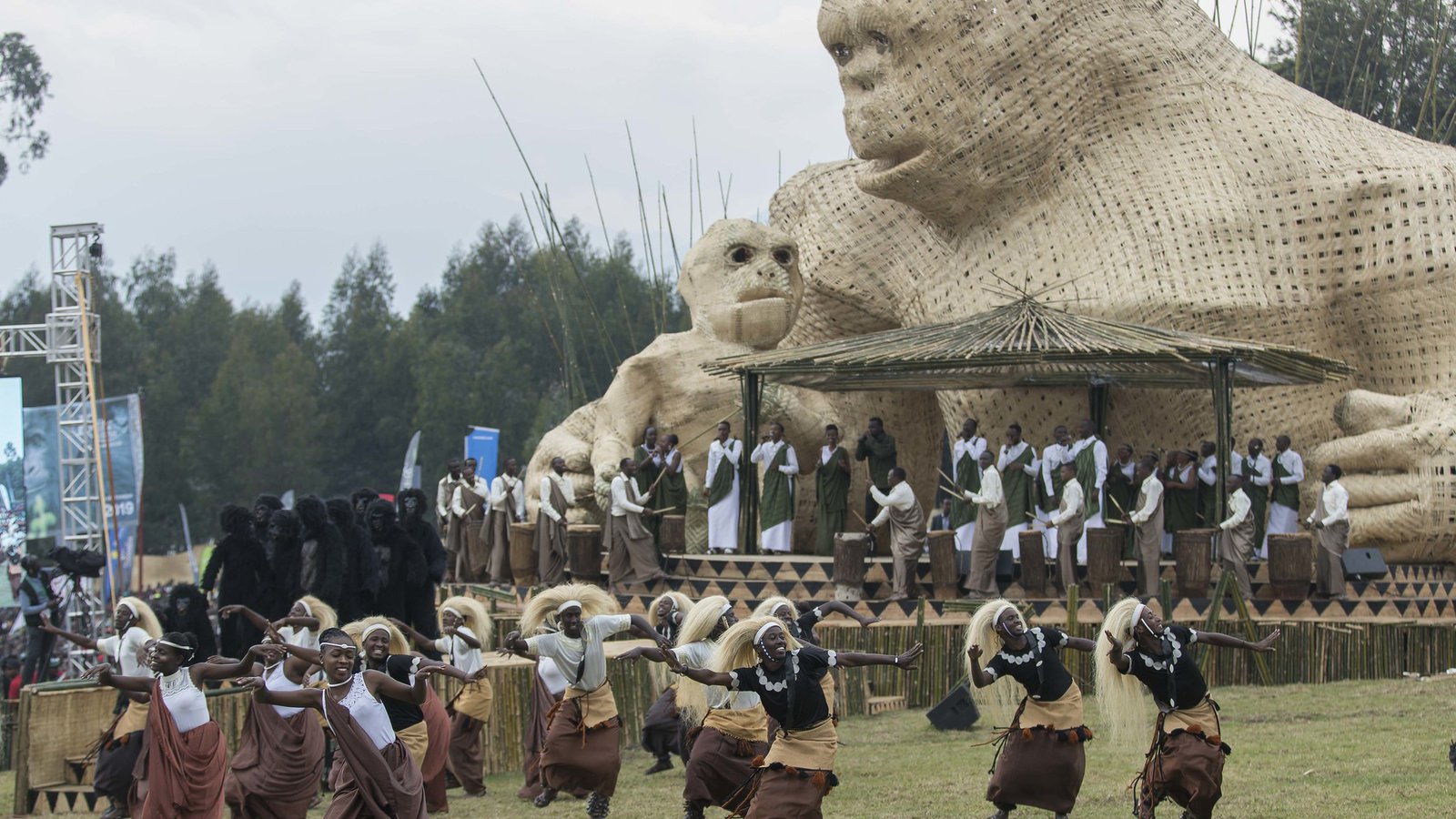
Kwita Izina is Rwanda's annual gorilla naming ceremony, inspired by the traditional cultural practice of naming newborns; it's a major conservation event celebrating mountain gorillas, acknowledging conservationists, and promoting tourism and habitat protection, involving naming nearly 400 baby gorillas since its 2005 launch. The event, often a week-long festival, attracts international figures and highlights Rwanda's dedication to wildlife and community involvement in conservation.
2-days-chimpanzee-tracking-in-nyungwe-and-kings-palace-cultural-tour
2-days-nyungwe-chimpanzee-tracking-and-canopy-walk
2-days-nyungwe-luxury-fly-in-to-trek-with-chimpanzee
2-days-chimpanzee-tracking-in-nyungwe-rwanda-vacation
3-days-nyungwe-chimpanzee-tracking-and-lake-kivu-relaxation
3-day-chimpanzee-trekking-tour-package-canopy-and-lake-kivu
3-days-budget-chimpanzee-tracking-in-nyungwe-forest-park
3-days-best-rwanda-canopy-walk-and-nyungwe-chimpanzee-tracking-adventure
4-days-nyungwe-chimpanzee-trekking-canopy-walk-and-lake-kivu-relaxation
6-days-akagera-safari-and-volcanoes-gorilla-trekking-and-ibi-wacu-cultural-village
9-days-best-family-rwanda-safari-holiday-big-five-canopy-walk-and-chimpanzee
What is the Kwita Izina ceremony?
The Kwita Izina ceremony is Rwanda’s annual, official event dedicated to celebrating newborn mountain gorillas by giving them names. This unique ceremony has gained international recognition for its role in conservation and community engagement. Established to raise awareness about the conservation of the endangered mountain gorillas, the event fosters a deep connection between the local community, researchers, and conservationists.
Originating in 2005, the ceremony takes place in September each year and has become a significant event that highlights the successful conservation efforts in Rwanda. Each year, representatives gather to name the baby gorillas born over the past year, often highlighting the importance of each individual animal within a larger conservation context. Naming these gorillas is not merely a ceremonial act; it symbolizes the commitment of the Rwandan government and its partners to protect and study these endangered creatures.
The Kwita Izina ceremony is also a vibrant public celebration, drawing thousands of attendees, including local community members, tourists, government officials, and international media. The event features traditional Rwandan performances, showcasing the rich cultural heritage of the nation, and creates a festive atmosphere filled with enthusiasm for wildlife conservation.
In essence, the Kwita Izina ceremony is not just a naming event; it is a vital platform that unites various stakeholders in the ongoing fight for the survival of mountain gorillas, fostering a spirit of collective responsibility and celebration of biodiversity in Rwanda.
What does the name "Kwita Izina" mean?
The term "Kwita Izina" translates to "to give a name" in the local Kinyarwanda language. This phrase captures the essence of the ceremony, which is rooted in the traditional Rwandan custom of naming newborns in the presence of family and friends. Naming ceremonies have deep cultural significance in Rwanda, as they symbolize the connection between individuals and their community.
In the context of the Kwita Izina ceremony, giving names to baby gorillas serves to deepen the bond between humans and these magnificent animals. It emphasizes the importance of each gorilla as an individual, rather than merely a statistic in conservation efforts. Each name reflects the story and characteristics of the gorilla, often inspired by Rwandan culture, history, or even environmental elements.
This practice of naming goes beyond a simple title; it serves as a means to acknowledge the vitality of each gorilla within the larger ecosystem. By naming the gorillas, the ceremony promotes awareness about the species and underscores their importance in the biodiversity of Rwanda.
In summary, "Kwita Izina," meaning "to give a name," intertwines cultural heritage with conservation efforts, highlighting the deep respect Rwandans have for their natural environment and the commitment to protecting the endangered mountain gorillas.
When does the Kwita Izina ceremony take place?
The Kwita Izina ceremony is held annually, typically during the first week of September. This specific timing aligns with the Rwandan wildlife calendar, as this period signifies the birth of numerous baby mountain gorillas over the preceding year. The choice of September not only marks the end of the dry season but also presents an opportune time for larger gatherings, encouraging both local and international participation.
During the ceremony, officials from the Rwandan government, conservationists, community members, and tourists come together to honor the newborn gorillas. The event has grown since its inception in 2005, emerging as a vital occasion for raising awareness about conservation and showcasing Rwanda’s commitment to protecting its iconic wildlife.
Beyond the naming itself, this annual celebration often involves various activities that commemorate the successful conservation of mountain gorillas, including discussions on the challenges and achievements in wildlife management. The week-long festivities preceding the main event feature cultural presentations and educational forums that draw attention to the importance of conservation and the benevolent role of local communities.
In summary, the Kwita Izina ceremony takes place every September, marking a significant moment not only for the named gorillas but also for advancing Rwanda's efforts in wildlife preservation and community engagement in conservation practices.
Where is the Kwita Izina ceremony held?
The Kwita Izina ceremony is held at the Kinigi grounds, located at the foothills of the Volcanoes National Park in Musanze, Rwanda. This scenic location is particularly fitting, as it is in close proximity to the habitat of the mountain gorillas, providing a breathtaking backdrop of lush green mountains and volcanic peaks. The Kinigi area is a prime destination for tourists seeking to observe and interact with these magnificent animals in their natural environment.
Hosting the ceremony at this location aligns with its purpose of promoting gorilla conservation. The Kinigi grounds not only attract a large number of local attendees but also draw tourists from around the globe, who come to celebrate the event while engaging in gorilla trekking activities nearby. This geographical connection emphasizes the importance of the mountain gorillas and allows visitors to easily transition from the celebration to experiencing their majestic presence up close.
Moreover, the venue itself is designed to accommodate a substantial number of attendees, facilitating a vibrant and inclusive atmosphere. Traditional performances and cultural displays often accompany the ceremony, drawing from the rich heritage of Rwandan culture, which adds to the excitement of the event. The stunning natural setting enhances the overall experience, creating a multi-faceted celebration of both wildlife and tradition.
In summary, the Kwita Izina ceremony takes place at Kinigi grounds, beautifully situated near Volcanoes National Park, serving as a focal point for wildlife conservation and cultural celebration in Rwanda.
How many gorillas have been named at the Kwita Izina ceremony since it began?
Since its inception in 2005, the Kwita Izina ceremony has seen the naming of over 397 baby gorillas. This significant milestone represents the ongoing success of conservation initiatives aimed at protecting the endangered mountain gorilla population in Rwanda. Each year, the ceremony celebrates the birth of these new individuals, highlighting the importance of every gorilla in the broader context of wildlife conservation.
The act of naming each gorilla emphasizes their individuality and importance within their family groups and the ecosystem. By assigning names to these animals, the ceremony encourages public interest and awareness about their plight and fosters a meaningful connection between the community and wildlife. It transforms these gorillas from mere statistics into recognized members of the Rwandan wildlife community, underscoring their role in attracting eco-tourism and conservation efforts.
As a result of these naming ceremonies, there has been a growing commitment to conserving mountain gorillas and their habitats. The increased awareness generated by the event not only celebrates the gorillas themselves but also serves as a rallying point for advocacy and fundraising efforts aimed at further protecting these endangered creatures.
In summary, since the Kwita Izina ceremony started in 2005, over 397 baby gorillas have been named, marking a significant achievement in Rwanda’s conservation efforts and helping to raise awareness about the importance of preserving these magnificent animals.
Why is the Kwita Izina ceremony important for conservation?
The Kwita Izina ceremony plays a crucial role in promoting conservation efforts for the mountain gorilla population in Rwanda. This annual event is not simply a naming ceremony but a powerful tool for raising awareness, celebrating successes, and fostering community involvement in wildlife preservation.
One of the primary functions of the Kwita Izina ceremony is to shine a spotlight on the ongoing conservation measures that have resulted in the positive growth of the mountain gorilla population. By publicly recognizing these achievements, the ceremony inspires hope and motivation for continued efforts in wildlife protection. It underscores the importance of community participation as local residents are made aware of the benefits that come from conserving their natural heritage.
Additionally, the ceremony serves as a platform to educate both locals and international tourists about the threats faced by mountain gorillas, including habitat destruction and poaching. It promotes discussions on conservation challenges and solutions, creating a knowledge-sharing environment among conservationists, government officials, and the community.
Furthermore, the event highlights the connection between tourism and conservation, emphasizing that a portion of tourism revenue is shared with local communities, encouraging them to become active guardians of the gorillas. This structural involvement in conservation fosters a sense of responsibility and pride among locals.
In summary, the Kwita Izina ceremony is vital for conservation as it raises awareness, promotes community engagement, celebrates successes, and creates educational opportunities that highlight the importance of protecting Rwanda's endangered mountain gorillas.
Who names the baby gorillas during the Kwita Izina ceremony?
During the Kwita Izina ceremony, baby gorillas are named by a diverse group of individuals, which often includes internationally recognized conservationists, celebrities, and local rangers who dedicate their lives to protecting these magnificent animals. This inclusion of various stakeholders adds depth to the ceremony, showcasing a shared commitment to wildlife conservation from multiple perspectives.
Inviting conservationists and celebrities lends the event a platform that attracts significant media attention, thereby amplifying the message of wildlife preservation beyond Rwanda. These prominent figures often use their influence to advocate for diverse conservation issues, shining a spotlight on the importance of protecting the endangered mountain gorillas.
Local rangers, who are intimately familiar with the gorillas and their habitats, also play a crucial role in the naming process. Their hands-on experience and commitment to wildlife protection enhance the authenticity of the ceremony, as they can offer personal anecdotes and insights regarding the animals being named. This connection adds a sentimental layer to the act of naming, as these individuals often work tirelessly to ensure the well-being of the gorillas day in and day out.
In summary, the Kwita Izina ceremony sees baby gorillas named by a blend of conservationists, celebrities, and dedicated local rangers. This collaborative approach underscores the shared responsibility for wildlife conservation and celebrates the collective efforts to protect Rwanda’s cherished mountain gorillas.
Can tourists attend the Kwita Izina ceremony?
Yes, tourists can indeed attend the Kwita Izina ceremony, which presents a unique opportunity for them to engage with Rwanda's conservation efforts and experience its cultural richness. Tourists interested in participating can register with the Rwanda Development Board (RDB) or book through authorized tour operators, ensuring a spot at this significant annual event.
Attending the ceremony allows tourists to witness the naming of baby gorillas firsthand, creating a magical experience as they celebrate individual gorillas alongside local community members and conservationists. This involvement fosters a sense of connection to the conservation journey, as tourists can engage in discussions regarding the importance of protecting endangered species.
Additionally, the ceremony often features various cultural performances, exhibitions, and activities that highlight Rwandan traditions. Tourists can immerse themselves in the local culture, enjoying traditional music, dance, and art that reflect the country's heritage. This cultural engagement complements the wildlife focus of the event, offering a well-rounded experience.
Moreover, attending the Kwita Izina ceremony provides tourists with insights into the relationship between conservation and community livelihoods. It emphasizes the role of eco-tourism in supporting local communities, encouraging visitors to become advocates for sustainable practices and wildlife protection even after they leave Rwanda.
In summary, tourists are welcome to participate in the Kwita Izina ceremony, gaining unique access to wildlife conservation while enjoying rich cultural experiences that deepen their understanding of Rwanda's natural heritage.
Is the Kwita Izina ceremony only about naming gorillas?
No, the Kwita Izina ceremony is not solely about naming gorillas; it is a comprehensive celebration that spans an entire week, incorporating a range of activities that promote conservation, community engagement, and cultural heritage. While the highlight of the event is undoubtedly the naming of the newborn gorillas, the festivities encompass much more.
Leading up to the main ceremony, various activities unfold, including a business of conservation conference. This conference invites stakeholders such as conservationists, community leaders, and policymakers to discuss crucial issues related to wildlife preservation and explore strategies for sustainable development. These discussions often yield actionable insights that can drive meaningful change in the conservation landscape.
Furthermore, the ceremony includes numerous community activities aimed at fostering local engagement and highlighting the importance of community involvement in wildlife protection. These activities often showcase local artisans, allowing them to display their crafts and share their stories, thereby strengthening community bonds and promoting local talent.
An evening gala dinner usually concludes the week's celebrations, serving both as a festive occasion and a fundraising event to support ongoing conservation projects. This dinner brings together key stakeholders, tourists, and local community members, fostering connections and discussions about the best ways to protect Rwanda's natural heritage.
In summary, the Kwita Izina ceremony is a week-long celebration that extends beyond naming gorillas. It emphasizes conservation advocacy, community involvement, and cultural appreciation, making it a vital event to promote sustainable practices and protect Rwanda’s endangered mountain gorillas.
How does the Kwita Izina ceremony benefit local communities?
The Kwita Izina ceremony provides numerous benefits to local communities, acting as a significant driver of economic growth, community engagement, and conservation awareness. One of the most direct benefits is the sharing of tourism revenue, with 10% allocated to local communities. This revenue sharing ensures that locals have a vested interest in protecting wildlife, especially mountain gorillas, as they can see tangible financial benefits from conservation efforts.
By participating in the ceremony, community members are given a platform to showcase their culture, crafts, and traditions to both local and international audiences. This exposure helps stimulate interest in local handmade products, thereby fostering entrepreneurship and creating additional income streams. Artisans and performers often find that the attention garnered from the ceremony leads to increased sales of their crafts and performances, enriching their livelihoods.
Additionally, the ceremony promotes a sense of unity and collective responsibility among local residents. Engaging the community in planning and executing the event encourages a shared sense of ownership and pride in their cultural and natural heritage. This bond strengthens community ties and fosters collaborative initiatives aimed at wildlife preservation.
Moreover, the ceremony includes educational components that inform local residents about wildlife conservation and sustainable practices. This awareness contributes to a more informed populace that understands the intricacies of biodiversity and the need to protect it for future generations.
How are the names for the gorillas chosen at the Kwita Izina ceremony?
The names given to the baby gorillas at the Kwita Izina ceremony are thoughtfully selected based on various meaningful factors. Each name reflects the unique personality of the baby, their family lineage, or the circumstances surrounding their birth. This personalized naming convention adds a layer of significance to each gorilla, helping to foster an emotional connection between the public and these endangered animals.
For example, a baby gorilla that exhibits playful behavior may receive a name that signifies joy or energy, while another that shows strength or resilience might be named to reflect those attributes. Family histories also come into play; names often honor matriarchs or notable members of their family groups, linking the baby to its heritage and the larger social structure of the gorilla community.
Moreover, the circumstances of a gorilla's birth can also inspire names. If a baby was born during a time of significant natural events, such as a rare blooming of flowers or after a heavy rainfall, that event may influence the naming process. These choices encapsulate a hopeful narrative for the future of each gorilla, giving them a name that not only represents their identity but also symbolizes a broader message of conservation and stewardship.
In essence, the naming process at the Kwita Izina ceremony connects the community, conservation efforts, and the individual gorillas, making each name a representation of hope, continuity, and identity in the delicate balance between humans and wildlife.
Does the President of Rwanda attend the Kwita Izina ceremony?
Yes, the President of Rwanda and other high-level dignitaries often attend the Kwita Izina ceremony, signifying the importance of this event on the national agenda. The presence of political leaders brings a level of prestige and visibility to the ceremony, elevating its status as a critical celebration of conservation and cultural heritage in Rwanda.
Having the President participate not only underscores governmental support for wildlife conservation but also demonstrates how deeply rooted these efforts are in the national identity. This involvement serves to galvanize broader public support for conservation initiatives, showing that protecting the endangered mountain gorillas is a priority for the country's leadership.
Moreover, the President's participation often involves giving speeches that emphasize the successes achieved in conservation, the role of local communities, and the importance of sustainable tourism. These messages resonate deeply, inspiring attendees—both locals and tourists—to engage more proactively in preservation efforts.
The high-profile nature of the Kwita Izina ceremony thus benefits from such notable attendance, attracting media coverage and promoting Rwanda as a leader in conservation. The involvement of dignitaries adds gravitas to the event, encouraging attendees and viewers alike to recognize the interconnectedness of wildlife conservation, cultural pride, and national development.
In summary, the presence of Rwanda’s President at the Kwita Izina ceremony reinforces its significance, reflecting the government’s commitment to protecting the nation’s natural heritage and encouraging ongoing efforts in wildlife conservation.
Are the actual baby gorillas present at the Kwita Izina ceremony?
No, the actual baby gorillas are not present at the Kwita Izina ceremony. Instead, they remain safely in their natural habitat within the forest, together with their families. This decision to keep the gorillas away from the event is grounded in a fundamental respect for their well-being and natural behaviors, ensuring they are not disturbed or stressed by human presence during the ceremony.
The primary focus of the Kwita Izina ceremony is to celebrate the newborns by giving them names and raising awareness about their significance to the ecosystem and conservation efforts. While the gorillas themselves do not attend, their stories, personalities, and familial connections are shared during the event, enriching the experience for attendees and reinforcing the importance of each individual animal.
Furthermore, keeping the baby gorillas in their natural environment highlights the conservation ethos that underpins the ceremony. It reflects the commitment to protecting their habitat and ensuring that they grow up in a safe and nurturing environment, reinforcing the message that the wild is the best place for these magnificent creatures.
In summary, while the baby gorillas do not attend the Kwita Izina ceremony, their presence is felt through the naming process, community stories, and discussions about conservation, ensuring that their significance is honored without compromising their natural behaviors.
What is the significance of the 2025 Kwita Izina ceremony?
The 2025 Kwita Izina ceremony holds particular significance as it will mark the 20th edition of this celebrated event, highlighting two decades of successful conservation efforts and sustainable tourism in Rwanda. This milestone is an opportunity to reflect on the progress made in protecting the endangered mountain gorilla population and the socioeconomic benefits of conservation initiatives for local communities.
Celebrating twenty years is a testament to the consistency and dedication shown by the Rwandan government, conservationists, and local communities in their efforts to preserve this iconic species. The event is expected to attract increased attention from international media and conservation advocates, providing a platform to share Rwanda's achievements and challenges in wildlife protection.
The 2025 ceremony will likely feature enhanced activities and presentations to commemorate this momentous occasion, such as showcasing success stories, engaging in discussions about future conservation strategies, and celebrating the vital role of local communities in protecting their natural heritage. This celebration may also involve honoring key figures who have contributed significantly to conservation efforts over the past two decades.
Moreover, the significance stems from continuing the conversation around eco-tourism as a sustainable income source for local communities. It will underscore how investing in wildlife not only helps protect ecosystems but also bolsters local economies, reinforcing the idea that conservation and community development go hand in hand.
In summary, the 2025 Kwita Izina ceremony is poised to be a significant celebration, marking 20 years of conservation success and sustainable tourism while promoting further collaboration between the Rwandan government, conservationists, and local communities in their ongoing efforts to protect mountain gorillas.
How does the Kwita Izina ceremony affect tourism in Rwanda?
The Kwita Izina ceremony significantly impacts tourism in Rwanda by positioning the country as a leading destination for sustainable and luxury eco-tourism. This annual event attracts both local and international tourists, generating interest in Rwanda’s unique wildlife and cultural heritage. The high-profile nature of the ceremony not only showcases the country’s commitment to conservation but also elevates its status on the global tourism map.
One of the main effects is the way it highlights mountain gorillas as a major tourist attraction. The ceremony creates a buzz around gorilla trekking, encouraging visitors to engage directly with conservation efforts. In turn, this promotes responsible tourism practices, where visitors are educated about the importance of protecting these endangered species while enjoying their time in nature.
The Kwita Izina ceremony also showcases Rwanda's rich cultural heritage, further enhancing the attractiveness of the country as a travel destination. Travelers who attend the ceremony can experience traditional performances, engage with local artisans, and learn more about Rwandan values and history. These aspects combine to offer a holistic tourism experience that goes beyond mere wildlife observation.
Additionally, increased tourist traffic generated by the ceremony contributes directly to local economies. Revenue from tourism often supports community projects and conservation initiatives, creating a positive feedback loop that enhances both economic and environmental sustainability.
In summary, the Kwita Izina ceremony plays a pivotal role in promoting Rwanda as a top-tier eco-tourism destination, drawing attention to its unique wildlife and cultural offerings while encouraging sustainable practices that benefit local communities and the environment.
How far in advance should I book to attend the Kwita Izina ceremony?
If you’re planning to attend the Kwita Izina ceremony, it is highly advisable to book at least six months in advance. This early planning is crucial for securing accommodation, transportation, and access to the event, especially since the ceremony attracts a significant number of visitors both locally and internationally.
The popularity of the ceremony means that hotels and lodges in the vicinity, especially those near Volcanoes National Park, can get fully booked quickly as the event approaches. Early reservations not only guarantee you a place to stay but often provide more options in terms of lodging styles and prices.
Booking in advance also allows for better planning of your itinerary. Many tourists may wish to incorporate other activities, such as gorilla trekking, cultural experiences, or wildlife excursions, into their trip. Securing these arrangements well ahead of time ensures a smoother travel experience and maximizes the opportunities for exploration.
Additionally, some tour operators may offer packages that include attendance at the Kwita Izina ceremony along with other services. Booking early allows access to these bundled deals, often at better rates compared to last-minute bookings.
In summary, booking at least six months in advance for the Kwita Izina ceremony is advisable to ensure you secure accommodations and can fully enjoy the wide range of experiences this unique celebration has to offer.
What is the Kwita Izina ceremony’s impact on mountain gorilla population numbers?
The Kwita Izina ceremony has a substantial impact on the population numbers of mountain gorillas in Rwanda, which has seen significant recovery over the years. Thanks in part to the awareness and international spotlight generated by this annual event, the number of mountain gorillas in the Virunga Massif has increased, demonstrating the effectiveness of conservation initiatives.
Since the inception of the ceremony in 2005, a concerted effort has been made to promote the protection of mountain gorillas through increased habitat preservation, anti-poaching patrols, and community involvement in conservation efforts. The naming of each newborn during the ceremony serves to humanize these animals, fostering a deeper understanding and emotional connection in both locals and tourists alike.
Additionally, the Kwita Izina ceremony acts as a platform for discussing conservation challenges and successes. It encourages dialogue about strategies for protecting gorillas and their habitats, raising funds and support for ongoing conservation work. This collective focus has resulted in collaborative efforts among governmental agencies, NGOs, and local communities, all aligning their goals toward enhancing the welfare of the mountain gorilla population.
As a direct result of heightened conservation awareness and action, the mountain gorilla population in Rwanda has been observed to stabilize and grow. Ongoing efforts have ensured that habitats remain protected, allowing gorillas to thrive in their natural environments.
In summary, the Kwita Izina ceremony has significantly contributed to the positive trajectory of mountain gorilla population numbers in the Virunga Massif, playing a critical role in the broader efforts to protect these endangered animals through increased awareness, advocacy, and community involvement.
What does the stage look like at the Kwita Izina ceremony?
The stage at the Kwita Izina ceremony is typically designed to reflect the rich cultural and natural heritage of Rwanda, often resembling a setting that showcases elements from the gorillas' habitat. Decorated with bamboo, which is a crucial part of the mountain gorillas’ environment, the stage creates an immersive atmosphere that resonates with the themes of wildlife preservation and cultural pride.
This natural aesthetic not only enhances the visual appeal of the ceremony but also serves as a symbolic nod to the importance of maintaining the ecosystems that support mountain gorillas. The bamboo setup can be elegantly arranged to create a welcoming and festive environment, allowing for both formality and a sense of celebration.
Additionally, the stage is often adorned with traditional Rwandan motifs and colors, blending seamlessly with cultural performances that feature local artists. The inclusion of cultural decorations highlights the significance of Rwandan heritage in the context of wildlife conservation, as the two are intrinsically linked.
The design of the stage is carefully considered to accommodate a variety of activities during the ceremony, including speeches, performances, and the key event of naming the baby gorillas. Such an arrangement ensures visibility and accessibility for all attendees, fostering an inclusive experience.
In summary, the Kwita Izina ceremony stage is designed to reflect the cultural and natural richness of Rwanda, incorporating bamboo and traditional motifs to create a beautiful setting that celebrates both the mountain gorillas and the heritage of the Rwandan people.
How long has the Kwita Izina ceremony been going on?
The Kwita Izina ceremony has been celebrated annually since 2005, marking its significance in the realm of conservation and cultural heritage in Rwanda. Over the years, the ceremony has evolved into a crucial event that not only honors the birth of baby mountain gorillas but also raises awareness about their conservation and the importance of sustainable tourism.
Since its inception, the ceremony has attracted an increasing number of participants, including government officials, conservationists, local community members, and international tourists. This growth underscores the ceremony's recognition as a vital platform for promoting wildlife protection and community engagement.
Each year, the Kwita Izina ceremony serves as a focal point for discussions surrounding the progress made and the challenges faced in wildlife conservation. With a strong emphasis on community involvement, the event highlights the collaborative efforts between the government and local populations to ensure the survival and well-being of mountain gorillas.
As it approaches its twentieth anniversary in 2025, the ceremony will serve as a celebration of two decades of successful initiatives in wildlife conservation and sustainable tourism. This rich history demonstrates not only the dedication of the Rwandan people but also the positive outcomes that can arise from united efforts to protect natural heritage.
In summary, the Kwita Izina ceremony has been an annual event since 2005, playing a vital role in wildlife conservation and community collaboration, while positioning Rwanda as a leader in sustainable tourism practices.
Can I watch the Kwita Izina ceremony online if I cannot travel?
Yes, if you cannot travel to Rwanda, you can still watch the Kwita Izina ceremony online. The Rwanda Development Board (RDB), along with various media outlets, typically broadcasts the ceremony live, making it accessible to a global audience. This initiative allows people from different parts of the world to engage with the celebration of gorilla conservation and cultural heritage, even if they cannot attend in person.
The live broadcast often includes comprehensive coverage of the event, featuring the naming of baby gorillas, speeches from dignitaries, and traditional performances. Viewers can witness the vibrant atmosphere and hear important conservation messages that resonate throughout the ceremony. This accessibility contributes to raising awareness about the significance of preserving mountain gorillas in their natural habitat, as well as celebrating the deep-rooted culture of Rwanda.
Watching the ceremony online also provides an opportunity for viewers to gain insights into Rwanda’s conservation journey, the successes achieved, and the challenges that still lie ahead. It fosters a sense of global community, encouraging everyone to become advocates for wildlife conservation, regardless of location.
Booking Kwita Izina ceremony with us Roads of Adventure safaris
Booking the Kwita Izina ceremony with Roads of Adventure Safaris offers an unparalleled immersion into Rwanda’s conservation heritage. This annual event, inspired by the centuries-old tradition of naming children in the presence of family and friends, celebrates the birth of new baby gorillas in Volcanoes National Park. Our expertly curated itineraries often combine the vibrant festival in Kinigi—featuring traditional music, dance, and international celebrities—with intimate gorilla trekking and wildlife encounters in Akagera. We manage all logistics, from securing high-demand permits to providing luxury transport and accommodation, ensuring a seamless journey that supports local communities and vital wildlife protection efforts.
