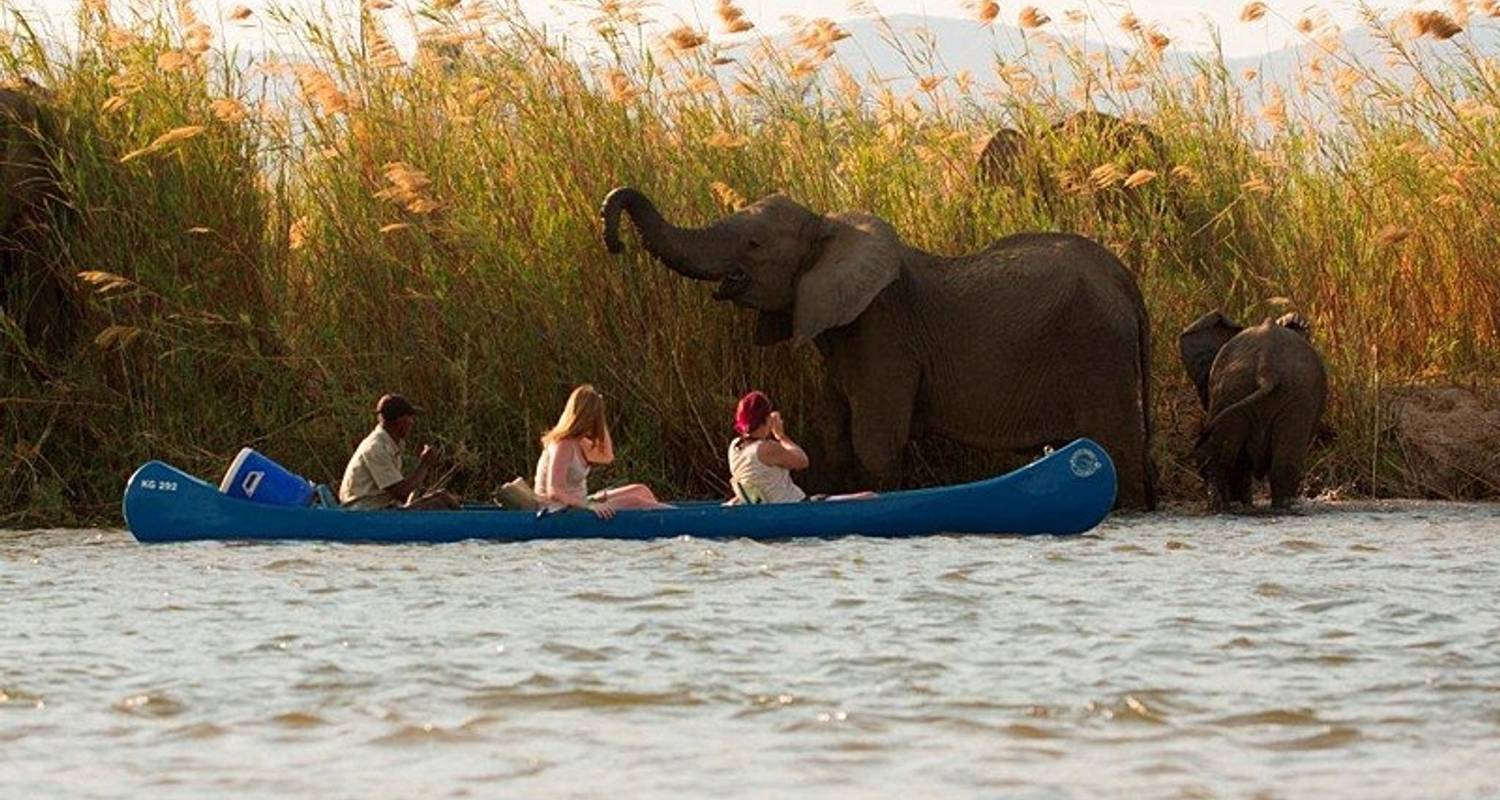
Yes, camping in the Lower Zambezi National Park is highly rewarding, offering a budget-friendly way (around $20–$30 pppn) to experience one of Africa’s most pristine wildlife areas. Campers can experience exceptional close-up views of elephants, hippos, and lions, alongside canoeing and walking safaris
3-days-canoeing-safari-and-fishing-at-zambezi-river-on-lower-zambezi-safari-park
3-day-best-lower-zambezi-national-park-zambia-safari-and-canoeing-safaris
7-days-south-luangwa-and-lower-zambezi-safari-in-zambia
10-days-exceptional-adventure-safari-in-zambia-and-victoria-falls-tour-package
15-days-best-of-zambia-safari-and-victoria-falls-tour-package
Is Canoeing in Lower Zambezi National Park Worth It?
Canoeing in Lower Zambezi National Park is an experience highly recommended for those who crave adventure combined with tranquility. The park’s serene waterways provide a peaceful means to explore the wilderness, distinct from traditional game drives. While game drives offer a sweeping view of the landscape and wildlife, canoeing immerses you in nature, allowing for a unique, intimate connection with the environment.
As you glide along the river, the gentle sounds of water and the rustling of leaves create a calming atmosphere. This quiet mode of transportation allows you to approach wildlife without the noise typically associated with motorized vehicles, giving you a more authentic experience. You may encounter elephants wading into the water, hippos rearing their heads, or crocodiles basking in the sun—all visible and accessible due to the fluid nature of canoeing.
Guided by knowledgeable experts, you are not only safe but also educated about the ecosystem, enhancing your understanding of the myriad life forms that inhabit the park. The tranquil setting allows you to absorb the beauty of the landscape fully. The experience often leaves visitors with lasting memories and a deeper appreciation for the African bush, making canoeing in Lower Zambezi a worthwhile endeavor for nature lovers and adventure seekers alike.
What Wildlife Can I See While Canoeing?
A canoe safari in the Lower Zambezi National Park offers some of the best wildlife viewing opportunities in Africa. The river serves as a lifeline for a variety of species, making it a prime location for spotting animals. As you paddle silently along the waterways, you may encounter elephants not only drinking but also swimming in the river, showcasing their playful nature. These gentle giants are often seen up close, a highlight for many visitors.
Hippos are another common sight; their massive bodies can be observed partially submerged, with only their nostrils and eyes visible. The thrill of witnessing these animals in their natural habitat adds excitement to the experience. Additionally, the presence of crocodiles sunbathing on the riverbanks offers another captivating aspect of wildlife observation.
Birdwatchers will find joy in the plethora of avian species along the river, including the iconic African fish eagle, known for its distinctive call, and vibrant carmine bee-eaters that flit through the air. Their vivid colors and agile movements enhance the beauty of the landscape. The quiet nature of canoeing allows you to catch these creatures in their natural behaviors, creating an immersive wildlife experience that few other activities can offer.
Do I Need Previous Canoeing Experience?
One of the appealing aspects of canoeing in the Lower Zambezi is that no previous experience is required to join most trips. This accessibility makes it a fantastic option for families, couples, and solo adventurers alike. Professional guides lead the canoe tours and provide comprehensive safety briefings before you embark on the water. These briefings ensure all participants understand basic paddling techniques, safety protocols, and the best ways to navigate the river.
Guides are not only knowledgeable about canoeing but also well-versed in the local wildlife and ecology, further enriching your experience. This combination of expert instruction and local knowledge allows beginners to feel comfortable and confident on the water. Concerns about navigating the canoe or dealing with challenging conditions are alleviated, as the guides are trained to manage these elements.
For those who may still feel hesitant, tandem canoes or shared paddling arrangements ensure that everyone can participate without feeling overwhelmed. This inclusive approach enables a wide range of participants to enjoy the stunning environment and wildlife encounters that canoeing offers. Overall, the availability of comprehensive guidance makes canoeing a viable and enjoyable adventure for anyone interested in exploring the Lower Zambezi.
When Is the Best Time for Canoeing in Lower Zambezi National Park?
The best time for canoeing in Lower Zambezi National Park is during the dry season, which typically spans from June to October. This period is marked by lower rainfall, clearer skies, and cooler temperatures, creating ideal conditions for outdoor activities. During the dry months, the wildlife is more concentrated along the riverbanks, attracted by the limited water sources, making it easier to spot a variety of animals.
The dry season offers other advantages as well. Rivers are more navigable, and the likelihood of encountering adverse weather conditions is significantly reduced, which allows for longer and more enjoyable excursions. Visitors can savor the stunning vistas of the park and enjoy a range of wildlife sightings without discomfort from excessive heat or rain.
In contrast, the wet season, from November to April, presents challenges for canoeing as many lodges and operators may close due to heavy rains and difficult access to areas of the park. While some adventurous travelers choose to canoe during this time to experience the lush greenery and rich birdlife, the dry season remains the peak time for river activities. Planning your canoeing trip during the dry season ensures optimal wildlife encounters and a more enjoyable experience overall.
How Long Do Canoe Safaris Usually Last?
Canoe safaris in Lower Zambezi National Park vary in duration, accommodating different schedules and preferences. Options are available for both short and extended trips. For those pressed for time, many lodges offer taster trips that last between 2 to 3 hours. These quick excursions are perfect for families or individuals simply looking to sample the experience of canoeing in the park. They provide a great introduction to the unique landscapes and wildlife without requiring a significant time commitment.
For adventurers seeking a deeper engagement with the park, multi-day expeditions are also available, typically ranging from 3 to 7 days. These trips allow for more extensive exploration and offer unique opportunities to camp on remote islands or riverbanks. Wild camping enhances the experience, as participants can immerse themselves fully in nature, sharing stories under the stars and enjoying the sounds of the bush at night.
Longer trips provide the chance to paddle through different sections of the river, increasing the likelihood of diverse wildlife encounters and enriching the overall adventure. Whether opting for a short taster trip or an immersive multi-day experience, guests can find a canoe safari that fits their interest and timeframe, ensuring a fulfilling wildlife adventure in the stunning Lower Zambezi National Park.
Is It Safe to Canoe Near Hippos and Crocodiles?
Canoeing in the Lower Zambezi National Park naturally raises questions about safety concerning the presence of hippos and crocodiles—two of the river’s most iconic inhabitants. While these animals are undeniably present, expert guides are trained to navigate the waters strategically. They understand animal behavior and are skilled in assessing when and how to approach areas where these creatures might be found.
Guides instruct guests on how to maintain a safe distance from hippos and crocodiles, ensuring that interactions remain secure and thoughtful. Canoeists typically view hippos from a distance, as these animals can be territorial and unpredictable if disturbed. Crocodiles, on the other hand, are generally more passive when left undisturbed but still require caution during encounters.
Safety briefings prior to setting off cover essential protocols and equip participants with the knowledge needed to enjoy the experience safely. Guides keep a close watch on the surroundings and adjust routes based on conditions and wildlife activity, allowing guests to safely enjoy thrilling encounters. With comprehensive safety measures in place, paddling in close proximity to these magnificent animals can be both awe-inspiring and secure, making for unforgettable wildlife experiences.
What Is the Level of Physical Fitness Required?
Canoeing in Lower Zambezi National Park generally requires a moderate level of physical fitness, particularly for multi-day expeditions where participants may paddle distances ranging from 20 to 25 kilometers each day. However, one of the advantages of this activity is that the river’s current often aids in propelling the canoe downstream, minimizing the effort needed for paddling.
For shorter trips, the required fitness level is significantly less demanding, allowing individuals of all ages and fitness levels to participate comfortably. The guided nature of these trips means that no prior experience is necessary, and guides provide the needed support and instruction to ensure everyone can enjoy their time on the water. This helps to ease any concerns about physical exertion, particularly for those who may not be avid paddlers.
For those considering multi-day trips, engaging in light preparatory exercise in the weeks leading up to the adventure can enhance comfort and enjoyment, although it is not mandatory. Whether you are embarking on a casual outing or a more extensive expedition, the accessibility of canoeing means that a wide range of participants can discover the beauty of the park without extensive physical prerequisites.
Can I Do a Canoe Safari During the Wet Season?
Canoeing during the wet season in Lower Zambezi National Park is possible, though it comes with some logistical challenges. The wet season, spanning from November to April, brings heavy rains that can lead to rising water levels and increased river flow. This can complicate access to certain areas of the park and might affect the safety and navigation of canoe excursions.
While some operators do provide canoe safaris year-round, many lodges close during this period due to difficult road access, making it less practical. However, the wet season also offers a different perspective on the landscape, with lush vegetation and vibrant wildlife activity, particularly among bird species. Many visitors appreciate the chance to see how the ecosystem transforms during this time.
If you choose to canoe during the wet season, it’s essential to research which operators still run trips and to be prepared for potential weather-related challenges. While the dry season is traditionally the best time for river activities, a well-planned wet season adventure can still provide unforgettable experiences and unique wildlife encounters, making it worth considering for the more adventurous traveler.
What Should I Wear or Bring for Canoeing?
When preparing for a canoeing adventure in the Lower Zambezi, selecting the right attire and gear is essential for comfort and safety. A wide-brimmed hat provides crucial sun protection, shielding your face and neck from UV rays. Additionally, a high-quality sunscreen (preferably waterproof) is a must to prevent sunburn during extended periods on the water.
Wearing lightweight, long-sleeved shirts not only offers sun protection but can also help regulate body temperature. Quick-drying clothing is recommended, as it allows for comfort in case of splashes or unexpected rain. For footwear, secure sandals or water shoes provide both support and safety when getting in and out of the canoe.
A waterproof bag or housing for your camera and other essential belongings is crucial to protect against moisture. It’s also advisable to bring along a refillable water bottle to stay hydrated throughout the excursion. Binoculars can enhance wildlife viewing, allowing for details to be appreciated from a distance.
By carefully considering your attire and gear, you will be well-equipped to maximize your experience while enjoying the stunning landscapes and wildlife encounters in Lower Zambezi National Park.
Are There Rapids in the Lower Zambezi Section?
The Lower Zambezi is characterized by gently flowing, wide waters, making it an excellent destination for canoeing, particularly for beginners. While some minor "Level 2" rapids may exist, these are generally quite manageable and not overly challenging for those who are less experienced. This feature sets the Lower Zambezi apart from other river adventures that may include more intense white-water conditions.
The calmness of the river not only makes for an enjoyable paddling experience but also enhances opportunities for wildlife viewing along the banks. The slow-moving water provides ample time to appreciate the breathtaking scenery and observe animals in their natural habitats without intimidating rapids getting in the way.
For families, novice paddlers, or anyone looking to enjoy a peaceful safari experience, the absence of significant rapids offers a stress-free adventure, allowing for close interaction with the environment. Overall, the manageable water conditions in the Lower Zambezi ensure a smooth and enriching experience for canoeists of all skill levels.
What Is the Difference Between Participatory and Non-Participatory Safaris?
Understanding the distinction between participatory and non-participatory safaris is key to tailoring your experience in the Lower Zambezi National Park. In participatory safaris, guests are encouraged to take an active role in the experience. This can include setting up camp, helping with cooking, and taking on various responsibilities throughout the trip. This hands-on approach fosters a sense of teamwork and inclusivity, creating strong bonds among participants.
On the other hand, non-participatory safaris allow guests to immerse themselves in the experience without directly engaging in camp management or chores. A dedicated support team takes care of all logistical aspects, including camp setup and meal preparation. This option appeals to those looking for a more relaxed experience, as you can focus entirely on exploration and wildlife viewing without added responsibilities.
Both formats have their unique advantages. Participatory trips allow guests to engage more deeply with their surroundings and contribute to the group's dynamics, while non-participatory trips offer ease and comfort. Ultimately, the choice between the two will depend on your personal preferences and desired level of involvement in the adventure.
Can Children Go Canoeing in Lower Zambezi?
Yes, many canoe safaris in Lower Zambezi National Park are designed specifically for families, making it an excellent choice for children and teenagers. These family-friendly excursions cater to younger participants, provided they can understand and follow safety instructions given by the guides.
Guides are well-equipped to introduce children to the joys of canoeing and wildlife, ensuring that families have an engaging yet safe experience. The thrill of canoeing provides a unique opportunity for children to connect with nature, learn about wildlife and ecosystems, and create lasting memories with family members.
Family-specific itineraries often include educational components and interactive activities suitable for younger adventurers. This holistic approach helps cultivate a fascination with nature and fosters greater environmental awareness among children. Therefore, canoeing in the Lower Zambezi offers not only adventure but also valuable learning opportunities for the whole family.
Will I Have to Paddle the Whole Time?
If you are concerned about the physical demands of canoeing, rest assured—many operators in the Lower Zambezi offer the option to hire a guide who can do the paddling for you. This arrangement allows you to enjoy a more relaxed experience, focusing entirely on wildlife viewing, photography, and soaking in the beautiful surroundings without the fatigue of continuous paddling.
Having a guide handle the canoeing gives you the flexibility to fully appreciate the journey at your own pace. You can sit back and enjoy the scenery, observe wildlife, and engage in conversations without the distraction of navigating the water. This option is perfect for families, less experienced paddlers, or anyone simply seeking a more leisurely experience.
This adaptable approach ensures that everyone can enjoy the beauty and thrill of canoeing in Lower Zambezi, catering to individual preferences and levels of comfort. Ultimately, whether you wish to paddle or prefer to sit back and relax, canoeing offers an enriching experience on the water.
Is Wild Camping Part of the Experience?
Wild camping is indeed a significant part of the experience for multi-day expeditions in Lower Zambezi National Park. This aspect of the safari is often described as one of the most memorable features of canoeing trips. Participants usually camp on remote islands or riverbanks, which allows for a deeper connection with nature and unforgettable nights under the stars.
Wild camping introduces an exciting element of adventure, as you set up camp alongside the river and share stories around the campfire at night. Participants typically enjoy the simplicity and authenticity that come with outdoor living, enriched by the sounds of the wilderness and the stunning views of the night sky.
Sleeping in the open allows for unique wildlife encounters, as many animals can be observed more closely than they might be during a traditional safari. The experience cultivates a sense of camaraderie among participants, often leading to lasting friendships developed through shared activities and experiences.
This immersive camping experience enriches the journey, making it a sought-after option for those looking to embrace the full essence of the African bush. The wild camping aspect helps create an authentic adventure that many find deeply rewarding, leaving lasting memories of your time in Lower Zambezi.
How Does Canoeing Compare to a Boat Safari?
Canoeing and boat safaris each offer distinct advantages, but they also provide unique experiences depending on how you prefer to engage with the environment. Canoeing is much quieter than a traditional motorized boat safari, allowing for close approaches to wildlife without disturbing their natural behaviors. This silent mode of transport fosters a deeper connection to nature; you can hear the sounds of the bush, engage with your surroundings, and more easily observe animals in a tranquil setting.
On the other hand, boat safaris allow for faster travel across larger distances, which can be advantageous for those looking to cover more ground and see a wider variety of landscapes and wildlife in a shorter time. They provide comfort and ease, requiring less physical exertion than paddling for extended periods.
Ultimately, the choice between canoeing and a boat safari depends on your personal preferences. If you seek an intimate and immersive experience where you can engage deeply with the environment, canoeing is the optimal choice. However, if you prefer convenience and want to explore a broader area while enjoying the comfort of a boat, a traditional safari may be more suitable. Each experience offers unique opportunities for wildlife observation and exploration, ensuring that whatever choice you make will be memorable.
Booking Zambia safari with us Roads of Adventure safaris
Booking a Zambia safari with Roads of Adventure Safaris promises an unforgettable experience in the heart of Africa. Our expert guides will lead you through stunning landscapes, offering immersive wildlife encounters in iconic parks like Lower Zambezi and South Luangwa. Whether you prefer thrilling game drives, serene canoeing, or adventurous walking safaris, we tailor each journey to your preferences. With a focus on sustainable tourism, we ensure that your adventure supports local communities and protects wildlife. Experience the beauty, diversity, and magic of Zambia with us. Book your adventure today and create lasting memories!
