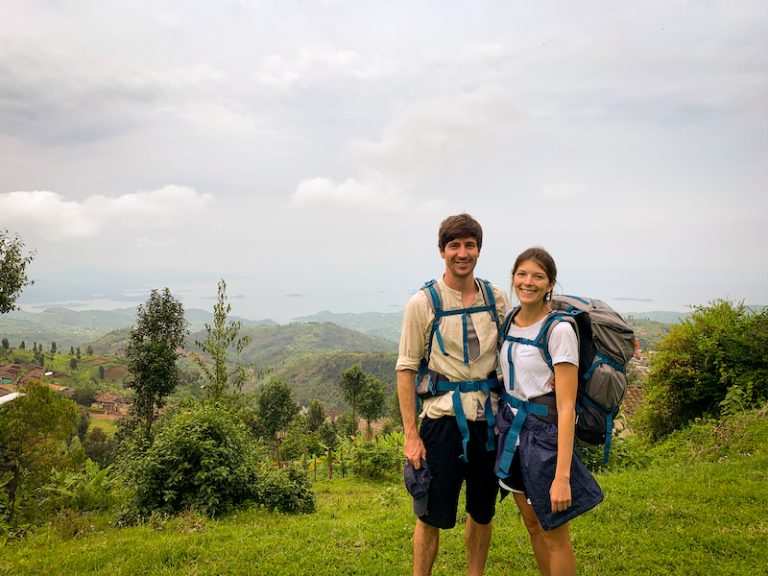
A 12-day Rwanda safari offers ample time to explore the "Land of a Thousand Hills," focusing on premier primate trekking in Nyungwe and Volcanoes National Parks, savanna wildlife in Akagera, and relaxation on Lake Kivu. Key options focus on immersive wildlife, adventure, luxury, or combining Rwanda with Uganda.
12-days-classic-rwanda-uganda-africa-safari-tour-package-combo
12-days-rwanda-primate-safari-vacation-and-akagera-national-park
12-days-best-rwanda-wildlife-safari-and-rwanda-primate-safari-vacation
12-days-rwanda-safari-adventure-and-active-hiking-safari
12-days-rwanda-uganda-safari-and-rwenzori-climb-and-hiking
12-days-perfect-rwanda-birding-safari-itinerary
12 Day Ultimate Primate & Wildlife Discovery
The 12 Day Ultimate Primate & Wildlife Discovery is the definitive "Grand Tour" of Rwanda, meticulously designed to showcase the nation's extraordinary biodiversity and its inspiring journey of renewal. This itinerary transcends the typical gorilla-focused visit, inviting you to explore three distinct national parks that represent the ecological soul of the "Land of a Thousand Hills." From the ancient, primate-rich montane forests of Nyungwe to the shimmering waters of Lake Kivu and the restored Big Five savannahs of Akagera, every landscape tells a story of conservation and resilience.
This 12-day odyssey is perfectly paced for the traveler who seeks both high-adrenaline wildlife encounters and meaningful cultural depth. You will stand in the presence of mountain gorillas, track vocal chimpanzees, and witness the sunrise over the eastern plains. By weaving together Rwanda’s somber history in Kigali with its vibrant contemporary culture and world-class eco-tourism, this discovery route provides a holistic and unforgettable portrait of a country that has truly become a beacon of hope for African conservation.
Day 1: Arrival and Welcome to Kigali
Your Rwandan adventure begins at Kigali International Airport, where you are greeted by the clean, cool air of one of Africa’s most organized cities. After a seamless transfer to your boutique hotel, the afternoon is yours to unwind from your journey. You might choose to relax by the pool or take a gentle stroll through the quiet, tree-lined streets of the Kiyovu neighborhood. This first evening is a time for orientation and anticipation; as you enjoy a gourmet dinner featuring locally grown coffee and fresh ingredients, your guide will provide a detailed briefing on the 12-day journey ahead. The sophisticated atmosphere of Kigali, with its twinkling hillside lights and welcoming spirit, serves as the perfect introduction to the modern, vibrant Rwanda that awaits your exploration.
Day 2: Kigali City Tour and Cultural History
Today is dedicated to understanding the heart and history of Rwanda. You begin with a poignant visit to the Kigali Genocide Memorial at Gisozi, a vital experience for grasping the country's past and its remarkable path toward reconciliation and unity. In the afternoon, the mood shifts to the bustling energy of the present at Kimironko Market. Here, you can wander through aisles of colorful kitenge fabrics, exotic fruits, and handcrafted baskets, experiencing the daily rhythm of Rwandan life. You will also visit the Inema Arts Center to see how a new generation of artists is shaping the country’s future through contemporary painting and sculpture. This day provides the essential cultural context that enriches the wildlife encounters to follow, showing a nation that has successfully turned its history into a powerful message of hope.
Day 3: Journey South to Nyungwe Forest
Leaving the capital behind, you begin the scenic drive south toward the ancient Nyungwe Forest National Park. The journey is a visual feast of terraced hillsides and vibrant green tea plantations. Along the way, you stop in Huye (formerly Butare) to visit the Ethnographic Museum, home to one of Africa’s finest collections of traditional crafts and historical artifacts. This stop offers deep insight into pre-colonial Rwandan society, architecture, and monarchical history. As you continue toward the park, the air becomes noticeably cooler and the vegetation more lush. By late afternoon, you arrive at your forest lodge, perched on the edge of a primary rainforest that dates back thousands of years. The evening is spent listening to the mysterious calls of nocturnal birds and primates, marking your first true immersion into the Rwandan wild.
Day 4: Chimpanzee Tracking and Canopy Walk
An early start takes you deep into the heart of Nyungwe for a high-energy chimpanzee tracking experience. These intelligent primates are highly mobile; following them involves navigating through thick undergrowth while listening for their distinctive "pant-hoots" echoing through the canopy. Spending an hour watching them play, forage, and socialize is a pulse-pounding thrill that highlights our shared evolutionary heritage. In the afternoon, the adventure moves to the sky with the Nyungwe Canopy Walk. Suspended $50\text{ meters}$ above the forest floor, this $160\text{-meter}$ long bridge provides a bird’s-eye view of the ancient treetops. It is a spectacular vantage point for spotting specialized bird species and primates like the L’Hoest’s monkey, offering a sense of scale and majesty that is impossible to experience from the ground.
Day 5: Colobus Monkeys and Lake Kivu
On day five, you explore a different dimension of Nyungwe’s primate diversity by tracking the Black-and-White Colobus monkeys. These stunning primates live in "super-groups" of up to 300 individuals, creating a breathtaking visual as they leap through the emerald canopy with their long, flowing white tails trailing behind them. The trek is generally gentler than the chimpanzee search, allowing for a more focused look at the forest’s botanical wonders, including rare orchids and giant ferns. Following the trek, you depart the rainforest for a scenic drive to the shores of Lake Kivu. You will check into a lakeside resort in Kibuye or Gisenyi, where the tropical atmosphere and shimmering water provide a perfect "rest and recuperation" stop midway through your journey, allowing the physical demands of the forest to melt away.
Day 6: Relaxation at the Emerald Lake
Today is a designated "slow travel" day on the shores of Lake Kivu, one of the African Great Lakes. You can choose to spend the morning at your own pace—perhaps reading on a private balcony or taking a dip in the clear, bilharzia-free waters. For those still seeking activity, an optional boat cruise to Napoleon Island is a highlight; the island is home to a massive colony of fruit bats and offers a short hike to a summit with panoramic views of the lake’s many islands. Alternatively, kayaking along the coastline provides a peaceful way to observe local fishing villages and the rhythmic lives of the "singing fishermen." This day is essential for recharging your energy, ensuring you are fully refreshed for the high-altitude challenges of the gorilla highlands that await you tomorrow.
Day 7: Drive North to the Gorilla Highlands
Leaving the lakeside behind, you embark on one of Rwanda’s most scenic drives, heading north toward the Virunga Mountains. The road winds through the "thousand hills," offering constant views of terraced farms and small villages where children wave as you pass. As you approach Volcanoes National Park, the dramatic silhouettes of the five dormant volcanoes—Bisoke, Karisimbi, Mikeno, Sabinyo, and Gahinga—begin to dominate the horizon. This is the land of the mountain gorillas and the legacy of Dian Fossey. Upon arrival in the Kinigi area, the atmosphere shifts to one of quiet anticipation. You will check into your lodge, situated in the shadow of the peaks, and enjoy an evening by the fireplace. The cool mountain air and the mist clinging to the slopes create a mystical setting for the most anticipated day of the trip.
Day 8: The Great Gorilla Encounter
This is the day you have traveled across the world for. After an early briefing at the park headquarters, you are assigned a gorilla family and a team of expert rangers. The trek into the volcanic rainforest can be physically demanding, involving a hike of one to six hours through bamboo thickets and over muddy slopes at altitudes exceeding $2,500\text{ meters}$. However, all fatigue vanishes the moment you find the group. You have exactly one hour to stand in the silent presence of these gentle giants. Watching a silverback supervise his family while juveniles tumble and play is a profound, life-changing experience. The rangers’ intimate knowledge of the gorillas’ personalities adds depth to the encounter, ensuring you leave the forest with a deep respect for these endangered primates and the conservation efforts that keep them safe.
Day 9: Golden Monkeys and Cultural Guardians
Your exploration of the Virungas continues with a trek for the endangered Golden Monkeys. These beautiful, energetic primates are endemic to the Albertine Rift and live in the bamboo forests at the base of the volcanoes. Watching them leap through the canopy and forage for bamboo shoots is a high-speed photographic delight. In the afternoon, you visit the Gorilla Guardians (Iby'iwacu) Cultural Village. This community-led initiative was founded by former poachers who have turned their intimate knowledge of the forest into a force for conservation. You will witness traditional dances, learn about ancient medicine, and see how Rwandan royalty once lived. This cultural immersion provides a vital human perspective, showing how the survival of the gorillas is directly linked to the prosperity and pride of the local people living alongside them.
Day 10: Eastward to the Akagera Savannah
Today involves a cross-country transit as you move from the mountainous west to the eastern plains of Akagera National Park. The journey takes you back through Kigali and out toward the border with Tanzania, showing the incredible variety of Rwanda’s geography in just a few hours. Akagera represents a different side of the "Pearl of Africa"—a landscape of open savannah, acacia woodlands, and a complex system of lakes and papyrus swamps. Upon arrival, you will enter the park for an introductory afternoon game drive. After days in the dense forest, the wide-open horizons of Akagera feel expansive and liberating. As the sun sets over the water, you might spot your first herds of zebras or impalas, signaling the start of the final, "Big Five" chapter of your Rwandan discovery.
Day 11: Big Five Safari and Lake Ihema
Your penultimate day is a celebration of savannah wildlife. A morning game drive in the northern sector of Akagera offers the best chance to spot lions, leopards, and the re-introduced black and white rhinos. The park is also home to massive herds of buffaloes, elephants, and Masai giraffes. In the afternoon, you swap the vehicle for a boat on Lake Ihema. This aquatic safari brings you within meters of large pods of hippos and some of Africa’s most formidable Nile crocodiles. For birdwatchers, the lake is a paradise, with opportunities to see fish eagles, kingfishers, and perhaps even the elusive shoebill stork. The day perfectly balances the adrenaline of the predator search with the serenity of the water, providing a comprehensive "Big Five" experience within Rwanda’s unique eastern wilderness.
Day 12: Final Game Drive and Departure
On your final morning, you enjoy a sunrise game drive as you exit the park, taking a last look at the herds of topi and waterbuck that roam the plains. This final sweep often reveals the "hidden" animals you might have missed, like the elusive bushbuck or a pride of lions resting in the shade. From Akagera, it is a steady three-hour drive back to Kigali. Depending on your flight schedule, you may have time for some last-minute souvenir shopping at the Caplaki Craft Village for high-end Rwandan handiwork. Your guide will then transfer you to Kigali International Airport for your departure flight. You leave Rwanda with a heart full of memories—from the mist of the gorilla highlands to the golden light of the savannah—having experienced the ultimate primate and wildlife discovery.
12 Day Rwanda Luxury & Wellness Retreat
The 12 Day Rwanda Luxury & Wellness Retreat is a masterfully curated journey designed for those who seek the profound beauty of the wild without sacrificing the pinnacle of comfort. This itinerary focuses on "Slow Travel," allowing guests to deeply connect with Rwanda’s soul through exclusive access and world-class hospitality. From the sophisticated boutiques of Kigali to the ultra-luxury villas of Bisate or One&Only, every detail is polished to perfection. This retreat balances the physical exertion of primate trekking with restorative spa therapies and serene moments overlooking volcanic peaks.
By prioritizing a leisurely pace and private experiences, this 12-day odyssey ensures you are not just a spectator but an honored guest in the "Land of a Thousand Hills." Whether you are flying by helicopter over terraced landscapes or enjoying a private sundowner on the savannah, this journey represents the gold standard of African eco-tourism. It is a transformative escape where luxury meets conservation in a seamless, elegant embrace.
Day 1: VIP Arrival and Urban Sanctuary in Kigali
Your retreat begins with a VIP "meet and greet" service at Kigali International Airport, where a private concierge handles your luggage and customs formalities. You are transferred to The Retreat, an eco-friendly urban sanctuary in the heart of the city. Spend the afternoon unwinding in your private garden suite or cooling off in the saltwater pool. This first day is dedicated to grounding yourself after your international journey. Enjoy an organic welcome dinner at Fusion Restaurant, where the menu features ingredients harvested from the lodge’s own gardens. The quiet elegance and personalized service provide a tranquil transition into the Rwandan rhythm, ensuring you are rested and ready for the adventures ahead.
Day 2: Private City Discovery and Gourmet Kigali
Today, your private guide leads you on a tailored discovery of Kigali’s sophisticated culture. You will visit the Kigali Genocide Memorial for a private, guided perspective on the nation's resilience, followed by a visit to the city's most prestigious art galleries. Lunch is a gourmet affair at a top-tier restaurant overlooking the city’s rolling hills. In the afternoon, explore the high-end boutiques of the Kigali Cultural Village to find exquisite Rwandan handiwork. The evening concludes with a signature dining experience, where you can sample refined interpretations of local flavors paired with international wines. This day is about appreciating the modern, vibrant pulse of a city that has become a global model for urban order and hospitality.
Day 3: Helicopter Transit to Nyungwe Forest
Skip the long drive and take to the skies with a scenic helicopter flight to Nyungwe Forest. As you soar over the "thousand hills," you will witness the breathtaking tapestry of tea plantations and terraced farms that define the Rwandan landscape. Upon landing, you are whisked to One&Only Nyungwe House, a lodge nestled within a working tea plantation on the edge of the ancient rainforest. The afternoon is yours to enjoy the resort's world-class amenities. Perhaps indulge in a forest-inspired spa treatment or enjoy a guided "Tea Ceremony" where you learn the art of picking and brewing the perfect cup. This aerial arrival sets a tone of effortless luxury for the primate-focused segment of your retreat.
Day 4: Private Chimpanzee Trek and Isumo Waterfalls
Awake to the mist rising off the tea fields for a private chimpanzee trekking experience. With your dedicated ranger, you head into the forest to track our vocal and energetic relatives. The exclusivity of a private trek allows you to move at your own pace and focus on the specific behaviors that interest you. After a gourmet lunch back at the lodge, take a guided nature walk to the Isumo Waterfalls. This trail leads through verdant tree ferns and moss-covered trees, culminating at a dramatic cascade. The negative ions and the sound of rushing water provide a natural wellness boost. Return to the lodge for a sunset yoga session on the pavilion, overlooking the emerald canopy of the oldest rainforest in Africa.
Day 5: Transfer to the Shores of Lake Kivu
Leaving the forest, you are transferred in a luxury to the shores of Lake Kivu. You will check into the Lake Kivu Serena Hotel, a beachfront resort that combines pan-African style with modern luxury. The drive itself is spectacular, winding through rural villages and offering constant views of the shimmering emerald water. Upon arrival, your private balcony provides the perfect vantage point to watch the sun dip below the Congo mountains. The afternoon is free for leisure—perhaps a dip in the pool or a stroll along the private beach. This transition marks the "wellness" heart of the itinerary, moving from the high-energy jungle to the tranquil, tropical atmosphere of Rwanda’s most beautiful Great Lake.
Day 6: Spa Rejuvenation and Sunset Boat Cruise
Day six is entirely dedicated to relaxation and lakeside serenity. Begin your morning with a guided meditation session by the water’s edge, followed by a series of signature spa treatments designed to soothe muscles after your forest treks. In the afternoon, board a private, traditional boat for a sunset cruise on Lake Kivu. As you sip chilled champagne and sample local appetizers, you will pass the famous "singing fishermen" as they head out for their nightly harvest. The gentle movement of the water and the golden light of the African sun provide a deep sense of peace. This day is a vital "buffer," ensuring you are physically and mentally refreshed before heading into the high-altitude gorilla highlands tomorrow.
Day 7: Journey to the Gorilla Highlands
You travel north today toward the majestic Virunga Mountains, arriving at Volcanoes National Park. You will check into a premier luxury lodge—perhaps the iconic Bisate Lodge, with its forest-side villas, or Singita Kwitonda, known for its sustainable elegance. The afternoon is spent in quiet contemplation; you can enjoy a private wine tasting by the fireplace or take a short walk to meet the local community members who work with the lodge. The cool mountain air and the dramatic silhouettes of the dormant volcanoes create an atmosphere of reverence. This evening, your lodge’s executive chef will prepare a bespoke menu tailored to your preferences, providing a final night of indulgence before the most significant wildlife encounter of your retreat.
Day 8: Exclusive Gorilla Trekking Experience
This is the pinnacle of your luxury retreat. With a private porter to handle your gear and a senior ranger to lead the way, you trek into the volcanic rainforest to find a family of mountain gorillas. The exclusivity of the experience is enhanced by the personalized attention of your team, who ensure your comfort at every step. Standing just meters from a silverback as he supervises his family is a profound, life-altering event. After your one-hour encounter, return to the lodge where a signature "foot massage" awaits to relieve any trekking fatigue. Spend the afternoon in your villa, reflecting on the experience while looking out over the mist-covered peaks where these gentle giants live.
Day 9: The Ellen DeGeneres Campus and Conservation
Today, you delve into the scientific and conservation legacy of the region with a private tour of the Ellen DeGeneres Campus of the Dian Fossey Gorilla Fund. This world-class facility is a hub for research and education; you will explore the interactive exhibits and learn about the groundbreaking work being done to ensure the mountain gorillas' survival. Afterward, enjoy a private lunch at the campus or return to your lodge for a final afternoon of mountain luxury. You might choose to visit a local "Milk Bar" for a unique cultural taste or participate in a guided tree-planting session as part of the lodge’s reforestation program. This day provides the intellectual and emotional "why" behind the beauty of the previous day's trek.
Day 10: Scenic Transfer to Akagera Savannah
Your retreat takes a final scenic turn as you are transferred eastward to Akagera National Park. For a truly seamless experience, a short helicopter flight is recommended to bring you directly to Magashi Camp, a luxury tented retreat located in an exclusive concession. Magashi offers a private, high-end safari experience overlooking Lake Rwanyakazinga. Upon arrival, enjoy a late afternoon game drive in a custom open-top vehicle, followed by a "bush dinner" under the vast African sky. The transition from the cool mountain mist to the warm, golden savannah is a highlight of the 12-day journey, offering a classic African safari finish to your wellness-focused expedition.
Day 11: Private Big Five Game Drive and Sundowners
Your final full day is a celebration of the savannah. Enjoy a private sunrise game drive to track lions, leopards, and rhinos in the quietest corners of the park. Because you are in a private concession, the sightings are intimate and away from other vehicles. In the afternoon, trade the wheels for a private boat safari on the lake. Watch elephants come down to the water to drink and hippos vocalize as the heat of the day fades. The retreat concludes with a signature sundowner at a scenic overlook, where you can toast to the "Big Five" and the incredible diversity of Rwanda. A final gourmet feast at the camp provides the perfect setting to celebrate your 12-day journey.
Day 12: Final Relaxation and Departure
On your final morning, enjoy a leisurely breakfast as you watch the sunrise over the savannah for the last time. Take a moment for a final meditation or a swim in the camp's pool before your private transfer back to Kigali. Depending on your flight schedule, you will have access to a luxury day-room in the city to freshen up and enjoy a final Rwandan meal. Your private driver will then escort you to Kigali International Airport, ensuring a smooth and stress-free departure. You leave Rwanda not just with a camera full of wildlife photos, but with a renewed sense of well-being and a deep appreciation for the sophisticated, conservation-led luxury that defines the "Pearl of Africa."
12 Days Culture & Heritage Deep-Dive
The 12 Days Culture & Heritage Deep-Dive is a profound journey through the soul of Rwanda, designed for the traveler who believes that a country is best understood through its people and their stories. While Rwanda is famous for its breathtaking landscapes and rare primates, this 12 Day Rwanda safari itinerary places the nation’s resilient spirit and rich traditions at the forefront. From the ancient seat of the monarchy in Nyanza to the modern empowerment initiatives in Kigali’s Nyamirambo neighborhood, you will witness a society that has masterfully woven its historical identity into a future of unity and conservation.
This 12-day odyssey moves beyond the typical safari, offering intimate access to the "Land of a Thousand Hills." You will engage with women’s cooperatives, learn the rhythmic chants of traditional fishermen, and experience the daily life of rural farmers. By the time you reach the misty volcanic peaks for gorilla trekking, you will understand the primates not just as animals, but as sacred symbols of Rwanda's national pride and heritage.
Day 1: Arrival and Traditional Welcome
Your journey begins at Kigali International Airport, where your private guide welcomes you to Africa’s cleanest city. After checking into your hotel, the evening is dedicated to a "Taste of Rwanda" welcome dinner. You will be introduced to the foundational flavors of Rwandan cuisine, such as Ibitoke (steamed green bananas), Isombe (pounded cassava leaves), and slow-cooked legumes. As you dine, your guide will share the oral history of the region, explaining how food serves as a bridge between generations and a symbol of hospitality. This first night is about grounding yourself in the local culture, shifting your perspective from that of a tourist to an invited guest. The evening concludes with a briefing on the heritage sites ahead, setting a thoughtful and immersive tone for the 12-day cultural exploration that awaits you in the heart of Africa.
Day 2: Nyamirambo Women’s Centre and Crafts
Spend the day in Nyamirambo, Kigali’s most vibrant and oldest neighborhood. You will visit the Nyamirambo Women’s Centre, a non-profit initiative providing education and employment to local women. A guided walking tour through the colorful streets offers a glimpse into daily life, from bustling hair salons to local tailors. Later, participate in a hands-on craft workshop where you learn the intricate art of Agaseke basket weaving—a craft traditionally passed down from mother to daughter as a symbol of peace and prosperity. This experience allows for genuine conversation with the artisans, offering insight into the socioeconomic shifts of modern Rwanda. The day highlights the power of community-led tourism and the vital role women play in the nation’s ongoing development, leaving you with a deeper appreciation for the resilience and creativity found in every corner of Kigali.
Day 3: The Royal Seat of Nyanza
Today you travel south to Nyanza, the historical heart of the Rwandan Kingdom. You will visit the King’s Palace Museum, a meticulous reconstruction of the traditional royal residence. This thatched, beehive-shaped palace offers a fascinating look at pre-colonial monarchical life and architectural prowess. The highlight of the visit is meeting the Inyambo—the majestic, long-horned royal cows. These sacred animals are tended by singers who use melodic chants to soothe and direct them, a tradition that dates back centuries. You will learn about the symbolic importance of cattle in Rwandan culture, representing wealth, status, and social bonds. Walking through the king’s former grounds provides a sense of the grandeur and complexity of the ancient Rwandan state, bridging the gap between the legendary past and the organized, traditional values that continue to influence the country’s social fabric today.
Day 4: Museums and Memory in Butare
The journey continues to Huye (formerly Butare), the intellectual and colonial capital of Rwanda. You will spend the morning at the Ethnographic Museum, arguably the finest in East Africa. Its seven galleries house a massive collection of traditional tools, clothing, and archaeological finds, providing a comprehensive timeline of Rwandan life. In the afternoon, the focus shifts to a more recent and somber chapter at the Murambi Memorial. This site is essential for understanding the depth of the 1994 Genocide against the Tutsi and the weight of the "Never Again" promise. Seeing the preserved classrooms and hearing the survivors' stories is a heavy but necessary experience to appreciate the miracle of Rwanda’s current unity. The day concludes with a reflective evening in Huye, acknowledging both the beauty of the country's long-term heritage and the immense strength required to rebuild its social soul.
Day 5: Nyungwe Community and Tea Heritage
You head further south into the ancient Nyungwe Forest, but today the focus is on the people living at the forest’s edge. You will join a community-led nature walk that highlights the traditional uses of forest plants in local medicine and folklore. Following the walk, you visit a sprawling tea plantation. Tea is one of Rwanda's primary exports, and you will see firsthand the labor-intensive process of hand-picking the "two leaves and a bud." Engaging with the farmers provides a perspective on the rural economy and the importance of sustainable agriculture in a densely populated country. You will conclude the afternoon with a private tea-tasting session, learning how to identify the high-quality notes that make Rwandan tea world-renowned. This day emphasizes the harmonious relationship between the ancient rainforest and the agricultural communities that serve as its primary guardians.
Day 6: Fishing Communities of Lake Kivu
Leaving the forest, you drive to the scenic shores of Lake Kivu, arriving in the town of Kibuye. This region is famous for its "Singing Fishermen." In the late afternoon, you will meet with a local fishing cooperative as they prepare their traditional three-hulled boats for a night of work. You will learn about the Sambaza (small sardine-like fish) that are the lake’s primary harvest and the unique rhythmic chants the fishermen use to synchronize their rowing. This tradition is not just for efficiency; it is a cultural expression that has echoed across the water for generations. As the sun sets, you can watch the fleet head out into the emerald water, their lights twinkling like stars. The evening provides a serene look at the maritime heritage of the Rift Valley, highlighting the deep connection between the Rwandan people and their Great Lakes.
Day 7: Island Life and Gisenyi
Board a private boat for a slow journey across Lake Kivu from Kibuye to Gisenyi. This is not just a transfer; it is an opportunity to observe traditional island life. You will stop at small inhabited islands where life remains largely unchanged by modern technology. Here, you can witness traditional boat building and the terraced farming methods used on the steep slopes. Meeting the islanders offers a glimpse into a self-sufficient way of life that relies entirely on the lake and the land. Upon arrival in Gisenyi, a town with a distinctly tropical feel, you will see the bustling cross-border trade with the Democratic Republic of Congo. The day is a visual and cultural study of the "Lake District," showing how geographical isolation and abundance have shaped a unique subset of Rwandan identity and community resilience.
Day 8: Iby'iwacu Cultural Immersion
You move north to the base of the Virunga Volcanoes for a full day of immersion at the Iby'iwacu Cultural Village. This center is a masterclass in community-based conservation; it was founded by former poachers who decided to protect the gorillas by sharing their heritage instead. You will participate in the Intore dance, learn traditional archery, and witness the coronation of a local "king." The village also demonstrates traditional blacksmithing and pottery. This experience is vital for understanding the "human side" of the gorilla story; it shows how local pride and economic alternatives have turned former threats into the gorillas' most passionate defenders. Spending the day here allows you to see the tangible benefits of tourism and the vibrant, living traditions that the people of the volcanic highlands have preserved against the backdrop of the misty peaks.
Day 9: Gorillas as National Heritage
Today is the emotional peak of your journey: trekking for the mountain gorillas in Volcanoes National Park. In the context of a culture and heritage tour, this is seen as a testament to Rwanda’s successful "Homegrown Solutions" for conservation. After a briefing, you hike into the bamboo forests to spend an hour with a habituated family. Standing in the presence of these primates, you will understand why they are a source of immense national pride and a central pillar of Rwanda’s global identity. The rangers, many of whom have worked in the park for decades, share stories of individual gorillas and the complex social structures that mirror our own. This encounter is more than a wildlife sighting; it is a spiritual experience that highlights the successful reconciliation between humans and nature, serving as the ultimate symbol of Rwanda’s modern heritage and its future.
Day 10: Rural Life with Azizi Life
Take a deep dive into the "everyday" heritage of rural Rwanda by spending a day with Azizi Life, a social enterprise that connects travelers with local artisans and farmers. You will spend the morning on a family farm, participating in seasonal activities such as tilling the land, planting crops, or fetching water from the local stream. This is followed by a traditional lunch shared with your host family, providing a rare opportunity for cross-cultural dialogue. In the afternoon, you will join an artisan cooperative to learn more advanced weaving or pottery techniques. This day is about the "unseen" Rwanda—the quiet strength and dignity of the rural population that makes up the majority of the country. It is a humble, grounding experience that fosters mutual respect and provides a direct, positive impact on the lives of your hosts.
Day 11: Cooperatives of Akagera
Your penultimate day takes you east to Akagera National Park, where the cultural focus remains on sustainable development. Before heading into the savanna for a game drive, you will meet with a local honey-producing cooperative or a women’s arts group located on the park's periphery. You will see how the "Revenue Sharing" program from the national parks is used to fund these businesses, reducing the community's reliance on poaching and wood-cutting. This visit shows the practical application of Rwanda's conservation philosophy: that the wildlife belongs to the people. Later, as you enjoy a sunset boat cruise on Lake Ihema, you will see how these communities now live in harmony with the hippos and crocodiles. The day provides a hopeful look at how traditional crafts and modern conservation are working together to create a sustainable future for the eastern plains.
Day 12: Kigali’s Artistic Renaissance and Departure
Your final day in Kigali is a celebration of Rwanda’s artistic future. You will visit the Inema Arts Center and Ivuka Arts, where young Rwandan artists are using contemporary painting and sculpture to tell the story of their country’s rebirth. These galleries are hubs of creativity, showcasing works that blend traditional motifs with modern techniques. This visit provides a vibrant bookend to your journey, showing that while Rwanda honors its past, it is looking firmly toward the future. After a final lunch at a rooftop cafe overlooking the city’s green hills, your guide will transfer you to the airport. You depart having seen the "Pearl of Africa" not just as a safari destination, but as a complex, culturally rich nation where heritage is the foundation of every success. Your 12-day deep-dive concludes with a profound understanding of the Rwandan soul.
12 Days Primate Lovers' Double Trek (Rwanda & Uganda)
The 12 Days Primate Lovers' Double Trek (Rwanda & Uganda) is the ultimate cross-border expedition for those who want to stand in the presence of the world's most iconic great apes. This high-impact itinerary is masterfully designed to offer a comparative study of the "Primate Capitals" of East Africa, allowing you to witness the subtle differences between the volcanic slopes of Rwanda and the ancient, tangled ridges of Uganda. By including two separate gorilla treks, you gain a rare depth of perspective that few travelers experience, witnessing varied family dynamics and habitats in a single journey.
Beyond the gorillas, this 12-day odyssey explores the full spectrum of the Albertine Rift’s biodiversity. You will track vocal chimpanzees in the world-renowned Kibale Forest, seek out the legendary tree-climbing lions of the Ishasha sector, and witness the restored savannah splendor of Akagera. It is a comprehensive, heart-pounding adventure that celebrates the resilient spirit of both nations and their shared commitment to protecting the wild.
Day 1: Arrival in Kigali and the Road to the Virungas
Your journey begins at Kigali International Airport, where the efficient and welcoming atmosphere of Rwanda’s capital sets a professional tone. After a warm greeting from your private guide, you immediately head northwest. The drive is a spectacular introduction to the "Land of a Thousand Hills," as you wind through steep terraced farms and vibrant rural trading centers. As the elevation increases, the massive, mist-shrouded peaks of the Virunga Volcanoes begin to dominate the horizon. You will check into your lodge near Volcanoes National Park, where the cool mountain air and the scent of eucalyptus create an atmosphere of quiet anticipation. This evening, you will enjoy a briefing on the trekking protocols while sitting by a roaring fireplace, preparing your mind and spirit for the first great primate encounter of your cross-border expedition.
Day 2: Gorilla Trekking #1 in Volcanoes National Park
The first "anchor" event of your 12-day discovery takes place on the volcanic slopes of Rwanda. After a morning briefing and traditional dance performance at the park headquarters, you are assigned to a habituated gorilla family. The trek through the bamboo forests can be physically demanding, with the altitude reaching over , but the effort is rewarded the moment you find the group. You have exactly one hour to observe the silverback’s quiet leadership and the playful antics of the juveniles. In the open, volcanic terrain of Rwanda, the lighting is often excellent for photography. Watching these gentle giants against the backdrop of the Virunga peaks is a profound experience that highlights Rwanda’s incredible conservation journey. You return to your lodge for a celebratory lunch, reflecting on the power and peace of the mountain gorilla.
Day 3: Golden Monkeys and the Uganda Border Crossing
Start your morning with a trek for the endangered Golden Monkeys, a beautiful and energetic species endemic to the Albertine Rift. These primates live in the bamboo zones at the base of the volcanoes and are a delight to watch as they leap through the canopy. Following the trek, you begin the scenic drive toward the Cyanika border. Crossing into Uganda is a seamless process facilitated by your guide, and you will immediately notice the shift in landscape as the hills become even more rugged and densely forested. You arrive in the Bwindi Impenetrable Forest region, a UNESCO World Heritage site that is home to roughly half of the world’s remaining mountain gorillas. The atmosphere here is ancient and wilder, setting the stage for your second trek in a completely different forest ecosystem tomorrow.
Day 4: Gorilla Trekking #2 in Bwindi Impenetrable Forest
Today offers the rare privilege of your second gorilla encounter, this time in Uganda’s Bwindi Impenetrable Forest. Unlike the bamboo zones of Rwanda, Bwindi is a thick, multi-layered rainforest with ancient hardwoods and giant ferns. The trek here is often more "primitive," involving navigating steep ridges and tangled vines off the main trails. Comparing this experience to your Rwanda trek provides a fascinating perspective on gorilla behavior; you might find this family more active in the dense canopy or observe different feeding habits. The sense of solitude in the "Impenetrable" forest is immense. After spending another unforgettable hour with the gorillas, you return to the lodge. This "double trek" ensures that you have truly seen the mountain gorilla in the full diversity of its natural range, a feat few travelers can claim.
Day 5: Ishasha’s Tree-Climbing Lions
Leaving the high-altitude forests behind, you descend into the Rift Valley toward the Ishasha sector of Queen Elizabeth National Park. This remote region is world-famous for its unique population of tree-climbing lions. You will spend the afternoon on a game drive, scanning the massive boughs of ancient fig trees where these predators like to lounge during the heat of the day to escape tsetse flies and catch a breeze. It is a bizarre and spectacular sight to see a full-grown lion balanced on a branch like a leopard. The Ishasha plains are also home to large herds of Topi antelopes and Ugandan Kob. This day marks the transition from the "primate" focus of the trip to a classic savannah safari, providing a refreshing change of pace and landscape as you settle into your lodge overlooking the plains.
Day 6: Kazinga Channel and Savannah Wildlife
Drive further north into the heart of Queen Elizabeth National Park for a sunrise game drive. The Kasenyi plains are a hive of activity, featuring elephants, Cape buffaloes, and the elusive leopard. In the afternoon, the highlight is a boat cruise on the Kazinga Channel, a natural waterway connecting Lakes Edward and George. From the comfort of the boat, you will witness the world's highest concentration of hippos and massive Nile crocodiles basking on the banks. Elephants often come down to the water to bathe, providing incredible "eye-level" photography opportunities. The channel is also an ornithological paradise, with hundreds of bird species including the Great White Pelican and the African Fish Eagle. The day concludes with a scenic sunset drive back to your lodge, celebrating the aquatic and terrestrial wealth of Uganda’s most popular park.
Day 7: Journey to the Primate Capital
After a final morning game drive, you head toward the Kibale Forest National Park, famously known as the "Primate Capital of the World." The drive takes you through the lush "Crater Lakes" region, where dozens of ancient volcanic calderas have transformed into shimmering blue lakes surrounded by terraced hills. As you approach Kibale, the air becomes humid and the vegetation shifts back to dense, primary rainforest. This park hosts the highest density and diversity of primates in all of Africa, with 13 different species recorded within its boundaries. You will check into a forest lodge where the sounds of red-tailed monkeys and black-and-white colobus provide a constant soundtrack. This evening is about preparing for the next major great ape encounter—the chimpanzees—marking the start of the final "primate chapter" of your cross-country expedition.
Day 8: Chimpanzee Tracking in Kibale Forest
Today is dedicated to the chimpanzees of Kibale. After a briefing from the Uganda Wildlife Authority rangers, you head into the forest to track a habituated community of over 100 individuals. Unlike the quiet, steady pace of gorillas, chimpanzees are vocal and highly mobile. You will follow their deafening "pant-hoots" through the forest as they forage, play, and navigate the high canopy. Spending an hour with our closest relatives—observing their complex social hierarchies and tool-using behaviors—is an adrenaline-filled contrast to the gorilla encounters. If you have opted for the "Habituation Experience," you may spend even more time with the group as they wake or prepare their nests. The day provides a deep dive into the lives of the forest's most intelligent inhabitants, leaving you with a profound appreciation for the complexity of primate life.
Day 9: Bigodi Wetlands and the Rwandan Return
In the morning, enjoy a guided walk through the Bigodi Wetland Sanctuary, a community-led conservation project on the edge of Kibale. This "jungle swamp" is a haven for primates like the Grey-cheeked Mangabey and the Great Blue Turaco bird. The walk provides a wonderful opportunity to see how local communities are directly benefiting from the protection of the forest. Afterward, you begin the journey south toward the Rwandan border. The drive offers a final look at the rugged Ugandan highlands before you cross back into Rwanda. You will notice the immediate shift to the meticulously maintained roads of Rwanda as you head toward the eastern plains. This transit day allows for reflection on the incredible diversity of the Ugandan "leg" of the trip before you begin the final savannah chapter in Akagera.
Day 10: Arrival in Akagera National Park
After crossing back into Rwanda, you travel east toward Akagera National Park. This park is a remarkable story of ecological restoration and is now a thriving "Big Five" destination. The landscape here is a beautiful mix of open savannah, acacia woodlands, and a vast system of lakes and papyrus swamps. Upon arrival, you will enjoy an introductory afternoon game drive as you head toward your lodge. After the dense, closed-canopy forests of Bwindi and Kibale, the wide-open horizons of Akagera feel incredibly expansive. You might spot herds of Masai giraffes, zebras, and impalas grazing in the golden light of the late afternoon. This transition to the savannah completes your 12-day ecological "circuit," ensuring that you have seen every major habitat type that Rwanda and Uganda have to offer.
Day 11: Full Day Savannah Safari and Lake Ihema
Your final full day is a celebration of the African savannah. A morning game drive in the northern sector of the park offers the best chance to spot lions, leopards, and the recently re-introduced black and white rhinos. The park's diverse terrain ensures a high variety of sightings, from elephants in the woodlands to buffaloes on the plains. In the afternoon, you take a boat cruise on Lake Ihema, Rwanda's second-largest lake. This allows for intimate viewing of hippos and crocodiles, along with specialized water birds like the Shoebill stork. The combination of a land-based game drive and a water safari provides a comprehensive "Big Five" experience. The evening concludes with a farewell "bush dinner" under the vast African sky, reflecting on a 12-day journey that has spanned two countries and three of the world's most iconic primates.
Day 12: Kigali City Tour and Departure
On your final day, you enjoy a sunrise game drive as you exit Akagera, taking a last look at the herds of topi and waterbuck. From the park, it is a steady three-hour drive back to Kigali. Before your departure, you will enjoy a city tour of the Rwandan capital, including a visit to the Kigali Genocide Memorial—a poignant reminder of the nation's resilience. You might also have time to visit local craft markets like Kimironko for some last-minute souvenirs. Your guide will then transfer you to Kigali International Airport for your final departure. You leave with a heart full of memories and a camera full of once-in-a-lifetime shots, having completed the ultimate "Double Trek" through the primate heartlands of East Africa. This 12-day odyssey truly showcases why Rwanda and Uganda are the premier destinations for primate lovers worldwide.
1. What is included in a 12-day Rwanda safari adventure?
A 12-day Rwanda safari is designed to be the "complete" experience, encompassing the country’s three distinct ecosystems. Geographically, it includes the savannahs of the east, the montane rainforests of the south, and the volcanic peaks of the northwest. Specifically, the itinerary covers Gorilla Trekking in Volcanoes National Park, which is the emotional and financial anchor of the trip. To complement this, you will head to Nyungwe National Park for chimpanzee and colobus monkey tracking, as well as the famous Canopy Walkway, a suspension bridge 50 meters above the forest floor.
The adventure also includes a "savannah break" in Akagera National Park, where you will undertake game drives to see the "Big Five" (lions, leopards, rhinos, elephants, and buffaloes) and a boat safari on Lake Ihema to spot hippos and crocodiles. Beyond wildlife, the package typically covers a stay at Lake Kivu for relaxation, a Kigali city tour including the Genocide Memorial, and all ground logistics. This means a private safari vehicle, a professional driver-guide, all park entrance fees, and full-board accommodation at luxury or mid-range lodges. Most operators also include bottled water and snacks for long transit days, ensuring that once you land, your only task is to immerse yourself in the experience.
2. How strenuous is the hiking on this Rwanda safari adventure?
The physical demand of a 12-day Rwanda safari ranges from "moderate" to "highly strenuous." The Canopy Walk and Golden Monkey tracking are generally considered moderate, involving 2–3 hours of walking on established, albeit hilly, trails. However, Gorilla Trekking is unpredictable. Depending on the movement of the gorilla family, you could be hiking for 1 hour or up to 8 hours. You will be navigating altitudes between and , where the air is thin, and the terrain is often steep, muddy, and covered in thick bamboo and stinging nettles.
For those seeking the ultimate challenge, this itinerary often includes the Mount Bisoke climb. This is a full-day, steep ascent to a crater lake at and is considered very strenuous. To manage these demands, park rangers at Volcanoes National Park conduct a briefing every morning to assess guests' fitness. If you have concerns, your guide can request a "close" gorilla group, which minimizes the hiking time. Additionally, the availability of porters for approximately is a significant help; they carry your bags and provide a steady hand on slippery slopes, making the adventure accessible to anyone with a reasonable level of walking fitness.
3. Can I combine hiking and wildlife on my Rwanda safari adventure?
Absolutely. In fact, Rwanda is one of the few places in the world where the "safari" is almost entirely active. Unlike the vehicle-based safaris of the Serengeti, a 12-day Rwanda trip is defined by hiking-based wildlife encounters. You don't just see the gorillas and chimpanzees from a window; you hike into their living rooms. In Nyungwe Forest, your search for chimpanzees involves an active trek through primary rainforest, while in Volcanoes National Park, you are on foot to find both the gorillas and the golden monkeys.
This itinerary also cleverly balances these "primate hikes" with traditional vehicle-based wildlife viewing. In Akagera National Park, you will switch to a safari vehicle for game drives across the savannah to see lions, giraffes, and elephants. This combination provides a holistic view of African wildlife. You might spend Day 4 scrambling up a ridge in Nyungwe and Day 11 sitting back in a boat on Lake Ihema watching hippos. This blend of high-energy trekking and relaxed game viewing is what makes the 12-day adventure so dynamic—it keeps the body moving but allows for moments of quiet observation in the eastern plains.
4. Do I need to book my gorilla permit in advance for this Rwanda safari adventure?
Yes, booking in advance is not just recommended; it is essential. Rwanda issues a strictly limited number of gorilla permits per day—currently 96 permits for the entire country (8 people per habituated family). Because of the high demand and the exclusive nature of the experience, permits often sell out 6 to 12 months in advance, particularly for the peak dry seasons of June–September and December–February. At per person, it is a significant investment, and your entire 12-day logistics are usually built around the date of your permit.
Securing your permit early ensures that you get a spot in the park on the specific day your itinerary reaches the Volcanoes region. If you wait until you arrive, it is highly unlikely you will find an opening. Most travelers book through a licensed tour operator who handles the procurement of the permit via the Rwanda Development Board (RDB). Once issued, permits are non-refundable (though they can sometimes be rescheduled under strict conditions), so having this confirmed early provides the necessary foundation for booking your flights, lodges, and transport.
5. Is a Rwanda safari adventure safe?
Rwanda is consistently ranked as one of the safest and most stable countries in Africa. From a social perspective, the "Land of a Thousand Hills" is incredibly organized, and the tourism industry is highly regulated. In Kigali, you will notice clean streets and a visible but friendly police presence. From a wilderness perspective, safety is managed with extreme professionalism. During every trek—whether for gorillas, chimps, or volcanoes—you are accompanied by trained, armed park rangers. These rangers are not there for human security but to protect you from potentially aggressive wild animals, such as forest elephants or buffaloes.
Furthermore, the "7-meter rule" for gorilla trekking is a safety measure for both you and the primates. By keeping a distance, the risk of disease transmission and animal agitation is minimized. The guides are experts at reading animal behavior and will "communicate" with the gorillas using vocalizations to ensure the silverback remains calm. For the 12-day duration, you will also have a private driver-guide who acts as your navigator and cultural translator. Whether you are in the city or deep in the rainforest, the infrastructure is designed to make you feel secure, allowing you to focus entirely on the adventure.
6. What is the best time for a 12-day Rwanda safari adventure?
The best time to visit is during the long dry season (June to September) or the short dry season (December to February). During these months, the hiking trails in Volcanoes National Park and Nyungwe are significantly less muddy, making the steep climbs much easier and safer. Clearer skies also mean better lighting for photography, which is crucial when you only have one hour with the gorillas. Furthermore, the dry season is the best time for wildlife viewing in Akagera, as animals congregate around the permanent watering holes and the grass is shorter, making predators easier to spot.
However, the "Wet Season" (March to May and October to November) has its own unique appeal. This is when the landscape is at its most vibrant green, and the air is incredibly crisp. For photographers, the mist rolling over the volcanoes provides a mystical atmosphere that defines the "Gorillas in the Mist" aesthetic. Additionally, food is more abundant for the primates at lower altitudes during the rains, which can sometimes result in shorter treks. If you don't mind a bit of mud and want to take advantage of the "low season" permit discounts, the wet season can be a rewarding and more affordable time to travel.
7. What type of accommodation is available on this Rwanda safari adventure?
Rwanda has some of the most spectacular luxury eco-lodges in the world. In the Volcanoes National Park area, you can find ultra-luxury options like Bisate Lodge, Singita Kwitonda, or One&Only Gorilla’s Nest. These lodges offer private villas with fireplaces, world-class spas, and "mud rooms" specifically designed to clean your trekking gear after a day in the forest. For those seeking a mid-range experience, lodges like Mountain Gorilla View Lodge or Le Bambou offer comfortable, cozy cottages with warm hospitality and stunning views of the Virunga peaks.
In Nyungwe, the One&Only Nyungwe House is the gold standard, situated within a tea plantation, while in Akagera, Magashi Camp offers a luxury tented experience overlooking the lake. Most 12-day itineraries use a mix of these lodges to ensure comfort after physically demanding days. Even at the mid-range level, you can expect hot showers, comfortable beds with mosquito nets, and multi-course meals. Many lodges also feature traditional "Intore" dance performances in the evenings, ensuring that your accommodation is not just a place to sleep, but an extension of the cultural and natural experience of the safari.
8. What should I pack for the Rwanda safari adventure hiking?
Packing for Rwanda requires a "function over fashion" approach. The most critical item is a pair of sturdy, waterproof hiking boots with good ankle support and "lug" soles for grip on muddy slopes. You should pack long-sleeved shirts and long trousers (lightweight and quick-drying) to protect your skin from stinging nettles, thorns, and biting ants. A "pro-tip" is to bring a pair of gardening gloves; these are invaluable for grabbing onto branches and vines for balance during steep climbs without getting scratched or stung.
You will also need a high-quality rain jacket or poncho, as it can rain at any time in the rainforest, regardless of the season. A daypack with a waterproof cover is essential for carrying your water, packed lunch, and camera gear. Don't forget gaiters (to keep mud and ants out of your boots) and a wide-brimmed hat for the savanna game drives in Akagera. For the gorillas, a camera with a decent zoom is good, but since you are only 7 meters away, a standard lens often captures the best portraits. Finally, pack high-SPF sunscreen and insect repellent with DEET to protect against the equatorial sun and mosquitoes.
9. Will I see chimpanzees during the Rwanda safari adventure?
Yes, chimpanzee tracking is a major highlight of the 12-day itinerary and typically takes place in Nyungwe National Park. Nyungwe is home to one of the oldest and largest montane rainforests in Africa, hosting a community of about 500 chimpanzees. Two groups have been habituated for tourism: one in the main Nyungwe forest (Uwinka) and another in the smaller Cyamudongo forest pocket. Unlike gorilla trekking, which is a slow and steady climb, chimp tracking is often fast-paced and vocal.
Because chimpanzees are highly active and spend much of their time in the high canopy, you will follow their "pant-hoots" through the forest. It is a thrilling, sensory experience. You are likely to see them swinging through the trees, grooming each other, or foraging for fruit. The guides are exceptionally skilled at tracking their nests and calls. While the "find rate" for chimps is slightly lower than for gorillas (who don't move as fast), the 12-day itinerary usually allows enough time to ensure a successful and rewarding encounter with our closest cousins in their natural, ancient habitat.
10. Can I do a canopy walk during the Rwanda safari adventure?
Yes, the Nyungwe Canopy Walkway is a standard and highly recommended inclusion in a 12-day adventure. This is a long suspension bridge divided into three sections, the highest of which hangs above a deep, lush ravine. It is the only one of its kind in East Africa. The walk takes about 2 hours in total, including the hike to and from the bridge along the Igishigishigi trail. It is an exhilarating experience that provides a bird’s-eye view of the ancient rainforest canopy.
From this height, you can see specialized birds, butterflies, and primates like the L’Hoest’s monkey that are difficult to spot from the forest floor. The engineering of the bridge is world-class, and while it might be slightly swaying, it is perfectly safe. For many travelers, standing in the middle of the bridge as the mist rolls over the ancient mahogany trees is one of the most "Instagrammable" and serene moments of the entire trip. It provides a sense of the immense scale and biodiversity of Nyungwe that you simply cannot get from a ground-level hike.
11. What is the cost of a Rwanda safari adventure?
A 12-day Rwanda safari is considered a premium, high-end travel experience. The primary driver of the cost is the Gorilla Permit, which is fixed at $1,500 per person. When you add in a chimpanzee permit ($150), golden monkey permit ($100), and canopy walk fees, the permit costs alone are significant. For a full 12-day package including mid-range to luxury accommodation, a private safari vehicle with a driver-guide, all meals, and internal transfers, prices typically range from $6,000 to $12,000+ per person, depending on the level of luxury chosen.
While this may seem high compared to other African destinations, the revenue goes directly into high-value, low-impact conservation. A portion of your permit fee funds anti-poaching patrols, veterinary care for the gorillas, and community projects (schools and hospitals) for the people living around the parks. This ensures that the local population benefits from the wildlife, which has been the key to Rwanda’s successful conservation model. Most travelers find that the exclusivity, the quality of the lodges, and the profound nature of the wildlife encounters justify the investment in this "once-in-a-lifetime" expedition.
12. Is the Rwanda safari adventure suitable for children?
The suitability for children is strictly governed by age limits for primate trekking. To participate in gorilla or chimpanzee trekking, a child must be at least 15 years old. This is a non-negotiable rule enforced by the Rwanda Development Board. The age limit is in place for two reasons: children are more likely to carry childhood diseases (like mumps or chickenpox) that can be fatal to gorillas, and children are less likely to remain calm or follow instructions if a silverback makes a mock charge or approaches the group.
However, a 12-day Rwanda trip can still be a family affair if planned correctly. For children under 15, many of the luxury lodges offer specialized "Junior Ranger" programs or cultural activities while the adults are trekking. Children can also enjoy the Big Five game drives in Akagera, the boat cruise on Lake Ihema, and the cultural visits to the Gorilla Guardians Village, as these have no strict age limits. If your children are 15 or older, the trip is an incredible educational experience, providing a deep dive into biology, conservation, and African history that they will never forget.
13. What is the "Gorilla Guardians Village" visit in the Rwanda safari adventure?
Formerly known as Iby'iwacu Cultural Village, the Gorilla Guardians Village is a community-led initiative located just outside Volcanoes National Park. It was founded by a former park warden with a revolutionary goal: to turn poachers into conservationists. Many of the men and women you will meet at the village used to set snares in the forest; today, they earn a living by sharing their rich Rwandan heritage with visitors. It is a celebratory and interactive experience where you can witness the famous Intore dance (the "Dance of Heroes"), characterized by rhythmic drumming and jumping.
During the visit, you can try your hand at traditional archery, see how a traditional doctor uses forest plants for medicine, and even participate in a mock "wedding ceremony" where you are crowned as a king or queen. It is a fantastic way to understand the cultural heart of the people who live alongside the gorillas. By visiting, you are directly supporting the local economy, providing a sustainable alternative to poaching. This visit often provides the "human connection" that makes the 12-day safari feel complete, showing that conservation is as much about people as it is about animals.
14. Do I need a visa for this Rwanda safari adventure?
Yes, almost all international travelers need a visa to enter Rwanda. The most convenient option for a safari traveler is the East Africa Tourist Visa ($100). This is a joint visa that allows multiple entries between Rwanda, Uganda, and Kenya for 90 days. It is perfect if your 12-day itinerary includes a hop across the border to Bwindi in Uganda. Alternatively, if you are only visiting Rwanda, you can get a 30-day single-entry visa ($50).
Most nationalities can now obtain their visa on arrival at Kigali International Airport, but it is always safer to apply in advance via the Irembo or E-visa platform to avoid queues. Your passport must be valid for at least six months from your date of entry and have at least one blank page. Rwanda has one of the most "traveler-friendly" visa regimes in Africa, reflecting its goal to become a top-tier global tourism hub. Always check the latest requirements for your specific nationality before you fly, but for most US, UK, and EU citizens, the process is straightforward and efficient.
15. What is the "30% discount" I've heard of for a Rwanda safari adventure?
Rwanda offers a very attractive 30% discount on gorilla permits, bringing the price down from $1,500 to $1,050 per person. To qualify for this discount, you must meet two conditions: you must visit during the low season (November to May), and you must spend at least three nights in either Akagera National Park or Nyungwe National Park (or a combination of both). This initiative was created to encourage travelers to explore Rwanda’s other parks beyond the gorillas and to support tourism during the rainier months.
For a 12-day itinerary, this is a fantastic deal. Since a comprehensive tour naturally includes at least three nights in the other parks anyway, you can save $450 per person simply by timing your trip for the "Green Season." While you might encounter more rain, the $450 you save can be used to upgrade your accommodation or add an extra activity like a helicopter transfer. It’s a win-win: you get a more affordable "high-end" experience, and you contribute to the conservation and economic stability of the less-visited parks in the east and south.
Booking 12 Days Rwanda safari with us Roads of Adventure safaris
Book a 12-day Rwanda-Uganda safari with Roads of Adventure Safaris for a comprehensive tour, featuring gorilla trekking in Volcanoes National Park/Bwindi and chimpanzee tracking. Packages are fully tailored, offering mid-range to luxury, with 4x4 transport, expert guides, and permits secured. Contact them via email (info@roadsofadventuresafaris.com) or WhatsApp (+256 701041637).
