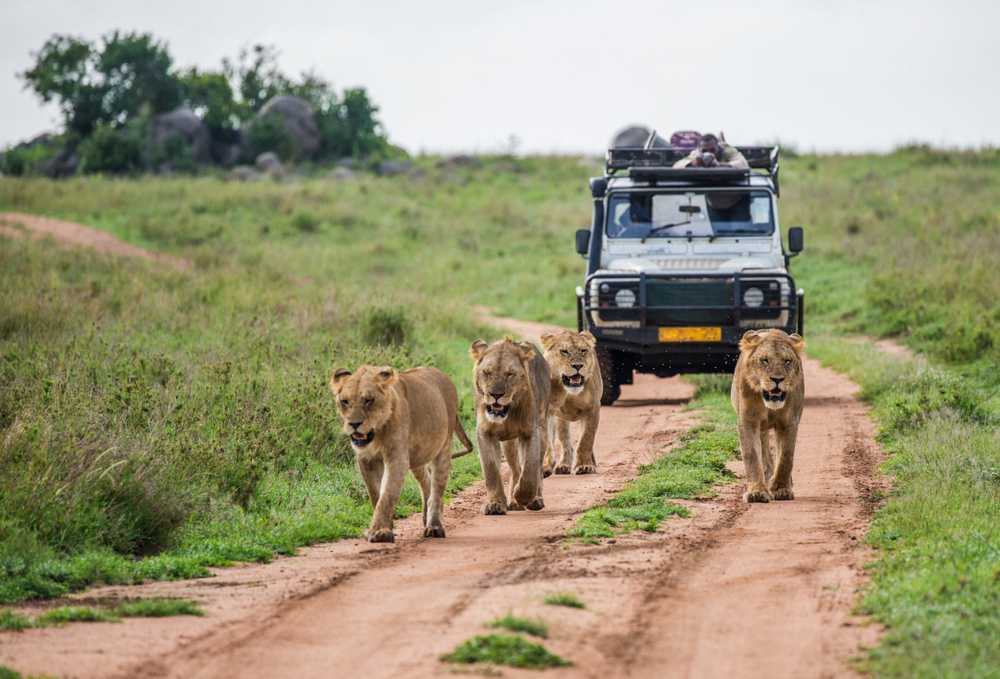
A Kenya wildlife safari offers an unparalleled experience, featuring the iconic Maasai Mara's Great Migration (July–October), the Big Five (lion, leopard, rhino, elephant, buffalo), and stunning landscapes from Mount Kilimanjaro to the coast. Visitors can experience balloon rides, diverse ecosystems, and rich Maasai cultural encounters.
21-days-exclusive-kenya-wildlife-safari-in-all-popular-parks-and-beach-holidays
18-days-exclusive-kenya-tanzania-safari-to-uganda-primate-safari
17-days-photography-kenya-tanzania-safari-tour-package-to-best-east-arica-destinations
16-days-kenya-tanzania-safari-and-rwanda-gorilla-trekking
16-day-classic-kenya-wildlife-safari-and-diani-beach-life-itinerary
14-days-best-of-kenya-safari-holiday-2-weeks-africa-kenya-safari-vacation
14-days-ultimate-kenya-tanzania-safari-to-zanzibar-beach-beach-holidays
12-days-lake-nakuru-masai-mara-central-serengeti-ngorongoro-crater-amboseli-kenya-tanzania-safari
11-days-ultimate-kenya-tanzania-safari-combined-tour
10-days-kenya-wildlife-safari-diani-beach-holiday-round-trip-to-all-best-parks-in-kenya
9-days-luxury-africa-big-five-kenya-safari-itinerary
7-days-perfect-kenya-wildlife-safari-and-optional-hot-air-balloon-safari
The Great Migration (Maasai Mara)
The Great Migration is one of the most spectacular wildlife events on Earth, when more than 1.5 million wildebeest and hundreds of thousands of zebras and gazelles move rhythmically across the Serengeti–Maasai Mara ecosystem in search of fresh grazing and water. In Kenya, the Maasai Mara hosts a critical segment of this circuit between July and October, when herds cross into Mara’s grasslands from Tanzania. The migration is driven by seasonal rains and grass growth; these massive movements form dense walls of animals stretching for kilometers. Predator–prey dynamics peak during migration months: lions, hyenas, cheetahs and crocodiles take advantage of abundant prey, and dramatic river crossings at the Mara River—where crocodiles lurk—produce some of the most iconic imagery of African wildlife. Timing is variable by year: rains, waterhole persistence and vegetation conditions alter routes and crossing points, so exact dates cannot be guaranteed. For photographers and naturalists, the migration offers opportunities to witness large-scale social behavior—birthing, calf survival, and predator hunting tactics—along with migration‑related challenges such as drought stress and competition. Visiting during peak migration means more vehicles at prime sighting areas, so many travelers choose private conservancies for quieter vantage points and more flexible viewing rules. Ethical viewing is crucial: follow guide instructions, keep safe distances, and avoid stressing animals or impeding migration routes. Combining a Maasai Mara visit with a knowledgeable local guide or conservancy vehicle increases chances of seeing crossings and predator interactions while supporting community conservation initiatives that keep migration routes open. The Great Migration is not just a spectacle; it’s an ecological phenomenon that showcases the interdependence of climate, grassland ecology and wildlife survival within East Africa.
The "Big Five" in Kenya
Kenya remains one of the world’s premier destinations to spot the African “Big Five”—lion, leopard, elephant, black rhinoceros and African buffalo—each representing a different facet of savanna ecology and safari lore. Historically coined by big‑game hunters for difficulty of pursuit, the term today draws tourists aiming to observe these iconic species ethically and safely. Parks such as Maasai Mara, Amboseli, Tsavo and Ol Pejeta offer strong chances to see the full set, though distribution varies by habitat: Amboseli’s open plains and swamps favor large elephant herds with Mount Kilimanjaro as backdrop; Ol Pejeta and Lake Nakuru have reliable rhino populations protected in sanctuaries; Tsavo is famed for wide‑ranging buffalo and “red” elephants coated with volcanic dust; and the Mara hosts dense lion and leopard populations. Finding the Big Five often relies on experienced guides who understand territorial ranges, water sources and animal behavior. Patience and timing matter—early morning and late afternoon maximize sighting opportunities, and dry seasons concentrate wildlife around watering points. Ethical considerations now guide Big Five tourism: many reserves limit vehicle numbers, enforce viewing distances, and emphasize noninvasive photography. Conservation success stories—anti‑poaching units, community conservancies and breeding programs—have improved prospects for some species, but threats persist, notably for rhinos whose populations remain vulnerable to poaching. For many visitors, seeing all five in a single trip is a memorable highlight; for conservation‑minded travelers, supporting reputable operators, donating to vetted projects, and choosing lodges that employ local staff helps ensure these species endure. Ultimately, Kenya’s Big Five encounters combine natural spectacle with conservation responsibility, teaching visitors how tourism can contribute to wildlife protection when managed thoughtfully.
Maasai Mara Predators
The Maasai Mara ecosystem supports one of the densest concentrations of large predators in Africa, creating dynamic predator–prey interactions that fascinate wildlife enthusiasts. Lions are abundant and visible, with multiple prides established across the reserve; they demonstrate complex social structures including coalition male strategies and communal cub rearing. Cheetahs exploit Mara’s open grasslands, using speed and stealth to take smaller ungulates such as gazelles; the Mara is one of the world’s best places to observe cheetahs hunting in daylight. Leopards are more secretive but present, often seen in trees or near rocky outcrops where they stash kills away from scavengers. Hyenas, both spotted and striped, play critical ecological roles as scavengers and cooperative hunters, frequently competing with lions and influencing carcass distribution. Wild dogs are less common but occasionally travel through conservancies adjoining the Mara, offering thrilling views when encountered due to their pack hunting tactics. Predator densities are boosted by the seasonal influx of migrants during the Great Migration, providing abundant prey. However, predator ecology is fragile—human‑wildlife conflict on reserve borders, prey depletion and habitat fragmentation can impact populations. Conservancies working with Maasai landowners have created landscape‑scale protection, reduced livestock–predator conflict with bomas and compensation schemes, and enabled predator movement corridors. For visitors, ethical viewing is essential: maintain respectful distances, limit engine noise, and follow guides’ instructions to avoid altering predator behavior. Photographers seeking action shots should coordinate with guides for vantage points during dawn and dusk when predators are most active. Observing Mara’s predators is not merely entertainment; it’s a lesson in trophic dynamics and conservation efforts necessary to sustain top carnivores within human‑dominated landscapes.
The "Samburu Special Five"
Samburu National Reserve and surrounding arid northern habitats host a distinctive assemblage known as the “Samburu Special Five”: Grevy’s zebra, Somali ostrich, gerenuk, Beisa oryx and reticulated giraffe. These species are adapted to dry, bushland environments and are rarer elsewhere in Kenya, making Samburu a critical area for specialized wildlife viewing. Grevy’s zebra, larger with narrow stripes and a white belly, prefers semi‑arid plains and is classified as endangered—Samburu’s protected range contributes to its survival. Somali ostriches, adapted to arid zones, are larger than common ostriches and have blue necks in males; they are resilient but sensitive to habitat loss. Gerenuks (or giraffe gazelles) stand out for their long necks and the ability to browse high foliage while standing on hind legs—an elegant adaptation to scarce ground vegetation. Beisa oryx, with striking black‑and‑white facial markings and long ringed horns, are well suited to thorn scrub and dry plains. Reticulated giraffes display a distinct, tightly patterned coat and are most visible in northern Kenya’s woodlands. Samburu’s ecology emphasizes water sources such as the Ewaso Ng’iro River, which supports concentrated wildlife and creates green corridors in an otherwise arid landscape. Visiting Samburu offers cultural benefits too—local Samburu pastoralists maintain traditional ways of life and often collaborate on conservation through community conservancies. Because the area is remote and less visited than southern parks, sightings are often intimate and uninterrupted. Conservation challenges include poaching, drought and competition with livestock for forage; however, conservancy models and ranger programs have bolstered protection. For travelers seeking species outside the classic savanna list, Samburu delivers unique adaptations and a reminder of Kenya’s ecological diversity beyond the well‑known southern reserves.
Amboseli & Kilimanjaro Views
Amboseli National Park is celebrated for iconic views of Mount Kilimanjaro, Africa’s highest free‑standing mountain, which forms a dramatic snow‑capped backdrop to sweeping plains and large elephant herds. From vantage points in Amboseli, especially during clear early‑morning light, photographers capture silhouettes of elephants framed against the mountain, creating some of East Africa’s most recognizable images. Amboseli’s ecosystem is characterized by seasonal swamps and open grasslands fed by underground water sources from Kilimanjaro’s melt, sustaining rich grazing even during dry spells. The park supports dense elephant populations known for their long tusks and extensive family groups; Amboseli’s long‑term elephant research has produced invaluable insights into social structure, movement and human–elephant conflict. Besides elephants, Amboseli hosts lions, cheetahs, giraffes, zebras and diverse birdlife, making game drives rewarding year‑round. Weather dynamics matter: Kilimanjaro’s peaks are often shrouded, so early starts and seasonal planning increase chances of clear views—dry months typically offer the best visibility. The park’s proximity to local Maasai communities provides cultural interactions; many lodges and community projects support Maasai livelihoods through tourism revenue and conservation initiatives. Amboseli’s relatively flat terrain and well‑maintained roads make it accessible for game drives and photographic hides, but respectful viewing remains essential around elephant herds to avoid disturbance. For visitors combining photographic priorities with ecological interest, Amboseli delivers both—the chance to study megafauna behavior in a classic African setting while admiring one of the continent’s most famous mountain vistas. Conservation programs in Amboseli also focus on corridor protection, ensuring elephant migrations between Amboseli and surrounding rangelands continue despite increasing land use pressures.
"Red" Elephants of Tsavo East
Tsavo East National Park is famous for its striking “red” elephants—African elephants that, after dust‑bathing and wallowing in the park’s iron‑rich red volcanic soils, emerge coated in a rust‑colored hue. The red dust acts as a natural sunscreen and insect repellent, creating unforgettable photographic contrasts against the park’s scrub and riverine vegetation. Tsavo, one of Kenya’s largest protected areas, supports wide‑ranging elephant populations adapted to semi‑arid conditions, with individuals traveling long distances to access water and forage. Historically, the park’s vastness and remoteness offered refuge for elephants migrating through East African savannas; today, conservation efforts aim to maintain corridors and reduce human–elephant conflict with surrounding communities. Beyond aesthetics, Tsavo’s elephants are ecologically significant as ecosystem engineers: by felling trees, opening canopy gaps and creating waterholes through excavations, they shape habitats that support diverse species. Wildlife viewing in Tsavo East often emphasizes scale and solitude—sightings can feel more expansive compared with smaller parks. Road infrastructure varies, so guided drives in sturdy 4x4s with experienced drivers increase access and safety. Tsavo also hosts predators, giraffes, zebras and a range of birdlife, but visitor numbers are lower than in southern parks, which appeals to travelers seeking off‑the‑beaten‑path experiences. Conservation challenges include poaching historically and increasing pressure from pastoral expansion; anti‑poaching units and community partnerships work to protect elephant populations. For photographers, the reddish elephants at golden hour present dramatic compositions—contrast the rusty hides with acacia silhouettes and expansive skies. When visiting, support park entrance fees and community projects that fund ranger patrols and corridor protection. Observing Tsavo’s red elephants is more than a visual treat; it’s a chance to reflect on landscape geology, animal behavior and the conservation measures that keep these iconic animals roaming across one of Kenya’s wildest national parks.
Flamingo Lakes: Lake Nakuru & Rift Valley
Kenya’s Rift Valley lakes, notably Lake Nakuru and nearby soda lakes, become vivid wildlife spectacles when conditions favor large concentrations of flamingos. These alkaline lakes support abundant microscopic algae and brine shrimp that provide the high‑carotenoid diet flamingos depend on, turning shorelines into sweeping bands of pink. Lake Nakuru National Park, once dubbed the “Flamingo City,” hosts massive flocks during favorable seasons, offering mesmerizing vistas and photographic opportunities. Flamingo numbers are highly dynamic; water level shifts, salinity changes and algal blooms influence feeding conditions and distribution. Years of drought, nutrient changes or human alterations have caused fluctuations in populations—flamingos may move between lakes such as Bogoria, Baringo and Elementaita in search of optimal feeding grounds. Lake Nakuru also supports other wildlife including white and black rhinos in protected sanctuaries, waterbucks, giraffes and diverse waterfowl, making it a multi‑interest destination. Birdwatchers relish the variety: pelicans, herons, fish eagles and cormorants complement flamingo spectacles. Conservation and water management are key: upstream land use, pollution and invasive species can affect lake ecology and flamingo food sources, while Lake Nakuru’s park status provides safeguards through patrols and habitat restoration. The best viewing months vary with local conditions, so consult local authorities or operators for current flamingo concentrations. Visiting early morning or late afternoon yields soft light for photos and calmer bird behavior. Walkways and viewpoints around Lake Nakuru allow close yet noninvasive observation, while guided drives explain ecological dynamics and conservation challenges. Seeing flamingo flocks at the Rift Valley lakes is both visually arresting and educational—an emblematic reminder of how hydrology, geology and biology intersect to create one of Kenya’s most photogenic natural phenomena.
Mzima Springs: Underwater Hippo Viewing
Mzima Springs, located in Tsavo West National Park, offers a rare and compelling freshwater spectacle: crystal‑clear springs that surface from an underground aquifer, creating a series of pools and rivulets fed by Mount Kilimanjaro’s watershed. One of Mzima’s signature attractions is the underwater hippo viewing chamber—a submerged observation window in a concrete enclosure that allows visitors to watch hippos and fish move beneath the water’s surface. The effect is both surreal and informative: you can observe hippos’ buoyant movements, breathing behavior, and occasionally social interactions without disturbing them. Above ground, Mzima’s pools support hippos, crocodiles, waterbirds and an array of mammals that come to drink, making the area a lively wildlife gathering spot in an otherwise semi‑arid landscape. The springs’ clarity also reveals abundant fish life sustained by constant freshwater flow, offering insights into aquatic ecology amid savanna habitats. Access to the viewing chamber and surrounding trails is regulated to protect the springs and visitors; interpretive signage and guides often provide context about hydrology, aquifer recharge, and the springs’ role in sustaining downstream communities and ecosystems. Visiting Mzima pairs well with game drives in Tsavo West, where contrasting landscapes—lava flows, rolling hills, and open plains—complement the freshwater oasis. Conservation at Mzima includes managing visitor impact, monitoring water quality and engaging local communities that benefit from tourism. For photographers and families, the underwater chamber yields unique close‑up shots and educational interactions; for naturalists, it highlights the interconnectedness of mountain water sources, aquifers and lowland biodiversity. Planning a visit during cooler morning hours often results in more active animal viewing around the pools as wildlife congregates for fresh water.
Hot Air Balloon Safaris over the Maasai Mara
A dawn hot air balloon safari over the Maasai Mara transforms the classic game drive into a serene aerial spectacle, offering sweeping panoramas of savanna, wildlife and the migration’s moving herds. Lift‑off occurs before sunrise, allowing passengers to float quietly over acacia dotted plains as golden light reveals the Mara’s contours. Balloons typically fly for about an hour, covering several kilometers at the pilot’s discretion and prevailing winds, and land in carefully chosen clearings where ground teams await with a celebratory champagne or tea service—an iconic end to the experience. From the basket, animals appear as composed elements in a vast landscape: herds of wildebeest and zebra, scattered elephants, and the occasional predator on the move. The aerial vantage minimizes disturbance and provides unique photographic angles, especially during migration months when thousands of animals create textured patterns across the plains. Balloon operations prioritize safety and conservancy agreements: flights follow strict protocols for takeoff, landing and interactions with wildlife; reputable operators are licensed, maintain modern equipment, and limit passenger numbers for comfort. Weather plays a crucial role—calm morning winds are ideal, and flights may be rescheduled for safety if conditions are unfavorable. Combining a balloon flight with a traditional ground game drive on the same morning yields complementary perspectives: aerial reconnaissance can help plan ground viewing hotspots, while the drive offers close‑up behavioral observation. The experience is often considered a highlight for honeymooners and photographers seeking dramatic light and scale. Booking in advance during high season is wise, as balloon rides are popular; choose operators that demonstrate strong safety records and community engagement so your aerial adventure supports local conservation and livelihoods.
Walking Safaris & Hell’s Gate
Kenya uniquely offers walking safaris in accessible parks such as Hell’s Gate National Park, where guided on‑foot experiences bring travelers closer to landscape details, small mammals, birdlife and track signs often missed from vehicles. Hell’s Gate, near Lake Naivasha, is famed for its dramatic gorge, towering cliffs, geothermal activity and the unusual ability to cycle among free‑roaming giraffes—an experience rare in Africa. Walking safaris emphasize low‑impact, interpretive exploration led by trained guides who teach tracking, spoor identification and ecological storytelling about plants, insects and animal behavior. Because walking removes the barrier of a vehicle, participants gain a visceral sense of scale, scent and sound—valuable for understanding predator territory, termite mound ecology and subtle bird calls. Parks offering walking safaris are carefully managed: routes avoid sensitive areas and guides enforce strict safety protocols, including briefings on predator awareness and distance keeping. Hell’s Gate is suitable for varied fitness levels, with trails ranging from leisurely gorge walks to more strenuous climbs; geothermal steam vents and natural rock formations add geological interest. The park’s proximity to Nairobi and Naivasha makes it a popular half‑day or full‑day option for travelers seeking active alternatives to game drives. Walking safaris also support community employment—local Maasai and other resident guides often lead treks, sharing cultural knowledge alongside natural history. For photographers, walking affords intimate close‑ups of insects, plants and small mammals; for conservationists, it fosters appreciation of ecological processes at ground level. Whether combined with boat trips on Lake Naivasha or as a standalone adventure, walking safaris in Hell’s Gate and similar reserves provide immersive, low‑footprint ways to experience Kenya’s wildlife and landscapes.
Birthplace of the Modern Safari
Kenya is often regarded as the birthplace of the modern safari—a cultural and travel legacy that evolved from colonial big‑game hunting expeditions into conservation‑oriented wildlife tourism. In the late 19th and early 20th centuries, explorers, naturalists and wealthy hunters traveled into East Africa, documenting fauna and collecting specimens. Over time, attitudes shifted: the economic and ethical value of live wildlife and intact ecosystems became clear, catalyzing protected area creation and the development of photographic safaris. Early photographic pioneers, natural history filmmakers and writers helped transform the pastime into a global phenomenon, drawing travelers who wished to observe and photograph wildlife rather than hunt it. Kenya’s long history with safaris created institutional knowledge—professional guiding, vehicle design suitable for game viewing, and lodges tailored to wildlife observation—that formed the blueprint for safaris worldwide. The colonial legacy carried complex social dimensions; contemporary Kenyan tourism reframes the narrative by emphasizing community partnerships, conservancies owned or managed by local people, and indigenous knowledge in guiding and land stewardship. Today’s safari model in Kenya prioritizes conservation funding, anti‑poaching support and sustainable livelihoods, channeling revenues into ranger salaries, habitat protection and community development projects. Kenya’s role in safari history is visible in its renowned parks—Maasai Mara, Amboseli, Tsavo—and in institutions like national museums and research centers that document wildlife science and conservation. For travelers, understanding this history enriches the experience: modern safaris are not merely leisure but part of an ongoing conservation framework that balances tourism with ecological protection. Responsible travelers can honor this legacy by choosing operators who support conservation, hiring local guides, and engaging respectfully with community cultural experiences that share benefits across landscapes once shaped by colonial dynamics. In this way, Kenya’s safari heritage evolves from extraction to stewardship—making the country a living classroom for wildlife conservation and responsible nature travel.
Maasai Cultural Experience
A visit to Kenya often includes engaging with the Maasai, one of East Africa’s best‑known pastoralist communities whose cultural practices, dress and music fascinate visitors. Maasai villages—or manyattas—offer cultural encounters where travelers can learn about traditional houses, beadwork, medicinal plant uses and cattle‑based livelihoods that structure social life. Dance and song performances, in which young men display high jumping (adumu) and rhythmic chanting, are popular demonstrations that showcase agility, endurance and communal pride. Many tourism programs partner with Maasai communities through conservancies, where land leased from Maasai landowners generates income tied to wildlife protection, enabling coexistence between livestock grazing and wildlife corridors. Ethical cultural tourism emphasizes reciprocity: visitors should seek authentic, mutually beneficial engagements—purchasing locally made beadwork, contributing to community projects, and supporting match‑funded initiatives rather than transactional performances alone. Guides can facilitate introductions, translate cultural meanings, and explain the evolving challenges Maasai face, including land subdivision, climate variability affecting pasture, and pressures from development. Visiting a Maasai village teaches about traditional governance (elders and age‑set systems), livestock as wealth and social capital, and dietary customs tied to pastoralism. Photo etiquette matters—always ask permission before photographing people, and consider buying goods as a sign of appreciation when photographing artisans. Community‑run tourism enterprises often reinvest earnings into schools, water projects and healthcare, making cultural visits a vehicle for local development when managed transparently. For travelers, the Maasai experience complements wildlife viewing by adding human narratives to landscapes—understanding how pastoral traditions interact with conservation priorities deepens appreciation for Kenya’s complex social–ecological systems and supports tourism that uplifts host communities.
Private Conservancies & Exclusive Safaris
Kenya’s private conservancies—such as Naboisho, Olare Motorogi and the Lewa Wildlife Conservancy—represent an innovative model that balances conservation, community benefits and high‑quality safari experiences. Conservancies are typically private or community‑managed lands adjacent to national reserves where tourism revenues are reinvested into habitat protection, anti‑poaching, and local development. By limiting the number of tourist vehicles and enforcing strict viewing protocols, conservancies create intimate, low‑impact encounters with wildlife—ideal for photographers seeking uncluttered sightlines and for species that are sensitive to disturbance. Conservancies also secure critical migration corridors and seasonal grazing areas, enabling wildlife to move safely between protected blocks. Many lodges in conservancies operate on sustainable principles: employing local staff, sourcing food locally, and contributing fees directly to community projects like schools and healthcare. The conservancy model encourages local landowners to prioritize wildlife over incompatible land uses because tourism provides tangible, recurring revenue. This has led to measurable conservation successes: reduced poaching incidents, improved wildlife populations, and restored habitats. For guests, conservancies often offer bespoke activities—night drives, guided bush walks, and photographic hides—not always permitted inside national parks. However, exclusivity comes at a premium; conservancy fees and private lodge costs are higher than standard park entry, reflecting the enhanced protection and personalized service. Choosing conservancy‑based safaris supports a conservation financing mechanism that returns benefits to local stakeholders while offering superior wildlife viewing. When booking, seek operators transparent about fee allocation and community partnerships to ensure your visit contributes positively. Conservancies exemplify how market‑based conservation can align tourism incentives with ecological stewardship and community welfare across Kenya’s savannas.
Rhino Sanctuaries: Lake Nakuru & Ol Pejeta
Kenya plays a vital role in rhino conservation through protected sanctuaries such as Lake Nakuru National Park and the Ol Pejeta Conservancy, both of which offer high probabilities of seeing endangered black and white rhinos. Poaching decimated rhino populations in the late 20th and early 21st centuries, prompting intensive conservation responses: rhino sanctuaries provide intensive protection with armed rangers, dehorned individuals for deterrence, and veterinary care. Lake Nakuru’s rhino sanctuary safeguards black rhinos in a relatively compact area, offering visitors close but regulated viewing that supports ongoing anti‑poaching efforts and habitat management. Ol Pejeta is notable for hosting both black and white rhinos and for innovative programs like the Last Great Rhino fundraising and advanced surveillance technology, including drones and sniffer dogs, to counter poaching. Sanctuaries also prioritize community engagement: employment of local rangers, revenue sharing and education programs build local support for rhino protection. While dehorning and intensive management are controversial, they are pragmatic responses to severe poaching pressure; sanctuaries strive to balance animal welfare, genetic management and long‑term reintroduction plans where feasible. Visiting rhino sanctuaries is a valuable form of support—entrance fees, guided tours and donations fund patrols and veterinary care. Responsible tourists should be aware of the conservation complexities: rhinos require constant protection, large territories, and genetic diversity to thrive. Sanctuary visits often include educational briefings about threats, allowing guests to understand the broader challenges of rhino conservation. Seeing rhinos in Kenya is both a profound wildlife encounter and a reminder of human impacts on megafauna, underscoring the necessity of sustained, well‑funded conservation interventions to ensure these species’ survival.
Birdwatcher’s Paradise: Over 1,000 Species
Kenya is a birder’s paradise, boasting over 1,000 recorded bird species across diverse habitats—savanna, montane forests, wetlands and coastal ecosystems—making it a premier destination for both casual birdwatchers and serious twitchers. Sites like Lake Naivasha, Lake Bogoria, Lake Nakuru and the Rift Valley lakes attract waterbirds including flamingos, pelicans and fish eagles, while forested regions such as the Aberdares and Kakamega Forest support numerous endemic and Albertine Rift species. The country’s bird list includes migratory Palearctic visitors that arrive seasonally, along with specialized residents like the Fischer’s turaco, Allen’s swamp warbler and the enigmatic shoebill in select wetlands. Birding in Kenya is facilitated by a network of knowledgeable local guides and specialist operators who can target species-rich areas and seasonal concentrations. Many lodges offer early‑morning bird walks, and conservation areas maintain hides and boardwalks ideal for low‑impact observation. For photographers, Kenya’s varied light and habitat mosaics yield excellent opportunities for both close‑up portraiture and behavioral shots—raptors in the Rift Valley thermals, stately flight of flamingos at dusk, or secretive forest species in filtered canopy light. Conservation initiatives support bird habitats through wetland protection, anti‑pollution measures and community reserves that maintain important stopover sites for migrants. Timing a trip can optimize species lists: migration periods and wet seasons attract prolific arrivals, while dry seasons concentrate birds around residual water sources. Whether you’re compiling lifers or enjoying casual sightings, Kenya’s extraordinary avifauna is a major draw, and birdwatching tours contribute meaningfully to local economies and conservation funding—turning each twitch into direct support for habitat protection across the country.
Unique Boat Safaris: Lake Naivasha
Boat safaris on Lake Naivasha provide a refreshing, wildlife‑rich contrast to land‑based game drives, offering close encounters with hippos, cormorants, kingfishers and other aquatic life against a backdrop of papyrus and reed fringes. The lake’s shallow waters and islands—such as Crescent Island—create sheltered channels ideal for guided boat tours that often include birdwatching and shoreline wildlife viewing. Hippos dominate the lake’s animal life; boat trips enable safe observation of their surface behaviors, social interactions, and nighttime grazing movements as they head to shore. Anglers and naturalists appreciate the variety of fish species and the chance to spot monitor lizards, waterbucks and buffalo along the banks. Boat rides can be paired with Crescent Island walking safaris, where visitors disembark to explore on foot among freely roaming plains animals—an unusual mix of boat, bush and walking experiences. Local boat operators generally run small, motorized launches with experienced guides who understand hippo behavior and safety protocols—maintaining appropriate distances to reduce disturbance. Lake Naivasha’s proximity to Nairobi makes it a convenient half‑day excursion or an included stop en route to the Maasai Mara or Amboseli. Eco‑tourism initiatives aim to manage boat traffic, control pollution and support lakeshore communities through revenue sharing and employment. For photographers, the lake’s reflective surfaces and early morning light produce striking images of wildlife silhouettes and waterbird activity. Scheduling trips in cooler morning hours often results in calmer waters and more active birdlife. Boat safaris on Lake Naivasha exemplify Kenya’s habitat diversity—combining aquatic ecosystems with terrestrial wildlife for a compact, accessible nature experience.
Noisy Nights: Camping & Wildlife Soundscapes
Camping in Kenya’s wild places—whether in the Maasai Mara, Lake Nakuru’s lakeshores or remote conservancies—offers immersive soundscapes that bring you closer to the rhythms of African nature. Nights in the bush are anything but silent: lions roar as territorial calls bounce across plains, hippos chuff and surface in nearby waters, hyenas laugh while scavenging, and elephants occasionally trumpet or pass within auditory proximity. These nocturnal sounds create an atmosphere of immediacy and presence that photography or daylight sightings cannot replicate. Well‑managed camps—both mobile tented safaris and permanent bush camps—prioritize safety with perimeter awareness, trained camp staff, and secure enclosures for tents. Guides and rangers brief campers on protocols, including avoiding solitary walks after dark and using headlamps sparingly to minimize disturbance. Besides large mammals, the night chorus includes myriad bird calls, insect calls, and amphibian choruses that vary with habitat and season; listening to these layers can be educational for naturalists identifying species by sound. For many travelers, nights filled with wildlife calls become defining memories of African safaris—stories shared around campfires, punctuated by distant roars and the crackle of embers. Sleep may be interrupted, but camps provide comfortable bedding and earplugs for sensitive sleepers. Camping also enables unique early‑morning starts for game drives when predators are most active. Responsible operators balance authentic bush experiences with conservation ethics—minimizing artificial noise, controlling light pollution, and ensuring camps leave minimal ecological footprints. If you seek total immersion, book guided overnight experiences that include robust safety measures; the reward is a visceral connection to landscape processes and the nocturnal behaviors of Africa’s iconic wildlife.
Accessible Wilderness: Light Aircraft to the Masai Mara
One of Kenya’s strengths as a safari destination is the accessibility of prime reserves like the Maasai Mara via light aircraft, turning long road transfers into short, scenic flights that maximize wildlife time. Scheduled charter flights depart from Nairobi’s Wilson Airport and fly into a network of airstrips bordering the Mara—Keekorok, Olkiombo, Musiara and many private conservancy strips—reducing travel time to roughly 45–60 minutes depending on destination. Small aircraft operations cater specifically to safari itineraries: luggage allowances, synchronized lodge transfers and flexible scheduling align with game‑drive timetables and permit quick responses to weather or migration shifts. Flying in a Cessna or similar aircraft offers aerial reconnaissance of the Mara’s mosaic—rivers, kopjes, and migrating herds—giving passengers an immediate sense of landscape scale before setting off on ground game drives. For photographers, aerial silhouettes of herds and river crossings are compelling, while the brevity of flights conserves energy for early‑morning drives when predators are most active. Light aircraft safaris require practical planning: weight limits mean packing light and coordinating with lodges about baggage transfers; flights can be rescheduled for safety in poor weather. Operators prioritize safety and often work closely with conservancies and national park authorities to route flights away from sensitive wildlife congregation areas during critical times. Choosing air transfers supports local economies—pilots, ground handlers and lodge transfer drivers—while reducing wear on road infrastructure and shortening overall travel days. For travelers on tight schedules or wishing to visit multiple parks in a compact itinerary, light aircraft connections make multi‑park safaris feasible. While more costly than road travel, the time savings and convenience often justify the investment, enabling guests to spend more daylight hours immersed in the Mara’s wildlife spectacles rather than on the road.
Year‑Round Destination: Green Season Advantages
While Kenya’s dry season (June–October and December–February) is traditionally favored for concentrated wildlife viewing, the “green season” (roughly March–May and November) offers compelling advantages for travelers seeking lush landscapes, fewer crowds and lower prices. During the green season, rains rejuvenate rangelands and refill wetlands, producing vibrant colors, blooming wildflowers and active birdlife that appeal to naturalists and photographers focused on landscape aesthetics. Many species give birth during or shortly after rains, so early‑season visits provide opportunities to see newborn ungulates and attendant predator dynamics at closer quarters, though mothers and calves may be more concealed in thicker vegetation. Accommodation and tour operators frequently offer discounted rates and special packages during these months, making upscale lodges and conservancy experiences more accessible. Bird migration patterns add interest: Palearctic migrants arrive and resident species exploit productive feeding conditions, boosting avian diversity. The green season also reduces dust—vehicles and roads are cleaner—and creates dramatic waterfall displays at sites like Thomson’s Falls and waterfalls in forested parks. Practical considerations include heavier vegetation that can make spotting smaller, cryptic species more challenging; however, experienced guides compensate with tracking skills and knowledge of seasonal behavior. Some roads may become temporarily less passable after heavy rains, so flexible itineraries and reliable operators are important. Importantly, visiting during the green season spreads tourist pressure across the year, supporting steady income for communities and conservation programs rather than concentrating benefits in a short high season. For photographers and travelers who prioritize solitude, verdant scenery and value deals, the green season presents an outstanding safari alternative—rich in biological activity and photographic possibilities while contributing to more sustainable tourism patterns across Kenya.
Beach & Bush Combo: Kenyan Coast & Island Extensions
A Kenya safari easily pairs with idyllic beach extensions, creating a classic “bush and beach” itinerary that combines inland wildlife spectacles with Indian Ocean relaxation. After game drives in reserves like the Maasai Mara, Amboseli or Tsavo, travelers can fly or drive to the Kenyan coast—Diani, Watamu, Malindi—or even onward to Zanzibar for white‑sand beaches, coral reefs and marine conservation activities. Coastal resorts offer snorkeling, scuba diving, kite‑surfing and dhow cruises to explore coral gardens and marine parks such as Kisite‑Mpunguti or Watamu Marine National Park. Turtle conservation programs, whale‑shark sightings (seasonal), and coastal cultural tours to historic Swahili towns like Lamu add ecological and cultural depth to the beach leg. Many lodges and tour operators specialize in combined packages: lightweight internal flights from Wilson or domestic charters facilitate same‑day transfers from Mara to coast, enabling relaxed schedules without long overland journeys. The contrast is restorative—after early‑morning game drives and sunrise light, unwind on powdery beaches, enjoy seafood and Swahili cuisine, or indulge in spa treatments. Conservation connections persist at the coast: marine protected areas and community marine conservancies protect coral reefs and fisheries, and responsible operators engage in eco‑certified practices like reef‑friendly sunscreen policies and plastic reduction. Combining bush and beach broadens Kenya’s appeal to diverse traveler interests—wildlife viewing, water sports, cultural heritage and leisurely recovery. For honeymooners and families, a beach extension provides child‑friendly activities and downtime after intense safari days. When booking, prioritize operators that coordinate internal flights smoothly, choose beachfront accommodations with sustainability credentials, and consider timing marine excursions for optimal wildlife seasons (e.g., whale migrations). A bush‑and‑beach combination showcases Kenya’s remarkable ecological range, from savanna megafauna to vibrant coral ecosystems, delivering a rounded, memorable East African escape.
When is the best time to see the Migration on a Kenya wildlife safari holiday?
The peak time is July to October, when over 1.5 million wildebeest, zebras, and gazelles cross the Mara River into the Maasai Mara.
The Great Migration is an annual, dynamic movement of wildebeest, zebra and gazelle driven by rainfall and pasture. While animals move continuously across northern Tanzania and Kenya, the classic “Mara crossings” into the Maasai Mara are most reliably spectacular from July through October. During this peak window, herds concentrate along the Mara‑Serengeti ecosystem as the dry season pushes grazers northward in search of green grasses and permanent water. River crossings—dramatic scenes where animals brave crocodile‑filled channels and steep banks—tend to be most frequent in August and September but can occur earlier or later depending on seasonal rains. For photographers and wildlife‑enthusiasts, timing depends on priorities: July and August often deliver large herds and early crossings; September can bring intense, tighter concentrated crossings as the migration presses north; October sometimes shows the return dispersal as short rains begin. Choosing where to base yourself matters—private conservancies bordering the Maasai Mara like Naboisho and Olare Motorogi offer fewer vehicles and patient guiding to position for crossings, whereas main park areas provide classic vistas and riverbank access. Weather is a factor: the dry season’s low vegetation improves visibility but can be dustier; occasional rains may shift herd timing. Remember migration sightings are never guaranteed—wildlife follows water, not calendars—so consider flexible itineraries, multi‑day stays and skilled guides who track herd movements. If seeing multiple phases (river crossings, calving, predator interactions) is a goal, plan a longer visit spanning late July to early October and include conservancies for better access. Ultimately, July–October offers the highest statistical chance to witness the iconic Mara crossings, but patience, local knowledge and flexible scheduling maximize success.
Which Big Five animals can I see on a Kenya wildlife safari holiday? Most parks, especially the Maasai Mara and Meru National Park, allow you to see lions, leopards, rhinos, elephants, and buffaloes.
Seeing the “Big Five” (lion, leopard, rhino, elephant, buffalo) is a principal aim for many safari travelers, and Kenya delivers excellent prospects across its parks. The Maasai Mara is arguably the best all‑rounder: high predator densities mean lions and leopards are frequently sighted, and elephants and buffalo traverse the Mara landscape. For rhinos, however, you’ll likely need to visit specialized sanctuaries—Lake Nakuru, Ol Pejeta Conservancy and some protected areas maintain intensive rhino protection programs, particularly for black rhino. Ol Pejeta is notable for its strong rhino protection infrastructure and educational programs. Amboseli National Park and Tsavo (East and West) are especially known for large elephant populations; Amboseli’s backdrop of Mount Kilimanjaro makes elephant sightings spectacular. Leopards are secretive; finding them often relies on skilled guides, luck and patient stakeouts in rocky kopjes and dense thickets. Lion sightings are comparatively reliable in the Mara and some conservancies where prides are large and habituated to vehicles, producing great photographic opportunities. Cape buffalo are widespread across savanna parks and wetlands—often encountered near rivers and waterholes. When planning, note that rhinos require conservation‑heavy environments; many parks keep them in fenced sanctuaries with controlled access to maximize protection. Opting for conservancy stays increases chances of unobstructed Big Five sightings due to vehicle limits and active tracking. Consider season and park choice: dry seasons concentrate animals around water, easing sightings, while wet seasons disperse herds but offer lush scenery and newborns. Responsible tourism practices matter—choose operators who support anti‑poaching, community benefits and ethical viewing guidelines that minimize disturbance. With informed planning—targeted parks, experienced guides and adequate time—you can expect strong chances to see all Big Five species during a Kenyan safari.
What is the "Samburu Special 5" on a northern Kenya wildlife safari holiday?
In Samburu/Buffalo Springs, you can see unique species like the Reticulated Giraffe, Beisa Oryx, Gerenuk, Grevy's Zebra, and Somali Ostrich.
The “Samburu Special 5” refers to five charismatic and regionally distinct species found in northern Kenya’s drier, shrub‑steppe habitats—Samburu, Buffalo Springs and surrounding community conservancies. Unlike the classic savanna assemblages of the Maasai Mara, Samburu’s fauna includes species adapted to arid conditions, offering a different checklist for wildlife lovers. Reticulated giraffes stand out with their bold, polygonal coat patterns and are often seen browsing taller acacias. The Beisa oryx (Beisa Oryx) is a striking antelope with long, straight horns and pale flanks; it is well adapted to dry environments and often grazes or browses in open plains. The gerenuk is a long‑necked, slender antelope noted for standing on hind legs to browse high foliage—an unusual feeding posture that yields excellent photographic subjects. Grevy’s zebra has narrow stripes, a white belly and larger ears compared with plains zebra; it prefers semi‑arid scrub and is more localized, making sightings especially rewarding. The Somali ostrich (sometimes called the red‑necked ostrich in this region) differs from the southern ostrich with distinctive neck coloration and regional distribution. Samburu’s relative remoteness and riverine strips along the Ewaso Ng’iro create a mosaic of dry bush and green riparian corridors that concentrate wildlife, especially during dry seasons. Birdlife is rich too, with species like the northern carmine bee‑eater and vulturine guineafowl. Guides in Samburu are adept at tracking these specialized species; conservancies and community conservations protect key habitats and provide local livelihoods. For travelers seeking uncommon East African species and cultural encounters with Samburu pastoralists—closely related culturally to the Maasai but distinct—this northern circuit offers unique biodiversity. Plan morning and late‑afternoon game drives when light is best and animals are active; hiring experienced local guides increases your chances of locating the Samburu Special 5.
Are there special birds to spot during a Kenya wildlife safari holiday?
Yes, Kenya is a premier birding destination with over 1,000 species, especially during the wetter months of April-May and November.
Kenya’s avian diversity is outstanding—over 1,000 recorded species—thanks to its variety of habitats: highland forests, Rift Valley lakes, savanna, arid scrub and Indian Ocean coastlines. This makes the country a magnet for birders year‑round. Some highlights include massive flocks of flamingos on alkaline Rift Valley lakes, stately African fish eagles patrolling freshwater systems, specialized forest species in the Aberdares and Kakamega, and coastal endemics along the shoreline and mangroves. The wetter months—April–May (long rains) and November (short rains)—often boost food availability and attract breeding activity, making them excellent for observing nesting behavior, fledglings and an uptick in insectivorous passerines. However, weather can be variable, so many birders plan trips during shoulder seasons to balance accessibility and activity. Migration windows also matter: Palearctic migrants arrive in late winter and spring, increasing overall species counts and providing seasonal spectacles. Top birding sites: Lake Nakuru, Lake Naivasha, Lake Bogoria and Lake Elementaita for waterbirds and flamingos; the Rift Valley and wetlands for shoebill and pelicans; Samburu and northern rangelands for specialized dryland species; Kakamega Forest for Western Kenyan endemics; and the coast (Watamu, Kiunga) for seabirds and mangrove specialists. Many lodges and conservancies employ expert local bird guides and maintain hides, boardwalks and tailored early‑morning walks. For photographers and twitchers, Kenya supports both broad species lists and targeted trips to seek rarities—guides’ local knowledge is invaluable. Bring a good pair of binoculars, a field guide (or app), and a patient mindset—Kenya’s layered habitats and seasonal pulses make it one of the world’s most rewarding birding destinations.
What makes Meru National Park unique for a Kenya wildlife safari holiday?
It is famous as the home of Elsa the Lioness from the "Born Free" story and offers a more remote, private wilderness experience.
Meru National Park’s fame was cemented by Joy and George Adamson’s rehabilitation of Elsa the lioness—immortalized in the book and film Born Free—making Meru a place of conservation legend. Beyond that story, Meru stands out for its relative remoteness, mosaic of habitats and low visitor numbers, which create a strong sense of solitude and wilderness. The park encompasses rivers, wetlands, savanna and forest patches nourished by the meandering Tana and other seasonal rivers, producing lush corridors that attract a variety of species: elephants, lions, buffalo, reticulated giraffe, numerous antelopes and a rich birdlife. Because tourism pressure is light compared with the Maasai Mara or Amboseli, sightings often feel private and unhurried—ideal for travelers who prize tranquility and in‑depth natural history interpretation. Meru’s landscape is notable for its scenic diversity: riverine gallery forests, swamps, and open plains framed by volcanic ridgelines—offering photographic variety, from intimate riverbank scenes to sweeping plains. Conservation work is active: the park has been part of successful anti‑poaching and habitat restoration initiatives, and surrounding community conservancies engage locals in stewardship. Access typically involves longer transfers or internal flights to airstrips, which filters visitor numbers and preserves remoteness; this can be a selling point for those seeking escape from the more crowded parks. Meru also supports night drives, walking safaris in designated areas, and opportunities to learn about local community projects. For families and wildlife enthusiasts interested in conservation history, Meru connects emotionally through the Elsa narrative while delivering tangible wilderness—space, solitude and diverse habitats—making it a distinctive Kenya safari destination.
Can I see lions on a Kenya wildlife safari holiday?
Yes, the Maasai Mara has one of the highest concentrations of predators in Africa, including huge lion prides.
Lions are among the most sought‑after sightings on Kenyan safaris, and Kenya is home to healthy lion populations concentrated in predator‑rich areas. The Maasai Mara ecosystem stands out for consistent, high‑quality lion encounters: large prides, frequent hunting displays and publicized “river bank” behaviors during migration months create memorable viewing. Other productive lion habitats include Amboseli, Tsavo, Meru and private conservancies where prey density supports sustained pride populations. For viewing success, timing and location matter: dry seasons concentrate prey around water sources, making predator–prey interactions more visible; however, lions are largely crepuscular and nocturnal, so early morning and late afternoon drives are best for observing activity. Private conservancies adjoining national parks often enforce vehicle limits and viewing protocols that reduce disturbance and allow guides to position for longer, more natural observation of prides. Spotting a lion resting on a kopje, stalking grasslands, or engaging in social behaviors (grooming, pride bonding, cub rearing) provides insight into their complex social structure. Leopard sightings, by contrast, are rarer due to their nocturnal, solitary habits, so seeing both big cats requires patience and experienced guides. Ethical viewing is key: maintain respectful distances, avoid crowding, and follow guide instructions to reduce stress on animals. Many lodges and operators support lion conservation through research partnerships, community outreach and anti‑poaching funding; choosing such providers helps protect predator populations. In short, yes—you can expect strong chances to see lions on a Kenyan safari, especially in the Maasai Mara and other predator‑rich parks—just plan for multiple game drives and use knowledgeable guides to maximize sightings.
What is the "Green Season" like on a Kenya wildlife safari holiday?
From March-May/November, the landscape is lush, newborn animals appear, and it is less crowded, offering great photography.
The “Green Season” in Kenya refers to the wetter months—typically March to May (long rains) and the shorter November rains—when landscapes renew, water sources expand and vegetation becomes verdant. These months transform the savanna into patchworks of green and wildflowers, creating striking photographic backdrops and softer light compared with dusty dry seasons. One of the green season’s major attractions is birthing: many ungulates calve around these periods when food is abundant, increasing chances to see newborns and attendant predator activity; however, mothers may keep young hidden in denser cover, so observational tactics differ from dry‑season open‑plains spotting. Birdlife intensifies—migrants and residents take advantage of insect booms, producing vibrant birding opportunities. The green season also brings fewer tourists, lower accommodation rates, and quieter game reserves—ideal for travelers seeking solitude, value, and intimate guiding. Practical considerations: roads in remote conservancies or rangelands can become softer or temporarily impassable after heavy rains, so choose reputable operators with vehicle capability and flexible itineraries. Some seasonal camps close during peak rains, but many lodges operate year‑round and offer special green‑season packages. Photographers enjoy dramatic skies, lush foregrounds and reduced dust on lenses. For families and honeymooners, lower prices and reduced crowds enhance the experience. Finally, visiting during green season supports year‑round tourism income for communities and conservation programs, contributing to more sustainable ecosystems and livelihoods. If you prioritize landscape beauty, birding and quieter parks, green season is an excellent choice—just plan for variable weather and trust experienced local operators for the best wildlife access.
What should I pack for a Kenya wildlife safari holiday?
Pack neutral-colored clothes, layers for cold mornings/warm days, a warm jacket, binoculars, and a camera.
Packing smart for a Kenyan safari balances comfort, safety and photographic needs. Start with clothing: neutral, earth‑tone layers (khaki, olive, tan) help you blend into the environment and avoid startling wildlife; avoid bright colors and heavy prints. Mornings and evenings can be chilly—especially on early game drives—so pack a warm fleece or insulated jacket, plus a lightweight windproof layer for boat rides or balloon safaris. Daytime temperatures can warm quickly, so breathable, moisture‑wicking shirts and long trousers protect against sun and insects while keeping you comfortable. A wide‑brimmed hat, sunglasses and high‑SPF sunscreen are essential; bring reef‑safe sunscreen for coastal legs. Footwear: sturdy walking shoes or breathable boots for optional walks, and sandals for lodges. Accessories: a good pair of binoculars (8x42 recommended) enhances sightings; a telephoto lens (200–600mm) and a backup camera body serve photographers well; extra memory cards, batteries and a charger or portable power bank are vital given limited plug access. Travel adapters for Kenya (Type G) and a dry bag for electronics in dusty or wet conditions help protect gear. A small first‑aid kit, insect repellent (DEET or picaridin), personal medications and anti‑diarrheal remedies are practical. For cultural visits, modest attire and small gifts (school supplies, locally purchased crafts) are respectful gestures. Documents: carry printed and electronic copies of passports, insurance, vaccination proof (as required), and travel permits. Finally, a compact daypack, reusable water bottle, and a flashlight/headlamp complete the kit. Packing light yet prepared ensures flexibility for light aircraft weight limits while keeping you comfortable across Kenya’s varied safari and coastal environments.
What kind of vehicle is used for a Kenya wildlife safari holiday?
Usually, 4x4 Land Cruisers or safari vans with pop-up roofs for 360-degree viewing.
Safari vehicles in Kenya are purpose‑built for wildlife viewing, comfort and off‑road capability. The most common are modified 4x4 Land Cruisers or Toyota Land Cruiser vans with raised suspension, reinforced chassis, and open or pop‑up roofs that allow unobstructed 360‑degree viewing and photography. Pop‑up roofs are invaluable: they provide elevated sightlines, easier use of long lenses, and safe standing for clearer views while still offering protection from branches. Vehicles typically seat 6–8 guests, balancing group size with maneuverability and minimizing disturbance. For private conservancy stays and small groups, customized game‑viewing vehicles with fewer seats allow more articulation and better photographic positioning. In northern or more rugged areas, heavier duty 4x4s and vehicles with higher ground clearance improve access on rougher tracks. For remote transfers, some operators use safari vans or minibuses; for airstrip transfers, shorter, sturdier vehicles shuttle guests efficiently. Vehicles are equipped with roof racks for luggage, shaded canopies, and sometimes charging ports for cameras. A good guide’s vehicle will have binoculars, a fridge cooler for drinks, and often two-way radio contact for game reports. Safety protocols include seatbelt use where provided, staying inside the vehicle unless the guide says otherwise, and minimizing noise. For night drives—permitted in some conservancies—vehicles use low‑impact spotlights and follow strict guidelines to avoid distressing animals. When booking, ask about vehicle capacity (smaller groups equal better viewing), pop‑up roofs for photography, experienced drivers/guides, and vehicle maintenance standards. The right vehicle and guide can make the difference between fleeting glimpses and extended, high‑quality wildlife encounters.
Where can I see rhinos during my Kenya wildlife safari holiday?
Nakuru National Park and Ol Pejeta Conservancy are excellent, with the latter holding the largest black rhino population in East Africa.
Rhino sightings in Kenya are concentrated in well‑protected sanctuaries and conservancies that prioritize intensive anti‑poaching measures. Lake Nakuru National Park has a dedicated rhino sanctuary offering reliable black rhino viewing within a compact, managed area. Ol Pejeta Conservancy in Laikipia is internationally renowned for its rhino protection infrastructure and houses both black and white rhinos; it has been a focal point for rhino conservation, technology‑led anti‑poaching (drones, sniffer dogs), and public outreach. Ol Pejeta also supports significant educational programs and has been home to high‑profile rhinos that drew global attention to the species’ plight. Other places to see rhinos include Lewa Wildlife Conservancy (northern Laikipia) and Solio Ranch near Nanyuki, both of which have strong conservation pedigrees and relatively high rhino encounter rates. Because rhinos are targets for poaching, many sanctuaries operate viewing under strict protocols: guided drives, limited visitor numbers, and sometimes de‑horned individuals to deter ivory trade. Some reserves also showcase rhino monitoring and veterinary work as part of educational visits. When planning your safari, choose operators and lodges that contribute to conservation fees and community revenue sharing; these funds pay rangers, fund surveillance technology and support habitat management. Visits to rhino sanctuaries often include interpretive briefings so guests understand the complex issues of genetics, territory size needs, and long‑term recovery strategies. While rhino sighting success is high in these sanctuaries, remember these are intensive conservation contexts—show respect, follow guide rules, and consider donating or adopting through established programs if you wish to provide extra support for rhino protection.
Are Kenya wildlife safari holiday accommodations comfortable?
Accommodations range from luxurious tented camps to charming lodges with incredible hospitality, ensuring you are well-rested.
Kenya offers a broad spectrum of safari accommodations to suit diverse preferences—from ultra‑luxury tented camps with private plunge pools and gourmet dining to comfortable mid‑range lodges and rustic mobile camps that put you close to the action. High‑end tented camps blend romance and comfort: canvas tents on raised platforms with king beds, ensuite bathrooms (often with hot running water), electricity, and attentive service create a glamorous wilderness experience. Many luxury camps emphasize sustainability—solar power, low‑impact waste systems and locally sourced food—while still delivering five‑star hospitality. Mid‑range lodges and tented camps balance comfort and authenticity: they offer cozy rooms or en suite tents, communal dining, and knowledgeable staff while keeping price points accessible. Mobile camps—moved seasonally to follow game—provide comfortable bedding and hearty meals for adventurous travelers who want to be near migration corridors. Family‑friendly lodges feature interconnecting rooms, kids’ clubs and tailored activities, while remote wilderness camps cater to those seeking solitude and guided walking safaris. Amenities vary by location: expect limited Wi‑Fi or none in very remote camps, but many luxury properties provide connectivity. Hot showers, laundry service, and good food are commonly available across categories. Safety and hygiene standards in reputable properties are high, with trained staff, secure perimeters and adherence to park rules. Booking through reputable operators or directly with lodges ensures transparent fee structures, conservation levies and community contributions. Whatever your comfort threshold, Kenya’s accommodations are designed to recharge guests after early‑morning drives: attentive service, quality bedding and memorable dining—often outdoors under starlit skies—make restful evenings part of the safari rhythm.
What are the sunrise/sunset traditions of a Kenya wildlife safari holiday?
Safaris start early (5:30/6 a.m.) when animals are active, allowing for stunning sunrise views.
The rhythm of a Kenya safari is anchored to dawn and dusk—the coolest, most active parts of the day—so tours routinely begin before sunrise (typically around 5:30–6:00 a.m.) and resume in the late afternoon until sunset. Early morning game drives capitalize on animal activity: predators often hunt at dawn, herbivores move to water, and light is soft and golden—ideal conditions for photography and close wildlife observation. Guides generally serve a simple pre‑departure tea/coffee and snack, ensuring guests are warm and alert for the chill of early drives. Sunrise traditions often include a mid‑drive stop at a scenic viewpoint for coffee and a light breakfast while the sky unfolds—these stops are social moments where guests and guides discuss sightings and enjoy the landscape. Afternoon drives typically start around 3–4 p.m., concluding at sunset when animals again become active; sunset game drives take advantage of dramatic skies and cooler temperatures. Some operators include a sundowner tradition: a short stop to enjoy refreshments and light snacks as the sun sets, often accompanied by local stories and a quiet toast—an iconic safari ritual. Balloon safaris offer an alternative: lift‑offs before sunrise provide aerial panoramas and culminate with a champagne breakfast on landing. Night drives, allowed in certain conservancies, offer chances to spot nocturnal species using low‑impact spotlights and experienced trackers. Guides brief guests on safety and etiquette—staying inside vehicles unless invited on foot, using low voices, and minimizing flashlight use to avoid disturbing wildlife. The sunrise/sunset schedule structures the safari day: early starts, restorative midday breaks for naps or lodge activities, and memorable twilight drives that bookend wildlife viewing with unforgettable light and atmosphere.
Is it worth visiting Kenya’s beaches after a wildlife safari holiday?
Yes, many combine their bush experience with a trip to the coast, such as Diani or Malindi, which offer stunning beaches.
Pairing bush and beach is a popular way to round out a Kenyan itinerary—after early‑morning drives and dusty plains, the Indian Ocean’s beaches offer relaxation and marine adventures. Diani Beach, Watamu and Malindi are prime coastal destinations: powdery white sand, warm turquoise waters and vibrant coral reefs make these spots ideal for snorkeling, scuba diving, kite‑surfing and dhow cruises. Marine parks—Kisite‑Mpunguti near Diani and Watamu Marine National Park—offer excellent snorkeling with turtle, reef fish and seasonal dolphin encounters; whale‑shark sightings occur seasonally off the coast near Watamu. The coast also offers cultural depth: historic Swahili towns such as Lamu present centuries of trading history, distinctive architecture and culinary experiences blending Arab, Persian and African influences. Beach stays often include conservation activities—turtle nesting programs, coral reef restoration and community marine conservancies that help sustain local fisheries. Practical considerations: internal flights from Nairobi and domestic charters link many safari areas directly to the coast, minimizing travel time. Many lodges and resorts provide family‑friendly facilities, spa services and private villas for honeymooners or small groups. Weather varies—coastal seasons are generally warm year‑round, though monsoon winds can affect water sports timing. Combining safari and beach lets travelers decompress and reflect on wildlife experiences while enjoying water sports and cultural exploration. In short, yes: the coast is a highly worthwhile complement to Kenya’s wildlife circuits, offering both leisure and further ecological diversity to your trip.
How do I get the best photos on a Kenya wildlife safari holiday?
During the dry season (June-October), animals are easier to spot, and the savanna offers clear views.
Capturing great safari photos blends timing, gear, technique and patience. The dry season (June–October) concentrates animals around waterholes, improving encounter rates and offering clear sightlines because vegetation is shorter—ideal for classic big‑game shots. Golden hours—shortly after sunrise and before sunset—provide the best light for color and texture; schedule drives accordingly. Gear essentials: a telephoto lens (200–600mm or 100–400mm) covers distance safely; a fast prime or shorter tele for portraits and environmental shots; a sturdy monopod or gimbal for vehicle shooting; plenty of memory cards and spare batteries. Use continuous autofocus and burst mode for action sequences; keep ISO settings balanced to manage shutter speed in changing light. Composition tips: include habitat elements and sky for context, use foregrounds (acacia branches, termite mounds) for depth, and aim for eye‑level shots—position guides can help with vehicle placement. Practice vehicle etiquette—avoid sudden movements, stay seated when required, and use the pop‑up roof for higher angles. For bird photography, rise early when birds are active and light is soft; a shorter focal length helps for perched birds, while longer reach is needed for flying shots. Be patient: some of the best images come from lingering at a sighting rather than hopping between fleeting encounters. Posture: clean windows, avoid lens flare by using lens hoods, and protect gear from dust with covers. Lastly, choose operators and conservancies that limit vehicle numbers and follow ethics—fewer vehicles mean more natural behavior and better photos. With the right mix of season, equipment and patient guiding, your Kenyan safari can yield memorable wildlife images.
Can I visit local communities on a Kenya wildlife safari holiday?
Yes, many safaris offer visits to Maasai or Samburu villages to learn about their culture.
Community visits are common additions to Kenyan safaris and, when done ethically, can provide meaningful cultural exchange and direct benefits to local people. Many conservancies and lodges have formal partnerships with Maasai, Samburu and other communities that include guided village walks, beadwork workshops, storytelling sessions and demonstrations of pastoral life. Ethical community tourism emphasizes reciprocity and respect: choose programs that are community‑led, transparently managed, and that reinvest proceeds into education, health or livelihood projects rather than offering one‑off payments. Good visits begin with introductions facilitated by guides, clear expectations about photography (always ask permission), and culturally appropriate behavior—modest dress, modest tipping practices and an attitude of listening rather than treating visits as entertainment. In Samburu and Maasai manyattas, you may learn about traditional governance, cattle as wealth, beadwork symbolism, and dances such as the Maasai adumu. Some experiences include market visits where artisans sell crafts directly, enabling fair compensation. Community conservancies—where landowners lease grazing lands for wildlife protection in return for tourism revenue—create structural benefits; visiting these areas supports models that align conservation with pastoral livelihoods. Additionally, some programs offer longer‑term volunteer or homestay components for deeper engagement, though these should be vetted carefully for ethical standards. Overall, community visits can enrich a safari by adding human narratives to wildlife landscapes, fostering cross‑cultural understanding and channeling tourism dollars into local development when organized respectfully and sustainably.
Booking Kenya wildlife safari holiday with us Roads of Adventure safaris
Book your ultimate Kenya wildlife safari with Roads of Adventure Safaris for unforgettable, sustainable journeys. Experience breathtaking game drives in Maasai Mara, Lake Nakuru, and Amboseli, featuring expert guides and tailored itineraries from luxury to budget, including beach extensions. Explore the Great Rift Valley, witness the Great Migration, and enjoy private, well-organized tours designed for nature lovers, families, and seniors. Our commitment to conservation ensures that your adventure supports local communities while providing a safe, authentic, and thrilling experience in Kenya’s premier national parks. Book now for a truly memorable 2026 adventure.
