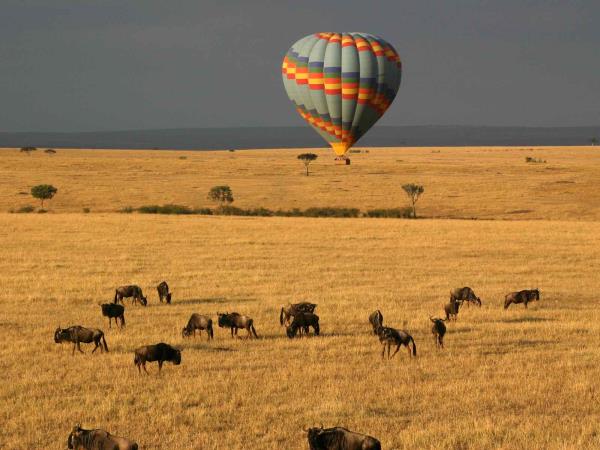
Masai Mara National Reserve in Kenya offers unparalleled wildlife viewing, famous for the annual Great Migration of millions of wildebeest and zebras, "Big Five" (lion, leopard, rhino, elephant, buffalo), and the resident Maasai people's unique culture. It's part of the vast Mara-Serengeti ecosystem, featuring savannahs, riverine forests, and rivers like the Mara and Talek. Key facts include its "spotted" name meaning, year-round game viewing, rich birdlife, and conservation challenges alongside growing tourism.
2-days-masai-mara-safari-africa-big-cats-safaris
2-days-best-masai-mara-safari-tour
3-days-fly-in-masai-mara-safari-tour-package
3-days-budget-masai-mara-safari-tour-package-itinerary
4-days-masai-mara-and-lake-nakuru-kenya-safari-tour-package
4-days-budget-masai-mara-safari-and-lake-nakuru
5-days-masai-mara-safari-lake-nakuru-and-hells-gate-national-park-kenya-tour
5-day-kenya-tanzania-safari-tour-from-masai-mara-to-serengeti-and-ngorongoro-crater
6-days-kenya-wildlife-safari-and-uganda-gorilla-tracking-safari-tour
7-days-incredible-africa-big-five-kenya-tanzania-combined-tour
1. Annual Great Migration
The Great Migration is one of the most spectacular wildlife events on Earth, occurring between July and October. Millions of wildebeest, zebras, and gazelles migrate from the Serengeti in Tanzania to the Masai Mara in search of greener pastures. This migration includes perilous river crossings, particularly at the Mara River, where crocodiles lie in wait. Witnessing this natural phenomenon is a once-in-a-lifetime opportunity for visitors, offering impressive sights of the sheer size and movement of the herds. As the animals travel, they create a dynamic ecosystem that attracts lions, leopards, and hyenas, all eager to take advantage of the abundance of prey. The Great Migration showcases not only the stunning scenery of the Mara but also the relentless cycle of life and death that defines the African wilderness.
2. The "Big Five"
The term "Big Five" refers to five of the most sought-after animals to see on safari: lions, leopards, elephants, buffalo, and rhinos. The Masai Mara is one of the premier locations for observing these iconic species in their natural habitat. Visitors can witness lions basking in the sun, leopards camouflaged in trees, and massive herds of elephants roaming together. The elusive black rhino, though rarer, can also be spotted, especially in the more secluded areas of the reserve. Encountering these majestic creatures not only provides unforgettable photographic opportunities but also emphasizes the importance of conservation efforts in protecting these vulnerable species. Their presence adds to the rich tapestry of wildlife that defines the Masai Mara, making it a must-visit destination for wildlife enthusiasts.
3. Unique Maasai Culture
The Maasai people are indigenous to the region and have a profound connection to the land and its wildlife. Their rich cultural heritage includes unique customs, traditional clothing, and vibrant ceremonies. Visitors to the Masai Mara can engage with local Maasai communities, learning about their pastoral lifestyle and deep-rooted traditions. Cultural tours often include traditional dances, song performances, and the chance to visit a Maasai village, where you can observe daily activities and craftsmanship, such as beadwork and weaving. This interaction not only offers insights into their way of life but also provides valuable support to the community. Emphasizing sustainable tourism, such experiences help preserve Maasai culture and contribute to community development while enriching your safari experience.
4. Part of the Mara-Serengeti Ecosystem
The Masai Mara is part of the Mara-Serengeti Ecosystem, a vast area that spans both Kenya and Tanzania. This interconnected ecosystem is vital for wildlife, providing habitats and migratory routes for diverse species. The varied landscapes, including savannahs, riverine forests, and wetlands, support a rich biodiversity, making it one of Africa’s most important wildlife conservation areas. The seasonal changes in the Mara influence migratory patterns, as animals move to find food and water. Conservation efforts in this ecosystem focus on preserving wildlife corridors, ensuring that animals can migrate safely and sustainably. By protecting the integrity of the Mara-Serengeti ecosystem, we safeguard not only wildlife but also the balance of the surrounding environments, fostering sustainable tourism.
5. Year-Round Game Viewing
Unlike some parks that have specific seasons for wildlife viewing, the Masai Mara offers year-round game viewing opportunities. Different species are more visible at various times of the year, thanks to changing vegetation and animal behaviors. For instance, large cat sightings may be more common during the dry season when animals congregate around water sources. The rainy season, on the other hand, attracts many migratory bird species, making it an excellent time for birdwatching enthusiasts. Game drives, guided by knowledgeable rangers, enrich the experience, allowing visitors to understand animal behavior and ecology. Preparing for varied conditions is essential for maximizing your experience in the Mara, ensuring that the excitement of wildlife encounters remains constant throughout the year.
6. Rich Bird Life
The Masai Mara is a birdwatcher's paradise, boasting over 500 bird species. From the brightly-colored lilac-breasted roller to the impressive secretary bird, the avian diversity is remarkable. Several migratory birds visit the reserve, particularly during the rainy season, adding to the variety of species observed throughout the year. The combination of habitats, including savannahs, wetlands, and riverine forests, attracts various birds, each adapted to their ecological niche. Guided birdwatching tours offer a more in-depth exploration of these feathered inhabitants, enabling enthusiasts to learn about their behaviors, habitats, and migratory patterns. Birdwatching in the Mara enhances the safari experience, highlighting the intricate balance of ecosystems while showcasing the beauty and diversity of avian life.
7. Conservation Challenges
Despite its renowned status, the Masai Mara faces several conservation challenges. Increasing tourism, land encroachment, and human-wildlife conflict threaten the delicate balance of this ecosystem. As the region becomes more popular, the rising number of visitors may lead to habitat degradation, which can impact animals and their natural behaviors. Additionally, local communities sometimes face challenges in coexisting with wildlife, particularly when predators threaten livestock. To mitigate these issues, various organizations are working on conservation initiatives, promoting sustainable tourism practices, and educating locals about wildlife coexistence. Renewed focus on community-based conservation helps ensure that both wildlife and humans benefit from the natural resources, fostering a more harmonious relationship between the two.
8. Spotted Name Meaning
The name "Masai Mara" is derived from the Maasai language, with "Mara" meaning spotted. This refers to the fauna and flora that scatter the land, including acacia trees and diverse wildlife that dot the savannahs. The "spotted" landscape is further accentuated by the riverine forests lining the Mara and Talek rivers, offering striking contrasts to the expansive savannah. This unique geography not only enhances the scenic beauty of the reserve but also supports a wide array of wildlife species. Understanding the meaning of its name provides deeper insight into the region’s ecology, enriching your experience as you explore its sights and sounds.
9. Diverse Ecosystems
The Masai Mara comprises multiple ecosystems, each hosting unique flora and fauna. Dominated by savannah grasslands, the reserve also features riverine forests along the Mara and Talek rivers, which provide vital habitats for various species. These diverse environments support an array of wildlife, from the large mammals of the plains to smaller species hidden in the underbrush. Natural features such as hills and swamps create microhabitats that further diversify the biological landscape. This ecological richness attracts different animals and enhances the overall experience for visitors. Understanding these ecosystems during your safari allows for greater appreciation of the interconnectedness of life in the Masai Mara.
10. Family-Friendly Destination
The Masai Mara is a family-friendly destination, offering many safari experiences suitable for children and adults alike. Many lodges and camps provide tailored family options, including activities designed to engage kids, such as nature walks and guided tours. Families can bond over shared adventures, from thrilling game drives to cultural experiences with the Maasai community. Educational programs are often available, allowing children to learn about wildlife and conservation while fostering a sense of responsibility for the environment. Accessibility and a variety of tours make the Masai Mara an excellent choice for families seeking unforgettable memories together against the breathtaking backdrop of Africa’s wildlife.
11. Accessibility and Transportation
The Masai Mara is easily accessible from Nairobi, making it a convenient choice for a Kenya wildlife safari. Various transportation options are available, including domestic flights to several airstrips within the reserve, which reduce travel time significantly. Alternatively, self-drive safaris and organized vehicle tours are popular for visitors preferring road travel. However, opting for a guided tour enriches the experience, as knowledgeable drivers can provide insights and navigate park regulations effectively. Quality accommodations are available for different budgets, ensuring comfortable stays for all travelers. The ease of accessibility allows visitors to immerse themselves in the joy of wildlife exploration without excessive travel inconvenience.
12. Night Game Drives
One unique feature of the Masai Mara is the option for night game drives, offering an entirely different perspective on the wildlife experience. Many animals, especially predators, are more active at night, providing opportunities to observe behaviors that are not visible during daytime safaris. Night drives are often conducted by experienced guides who are adept at spotting nocturnal animals, such as leopards and hyenas. These excursions often include a stop to enjoy stargazing, revealing the captivating beauty of the African night sky. Engaging in night game drives adds a thrilling dimension to your Kenya wildlife safari, offering a chance to see the reserve’s inhabitants come alive under the moonlight.
13. Hot Air Balloon Safaris
Hot air balloon safaris in the Masai Mara provide a unique bird’s-eye view of the stunning landscapes and wildlife below. These early-morning flights offer an exhilarating experience, allowing visitors to float peacefully over the savannah, rivers, and herds of animals. The panoramic views provide a perspective impossible to achieve from the ground, often unveiling the vastness of the Mara ecosystem. Many operators include a champagne breakfast upon landing, adding a touch of luxury to the adventure. Taking to the skies enhances your safari experience, creating unforgettable memories as you witness the beauty of the Masai Mara unfold beneath you.
14. Unique Climate
The Masai Mara features a unique climate characterized by two distinct rainy seasons: the long rains from March to May and the short rains from November to December. This weather pattern shapes the landscape and influences wildlife activity. Following the rains, the grasslands become lush and vibrant, attracting an influx of herbivores and predators alike. However, it’s worth noting that the park can become muddy and difficult to navigate during peak rains, sometimes affecting access to certain areas. The dry season from June to October often provides clearer skies and better visibility for wildlife sightings, making it a popular time for safaris. Understanding the climate can help inform your travel plans, enabling you to select the best time for your Kenya wildlife safari.
15. Conservation Efforts
The Masai Mara relies on ongoing conservation efforts to preserve its rich biodiversity and maintain the delicate balance between wildlife and human communities. Various programs focus on protecting endangered species, addressing human-wildlife conflict, and promoting sustainable tourism practices. Local and international organizations work alongside Maasai communities to develop initiatives that enhance livelihoods and foster environmental stewardship. Initiatives such as community-based conservation encourage locals to participate actively in protecting their natural resources. By supporting these conservation efforts through tourism, visitors can play a vital role in ensuring the long-term sustainability of the Masai Mara. Together, these initiatives help preserve this iconic landscape for future generations while enhancing the safari experience for visitors."
Booking Kenya safari with us Roads of Adventure safaris
Booking your Kenya safari with Roads of Adventure Safaris guarantees an enriching experience tailored to your interests. Our expert team specializes in crafting personalized itineraries, ensuring that you explore the breathtaking landscapes and abundant wildlife that Kenya has to offer. We pride ourselves on providing seamless logistics, including comfortable accommodations, knowledgeable guides, and convenient transportation. Whether you're looking to witness the Great Migration, explore the Maasai Mara, or experience Kenya's vibrant cultures, we have the perfect package for you. With our commitment to sustainable tourism, your journey will not only be memorable but also environmentally responsible. Let us help you create the adventure of a lifetime!"
