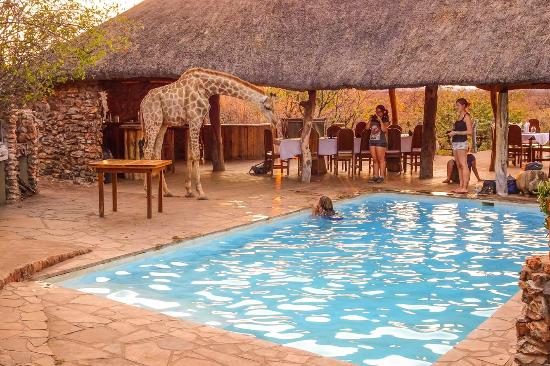
The top 10 things to do in Etosha National Park on Namibia safari include going on game drives to see wildlife, watching animals at the waterholes like Okaukuejo, exploring the vast Etosha Pan, going bird-watching, visiting the historic Namutoni Fort, enjoying the spectacular stargazing, staying at campsites inside the park, taking self-drive safaris, capturing photos of the amazing wildlife, and visiting the Moringa Waterhole at Halali Camp.
3-days-etosha-national-park-namibia-safari-tour-package
4-days-etosha-national-park-namibia-wildlife-safari-tour-itinerary
5-days-namibia-safari-to-etosha-national-park-and-himba-tribe
6-day-luxury-namibia-safari-tour-highlights-of-namibia-trip-and-bigfive
10-days-classic-namibia-safari-tour-package-from-windhoek
15-days-ultimate-namibia-safari-botswana-safari-and-victoria-falls-tour-combo
Wildlife Viewing & Activities on Your Namibia Safari Tour
Game Drives
Game drives are a cornerstone of any Namibia safari tour, offering travelers the chance to witness the incredible diversity of wildlife in Etosha National Park. Whether you choose a guided or self-drive option, these excursions allow you to explore the park's vast landscapes and spot iconic species such as elephants, lions, leopards, and rhinos. Guided game drives come with the expertise of a knowledgeable guide who can share insights about animal behavior and the ecosystem. Alternatively, self-drive safaris provide the freedom to explore at your own pace, enabling you to linger at sightings that capture your interest. The park is designed with well-marked roads that make navigation easy for visitors. Early morning and late afternoon are the best times for game drives, as animals are most active during these cooler hours. The thrill of encountering wildlife in their natural habitat makes game drives an unforgettable highlight of your Namibia safari tour.
Waterhole Sightings
Waterholes in Etosha National Park offer some of the best wildlife viewing opportunities, especially during the dry season. As water sources dwindle, animals congregate around these vital spots to quench their thirst, providing a spectacular show for visitors on a Namibia safari tour. One of the most famous waterholes is located at Okaukuejo Camp, renowned for its nighttime viewing. Here, you can observe elephants, rhinos, and various antelope species as they come to drink under the stars. The dramatic scene of animals silhouetted against the night sky is a photographer's dream. During the day, visiting waterholes can also yield exciting sightings, as birds and smaller mammals often frequent these areas. Planning your Namibia safari tour to include time at these waterholes will enhance your wildlife experience and offer incredible chances to observe nature in action.
Stargazing
The remote location of Etosha National Park makes it one of the most exceptional places for stargazing during your Namibia safari tour. With minimal light pollution, the park offers clear skies that reveal a stunning array of stars, planets, and even the Milky Way. After a day of wildlife viewing, taking time to gaze at the night sky can be a magical experience, allowing you to connect with the natural world in a different way. Many lodges and camps in the park offer guided stargazing sessions, complete with telescopes and knowledgeable guides who can point out celestial features and constellations. Whether you’re a seasoned astronomer or just a curious traveler, stargazing in Etosha adds a unique dimension to your Namibia safari tour. Don’t forget to bring a blanket and perhaps some refreshments to enjoy while you soak in the beauty of the universe.
Bird-Watching
For bird enthusiasts, Etosha National Park is a paradise, making it an ideal destination on your Namibia safari tour. The park is home to over 340 bird species, including both resident and migratory birds. Various habitats within the park, such as savannahs, woodlands, and wetlands, attract a diverse range of avian life. Birdwatchers can expect to see species like the majestic African fish eagle, vibrant lilac-breasted rollers, and numerous waders near waterholes. The best times for bird-watching are during the early morning and late afternoon when birds are most active. Many guided tours focus specifically on bird-watching, offering expert insights into identifying species and understanding their behaviors. Whether you are an avid birdwatcher or a casual observer, the rich variety of birdlife adds an exciting layer to your Namibia safari tour experience, allowing you to appreciate the park's biodiversity in a unique way.
Park Features & Exploration on Your Namibia Safari Tour
The Etosha Pan
One of the most striking features of Etosha National Park is the vast Etosha Pan, often referred to as "The Great White Place." This massive salt pan is a remnant of an ancient lake and covers about 4,800 square kilometers, dominating the park's landscape. The pan's shimmering white surface creates a surreal backdrop, especially during the golden hours of sunrise and sunset. Visitors on a Namibia safari tour can enjoy panoramic views from various vantage points around the pan, providing excellent opportunities for photography. The pan attracts a diverse array of wildlife, particularly during the rainy season when it fills with water, drawing flocks of flamingos and other waterbirds. Exploring the edges of the pan can lead to encounters with game as they venture to drink. The Etosha Pan is not just a stunning visual feature; it’s an integral part of the ecosystem, making it a must-see on your Namibia safari tour.
Namutoni Fort
A visit to Namutoni Fort is an essential part of your Namibia safari tour, offering a blend of history and wildlife viewing. This old German fort, located on the eastern edge of Etosha National Park, serves as a historical landmark and a picturesque base for exploring the park. The fort has been beautifully restored and now houses a camp and a restaurant, allowing visitors to enjoy the unique blend of heritage and nature. From the fort, you can easily access nearby waterholes where wildlife frequently gathers, providing excellent opportunities for game viewing. Strolling around the fort and its surroundings gives you a sense of the area's history while also allowing for wildlife encounters. Namutoni Fort offers a unique experience that enriches your Namibia safari tour, combining cultural exploration with the thrill of observing animals in their natural habitat.
Halali & Okaukuejo Camps
Staying at Halali or Okaukuejo Camps is highly recommended for anyone on a Namibia safari tour who wants to experience the wildlife of Etosha National Park up close. Both camps are strategically located near waterholes, providing excellent wildlife viewing opportunities right from your accommodation. Okaukuejo Camp is particularly famous for its nighttime waterhole sightings, where you can observe elephants, rhinos, and other animals coming to drink under the stars. Halali Camp is centrally located within the park, making it an ideal base for exploring various habitats and maximizing your wildlife encounters. Both camps offer comfortable lodging, dining options, and guided safari activities, enhancing your overall experience. Staying at these camps allows you to immerse yourself in the wilderness, ensuring that your Namibia safari tour is filled with unforgettable memories and encounters with the incredible wildlife that Etosha has to offer.
Practical Safari Tips for Your Namibia Safari Tour
Self-Drive Safaris
Etosha National Park is renowned as one of Africa's premier self-drive safari destinations, making it an ideal choice for independent travelers on a Namibia safari tour. The park features well-maintained gravel roads that are easy to navigate, allowing visitors to explore at their own pace. Self-drive safaris provide the freedom to stop whenever you spot wildlife, making it easier to capture those perfect photographs or simply enjoy the moment. Ensure that your vehicle is equipped with a spare tire, plenty of water, and a detailed map of the park. It’s also advisable to familiarize yourself with park rules and wildlife behavior to ensure a safe experience. Many visitors find the thrill of spotting animals and navigating the park independently adds a layer of excitement to their Namibia safari tour. With the right preparation, self-driving in Etosha can be one of the most rewarding ways to experience this stunning destination.
Early Morning & Late Afternoon Drives
For optimal wildlife viewing during your Namibia safari tour, it’s essential to schedule your game drives in the early morning or late afternoon. During these times, temperatures are cooler, and animals are more active, increasing your chances of spotting a variety of species. Early morning drives allow you to witness the park waking up, with animals emerging from their resting spots. Similarly, late afternoon drives provide the opportunity to see animals preparing for the night. Both time slots are ideal for photography, as the soft light enhances the beauty of the landscapes and wildlife. Guided tours often schedule their drives during these peak hours, but if you're self-driving, plan accordingly to make the most of your wildlife encounters. By prioritizing early morning and late afternoon drives, you will enhance your Namibia safari tour experience and create unforgettable memories of the stunning wildlife in Etosha.
Photography
Bringing your camera and binoculars is crucial for capturing the breathtaking landscapes and wildlife that Etosha National Park has to offer on your Namibia safari tour. The park’s diverse environments provide stunning backdrops for photography, from the stark white Etosha Pan to the lush vegetation around waterholes. To make the most of your photographic opportunities, consider bringing a zoom lens to capture distant wildlife without disturbing them. Early morning and late afternoon light creates the best conditions for photography, highlighting the rich colors of the landscape and animals. Remember to be patient and observant, as some of the best shots come from waiting for the right moment. Whether you're an amateur or a seasoned photographer, documenting your experiences in Etosha will provide lasting memories of your Namibia safari tour. With the right equipment and mindset, you’ll be able to showcase the park’s incredible beauty and wildlife.
Park Entry Fee for Etosha National Park
The entry fee for Etosha National Park varies depending on whether you are a Namibian resident or a foreign visitor. As of the latest information, foreign visitors typically pay around NAD 80 per adult per day, while children (under 16) pay approximately NAD 40. Namibian residents enjoy reduced rates, which can be about NAD 20 for adults and NAD 10 for children. It's important to note that these fees are subject to change, so it’s advisable to check the official Namibia Wildlife Resorts website or consult with your safari operator for the most up-to-date pricing. The park entry fee contributes to the conservation efforts within the park, ensuring that the incredible wildlife and natural landscapes can be preserved for future generations. This fee is separate from accommodation costs and guided tours, so be sure to budget accordingly for your Namibia safari tour.
Location of Etosha National Park
Etosha National Park is located in the northern part of Namibia, approximately 400 kilometers (about 250 miles) northwest of Windhoek, the capital city. The park covers an area of around 22,912 square kilometers (8,600 square miles) and is centered around the vast Etosha Pan, a large salt pan that is a distinctive feature of the landscape. The park is easily accessible via well-maintained roads, making it a popular destination for both local and international visitors. The main entrance to the park is at the Anderson Gate, located near the town of Okaukuejo. This strategic location allows for easy access to the park's numerous waterholes, where wildlife congregates, especially during the dry season. The park's remote location offers a true wilderness experience, making it a highlight of any Namibia safari tour.
How to Get to Etosha National Park on Namibia safari tour
Getting to Etosha National Park is relatively straightforward, thanks to Namibia's good road infrastructure. Most visitors begin their journey from Windhoek, which is about a 5 to 6-hour drive away. Travelers can rent a car, join a guided tour, or book a safari package that includes transportation. The main route from Windhoek is via the B1 highway, which leads to the park's entrances, primarily the Anderson Gate and the Von Lindequist Gate. If you prefer a more adventurous approach, self-driving is a popular option, allowing you to explore the beautiful landscapes of Namibia at your own pace. Additionally, there are small domestic flights available to nearby airstrips, making it convenient for those with limited time. No matter how you choose to get there, the journey to Etosha National Park is filled with scenic views that showcase Namibia's stunning wilderness, enhancing your overall Namibia safari tour.
Best Time to Visit Etosha National Park on Namibia safari tour
The best time to visit Etosha National Park is during the dry season, which runs from May to October. This period is characterized by warm days and cooler nights, making it ideal for wildlife viewing. As water sources become scarce, animals flock to the park's numerous waterholes, providing excellent opportunities for sighting a variety of species, including elephants, lions, and rhinos. The dry season also offers clear skies and less vegetation, enhancing visibility for photographers and wildlife enthusiasts alike. For those interested in birdwatching, the wet season from December to March brings migratory birds and vibrant flora, but wildlife sightings may be less predictable due to the availability of water. Ultimately, your choice of when to visit will depend on your interests, but the dry season is generally recommended for maximizing wildlife encounters during your Namibia safari tour.
Accommodations in Etosha National Park on Namibia safari tour
When visiting Etosha National Park, you can expect a range of accommodations to suit different preferences and budgets. Inside the park, there are several rest camps operated by Namibia Wildlife Resorts, such as Okaukuejo, Halali, and Namutoni. These camps typically offer a variety of lodging options, including campgrounds for those seeking a more rustic experience, as well as comfortable chalets and lodges with modern amenities. Many camps feature on-site restaurants, shops, and swimming pools, providing a relaxing atmosphere after a day of wildlife viewing. For those looking for a more exclusive experience, private lodges and tented camps are available on the outskirts of the park, offering luxury accommodations with personalized services. Whichever option you choose, staying close to the park enhances your Namibia safari tour by allowing easy access to game drives and unforgettable wildlife encounters at dawn and dusk.
Booking Namibia Safari Tour with Roads of Adventure Safaris
Booking your Namibia safari tour with Roads of Adventure Safaris ensures a memorable and well-organized experience. Our expert team is dedicated to crafting personalized itineraries that highlight Namibia's stunning landscapes and diverse wildlife. We offer various packages that cater to different interests and budgets, whether you prefer a self-drive adventure or guided tours. Our knowledgeable guides are passionate about Namibia and provide invaluable insights into the flora and fauna you encounter. We handle all the logistics, including accommodations, transportation, and park entry fees, allowing you to focus on enjoying your adventure. With our commitment to sustainable tourism, you can feel good about supporting local communities and conservation efforts. To book your Namibia safari tour, simply visit our website or contact our friendly team. Let us help you create unforgettable memories in one of Africa's most remarkable destinations
