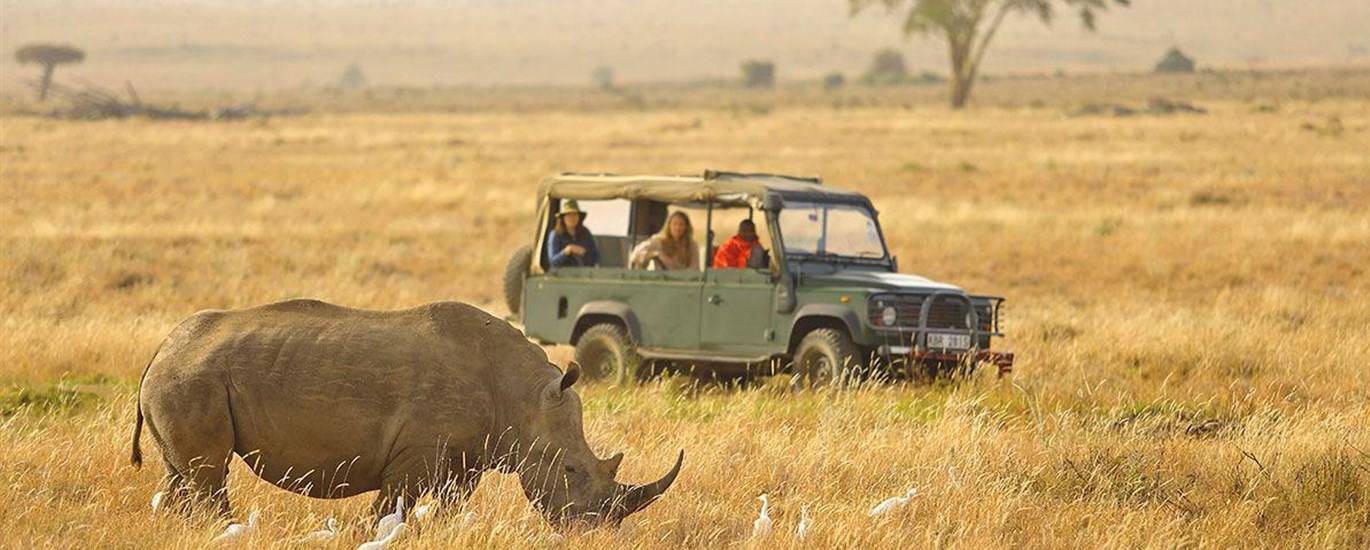
For a 7-day Tanzania safari, lodging typically includes a mix of mid-range lodges in Arusha/Karatu and permanent tented camps inside the Serengeti for a "classic" experience. Key areas to sleep include Arusha (arrival/departure), Tarangire/Manyara (early days), the Ngorongoro Crater rim or Karatu (middle days), and the Serengeti (final days).
7-days-best-great-wildebeest-migration-safari-in-tanzania
7-days-epic-africa-big-five-safari-in-tanzania-top-best-parks
7-days-budget-tanzania-safari-affordable-africa-budget-safari
7-days-kilimanjaro-climb-and-hiking-safari-ascent-to-peak
7-days-tanzania-wildlife-safari-africa-safari-tour-best-park-visits
7-days-best-southern-tanzania-safari-parks-nyerere-mikumi-ruaha-and-udzungwa
7-day-best-zanzibar-beach-holidays-combo-to-ruaha-and-mikumi-safari-parks
7-days-zanzibar-beach-activities-and-chimpanzee-tracking-in-mahale-mountains
7-days-amboseli-kenya-and-serengeti-fly-in-tanzania-safari
7-days-masai-mara-safari-tour-and-serengeti-safari-tour-in-kenya-and-tanzania
7-days-ultimate-budget-kenya-tanzania-safari-holiday-vacation
7 Days safari in Tanzania
This 7-Day Tanzania Safari is a quintessential exploration of East Africa’s "Northern Circuit," meticulously designed to showcase the region's geological wonders and unparalleled wildlife density. Your journey begins in the vibrant hub of Arusha before venturing into the baobab-studded plains of Tarangire, a sanctuary for Africa’s giant tuskers. The itinerary then sweeps into the legendary Serengeti, where the "endless plains" provide the stage for the Great Migration and the world's most concentrated predator action. The finale takes place within the Ngorongoro Conservation Area, featuring the breathtaking Ngorongoro Crater—a self-contained Eden and a UNESCO World Heritage site. By staying in a selection of hand-picked lodges and tented camps, you will balance the raw, thundering energy of the wild with refined Tanzanian hospitality. From tracking the "Big Five" to witnessing the sun set over the Rift Valley escarpment, these seven days offer a profound, life-changing immersion into the heartbeat of the African wilderness.
Day 1: Arrival in Arusha
Upon arrival at Kilimanjaro International Airport, you will be met by your guide and transferred to the lush outskirts of Arusha. Depending on your choice of Arusha Planet Lodge or Hamerkop House, you will find yourself surrounded by tropical gardens or perched near a quiet golf estate. Day one is designed for acclimatization and recovery from your international flight. You can take a gentle walk through the neighboring coffee plantations, visit the local vibrant markets, or simply relax by the pool as you prepare for the adventure ahead. Arusha sits at the base of Mount Meru, offering a cool climate and a stunning backdrop of volcanic peaks. In the evening, you will enjoy a detailed safari briefing over a gourmet dinner, marking the peaceful beginning of your Tanzanian odyssey before heading into the wild tomorrow.
Day 2: Tarangire National Park
After breakfast, you depart for Tarangire National Park, famously known as the "Land of Giants." As you enter the park, the horizon is dominated by ancient, gargantuan Baobab trees that dwarf the landscape. Tarangire is world-renowned for its massive elephant herds, which you will often find congregating near the Tarangire River—the park's primary lifeblood. Your afternoon game drive will reveal a variety of species, including the fringe-eared oryx and the long-necked gerenuk. Keep a sharp eye on the mahogany branches, as Tarangire’s lions are known for their rare habit of climbing trees. You will spend the night at Marera Valley Lodge or Tarangire Safari Lodge, where the sounds of the African bush—from the hoot of an owl to the distant trumpet of an elephant—provide a rhythmic soundtrack to your first night on safari.
Day 3: Serengeti National Park (Central/Seronera)
Today, you head into the legendary Serengeti National Park, crossing the scenic Ngorongoro Highlands along the way. As you pass through the Naabi Hill gate, the vast, golden "endless plains" unfold before you. You will spend the afternoon exploring the Seronera Valley, the heart of the Serengeti. This region is a permanent home for big cats, particularly leopards and lions that favor the granite kopjes (rock outcrops) as lookout points. Whether staying at Serengeti Classic View Camp or Nyumbu Migration Camp, you will be positioned in a prime wildlife corridor. The sheer scale of the landscape is humbling, and as you watch the sun dip below the acacia-dotted horizon, you will experience the raw, untamed heartbeat of Africa. The evening is spent around the campfire, sharing stories of the day’s sightings.
Day 4: Full Day in the Serengeti
A full day in the Serengeti allows for an immersive deep dive into the rhythms of the migration. Depending on the season, your guide will track the thundering herds of wildebeest and zebra as they navigate the plains in search of fresh grass. You may witness a pride of lions strategizing a hunt or a cheetah utilizing its incredible speed on the open flats. For a truly unforgettable perspective, you can opt for a sunrise hot air balloon safari, drifting silently over the plains before a champagne breakfast in the bush. If you are staying at the luxury Mbali Mbali Soroi Serengeti, you can enjoy panoramic views of the Musabi Plains from your private deck. This day is about the "Big Five" and the small wonders alike, from the dung beetle to the majestic martial eagle.
Day 5: Ngorongoro Conservation Area
After a final morning game drive in the Serengeti, you begin your journey toward the Ngorongoro Conservation Area. En route, you may stop at a Maasai Boma to learn about the ancient traditions of these iconic pastoralists or visit the Olduvai Gorge, where significant hominid fossils were discovered. As you reach the Ngorongoro Highlands, the vegetation turns into a lush, misty cloud forest. You will check into Kitela Lodge or the Ngorongoro Serena Safari Lodge, which sits directly on the crater's rim. From here, you can gaze down into the massive caldera, anticipating the incredible wildlife encounter awaiting you tomorrow. The air is cool and crisp at this altitude, and the evening mist rolling over the crater walls creates an atmosphere of prehistoric mystery and profound serenity.
Day 6: Ngorongoro Crater Floor Safari
Today, you descend 600 meters into the Ngorongoro Crater, a self-contained Eden and one of the most remarkable wildlife sanctuaries on Earth. Within this 260-square-kilometer caldera, you have a high probability of spotting the "Big Five" in a single day, including the rare black rhino. The crater floor is home to over 25,000 large mammals, including massive bull elephants and dense prides of lions. You will enjoy a picnic lunch near a hippo pool, surrounded by the dramatic, steep walls of the caldera. The concentration of animals here is unlike anywhere else in Africa, offering a "theater" of wildlife interactions in plain view. After six hours of intense game viewing, you will ascend back to the highlands for a final night at Marera Valley Lodge, reflecting on a week of extraordinary biodiversity.
Day 7: Departure via Arusha
On your final morning, you enjoy a leisurely breakfast overlooking the lush gardens and coffee plantations of Karatu. You will begin your drive back toward Arusha, passing through local villages and vibrant markets where you can pick up last-minute souvenirs like Tanzanite gemstones or hand-carved Makonde sculptures. After a final celebratory lunch in Arusha, your guide will transfer you to Kilimanjaro International Airport for your departure flight. As you fly over the jagged, snow-capped peaks of Mount Kilimanjaro, you will carry with you the thundering sounds of the migration, the golden light of the savannah, and the profound sense of wonder that only a week in the heart of Tanzania can provide. Your 7-day safari concludes, leaving you with memories of a wild, ancient, and inspiring world.
The choice of lodging on a 7-day Tanzania safari in 2026 is a critical factor that determines the balance between your comfort and your proximity to the wild. From the lush highlands of Ngorongoro to the "glamping" suites of the Serengeti, here is a guide to the best sleeping arrangements for your adventure.
1. Where should I sleep on the first night?
For almost every traveler, the first night should be spent in Arusha. Known as the "Safari Capital of the World," Arusha sits at the base of Mount Meru and serves as the logistical staging ground for the Northern Circuit. Sleeping here allows you to recover from long-haul flights, meet your guide for a pre-safari briefing, and sort out any last-minute gear needs. Options range from charming boutique hotels like Arusha Planet Lodge to high-end coffee estates like Arusha Coffee Lodge. Staying in the city ensures you are well-rested and can hit the road early the next morning for Tarangire or Manyara, avoiding the fatigue that often comes with trying to start a game drive immediately after landing.
2. What are the best lodging options in the Serengeti?
In the Serengeti, the "Gold Standard" is a Luxury Tented Camp. These are not traditional tents; they are sprawling canvas suites with wooden floors, king-sized beds, and full en-suite bathrooms. Camps like Serengeti Classic View Camp or the mobile Nyumbu Migration Camp are strategically placed in high-density wildlife corridors. For those who prefer solid walls, permanent lodges like the Serengeti Serena Safari Lodge offer stunning architecture inspired by traditional Maasai "bomas" and feature infinity pools overlooking the plains. The choice depends on your preference for a "bush immersion" (camps) versus "structured luxury" (lodges).
3. Is camping feasible during the safari?
Yes, Public Camping is a popular and feasible option for budget-conscious travelers. These campsites are located within the national parks, such as the Seronera Campsite in the central Serengeti. While you will be sleeping in smaller dome tents on the ground, the experience is incredibly authentic. You will share communal bathrooms and a dining area, and a professional safari cook will travel with you to prepare all meals. It is the most "raw" way to experience the safari, where only a layer of canvas separates you from the sounds of the African night, often at a fraction of the cost of a lodge.
4. Where do I stay near the Ngorongoro Crater?
Accommodation for the Ngorongoro Crater falls into two categories: Crater Rim or Karatu. Lodges on the rim, such as the Ngorongoro Serena, offer the unparalleled luxury of waking up to a view of the caldera floor 600 meters below. However, these are often more expensive and can be quite chilly and misty. The alternative is the nearby town of Karatu, located about 20–30 minutes from the park gate. Lodges like Marera Valley Lodge or Kitela Lodge are nestled in lush coffee plantations. Staying in Karatu is often more cost-effective and provides a warmer climate and a more "village" feel.
5. What is included in a luxury 7-day safari?
A luxury 7-day safari is defined by exclusivity and high-end amenities. You will stay in upscale tented camps and lodges like Mbali Mbali Soroi or Singita, where the focus is on privacy and personalized service. These accommodations feature private plunge pools, gourmet "bush" dining (often five-course meals), and premium bar services. Logistically, luxury safaris often replace long road transfers with internal bush flights, landing you directly on the Serengeti plains. You can also expect private 4x4 vehicles, dedicated laundry services, and highly experienced head-guides who specialize in photography and tracking.
6. Where is the best place to stay in Tarangire?
To maximize your time in Tarangire, you should stay as close to the Tarangire River as possible, as this is where the wildlife congregates. Tarangire Safari Lodge is a classic choice, perched on a bluff with one of the best views in the park. For a unique experience, Tarangire Treetops offers rooms built high into ancient Baobab and Marula trees. If you prefer to stay just outside the park boundaries to save on fees while still having easy access, Maramboi Tented Lodge offers spectacular views across Lake Manyara and the Great Rift Valley, with zebras and wildebeest frequently grazing right outside your tent.
7. Do camps offer amenities like electricity?
In 2026, even the most remote safari camps in Tanzania are remarkably well-equipped. Most mid-range and luxury camps utilize a combination of Solar Power and backup generators. You will have 24/7 electricity in your tent for lighting and charging cameras, phones, and laptops. Hot water is usually provided via solar heaters or traditional "donkey boilers" (wood-fired heaters). While you won't find hair dryers in most tented camps (as they draw too much power), the essential comforts are always present. Wi-Fi is increasingly common in the common lounge areas, though it remains rare inside the individual guest tents.
8. Where to stay to see the Wildebeest Migration?
To see the migration, your accommodation must follow the herds. From July to October, you must stay in the Northern Serengeti (Kogatende or Lamai) to witness the Mara River crossings. From January to March, you should be in the Southern Serengeti or Ndutu region for the calving season. During the "shoulder" months (April–June and November–December), central camps in the Seronera Valley are the best choice. Many operators use "seasonal mobile camps" that literally pack up and move three times a year to ensure guests are never more than a short game drive away from the thundering herds.
9. Are family-friendly lodges common?
Tanzania has become an excellent family destination. Many lodges, such as the Serengeti Sopa Lodge, offer interconnecting family rooms or large suites that can accommodate two adults and two children. These lodges often feature swimming pools—a must-have for children after a long, dusty game drive—and child-friendly menus. Some camps also offer "Junior Ranger" programs, where local guides teach children about animal tracking and traditional bushcraft. However, it is important to check for age restrictions, as some high-end walking safari camps may have a minimum age of 12 or 15 for safety reasons.
10. Where to sleep to minimize travel time?
To maximize your game-viewing hours, the rule is simple: Stay inside the National Parks. While lodges outside the park gates are often cheaper, they require you to queue at the gate every morning and leave the park before sunset, cutting into the "golden hours" of wildlife activity. Staying at a lodge like Seronera Wildlife Lodge (inside the Serengeti) or Ngorongoro Serena (on the rim) means you are already in the action. You can be the first vehicle at a lion kill at dawn and the last to leave a sunset sighting, significantly reducing the "commute" and increasing your chances of rare sightings.
11. Do I need to book in advance?
For a 7-day safari in 2026, advance booking is mandatory, especially if you are traveling during the peak months of July–September or February. The best-located tented camps (those near the river crossings or the calving plains) have only 8 to 12 tents and sell out 12 to 18 months in advance. Last-minute booking often results in staying at lodges far away from the migration, leading to long drives and missed action. Booking early also allows you to secure "Early Bird" rates and ensures that your preferred dietary requirements and vehicle needs are fully met by the lodge staff.
12. Where to stay if I want to see Lake Manyara?
If Lake Manyara National Park is on your 7-day itinerary, the most convenient base is the town of Karatu. From here, it is a short 20-minute drive down the escarpment to the park gates. Many travelers visit Lake Manyara as a "day trip" en route from Tarangire to Ngorongoro. Lodges like Lake Manyara Serena Safari Lodge are perched on the very edge of the Rift Valley escarpment, offering a bird’s-eye view of the soda lake and the thousands of flamingos below. Staying here allows you to enjoy the groundwater forest in the morning and be back at your lodge for a sundowner with a view of the entire park.
13. Is there mobile signal or Wi-Fi?
Connectivity in the Tanzanian bush is a game of "pockets." Most lodges and tented camps in 2026 provide Wi-Fi in the central lounge or dining area, though the speed is generally only sufficient for emails and messaging, not streaming. Mobile signal (4G/LTE) is surprisingly good in the Central Serengeti (Seronera) and near the Ngorongoro Crater rim. However, as you move into the deep North or South, signal can disappear for hours. Most safari vehicles are now equipped with Wi-Fi hotspots, allowing you to share your photos instantly, but many travelers find that the "digital detox" is one of the most rewarding parts of the experience.
14. What is it like sleeping in a tented camp?
Sleeping in a tented camp is a multisensory "glamping" experience. While you have the comforts of a hotel—crisp linens, hot water, and gourmet food—the walls are made of heavy-duty canvas. This means you are acoustically connected to the wilderness. You will hear the wind rustling the acacia trees, the distant "whoop" of a spotted hyena, and the low roar of a lion. It is entirely safe, as camps have 24/7 security (Askari), but it creates a profound sense of intimacy with nature that a concrete hotel room cannot match. It is the definitive way to experience the Serengeti’s wild heartbeat.
15. Where should I stay after the safari ends?
After your final game drive, most travelers spend one last night in Arusha. This provides a "buffer" before your international flight, allowing you to shower, repack your bags, and perhaps visit the Cultural Heritage Centre for souvenirs. If you have a late-night flight, many lodges offer a "day room" option where you can relax until your airport transfer. Alternatively, if you are heading to Zanzibar, you can fly directly from a Serengeti airstrip to the island, bypassing Arusha entirely and ending your 7-day adventure with your feet in the turquoise waters of the Indian Ocean.
Booking 7 Days safari in Tanzania with us Roads of Adventure safaris
Book a 7-day Tanzania safari with Roads of Adventure Safaris to explore Northern Circuit highlights like the Serengeti and Ngorongoro Crater. Options include budget to luxury, covering Wildebeest migration,Big Five, and cultural tours. Best times are June-October or Jan-March, with tailored, private, or group, mid-range to luxury, itineraries offered
