Uganda's top wildlife safari attractions blend incredible primate encounters with classic big game viewing, featuring Bwindi Impenetrable & Mgahinga (gorillas), Kibale Forest (chimps), Murchison Falls National Park (big game, falls), Queen Elizabeth National Park (tree-climbing lions, Kazinga Channel), Kidepo Valley National Park (remote wilderness), Lake Mburo (zebras, boat safaris), and Ziwa Rhino Sanctuary (rhinos), offering diverse experiences from jungle trekking to savannah drives and boat cruises.
10-days-best-uganda-big-five-safaris-and-primate-experience
10-days-uganda-rwanda-primate-safari-vacation-and-game-drive-safari
10-days-uganda-safari-all-big-five-gorilla-and-chimpanzee-tracking-adventure
7-days-safari-to-uganda-queen-elizabeth-park-gorillas-trekking-and-lake-mburo
7-days-perfect-uganda-primate-safari-itinerary
7-days-uganda-tour-to-murchison-falls-via-ziwa-kibale-and-queen-elizabeth-national-park
7-day-ultimate-uganda-primate-safari-chimpanzees-and-game-drives
6-days-safari-in-uganda-gorilla-trekking-and-chimpanzee-tracking
6-days-classic-uganda-rwanda-primate-and-wildlife-safari
6-days-uganda-primate-safari-and-wildlife-experience
6-days-budget-uganda-wildlife-safari-holiday-vacation
6-days-double-gorilla-trekking-uganda-and-rwanda-side
4-days-bwindi-impenetrable-gorilla-trekking-and-queen-elizabeth-park-tour
4-days-budget-gorilla-trekking-lake-bunyonyi-and-golden-monkey-tracking
Top 10 Uganda Wildlife Safari Attractions
Here is a detailed look at each of the top 10 attractions for an immersive Uganda wildlife safari, each described in approximately 300 words.
1. Bwindi Impenetrable National Park
Bwindi Impenetrable National Park is undeniably the crown jewel of any Uganda wildlife safari. Located in the southwest corner of Uganda on the edge of the Albertine Rift, this ancient rainforest is a UNESCO World Heritage Site due to its incredible biodiversity and critical role in conservation. Its name aptly describes the dense, lush jungle landscape. The primary reason visitors flock here is that Bwindi is home to over half of the world's remaining population of endangered mountain gorillas. The experience of gorilla trekking is the ultimate highlight of a Uganda wildlife safari, offering a profound, intimate encounter with our closest wild relatives. Guided treks involve hiking through challenging, dense terrain to spend a magical, hour-long permitted viewing window with a habituated gorilla family. Beyond the gorillas, the park's dense canopy protects a remarkable ecosystem. It boasts an astonishing 120 mammal species, including several types of forest primates, and is a haven for ornithologists with over 350 species of forest birds, many of which are Albertine Rift endemics. The cultural interactions with the local Batwa and Bakiga communities also offer a fascinating glimpse into the lives of the forest's original inhabitants. Bwindi provides a raw, authentic, and deeply moving wilderness experience that defines the essence of a premium Uganda wildlife safari.
2. Kibale National Park
Kibale National Park holds the undisputed title of the "Primate Capital of the World," making it an essential stop on any comprehensive Uganda wildlife safari. Located in Western Uganda, this park protects a moist evergreen forest that is home to a staggering 13 different species of primates—the highest concentration in Africa. The main draw for most tourists is the highly organized chimpanzee trekking experience. With over 1,500 chimpanzees residing in the park, the chances of successful sightings are incredibly high. Visitors can opt for a standard half-day trek or the full-day Chimpanzee Habituation Experience (CHEX), which allows travelers to accompany researchers and spend almost the entire day observing chimpanzees as they wake up, feed, and interact. This interactive experience offers an unparalleled depth to your Uganda wildlife safari. Beyond the chimps, the park is alive with red colobus monkeys, L'Hoest's monkeys, blue monkeys, and grey-cheeked mangabeys. The Bigodi Wetland Sanctuary, located just outside the park boundary, is another excellent area for guided nature walks to spot a wide variety of primates and a spectacular array of birdlife, including the beautiful Great Blue Turaco. Kibale complements the gorilla experience of Bwindi perfectly, solidifying Uganda’s reputation as the ultimate primate destination on a Uganda wildlife safari.
3. Murchison Falls National Park
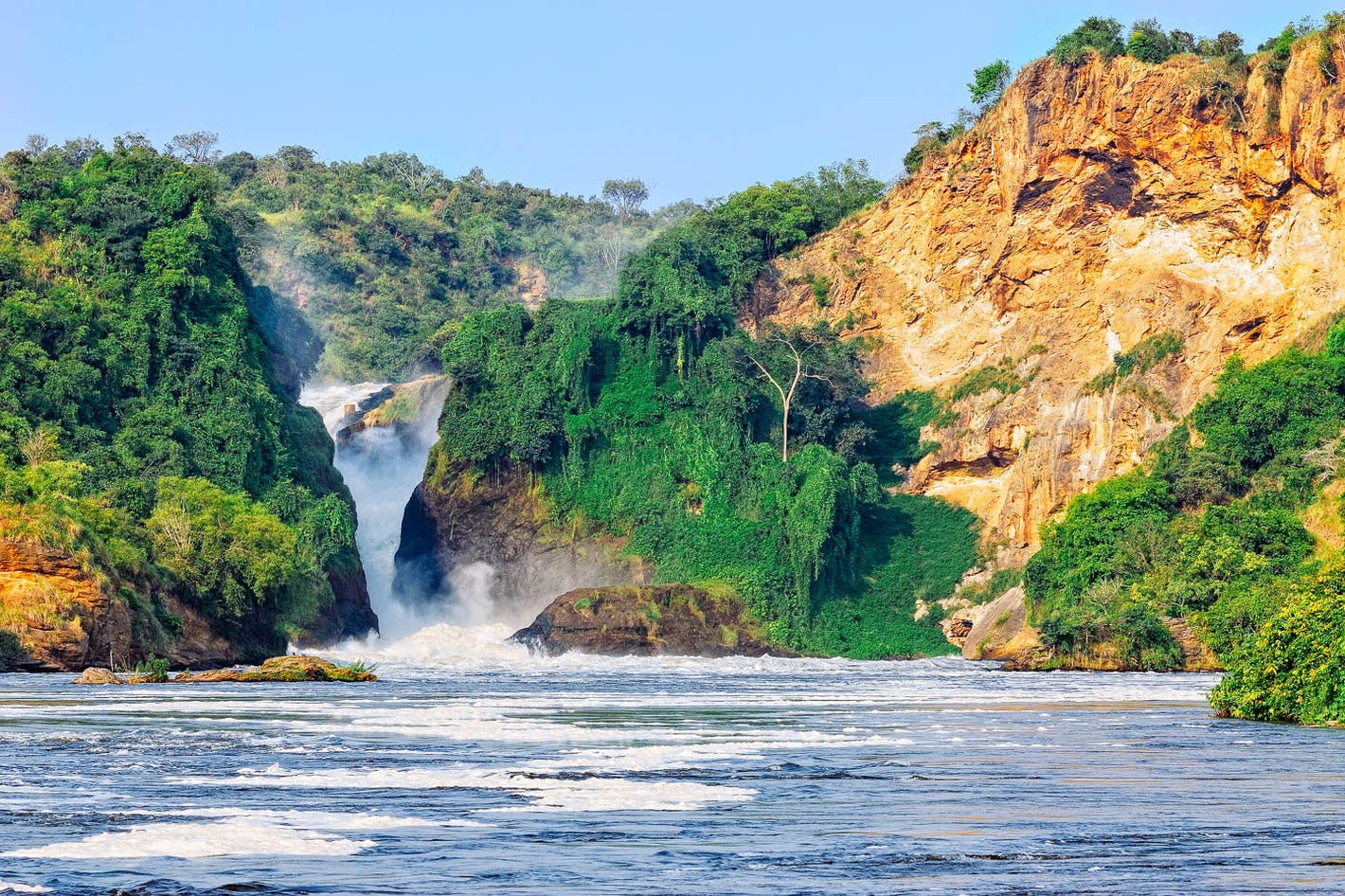
As Uganda’s largest and oldest conservation area, Murchison Falls National Park offers classic savanna safari experiences with a dramatic natural wonder at its heart, making it a cornerstone of any diverse Uganda wildlife safari. The park is bisected by the majestic Nile River, culminating in the powerful Murchison Falls, where the entire river funnels through a mere seven-meter-wide gorge with immense pressure before plunging 43 meters. The sheer power and spectacle of the falls are breathtaking and can be experienced from both the top (by hiking) and the bottom (via boat safari). Game drives on the northern bank are highly rewarding for seeing the Big Four (lion, leopard, elephant, buffalo) and are particularly famous for the population of Rothschild's giraffes, which thrive here alongside large herds of Ugandan kob, oribi, and hartebeest. The boat trip to the base of the falls is a highlight of this Uganda wildlife safari, providing up-close views of colossal Nile crocodiles basking on the banks, massive pods of hippos, and an incredible density of water birds, including the rare Shoebill Stork. The variety of ecosystems—riverine forest, savanna plains, and wetlands—ensures a rich and varied experience for any visitor undertaking a Uganda wildlife safari.
4. Queen Elizabeth National Park
Queen Elizabeth National Park is arguably Uganda's most famous and visited park, offering unparalleled biodiversity that makes it a vital inclusion in any Uganda wildlife safari. Situated in the western part of the country, the park's varied habitats range from savanna and fertile grounds to moist forests and shimmering lakes. It boasts an incredible checklist of over 95 mammal species and a mind-blowing 600+ bird species. The key attractions that draw visitors on a Uganda wildlife safari are unique. The Ishasha sector in the south is renowned for its peculiar tree-climbing lions, which can often be spotted lounging in the branches of fig trees, a rare behavior worldwide. The park's central feature, the 32-kilometer Kazinga Channel connecting Lake George and Lake Edward, provides one of Africa's densest concentrations of hippos and a paradise for birdwatchers during a relaxing boat safari. Additionally, the park offers chimpanzee tracking in the sunken Kyambura Gorge. The stunning backdrop of the Rwenzori Mountains and the visible volcanic craters scattered throughout the landscape add a dramatic visual element to the game drives, ensuring that Queen Elizabeth National Park provides a well-rounded and spectacular stop on your Uganda wildlife safari.
5. Kidepo Valley National Park
For the intrepid traveler seeking a truly untouched wilderness experience during their Uganda wildlife safari, Kidepo Valley National Park is the ultimate destination. Located in the remote northeastern corner of Uganda, bordering South Sudan and Kenya, Kidepo is an isolated gem characterized by its rugged mountain landscape and vast savanna plains that give way to a semi-arid climate. Its remoteness means fewer tourists, offering an exclusive, crowd-free Uganda wildlife safari adventure. The park is often hailed as one of Africa's last great wildernesses. The wildlife here is unique in the Ugandan context, featuring species not found in other parks, such as cheetahs, caracals, ostriches, and the localized greater and lesser kudu. The Narus Valley is where most game drives take place, offering sightings of massive buffalo herds, elephants, giraffes, and potentially lions and leopards. Besides the spectacular game viewing, the park offers rich cultural immersion opportunities with the local Karamojong people, known for their distinctive pastoralist lifestyle and vibrant traditions. While the journey to Kidepo is long, the untouched beauty, stunning landscapes, and unique wildlife encounters provide a deeply rewarding and unique segment of any extended Uganda wildlife safari.
6. Mgahinga Gorilla National Park
Mgahinga Gorilla National Park is a small but vitally important park that adds diversity to the traditional Uganda wildlife safari itinerary. Nestled in the far southwest of the country, it is part of the larger Virunga Massif range that spans Uganda, Rwanda, and the Democratic Republic of Congo. Mgahinga is a place where "gold meets silver," referring to its two main attractions: mountain gorillas (silverback) and the rare Golden Monkeys. It is the only park in Uganda where you can reliably see both of these unique primate species within the same location, making it a compelling stop on a primate-focused Uganda wildlife safari. While Bwindi has more habituated gorilla families, Mgahinga offers trekking with a different, often more mobile, gorilla troop, offering a slightly wilder experience. The park’s dramatic landscape is dominated by three extinct volcanoes—Mount Muhabura, Mount Gahinga, and Mount Sabyinyo—which offer challenging but rewarding hiking opportunities with spectacular panoramic views. The indigenous Batwa Pygmy trail is another significant cultural activity, offering insight into their traditional forest life. Mgahinga’s unique combination of hiking, gorilla tracking, and golden monkey tracking ensures a memorable, multi-faceted addition to your comprehensive Uganda wildlife safari.
7. Lake Mburo National Park
Lake Mburo National Park is the perfect, easily accessible stopover park for any Uganda wildlife safari that begins or ends in Kampala/Entebbe, bridging the gap between the capital city and the western parks like Bwindi and Queen Elizabeth. Though one of Uganda’s smaller parks, its lack of elephants allows for unique activities not typically available elsewhere. The absence of dangerous predators means that guided walking safaris are a safe and popular option, providing an intimate, on-foot experience with the wilderness that elevates the typical Uganda wildlife safari. Visitors can walk among zebras, warthogs, buffalo, and a vast array of antelopes, including the beautiful Impala (from which the capital city Kampala derives its name) which are exclusive to this park in Uganda. The park also offers excellent horseback riding safaris for a different perspective. A gentle boat trip on the lake is a highlight, offering close views of crocodiles, hippos, and prolific birdlife, including the African Finfoot. Lake Mburo’s serene landscape of rolling hills, acacia woodland, and five lakes provides a peaceful change of pace from the dense forests and busy savannas of other destinations on a comprehensive Uganda wildlife safari.
8. Ziwa Rhino Sanctuary
The Ziwa Rhino Sanctuary is a conservation success story and a crucial component for any traveler hoping to complete the "Big Five" checklist during their Uganda wildlife safari. Rhinos were tragically poached to extinction in Uganda's wild national parks by the early 1980s. Ziwa serves as a protected breeding and reintroduction program run by the Rhino Fund Uganda and the Uganda Wildlife Authority (UWA). It is currently the only place in Uganda where you can see white rhinos in their natural habitat. The sanctuary is strategically located near the route to Murchison Falls National Park, making it an easy and essential stopover. The key activity here is rhino tracking on foot. Accompanied by expert rangers, visitors walk through the savanna and thickets to get within a safe but thrilling distance of these magnificent, massive creatures. This intimate, respectful encounter is a powerful addition to a Uganda wildlife safari, highlighting the vital conservation efforts being made in the country. Your visit directly contributes to the fund that protects these animals 24 hours a day, providing a meaningful and memorable experience of a thriving Uganda wildlife safari initiative.
9. Rwenzori Mountains National Park
Rwenzori Mountains National Park adds a spectacular, high-altitude dimension to a comprehensive Uganda wildlife safari. While many safaris focus solely on game drives and primate trekking in the lowlands, the Rwenzoris offer a world-class, multi-day mountaineering experience in the "Mountains of the Moon." This UNESCO World Heritage site is famous for its ethereal landscape, including snow-capped peaks (Mount Stanley’s Margherita Peak is Africa's third-highest), permanent glaciers, and unique Afro-alpine vegetation, such as giant heathers and lobelias, which look like something out of a fantasy novel. The climate and ecosystem here are entirely different from the savanna parks. The park is less about spotting traditional "big game" and more about the challenge of the trek itself and the breathtaking natural beauty. Though elusive, the park does host forest elephants, chimpanzees, and a unique range of endemic bird species. A multi-day trek here is physically demanding but environmentally stunning, appealing to adventurous travelers who want to combine a wildlife safari with a serious hiking challenge. It provides a starkly beautiful contrast to the typical savanna landscape found during a general Uganda wildlife safari.
10. Semliki National Park
Semliki National Park offers a truly unique ecosystem experience within the context of a Uganda wildlife safari. Located in the remote, western Bundibugyo District, Semliki is situated in the Albertine Rift Valley and represents one of Africa's most ancient and biologically diverse forests. It is the only true East African lowland tropical forest, providing a taste of Central African jungle life without venturing further west. The park is a birdwatcher’s paradise, boasting nearly 441 recorded bird species, including many Guinea-Congo forest biome endemics that are difficult to spot elsewhere. Wildlife viewing involves tracking elusive forest mammals like the forest buffaloes, leopards, pygmy flying squirrels, and various primates. The standout natural attractions, however, are the Sempaya Hot Springs—geothermal features with geysers that boil continuously. The 'female' spring, called Nyasimbi, is hot enough to cook food, which guides often demonstrate with eggs. The cultural connection to the local Batwa Pygmy community is another highlight. Semliki offers an off-the-beaten-path, highly specialized niche within the general Uganda wildlife safari market, appealing to serious birders and those seeking an authentic, less-traveled jungle environment.
Uganda's best non-wildlife tourist attractions
Jinja & The Source of the Nile
Jinja, often dubbed the "adventure capital of East Africa," offers an adrenaline-fueled break from traditional wildlife viewing. Located on the shores of Lake Victoria, it is the historical starting point of the magnificent River Nile's 4,000-mile journey north. The primary draw is the range of high-octane activities centered around this mighty river. World-class grade 5 white-water rafting is a signature experience, known for its thrilling rapids and spectacular scenery. For those seeking different thrills, visitors can enjoy bungee jumping over the Nile, kayaking, river boarding, or tranquil sunset boat cruises to the precise spot where John Hanning Speke first identified the source of the river. The surrounding areas also cater to various interests with quad biking excursions through local villages and horseback safaris. The town itself has a relaxed, slightly colonial charm with bustling markets. Jinja offers an exciting, action-packed dimension to a Ugandan itinerary, blending spectacular natural beauty with adventure tourism that contrasts sharply with the quiet observation of a traditional Uganda wildlife safari.
Sipi Falls
Located in Eastern Uganda, Sipi Falls is a breathtaking series of three major waterfalls cascading down the slopes of Mount Elgon. This area provides a cool, scenic retreat with stunning views of the Karamoja plains below. The atmosphere here is centered around hiking and experiencing local village life. The main activity is the guided hike that takes visitors to the bottom and top of each of the three falls, ranging from a relatively easy walk to a more challenging trek depending on the chosen route. The scenery is lush, green, and perfect for photography. Beyond the waterfalls, the region is famous for its high-quality Arabic coffee. Guided "coffee tours" allow visitors to learn about the entire process from bean to cup, interacting directly with local farmers. Abseiling down the side of the main 100-meter waterfall is also available for the very adventurous. Sipi Falls offers a genuinely peaceful, nature-focused experience that provides a stunning geographical contrast to the savanna and forest environments of a traditional Uganda wildlife safari.
Lake Bunyonyi
Often described as one of the most beautiful places in Uganda, Lake Bunyonyi is a serene, crater-like lake near the Rwandan border in the southwest. Its name translates to "Place of many small birds," reflecting the incredible avian life here. The lake is famous for two unique statistics: it is often cited as Africa's second deepest lake (over 900m deep in parts) and is dotted with 29 picturesque islands. The lack of crocodiles and hippos makes its clear, clean water safe for swimming. The pace of life here is slow and relaxed. The main activities revolve around exploring the islands via dug-out canoe or motorized boat, visiting punishment island (Akampene) where unmarried pregnant girls were historically banished, and hiking the terraced hillsides for panoramic views. Accommodation ranges from luxury lodges to rustic campsites, all offering quiet contemplation. Lake Bunyonyi provides a tranquil, visually stunning retreat that perfectly balances the busy schedule of a rigorous Uganda wildlife safari.
Mount Elgon National Park
Straddling the border with Kenya, Mount Elgon National Park protects the immense, extinct volcanic mountain that boasts one of the largest intact calderas in the world. This park is a hiker's paradise, offering multi-day treks that are generally less crowded and less strenuous than those in the Rwenzori Mountains, yet equally rewarding. Unlike a typical Uganda wildlife safari focused on game viewing, Mount Elgon focuses on the incredible change in ecological zones as you ascend: from lush montane forest to bamboo zones, heaths, and the unique Afro-alpine moorlands with their giant groundsel and lobelia plants. Key features of the park include ancient cave paintings, the vast caldera, and the top-of-the-falls experience at Sipi. The park is a haven for serious birdwatchers and offers a chance to see smaller antelopes and primates like the black-and-white colobus monkey. The cooler climate and challenging trekking environment provide an active, altitude-focused alternative to lowland savanna wildlife experiences.
Kampala City Tour
Uganda’s bustling capital city, Kampala, is a vibrant hub of culture, history, and commerce that provides a fascinating insight into modern Ugandan life beyond a Uganda wildlife safari. A city tour typically covers several key historical and religious landmarks. A must-see is the UNESCO World Heritage site of the Kasubi Tombs, the traditional burial ground for the Kings (Kabakas) of Buganda, although ongoing reconstruction is present after a fire. The Uganda Museum is the oldest in East Africa and offers comprehensive exhibits on Uganda's diverse tribal history, archaeology, and natural history. Religious sites include the magnificent Gaddafi National Mosque (Uganda National Mosque), which offers a panoramic view of the entire city from its minaret, and the historic Namugongo Martyrs Shrine. The city also offers vibrant markets like Nakasero, lively nightlife, and the Ndere Cultural Centre, where visitors can enjoy captivating performances of traditional dances from Uganda's many ethnic groups.
Mabira Forest
Mabira Forest is Uganda's largest commercial natural forest reserve, located just off the main road between Kampala and Jinja, making it an easy and accessible day trip. This lush, equatorial rainforest offers a stark contrast to the dry savannas seen on a Uganda wildlife safari. It serves as a vital conservation area and offers a range of eco-tourism activities suitable for families and adventure seekers. The most popular activity is zip-lining through the forest canopy, offering a bird's-eye view of the dense jungle and the Griffin Falls below. Guided nature walks are excellent for identifying ancient trees, spotting some of the 315 bird species, and looking for a variety of primates, including the cheeky Grey-Cheeked Mangabey. The serene environment and easy accessibility make Mabira Forest a refreshing stop for travelers transitioning between the city and eastern Uganda, offering a gentle jungle experience without the intense tracking required for gorillas or chimpanzees on a full Uganda wildlife safari.
Amabere Ga Nyina Mwiru Caves
Located near the charming town of Fort Portal in Western Uganda, the Amabere Ga Nyina Mwiru Caves are a unique cultural and geological site steeped in local mythology. The name translates to "Breasts of Nyina Mwiru" (a legendary princess). The local Batoro people have fascinating legends surrounding the limestone formations within the caves, which resemble women's breasts with white, milky water dripping from them (said to be the "milk" of the princess). A visit involves a guided walk through a lush, forested area, past a stunning waterfall, and into the cool, dark caves. The site perfectly combines folklore, natural beauty, and a small dose of adventure. It's a short, engaging detour for travelers visiting the nearby Kibale or Queen Elizabeth National Parks. The area is peaceful and provides great photo opportunities, offering a cultural and geological experience that provides depth to a general Uganda wildlife safari itinerary.
Ndere Cultural Centre
The Ndere Cultural Centre in Kampala is the premier destination for experiencing the rich and diverse cultural heritage of Uganda's more than 50 ethnic tribes. The center hosts captivating evening performances where highly skilled dancers and musicians showcase traditional songs, dances, and instruments from various regions of the country. These performances are vibrant, energetic, and educational, providing context to the different customs and lifestyles across Uganda. The evening is usually hosted by a charismatic MC who explains the origins and meanings behind each dance. A generous, authentic Ugandan buffet dinner is typically included, offering visitors a taste of local cuisine. The Ndere Cultural Centre provides an enriching, non-wildlife experience that adds significant cultural understanding to any visitor's trip, serving as a memorable counterpoint to the animal encounters of a Uganda wildlife safari.
Namugongo Martyrs Shrine
The Namugongo Martyrs Shrine is one of Uganda's most significant religious and historical sites, located just outside the capital, Kampala. It is a major site of Christian pilgrimage, particularly for Catholics and Anglicans, drawing tens of thousands of visitors every June 3rd to commemorate the 32 young Ugandan converts who were brutally executed in the 1880s on the orders of King Mwanga II of Buganda for refusing to renounce their faith. The Catholic shrine is architecturally striking, featuring a unique, modern, circular structure set around a man-made lake where the executions took place. Visitors can tour the grounds, learn about the history of the martyrs, and witness the profound impact of this story on Ugandan Christianity. It is a powerful cultural and historical experience for those interested in Uganda’s complex colonial and religious past, offering historical depth beyond the scope of a typical Uganda wildlife safari.
Igongo Cultural Centre
Located near Mbarara in Western Uganda, the Igongo Cultural Centre offers a fantastic historical stopover for travelers driving between Kampala and the western parks (like Bwindi, Queen Elizabeth, or Lake Mburo). This center is a beautifully designed private initiative dedicated to preserving and celebrating the culture and heritage of the Ankole people and other Nilotic tribes of the region. It features a superb, modern museum called "Erijukiro" (place of remembrance), which expertly displays artifacts, tools, and traditional household items. Visitors can also explore a reconstructed traditional homestead (Mparo) and enjoy a delicious meal at the excellent restaurant serving authentic Ankole cuisine, most famously the local matooke (steamed banana). It provides a rich cultural immersion experience that adds context to the landscapes traversed during a Uganda wildlife safari.
Best Time for Uganda Wildlife Safari
The best time for an Uganda wildlife safari is generally during the country's two dry seasons: December to February and June to August. These periods offer optimal conditions for both game viewing and primate tracking.
During the dry months, rainfall is minimal, which makes tracking gorillas and chimpanzees easier as forest trails are drier and less slippery. In the savanna parks like Queen Elizabeth and Murchison Falls, vegetation thins out, improving visibility for spotting wildlife, and animals tend to congregate around water sources, making game drives highly productive.
The shoulder seasons of March-May and September-November are the "wet" seasons. While travel is still possible and landscapes are lush and green, heavy rains can make roads difficult to navigate and hiking more challenging. However, these periods are excellent for birdwatching as migratory birds arrive, and you may find fewer crowds and better pricing. Ultimately, Uganda is a year-round destination, but the dry seasons offer the most comfortable and reliable conditions for a fulfilling Uganda wildlife safari.
Where to Stay on Uganda Wildlife Safari
Uganda offers a wide range of accommodation options to suit every budget and preference during your Uganda wildlife safari. Choices vary from basic camping and budget guesthouses to mid-range lodges and luxurious, high-end tented camps.
In popular parks like Bwindi Impenetrable and Queen Elizabeth National Park, accommodation is typically categorized by budget tier. Luxury lodges often provide stunning views, all-inclusive amenities, and an elevated sense of comfort and style. Mid-range options offer comfortable rooms, private bathrooms, and reliable service. Budget lodges provide basic, clean accommodation.
Most lodges are strategically located either just outside the park boundaries or within them, offering convenient access to activity starting points (like park headquarters for gorilla trekking or jetties for boat safaris). When planning your trip, consider proximity to the specific activity you are undertaking (e.g., staying near the Ishasha sector for tree-climbing lions or Buhoma for gorilla trekking). Booking your stay in advance is crucial, especially during peak season, to secure the best options for your Uganda wildlife safari.
Booking Uganda Wildlife Safari with Roads of Adventure Safaris
For a seamlessly organized and memorable Uganda wildlife safari, consider booking with Roads of Adventure Safaris. As a locally based tour operator, they specialize in crafting tailored itineraries that highlight Uganda's diverse attractions, from the misty mountains of Bwindi to the savannas of Murchison Falls.
Booking with a specialist like Roads of Adventure Safaris ensures that complex logistics, such as securing highly sought-after gorilla and chimpanzee permits, are handled efficiently and in advance. They use their local expertise to recommend the best routes, secure optimal accommodation based on your budget, and provide experienced driver-guides who enhance the game viewing and cultural aspects of your trip.
Their services typically include ground transport in comfortable 4x4 safari vehicles, accommodation bookings, park fees, and activity coordination. Engaging with a reliable operator like Roads of Adventure Safaris allows you to relax and focus entirely on the incredible experiences Uganda has to offer, making your Uganda wildlife safari a hassle-free and unforgettable journey.
