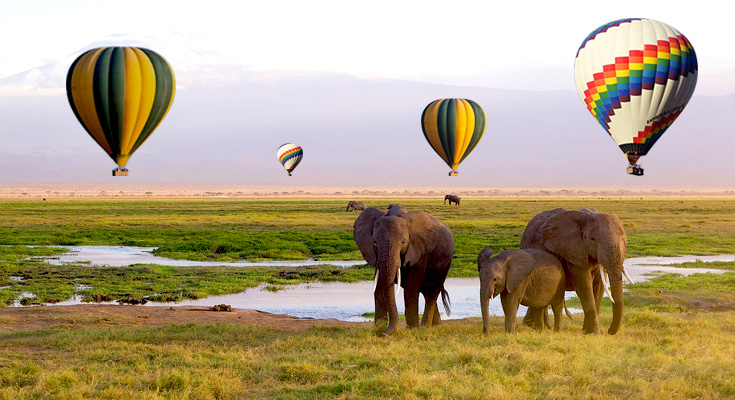
Tanzania photography safari offers unparalleled opportunities to capture the "Big Five" and the Great Migration, particularly in the Serengeti National Park, Ngorongoro Crater, and Tarangire National Park. Best experienced during the dry season (June to October) for optimal wildlife spotting and dramatic, sunny lighting. Specialized photo tours use open-sided vehicles for better positioning, allowing photographers to focus on capturing elephants, lions, and diverse birdlife in Lake Manyara. Key areas include Ndutu for calving season and the northern Serengeti for river crossings. Packing essential gear like telephoto lenses and ensuring proper, secure storage for equipment during dusty game drives is crucial.
7-days-best-great-wildebeest-migration-safari-in-tanzania
7-days-epic-africa-big-five-safari-in-tanzania-top-best-parks
7-days-budget-tanzania-safari-affordable-africa-budget-safari
7-days-kilimanjaro-climb-and-hiking-safari-ascent-to-peak
7-days-tanzania-wildlife-safari-africa-safari-tour-best-park-visits
7-days-best-southern-tanzania-safari-parks-nyerere-mikumi-ruaha-and-udzungwa
7-day-best-zanzibar-beach-holidays-combo-to-ruaha-and-mikumi-safari-parks
7-days-zanzibar-beach-activities-and-chimpanzee-tracking-in-mahale-mountains
7-days-amboseli-kenya-and-serengeti-fly-in-tanzania-safari
7-days-masai-mara-safari-tour-and-serengeti-safari-tour-in-kenya-and-tanzania
7-days-ultimate-budget-kenya-tanzania-safari-holiday-vacation
11-day-tanzania-safari-to-tarangire-lake-naron-serengeti-ngorongoro-and-lake-eyasi
10-days-perfect-tanzania-safari-itinerary
11-days-combined-rwanda-tour-and-tanzania-wildlife-safari-tour
11-days-ultimate-rwanda-safari-and-kenya-tanzania-safari-itinerary
12-days-best-east-africa-safari-tour-package-to-rwanda-tanzania-and-south-africa-safaris
10-days-family-tanzania-safari-tour-to-lake-manyara-serengeti-ngorongoro-crater-and-tarangire
12-days-tanzania-safari-and-culture-experience
20-days-uganda-kenya-tanzania-and-zanzibar-beach-holidays
18-days-exclusive-kenya-tanzania-safari-to-uganda-primate-safari
12-days-best-tanzania-and-kenya-safari-combo-itinerary
12-days-uganda-safari-and-tours-combined-with-zanzibar-beach-vacation
25-days-east-africa-safari-to-uganda-rwanda-kenya-tanzania-safari-and-zanzibar-beach-holidays
When is the Best Time for a Tanzania Photography Safari?
The best time for a photography safari in Tanzania largely depends on the type of experiences and wildlife encounters you hope to capture. The dry season, which runs from June to October, is often regarded as the ideal period for wildlife visibility. During this time, animals congregate around water sources, making them easier to locate and photograph. The dry season also benefits from clear skies, offering excellent lighting conditions for photography during the day.
For those particularly interested in capturing the spectacle of the Great Migration, the months of January to February are particularly noteworthy, especially in the southern Serengeti. This period coincides with the calving season when thousands of wildebeest give birth. This allows for intense interactions as predators like lions, hyenas, and cheetahs take advantage of the vulnerable calves. The dramatic scenes of survival and predator-prey dynamics present excellent photographic opportunities.
Moreover, the landscape also transforms throughout the year, providing various backdrops for stunning images—from lush greenery in the rainy season to the golden grasslands of the dry season. For photographers interested in birdwatching, certain migratory bird species can also be seen during specific months, offering more avenues for capturing diverse wildlife portfolios.
By strategically planning your visit around these key periods, you can maximize your photographic opportunities and create a compelling body of work that captures the essence of Tanzania’s breathtaking wildlife and landscapes.
What Camera Gear is Essential for a Tanzania Photography Safari?
When embarking on a photography safari in Tanzania, having the right equipment can make all the difference in capturing stunning images of the wildlife and landscapes. At a minimum, you should consider bringing a DSLR or mirrorless camera for superior image quality and flexibility. These types of cameras offer excellent performance in varying light conditions, which is crucial for wildlife photography.
A 200–600mm telephoto lens is essential for photographing wildlife from a distance, allowing you to capture detailed shots without disturbing the animals. This lens range is perfect for zooming in on subjects, particularly during a safari where close encounters are not always feasible.
In addition to your telephoto lens, having a wide-angle lens is advantageous for capturing expansive landscapes and the diverse scenery of Tanzania. A sturdy tripod or beanbag can help stabilize your camera for sharp images, especially during early morning or late afternoon shoots when light is changing.
Don’t forget to pack plenty of memory cards to ensure you have enough storage for your images, as you're likely to take many shots. A specialized camera bag can protect your gear from dust and moisture, which is common in safari environments.
Finally, consider the use of a rocket blower for cleaning your lens and sensor to prevent dust from affecting your images. With this gear, you’ll be well-equipped to capture the stunning beauty of Tanzania’s wildlife and landscapes.
Should I Book a Private Vehicle for My Tanzania Photography Safari?
Yes, booking a private vehicle for your Tanzania photography safari is highly recommended. This option allows for greater flexibility and control over positioning and timing, enabling you to adapt your plans based on the wildlife action you encounter. In a private vehicle, you can spend as much time as you wish with particular subjects, whether you’re photographing a pride of lions or a herd of elephants, without feeling rushed.
A private vehicle also allows you to choose the best vantage points for your photos. You can position yourself in an optimal location to capture that perfect shot, whether it's during the golden hour or when animals are most active. The ability to stay longer in one spot means you can wait patiently for the right moment, which is crucial for wildlife photography.
Moreover, having a dedicated guide who understands photography can be invaluable. They can help position the vehicle for the best lighting, angles, and wildlife interactions. This personalized attention enhances your overall experience and ensures you make the most of your time in the field.
Overall, a private vehicle enhances both the enjoyment and success of your photography safari, allowing you to engage more deeply with the wildlife and landscapes of Tanzania.
How Do I Protect My Gear During a Tanzania Photography Safari?
Protecting your camera gear during a Tanzania photography safari is crucial to ensure it remains in optimal condition for capturing stunning images. One of the first steps is to invest in specialized camera bags designed for safari conditions. Look for bags that provide padded compartments and water-resistant materials to safeguard against rain and dust.
During your safari, fine dust can accumulate quickly, particularly on vehicles and equipment. To manage this, bring along dust covers for your camera and lens when not in use. This can help prevent buildup and keep your gear functioning smoothly. Additionally, having a rocket blower on hand is essential for cleaning dust off your lens and sensor, enhancing image clarity.
Avoid exposing your gear to extreme temperatures, as heat can affect electronic components. During the hotter parts of the day, try to keep your gear shaded and cool. When you stop for meals or breaks, securely pack your equipment back in its protective bag.
If you're shooting in wet conditions, rain covers for your camera can provide an added layer of protection against moisture. Finally, be mindful of wildlife proximity; avoid placing your gear on the ground or near animals, as they can easily damage it.
By taking these precautions, you can ensure that your camera equipment remains safe and functional throughout your safari adventure, enabling you to capture the breathtaking beauty of Tanzania's landscapes and wildlife.
Is a Tanzania Photography Safari Suitable for Beginners?
Yes, a Tanzania photography safari is suitable for beginners, but there are several factors to consider to ensure a rewarding experience. A basic understanding of camera settings (aperture, shutter speed, ISO) is beneficial, as these will enable you to adapt to varying lighting conditions and capture good-quality images. Familiarizing yourself with your camera's manual settings before the trip can significantly enhance your ability to take compelling photos.
If you're new to photography, consider joining a group tour with a guide who specializes in photography. A knowledgeable guide can provide helpful tips and insights on techniques specific to wildlife photography, including how to approach subjects without disturbing them and tips for capturing action shots.
Practicing before your trip is also advantageous. Try photographing local wildlife or landscapes in your area to build confidence in your skills. This practice will improve your understanding of composition, framing, and other essential photographic techniques.
Moreover, many safari operators offer workshops or hands-on experiences focused on photography, allowing beginners to learn in situ while capturing remarkable images of Tanzania's wildlife. With a combination of curiosity, a willingness to learn, and practical guidance, beginners can thrive on a Tanzania photography safari.
Ultimately, the joyful experience of observing and photographing stunning wildlife will inspire you, even if you're just starting your photography journey.
What is the Best Lens for a Tanzania Photography Safari?
Selecting the best lens for a Tanzania photography safari is crucial for capturing the diverse wildlife and landscapes you will encounter. A 100-400mm or 200-600mm zoom lens is highly recommended, as it offers versatility for a variety of shooting scenarios. These lenses allow you to zoom in on distant subjects, such as wildlife in open fields or at the water’s edge, ensuring you can capture sharp, detailed images without intruding on the animals' spaces.
A zoom lens is particularly advantageous on safari due to the unpredictable nature of wildlife sightings. You can quickly adapt your framing when animals come closer or move away. These lenses typically perform well in various light conditions, which is essential during the changing lighting of early mornings or late afternoons.
In addition to a telephoto lens, having a wide-angle lens (around 16-35mm) is beneficial for capturing landscapes, especially during stunning sunsets or sunrises. These lenses can help you create a sense of place, providing context for the wildlife you photograph.
It’s also advisable to select a lens with image stabilization, which can be especially helpful when shooting from a moving vehicle or in lower light situations. Together, these lenses enable you to cover a wide range of subjects and moments, creating a diverse and captivating portfolio of your safari experience.
Do I Need a Drone for a Tanzania Photography Safari?
Using a drone for a photography safari in Tanzania is a topic that requires careful consideration, as drone regulations in the country are strict and can vary by location. In many national parks, drone use is not permitted and can require special permits if allowed. Most parks prioritize the protection of wildlife and the natural environment, viewing the use of drones as potentially disruptive.
It is crucial to check the specific regulations regarding drone usage in the parks you plan to visit. Even if you obtain a permit, there may be designated areas where drones are allowed, and you'll need to follow any restrictions regarding flight heights and distances from wildlife.
Moreover, operating a drone safely requires a certain level of proficiency and understanding of aerial photography, making it less suitable for beginners. If you’re considering using a drone for capturing breathtaking aerial views of Tanzania’s landscapes, look for designated locations outside national parks where aerial photography is permitted.
While drones can offer stunning perspectives, they may not be the most practical choice during a safari, given the legal limitations and potential environmental impact. Focusing on ground-based photography may provide deeper connections to the wildlife and surroundings, allowing for more intimate and impactful images.
How Many Days Should I Spend on a Tanzania Photography Safari?
Spending 7 to 10 days on a Tanzania photography safari is generally ideal to fully explore multiple locations, such as the Serengeti, Ngorongoro Crater, and Tarangire National Park. This timeframe allows you to immerse yourself in varied landscapes and wildlife interactions, helping you capture a more comprehensive portfolio of your experience.
With a week or more, you can allocate time to explore each locale thoroughly, maximizing wildlife sightings and the opportunity to photograph different ecosystems. The Serengeti, known for its vast savannahs and wildlife migrations, is particularly rewarding for multiple days of exploration. It grants you the chance to refine your photographic techniques while focusing on different subjects during various times of day.
The Ngorongoro Crater offers a unique environment where a single day may yield astonishing wildlife encounters in a relatively compact area. A few dedicated days here can afford significant photographic opportunities, especially at sunrise or sunset.
Traveling in and out of these iconic sites requires time for transportation. A well-planned itinerary that considers travel time between parks, while allowing for ample time spent photographing, is vital.
Ultimately, the more time you can spend in Tanzania, the more varied and enriching your photography experience will be, giving you a deeper appreciation for the wildlife and landscapes you encounter.
How Can I Get the Best Lighting on a Tanzania Photography Safari?
Achieving the best lighting on a Tanzania photography safari is essential for capturing stunning images. The golden hours—early morning and late afternoon—provide the softest, most flattering light, making them prime times for photography. During these periods, the sun's low angle creates a warm glow, enhances colors, and adds depth to your images.
To maximize opportunities during this time, plan your wildlife excursions around these hours. Aim to be out early before the sun rises too high, allowing you to capture animals in beautiful, soft light. Morning hours are particularly effective for photographing active wildlife, with many animals being more dynamic during these cooler temperatures.
In the late afternoon, light becomes equally advantageous, producing excellent conditions to capture stunning sunsets backlit by silhouetted animals. This period often results in dramatic scenes ideal for landscape photography as well.
Midday light can be harsh, producing high contrast and shadows that may detract from your images. However, this time can also offer unique opportunities through shade or reflecting colors in water bodies. If you do venture out during midday, seek covered areas where you can still find interesting compositions.
Moreover, always be mindful of the direction of light. Position your subject in relation to the sun to achieve optimal lighting angles, avoiding backlighting unless you are purposely seeking silhouette effects. By focusing on light quality and timing your outings around these golden hours, you’ll significantly enhance the quality of your photographs during your safari.
What Are the Best Angles for a Tanzania Photography Safari?
Exploring angles during a Tanzania photography safari can elevate your wildlife and landscape images significantly, adding depth and interest. To capture intimate and engaging wildlife portraits, consider getting low to the ground. This angle brings you closer to the animal’s eye level, creating a sense of connection and allowing for more impactful compositions.
When photographing larger animals like elephants or giraffes, getting down to their height emphasizes their scale and surroundings, resulting in more dynamic shots. This perspective often reveals details of the animal's environment that might be overlooked from a higher vantage point.
Experimenting with different angles is key. Try shooting from the side, above, or even incorporating foreground elements for added depth. Framing your shots through natural elements, such as trees or grasses, can create a layered effect and guide the viewer’s eye toward the subject.
For landscapes, consider wide-angle shots that capture vast scenery and leading lines that lead the eye into the frame. Shooting during sunrise or sunset enhances the aesthetic, casting dramatic light across the landscape. Experimenting with angles and perspectives can bring uniqueness to your compositions and tell compelling stories about the wildlife and environments you’re exploring.
Finally, pay attention to the background and how it complements your subject. A clean or blurred background can help your subject stand out, while a cluttered background may distract from the main focus. By thoughtfully choosing your angles, you can create powerful, memorable images during your Tanzania photography safari.
How Do I Photograph the Big Five on a Tanzania Photography Safari?
Photographing the Big Five—lion, leopard, elephant, buffalo, and rhinoceros—during a Tanzania photography safari requires a combination of technique, patience, and knowledge of animal behavior. To capture compelling portraits, focus on the eyes; sharp, clear images of the eyes can draw viewers into the photograph and create an emotional connection.
For action shots, such as animals interacting with their surroundings or hunting, utilize fast shutter speeds to freeze motion. Dogs, gazelles, and other fast-moving wildlife may require longer focal lengths and a higher ISO setting, so ensure you're prepared for varying light conditions.
When photographing lions or leopards in their natural habitat, remember that they are often most active during dawn and dusk. Position your vehicle in a way that allows for well-composed shots using natural elements for framing. Getting low can help accentuate their power while allowing for a more dramatic impact.
With elephants, consider wide shots to portray their size and family groups. Capture candid moments showing interactions between individuals, whether social grooming or playful behavior.
For rhinoceros, which are generally shy and elusive, patience is crucial. Stay quiet and allow them to come into the open, and be prepared to shoot from a distance to avoid disturbing them.
In summary, focus on the eyes for portraits and employ fast shutter speeds for action. Understanding the behaviors and activities of the Big Five will enhance your chances of capturing stunning and meaningful images during your safari.
Can I Take Landscape Photos During a Tanzania Photography Safari?
Yes, capturing landscape photos during a Tanzania photography safari can be incredibly rewarding. Tanzania boasts a variety of breathtaking landscapes, from the vast savannahs of the Serengeti to the dramatic crater of Ngorongoro. These visually stunning backdrops offer numerous opportunities for photographers to create compelling images.
Sunrise and sunset are particularly magical times for landscape photography. The soft, golden light enhances the beauty of the terrain, casting long shadows and vibrant colors. Early mornings often reveal mist over the grasslands, adding a touch of mystery to your shots. The warm tones during sunset can create breathtaking skies, beautifully complementing the iconic landscapes.
Utilizing a wide-angle lens (around 16-35mm) can help you capture expansive views, allowing you to include foreground interesting details alongside sweeping vistas. Incorporating elements in the foreground—like acacia trees, flowers, or animals—can add depth to your compositions.
It’s essential to consider the composition of your shots. Use leading lines, the rule of thirds, and natural frames to guide the viewer's eye through the scene. Changing your angle or perspective can create unique images that showcase the landscape's majestic characteristics.
Be mindful of weather conditions, as dramatic clouds can add mood and texture to your landscape photos. Even during the dry season, variations in the light can yield different looks, so be prepared to seize spontaneous moments.
By thoughtfully planning your shoots and using the right techniques, you can capture spectacular landscape imagery that showcases the exquisite beauty of Tanzania's diverse environments during your photography safari.
How Do I Photograph the Great Migration on a Tanzania Photography Safari?
Capturing the Great Migration on a Tanzania photography safari is an exciting endeavor that offers unique opportunities for stunning imagery. The migration, which involves millions of wildebeest, zebras, and other herbivores, creates dramatic scenes throughout the Serengeti and various river crossings.
To photograph the migration effectively, focus on action-packed wide shots that depict the sheer scale of the herds. Framing groups of animals with a captivating backdrop—like dramatic skies or the sweeping plains—can provide context and highlight the extent of the migration.
Capturing the river crossings can yield some of the most iconic migration images. Plan to be at key crossing points, such as the Mara River, during the migration seasons (generally around July to October). Arrive early to secure a good position and be patient as the animals approach the water. Using a fast shutter speed is crucial in these moments to freeze action, especially as wildebeests leap into the river to evade predators.
In addition to wide shots, consider taking close-ups during river crossings to capture the intensity of the moment, focusing on the expressions and interactions between animals. Pay attention to the role of predators like crocodiles that may be lurking, adding tension to the scene.
As always, be respectful of the wildlife and maintain a safe distance. Using a zoom lens will help you capture those intimate moments without disturbing the animals. By focusing on action, context, and the energy of the migration, you can create a stunning visual narrative that tells the story of this extraordinary natural event.
What is the Best Way to Capture Action During a Tanzania Photography Safari?
Capturing action during a Tanzania photography safari requires a combination of the right techniques and equipment. One of the most crucial aspects is to use a high shutter speed—ideally 1/1000 of a second or faster. This speed allows you to freeze motion, which is essential when photographing fast-moving subjects like a hunting cheetah or a charging elephant.
To achieve this, adjust your camera settings to prioritize shutter speed. Use Shutter Priority mode (Tv or S) to quickly set the shutter speed, while the camera automatically selects the appropriate aperture for exposure. This feature is particularly beneficial in dynamic environments where light conditions may change frequently as animals move through different terrains.
In addition to shutter speed, consider the use of continuous shooting mode. This allows you to take a series of frames in quick succession, increasing your chance of capturing the perfect moment. While focusing on the subject, use your camera's autofocus system to ensure sharp images, especially when the action is fast-paced.
Positioning is also vital. Try to anticipate animal movements based on their behavior patterns, allowing you to prepare your shot ahead of time. Maintain a steady hand or use a beanbag to stabilize your camera from a vehicle.
Remember to remain patient and ready, as action moments may arise unexpectedly. Capturing the essence of wildlife in motion not only requires skill but also a keen eye for timing, making it one of the more thrilling aspects of safari photography.
How Can I Avoid Getting "Bullseye" Shots on a Tanzania Photography Safari?
Achieving dynamic compositions is essential in wildlife photography, and avoiding "bullseye" shots—where the subject is perfectly centered in the frame—can make your images more engaging. To do this, utilize the rule of thirds, a fundamental compositional guideline that suggests dividing your frame into three equal sections both horizontally and vertically.
By aligning your subject along these imaginary lines or at their intersections, you can create a more balanced and visually appealing photograph. For instance, if photographing a lion, position the animal to one side of the frame, allowing for negative space that adds context to the habitat. This approach invites the viewer's eye into the composition rather than directly hitting them with a centered subject.
Additionally, consider incorporating other compositional elements such as leading lines, framing, or foreground elements. Using grasses, branches, or rocks can guide the viewer's eye toward the main subject while adding depth.
It’s also beneficial to look for unique angles and perspectives. Instead of shooting straight on, try getting low or taking diagonal shots. This strategy can introduce movement and energy into the image, making it more dynamic.
Lastly, when photographing groups of animals, you can avoid bullseye shots by capturing natural interactions. This not only uplifts the story of the composition but also helps in avoiding static, centered imagery, allowing for a more immersive experience in each frame.
How Do I Get Clean Backgrounds on a Tanzania Photography Safari?
Achieving clean backgrounds in wildlife photography is essential for making your subjects stand out. A cluttered background can distract from the main focus of the image, drawing attention away from the wildlife itself. Here are several strategies to obtain clean backgrounds on your Tanzania photography safari.
Firstly, choose an angle that isolates your subject as much as possible. Move around your position to find a backdrop that enhances your subject rather than detracts from it. Sometimes, simply shifting a few feet in one direction can expose more attractive backgrounds, such as open skies or clearer landscapes, while avoiding distracting elements like branches and foliage.
Utilizing a wide aperture (small f-number) can also help blur the background, creating depth in your photograph. This technique, known as bokeh, leads to a pleasing effect where only the subject remains in focus. Telephoto lenses are particularly effective for this, as they allow you to separate your subject from its environment while creating beautiful, soft backgrounds.
Additionally, be mindful of the lighting conditions. Backlighting can produce stunning effects, but harsh midday light may cast distracting shadows. The golden hours—early morning and late afternoon—are ideal for softer, more diffused light, enhancing the overall quality of your images.
By focusing on angles that minimize distractions, using suitable apertures, and taking advantage of optimal lighting, you can capture clean, compelling photographs that place your subjects at the forefront of the image.
What is a "Beanbag" Used for in a Tanzania Photography Safari?
A beanbag is an invaluable tool for photographers on a Tanzania photography safari, serving as a stabilizing platform for long lenses when a tripod is impractical. Since many safari vehicles have open tops, a beanbag can be placed on the edge of the vehicle to support your camera setup securely. This allows for steady shooting while providing the flexibility to pivot and adjust your frame according to wildlife movements.
One of the main advantages of using a beanbag is its lightweight and portable nature. Unlike tripods, which can be cumbersome to transport in the field, a beanbag can easily fit in a backpack and be set up quickly. Moreover, its malleable form can adapt to different surfaces, offering a cushion and stability on uneven vehicle edges.
When positioning your camera on a beanbag, it can dampen vibrations, reducing the risk of blurred images, especially when using long focal lengths. This stability is crucial when trying to capture fast-moving subjects, such as hunting animals or birds in flight.
Additionally, using a beanbag allows for more versatility in framing shots. You can easily tilt and position your camera for dynamic angles without the restrictions that come with traditional tripods. Hence, a beanbag is not only practical; it's an essential accessory for enhancing your photography experience while on safari.
Can I Take Night Photos on a Tanzania Photography Safari?
Yes, you can take night photos during a Tanzania photography safari, especially if you choose to visit private conservancies that permit night drives. These nocturnal excursions provide an opportunity to glimpse rarely seen species and capture compelling images under low light conditions.
When participating in night drives, remember that light is limited, so it becomes essential to prepare your camera for such environments. Start by utilizing a high ISO setting, which allows your camera to become more sensitive to light, thus enabling you to take clearer photographs in darkness. However, keep in mind that higher ISOs can introduce noise, so it’s essential to balance that with acceptable image quality.
You may also need to use a wider aperture to allow more light into the lens. Using fast lenses with a lower f-stop (such as f/2.8 or lower) can be beneficial for night photography. A lens with image stabilization can also help reduce motion blur when shooting handheld in low light.
Using available light, such as moonlight or artificial light from the vehicle, can yield interesting effects. However, be aware of how you use flash; it can startle wildlife and disturb their natural behavior.
Night photography can open doors to unique and captivating images, portraying the wildlife of Tanzania in a way that daytime photography might not capture. If the opportunity presents itself, embrace the challenge of capturing the nighttime essence of the African savannah.
What to Wear on a Tanzania Photography Safari?
Choosing the right attire for a Tanzania photography safari is essential for comfort, protection, and effectiveness while you are out capturing images. Opt for lightweight, neutral-colored clothing that blends into the natural environment. Earthy tones like khaki, olive, and beige are excellent choices as they help produce your subject's focus rather than drawing attention to you.
Layers are key, especially since temperatures can vary significantly throughout the day. Mornings and evenings can be quite chilly, necessitating a warm fleece or jacket. During the day, lightweight, breathable fabrics will keep you cool as you engage in long hours of photographing wildlife.
Additionally, a wide-brimmed hat can protect you from the sun and help reduce glare while looking through the viewfinder. Sunglasses with UV protection are a must, providing comfort and eye safety under the intense African sun.
Footwear should be practical; choose sturdy, comfortable shoes designed for walking in uneven terrain. Closed-toe shoes or light hiking boots are ideal for protecting your feet.
Lastly, don't forget to equip yourself with a lightweight scarf or buff. Not only can this serve as protection from dust while driving in an open vehicle, but it can also be used to shield your neck or face when the sun is strong.
By dressing thoughtfully for comfort and functionality, you can better focus on capturing the stunning wildlife and landscapes of Tanzania without the distraction of discomfort.
Is There Electricity for Charging Gear During a Tanzania Photography Safari?
Most accommodations, including lodges and permanent camps, offer electrical power to charge your photography gear, with many providing outlets in rooms or common areas. However, availability can vary, especially in remote areas, so it’s prudent to prepare accordingly for your safari.
When staying in lodges or tented camps, check whether they provide 24-hour electricity or if power sources are limited to certain times of the day. Some places rely on solar power or generators, which may not always provide a constant supply. Confirming this ahead of time will help you plan your charging needs effectively.
Regardless of the situation, it’s wise to bring extra batteries for your camera. Charging batteries at night ensures that you're fully equipped for shooting during the daytime. Additionally, being equipped with a power bank can act as a backup solution when access to charging facilities is limited.
Lastly, consider packing a multi-port USB charger if your gear supports USB charging, allowing you to charge multiple devices at once. This convenience can be particularly helpful in situations where power sources are limited.
By taking these precautions, you can ensure that your photography gear remains powered, allowing you to capture the stunning moments of your safari without running into technical limitations.
Are There Tsetse Flies During a Tanzania Photography Safari?
Yes, tsetse flies are present in certain areas of Tanzania, particularly in parks such as Tarangire and parts of the Serengeti. These flies are known to bite and can be a nuisance, so it’s essential to take precautions, especially in regions where they are prevalent.
One practical way to minimize the risk of attracting tsetse flies is to avoid wearing dark blue or black clothing—these colors tend to attract them more than lighter, neutral shades. Opt for khaki, olive, or beige attire that not only blends with the natural surroundings but is also less likely to draw attention from these pests.
In addition to careful clothing choices, consider using insect repellents containing DEET on exposed skin. Reapplying throughout the day, especially if you're sweating or after contact with vegetation, can help keep flies at bay.
When traveling in vehicles, keeping windows rolled up can reduce the chances of flies entering. If you're in a tent or camp setting, using mosquito nets and ensuring your sleeping area is well-sealed can help keep the flies out at night.
While the thought of tsetse flies may deter some travelers, being prepared with proper clothing and precautions can significantly enhance your safari experience. With mindfulness and preparation, you can enjoy the breathtaking landscapes and wildlife of Tanzania while minimizing interactions with these insects.
What is the Currency in Tanzania for a Photography Safari?
The currency used in Tanzania is the Tanzanian Shilling (TZS). For a photography safari, understanding the local currency is essential for managing expenses, including park fees, accommodation, and local purchases such as food and souvenirs.
While major international credit cards are accepted in many lodges and some urban areas, it's advisable to carry cash, especially when visiting remote areas where card facilities may not be available. You can exchange your currency (like US dollars or Euros) at banks, forex bureaus, or at the airport upon arrival, but be mindful of the fluctuating exchange rates.
ATMs are available in larger towns like Arusha and Dar es Salaam, but they may not always dispense cash in smaller denominations, so it’s prudent to withdraw a sufficient amount upfront.
When traveling through national parks, keep in mind that entrance fees are usually payable in cash, and some reserves may require specific amounts in local currency.
Lastly, try to have smaller denominations available, as this can be helpful for tipping guides, paying for entry fees, or making small local purchases. By preparing with the appropriate currency and understanding the local financial landscape, you can confidently manage your expenses while enjoying your photography safari in Tanzania.
Booking Photography Safari? With us Roads of Adventure safaris
Book your premier photography safari with Roads of Adventure Safaris for tailored,, unforgettable journeys through Uganda’s premier wildlife spots like Bwindi and Queen Elizabeth National Park. We specialize in private, expert-guided tours that offer ultimate flexibility for capturing stunning, high-quality images of gorillas, the Big Five, and diverse landscapes. Our customized packages include private vehicles for optimal positioning, ensuring you capture the best moments without pressure. Experience personalized service, luxury accommodations, and expert knowledge, ensuring a seamless, intimate, and memorable photography trip. Contact us to create your bespoke, once-in-a-lifetime, photographic adventure in the Pearl of Africa.
