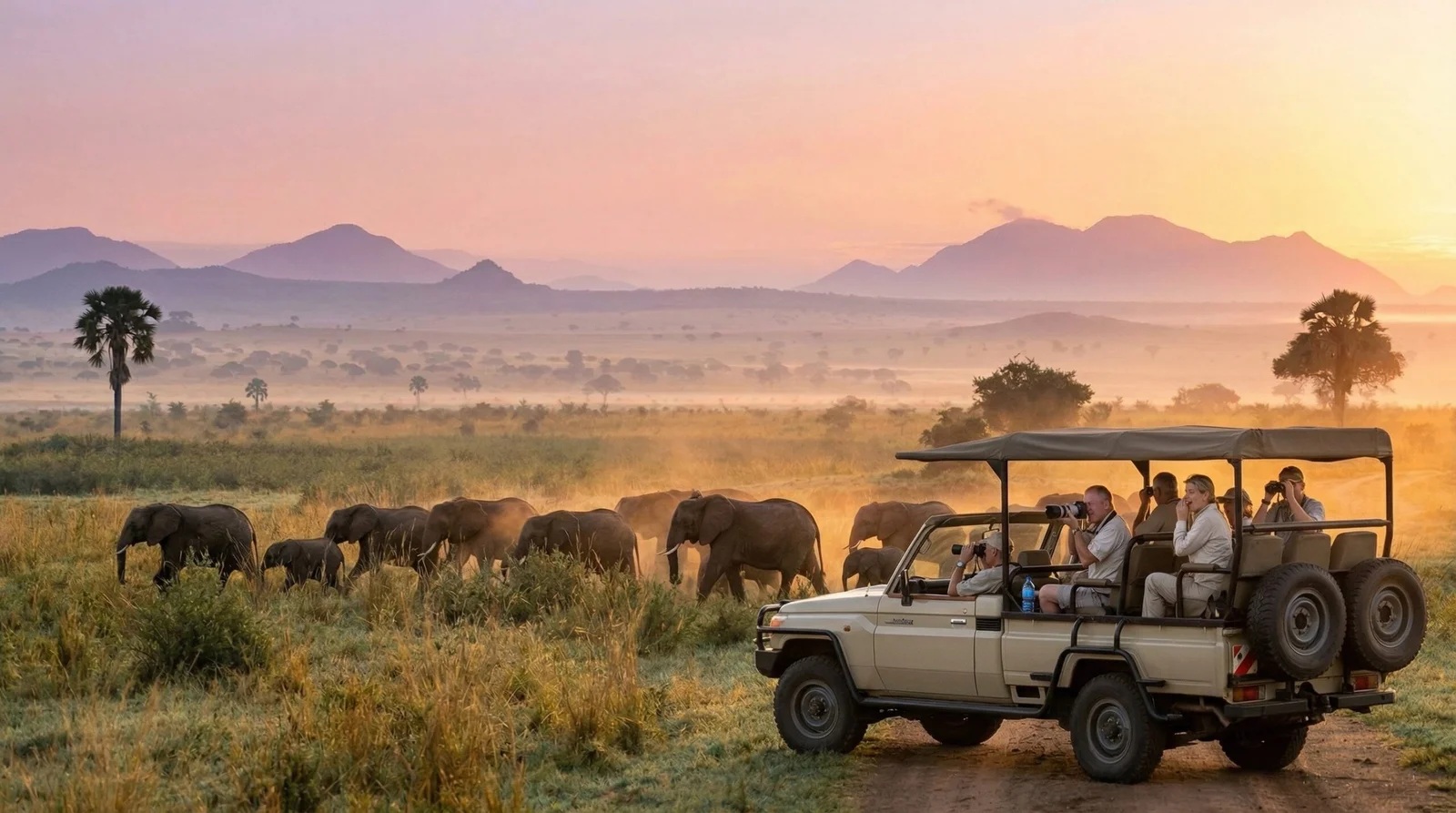
Kidepo Valley National Park, 3-Day Solo Safari Budget and Planning Guide. A three-day Kidepo safari can be unforgettable, but the price depends heavily on what “three days” means. Three days in the park is very different from a three-day trip starting and ending in Kampala: the drive from Kampala is roughly 571 km by the Gulu–Kitgum route, and road conditions mean you should allow substantial travel time. UWA also advises that a sound 4WD is needed and that fuel is not available in the park.
As a rough planning guide, a budget overland safari may cost about US$1,000–US$1,500 or more for one person, depending on transport, nights and what is included. A more comfortable guided trip can run US$1,500–US$2,500+, while a fly-in safari with a high-end lodge can be considerably more. Treat these as estimates, not confirmed quotes: ask for a current, itemized price before booking.
Travel style
Indicative solo budget
What usually affects the price
Budget overland
About US$1,000–US$1,500+
4WD transport, fuel, simple accommodation and meals
Mid-range overland
About US$1,500–US$2,500+
Private guide and vehicle, comfortable lodge, meals
Fly-in / luxury
About US$2,500–US$5,000+
Return flights, airstrip transfers, lodge and single occupancy
These ranges are planning estimates. They can change with travel dates, transport arrangements, accommodation and the number of nights. Kidepo Wilderness Lodge, for example, lists 2026 single-occupancy full-board rates of US$450 per night in low season and US$650 in high season; park fees and road transfers are extra.
Why can a solo safari to Kidepo cost more per person than a group trip?
When you travel alone, you may have to cover transport costs that would otherwise be shared. A private vehicle, driver-guide and fuel can cost much the same whether one person or several people are travelling, so the solo traveller carries a larger share of the bill. A lodge may also charge more for one person using a room that is priced for two.
That does not mean every solo trip has to be expensive. You can ask operators about scheduled group departures, shared transport or a room-sharing option if you are comfortable with it. Compare the full price, not just the per-person headline: check whether park fees, meals, fuel, the guide and transfers are included. For Kidepo, a 4WD vehicle is important, and the long journey from Kampala can make transport one of the largest costs.
Is it cheaper to drive to Kidepo or fly?
Driving can reduce the cost of reaching Kidepo if you already have a suitable 4WD or can share the vehicle and fuel costs. But a solo traveller hiring a private vehicle may find that the rental, fuel and driver add up quickly. The road journey is also long: UWA lists the Kampala–Kidepo distance via Gulu and Kitgum as 571 km and recommends a sound 4WD for the trip.
Flying saves road time but can raise the total budget, especially when flights, baggage, transfers between the airstrip and your lodge, and accommodation are all added together. Don’t rely on a generic airfare estimate: ask the airline or tour operator for a current quote for your exact dates. If you have only three days in total, flying may make more sense; if you have more time and can share transport, an overland trip may offer better value.
How much should I budget for park entry?
UWA’s published 2022–2024 tariff listed Kidepo entry at US$40 per adult per 24-hour period for foreign non-residents. That gives a useful baseline, but tariffs can change, so confirm the rate that applies to your visit before you travel. Three full 24-hour periods at that rate would come to US$120 per person, before vehicle fees or optional activities.
Also check how the park calculates your visit if your entry and exit times span more than one 24-hour period. Ask whether your quote includes vehicle entry, guided activities and any applicable taxes. If you book a package, have the operator show park fees separately rather than simply saying they are “included.” This makes it easier to compare quotes and helps avoid surprises at the gate.
What are the budget accommodation options for one person?
A basic room, banda or campsite can keep accommodation costs down, but check directly with the property for current availability, facilities and single-person rates. A low nightly price may not include meals, hot water, transport or activities, and a room described as “budget” may have shared rather than private bathroom facilities.
If you prefer a more comfortable tented camp, check whether its quoted rate is per person sharing or for single occupancy. As one current example, Kidepo Wilderness Lodge lists 2026 full-board rates of US$450 per night for single occupancy in low season and US$650 in high season. Its listed room rate excludes park fees and road transfers. That gives a sense of how quickly a lodge-based safari can exceed a basic budget.
Is Kidepo safe for a solo visitor?
Many travellers visit Kidepo with a guide or tour operator, but no remote safari destination is completely risk-free. Plan your road journey carefully, check local conditions before setting out, and avoid driving unfamiliar routes after dark. UWA notes that road conditions vary and that routes can be difficult in rainy periods. Fuel is also not available inside the park, so plan refuelling before entering.
For activities on foot or close to wildlife, follow the park’s instructions and use an authorized guide or ranger where required. Don’t approach animals or leave your vehicle unless your guide says it is safe. If you are self-driving, tell someone your route and expected arrival time, carry water and basic emergency supplies, and ask your accommodation for up-to-date road advice. A reputable operator can help with logistics, but ask exactly what support is available if plans change.
How much should I set aside for meals?
Your food costs depend on where you stay and whether meals are included. At a self-catering camp, you may be able to keep costs low by bringing supplies from a larger town before the final drive. The park is remote, however, and UWA warns that fuel is unavailable inside Kidepo; shops and services are limited too, so don’t assume you can buy everything after arrival.
Ask your accommodation what meals it serves, whether drinking water is provided and whether you need to order meals in advance. If a lodge quotes a full-board rate, confirm exactly what that covers, including drinks and packed lunches. Carry enough water and snacks for the journey, and check whether your accommodation accepts your preferred payment method. A little preparation can spare you a costly last-minute search for basic supplies.
What does a mid-range solo safari usually include?
A mid-range trip often means a private or small-group vehicle, a driver-guide, a comfortable lodge or tented camp, and some meals. The details vary widely, so ask for an itemized itinerary and price rather than assuming every package includes the same things. Some lodge rates cover full board but exclude park fees and road transfers; Kidepo Wilderness Lodge, for example, lists those as separate costs.
For a solo traveller, the key question is whether the operator charges a single supplement or can place you on a shared departure. Ask whether game drives, ranger fees, fuel, drinking water and airport transfers are included. A package that looks more expensive at first may be better value if it genuinely covers the major costs. Get the inclusions and exclusions in writing before you pay a deposit.
What should I expect to pay for a luxury fly-in safari to Kidepo valley national park?
A fly-in safari can save a great deal of road time, but the total cost includes more than the flight. You may also need to pay for lodge accommodation, single occupancy, transfers between the airstrip and the lodge, park entry and activities. Rates vary by season and provider, so request a quote that covers the complete journey rather than comparing airfare alone.
High-end accommodation can be a major part of the total. For example, Kidepo Wilderness Lodge lists its 2026 single-occupancy full-board rates at US$450 per night in low season and US$650 in high season, with park fees and transfers excluded. Other properties and packages may be priced differently. (kidepowildernesslodge.com) Ask whether the flight is scheduled or chartered, what baggage limits apply, and what happens if weather or operational changes affect your transfer.
Can I save money by joining a group safari?
Yes, if you can find a departure with space and are happy to share transport. Splitting a vehicle, driver-guide and fuel among several travellers can lower your individual costs. Some operators also offer shared-room arrangements, although these depend on availability and your comfort level.
Ask how many people will be in the vehicle, what the departure dates are, and whether the quoted price includes park fees, meals and accommodation. Confirm whether a single-room supplement still applies if you join a group. Don’t assume a group safari will be cheaper until you compare like-for-like inclusions: one quote may include more meals or transfers than another. If your dates are flexible, ask operators whether they already have a Kidepo departure you could join.
What extra costs should I allow for kidepo safari?
Set aside a contingency for costs that may not appear in the initial quote. These can include vehicle or airstrip transfers, extra park activities, drinks, tips, laundry, souvenirs and an overnight stop during a long road journey. If you are self-driving, allow for fuel and minor repairs, and ask the rental company what roadside support and insurance are included.
A remote destination also makes practical supplies important. UWA advises visitors that fuel is not available in Kidepo and that road conditions can become difficult during rainy periods. Buy fuel and essential supplies before entering the park, and keep a little extra money available in case your journey takes longer than expected. Ask your operator for a list of excluded expenses so you can budget for them in advance rather than relying on a vague daily estimate.
When is the best time to visit Kidepo on a budget?
The best dates for your budget depend on accommodation rates and your preferred travel conditions. Some lodges publish different rates by season: Kidepo Wilderness Lodge, for instance, lists lower single-occupancy rates in April, May and November than in several peak-season months in its 2026 tariff. Check the dates carefully, since the lodge’s seasons and another operator’s seasons may not match.
Also consider the road journey. UWA says roads inside the park may be difficult during rainy periods, and advises using a sound 4WD. A cheaper room rate may not mean a cheaper trip if weather slows the drive or makes your chosen route less practical. Before booking, ask the lodge and operator about recent conditions, what vehicle is suitable and whether your activities can go ahead in the season you have chosen.
Is three days enough for Kidepo valley national park?
Three days can work if you mean three days at the destination, but it is tight if you include the journey from Kampala. The Kampala–Kidepo route via Gulu and Kitgum is listed at 571 km, and UWA says a reliable 4WD is needed. That makes it important to plan realistic driving and rest time rather than expecting to drive there, enjoy several full days in the park and return comfortably within a short trip.
If three days is your total holiday, ask about flying and confirm the flight schedule before committing. If you plan to drive, consider adding travel days or arranging an overnight stop. Be clear about whether your budget covers three calendar days, three nights or three full days of activities. That simple distinction can change the price considerably—and help you avoid an itinerary that feels rushed from start to finish.
What wildlife activities can fit into a short visit?
A short visit can include game drives and, subject to current availability and park rules, guided nature walks or other activities. Ask your lodge or operator which activities are actually offered on your dates, what fees apply and how much time each one takes. Don’t assume an activity is included just because it appears in a sample itinerary.
UWA’s 2026–2028 tariff listing includes day nature walks in Kidepo and a separate fee for hiking in Lomei, but you should confirm the applicable rate and arrangements directly before booking. Leave time between activities for meals, rest and travel around the park. Rather than packing every possible excursion into three days, ask your guide to help prioritize the experiences that matter most to you.
14. Can I add a cultural visit without spending too much?
A community visit may be a meaningful addition, but the cost and arrangements depend on the community, guide and activity. Ask what the fee supports, how long the visit lasts, whether transport is included and whether you need to book in advance. Avoid treating a community visit as a quick photo stop; it is better to understand the expectations and respect local customs.
UWA’s park information notes that visitors can arrange visits to Karamojong homesteads and that visits to the Ik community on Mount Morungole require advance arrangements. (
Ask your operator to explain the itinerary and any additional charges before you agree. If you are travelling alone, a guide can help organize the visit and explain appropriate etiquette, but confirm who is leading it and how the community benefits.
What vehicle do I need for a self-drive trip?
A reliable, high-clearance 4WD is the sensible choice for a self-drive journey to Kidepo. UWA advises that visitors need a sound 4WD, notes that the roads have varying conditions, and warns that park roads can be difficult in rainy periods. A standard two-wheel-drive car may not be suitable for the route or for driving inside the park.
Before booking a vehicle, ask whether the rental rate includes insurance, unlimited mileage, roadside support and a second spare tyre. Check the condition of the tyres, jack and basic tools before departure. Plan fuel stops carefully because there is no fuel inside the park. If you are not used to long rural drives or rougher roads, compare the cost of a driver-guide with the risks and responsibilities of self-driving alone.
What should I pack to avoid buying supplies on the way?
Bring essentials you may not be able to find easily near the park: prescription medicine, sunscreen, insect repellent, a hat, comfortable walking shoes, a torch, spare batteries and a power bank. Pack a refillable water bottle and enough snacks for long stretches of driving. If you plan to self-cater, buy food and other supplies before reaching the park.
Check with your lodge about electricity, charging times, meals and drinking water rather than assuming every property offers the same facilities. UWA notes that fuel is not available in Kidepo and that supplies can be limited in the region, so planning ahead is particularly useful for a solo visitor. Keep important items—documents, money, medication and phone—somewhere easy to reach, and carry a small day bag for game drives.
What payment methods should I plan to use?
Ask your lodge, tour operator and airline which payment methods they accept before you set off. A card may work for advance bookings but not at every local business, and network access can be unreliable in remote areas. Carry some Ugandan shillings for small purchases, while keeping your cash secure and separate from your passport and cards.
Confirm in advance how park fees are paid and whether your operator handles them for you. If a package says fees are included, ask for that to be stated clearly on your invoice. Keep receipts and booking confirmations on your phone and as a backup copy. Because fees and payment procedures can change, verify them with UWA or your operator close to your travel date rather than relying on an old blog post or a past visitor’s experience.
What health and travel protection costs should I consider?
Include travel insurance in your budget, especially if your itinerary involves a long drive or remote accommodation. Check that your policy covers medical treatment, trip interruption and emergency evacuation, if those services are important to you. Insurance terms differ, so read the policy rather than assuming every plan covers safari travel or remote-area assistance.
For health advice, speak with a travel-health professional before your trip. They can advise you based on your home country, route, medical history and current guidance, including vaccinations and malaria prevention. Budget for any recommended consultations, vaccinations or medication, but don’t rely on a fixed online price: costs vary by country and provider. Keep essential medicine in your hand luggage and tell your operator about any mobility, dietary or medical needs before departure.
How can I make sure my safari spending supports local communities?
Ask who provides your accommodation, guiding and cultural activities, and whether local staff or community organizations are involved. Booking a community visit through a responsible local guide and buying crafts directly from makers can help direct some of your spending to people in the area.
Before paying for a cultural experience, ask what the fee covers and how the visit is organized. A respectful visit should be arranged with the community, not treated as an unannounced stop. You can also ask your tour operator how it works with local suppliers and what rules visitors should follow. These questions help you choose a trip that is enjoyable for you and considerate of the people whose home you are visiting.
How do I book a Kidepo safari without budget surprises?
Start with your dates, the number of nights you want in Kidepo and whether you prefer road travel or flying. Then ask a registered operator or accommodation provider for an itemized quote showing transport, fuel, park entry, accommodation, meals, activities, transfers and any single-occupancy supplement. Confirm the cancellation terms and payment schedule before making a deposit.
Double-check the current park tariff and road or flight arrangements close to your travel date. UWA’s published information gives guidance on the route and vehicle requirements, while accommodation rates can vary by season and may exclude park fees or transfers. If you are considering Roads of Adventure Safaris, ask the company for a written itinerary and full cost breakdown, including what is not covered. A clear quote is the best way to compare options and avoid discovering important costs after you arrive.
