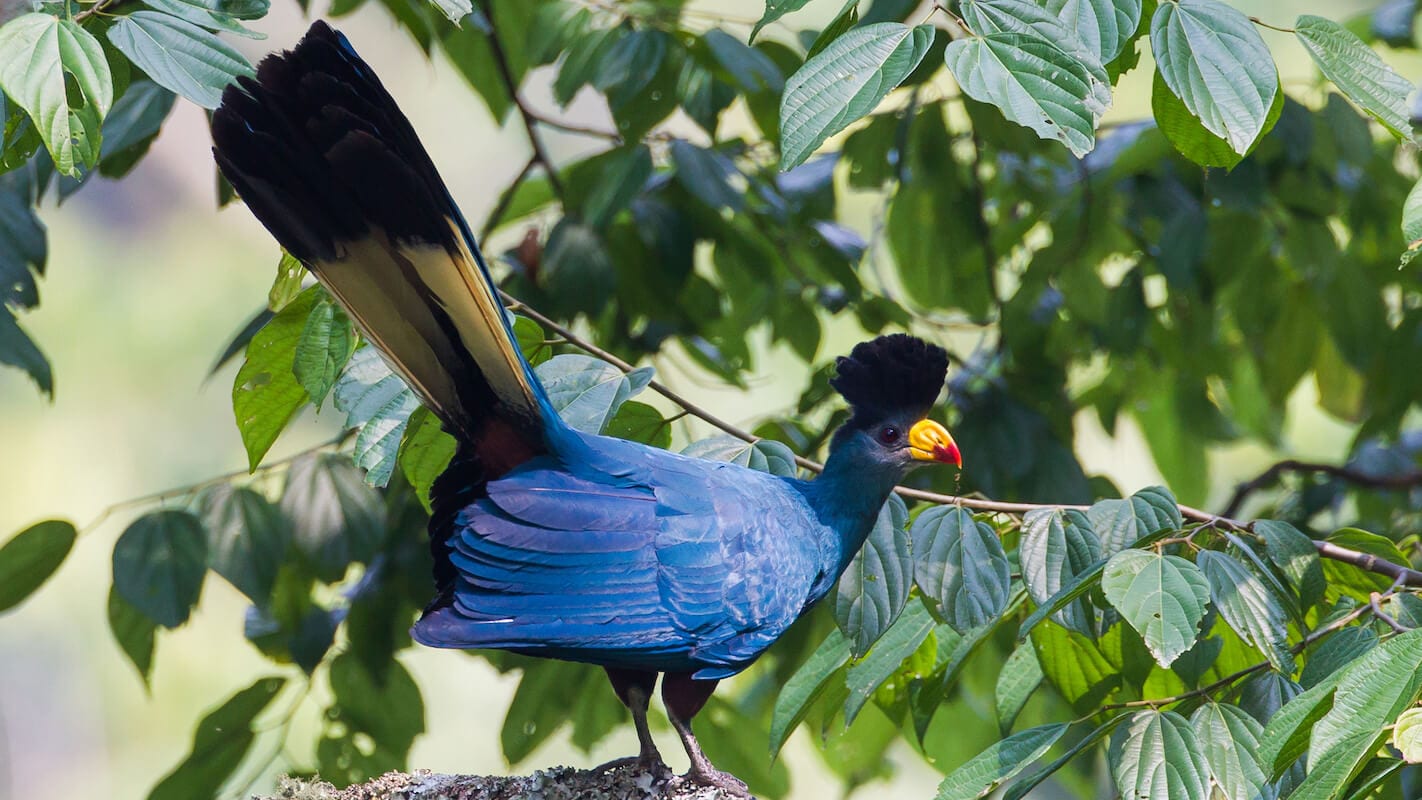
Rwanda birding safari, an ideal 5-day itinerary lets you explore diverse habitats. You can expect to spot 150 to 300+ species depending on the season and your skill level. The best viewing hours are early mornings from 06:00 to 11:30 for forest birds, and 15:00 to 17:30 for savannah and wetland species.
28-days-perfect-uganda-rwanda-bird-watching-safari-and-wildlife-expedition
17-days-rwanda-birding-safari-and-uganda-birding-tour-combined-vacation
16-days-exclusive-rwanda-bird-watching-safari-extravaganza
15-days-classic-rwanda-birding-safari-and-gorilla-and-chimpanzee-tracking
12-days-perfect-rwanda-birding-safari-itinerary
10-days-best-rwanda-birding-safari-combined-with-rwanda-gorilla-trekking-vacation
9-days-best-rwanda-birding-safari-primates-and-wildlife
7-days-rwanda-birding-safari-chimps-and-gorilla-trekking
5-days-perfect-rwanda-birding-safari-and-wildlife-and-gorilla-trekking
1. Kigali & Nyabarongo Wetlands
Stepping off a flight into Kigali, most travelers expect a bustling capital, but just minutes away lies an urban birding paradise. Spending a day or two exploring the city’s surrounding wetlands serves as the perfect low-pressure introduction to Rwanda’s rich avian life while letting you acclimate to the local pace.
The highlight of this urban stopover is Nyandungu Urban Wetland Eco-tourism Park, a restored green haven featuring lush boardwalks, quiet ponds, and native flora. Right next door, Nyarutarama Artificial Lake (often called "Lake Kibagabaga") provides a peaceful loop where birders can scan the reeds without leaving the city footprint. Conveniently situated just 5 to 15 kilometers from Kigali International Airport—a quick 15 to 30-minute drive depending on traffic—these sites offer immediate immersion without long hours on the road.
Despite being on the city's doorstep, the birdlife here is remarkably diverse. Keep your binoculars peeled for the secretive White-collared Oliveback flitting through the lower foliage, or scan the thickets for the vibrant Papyrus Gonolek, a swamp specialist with a striking yellow crown. Standing tall along the marsh edges, the majestic Grey Crowned Crane—a symbol of grace in East Africa—often makes an appearance. Whether you spend a morning walking the paved trails of Nyandungu or an afternoon around Nyarutarama's perimeter, Kigali proves that world-class birdwatching doesn't always require heading far into the wilderness.
2. Akagera National Park
Trading the city hills for open savannah, a two-day trip to Akagera National Park offers a dramatic shift in landscape and birding opportunities. Located about 110 kilometers east of Kigali, reaching Akagera takes roughly 2.5 to 3 hours by 4x4. As you leave the urban pavement behind, the terrain opens into rolling grasslands, acacia woodlands, and an intricate network of lakes and papyrus swamps along the Tanzanian border.
Akagera is a haven for both big game and over 480 bird species. A typical itinerary blends terrestrial exploring with aquatic safaris to maximize sightings. Early mornings usually start with a 3 to 4-hour game drive across the savannah, where you can spot the sought-after Red-faced Barbet nesting in tree hollows, along with dynamic raptors soaring above the open plains. In the afternoon, the focus shifts to the water with a boat safari across Lake Ihema.
Gliding along the lake’s edge brings you face-to-face with dense populations of hippos and crocodiles, alongside an array of waterbirds. The ringing call of the African Fish Eagle echoes across the water, while kingfishers dart between the reeds. If luck is on your side, navigating the papyrus fringes might yield a sighting of the prehistoric Shoebill, one of Africa's most coveted and elusive swamp dwellers. Combining big-game thrills with rewarding bird watching, Akagera delivers a classic African safari experience packed into a manageable timeframe.
3. Nyungwe Forest National Park
For birders seeking Albertine Rift endemics, Nyungwe Forest National Park is the ultimate Rwandan destination. Nestled in the country's mountainous southwest, this ancient montane rainforest requires a scenic 230-kilometer drive from Kigali—a journey of roughly 5 to 6 hours through winding hills and tea plantations. Spending 2 to 3 days here allows you to fully absorb the misty, primordial atmosphere of one of Africa’s oldest preserved forests.
Birding in Nyungwe is an early-morning affair. Guided forest treks typically set off at 06:30 AM, when the canopy wakes up with calls and activity. The terrain can be steep and muddy, with trails lasting anywhere from 3 to 5 hours as expert park guides track elusive species through dense undergrowth and bamboo thickets. Another highlight is the park's suspended canopy walk, which suspends you 70 meters above the forest floor, offering a unique eye-level perspective on upper-canopy feeders.
The dense forest harbors over 300 bird species, including 29 Albertine Rift endemics. Flashy colors contrast against the deep green foliage: look for the brilliant crimson-and-blue wings of the Rwenzori Turaco as it bounds through the branches, or the iridescent shimmer of the Regal Sunbird darting among wild blossoms. Down in the damp peat bogs and bamboo zones, persistent birders might even catch sight of the secretive Grauer's Swamp Warbler. High elevation and humid conditions make the trekking challenging, but the reward is an unmatchable wilderness experience in the heart of the cloud forest.
What makes Rwanda such a unique destination for birdwatchers?
Rwanda packs an astonishing variety of habitats into a remarkably compact geographical footprint. In just a few days, you can transition from urban wetland restoration projects to open acacia savannahs, and finish inside ancient, high-elevation montane rainforests. Because the distances between major parks are relatively short compared to neighboring East African giants, travelers spend significantly less time transit-bound and far more time actively watching birds. Furthermore, Rwanda’s location along the Albertine Rift places it right in the sweet spot for encountering rare endemic species found nowhere else on earth, making every outing extraordinarily high-yielding for beginners and life-list chasing veterans alike.
Is Kigali’s urban birding worth spending a full day on?
Absolutely. Many visitors view capital cities merely as transit hubs, but Kigali’s green infrastructure makes it a genuine birding spot. Urban wetlands like Nyandungu Eco-Tourism Park offer structured boardwalks and accessible habitats where you can easily spot over 100 species without leaving city limits. It provides a gentle, low-stress introduction to East Africa's avian life, allowing you to shake off jet lag, calibrate your binoculars, and practice spotting hidden species in reeds and canopy trees before embarking on long overland journeys to remote national parks.
How do I get from Kigali International Airport to Nyandungu Eco-Park?
Reaching Nyandungu is remarkably effortless. The park sits roughly 5 to 10 kilometers from Kigali International Airport, which usually translates to a brief 15 to 20-minute drive depending on local city traffic. You can easily arrange a pre-booked airport transfer, hire a licensed local taxi upon arrival, or have your tour operator pick you up directly from the terminal. Because it is so close, many travelers head straight to the wetlands to stretch their legs on the boardwalks shortly after landing.
What is the best way to spot the Papyrus Gonolek in Kigali?
Finding the Papyrus Gonolek requires patience and a good pair of ears. This striking bird with its vibrant yellow crown loves thick, dense papyrus beds and often prefers staying hidden. Your best strategy is to visit Nyandungu or Lake Nyarutarama early in the morning when birds are most vocal. Listen carefully for its distinctive, synchronized duo-call—a liquid whistle followed by a sharp "clack." Rather than rushing along paths, stand quietly near heavy reed margins and wait for a flash of bright color as it hops between lower stalks.
Why is the Grey Crowned Crane so significant in Rwanda?
The Grey Crowned Crane holds deep cultural significance across East Africa, symbolizing prosperity, grace, and elegance. Unfortunately, habitat loss and illegal trade historically threatened its survival. Today, seeing these majestic, gold-crested birds roaming the protected wetlands of Kigali represents a huge victory for local conservation efforts. Rwanda has invested heavily in rescuing captive cranes and reintroducing them to safe habitats, making sightings in urban parks like Nyandungu a living testament to the country's dedicated environmental restoration initiatives.
What makes Akagera National Park’s landscape unique compared to Nyungwe?
Akagera and Nyungwe couldn't be more different, offering two entirely contrasting ecosystems. While Nyungwe is a high-altitude, cool, and misty rainforest packed with dense ancient trees and deep valleys, Akagera is dominated by low-lying savannah plains, rolling hills, acacia woodlands, and expansive riverine wetlands along the Tanzanian border. This stark habitat change dramatically alters the wildlife experience—Akagera offers wide-open vistas and big game sightings, whereas Nyungwe focuses on intimate canopy explorations and dense forest tracking.
What is the drive like from Kigali to Akagera National Park?
The journey from Kigali east to Akagera covers roughly 110 kilometers and takes between 2.5 and 3 hours. The first portion of the drive leads you through scenic, terraced countryside and bustling local villages along well-paved tarmac roads. As you approach the park’s southern gate, the pavement gives way to dirt tracks, making a 4x4 vehicle essential—especially during or right after the rainy season when road conditions inside the park become muddy and slick.
What is a boat safari on Lake Ihema like?
A boat safari on Lake Ihema is one of Akagera’s absolute highlights, offering a refreshing break from dusty game drives. Gliding along the lake’s edge in a motor launch, you get extraordinarily close to large pods of grunting hippos and massive Nile crocodiles basking on the banks. From an avian perspective, it’s paradise: waterbirds lined along the reed beds, kingfishers diving for fish, and African Fish Eagles calling loudly from perched snag trees overhead.
Why is the Shoebill such a coveted sight in Akagera?
The Shoebill is one of Africa’s most iconic and prehistoric-looking birds, known for its massive, shoe-shaped bill and intense yellow glare. It inhabits deep, inaccessible papyrus swamps, making sightings rare and highly memorable. Akagera’s wetland lakes provide one of the few places in East Africa where lucky birders can catch a glimpse of this solitary hunter standing motionless in the water, waiting to strike at lungfish or young crocodiles.
How can I spot the rare Red-faced Barbet in Akagera?
The Red-faced Barbet is a localized specialty restricted to specific woodland patches in east-central Africa. To spot one, focus your attention on mature acacia woodlands and dry riverine trees in the northern and central sections of Akagera. Look out for dead tree branches where they carve out nesting cavities, and listen for their rolling, rhythmic calls during the early morning hours when foliage activity peaks.
What big game animals can you see in Akagera alongside birds?
Akagera is a fully restored "Big Five" park. Alongside incredible birdlife, visitors frequently encounter African elephants grazing near lake margins, herds of buffalo, giraffes, zebras, and various antelope species like topi and impala. Thanks to successful reintroduction programs over the past decade, lions and black rhinoceroses also roam the park, making every game drive a well-rounded safari experience combining big mammals with rich birding.
What makes Nyungwe Forest one of Africa’s most important birding areas?
Nyungwe is one of the oldest rainforests in Africa, having survived intact through the last ice age. This ancient stability allowed an incredible density of specialized life to evolve. It harbors over 300 bird species, including 29 Albertine Rift endemics—species found only in this high-altitude mountain rift zone. Its exceptional biodiversity, pristine cloud forest canopy, and high concentration of rare birds rank it among the premier forest birding destinations on the entire continent.
How long does it take to drive from Kigali to Nyungwe Forest?
The drive from Kigali to Nyungwe covers approximately 230 kilometers southwest and generally takes 5 to 6 hours. While it is a longer trip, the drive itself is visually stunning, winding through Rwanda’s famous "thousand hills," bustling regional towns, and bright green tea plantations that border the edge of the dark green forest line.
What should I pack for a trekking day in Nyungwe Forest?
Preparation is key for Nyungwe’s high-altitude cloud forest. Pack sturdy, waterproof hiking boots with excellent traction for muddy trails, along with lightweight, moisture-wicking layers. Rain gear is non-negotiable—a high-quality rain jacket and waterproof pack cover are essentials, as torrential downpours can happen at any time. Don't forget gaiters to keep mud out of your boots, insect repellent, garden gloves for gripping wet vegetation, and dry bags for electronics.
Why do birding hikes in Nyungwe start so early in the morning?
Nyungwe hikes usually depart around 06:30 AM to align with peak avian activity. As the sun rises and warms the canopy, forest birds emerge to feed and call, making them far easier to locate. By late morning, high humidity and rising temperatures cause activity levels in the dense forest to drop dramatically, so starting at dawn maximizes your chances of active, visible encounters.
What is the Nyungwe Canopy Walk experience like?
Suspended 70 meters above a deep valley floor, the Nyungwe Canopy Walkway provides a thrilling, bird’s-eye perspective of the rainforest. Walking across the narrow, swaying bridge puts you right at eye level with upper-canopy wildlife, offering incredible views of flowering trees, sunbirds, and noisy turacos that are normally obscured from the ground. It requires a bit of courage if you dislike heights, but the visual perspective is unmatched.
How do you identify the Rwenzori Turaco in the forest?
While dense forest foliage can make bird identification tricky, the Rwenzori Turaco is hard to miss once it moves. Look for a medium-sized bird with a brilliant crimson crest, jade-green neck, and striking dark blue body. When it takes flight between canopy branches, it displays dramatic, flash-crimson wing feathers that light up against the green forest backdrop. Listen also for its loud, croaking call echoing through the valleys.
Where can you find Grauer’s Swamp Warbler in Nyungwe?
Unlike canopy dwellers, Grauer's Swamp Warbler is a habitat specialist found down in the damp, high-altitude peat bogs and mountain swamps inside Nyungwe, such as the Kamiranzovu Swamp. Finding this secretive warbler requires trekking down into wet valley floors and carefully scanning thick tussock grass and low-growing swamp vegetation where it moves quietly near the ground.
How do you spot the Regal Sunbird in dense canopy foliage?
The Regal Sunbird is small but remarkably vivid. Males feature dazzling, metallic golden-green heads and backs paired with brilliant red and yellow breasts. To spot them, search around flowering trees, epiphytes, and mistletoe clumps along forest trail edges. They move quickly from blossom to blossom feeding on nectar, so watching for rapid flashes of iridescent light under sunny patches is your best bet.
Are guided birding walks mandatory in Rwanda’s national parks?
Yes, guided walks are required inside national parks like Nyungwe and Akagera. Park guides are invaluable assets: they possess sharp eyes, deep knowledge of local calls, and exact habituation zones for rare species. Beyond helping you locate hard-to-see birds, certified guides ensure visitor safety on rugged terrain and protect delicate park ecosystems from foot traffic damage.
What is the best time of year to go birdwatching in Rwanda?
Birding in Rwanda is fantastic year-round, but the period from December to April is particularly rewarding because palearctic migratory birds arrive to overwinter alongside resident species. However, if you prefer drier trails and easier trekking conditions in Nyungwe’s rainforest, the drier months of June through September offer clearer skies and less slippery paths.
What camera gear is recommended for forest vs. savannah birding?
For open savannahs like Akagera, a fast telephoto lens (400mm to 600mm) is ideal for capturing distant birds and big game from a vehicle. In dense forests like Nyungwe, light levels drop significantly under the heavy canopy. Here, a fast lens with a wide aperture (such as f/2.8 or f/4) paired with high-ISO camera performance helps capture sharp photos in dark, shadowy conditions.
How difficult is the physical terrain in Nyungwe Forest?
Trekking in Nyungwe ranges from moderate to physically demanding. Trails involve steep ascents, loose mud, exposed roots, and high altitudes ranging between 2,000 and 3,000 meters above sea level. While you don't need to be an elite athlete, having a reasonable level of cardiovascular fitness and good balance will make hiking through the damp mountain terrain far more enjoyable.
Can you combine primate tracking with birding in Nyungwe?
Yes, combining both is common. Nyungwe is famous for chimpanzee tracking and large habituated troops of Ruwenzori colobus monkeys. While dedicated primate treks focus primarily on finding monkeys, you will naturally cross paths with many forest bird species along the way. Planning a multi-day stay allows you to dedicate specific mornings to primate tracking and others to focused birdwatching.
What health precautions should travelers take for a birding trip in Rwanda?
Travelers should consult a travel clinic prior to departure. Yellow fever vaccination proof may be required for entry depending on your origin country. Malaria precautions are recommended, especially for lower-elevation areas like Akagera, so bring prophylactic medication and bug spray. Additionally, stay hydrated, wear sun protection, and carry blister kits for long trekking days.
How does ecotourism in Rwanda directly support local conservation?
Tourism Park fees directly fund habitat protection, ranger patrols, and community development projects surrounding Rwanda's national parks. A portion of revenue goes back to local communities to build schools, health centers, and infrastructure. By hiring local guides and staying in eco-lodges, travelers provide direct economic incentives for surrounding populations to protect wildlife habitats rather than exploit
Booking Rwanda birding safari with us Roads of Adventure safaris
Birding in Rwanda with Roads of Adventure Safaris is an extraordinary journey into some of Africa’s richest ecosystems. We guide you through the mist-shrouded forests of Nyungwe National Park, home to 27 Albertine Rift endemics, and across the diverse wetlands of Akagera National Park. Together, we will search for iconic species like the elusive Shoebill and the vibrant Albertine Owlet.
Our passionate local guides tailor every itinerary to your pace, ensuring you catch every rare call and sighting. Let us handle the details while you connect with nature.
