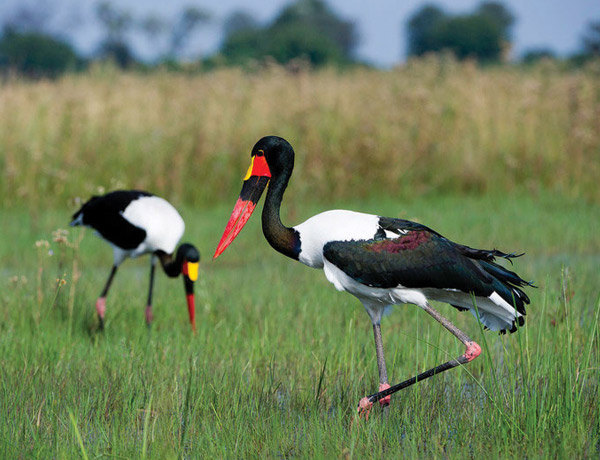
This 15-day Classic Rwanda birding safari combines iconic habitats with premier primate experiences to yield a well-rounded wildlife itinerary. You’ll traverse diverse ecosystems, from Nyungwe Forest’s misty canopies to Volcanoes National Park’s highland bamboo and from Akagera’s savanna wetlands to Kigali’s surrounding wetlands and tea estates. The adventure emphasizes birds and mammals in action: Albertine Rift endemics like Grauer’s Warp[l,kmbler and Rwenzori Turaco, forest edge specialists such as Handsome Francolin and Green-backed Camaroptera, and iconic species including Shoebill, African Fish Eagle, Malachite Kingfisher, and Papyrus Gonolek. Primate encounters span Mountain Gorillas, Chimpanzees, and Golden Monkeys, with optional extensions for added primate diversity. Expect balanced days of walking, driving, and light trekking, with canopy walks, boat rides, and forest walks that reveal behavior, coloration, and vocalizations in context. Your guides will optimize light and weather, coordinate permits and transfers, and tailor the pace to camera readiness and field notes, ensuring a memorable, sustainable wildlife exploration.
Arrive in Kigali and meet your guide for a comprehensive briefing that outlines daily logistics, permits, and key wildlife targets. A first-pass briefing helps set expectations for birding windows and walking distances. The city outskirts host a mix of urban birds and peri-urban species, offering quick initial sightings of Lombard Sandpiper, African Blackbird, and Lincoln’s Sparrow-like passerines as introductions to the region’s avifauna. After orientation, a transfer to accommodation near Kigali prepares you for an early start the following day. En route, you may observe residential birds around gardens and parks, including Sunbirds, Weavers, and Small Barbets. Your evening briefing reviews safety, etiquette, and photography tips for forest and savanna habitats, while noting essential gear: binoculars, a light backpack, rain gear, and spare batteries. A relaxed dinner provides time to share expectations and confirm tomorrow’s dawn birding plan along riverbanks and small wetlands.
Today you depart Kigali for Nyungwe Forest National Park, with a focus on Albertine Rift endemics and canopy-species. Morning drives wind through rolling hills and tea estates, offering glimpses of Mountain Wagtail, White-eyed Slaty Flycatcher, and Cinnamon-breasted Bunting along rural edges. Upon entering Nyungwe, forest birds dominate sightings: Grauer’s Warbler, Rwenzori Turaco, Handsome Francolin, Green-tailed Bristlebill, and Kungwe Apalis often reveal themselves on mid-canopy branches. The canopy walk delivers elevated views where Narina Trogon, Green Magpie, and Velvet ASTs perch. Midday brings sunlit clearings with birds like Green-backed Heron and White-winged Apalis along streams. Afternoon birding concentrates on edge habitats: White-eyed Slaty Flycatcher, Sooty Barbet, and Stripe-throated Mountain Babbler in lush undergrowth. Expect a steady tempo, with opportunities to study plumage, song patterns, and behavior. Evening emphasizes a quick gear check, field notes, and a short nocturnal hike for owl species and nightjars near lodge grounds.
A full day in Nyungwe concentrates on Albertine Rift endemics and canopy-level observations. Early hours reward with hands-on looks at Grauer’s Warbler, Rwenzori Turaco, and Kungwe Apalis along mossy trails and fruiting trees. The canopy walk provides expansive views for Narina Trogon, Green Magpie, and a chorus of sunbirds; you may also glimpse Green Broadbill and White-browed Forest Flycatcher in dense foliage. Trails traverse a mosaic of bamboo, montane, and rainforest edges, where Alpine Accentor and Alpine Pipit emerge at higher elevations. Edge habitats near streams host Pied Kingfisher and Malachite, while forest clearings reveal Handsome Francolin and Yellow-fronted Canary. Lunch pauses offer insect-rich moments ideal for dragonflies and butterflies that accompany birds in flight. Evening discussions review key targets for Day 4 and optimize morning light for forest photo opportunities, with evening birding focused on owls and nightjars around the lodge.
Today intensifies Nyungwe birding while beginning the transition toward Volcanoes region. Dawn reveals Green-tailed Bristlebill, Grauer’s Warbler, and White-eyed Slaty Flycatcher along mid-story corridors; keep watch for skulking Green-headed Sunbird and Sooty Barbet in flowering trees. As elevations rise, Rwenzori Turaco and Handsome Francolin appear on open perches, followed by Alpine Warbler and Mountain Yellow Warbler at higher slopes. Canopy walks yield opportunities to photograph Narina Trogon and Green Turaco from above, while forest edges host Olive Sunbird and Sunbird species. Midday yields perched raptors or accipiters coasting over gaps. Afternoon drives traverse coffee plantations and pasture edges to collect additional sightings like African Grey Flycatcher and Cinnamon-chested Bee-eater. In the evening, your transfer begins to Volcanoes region, with a short stop for night-birding or dawn chorus checks in selected habitats along the route, setting up a smooth arrival for Day 5.
The forward movement toward Volcanoes National Park blends scenic countryside with targeted birding. Early miles traverse farmlands and patches of Afro-morest, yielding sightings of Yellow-fronted Canary, Bar-tailed Lark, and Cinnamon-breasted Bunting near hedgerows. Enter Volcanoes region and begin foothill birding in bamboo belts that host Grauer’s Warbler, Rwenzori Turaco, and Mountain Buzzard-Eagle perched on ridgelines. Bamboo stands provide opportunities to observe Golden Monkeys in adjacent areas and a variety of montane forest birds such as Alpine Accentor and White-naped Raven along high-altitude breaks. Tea-estate edges host Alpine Flycatcher and accompanying pipits. Evening sessions review gorilla trekking permits and plan for Day 6’s forest birding and primate opportunities, while readying gear for canopy walks, dawn starts, and night-time garden birds near lodge. The day balances travel with focused sightings and prepares your camera for highland bird behavior.
Today centers on Volcanoes National Park with options for gorilla or birding emphasis. Gorilla trekking permits can define the morning, but if you opt for birds, target endemics like Grauer’s Warbler, Handsome Francolin, and Rwenzori Batis along bamboo edges and forest clearings. Early arrivals at bamboo belts yield Golden Monkeys and Mossy Sunbirds among moss-covered branches, while Alpine and montane species populate ridgelines: Alpine Warbler, Alpine Accentor, and Mountain Yellow Warbler. Mid-morning treks or post-trek birding explore canopy routes for Narina Trogon, Green Turaco, and Green-backed Cameroptera. Afternoon birding concentrates on edge habitats: Green-backed Camaroptera and Yellow-fronted Canary near tea-estates and forest gaps, plus White-eyed Slaty Flycatcher along streams. Evening canopy walks allow long-exposure photography of nocturnal birds in dim light. If trekking gorillas, hearty afternoon rest helps you prepare for Day 7’s Golden Monkey tracking. The day blends highland birding with forest primate encounters in a compact, adaptable plan.
Gorilla trekking dominates today, offering intimate forest encounters in Volcanoes National Park. Depart at dawn for misty montane trails where families move through bamboo shoots and mossy clearings; the spectacle includes infant play, adult social behavior, and silverback postures. After a successful sighting, return to the lodge for a light rest and quick photo review. Afternoon birding focuses on bamboo-edge species and canopy-adjacent birds: Grauer’s Warbler, Handsome Francolin, and Rwenzori Turaco may reappear among new twigs and fruiting trees. Edge habitats near tea estates host Alpine Pipit, Alpine Accentor, and Sunbird species. Nighttime walks near the lodge yield owl species and nightjars, offering nocturnal birding opportunities. The day ends with a gear check, permit reminders for Day 8, and a review of field notes to track your progress on both birds and primates.
This day centers on Golden Monkey tracking within Volcanoes’ bamboo zones, complemented by diverse birding around forest edges and ridges. Early treks through mossy bamboo reveal lively primate behavior and dynamic feeding. Birds accompany the monkeys, including Grauer’s Warbler, Kungwe Apalis, and Green Turaco along canopy gaps. Mid-story birds flourish in bamboo corridors: Green-backed Camaroptera, Narina Trogon, and White-naped Raven add color and contrast to forest scenes. Alpine species appear at higher elevations—Alpine Accentor and Alpine Pipit sharing rocky outcrops and high meadows. After monkey trekking, revisit mid-story and edge habitats for Kingfishers, Sunbirds, and White-eyed Slaty Flycatcher perched in fruiting trees. A canopy walk later offers elevated vantage for Narina Trogon and Green Magpie. Evening reviews refine your daily checklist and plan for Day 9’s Lake Kivu and Akagera travel, ensuring smooth transitions and optimal light for photography.
Today moves toward Akagera National Park, focusing on savanna and wetland birds along the way. Dawn sightings include elephants, giraffes, and zebras in open plains; migrants and residents like Lilac-breasted Roller and Moustached Grass Warbler brighten acacia edges. In transit, roadside birds such as White-headed Buffalo Weavers and Southern Black Flycatcher appear near scrub and hedgerows. Upon entering Akagera, spend time around Lake Ihema and papyrus swamps for Papyrus Gonolek, Yellow-billed Duck, and White-winged Tern. Waterbirds like Malachite Kingfisher, African Fish Eagle, and African Openbill patrol river channels. Shorelines host Sedge Warbler and Lesser Moorhen, while waders probe mudflats. Raptors such as Bateleur and Martial Eagle provide aerial drama. Night drives add potential leopard or genet glimpses, and nocturnal birds such as Pearl-spotted Owlet might be heard. Evening reflections tie together river, lake, and grassland habitats and set up Day 10’s canoe or boat-based birding.
Today emphasizes boat-based and savanna birding in Akagera. Early morning boat trips on Ihema return eye-catching views of waterbirds and shorebirds—African Skimmer, African Waterfowl, and Pink-backed Pelican are possible along reed beds. Land-based drives target savanna species: Cheetah or Lions may traverse distant plains, while Zebras and Gazelles craft grazing mosaics. Papyrus wetlands host Papyrus Gonolek, Yellow-billed Hornbill, and Papyrus Warbler, with Water Rail and Lesser Moorhen in reed pockets. Raptors circle overhead—Martial Eagle, Bateleur, and Lesser Spotted Eagle—providing dramatic backdrops for flight shots. In the afternoon, look for Muscicapa flycatchers and Sunbirds along shoreline bushes. Evening boat lighting offers silhouettes of birds gliding over glassy water. The day includes a brief discussion about Day 11’s Kigali outskirts exploration or Nyabarongo wetlands, then a smooth transition back toward the city’s edge for a final night in town.
Exploring Kigali’s outskirts focuses on Nyabarongo wetlands and nearby birding-rich zones. Dawn yields a chorus of reedland birds: Papyrus Gonolek, Papyrus Warbler, and Yellow-billed Hornbill maneuver through tall grasses. Waterbirds such as African Fish Eagle, African Openbill, and Malachite Kingfisher patrol the wetlands, with African Jacana skating across lily pads. Grassland edges host Cisticolas, Sedge Warblers, and Cape Robin-Chat in formational flocks. Forest-adjacent belts near riparian zones deliver Green-backed Camaroptera, White-eyed Slaty Flycatcher, and White-tailed Terns en route to roosts. The day offers a mix of shorelines, reeds, and small marshes, allowing a flexible schedule for last-minute lists. Optional stops at local markets or botanical gardens broaden the cultural context and provide endemic plant and insect observations that complement birding notes. The evening revisits a consolidated list and prepares logistics for Day 12’s travel to departure sites or further Rwanda exploration.
This day provides a second pass at Kigali outskirts or alternate wetlands to shore up your final lists. Morning journeys hinge on sunlight, with birds such as White-winged Warbler, Southern Black Flycatcher, and Lesser Striped Swallow appearing around reed beds and agricultural margins. Nearby forests host Green-headed Sunbird, Forest Francolin, and White-winged Apalis, while water edges yield African Fish Eagle and Pied Avocet-like waders. Midday introduces riverine birds and dragonflies along streams; Black-faced Babbler and Purple Heron may also appear on tree perches and reed patches. Afternoon options include a short visit to a nearby tea estate for Alpine Accentor and Yellow-fronted Canary, or a return to Nyabarongo wetlands for a final scan of shorebirds and waterfowl. Your notes reflect a comprehensive list of sightings, while travel planning for Day 13’s departure or extension is finalized with the guide.
Today focuses on final wildlife checks and packing, with optional extension opportunities for those seeking additional wildlife diversity. If extending, consider a short domestic flight or overland transfer to a nearby reserve or cross-border site for added birding or primate options. The day’s birding may include last looks at urban and peri-urban species around Kigali: Sunbirds, Weavers, and Warblers as you traverse city edges to the airport. Wetland edges along canals present a chance to photograph waterfowl like Little Grebe, African Dount, or Common Moorhen, along with raptors overhead. A final debrief consolidates field notes, confirms permit statuses, and ensures all photography and data backups are complete. Departure logistics are reviewed, including check-in times, luggage allowances, and transfer arrangements to ensure a smooth exit from Rwanda.
Your departure day centers on a calm morning birding walk near a final wetland or garden to capture last species and scenes. Expect close-up views of garden birds such as sunbirds, monarch flycatchers, and small passerines that frequent cultivated grounds. The surrounding wetlands may yield ducks, rails, and waders at dawn, offering one last set of silhouettes and reflections before your flight. After a final breakfast, you transfer to Kigali International Airport, where the guide assists with departure formalities and ensures a smooth handover of field notes, photos, and checklists. If time permits, a brief city stroll allows for a final cultural souvenir or a quick market stop for crafts and local produce. The end of this 15-day itinerary marks the completion of a compact, varied wildlife experience spanning Nyungwe, Volcanoes, Akagera, and Kigali’s environs, with a lasting impression of Rwanda’s rich natural heritage.
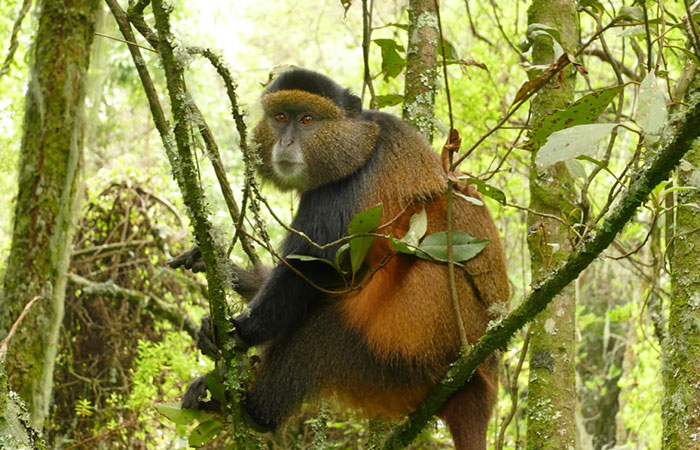
This 3 days Akagera park, Golden monkey tracking and Ibi-wachu cultural village tour offers the ultimate Rwandan escape. You'll start with sweeping sa...
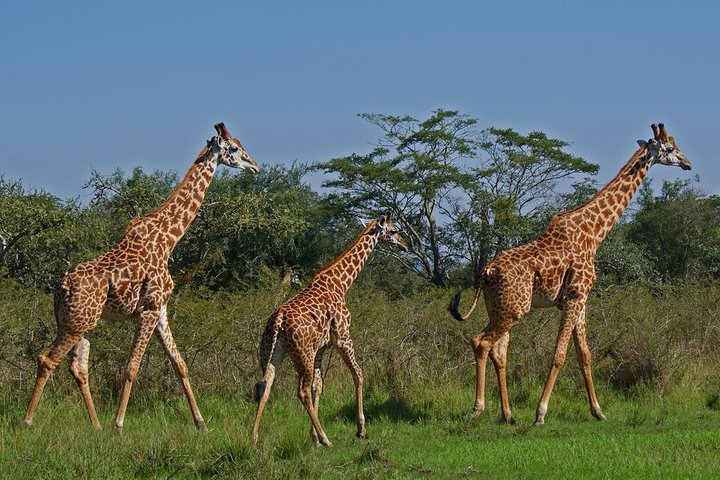
Embark on the ultimate 3 Days Nyungwe and Akagera combined Rwanda tour package, bridging sweeping savannahs and ancient montane rainforests. This swif...
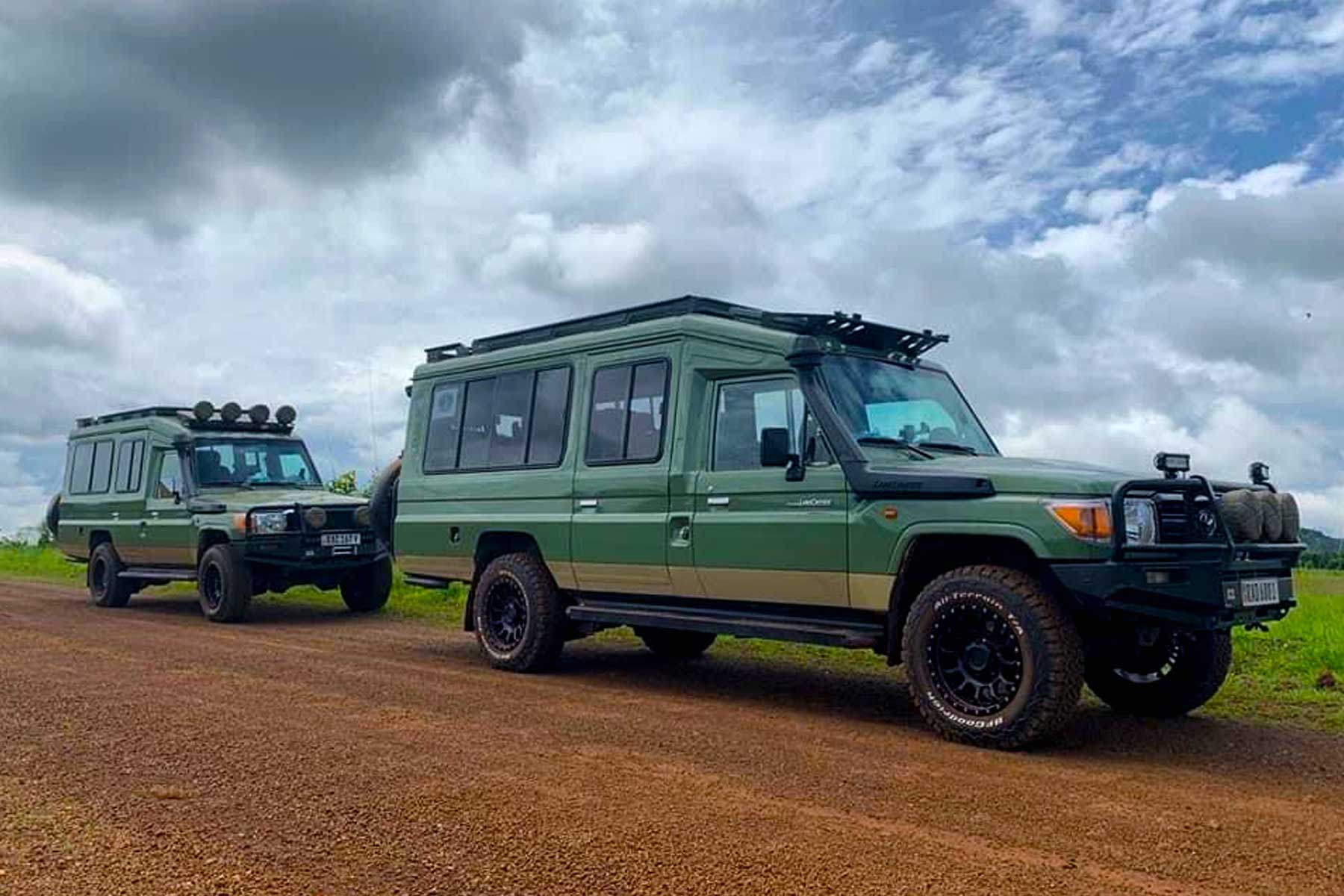
Welcome to the ultimate 10 Days best of Luxury iconic Rwanda safari holiday vacation. This unforgettable journey introduces you to the pristine natura...
Copyright © 2026 Roads of Adventure Safaris. All Rights Reserved.
Designed by aHUBUg
