Picture this: an early morning mist rolling over the acacia-dotted savannah, the sudden thrill of spotting an elusive leopard resting in a fig tree, and the trumpeting of elephants echoing across Lake Ihema. This is Akagera National Park, Rwanda’s premier—and only—Big Five safari destination.
Here, you can trace the incredible turnaround of a park that successfully reintroduced lions in 2015 and eastern black rhinos in 2017. Whether you are driving through the open northern plains or the lush southern woodlands, here is everything you need to plan your ultimate game drive adventure.
Popular Rwanda safaris and tours to Akagera national park
3-days-rwanda-safari-to-akagera-national-park-combined-with-lake-ihema-boat-cruise
3-day-africa-big-five-safari-in-akagera-national-park-with-kigali-city-tour
3-days-safari-in-rwanda-akagera-national-park-game-drive-and-lake-ihema-boat-trip
4-days-akagera-safari-and-chimpanzee-tracking-rwanda-safari
4-days-volcanoes-national-park-and-akagera-rwanda-wildlife-safari
9-days-rwanda-gorilla-trekking-and-adventure-activities-and-relaxation
6-days-rwanda-safari-to-akagera-and-nyungwe-chimpanzee-tracking
Tracking the Elusive Leopard
Spotting a leopard in Akagera’s sprawling acacia woodlands requires immense patience and a sharp eye. These solitary, stealthy big cats are masters of camouflage, often lounging high up in the tangled branches of fig and acacia trees during the heat of the day. Guides usually look out for drag marks or resting impala carcasses in the boughs. If you are fortunate enough to spot one, you’ll likely see its rosette-patterned coat shimmering in the golden morning light before it vanishes back into the shadowy thickets. Tracking these elusive predators highlights the sheer thrill of an authentic African safari
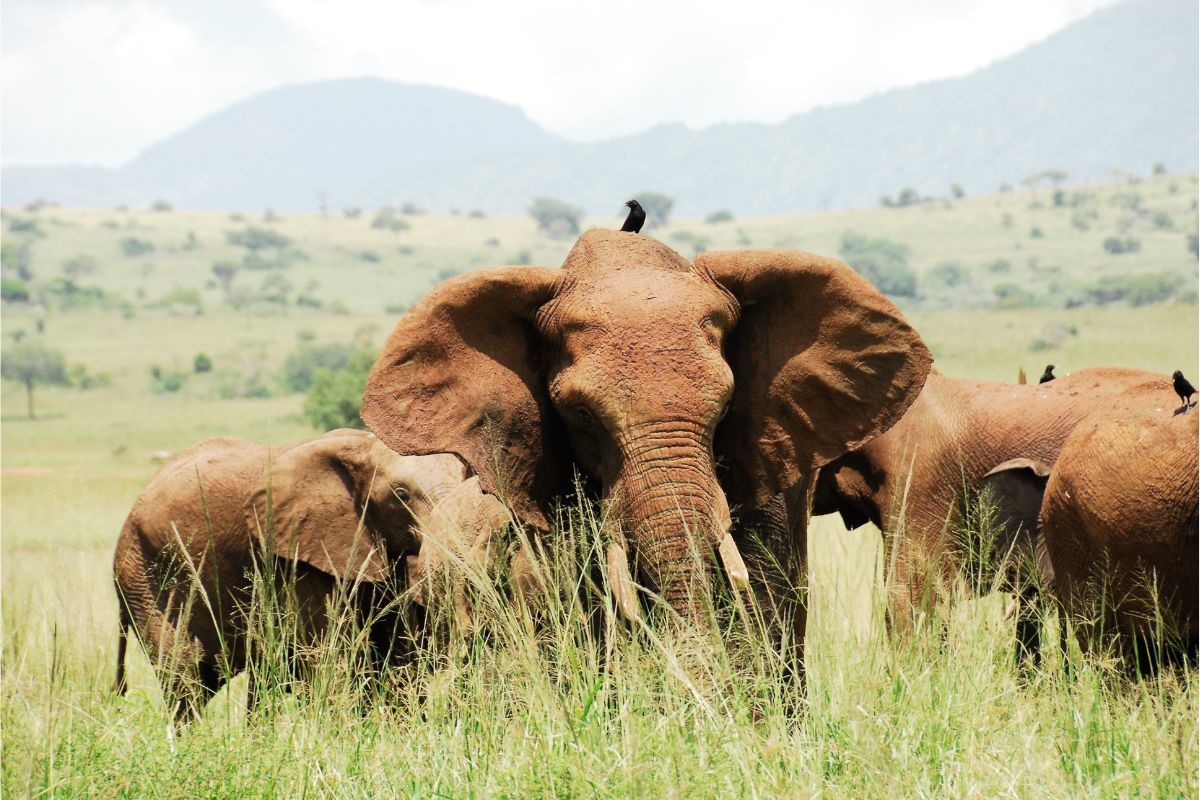
The Majestic African Elephant
Watching a herd of African elephants move majestically across the savannah is an incredibly humbling experience. In Akagera, you’ll frequently encounter these gentle giants browsing near the sparkling waters of Lake Ihema or dusting themselves on the red dirt tracks. Family units are deeply matriarchal, often led by a wise older female guiding playful calves through the sweeping grasslands. You might even catch an intimate glimpse of them interacting, wrapping their trunks in greeting or bathing along the marshy edges. Their sheer size and intricate social bonds remind us of the incredible intelligence governing the animal kingdom.
Encounters with the Lion Pride
Hearing the earth-shaking roar of a wild lion echoing across the Rwandan plains is an unforgettable thrill. Reintroduced to Akagera in 2015, these apex predators have made a spectacular comeback, establishing strong territories across the park. During your game drive, you might spot a lazy pride dozing under the shade of a large umbrella thorn tree or actively stalking through the golden grasses. Local conservation teams monitor their movements closely to ensure they thrive while maintaining the natural ecosystem's delicate balance. Observing a lion lounging confidently near your vehicle provides a raw, up-close connection with apex wildlife.
Buffalo Herds on the Move
African buffalos are absolute powerhouses of the bush, and seeing massive, formidable herds grazing across Akagera's open plains is quite common. These large herbivores are integral to the ecosystem, their heavy grazing opening up areas for smaller antelopes to forage. Buffalos are highly communal, moving together to protect calves from predators like lions and leopards. You will often see them with cattle egrets perched on their backs, picking off pesky insects as the herd plows through the tall grasses. Observing their stoic expressions and dense, curved horns offers a profound look at one of Africa's most resilient species.
The Reintroduced Black Rhinoceros
The reintroduction of the black rhinoceros to Akagera in 2017 represents a monumental achievement for Rwanda's wildlife heritage. These critically endangered, solitary browsers prefer the dense thickets and varied vegetation of the park’s southern and central sectors. Spotting a black rhino is an absolute privilege, requiring keen observation as they gracefully maneuver through the thorny brush. You can often identify them by their hooked upper lip, which they use to pluck leaves and twigs from woody plants. Observing a rhino in the wild speaks volumes about the dedicated conservation efforts working to secure a future for these magnificent creatures.
Guided Morning Game Drives
Setting out on a guided morning game drive is the absolute best way to experience Akagera at its most active. As the golden dawn breaks over the rolling hills, the cool air encourages predators like lions and leopards to remain active before retreating to the shade. Professional rangers navigate the winding dirt tracks, sharing their vast knowledge of the bush and helping you track down the Big Five. The early hours also bring incredible photographic opportunities, with the warm sunrise illuminating the savannah's sweeping vistas. Every morning drive is an unpredictable and deeply rewarding adventure.
Afternoon and Evening Safaris
As the day softens, afternoon and evening game drives reveal a completely different side of the park's dynamic. Animals tend to emerge from their daytime resting spots to gather around waterholes and lakeshores to drink. The golden, slanting light of the setting sun creates dramatic shadows, making it perfect for capturing stunning wildlife portraits. As twilight approaches, nocturnal creatures start to stir, offering you a rare chance to spot bush babies, serval cats, or perhaps a leopard beginning its nightly hunt. This serene time in the park delivers a magical, cinematic end to your wildlife expedition.
Exploring the Park's Rich Biodiversity
Beyond the famed Big Five, Akagera boasts an astonishing array of general wildlife that makes every game drive exciting. The vibrant savannah plains are dotted with graceful Maasai giraffes, striking Burchell's zebras, and numerous antelope species like the impala, topi, and defassa waterbuck. Warthogs scurry through the dirt with their tails held high, while troops of inquisitive olive baboons forage near the roadsides. With well over 500 recorded bird species, including the elusive shoebill stork, the park is a vivid tapestry of life. Every corner of this beautiful reserve tells a unique ecological story
Are all of Africa's Big Five animals found in Akagera National Park?
Yes, Akagera is officially a Big Five destination housing lions, leopards, African bush elephants, black and white rhinoceroses, and African buffaloes. Following an intensive conservation reintroduction campaign led by African Parks and the Rwanda Development Board, lions were brought back in 2015, followed by black rhinos in 2017 and white rhinos in 2021. Today, these species thrive under 24/7 ranger protection across the park's 1,122 square kilometers.
How far is Akagera National Park from Kigali, and how do I get there?
Akagera sits in eastern Rwanda, roughly 110 kilometers (68 miles) from Kigali. The drive takes about 2.5 to 3 hours along paved roads until you reach the Southern Gate entry point near Kayonza. You can rent a 4x4 self-drive vehicle, hire a private driver-guide through a local operator, or book a short domestic helicopter transfer with Akagera Aviation directly to the park.
What is the best time of year to visit Akagera for a safari?
The long dry season from June to September is ideal for game viewing. During these months, vegetation thins out and animals naturally concentrate around water sources like Lake Ihema and Lake Muhindi. The short dry spell from December to February is also fantastic for clear skies and great wildlife photography.
Do I need a 4x4 vehicle to explore Akagera National Park?
A 4x4 vehicle with good ground clearance is strongly recommended, especially if you plan to explore the northern plains or travel during the rainy season. While main access roads near the Southern Gate are manageable, interior tracks feature uneven terrain, rocky climbs, and muddy stretches that can easily ground a standard 2WD vehicle.
What are the park entry fees and permit costs for Akagera?
Park entry fees are charged on a tiered system per person for 1-day, 2-day, or 3-day stays (with subsequent days free up to 7 days). For international non-residents, entry starts at $100 per adult for 1 night. Vehicle entry fees start at $10 for light vehicles, and hiring a professional park guide at the entrance costs approximately $25 for a half-day or $40 for a full day.
Can I take a boat safari in Akagera National Park?
Yes, boat safaris are hosted on Lake Ihema, Rwanda's second-largest lake. These scheduled 1-hour cruise trips take you along papyrus-fringed shorelines packed with large hippopotamus pods, massive Nile crocodiles, and waterbirds such as African fish eagles, kingfishers, and cormorants.
What species of birds can I spot in Akagera?
Akagera is a birder's paradise home to over 480 bird species across forest, savanna, and wetland habitats. Highlights include the rare, prehistoric-looking Shoebill stork in the northern papyrus swamps, Red-faced Barbets, African Finfoots, Papyrus Gonoleks, and migratory raptors arriving during the wetter months.
Is a night game drive available in Akagera, and what can I see?
Night game drives are offered using specialized park vehicles equipped with high-powered spotlights and accompanied by an expert ranger. Operating primarily in the southern section of the park, these 2-hour drives reveal elusive nocturnal wildlife such as leopards, hyenas, genets, civets, bushbabies, and nocturnal birds like nightjars.
What accommodation options are available inside and near the park?
Akagera caters to all budgets. Premium luxury stays include Magashi Camp in the private northern wilderness. Mid-range options include Ruzizi Tented Lodge on Lake Ihema and Akagera Game Lodge. Budget travelers can utilize public campsites (such as Muyumbu, Shakani, and Mutumba) equipped with fire pits and basic amenities.
How long should I spend in Akagera National Park?
A 2 to 3-day itinerary is ideal. This allows enough time to enter through the Southern Gate, take a boat safari on Lake Ihema, enjoy a night drive, and slowly game-drive north toward the open Kilala Plains where plains game and predators are most active before exiting through the North Gate.
Can I do a day trip to Akagera from Kigali?
Yes, day trips are common. Departing Kigali by 5:00 AM gets you to the park entrance by 8:00 AM for a morning game drive, lunch at Akagera Game Lodge, and an afternoon boat trip before driving back to Kigali by evening. However, staying overnight yields a far more relaxed experience.
Are self-drive safaris allowed inside Akagera National Park?
Self-drive safaris are allowed. You will receive a detailed park map upon entry, and tracks are clearly signposted. However, hiring an official park guide at the reception desk is highly recommended to improve your chances of tracking lions and rhinos.
What health precautions and vaccinations do I need for Akagera?
Akagera sits at a lower, warmer elevation than Kigali, making malaria prophylaxis recommended. Bring DEET-based insect repellent and wear long-sleeved shirts for evening game drives. Yellow fever vaccination certificates are required upon entering Rwanda if traveling from an endemic country.
What are the rules for entering and exiting Akagera's gates?
The park operates a one-way entry/exit system for general game drives. Visitors enter through the South Gate (where registration and fee payment occur) and typically exit through the North Gate. Note that you cannot enter through the North Gate unless you are returning on the same day. Gates strictly open at 6:00 AM and close at 6:00 PM.
What community and behind-the-scenes activities can I book in Akagera?
Beyond game drives, you can book the "Behind the Scenes" park management tour to learn about anti-poaching canine units and conservation logistics. Nearby community tours offer experiences in traditional cattle milking, local beer brewing, and banana juice making led by surrounding village cooperatives.
What should I pack for a safari in Akagera National Park?
Pack neutral-colored lightweight clothing (khaki, tan, green), a wide-brimmed hat, sunglasses, sunblock, a light rain jacket, a reliable pair of binoculars (8x42 or 10x42), camera gear with a zoom lens, extra memory cards, reusable water bottles, and cash (Rwandan Francs or USD) for tipping guides and porters.
Booking Big Five Game Drives in Akagera National Park With us Roads of Adventure safaris
Book big five game drives in Akagera National Park with Roads of Adventure Safaris to experience Rwanda's premier savannah destination. Our expert guides track lions, rhinos, leopards, elephants, and buffaloes across spectacular landscapes.
