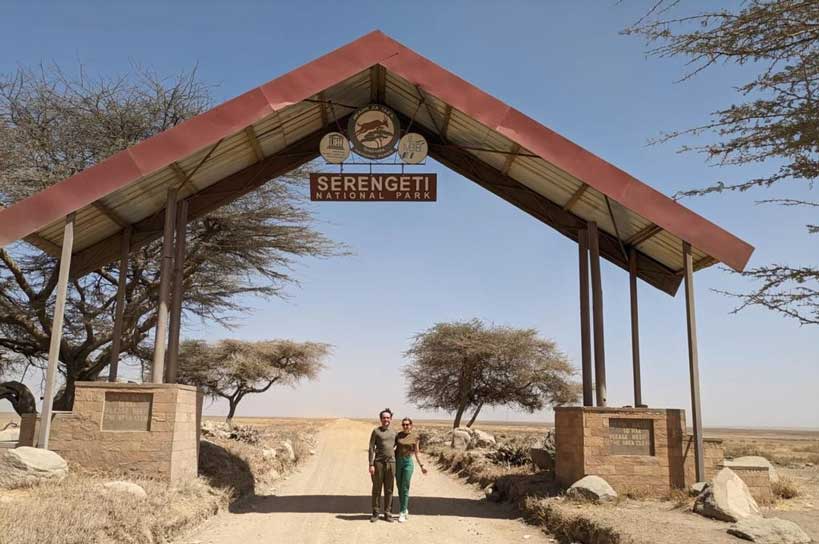
Quick steps of booking a safari in Tanzania, Tanzania safari in Africa 2025/2026,Booking a safari in Tanzania is an exciting adventure that requires careful planning to ensure a memorable experience. With its diverse wildlife, stunning national parks, and rich cultural heritage, Tanzania offers an unparalleled safari experience in Africa for 2025/2026. To get started, it’s essential to research different safari options, set a realistic budget, and choose the best travel dates that align with wildlife migrations. Selecting a reputable tour operator is crucial for a smooth experience, and confirming your itinerary will help ensure all details are in place. From arranging flights to preparing necessary documentation, following these quick steps will guide you through the booking process and set the stage for an unforgettable safari in Tanzania.
Popular safaris in Tanzania
10-days-best-tanzania-safari-tour-and-zanzibar-beach-holiday-itinerary
10-days-best-tanzania-honeymoon-safari-with-3-days-zanzibar-beach-holidays
7-days-epic-africa-big-five-safari-in-tanzania-top-best-parks
6-days-best-northern-circuit-tanzania-safari-to-best-tanzania-safari-parks
5-days-luxury-zanzibar-beach-holidays-and-serengeti-safari-tour
3-days-zanzibar-beach-holiday-trip-paje-beach-and-jambiani-beaches-activities
7-day-best-zanzibar-beach-holidays-combo-to-ruaha-and-mikumi-safari-parks
7-days-budget-tanzania-safari-affordable-africa-budget-safari
7-days-tanzania-wildlife-safari-africa-safari-tour-best-park-visits
7-days-best-great-wildebeest-migration-safari-in-tanzania
7-days-epic-africa-big-five-safari-in-tanzania-top-best-parks
7-day-best-zanzibar-beach-holidays-combo-to-ruaha-and-mikumi-safari-parks
7-days-best-southern-tanzania-safari-parks-nyerere-mikumi-ruaha-and-udzungwa
7-days-kilimanjaro-climb-and-hiking-safari-ascent-to-peak
Quick Steps for Booking a Safari in Tanzania (2025/2026)
1. Research Safari Options
Start your journey by exploring various safari options available in Tanzania. Research different types of safaris, including budget, mid-range, and luxury experiences. Popular destinations include the Serengeti, Ngorongoro Crater, and Tarangire National Park. Each location offers unique wildlife experiences: the Serengeti is renowned for the Great Migration, while the Ngorongoro Crater is a UNESCO World Heritage site known for its rich biodiversity. Take the time to read reviews and testimonials from past travelers to understand what to expect. Look into specific activities offered, such as game drives, walking safaris, and cultural interactions with local communities. Understanding the range of options available will help you choose an itinerary that best fits your interests, whether you want to focus on wildlife viewing, photography, or cultural immersion.
2. Set Your Budget
Establishing a clear budget for your Tanzania safari is crucial. Costs can vary widely based on the level of accommodation, the duration of your trip, and the activities included. Budget safaris typically start around $1,500 per person, while mid-range options can range from $3,000 to $5,250. Luxury safaris often exceed $5,250, offering high-end accommodations and exclusive experiences. Consider all potential expenses, including park entry fees, meals, tips, and optional activities. It’s wise to set aside a little extra for unexpected expenses or opportunities that may arise during your trip. By knowing your financial limits in advance, you can make informed decisions that enhance your experience without overspending.
3. Choose Travel Dates
Choosing the right travel dates is essential for maximizing your wildlife viewing experience. The best time for a safari in Tanzania is typically during the dry season, from June to October, when animals are more active and easier to spot. During this period, many animals congregate around waterholes, making it ideal for sightings. Additionally, this timeframe coincides with the Great Migration, where millions of wildebeest and zebras traverse the Serengeti. Consider local holidays or events that might enhance your experience, such as cultural festivals. When selecting dates, also take into account the time it takes for flights and potential delays, ensuring your safari schedule is smooth and enjoyable.
4. Select a Tour Operator
Selecting a reputable tour operator is crucial for a successful safari. Research companies that specialize in Tanzanian safaris, focusing on those with positive reviews and testimonials. Look for operators that offer well-structured itineraries, knowledgeable guides, and a variety of accommodation options. It's important to choose a company that aligns with your travel style, whether you prefer a more structured group tour or a private, customized experience. Reach out to multiple operators to compare their packages, inclusions, and prices. Ask them questions about their guides' expertise, vehicle types, and the level of service they provide. A good tour operator should offer flexibility in their itineraries, allowing you to tailor your experience based on your interests.
5. Contact Operators
Once you have narrowed down your choices, contact the selected tour operators for quotes and proposed itineraries. Be clear about your preferences, including travel dates, group size, and specific interests like wildlife photography or cultural experiences. This step allows you to get a feel for the operator's responsiveness and customer service. Most operators will provide a detailed itinerary outlining daily activities, accommodations, and any included meals or activities. Take note of any optional extras they may offer, such as hot air balloon rides or guided cultural visits. This will help you make an informed decision based on the overall value of each package.
6. Confirm Your Itinerary
After discussing your preferences with the tour operator, confirm an itinerary that meets your needs. Ensure that it includes the parks and activities you’re most excited about, such as game drives during the Great Migration or visits to local Maasai villages. Pay close attention to the details, including accommodations, meal plans, and transportation arrangements. Confirm any optional activities you wish to include in your package. It’s essential to have a clear understanding of what is included in the price and what may incur additional costs. Once you’re satisfied with the itinerary, it’s time to move forward with the booking process.
7. Book and Pay
Once you have finalized the itinerary, confirm your booking with the tour operator. They will provide a breakdown of costs and payment options. Make the necessary payments to secure your spot, which may include a deposit followed by the balance closer to your travel date. Ensure you receive a detailed confirmation email outlining all arrangements, including a copy of the itinerary, contact details for your guide, and any important travel information. This confirmation serves as a vital reference for your trip and ensures that all parties are aligned regarding your travel plans.
8. Arrange Flights
After securing your safari booking, arrange your international flights to Tanzania. Most travellers fly into Julius Nyerere International Airport in Dar es Salaam or Kilimanjaro International Airport, near Arusha. Be sure to book flights that align with your safari itinerary, considering arrival and departure times. It’s advisable to arrive a day or two before your safari starts to account for any travel delays and to acclimate to the local environment. Additionally, confirm with your tour operator about any airport transfers they may offer, ensuring a smooth transition from your flight to the start of your safari.
9. Prepare Documentation
Before you depart, ensure that your passport is valid for at least six months beyond your intended stay. Check the visa requirements for your nationality, as many travelers need to obtain a visa to enter Tanzania. Research the application process and apply in advance if necessary. Some travelers can obtain a visa upon arrival, but it’s wise to confirm this based on your nationality. Additionally, gather any necessary documents, such as travel insurance, vaccination records, and confirmation emails from your tour operator. Being well-prepared will help you avoid any last-minute issues at the airport or upon arrival.
10. Pack Accordingly
Packing appropriately is crucial for a successful safari in Tanzania. Bring lightweight, breathable clothing in neutral colors to blend into the natural environment. Sturdy hiking shoes are essential for walking safaris and exploring national parks. Don’t forget essential gear such as binoculars for wildlife viewing, a camera for capturing stunning moments, and a good pair of sunglasses to protect against the sun. Pack insect repellent and sunscreen to shield yourself from mosquitoes and harmful UV rays. Additionally, consider bringing a reusable water bottle to stay hydrated. Being well-prepared with the right gear will enhance your safari experience and ensure you’re comfortable throughout your adventure
10 Best Safari Parks to Visit in Tanzania in 2025/2026
1. Serengeti National Park
Serengeti National Park is the most famous location for a safari in Tanzania. Covering over 14,000 square kilometers, this park is home to the Great Migration, where millions of wildebeest and zebras travel across the plains. This migration typically occurs from June to October, making it a prime time for a safari in Tanzania. The park hosts diverse wildlife, including elephants, lions, leopards, buffaloes, and rhinos. Game drives and hot air balloon rides present unique ways to view the wildlife. With several accommodation options available, visitors can choose between budget and luxury lodges to enhance their safari in Tanzania.
2. Ngorongoro Crater
The Ngorongoro Crater is a unique destination for a safari in Tanzania. Formed by a collapsed volcano, this site is home to an abundance of wildlife, including elephants, lions, and rhinos. The crater's floor allows for excellent wildlife viewing year-round. Visitors can enjoy game drives that provide opportunities to see animals up close. The area is rich in Maasai culture, allowing for cultural interactions during your safari in Tanzania. Lodges and camps around the crater offer various accommodation options, ensuring comfort while exploring this remarkable site.
3. Tarangire National Park
Tarangire National Park is a fantastic choice for a safari in Tanzania. Known for its large elephant herds and distinctive baobab trees, Tarangire is home to a wide range of wildlife, including lions, leopards, and numerous bird species. The park is especially vibrant during the dry season from June to October, when animals gather around the Tarangire River. This park is less crowded than others, allowing for a more intimate wildlife viewing experience. Various lodges and camps within the park cater to different budgets, making it accessible for all types of travelers on a safari in Tanzania.
4. Lake Manyara National Park
Lake Manyara National Park is another excellent option for a safari in Tanzania. The park features diverse habitats, including woodlands, grasslands, and wetlands. It is famous for its tree-climbing lions and an impressive array of bird species, making it a great destination for birdwatchers. The park is home to elephants, hippos, and various antelope species. Visitors can explore Lake Manyara through game drives and guided walks, enhancing their safari in Tanzania. Its proximity to the Ngorongoro and Serengeti makes it a convenient stop for travelers.
5. Ruaha National Park
Ruaha National Park is Tanzania’s largest park and a hidden gem for a safari in Tanzania. The park is known for its rugged terrain and rich wildlife, including large populations of elephants, lions, and leopards. Ruaha is particularly rewarding during the dry season when animals gather around the Ruaha River. The park's unique setting is ideal for wildlife photography. Various accommodations, from luxury lodges to budget-friendly camps, make it an attractive option for different types of travelers on a safari in Tanzania.
6. Selous Game Reserve
Selous Game Reserve, now known as Nyerere National Park, is one of Africa’s largest protected areas and an excellent choice for a safari in Tanzania. This UNESCO World Heritage site is recognized for its diverse wildlife and pristine nature. Visitors can participate in game drives, walking safaris, and boat safaris along the Rufiji River, providing multiple perspectives on the wildlife. The reserve is home to large populations of elephants, hippos, and wild dogs, offering unique opportunities for wildlife viewing. Accommodations in Selous range from luxury lodges to simple camps, catering to various budgets for your safari in Tanzania.
7. Mikumi National Park
Mikumi National Park is one of Tanzania's most accessible parks, located just a few hours from Dar es Salaam. The park features diverse habitats, including savannahs and wetlands, making it a great location for a safari in Tanzania. Visitors can expect to see elephants, giraffes, buffaloes, and various antelope species. Mikumi is also known for its diverse birdlife, making it a fantastic choice for birdwatchers. The park offers both guided game drives and self-drive options, allowing visitors to explore at their own pace. Accommodation ranges from budget lodges to mid-range options, making it convenient for travelers.
8. Katavi National Park
Katavi National Park is one of Tanzania's most remote parks, making it a unique destination for a safari in Tanzania. Known for its vast savannahs and wetlands, the park attracts large herds of wildlife. Katavi is particularly famous for its hippo population, with hundreds congregating in the rivers during the dry season. Visitors can also spot elephants, lions, and various antelope species. The park’s limited infrastructure provides an authentic experience with nature. Camping and basic lodges offer accommodations for adventurous travelers looking to explore this hidden gem on a safari in Tanzania.
9. Gombe Stream National Park
Gombe Stream National Park is well-known for its chimpanzee population and is a top choice for a safari in Tanzania. Located on the shores of Lake Tanganyika, the park is home to stunning views and rich wildlife. Visitors can take guided treks to observe chimpanzees as well as other primate species like red-tailed monkeys and baboons. The park's remote location allows for a unique eco-tourism experience. Accommodations are limited, with a small guesthouse and camping facilities available, making it ideal for travelers looking for a more intimate safari in Tanzania.
10. Arusha National Park
Arusha National Park is a small yet diverse park located near the town of Arusha, making it a convenient stop for a safari in Tanzania. The park features a mix of habitats, including Mount Meru and scenic lakes. Arusha is known for its unique wildlife, including black and white colobus monkeys. Visitors can enjoy game drives, walking safaris, and canoeing on Momella Lake, where they can spot flamingos and other bird species. The park's proximity to major safari routes makes it a perfect addition to any safari in Tanzania itinerary, with various lodges and accommodations available for different budgets.
10 Best Activities to Do on a Safari in Tanzania (2025/2026)
1. Game Drives
Game drives are the quintessential activity on a safari in Tanzania. Travelers can explore national parks like Serengeti and Ngorongoro Crater in open 4x4 vehicles, providing excellent views of wildlife. Guided by knowledgeable drivers, visitors can spot the Big Five—lions, elephants, leopards, buffaloes, and rhinos—along with countless other species. Early morning and late afternoon drives are particularly rewarding, as animals are most active during these times.
2. Walking Safaris
Walking safaris offer a unique perspective on the wilderness. Guided by experienced rangers, participants can explore the flora and fauna of Tanzania up close. This activity allows travellers to learn about animal tracks, plants, and the ecosystem. Walking safaris are typically conducted in areas with fewer large predators, ensuring safety while providing an intimate experience with nature.
3. Hot Air Balloon Rides
Hot air balloon rides over the Serengeti provide a breathtaking view of the landscape and wildlife from above. This early morning activity allows participants to witness the sunrise while floating gently in the air. After the flight, a champagne breakfast often awaits, enhancing the overall experience. This unique vantage point offers a memorable way to appreciate the vastness of the park.
4. Cultural Visits
Cultural visits to local Maasai villages or other communities add a rich dimension to a safari in Tanzania. Visitors can interact with local tribes, learn about their traditions, and experience daily life. These visits often include traditional dances, crafts, and insights into their customs. Engaging with local communities fosters cultural appreciation and provides a deeper understanding of Tanzania’s heritage.
5. Birdwatching
Tanzania is a paradise for birdwatchers, with over 1,100 species recorded. Parks like Lake Manyara and Tarangire are particularly renowned for their avian diversity. Guided birdwatching tours enhance the experience, allowing enthusiasts to spot unique species such as flamingos, secretary birds, and various raptors. Birdwatching can be done during game drives or dedicated birding walks.
6. Canoeing Safaris
Canoeing safaris on rivers or lakes, such as the Rufiji River in Selous Game Reserve, provide a different perspective on wildlife. Paddling quietly through the water allows for close encounters with hippos, crocodiles, and a variety of bird species. Guided canoe trips are led by experienced guides who ensure safety and offer insights into the aquatic ecosystem.
7. Night Safaris
Night safaris offer a thrilling way to see nocturnal wildlife. Conducted in certain parks, these guided outings allow visitors to observe animals that are active after dark, such as leopards, bush babies, and various predators. The experience is enhanced by the sounds of the African night, providing a unique atmosphere for wildlife observation.
8. Photography Tours
Photography tours cater to enthusiasts looking to capture the beauty of Tanzania’s wildlife and landscapes. Specialized guides can offer tips on composition and lighting while leading participants to prime locations for stunning shots. Whether it’s a dramatic sunset over the Serengeti or a close-up of a lion, these tours ensure memorable photographic opportunities.
9. Visit the Olduvai Gorge
A visit to the Olduvai Gorge offers a glimpse into the origins of humanity. This archaeological site is known for significant discoveries of early hominid fossils. Guided tours provide insights into the history of human evolution and the importance of the site. Combining a visit to Olduvai Gorge with a safari in Tanzania enriches the overall experience.
10. Relaxation at Lodges
After a day of activities, many visitors enjoy unwinding at their lodges or camps. Many accommodations offer amenities such as swimming pools, spa services, and stunning views of the surrounding wildlife. Relaxing in this serene environment allows travellers to reflect on their experiences while enjoying the tranquillity of nature. This downtime is essential for recharging before the next day's adventures on a safari in Tanzania.
When is the Best Time for a Safari in Tanzania?
The best time for a safari in Tanzania is during the dry season, from June to October. This period offers optimal wildlife viewing as animals congregate around water sources, making them easier to spot. Additionally, the Great Migration occurs during this time, particularly in the Serengeti. The weather is generally sunny and dry, enhancing the overall safari experience across the various national parks.
Where to Sleep on a Safari in Tanzania
Accommodation options for a safari in Tanzania range from budget lodges to luxury tented camps. Many parks offer unique options like safari lodges with stunning views, mobile camps that follow the migration, or cozy guesthouses in nearby towns. Choosing the right accommodation enhances your safari experience, allowing you to relax comfortably after a day of wildlife viewing. Select options that align with your budget and desired level of comfort.
Booking a Safari in Tanzania with Us
Booking a safari in Tanzania with Roads of Adventure Safaris ensures a seamless and enriching experience. We offer a variety of customizable itineraries tailored to your preferences and budget. Our knowledgeable guides provide insights into wildlife and ecosystems while ensuring your safety and comfort. With a focus on exceptional service and memorable experiences, we make your safari in Tanzania unforgettable. Contact us to start planning your adventure today
