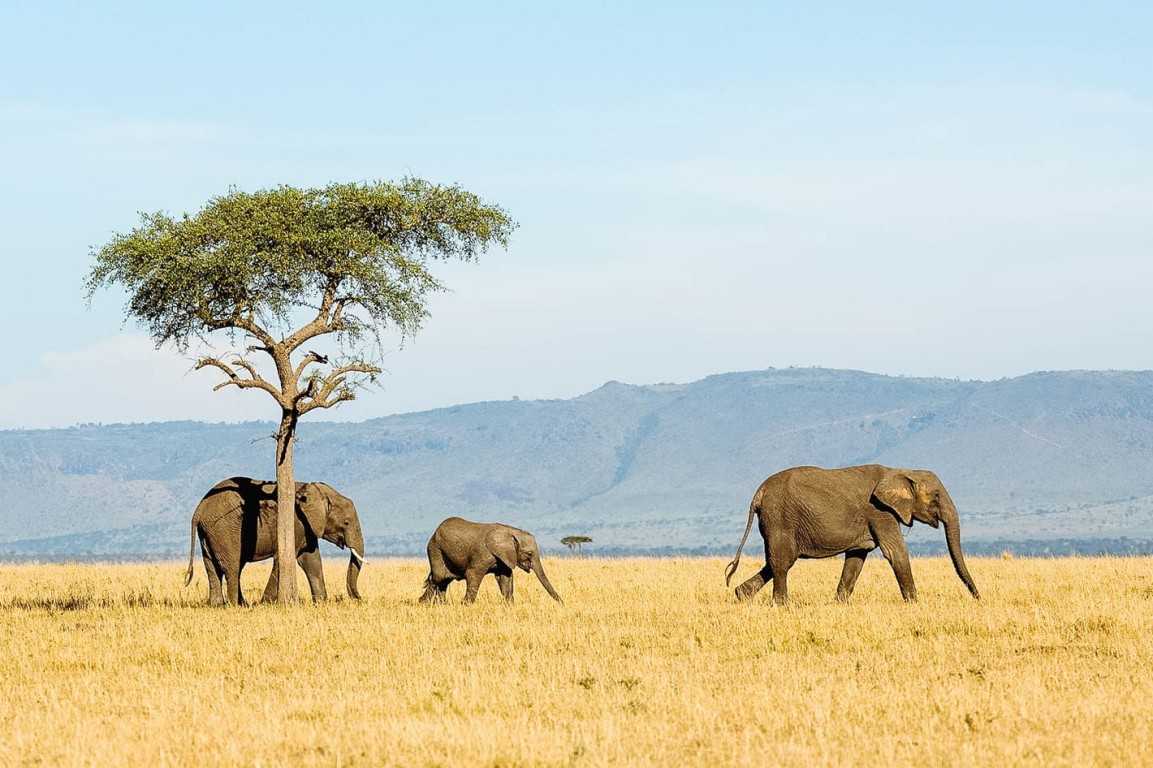
The Northern Tanzania Safari Circuit is the country's most iconic wildlife route, centered around the Serengeti National Park, Ngorongoro Crater, Tarangire National Park, and Lake Manyara National Park. Renowned for the Great Migration, high predator density, and the "Big Five," it offers unparalleled game viewing, typically starting from Arusha.
7-days-best-great-wildebeest-migration-safari-in-tanzania
7-days-epic-africa-big-five-safari-in-tanzania-top-best-parks
7-days-budget-tanzania-safari-affordable-africa-budget-safari
7-days-kilimanjaro-climb-and-hiking-safari-ascent-to-peak
7-days-tanzania-wildlife-safari-africa-safari-tour-best-park-visits
7-days-best-southern-tanzania-safari-parks-nyerere-mikumi-ruaha-and-udzungwa
7-day-best-zanzibar-beach-holidays-combo-to-ruaha-and-mikumi-safari-parks
7-days-zanzibar-beach-activities-and-chimpanzee-tracking-in-mahale-mountains
7-days-amboseli-kenya-and-serengeti-fly-in-tanzania-safari
7-days-masai-mara-safari-tour-and-serengeti-safari-tour-in-kenya-and-tanzania
7-days-ultimate-budget-kenya-tanzania-safari-holiday-vacation
11-day-tanzania-safari-to-tarangire-lake-naron-serengeti-ngorongoro-and-lake-eyasi
10-days-perfect-tanzania-safari-itinerary
11-days-combined-rwanda-tour-and-tanzania-wildlife-safari-tour
11-days-ultimate-rwanda-safari-and-kenya-tanzania-safari-itinerary
12-days-best-east-africa-safari-tour-package-to-rwanda-tanzania-and-south-africa-safaris
10-days-family-tanzania-safari-tour-to-lake-manyara-serengeti-ngorongoro-crater-and-tarangire
12-days-tanzania-safari-and-culture-experience
20-days-uganda-kenya-tanzania-and-zanzibar-beach-holidays
18-days-exclusive-kenya-tanzania-safari-to-uganda-primate-safari
12-days-best-tanzania-and-kenya-safari-combo-itinerary
12-days-uganda-safari-and-tours-combined-with-zanzibar-beach-vacation
25-days-east-africa-safari-to-uganda-rwanda-kenya-tanzania-safari-and-zanzibar-beach-holidays
What is the Northern Tanzania Safari Circuit?
The Northern Tanzania Safari Circuit is a popular route for wildlife enthusiasts, showcasing some of the most iconic national parks and game reserves in Tanzania. This circuit includes renowned attractions like the Serengeti, Ngorongoro Crater, Lake Manyara, and Tarangire National Parks, making it a must-visit for those interested in experiencing the diverse landscapes and abundant wildlife that Tanzania has to offer.
The Serengeti is famous for its vast savannahs and the migration of millions of wildebeests and zebras. Meanwhile, the Ngorongoro Crater, a UNESCO World Heritage site, features a unique volcanic caldera that provides an exceptional opportunity to see a variety of wildlife in a concentrated area. Lake Manyara, known for its stunning scenery and diverse bird populations, including flamingos, and Tarangire with its impressive elephant herds and baobab trees add to the richness of the experience.
This circuit is structured to allow travelers to enjoy multiple ecosystems and varying landscapes within a single trip, from rolling grasslands to lush forests. Visitors can also engage in various activities, such as game drives, walking safaris, and cultural experiences with local tribes, enriching their understanding of Tanzania's rich biodiversity and cultural heritage.
Overall, the Northern Tanzania Safari Circuit is a carefully curated experience, appealing to families, solo travelers, and couples alike who wish to fully immerse themselves in the stunning natural beauty and wildlife of the region.
What are the Main Destinations on the Northern Tanzania Safari Circuit?
The Northern Tanzania Safari Circuit comprises several iconic destinations that make it a prime route for safari goers. The main parks include:
- Serengeti National Park: Renowned for its breathtaking landscapes and the annual Great Migration, the Serengeti offers unparalleled wildlife viewing, boasting some of the highest concentrations of wildlife in Africa, including the Big Five.
- Ngorongoro Crater: This UNESCO World Heritage site is home to a unique ecosystem within its volcanic caldera. It provides excellent opportunities for spotting diverse wildlife, including lions, elephants, and endangered black rhinos, all coexisting in this relatively small area.
- Tarangire National Park: Known for its impressive elephant herds and iconic baobab trees, Tarangire offers a different terrain and fewer crowds, making it an excellent add-on for families. Its diverse habitats support numerous species, including lions and cheetahs.
- Lake Manyara National Park: Famous for its tree-climbing lions and large flocks of flamingos, Lake Manyara's lush landscape and rich birdlife provide a striking contrast to the arid regions of the circuit.
- Arusha National Park: Serving as a gateway to the circuit, this smaller park features diverse ecosystems, including forests, savannahs, and lakes. It offers excellent opportunities for walking safaris and close encounters with wildlife.
Visitations to these parks can be paired together in various itineraries, allowing families and travelers to experience the best of Northern Tanzania's unique wildlife and landscapes in one comprehensive trip.
What is the Best Time to Visit the Northern Tanzania Safari Circuit?
The best time to visit the Northern Tanzania Safari Circuit largely depends on wildlife viewing preferences and the specific experiences travelers wish to have. The dry season, which extends from June to October, is considered ideal for game viewing. During these months, the vegetation is thinner, and animals gather around limited water sources, making them easier to spot. This is a particularly busy time in the wildlife parks, as many travelers choose this period for optimal viewing conditions.
For those interested in witnessing the Great Migration, January and February are fantastic times to visit the southern Serengeti. During this period, the wildebeest calve—a spectacular sight, as approximately 500,000 young wildebeests are born in this region. Following this, the herds begin their migration northward, typically reaching the northern Serengeti by July and remaining there until October.
Each season in Northern Tanzania offers unique experiences. The wet season (November to April), while it may present challenges such as muddy roads, leads to vibrant landscapes and fewer tourists, which appeals to those looking for a more tranquil experience.
In summary, planning your visit according to your interests—whether for wildlife, scenery, or fewer crowds—ensures that your trip to the Northern Tanzania Safari Circuit aligns with your safari goals.
When is the Great Migration in the Northern Tanzania Safari Circuit?
The Great Migration is an extraordinary year-round event that focuses on the movement of millions of wildebeests, zebras, and other herbivores as they journey across the Serengeti and into Kenya's Maasai Mara. Within the Northern Tanzania Safari Circuit, this phenomenon unfolds in a predictable pattern:
- January to February: The migration begins in the southern Serengeti, where wildebeests gather in large numbers to calve. This period sees approximately 500,000 calves born over just a few weeks, making it an exceptional time for wildlife viewing.
- March to June: After the calving season, the herds begin to graze their way northwest through the Serengeti, following the rains that nourish the pastures. By June, the herds are usually situated in the western and northern regions of the Serengeti.
- July to October: The migration reaches its peak during these months as the animals make their way northwards. This period highlights dramatic river crossings, where wildebeests navigate treacherous waters and encounter predators like crocodiles. It is an electrifying spectacle for any safari-goer.
- November and December: As the rain begins again, the migrating animals slowly return south, completing their cycle in the Serengeti.
For families and travelers planning a safari, timing your visit to coincide with a specific phase of the migration guarantees a breathtaking experience filled with activity and spectacle. This natural phenomenon remains one of the main highlights, bringing avid wildlife enthusiasts from around the globe to witness this magnificent journey.
How Many Days are Needed for a Northern Tanzania Safari Circuit Trip?
A typical Northern Tanzania Safari Circuit trip can vary in duration depending on the traveler's goals and preferences, but a standard time frame is usually around 6 to 8 days. This duration allows families to fully explore the major attractions without feeling rushed.
In a 6-day itinerary, families can cover the must-see parks, including the Serengeti, Ngorongoro Crater, and Tarangire or Lake Manyara. This timeframe provides ample opportunity for game drives, while also allowing some flexibility for cultural experiences or leisure time at accommodations.
For those looking to take it slow and soak in each destination, an 8-day safari allows for a more relaxed pace. This extended time enables travelers to explore additional areas, enjoy more in-depth wildlife experiences, and engage in activities like walking safaris or community visits.
For families with limited time, it is possible to tailor a safari in 4 to 5 days to visit the highlights of the circuit, though this may feel a bit rushed. Planning such an itinerary should focus on prioritizing specific parks based on the family's interests, ensuring that they get the most out of their visit.
In summary, the ideal duration for experiencing the Northern Tanzania Safari Circuit will depend on your family's travel style, interests, and the specific highlights you want to explore, but 6 to 8 days is generally recommended for a well-rounded adventure.
How Do I Get to the Northern Tanzania Safari Circuit?
Most tours to the Northern Tanzania Safari Circuit begin in Arusha, which serves as a common hub for travelers before venturing into the national parks. The journey's starting point is usually Kilimanjaro International Airport (JRO), located about 45 minutes from Arusha.
Numerous international airlines operate flights to Kilimanjaro, making it accessible from various global destinations. Upon arrival at the airport, many tour operators provide pickup services to transport families to their accommodations in Arusha, where they can rest before setting off on their safari adventures.
From Arusha, the journey to the national parks typically involves a combination of road transfers or internal flights. While road travel is common, ranging from 1 to 3 hours depending on the park, many tourists opt for small charter flights that link major parks. This option significantly reduces travel time and provides aerial views of the stunning landscapes, adding an added dimension to the travel experience.
Several reputable safari operators offer pre-arranged packages that handle all logistics, including transportation, lodging, and activities. Engaging with these operators streamlines the planning process, ensuring families can focus on enjoying their time in Tanzania rather than worrying about travel arrangements.
In conclusion, getting to the Northern Tanzania Safari Circuit is straightforward, with key transit points in Arusha and Kilimanjaro, making it convenient for families looking to explore the country's incredible wildlife and natural beauty.
Is the Northern Tanzania Safari Circuit Safe?
Yes, the Northern Tanzania Safari Circuit is generally considered safe for tourists, making it a favorable option for families and individuals seeking a wildlife adventure. The parks and lodges in this well-established tourism area have adequate safety measures and protocols in place.
Tourism in Northern Tanzania is a significant economic driver, leading to investments in infrastructure, security, and overall visitor safety. Experienced safari guides and operators prioritize the safety of their guests, ensuring that families adhere to proper safety protocols during game drives and other activities.
Many lodges also have security personnel on-site and adhere to safety regulations, providing guests with peace of mind. The parks themselves are managed by Tanzania’s Wildlife Authority, ensuring visitor safety while maintaining the natural environment for wildlife.
While the areas around key tourist destinations are generally very safe, travelers should still exercise caution and remain aware of their surroundings, particularly in urban settings or when engaging with locals. Keeping valuables secure and being vigilant in crowded areas can also enhance safety.
Health considerations are crucial; travelers should check vaccination requirements and take precautions against mosquito bites, especially in regions where malaria is prevalent.
In summary, the Northern Tanzania Safari Circuit is a safe and welcoming destination for tourists, providing enriching experiences without compromising on safety. With careful planning and guidance from reputable tour operators, families can enjoy an unforgettable adventure in Tanzania's stunning wilderness.
What Animals Can I See on the Northern Tanzania Safari Circuit?
The Northern Tanzania Safari Circuit is famous for its extraordinary variety of wildlife, offering unparalleled opportunities to view iconic species in their natural habitats. Travelers can expect to encounter the Big Five: lions, leopards, elephants, rhinos, and buffaloes—these vibrant creatures symbolize Africa's rich biodiversity and are often top priorities for safari-goers.
In addition to the Big Five, families can spot a wealth of other wildlife. For instance, Tarangire is renowned for its impressive herds of elephants, often numbering in the hundreds, as well as cheetahs, giraffes, and numerous bird species, including the stunning lilac-breasted roller.
The Serengeti is famous for its vast herds of wildebeests and zebras, especially during the Great Migration, where millions of animals traverse the plains in search of greener pastures. This migration presents spectacular opportunities for families to witness action-packed moments as the animals navigate rivers or evade predators.
The Ngorongoro Crater hosts a unique concentration of wildlife within its caldera, providing families with opportunities to see diverse animals in a relatively small area. The mixture of habitats within the crater supports various species and makes for exciting wildlife encounters.
Overall, the Northern Tanzania Safari Circuit offers one of the richest wildlife experiences in the world, appealing to families who wish to immerse themselves in nature and create unforgettable memories watching these majestic creatures in their natural environments.
What is the Difference Between the Northern and Southern Circuits?
The Northern and Southern Tanzania Safari Circuits present distinct experiences catering to different traveler preferences, making the choice between them significant for planning a safari.
The Northern Circuit encompasses popular destinations such as the Serengeti, Ngorongoro Crater, Tarangire, and Lake Manyara. Known for its high density of wildlife, especially during the Great Migration, this circuit is favored for classic savannah landscapes, spectacular wildlife viewing opportunities, and convenient access to tourist facilities. The easier accessibility and array of accommodations make it an attractive option for families, ensuring a well-rounded experience with various activities and sights.
Conversely, the Southern Circuit—which includes parks like Ruaha and Selous—tends to be more remote and less crowded. It offers a more rugged experience, drawing visitors looking for seclusion and a chance to engage deeply with nature. While the Southern Circuit features substantial wildlife, including large elephant herds and the African wild dog, it might not provide the same level of density found in the Northern Circuit.
The Southern Circuit is often favored for walking safaris, boat safaris on rivers, and a more immersive wildlife experience. The lodges in this area are generally smaller and more intimate, contributing to a feeling of exclusivity.
Ultimately, the choice between the Northern and Southern Circuits depends on travelers’ goals—whether seeking rich wildlife encounters in vibrant settings or a more tranquil, off-the-beaten-path experience. Each circuit offers unique advantages, ensuring that families can find a safari that genuinely suits their desires.
What Type of Accommodation is Available in the Northern Tanzania Safari Circuit?
The Northern Tanzania Safari Circuit provides a diverse range of accommodation options catering to various budgets and preferences, making it suitable for families and individual travelers.
- Budget Camping: For those seeking an immersive experience in nature, budget camping allows families to sleep under the stars while experiencing the wild sounds of the African bush. Camps typically offer basic amenities, communal dining, and the opportunity for shared group activities.
- Mid-Range Lodges: Mid-range lodges provide a comfortable yet affordable option, often featuring family-friendly amenities, private bathrooms, and dining options. Many mid-range lodges provide relaxing environments, allowing families to unwind after exhilarating game drives while still being close to nature.
- Luxury Tented Camps: Combining comfort with an authentic safari experience, luxury tented camps offer spacious accommodations, often with exquisite furnishings and personalized services. Families can indulge in amenities such as private bathrooms, gourmet dining, and swimming pools, all while enjoying the surrounding wildlife.
- High-End Lodges: These exclusive options offer a premium experience with top-notch services and facilities, often located in prime wildlife viewing areas. High-end lodges frequently feature family suites and personalized itineraries, ensuring guests receive special attention and tailor-made experiences.
- Private Estates: For larger groups or families looking for privacy, private estates offer luxurious accommodations and personalized staff. This option allows families to enjoy bespoke experiences catered to their unique needs throughout their stay.
Are Children Allowed on a Northern Tanzania Safari Circuit Trip?
Yes, children are generally welcome on a Northern Tanzania Safari Circuit trip, making the region a fantastic choice for families. The infrastructure in Northern Tanzania is more developed than in other areas, with better roads and access to family-friendly lodges that cater specifically to the needs of younger travelers. Many accommodations offer family rooms or interconnected units, along with amenities like pools or designated children's activities, ensuring a comfortable stay for families.
Safari operators are often experienced in handling families, providing knowledgeable guides who are adept at engaging children in educational and fun ways during game drives. Various lodges even offer tailored activities such as nature walks, cultural experiences with local communities, or wildlife-themed games, making the travel experience enriching for kids.
It's important to note, however, that some operators may have age restrictions for specific activities, such as walking safaris or certain types of game drives. Thus, it's advisable to inquire beforehand about age limits and available activities tailored for different age groups.
Overall, the Northern Tanzania Safari Circuit provides a safe and family-friendly environment where children can explore the wonders of wildlife and nature while creating lasting memories with their families. Ensuring that the chosen safari operator is child-friendly greatly enhances the experience, allowing families to enjoy all the beauty and adventure Northern Tanzania has to offer.
What Should I Pack for the Northern Tanzania Safari Circuit?
When preparing for a Northern Tanzania Safari Circuit trip, choosing the right clothing and gear is essential for both comfort and functionality. Packing light is important, focusing on layers that can accommodate fluctuating temperatures throughout the day. Opt for neutral-colored clothing—like khaki or olive green—that allows you to blend into the natural surroundings and avoid startling wildlife.
Include a warm jacket for chilly mornings and evenings when the temperatures can drop significantly, especially during game drives. Lightweight long-sleeve shirts and long pants are also advisable to protect against sun exposure and insects.
Don't forget to bring sun protection, such as sunscreen, wide-brimmed hats, and sunglasses, as the African sun can be intense. Additionally, a high-quality insect repellant is essential, particularly in areas where mosquitoes are prevalent.
Binoculars are a must-have for wildlife viewing, allowing you to appreciate the details of animals from a distance. It's also wise to carry a small backpack for day trips, where you can store your essential items like water, snacks, and a camera to capture memorable moments.
Finally, including a basic first-aid kit, any necessary medications, and personal toiletries will help ensure a comfortable journey. By being well-prepared with the right gear, you can fully enjoy your safari adventure in Northern Tanzania.
Do I Need a Visa for the Northern Tanzania Safari Circuit?
Yes, most travelers visiting the Northern Tanzania Safari Circuit are required to obtain a visa. Visa requirements can vary based on nationality, but many foreign nationals can apply for an e-visa online before arrival. This streamlines the process, allowing you to complete the necessary paperwork in advance. The e-visa can typically be processed within a few business days, and you will receive a confirmation via email.
Alternatively, it is also possible to obtain a visa upon arrival at Kilimanjaro International Airport (JRO), the primary gateway to the region. However, securing an e-visa beforehand is often recommended to save time and avoid potential delays upon entry. Be sure to check the most current visa regulations and requirements for your specific nationality.
When applying for an e-visa or obtaining one upon arrival, it's essential to have a valid passport with at least six months of validity remaining and a passport-sized photo, as required. The visa fee varies based on the passport of the traveler and the type of visa issued.
In summary, obtaining a visa for northern Tanzania is an essential step in planning your safari adventure, enabling smooth entry into this stunning wildlife-rich region.
Is Malaria a Concern in the Northern Tanzania Safari Circuit?
Yes, malaria is a concern in the Northern Tanzania Safari Circuit, as the disease is prevalent in many parts of the country. Travelers are strongly advised to take precautions to protect themselves against mosquito bites and reduce the risk of contracting malaria.
To mitigate this risk, it is recommended to take antimalarial medication as prescribed by a healthcare professional, ideally starting before your trip and continuing for a specified duration afterward. This proactive approach is crucial, especially when traveling to areas where malaria is endemic.
In addition to medication, using mosquito repellent containing DEET is essential. Applying repellent to exposed skin, particularly during dusk and dawn when mosquitoes are most active, can significantly decrease your likelihood of bites. Wearing long-sleeved shirts and long pants, especially during the evening and early morning hours, can provide additional protection against insects.
Many lodges within the Northern Tanzania Safari Circuit have mosquito nets and screens to help deter insects, contributing to a safer environment for travelers. Using these protective measures, combined with awareness of your surroundings, can substantially reduce the risk of malaria.
Ultimately, while malaria is a concern, proper precautions and preparation can ensure a safe and enjoyable safari experience in Northern Tanzania.
What is the Typical Cost of a Northern Tanzania Safari Circuit Tour?
The typical cost of a Northern Tanzania Safari Circuit tour can vary significantly based on a variety of factors, including the level of accommodation, number of days, and specific activities included. On average, you can expect to pay anywhere from $200 to $300 per person, per day for a budget safari. This option usually includes basic accommodations, meals, and some guided activities.
For travelers seeking mid-range experiences, the cost generally rises to around $350 to $600 per person, per day. Mid-range safaris often feature better accommodations, dining options, and more comprehensive itineraries, allowing for a richer experience of the wildlife and culture of the region.
For those opting for a luxury safari, costs can soar to $600 and above per person per day. Luxury safaris usually provide premier lodges or tented camps with exclusive amenities, private guides, and a personalized level of service that enhances the overall experience.
Additionally, factors such as the season—peak travel periods often command higher prices—activity choices (e.g., hot air balloon rides or guided walks), and complimentary extras (like cultural tours) can influence the total cost of the trip.
In conclusion, understanding the various budget categories and potential costs can aid families and travelers in planning a well-aligned safari adventure that meets their preferences and financial considerations.
What is the Best Way to Travel Between Parks in the Northern Tanzania Safari Circuit?
The best way to travel between parks in the Northern Tanzania Safari Circuit is typically by utilizing a 4x4 safari vehicle with a knowledgeable driver-guide. This method provides the flexibility to explore the scenic landscapes and wildlife outside the parks while making the most of the travel time. Many operators equip these vehicles with comfortable seating, large windows for viewing, and pop-up roofs for an optimal game-viewing experience.
Traveling by road allows you to enjoy the stunning terrain and have impromptu stops for wildlife sightings or photography, enriching the journey between destinations. The well-maintained roads in Northern Tanzania make for a smooth ride, especially when compared to some of the rougher routes found in other regions.
Alternatively, small chartered flights represent another viable option, particularly for those looking to save time during longer distances between parks. These flights can significantly reduce travel time and provide breathtaking aerial views of the landscapes; however, they may come at a higher cost. Several lodges and safari operators facilitate these short flights, making it easy for travelers to reach their next destination efficiently.
Both options have their advantages; road travel is typically more immersive, while flying can minimize time on the road. Families should consider their travel style, schedule, and points of interest when selecting their preferred mode of transportation.
Can I Combine the Northern Tanzania Safari Circuit with Zanzibar?
Yes, it is very common to combine a Northern Tanzania Safari Circuit with a relaxing beach holiday in Zanzibar. This combination provides travelers with the best of both worlds: the thrill of experiencing some of Africa’s renowned wildlife scenes and the opportunity to unwind on pristine beaches enveloped by turquoise waters.
Typically, travelers start their adventure in the Northern Circuit before flying to Zanzibar. The transfer between regions is straightforward, with short flights commonly connecting major airports, such as from Kilimanjaro International Airport (JRO) to Zanzibar International Airport (ZNZ).
Once in Zanzibar, visitors can enjoy a range of activities, from exploring the historic Stone Town (a UNESCO World Heritage site) and indulging in local cuisine to relaxing on the idyllic beaches of Nungwi or Kendwa. Water sports, such as snorkeling or diving in the coral reefs, as well as spice tours, are popular activities that enhance the experience on the island.
Combining a safari with Zanzibar allows families to enjoy a diverse experience, transitioning seamlessly from exhilarating wildlife encounters to tranquil beach relaxation. Overall, this pairing creates an unforgettable travel itinerary for those looking to explore Tanzania's rich landscapes and culture while enjoying the serene beauty of its coastal paradise.
Is Tipping Expected on a Northern Tanzania Safari Circuit Safari?
Yes, tipping is customary and generally expected on a Northern Tanzania Safari Circuit safari. Tipping serves as a way to show appreciation for the exceptional service provided by guides, cooks, and lodge staff throughout your trip. In this context, it is not only a sign of gratitude but also an important part of the income for many local workers in the tourism industry.
For safari guides, a common guideline is to tip around $10 to $15 per person, per day, depending on the level of service and the size of the group. Larger groups or those with private guides might consider tipping more, reflecting the personalized attention received. It is also advisable to offer tips at the end of the safari, as guides appreciate knowing the total group’s satisfaction with their services.
Lodge and camp staff may also be tipped, though practices might vary slightly between different lodges. When staying in lodges, it is common to pool a tip for the entire staff, typically around $5 to $10 per person, per day.
In addition to cash, it’s important to ensure that you have small denominations of local currency (Tanzanian Shillings) for tips, as larger bills may not be easily exchanged or broken.
In conclusion, while tipping is appreciated, it should always be voluntary and based on the level of service received, contributing positively to the overall experience of your Tanzania safari.
What is the Typical Food Like on a Northern Tanzania Safari Circuit Tour?
On a Northern Tanzania Safari Circuit tour, the typical food served ranges from international cuisine to local dishes, showcasing the rich culinary heritage of the region. Lodges, tented camps, and dining facilities cater to various dietary preferences, ensuring that travelers enjoy diverse meals throughout their safari experience.
Most lodges and camps offer meals in a buffet style, providing a variety of options that can accommodate different tastes and dietary needs. Breakfast often includes an assortment of fruits, cereals, pastries, and hot items like eggs or pancakes. Lunches typically consist of salads, sandwiches, and hearty dishes, ideal for replenishing energy after a morning of game viewing.
Dinner is usually a sit-down affair, featuring a selection of meats, vegetables, and local specialties. Traditional Tanzanian dishes, such as ugali (a maize-based staple), samoosas, and grilled meats, may feature prominently on the menu, providing a taste of local culture.
Many lodges aim to incorporate fresh, seasonal ingredients into their meals, emphasizing local flavors and dishes that reflect the culinary diversity of Tanzania. Special dietary requests, including vegetarian, vegan, or gluten-free meals, can usually be accommodated with prior notice.
Overall, the dining experience on a Northern Tanzania Safari Circuit tour is designed to be enjoyable, allowing families and travelers to unwind and share stories after exciting days of wildlife exploration, all while savoring the flavors of Africa.
Can I See the Ngorongoro Crater in One Day?
Yes, you can fully explore the Ngorongoro Crater in one day, making it a popular day-trip destination within the Northern Tanzania Safari Circuit. The crater, one of the world’s largest volcanic calderas, offers incredible opportunities to see a wide variety of wildlife in a relatively contained environment.
Most visitors choose to start their day early, typically departing from nearby lodges or Arusha to take advantage of the cooler morning hours when animals are more active. The drive to the crater rim takes about 1.5 to 2 hours, setting the stage for a full day of exploration upon arrival.
Once inside the crater, visitors can embark on game drives to view wildlife, including lions, elephants, buffaloes, and the rare black rhino. The diversity of habitats within the crater—ranging from grasslands and forests to swamps—enhances the chance of encountering different species.
Spending a full day in the crater also allows for opportunities to enjoy a picnic lunch while taking in the stunning views and spectacular landscapes. Additionally, some itineraries may include visits to Maasai villages for cultural interactions.
Although one day is sufficient to see much of the crater’s offerings, those interested in delving deeper into the surrounding areas may opt for extended visits. However, for most travelers, a day-trip provides a rich and rewarding experience, successfully showcasing the unforgettable wildlife and breathtaking scenery the Ngorongoro Crater has to offer.
Booking Northern Tanzania safari circuit with us Roads of Adventure safaris
Book your unforgettable Northern Tanzania safari with Roads of Adventure Safaris to explore the iconic Serengeti, Ngorongoro Crater, Tarangire, and Lake Manyara. Experience thrilling game drives, witness the Great Migration, and enjoy diverse landscapes, from savanna plains to volcanic craters. They offer customizable, expert-guided 6 to 10-day itineraries. Enjoy personalized service, comfortable accommodation, and expert, knowledgeable guides focused on maximizing wildlife sightings. Book today for a tailored, safe, and thrilling adventure in the heart of Africa.
