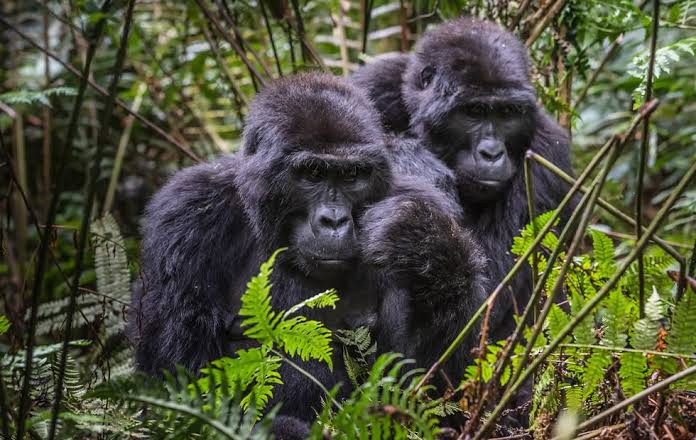
Are you planning a trip to Uganda and wondering if gorilla trekking comes standard on every safari? While standard Uganda wildlife safaris typically focus on savannah game drives and boat cruises, gorilla trekking is usually a specialized addition due to permit requirements and distinct park locations. Here is everything you need to know about how gorilla trekking fits into Uganda itineraries, permit fees, and how to seamlessly combine big game viewing with mountain gorilla encounters.
3-days-affordable-uganda-budget-gorilla-trekking-via-kigali
3-day-budget-gorilla-trekking-safari-in-uganda
2-days-affordable-budget-uganda-safari-to-queen-elizabeth-national-park
2-days-budget-uganda-safari-to-murchison-falls-park
4-days-budget-queen-elizabeth-park-and-chimpanzee-tracking-in-kalinzu-forest
6-days-budget-uganda-safari-and-gorilla-trekking
7-days-budget-uganda-safari-tour-package
10-days-luxury-uganda-gorilla-trekking-safari-and-big-five-safari-vacation
9-days-luxury-gorilla-and-uganda-safari-tour-package
8-days-luxury-uganda-wildlife-safari-tour-package
4-days-luxury-gorilla-trekking-safari-in-bwindi-fly-in-all-inclusive-tour
4-days-luxury-murchison-falls-and-jinja-uganda-safari-vacation
Why It Is Separate
- Different Habitats: Standard wildlife safaris usually focus on savannah national parks like Queen Elizabeth or Murchison Falls for game drives. Gorilla trekking happens in dense mountain forests like Bwindi Impenetrable National Park or Mgahinga Gorilla National Park.
- Permit Requirements: Gorilla trekking requires a special, high-demand permit issued by the Uganda Wildlife Authority that costs $800 for foreign non-residents. This fee is rarely bundled into baseline wildlife packages because of strict quotas and separate pricing.
How to Ensure It Is Included
- Check the Itinerary: Look for explicit mentions of Bwindi or Mgahinga and specific line items for gorilla permits.
- Request a Custom Package: Tour operators can combine savannah game drives with gorilla trekking into an extended multi-day trip
Is gorilla trekking automatically included in general Uganda safari packages?
Standard Uganda wildlife packages do not include gorilla trekking by default. Baseline itineraries focus primarily on classic savannah game drives and boat cruises in accessible national parks like Queen Elizabeth or Murchison Falls. Gorilla trekking takes place in dense rainforest regions requiring specialized logistics, ranger escorts, and dedicated permits issued directly by the Uganda Wildlife Authority. Because the activity has distinct logistical demands and substantial individual costs, tour operators structure basic wildlife safaris and gorilla expeditions as separate offerings. Travelers can easily request customized combination itineraries that weave both savannah game viewing and gorilla trekking into a single cohesive journey, but it must be intentionally requested rather than assumed as a standard inclusion.
Why do basic safari packages exclude gorilla trekking permits by default?
Basic safari packages exclude gorilla trekking permits to keep core itineraries accessible, flexible, and affordable for diverse traveler budgets. A single gorilla trekking permit carries a regulated cost of USD 800 for foreign non-residents, which often equals or exceeds the entire cost of a short multi-day savannah safari. If operators automatically built permit fees into every standard itinerary, baseline trip prices would rise sharply, pricing out travelers who prefer classic game viewing or shorter road trips. Separating permit fees allows travelers to opt in based on their specific budget, physical interest, and travel timeline without paying for premium permits upfront.
Which national parks in Uganda host gorilla trekking expeditions?
Gorilla trekking in Uganda takes place exclusively across two southwestern protected areas: Bwindi Impenetrable National Park and Mgahinga Gorilla National Park. Bwindi contains roughly half of the world's remaining mountain gorilla population, divided into four distinct administrative sectors—Buhoma, Ruhija, Rushaga, and Nkuringo—each hosting several habituated gorilla families. Mgahinga covers the slopes of three Virunga volcanoes and hosts the Nyakagezi gorilla family. Both parks preserve high-altitude, dense tropical rainforest ecosystems that provide essential sanctuary for the endangered primates, offering distinct trekking landscapes and terrain for adventure travelers.
How far in advance should gorilla trekking permits be secured?
Securing gorilla trekking permits 3 to 6 months in advance is strongly recommended, particularly when planning travel during peak dry seasons from June to September and December to February. The Uganda Wildlife Authority strictly limits permits to eight daily visitors per habituated gorilla group to prevent environmental degradation and minimize stress on the animals. During busy travel months, permit inventory sells out rapidly across popular sectors. Booking well in advance guarantees your space on specific dates, allows your ground operator to reserve nearby lodging, and ensures smooth overall trip planning.
How does gorilla trekking differ from a standard savannah game drive?
A savannah game drive involves traversing open grasslands or woodland tracks inside a 4x4 safari vehicle to view wildlife like lions, elephants, and giraffes from a safe distance. In contrast, gorilla trekking is an active, on-foot rainforest excursion through dense, high-altitude terrain. Led by professional wildlife authority rangers and trackers, trekkers navigate steep, unpaved slopes and thick vegetation using hand tools to locate habituated mountain gorilla families in their natural habitat. The physical engagement, dense forest atmosphere, and intimate close-range interaction make trekking a fundamentally different experience than vehicle-based game viewing.
What physical fitness level is required for gorilla trekking?
Gorilla trekking requires a moderate to good level of physical fitness, as the activity involves active hiking through rugged forest environments. Traversing Bwindi or Mgahinga involves climbing steep, muddy slopes, stepping over thick root systems, and navigating dense foliage at elevations ranging between 1,100 and 2,600 meters. Hikes can last anywhere from one hour to over six hours depending on the gorilla family's overnight movements. While you do not need to be an elite athlete, taking regular cardio walks or light hill training prior to your trip helps ensure a comfortable, rewarding trek.
How much time do trekkers get to spend with mountain gorillas?
Once rangers locate the habituated gorilla family, trekkers are allowed exactly one hour of direct observation time. This strict time limit is enforced by wildlife authorities to minimize human disturbance, preserve the gorillas' natural foraging and social behaviors, and reduce potential exposure to human-borne pathogens. During this hour, guests can quietly observe feeding, grooming, and social dynamics from a safe distance, take non-flash photographs, and ask their guide questions before gently withdrawing from the site.
Can gorilla trekking be combined with chimpanzee tracking on one trip?
Combining mountain gorilla trekking with chimpanzee tracking is a popular primate safari structure in Uganda. While mountain gorillas live in the high-altitude forests of Bwindi or Mgahinga, chimpanzees inhabit lowland and mid-altitude canopy forests like Kibale National Park, Kalinzu Forest, or Queen Elizabeth National Park's Kyambura Gorge. A multi-day route typically connects Kibale Forest for chimpanzee tracking with Bwindi for gorilla trekking, supplemented by classic game drives along the scenic transit routes to create a comprehensive primate and wildlife safari.
What is the minimum age limit for trekking mountain gorillas?
The strict official minimum age limit for mountain gorilla trekking in Uganda is 15 years old. Park authorities enforce this age requirement at morning briefing sessions to safeguard young travelers and protect gorilla health. Young children may struggle with the physical demands of grueling hikes, unpredictable terrain, or remaining calm when close to wild silverbacks. Additionally, children carry higher statistical exposure to communicable childhood illnesses that could prove hazardous to gorilla populations.
What packing gear is essential for a gorilla trekking safari?
Essential gear includes broken-in waterproof hiking boots with ankle support and good grip for steep, slippery trails. Wear lightweight, moisture-wicking long-sleeved shirts and long trousers tucked into socks to guard against stinging nettles and insects. Gardening gloves are recommended for gripping forest vines during steep climbs. Bring a waterproof rain jacket or poncho, insect repellent, a brimmed hat, a lightweight daypack, reusable water bottles, and camera equipment without flash capability.
Do safari operators like Roads of Adventure Safaris customize hybrid itineraries?
Ground operators like Roads of Adventure Safaris specialize in designing customized hybrid itineraries that unite savannah game drives, river boat safaris, and primate tracking into a single journey. Experienced local operators manage complex ground logistics—such as securing permits from the Uganda Wildlife Authority, pairing regional flights or 4x4 transfers, and reserving eco-lodges near park gates—ensuring an efficient route that minimizes transit time while maximizing game viewing and primate encounters across Uganda's national parks.
Is gorilla trekking safe for international tourists?
Gorilla trekking is a highly structured and safe activity. Every official excursion is led by licensed Uganda Wildlife Authority rangers and armed park escorts trained in wildlife safety, wilderness first aid, and forest navigation. Habituated gorilla groups are familiar with human presence and remain calm under ranger supervision. Strict safety protocols, compulsory pre-trek briefings, and regulated observer distances keep visitors and wildlife secure throughout the forest hike.
What happens if a tourist is sick on the day of the trek?
Because gorillas share over 98% of human DNA, they are highly vulnerable to human respiratory infections like colds, flu, and viruses. Park regulations require anyone displaying signs of contagious illness to report their condition before the trek begins. Visitors who voluntarily report illness are protected under conservation health policies, allowing wildlife authorities to reschedule the trek or evaluate permit partial refund options to protect wild gorilla health.
Are porters available to help tourists during the trek?
Local porters are available for hire at park briefing centers before every trek. Porters carry daypacks, assist travelers across slippery slopes or steep inclines, and offer physical balance support along challenging sections. Hiring a porter directly supports surrounding forest communities by providing fair wages, assisting families, and fostering local support for park conservation efforts while easing your physical trail burden.
How close can tourists get to the mountain gorillas?
Park regulations mandate maintaining an official distance of at least 7 meters (roughly 23 feet) from gorillas at all times. This buffer zone reduces stress on the animals and minimizes disease transmission risks. While tourists must never actively approach the primates, wild gorillas may occasionally walk closer on their own accord; in such instances, guides instruct trekkers to remain calm, stay still, and let the animals pass naturally.
What is the best time of year to trek mountain gorillas in Uganda?
The best time for gorilla trekking is during the dry seasons, which run from June to September and December to February. During these months, trails are less muddy, rainforest paths are easier to navigate, and rain showers are less frequent. However, because Bwindi and Mgahinga are tropical rainforests, rain can occur at any time, and trekking operates successfully year-round.
What is the difference between gorilla trekking and gorilla habituation?
Standard gorilla trekking involves visiting a fully habituated gorilla family for one hour alongside seven other visitors. The Gorilla Habituation Experience allows a smaller group of up to four visitors to accompany researchers and trackers for up to four hours with a gorilla group undergoing the multi-year process of becoming comfortable around humans, offering deeper insights into ape behavior.
How do gorilla permit fees contribute to local communities?
Permit fees directly fund wildlife conservation and surrounding community development. A mandatory percentage of revenue collected by the Uganda Wildlife Authority is distributed to local administrative districts bordering Bwindi and Mgahinga. These funds construct schools, health clinics, roads, and clean water points, transforming local residents into active partners in protecting forest habitats.
Can travelers complete gorilla trekking on a short weekend trip?
Yes, travelers can complete a condensed 3-day gorilla trek departing from Kampala or Entebbe. Alternatively, flying via domestic charter or scheduled flights directly into nearby airfields like Kihihi or Kisoro cuts transit time, allowing guests to land, complete their gorilla trek the following morning, and return quickly without long overland drives.
Is photography allowed during gorilla trekking?
Photography is permitted and encouraged during the encounter, provided flash setting functions are turned off completely. Sudden bright flashes startle wild animals and can trigger defensive or aggressive behavior from silverbacks. Photographers should bring weather-sealed camera gear, fast lenses suited for low rainforest lighting, and protective rain covers.
Are meals and drinking water provided on trekking days?
Lodges supply guests with packed lunches and energy snacks to carry in their daypacks on trekking mornings. Visitors are responsible for carrying adequate drinking water—at least two liters per person—in reusable containers to stay hydrated during humid rainforest hikes.
How are gorilla permits booked through a ground operator?
Ground operators access the official Uganda Wildlife Authority booking system to check real-time permit availability across park sectors. Once travel dates and client passport details are submitted, the operator reserves the permits, processes payments, secures physical permit vouchers, and builds the rest of the safari logistics around confirmed trekking dates.
What should you do if a silverback gorilla charges or makes noise?
If a silverback gorilla charges or displays dominance, follow ranger instructions immediately. Crouch down slowly, lower your head to show submission, keep low, and avoid direct eye contact or sudden movements. Never run, scream, or raise your arms, as running triggers a chase instinct in wild primates.
Are ground transfers between savannah parks and gorilla parks long?
Driving transfers between Queen Elizabeth National Park and Bwindi Impenetrable National Park typically take between four to six hours depending on the specific sector. These scenic transit drives travel through rolling hills, agricultural terraces, and rural towns, breaking up journey time with landscape views.
Do lodges near Bwindi cater to premium and budget travelers alike?
Bwindi's four trekking sectors feature a broad spectrum of accommodation options. Offerings range from high-end luxury eco-lodges offering private butler services and forest views to comfortable mid-range safari lodges, clean budget camps, and community-run guesthouses located near park headquarters.
Can elderly or mobility-impaired visitors experience gorilla trekking?
Yes, elderly or mobility-impaired travelers can participate using sedan chairs carried by team porters. Arranged in advance at park gates, these custom stretcher chairs allow guests to be safely carried through rainforest terrain directly to the gorilla viewing site and back.
What wildlife might you see during a gorilla trek in Bwindi?
While trekking for gorillas in Bwindi, visitors frequently spot other wildlife, including L'Hoest's monkeys, black-and-white colobus monkeys, forest squirrels, and colorful endemic bird species native to the Albertine Rift Valley, alongside diverse plant life.
Why are mountain gorillas not found in zoos anywhere in the world?
Mountain gorillas cannot survive in captivity; historical attempts to house them in zoos failed due to stress, dietary complications, and susceptibility to human illnesses. They thrive exclusively within their native high-altitude mountain forests in East Africa.
How does Uganda's gorilla trekking experience compare to Rwanda's?
Uganda offers lower permit costs ($800 USD versus $1,500 USD in Rwanda) and greater overall forest habitat across two distinct national parks. Rwanda features shorter transit times from its international airport to Volcanoes National Park, while Uganda provides broader combination safaris that connect savannah game drives with ape tracking.
Why is including gorilla trekking worth the extra cost on a safari?
Including gorilla trekking offers a rare, memorable encounter with one of humanity's closest living relatives in an untouched rainforest setting. Permit fees directly finance critical habitat protection, anti-poaching ranger patrols, and community development projects, ensuring that your trip contributes to mountain gorilla conservation.
Booking Uganda wildlife safaris with us Roads of Adventure safaris
You can book a custom wildlife tour directly through Roads of Adventure Safaris by contacting their team via email at info@roadsofadventuresafaris.com or calling +256 701041637
