Uganda is a premier wildlife destination in 2026, distinguished by its unique combination of savannah safaris and world-class primate trekking. The best time to visit is during the dry seasons from June to September and December to February, when wildlife viewing is at its peak and forest trails are more accessible.
3-days-fly-in-uganda-gorilla-habituation-africa-safari-tour-package
2-days-best-gorilla-trekking-safari-tour-via-kigali-to-bwindi-impenetrable-forest-park
3-days-gorilla-trekking-safari-and-lake-bunyonyi-relaxation-itinerary
3-days-affordable-uganda-budget-gorilla-trekking-via-kigali
4-days-ultimate-gorilla-and-uganda-safari-and-chimpanzee-tracking
4-days-ultimate-gorilla-and-uganda-safari-and-chimpanzee-tracking
4-days-uganda-gorilla-safari-with-golden-monkey-tracking-from-rwanda
4-days-luxury-gorilla-trekking-safari-in-bwindi-fly-in-all-inclusive-tour
5-days-gorilla-and-uganda-safari-and-golden-monkey-trekking-tour-from-kigali
5-days-un-matched-uganda-gorilla-safari-and-chimpanzee-tour-itinerary
6-days-gorilla-and-uganda-safari-to-see-big-five
7-day-ultimate-uganda-primate-safari-chimpanzees-and-game-drives
19-days-incredible-uganda-safari-tour-big-five-chimpanzees-and-mountain-gorillas
14-days-uganda-and-rwanda-safari-tour-itinerary
12-days-perfect-rwanda-uganda-gorilla-trekking-safari-holiday-vacation
What unique wildlife experiences define a Uganda wildlife safari?
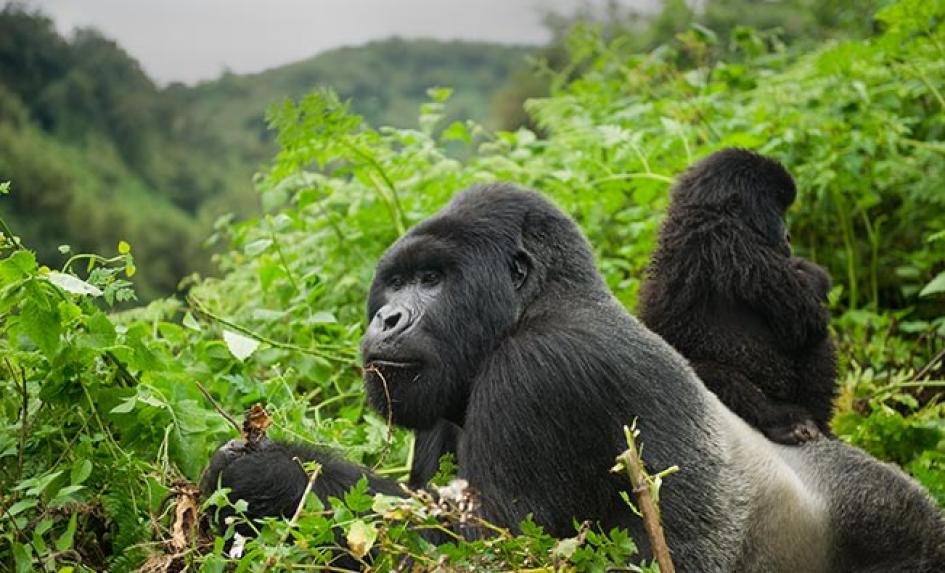
A Uganda wildlife safari offers a wealth of unique experiences that distinguish it from other safari destinations. One of the most iconic is gorilla trekking in Bwindi Impenetrable National Park. Tracking the critically endangered mountain gorillas through dense forests is a profoundly intimate encounter, leaving travelers with a newfound appreciation for wildlife conservation. Witnessing these gentle giants in their natural habitat is a once-in-a-lifetime experience.
Additionally, Uganda is home to chimpanzees, which can be observed in their natural environment in parks like Kibale National Park. Chimp trekking offers a thrilling opportunity to see our closest relatives up close, learning about their social structures and behaviors.
Uganda also boasts a chance to see the Big Five—lion, leopard, elephant, rhinoceros, and buffalo—but with a twist. Travelers can admire tree-climbing lions in Queen Elizabeth National Park, an unusual behavior not often seen elsewhere. This park is also rich in biodiversity, including over 600 bird species, making it a paradise for birdwatchers.
The unique combination of mountain gorillas, chimpanzees, the Big Five, and incredible landscapes—from the Rwenzori Mountains to the Nile River—makes a Uganda wildlife safari a diverse and enriching experience. Each adventure unfolds with opportunities for cultural interaction, offering insights into the lives of local communities who contribute to wildlife conservation efforts. In essence, Uganda offers a smorgasbord of thrilling wildlife experiences, fostering a deep connection between travelers and nature while promoting the importance of conservation.
When is the best time for a Uganda wildlife safari?
The best time for a Uganda wildlife safari largely hinges on the country’s distinct dry seasons, which generally run from June to August and December to February. These months offer the best conditions for wildlife viewing as the animals congregate around water sources, significantly improving your chances of spotting them.
During the dry season, hiking trails in national parks become more accessible, which is crucial for activities such as gorilla trekking and chimpanzee tracking. The trails are less muddy, and the visibility in tropical forests allows for a more enjoyable experience. Furthermore, many bird species are active during these months, making it excellent for birdwatchers.
The shoulder months of September to November and March to May are considered the rainy seasons. While you will encounter fewer tourists, it is advisable to prepare for muddy hiking conditions. However, these months can yield lush landscapes and invigorated wildlife activity, offering photographers breathtaking scenes of flora and fauna.
In summary, the optimal time for a Uganda wildlife safari depends on your specific interests. If gorilla trekking or wildlife viewing is a priority, scheduling your trip during the dry seasons will enhance your experience, ensuring memorable wildlife encounters and comfortable travel conditions throughout this lush and vibrant country.
How much does a Uganda wildlife safari typically cost?
The cost of a Uganda wildlife safari can vary widely based on several factors, including the duration of your trip, type of accommodation, and specific activities chosen. Generally, a Uganda safari can range from $300 to $700 per person per day, depending on your preferences for luxury and adventure.
Budget travelers may opt for basic accommodations and shared safari activities, which can bring costs down. Mid-range options often include comfortable lodges or tented camps that offer meals and guided tours, leading to costs averaging $400 to $600 daily. For those seeking a luxury experience, high-end lodges and exclusive tours can push the daily cost upwards of $700 or more, offering indulgent amenities and personalized services.
It's essential to factor in gorilla trekking permits, one of the most significant expenses of a Uganda safari, which currently cost around $700 per person. The price of the permit allows for a limited one-hour encounter with the mountain gorillas, a highlight for many visitors.
Transport costs, such as private vehicles or domestic flights within the country, may add to your overall expenses. Planning your itinerary carefully and consulting with reputable tour operators can help you budget effectively, ensuring you take advantage of the incredible experiences Uganda has to offer while keeping an eye on costs.
Is a Uganda wildlife safari safe for solo travelers or families?
Yes, a Uganda wildlife safari is generally safe for both solo travelers and families, though taking certain precautions is advisable to enhance safety and enjoyment. Uganda is known for its hospitality and friendliness, making it a welcoming destination for tourists.
For solo travelers, joining group safaris or booking tours with reputable operators adds an additional layer of safety. Familiarizing yourself with the local culture and customs is also beneficial for a positive experience. It's wise to remain aware of your surroundings and to keep valuables secure while traveling.
Families will find numerous family-friendly lodges and safari operators offering tailored experiences suitable for younger travelers. Many accommodations provide amenities like cribs or child-friendly menus, and activities can be adapted based on the family's age and interests.
Healthcare access in Uganda varies by region; therefore, travelers should ensure they are well-informed about health precautions, including malaria prophylaxis and vaccinations. Carrying basic first-aid supplies is also a good idea.
Despite being generally safe, it's essential to adhere to safety guidelines during wildlife encounters, especially during gorilla trekking or other activities involving animals. Following your guide's instructions ensures a secure experience while fostering a deeper appreciation for Uganda's incredible wildlife.
In summary, with the right precautions and considerations, a Uganda wildlife safari can be a safe and enriching adventure for both solo travelers and families alike, creating unforgettable memories in the stunning landscapes of this beautiful country.
What are the essential health requirements for a Uganda wildlife safari?
When planning a Uganda wildlife safari, it's crucial to be aware of essential health requirements to ensure a safe and enjoyable experience. One of the most critical vaccinations recommended is the Yellow Fever vaccine, especially if you are traveling from or through countries where the disease is endemic. Proof of vaccination may be needed upon entry into Uganda.
In addition to Yellow Fever, consider getting vaccinated for Hepatitis A and B, Typhoid, and Tetanus. These vaccinations help protect against diseases that can be contracted through contaminated food and water or via injuries while hiking.
Malaria prevention is also vital during your safari. Uganda is a malaria-endemic country, and travelers are advised to take prophylactic medication before, during, and after their visit. Alongside medication, using insect repellent and wearing long sleeves and trousers during evening hours can help mitigate the risk.
Consulting a healthcare professional or travel clinic in advance is essential to discuss your travel itinerary and determine which vaccinations or medications are necessary based on your specific needs.
Additionally, carrying a basic first-aid kit with essential supplies, including antiseptics, pain relievers, and any personal medications, can be beneficial during your travels. Staying hydrated and maintaining proper hygiene while eating is also crucial to minimize health risks during your wildlife adventure.
In summary, implementing these health precautions enhances your safety and well-being, allowing you to fully enjoy the breathtaking landscapes and wildlife that Uganda has to offer.
How do I book permits for gorilla trekking on a Uganda wildlife safari?
Booking permits for gorilla trekking in Uganda is a crucial step in planning your wildlife safari, and it typically involves working with reputable tour operators or the Uganda Wildlife Authority (UWA). The gorilla trekking permits are highly sought after, so it’s essential to plan ahead and secure your spot well in advance.
- Tour Operators: Many travelers choose to book through established tour operators who specialize in Uganda safaris. These operators can include the cost of the gorilla trekking permits in their package, handling all arrangements and ensuring that the necessary permits are secured for you.
- Uganda Wildlife Authority (UWA): Alternatively, permits can also be purchased directly from the UWA. It’s essential to check the UWA's website for availability and pricing, as permits can sell out quickly, especially during peak trekking seasons.
- Payment and Confirmation: Once you choose a method, secure your permit with the required payment method, which often includes options like wire transfer or credit card. Generally, you will receive a confirmed reservation via email.
- Documentation: Ensure you have all necessary documentation on hand when trekking, including your permit and identification. Trekking groups are limited in size to minimize environmental impact, so adhering to regulations and guidelines enhances the experience.
Booking gorilla trekking permits is vital for experiencing one of life’s most remarkable encounters. Whether through a tour operator or directly with the UWA, early planning ensures that you can immerse yourself in the beauty of Uganda’s mountain gorillas with all arrangements in place.
What’s the minimum age for gorilla trekking on a Uganda wildlife safari?
The minimum age for gorilla trekking in Uganda is 15 years. This age limit is established primarily for safety reasons, as trekking can be physically demanding and may involve long hikes through challenging terrain. The thrill of encountering these magnificent creatures requires a level of maturity and physical capability that younger children may not possess.
Travelers aged 15 and above are allowed to participate in gorilla trekking, and the age requirement is strictly enforced. Families planning to include gorilla trekking in their safari should make arrangements in advance, ensuring that all participants meet this age guideline.
Tour operators often offer age-appropriate alternatives for younger children or family members who do not meet the age requirement. These alternatives may include wildlife viewing in national parks, cultural visits, or other related activities designed to provide great experiences while still enjoying Uganda’s biodiversity.
It’s worth noting that many lodges and accommodations cater to families, providing comfortable amenities for all ages. Families can involve children in discussions that promote wildlife conservation and create shared experiences around Uganda’s beautiful landscapes.
Ultimately, adhering to the age requirement ensures a safe and enjoyable experience while maximizing the opportunity to appreciate the wonders found in Uganda’s rich natural environment.
What should I pack for a Uganda wildlife safari?
Packing for a Uganda wildlife safari involves careful consideration of both comfort and functionality to ensure you are prepared for diverse activities and changing weather conditions. Here’s a comprehensive list of essential items to include in your safari packing list:
- Clothing: Opt for lightweight, breathable clothing in neutral colors such as khaki, olive, and brown to blend into the environment. Include long-sleeved shirts and long pants for sun protection and to guard against insect bites, especially during evening hours.
- Layers: Mornings and evenings can be cool, so pack layers such as a light fleece or jacket. A waterproof rain jacket is crucial, especially during the rainy season, to keep you dry during unexpected downpours.
- Footwear: Comfortable hiking boots are essential for walking safaris and trekking to see gorillas or chimpanzees. Also consider packing sandals for downtime at lodges.
- Accessories: Don’t forget a wide-brimmed hat to shield against the sun, sunglasses with UV protection, and a daypack for carrying essentials during excursions.
- Gear: A quality camera with a zoom lens is essential for capturing wildlife moments, while binoculars enhance wildlife viewing opportunities.
- Health and Hygiene: Insect repellent, sunscreen, and a basic first-aid kit with any personal medications are essential items for health protection during your trip.
- Hydration: A reusable water bottle will help you stay hydrated, while snacks can be handy during long outings.
Packing thoughtfully ensures you’re well-prepared for all the adventures Uganda has to offer, from trekking through lush forests to relaxing amidst stunning wildlife scenery. The right gear contributes to a comfortable and enjoyable safari experience.
How physically demanding is a Uganda wildlife safari, especially gorilla trekking?
The physical demand of a Uganda wildlife safari can vary depending on the specific activities you choose, with gorilla trekking being one of the more physically challenging experiences.
Gorilla trekking requires trekking through hilly terrain and dense forests, often at high altitudes. Hikers may encounter steep paths, slippery ground, and thick vegetation, all of which demand a reasonable level of fitness and stamina. The trekking duration can range from 30 minutes to several hours, depending on the location of the gorillas at the time of your trek. Some participants find it challenging, but the experience of encountering these majestic creatures often makes the effort worthwhile.
In addition to gorilla trekking, safaris usually include activities like game drives, boat safaris, and nature walks, which are generally less physically demanding. Game drives are conducted in comfortable vehicles, allowing you to enjoy wildlife sightings without extensive physical exertion.
For families or individuals concerned about the physical demands of trekking, it’s advisable to inform your tour operator about your fitness levels. Many operators provide various trekking options tailored to different fitness levels, ensuring enjoyable experiences for all participants.
In summary, while gorilla trekking can be physically demanding, it is manageable for most people with moderate fitness. Preparing adequately and discussing your capabilities with your guides will enhance your enjoyment of Uganda's breathtaking wildlife and landscapes.
What wildlife can I expect in Queen Elizabeth National Park during a Uganda wildlife safari?
Queen Elizabeth National Park is one of Uganda’s most diverse and popular national parks, renowned for its rich wildlife and stunning landscapes. Visitors can expect to encounter a variety of animal species, making it a highlight of any Uganda wildlife safari.
One of the park’s most unique features is its population of tree-climbing lions, which can often be seen lounging in fig trees, a behavior not commonly observed in other regions. These lions present excellent photographic opportunities as they nap above the ground, showcasing their remarkable adaptability.
Additionally, the park is home to large herds of elephants, buffalo, and a variety of antelope species, including Uganda kob and waterbuck. The varied habitats of the park, including savannah, wetlands, and forests, foster a wide array of wildlife.
The park is also famous for its boat safaris along the Kazinga Channel, where visitors can enjoy close encounters with hippos, crocodiles, and numerous bird species, including the African fish eagle and various waterfowl. Birdwatching enthusiasts will delight in spotting over 600 bird species that inhabit the park.
In summary, Queen Elizabeth National Park offers a wealth of wildlife experiences, from tree-climbing lions to diverse flora and fauna in scenic landscapes. Whether on game drives or boat safaris, the park is an excellent destination for observing Uganda's rich biodiversity and creating unforgettable memories in the natural world.
What wildlife is seen in Murchison Falls on a Uganda wildlife safari?
Murchison Falls National Park is one of Uganda’s largest and most spectacular wildlife reserves, known for its breathtaking landscapes and diverse animal populations. While exploring this park, visitors can expect to see a range of wildlife, including several members of the Big Five.
- Lions: Murchison Falls is home to thriving lion populations, which can often be spotted on game drives, particularly during early morning or late afternoon when they are most active.
- Elephants: Large herds of elephants traverse the park, providing impressive sightings, especially along the banks of the Nile River.
- Leopards: While they are more elusive, leopards can also be seen, particularly at dusk or dawn, making nighttime game drives a thrilling experience.
- Buffalo: Vast herds of Cape buffalo roam the savannah, and they are often seen grazing in groups near water bodies.
- Rhinos: Although they are not found in the park itself, a visit to the Ziwa Rhino Sanctuary, located en route to Murchison Falls, allows visitors to see the endangered white rhino in a protected environment.
Murchison Falls is not only about the Big Five; the park also boasts diverse wildlife, including antelope species such as Uganda kob and oribi, as well as various primates like chimpanzees and remarkable bird species—over 450 species have been recorded in the park. A boat trip along the Nile River provides close encounters with hippos, crocodiles, and birdlife, adding to the overall experience.
In conclusion, Murchison Falls National Park offers visitors an exciting opportunity to encounter a vast array of wildlife amidst breathtaking scenery, making it a must-visit destination on a Uganda wildlife safari.
Can I see rhinos on a Uganda wildlife safari?
Yes, you can see rhinos on a Uganda wildlife safari, specifically at the Ziwa Rhino Sanctuary. This sanctuary is dedicated to the conservation of the endangered white rhinoceros and plays a critical role in rhino restoration efforts in Uganda.
Located about halfway between Kampala and Murchison Falls National Park, Ziwa offers guided tours where visitors can observe these magnificent animals in a controlled environment. The sanctuary is home to approximately 30 rhinos, allowing travelers a unique opportunity to see them up close while learning about conservation efforts and challenges faced by these magnificent creatures.
The sanctuary offers well-structured rhino trekking experiences, allowing visitors to walk through the bush and view rhinos in their natural habitats while maintaining a respectful distance. Great care is taken to ensure both the safety of visitors and the welfare of the animals.
While Ziwa Rhino Sanctuary is the only place in Uganda where you can encounter rhinos, many visitors combine a trip to the sanctuary with a broader wildlife safari, including visits to national parks like Murchison Falls or Queen Elizabeth National Park. Doing so provides a well-rounded experience of Uganda’s diverse wildlife, making for a memorable adventure.
In summary, a visit to Ziwa Rhino Sanctuary not only allows you to see rhinos in Uganda but also contributes to vital conservation efforts. This unique experience is an enriching aspect of Uganda’s wildlife safari that emphasizes the importance of protecting endangered species.
- What kind of accommodation is available on a Uganda wildlife safari? (Lodges, camps, budget to luxury)
- How do I get around during a Uganda wildlife safari? (Safari vehicles, internal flights)
- Do I need a visa for a Uganda wildlife safari? (Yes, check requirements)
- What currency is used, and can I use cards on a Uganda wildlife safari? (UGX, USD widely accepted, cards less so)
- What unique cultural experiences can I add to a Uganda wildlife safari? (Village visits, local tribes)
- How long should a typical Uganda wildlife safari last? (7-14 days common)
- Are there birding opportunities during a Uganda wildlife safari? (Excellent, 1000+ species)
- What are the rules for gorilla trekking during a Uganda wildlife safari (time, distance)? (Strict rules for gorilla safety)
Booking Uganda wildlife safari with us Roads of Adventure safaris
Book your unforgettable Uganda wildlife safari with Roads of Adventure Safaris! We specialize in creating tailor-made itineraries that immerse you in the stunning landscapes and diverse wildlife of Uganda. Experience the thrill of gorilla trekking, explore vibrant national parks, and encounter unique wildlife, including the Big Five. Our expert guides ensure a seamless and enriching adventure for families and solo travelers alike. Start your journey with us today and create lasting memories in the heart of Africa!
