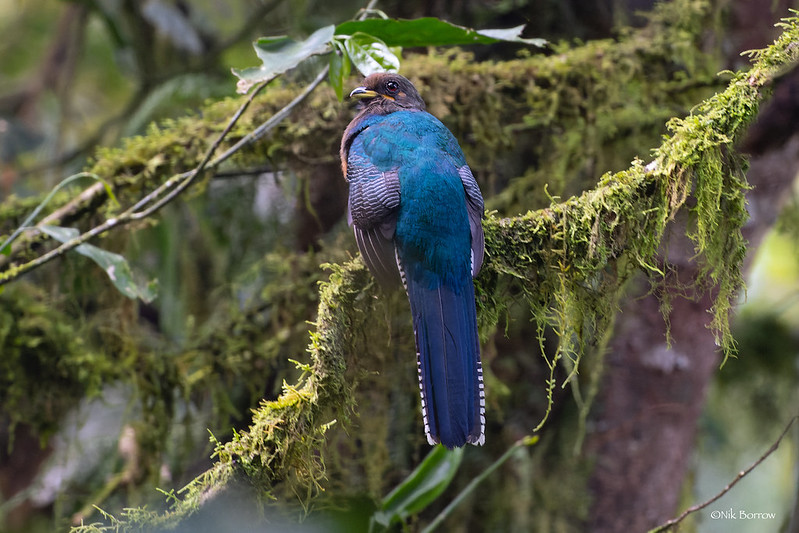
Bwindi Impenetrable National Park is a premier African birding destination, hosting over 360 species, including 23 Albertine Rift endemics like the rare Grauer’s Broadbill and Shelley’s Crimsonwing. A 7–15-day safari typically combines specialized birding in Mubwindi Swamp/Buhoma with gorilla trekking, best visited from December-February or June-July
Most popular Uganda birding tour packages
25-days-complete-uganda-birding-safari-extravaganza-with-wildlife-viewing
22-days-best-uganda-primate-and-birding-safari-adventure
21-days-uganda-birding-safari-extravaganza-to-best-uganda-safari-parks
20-days-uganda-birding-safari-to-uganda-national-park
20-days-uganda-birding-safari-wildlife-gorilla-and-chimpanzee-tracking
14-days-classic-uganda-birding-safari-expedition
12-days-uganda-birding-tour-looking-for-rift-valley-endemic-birds-west-circuit
10-days-best-uganda-birding-safari-and-wildlife-experience
Key Birding Locations in Bwindi impenetrable forest park
Ruhija Sector (Mubwindi Swamp)
Ruhija’s Mubwindi Swamp is one of Bwindi Impenetrable National Park’s highest-value birding sites, famed for its concentration of Albertine Rift endemics and cloud-forest specialists. The swamp is a montane bog and a mosaic of wetland, bamboo, and montane forest edge, creating microhabitats that support species found nowhere else in East Africa. Standout targets here include Grauer’s Broadbill — a canopy-dwelling, chunky, olive-green bird that is notoriously localized yet reliably recorded in the Mubwindi area — and the spectacular Rwenzori Turaco, whose rich green, red and blue plumage and distinctive calls mark it as a highlight for any birder. Mountain Masked Apalis and other apalises and warblers inhabit the scrubby edges and secondary growth around the swamp. Bird activity in Mubwindi is typically highest in the early morning when clouds lift and dawn chorus peaks; late afternoon can also be productive as birds re-emerge after mid-day quiet. Because the area sits at relatively high elevation, weather can change rapidly — bring waterproofs and warm layers, and be prepared for mist that lowers visibility but can concentrate birds at lower strata. Guided walks on the Mubwindi trails range from gentle to steep and often involve boardwalks across boggy sections; experienced local guides and trackers are invaluable for locating skulking species and interpreting subtle vocalizations. Photographers should note dense canopy cover and often low light; steady support (tripod or monopod) and fast glass help. For birders prioritizing Albertine Rift endemics, a pre-dawn start, several hours of focused observation, and patience at the swamp margins will often yield prize species and memorable mixed flocks.
Buhoma Sector (Main Trail / Waterfall Trail)
Buhoma—Bwindi’s most visited sector—hosts accessible trails that traverse lower-altitude impenetrable forest and transitional zones, producing a rewarding mix of forest specialists and edge species. The Main Trail and Waterfall Trail around Buhoma are especially productive for lower-altitude forest birds: vigorous dawn walks often produce Yellow-streaked Greenbul, which habitually sings from midstorey perches, and the melodious Red-throated Alethe, a secretive understorey thrush-like bird that shows well on quiet paths. The Blue-throated Roller, a striking, fast-moving canopy species that favors open forest gaps and edges, can be seen and heard hawking for insects along ride-lines and clearings. Buhoma’s trails are comparatively gentle and well-marked, making them suitable for birders of many fitness levels; the network of paths allows repeat visits at different times of day to catch species that may be inactive at dawn. Early morning is prime for mixed-species flocks, which often include various barbets, sunbirds and apalises; these flocks can move quickly, so a keen ear and an agile guide are essential. The Waterfall Trail’s blend of streamside habitat, shaded gullies and small clearings creates diverse vantage points for both understorey and canopy species; insectivores, flycatchers and woodpeckers are commonly encountered. Weather in Buhoma is typically warmer and less misty than higher sectors, but rain showers can be sudden — bring waterproof layers and protect optics. For photographers and beginners, Buhoma offers excellent chances for clear views and approachable birds, while more experienced listers will appreciate the subtle vocal differentiation among similar forest species.
Bamboo Zone (High-altitude trail)
Bwindi’s Bamboo Zone occupies the higher-elevation band where dense stands of high bamboo intermix with montane forest and heathland — a specialized habitat that supports unique and often range-restricted species. Walking the high-altitude bamboo trails, birders search for bamboo specialists and shy montane endemics that exploit the tall, cane-like stems and the dense undergrowth. The structure of bamboo habitat favors skulking species and those adapted to a vertical, cluttered environment: calls often reveal a bird’s presence before it is seen, and careful listening and slow, methodical movement are essential. The cooler temperatures at these elevations mean birds can be most active in the mid-morning when sunlight penetrates canopy gaps, though early mornings remain productive for vocal activity. Species typical of bamboo and adjacent montane forest include secretive warblers, some localized apalises, and species that may be more common in bamboo than in broadleaf forest; mixed feeding flocks traverse the bamboo edges and can contain surprising additions. Trails through bamboo can be narrow and steep with uneven footing, so sturdy footwear and trekking poles can make exploration safer and more comfortable. Cloud and mist are frequent at altitude — pack warm layers and waterproofs and protect camera gear against moisture. Local guides who know microhabitats and vocal repertoires greatly increase detection rates; their knowledge of scratchy calls or subtle wing noises often turns a frustrating search into a rewarding encounter. For committed birders chasing montane or bamboo-associated species, several hours in the Bamboo Zone — with patience and a good guide — can produce rare, distinctive sightings that are emblematic of Bwindi’s highland birding charm.
Top Target Bird Species
Grauer’s Broadbill
Grauer’s Broadbill (Pseudocalyptomena graueri) is one of Africa’s most enigmatic and sought-after birds, endemic to the Albertine Rift highlands. It inhabits mature montane and sub-montane forest with tall canopy and rich epiphyte growth—habitats found in parts of Bwindi, Nyungwe, and other Albertine Rift forests. The broadbill is relatively chunky with a short tail and broad bill; plumage is predominantly olive-green with subtle patterning that blends into the canopy. It is typically encountered in the upper canopy, often as part of mixed-species flocks, though its habit of moving quietly through the foliage makes it hard to see well. Vocalizations are soft, high-pitched and can be mistaken for other canopy species; skilled local guides often locate Grauer’s Broadbill by song or by following the movements of mixed flocks that it joins. Conservation-wise, the species is vulnerable due to restricted range and ongoing forest loss and fragmentation in the Albertine Rift. For birders, spotting Grauer’s Broadbill rewards patience, a sharp ear, and early-morning canopy observation. Photographic opportunities are challenging, so many consider a clear view—rather than a perfect photo—to be the benchmark of success.
Shelley’s Crimsonwing
Shelley’s Crimsonwing (Cryptospiza shelleyi) is a small, striking finch restricted to montane forest and bamboo zones in the Albertine Rift. This elusive, shy species is distinguished by rich crimson plumage on the belly and rump in males (females are duller), contrasting with darker olive-brown upperparts. It favors dense undergrowth, bamboo tangles, and forest edges—microhabitats where it forages for seeds and small insects. Sightings are often brief and at low levels; Shelley’s Crimsonwing tends to flit between cover, making acoustic detection and careful, patient searching essential. The species is of high conservation concern due to its localized distribution and preference for threatened montane habitat. Best chances occur during calm, dry conditions when birds may venture into slightly more open vegetation; guided walks in known localities (e.g., parts of Bwindi and nearby Albertine Rift forests) increase success rates. For birders, the crimsonwing’s vivid colors and rarity make any encounter memorable; experienced guides use subtle clues—chip notes, feeding signs and preferred bamboo stands—to find this secretive gem.
Dusky Crimsonwing
Dusky Crimsonwing (Cryptospiza jacksoni) is a scarce, secretive finch of montane and sub-montane forest understorey in the Albertine Rift region. Compared with Shelley’s Crimsonwing, the dusky crimsonwing is generally darker and less vividly colored, with more subdued reddish tones and heavier streaking; it favors deep cover within bamboo and dense undergrowth. Its behavior is furtive—moving quietly in small parties while feeding on grass seeds and small invertebrates—so sightings require focused, low-level searching and an ear for its soft contact calls. The species is strongly associated with intact montane habitat; as such it is sensitive to habitat degradation and fragmentation. Birders aiming for Dusky Crimsonwing should plan early-morning visits to known bamboo belts and persist through quiet periods when flocks may emerge. As with many understorey specialists, detection is often opportunistic—following mixed feeding
How many bird species can I see on a Uganda birding safari tour in Bwindi Impenetrable Park?
Bwindi Impenetrable National Park is one of Africa’s premier birding destinations, with well over 350 recorded species—an exceptional total for a single protected area. This remarkable richness arises from the park’s location within the Albertine Rift, a biodiversity hotspot where montane, submontane and lowland forest types meet. Among those species are 23 of Uganda’s 24 Albertine Rift endemics, a concentration of range-restricted birds found largely in the Rift’s highland forests. The park’s vertical relief—ranging from lower valley forest up through bamboo and montane zones—creates many ecological niches; species that prefer canopy fruiting trees, dense understorey, riparian corridors, or bamboo stands can all be found within relatively short distances. For visiting birders this means that high overall species totals are achievable in a compact area, especially if you allocate multiple days to explore different sectors (e.g., Ruhija, Buhoma, Nkuringo and Ruhija’s Mubwindi Swamp). The mix includes flamboyant frugivores (turacos and broadbills), secretive understorey specialists (crimsonwings, bush-shrikes), forest raptors and a wide assemblage of sunbirds, warblers and barbets. Because Bwindi supports both resident endemics and seasonal migrants, your checklist can vary by season; many birders aim for multi-day trips to maximize the chance of seeing rare and localized species. The park’s conservation importance and the presence of multiple habitat types in close proximity make Bwindi a top choice for birders who want to record a large, high-quality suite of forest species in Uganda.
What are the top "must-see" birds during a Uganda birding safari tour in Bwindi Impenetrable Park?
Bwindi’s must-see list reads like a who’s-who of Albertine Rift specialities and rare forest dwellers. The African Green Broadbill is often the number-one prize: a stunning, chunky canopy bird with a unique call and extremely limited global range, best sought at Mubwindi Swamp (Ruhija). Grauer’s Broadbill is another top canopy target, equally prized for its rarity and distinct appearance. Shelley’s Crimsonwing (and the related Dusky Crimsonwing) are small, brightly colored finches of bamboo and dense understorey—difficult to find but unforgettable when seen. The Handsome Francolin is a ground-dwelling forest bird that rewards careful listening and patient, low-level searching near trails. Regal Sunbird brings brilliant iridescent color to montane flower patches and is easier to photograph when flowering shrubs are in bloom. Other high-priority species include the Bar-tailed Trogon—an arresting mid-canopy bird that sits motionless and camouflaged—and the White-starred Robin, a vocal understorey specialist with a strikingly patterned breast. The Rwenzori Turaco, with its flamboyant crest and loud calls, is a classic Albertine Rift highlight. Together, these species represent a mix of canopy color, understorey skulks and ground-dwelling rarities; they require a combination of early starts, patient searching, knowledgeable local guides and a willingness to spend time in different elevation bands and microhabitats. For many birders, ticking off these targets in Bwindi is the culmination of a dedicated Albertine Rift birding itinerary.
When is the best time to book a Uganda birding safari tour in Bwindi Impenetrable Park?
Bwindi is a productive birding destination year-round, but the timing of a visit should reflect your priorities—walking conditions, migrants, and specific target species. The generally recommended windows are the two drier periods: December–February and June–August. During these months trails are typically firmer and less slippery, making the steep, rugged routes through forest, bamboo and swamp more straightforward. Weather is also kinder to photographers and those averse to persistent mist. If your main goal is logistics and easy access to known hotspots like Mubwindi Swamp, the dry seasons are often best. Conversely, the wetter seasons (March–May and September–November) have their own advantages: rainfall stimulates fruiting and flowering in montane forests, often concentrating frugivores and nectarivores (e.g., sunbirds and turacos) and enhancing the display behaviors of some species. Migratory birds arrive mainly between November and April, and this window can add several palearctic and African migrants to your checklist. Keep in mind that high-elevation sites can be misty and cool even in dry months; morning cloud lift can concentrate birds near lower strata, so flexible daily planning helps. Also consider local event timing (e.g., lodge availability, national holidays) and read recent trip reports or consult local guides for up-to-date information about flowering patterns and recent sighting hotspots. Finally, if you are combining gorilla trekking with birding, work with operators to schedule permits and excursions to ensure both activities receive adequate time.
Which sectors are best for a Uganda birding safari tour in Bwindi Impenetrable Park?
Bwindi is divided into sectors—Ruhija, Buhoma, Nkuringo and Rushaga—each with distinct habitat and birding strengths. Ruhija is widely regarded as the top sector for specialist birders because it encompasses Mubwindi Swamp and higher-elevation forest where many Albertine Rift endemics concentrate; targets like the African Green Broadbill, Grauer’s Broadbill and several crimsonwings are most reliably found here. Buhoma, the park’s most visited and accessible sector, offers excellent lower-altitude forest birding with well-maintained trails (Main Trail, Waterfall Trail) and good chances for species such as Bar-tailed Trogon, White-starred Robin and various forest barbets; Buhoma is also convenient for combining birding with gorilla trekking logistics. Nkuringo and Rushaga in the south offer superb montane forest and bamboo habitat at lower visitor density, often rewarding patient birders with both canopy and understorey specialties, and sometimes providing quieter conditions to find shy species. Each sector has microhabitats—streamside corridors, bamboo belts, ridgelines and forest edge—that favor different species, so most committed birders plan multi-sector visits. Access and trail difficulty vary: Ruhija and higher bamboo areas are steeper and cooler; Buhoma trails are gentler. Coordinate with licensed UWA guides familiar with sector-specific vocalizations and seasonal movements to optimize your chances.
Is a guide required for a Uganda birding safari tour in Bwindi Impenetrable Park?
Yes—birding in Bwindi must be done with a licensed guide, and using an experienced local birding guide is strongly recommended. The Uganda Wildlife Authority regulates park access and requires that visitors be accompanied by a park-approved guide or ranger for safety, conservation and management reasons. From a birding perspective, local guides are invaluable: they know the park’s trails, the microhabitats where target species are typically detected, and crucially they recognize subtle vocalizations and behavior cues that reveal skulking or canopy species. Many Albertine Rift endemics are cryptic, have limited ranges, or are most often heard rather than seen—so an expert guide can convert fleeting sounds into confirmable sightings by pointing the group to the likely location and interpreting movement patterns. Guides also handle logistics (permits, park regulations, safe group conduct in rugged terrain) and often know recent sighting records, flowering or fruiting trees, and times of day when particular species are active. For specialized birding, consider hiring a guide with ornithological experience or working through birding tour operators who provide accredited birding guides; these guides may also help with checklists and arranging multi-sector visits. Using a local guide maximizes safety, minimizes disturbance to wildlife, and substantially increases your odds of seeing Bwindi’s most sought-after birds.
What is the significance of Mubwindi Swamp for a Uganda birding safari tour in Bwindi Impenetrable Park?
Mubwindi Swamp, high in the Ruhija sector, is one of Bwindi’s most significant birding microhabitats and a focal point for Albertine Rift endemic species. This montane bog and adjacent mosaic of bamboo, montane forest and damp edge habitats creates an ecological niche favored by several range-restricted birds. Most famously, Mubwindi is one of the most reliable sites in Bwindi for locating the African Green Broadbill—a highly localized, canopy-inhabiting species of immense interest to birders. The swamp’s patchy, open-canopy areas and fruiting canopy trees attract frugivores and mixed-species flocks, drawing in species such as Rwenzori Turaco and various sunbirds and barbets. The unique combination of altitude, moisture and vegetation structure concentrates both canopy and understorey specialists in a compact area, increasing the odds of encountering multiple endemics within a single morning. Weather at Mubwindi can be changeable—mist and heavy cloud are common—so early starts and flexible timing help; occasional boardwalks or muddy sections require sturdy boots. For birders focused on Albertine Rift endemics, Mubwindi often forms the core of a Ruhija-based day and is best visited with a guide who knows the swamp’s typical flock movements, favorite fruiting trees and recent records.
What should I pack for a Uganda birding safari tour in Bwindi Impenetrable Park?
Packing for Bwindi requires balancing comfort, protection and functionality for rugged montane forest birding. Essentials include quality binoculars (8x42 or 10x42 recommended) and, if you’re photographing, a camera with a telephoto lens or a spotting scope for distant canopy subjects. Sturdy, waterproof hiking boots with good ankle support are crucial—many trails are steep, uneven and become muddy. Lightweight, quick-dry clothing in neutral colors (olive, khaki, brown) helps avoid startling birds; long sleeves and trousers protect against insects and thorny undergrowth. A dependable waterproof jacket and a warm mid-layer are advised: mornings are cool and the weather can change rapidly at altitude. Insect repellent (DEET-based or effective alternatives) and anti-malarial precautions (consult your health provider) are important in forested, tropical zones. Carry a reusable water bottle, high-energy snacks, and a small daypack with waterproof cover; a headlamp or small torch is useful if you start early. Protect optics with raincovers and microfibre cloths to manage moisture. A field guide (or offline app) and a notebook for checklists will enhance the experience. For comfort, consider trekking poles, sunscreen, a sunhat and a lightweight first-aid kit. Finally, bring copies of permits, identification and contact details for your guide or lodge—these practicalities smooth logistics in remote sectors.
Are there any age restrictions for a Uganda birding safari tour in Bwindi Impenetrable Park?
Uganda Wildlife Authority (UWA) and many tour operators apply age-related guidelines for activities in Bwindi, primarily for gorilla trekking, but these often influence other in-park activities such as birding too. Gorilla permits typically restrict children under 15 from trekking, and while birding is less physically demanding and may not carry the same strict age limits, many guides and lodges advise caution when involving young children due to steep, rugged terrain, slippery trails and the need for long, early-morning excursions. Practically, children under 12 are often discouraged from official guided activities because safety and attention requirements can be higher; some operators state a minimum age for walking safaris or require parental supervision and tailored shorter routes. If you are traveling with children, discuss plans with your operator or lodge in advance: many can arrange shorter, gentler birding walks close to Buhoma or lodge gardens where children can safely experience birds without long treks. For family groups with capable older children or adolescents, multi-day birding that includes less strenuous sectors can work well. Always confirm age policies with your guide and the park authority when booking to ensure compliance with current regulations and for the best safety recommendations.
Can I combine gorilla trekking with a Uganda birding safari tour in Bwindi Impenetrable Park?
Yes—combining gorilla trekking and birding in Bwindi is a popular and highly rewarding option, and many visitors structure itineraries that dedicate separate days to each activity. Gorilla trekking is logistically managed via UWA-issued permits with fixed start times and locations, often requiring an early pick-up and a morning trek that can last several hours. For birders, pairing a gorilla trekking day with adjacent days focused solely on birding makes sense: the best birding times are early morning and late afternoon, and dedicating distinct days prevents fatigue and allows you to tailor each day to its purpose (quiet, slow searching for birds vs. the physically demanding gorilla trek). Buhoma is particularly well suited for this combination because it provides accessible birding trails near gorilla trekking starting points; Ruhija and other sectors can be added for endemic-focused days. Guides can coordinate schedules so you use downtime before or after a trek for short birding walks or for exploring lodge grounds that attract species. Practically, ensure adequate rest between strenuous treks and active birding days; consider altitude and weather, and book gorilla permits well in advance to avoid scheduling conflicts. Combining both experiences yields a rich Uganda visit—intimate primate encounters and world-class Albertine Rift birding—provided activities are sequenced thoughtfully.
How long does a typical day on a Uganda birding safari tour in Bwindi Impenetrable Park last?
A standard full day of birding in Bwindi runs 6–8 hours in the field, usually starting before or at dawn and finishing in the late morning or late afternoon to coincide with peak bird activity. Typical scheduling would be an early-morning start (often before sunrise or at first light) for 3–4 hours of intensive birding when birds are most vocal and visible, followed by a return to lodge for mid-day rest to avoid the less active and wetter period. Many birders then head back out for a 2–3 hour late-afternoon session when birds re-emerge and raptors or mixed flocks become active again. Half-day options (3–4 hours) are common for guests with limited time, while serious birders typically spend 2–5 days exploring multiple sectors and microhabitats to maximize species lists. Multi-day trips allow repeat visits to promising sites at different times of day, which is crucial for locating cryptic understorey species and canopy dwellers that are active at specific windows. Bear in mind that terrain influences pace—steep, muddy trails can slow progress—so allow buffer time for slow moving mixed-species flocks and patient playback-free observation. Guides often structure days to include breaks, hydration and time for photography, and will adapt start times to weather (e.g., waiting for cloud lift at higher elevations).
What are the rules for photography during a Uganda birding safari tour in Bwindi Impenetrable Park?
Photography in Bwindi is allowed and widely practiced, but it must comply with park rules that prioritize animal welfare and habitat protection. For birding, standard etiquette applies: avoid disturbing or flushing birds for a photo, maintain a respectful distance (especially around nesting sites), and never use playback or recorded calls to attract birds—UWA discourages playback because it stresses birds and can alter natural behavior. Use of flash within close proximity can startle birds and should generally be avoided for naturalistic shots. When photographing in mixed groups, be mindful of noise and movements that may disrupt others’ viewing. For gorilla photography (if combined with gorilla trekking), stricter rules exist: maintain the minimum required distance from gorillas, follow the guide’s instructions, and avoid sudden movements and flash; gorilla permits specify that only a set group size at a time may visit a gorilla family. For sensitive or rare species, your guide may recommend extra caution; some guides limit the number of photographers near specific perches to reduce disturbance. Respect private property and lodge rules for photography in gardens or community areas. Drones are generally not permitted in national parks without explicit permission and are discouraged due to wildlife disturbance and privacy concerns. Finally, consider ethical practices: delete extraneous playback recordings, share images with local guides where appropriate, and follow any additional guidance your operator supplies to ensure photography remains low-impact and sustainable.
What are the costs involved in a Uganda birding safari tour in Bwindi Impenetrable Park?
Costs vary depending on trip length, guide level, accommodation standards, and permits. The main fixed park-related expenses include the Uganda Wildlife Authority (UWA) birding or park entrance fees and any special permits required for certain activities; these vary by nationality (foreign non-resident, resident or East African rates differ) and may change annually, so check current UWA rates before travel. If you combine birding with gorilla trekking, note that gorilla permits are a substantial separate cost and must be purchased well in advance. Additional costs include licensed guide fees (many birders hire specialised birding guides or ornithologists), transport to and within the park (4x4 transfers or domestic flights to Kihihi/Kisoro airstrips), boat or specialized excursions if arranged, and accommodation (options range from budget to luxury lodges). Meals, gratuities, park ranger/porter fees (if used), equipment hire and any community or cultural visit fees are extra. Multi-day guided birding packages from tour operators often include all logistics—transport, guiding, park fees and accommodation—so compare inclusive package pricing against an itemized DIY approach. Expect higher per-day costs for expert birding-guides, luxury lodges, and peak-season travel; conversely, budget options and shared group tours reduce per-person rates. Always request a detailed quote and confirm what is included to avoid unexpected expenses.
What is the terrain like during a Uganda birding safari tour in Bwindi Impenetrable Park?
Bwindi’s terrain is steep, rugged and highly variable—one of the factors that both attracts unique bird communities and makes the park physically challenging. The forest sits on steep slopes, deep valleys and ridgelines with dense vegetation, including large trees, tangled understorey and extensive bamboo belts at higher elevations. Trails range from well-maintained paths near Buhoma to narrow, muddy, and challenging routes in higher sectors and bamboo zones. Boardwalks and small bridges exist across swampy sections like Mubwindi, but many routes require frequent stepping over roots, negotiating wet rocks, and climbing short but sometimes strenuous inclines. Weather greatly influences trail conditions: rain can turn footpaths slippery and treacherous, while dry spells improve footing but may cause dust in lower sectors. Because many target species occupy distinct vertical zones (canopy, midstorey, understorey, bamboo), expect to move slowly, often in low light under closed canopy. Good balance, stamina and appropriate footwear are essential; trekking poles are helpful on steep descents and ascents. If you have limited mobility, discuss route options with guides—some trails are gentler and more accessible for shorter walks or lodge-based birding. Overall, Bwindi offers world-class montane birding, but it demands respect for the terrain and a reasonable level of fitness.
Are there migratory birds to see on a Uganda birding safari tour in Bwindi Impenetrable Park?
Yes—Bwindi receives migratory visitors, with most seasonal movement occurring between November and April. Migrants include Palearctic species (those that breed in Europe and Asia and overwinter in Africa) and intra-African migrants that shift altitudinally or regionally with seasons. While the park’s primary appeal lies in resident Albertine Rift endemics and montane specialists, the arrival of migrants can augment species lists and add interest to multi-day trips. Migratory species may use Bwindi’s forest edges, clearings, and riparian corridors while passing through or during non-breeding months; examples reported across Ugandan montane parks include flycatchers, warblers, cuckoos (e.g., Common Cuckoo), and raptors like the Black Kite. Migration timing, abundance and species composition vary annually with broader climatic conditions and habitat availability. For birders who target both residents and migrants, scheduling a trip between November and April increases the chance of encountering additional transient species, while the drier seasons remain best for trail conditions. Local guides and recent trip reports are valuable for current migrant records, since their presence can be ephemeral and influenced by weather and ecological factors in the wider region.
What is the best way to get to your Uganda birding safari tour in Bwindi Impenetrable Park?
Travellers reach Bwindi by road or by air. By road, the trip from Kampala typically takes 8–9 hours by 4x4 vehicle (depending on traffic, road conditions and chosen route), and is a scenic drive that passes through western Uganda towns; many tour operators provide door-to-door transfers or multi-day overland itineraries that include stops en route. For quicker access, domestic flights are available from Entebbe/Kampala to nearby airstrips such as Kihihi (for Buhoma/Rushaga/Nkuringo access) or Kisoro (for Nkuringo/Rushaga sectors), cutting travel time significantly—flights are typically 1–1.5 hours. From the airstrip you will arrange a short road transfer to your lodge. Road access within the park and to trailheads often requires a sturdy 4x4, particularly in the rainy season when tracks become slippery. When combining birding with other destinations in Uganda (e.g., Queen Elizabeth, Kibale, or Murchison Falls), plan logistics carefully: multi-day overland circuits are efficient and popular. Whichever route you choose, pre-arrange transfers with your operator or lodge to ensure timely arrival, as schedules for guides and permits are tightly managed and trailhead start times are often early.
What are the rules for photography during a Uganda birding safari tour in Bwindi Impenetrable Park?
(Repeated/expanded) Photography in Bwindi is permitted but must follow rules that protect wildlife welfare and visitor safety. For bird photography: keep a respectful distance, avoid disrupting birds or their nests, and never use recorded calls to attract or harass birds. Flash use is discouraged as it can startle and stress animals—use natural light and higher ISO settings instead. If combining birding with gorilla trekking, follow strict protocols: maintain the required distance from gorillas, follow guide instructions, and do not use flash or loud noises; also minimize close approaches and never feed wildlife. Drones are generally prohibited in national parks without explicit UWA permission due to disturbance and safety concerns. Always obtain consent before photographing people, and respect community areas and private property. Guides will advise on species-specific sensitivities; for example, photographers should avoid crowding perches of rare birds to prevent flushing. Keep battery backups and memory cards handy to avoid fussing in the field. When in doubt, prioritize animal welfare over a photo—ethical behavior ensures long-term access and sustainable birding opportunities.
What is the best way to combine Bwindi birding with other Ugandan destinations?
Bwindi is commonly combined with nearby western Uganda parks and activities to create rich multi-day itineraries. A popular circuit links Bwindi with Queen Elizabeth National Park (for savannah birding, Kazinga Channel boat trips and tree-climbing lions), Kibale Forest (for chimpanzee trekking and forest birding), and Lake Mburo (for wetlands and papyrus specialists). Many travelers fly into Entebbe or Kampala, spend a few days in the central/western circuit—e.g., Kibale for primates and then Queen Elizabeth for plains birds and mammals—and then transfer to Bwindi for several days focused on montane endemics and gorilla trekking. Domestic flights to Mbarara or Kihihi and short road transfers save time for those with limited schedules. Allow sufficient time in Bwindi (at least 2–3 days) to cover multiple sectors and combine birding with a gorilla trek if desired. Work with experienced operators to sequence permits (gorilla permits must be booked early), match lodge locations to target species, and optimize travel logistics to reduce long daily drives. This combined approach yields a diverse Uganda safari: primates, raptors and waterbirds, savannah species, and the Albertine Rift forest specialists that define Bwindi’s world-class birding appeal.
Booking Uganda birding safari with us Roads of Adventure safaris
Book your unforgettable Uganda birding safari with Roads of Adventure Safaris, experts in tailoring itineraries featuring over 1,065 species, including the Shoebill Stork and Albertine Rift endemics. We offer expert-led, customized tours across top spots like Bwindi, Mabamba Swamp, and Murchison Falls. Our packages include seamless 4x4 logistics, comfortable accommodations, and knowledgeable guides, with options to combine birding with gorilla tracking. Contact us today to create your bespoke, high-value birding adventure in the Pearl of Africa.
