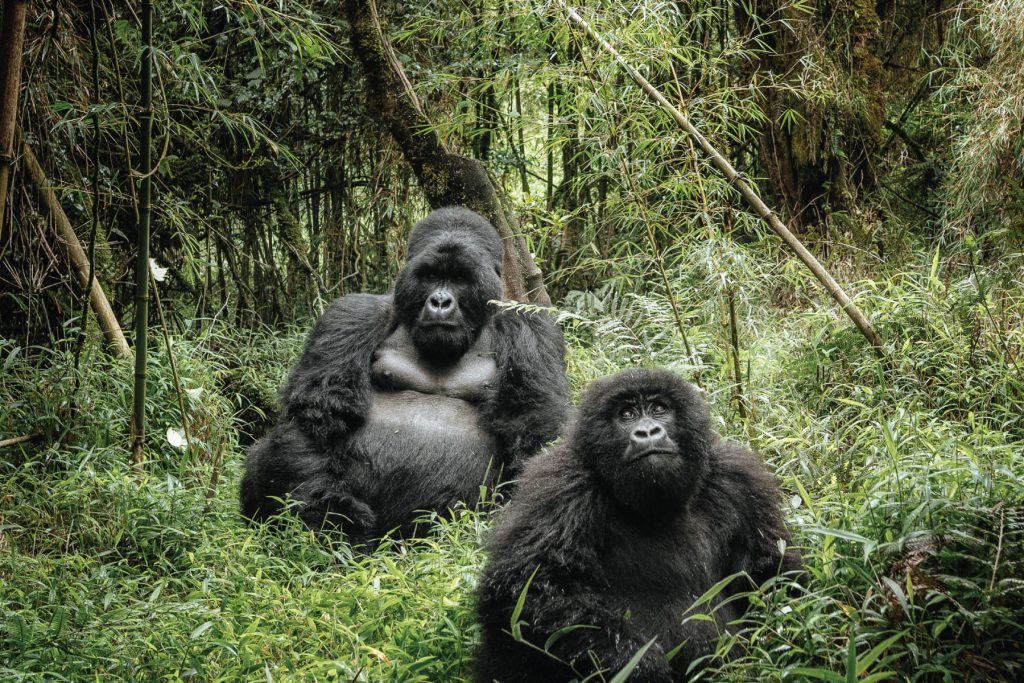
Mgahinga Gorilla National Park is Uganda's smallest national park, located in the southwestern corner on the border with Rwanda and the Democratic Republic of Congo. Known as the place "where silver meets gold" due to the presence of both mountain gorillas and golden monkeys, the park is part of the larger Virunga Conservation Area and is home to three extinct volcanoes
3-days-mgahinga-gorilla-park-batwa-and-lake-bunyonyi
3-days-fly-in-uganda-gorilla-habituation-africa-safari-tour-package
2-days-best-gorilla-trekking-safari-tour-via-kigali-to-bwindi-impenetrable-forest-park
3-days-gorilla-trekking-safari-and-lake-bunyonyi-relaxation-itinerary
3-days-affordable-uganda-budget-gorilla-trekking-via-kigali
4-days-ultimate-gorilla-and-uganda-safari-and-chimpanzee-tracking
4-days-ultimate-gorilla-and-uganda-safari-and-chimpanzee-tracking
4-days-uganda-gorilla-safari-with-golden-monkey-tracking-from-rwanda
4-days-luxury-gorilla-trekking-safari-in-bwindi-fly-in-all-inclusive-tour
5-days-gorilla-and-uganda-safari-and-golden-monkey-trekking-tour-from-kigali
5-days-un-matched-uganda-gorilla-safari-and-chimpanzee-tour-itinerary
6-days-gorilla-and-uganda-safari-to-see-big-five
7-day-ultimate-uganda-primate-safari-chimpanzees-and-game-drives
19-days-incredible-uganda-safari-tour-big-five-chimpanzees-and-mountain-gorillas
14-days-uganda-and-rwanda-safari-tour-itinerary
12-days-perfect-rwanda-uganda-gorilla-trekking-safari-holiday-vacation
Where is Mgahinga Gorilla National Park located?
Mgahinga Gorilla National Park is located in the southwestern corner of Uganda, near the borders with Rwanda and the Democratic Republic of Congo. Encompassing an area of approximately 33 square kilometers (about 13 square miles), the park is part of the larger Virunga Conservation Area, which consists of several protected areas across the three countries. Mgahinga is renowned for its stunning landscapes, featuring rolling hills, lush forests, bamboo thickets, and the striking backdrop of the Virunga Mountains, which include the volcanic peaks of Mount Sabinyo, Mount Gahinga, and Mount Muhavura. These mountains play a vital role in the ecological balance of the region, as they support diverse flora and fauna, including the critically endangered mountain gorillas. The park’s unique geography and climatic variations contribute to its rich biodiversity, making it a hotspot for eco-tourism and wildlife conservation. Situated approximately 14 kilometers from the border town of Kisoro, the park is accessible by road or air, offering convenient options for visitors eager to explore its natural beauty and unique wildlife.
How do I get to Mgahinga Gorilla National Park from Kampala?
Traveling to Mgahinga Gorilla National Park from Kampala takes around 8 to 10 hours by road, covering a distance of approximately 532 kilometers (about 330 miles). The most common route involves driving through Mbarara and Kisoro, with well-maintained roads that pass through picturesque landscapes, including lush hills and scenic villages. For those seeking a quicker option, scheduled domestic flights are available from Entebbe International Airport to Kisoro Airstrip, significantly reducing travel time. Upon arrival at Kisoro, a short transfer by vehicle will take you to the park entrance, where your adventure begins. It's advisable to start early in the day to take advantage of daylight and to consider a guided tour for added convenience and local expertise. Along the way, travelers can enjoy breathtaking views of the Rwandan hills and picturesque tea plantations, making the journey as enjoyable as the destination. Whether traveling by road or air, planning ahead ensures a smooth and pleasant arrival at Mgahinga Gorilla National Park, allowing visitors to maximize their time exploring this remarkable natural habitat.
What is the best time to visit Mgahinga Gorilla National Park?
The best time to visit Mgahinga Gorilla National Park is during the dry seasons, which typically run from June to August and December to February. During these months, the trails are less muddy, making trekking conditions more favorable for visitors hoping to encounter the mountain gorillas. The likelihood of spotting wildlife is enhanced, as animals are more active and easier to locate during drier periods. However, the park remains open year-round, and visiting during the wet seasons can also offer unique experiences, such as lush greenery and vibrant flora. While rain can make the trails slippery, it also attracts fewer tourists, promising a more intimate and personal trekking experience. Each season presents its own set of advantages; therefore, understanding the climate trends and visitor patterns can help you plan the ideal time for your visit. Ultimately, whether you choose to trek in the dry season or the wet, Mgahinga Gorilla National Park offers a unique and immersive opportunity to connect with nature and witness the incredible wildlife that resides within its borders.
How much does a gorilla trekking permit cost in Mgahinga Gorilla National Park?
As of July 2024, the cost of a gorilla trekking permit in Mgahinga Gorilla National Park is structured based on residency. Foreign non-residents are charged $800 per permit, while foreign residents pay $700. East African citizens benefit from a more affordable fee of UGX 300,000. These permits are essential for tracking the habituated Nyakagezi gorilla family and contribute to conservation efforts, helping to protect these endangered creatures and their habitat. Gorilla trekking permits are in high demand, and securing one in advance is crucial, especially during peak tourist seasons when availability can be limited. It is advisable to plan your visit well in advance and book your permits through authorized tour operators or the Uganda Wildlife Authority to ensure a smooth experience. The fee not only permits access to the gorillas but also supports local communities and conservation initiatives, ensuring the long-term survival of mountain gorillas in the wild. Understanding this cost structure helps visitors appreciate the financial implications and importance of responsible tourism in supporting the ecosystem.
How many habituated gorilla families are in Mgahinga Gorilla National Park?
Mgahinga Gorilla National Park is home to only one habituated gorilla family known as the Nyakagezi group. This unique family consists of several individuals, including mature silverbacks, adult females, and juveniles. The Nyakagezi group is notable for its transboundary movements, frequently crossing into neighboring Rwanda. This behavior adds an extra layer of intrigue to the trekking experience, as visitors may encounter gorillas in different geographical contexts. The intention behind habituating this group is to allow researchers and tourists to observe their behaviors and interactions in a controlled, minimally invasive manner. Because there is only one habituated group available for tracking, permits can sell out quickly, particularly during peak seasons, making it essential to plan and book well in advance. The Nyakagezi group’s intimate familiarity with human presence makes gorilla trekking in Mgahinga a special experience, providing insights into their natural behaviors, social dynamics, and conservation efforts aimed at ensuring their survival.
Can I see golden monkeys in Mgahinga Gorilla National Park?
Yes, Mgahinga Gorilla National Park is the only place in Uganda where you can track the endangered golden monkeys. These vibrant and playful primates are known for their distinctive golden fur and habituation to humans, making them a delightful sight for visitors. Golden monkey tracking is typically organized as a guided experience, allowing visitors to observe their social behavior in their natural forest habitat. The best time for tracking golden monkeys is similar to that of gorilla trekking, during the dry seasons from June to August and December to February, as the trails are more manageable for hikers. This unique opportunity complements the gorilla trekking experience, offering a different perspective on Uganda’s rich biodiversity. The importance of conserving both golden monkeys and mountain gorillas is emphasized through permit fees and tourism, which support local conservation initiatives. Engaging with knowledgeable guides during the trek enhances understanding of these primates’ biology, behavior, and ecological significance, making it a rewarding experience for both casual visitors and wildlife enthusiasts alike.
Which volcanoes can I hike in Mgahinga Gorilla National Park?
Mgahinga Gorilla National Park is renowned for its stunning volcanic landscapes, offering visitors the opportunity to hike three prominent extinct volcanoes: Mount Sabinyo, Mount Gahinga, and Mount Muhavura. Each of these mountains presents unique trekking experiences, catering to a range of skill levels and preferences. Mount Sabinyo, the most challenging of the three, stands at 3,669 meters (12,362 feet) and involves a fun trek through montane forests with rewarding panoramic views of the surrounding areas upon reaching the summit. Hikers often enjoy the thrill of standing on the border point where Uganda, Rwanda, and the Democratic Republic of Congo converge. Mount Gahinga, at 3,474 meters (11,398 feet), features a more moderate hiking trail that leads through bamboo forests to an impressive volcanic crater filled with a swamp. Finally, Mount Muhavura, the highest of the trio at 4,127 meters (13,540 feet), appeals to more experienced hikers seeking a rewarding challenge with stunning vistas. Each hike immerses trekkers in the park’s rich biodiversity, making it a memorable adventure for visitors wishing to explore the stunning landscapes and ecological diversity of Mgahinga Gorilla National Park.
What is the minimum age for gorilla trekking in Mgahinga Gorilla National Park?
The minimum age requirement for participants in gorilla trekking in Mgahinga Gorilla National Park is set at 15 years. This age limit is instituted to ensure that younger visitors are physically capable of handling the trekking demands and understand the significance of maintaining quiet and respectful behavior around the gorillas. The trek can lead visitors through rugged and sometimes steep terrain, requiring both physical endurance and mental maturity to follow guide instructions closely to ensure the safety of both trekkers and the gorillas. Children under the age of 15 are discouraged from participating due to these concerns. This policy helps safeguard the wellbeing of the habituated gorilla families and ensures a more enjoyable experience for all participants. It encourages responsible tourism by emphasizing respect for wildlife interactions. Families who wish to experience the park should plan accordingly, potentially engaging in alternate activities, such as visiting the Batwa people or exploring the park’s scenic landscapes, until all members are of appropriate trekking age.
How long does a gorilla trek in Mgahinga Gorilla National Park take?
A gorilla trek in Mgahinga Gorilla National Park can vary significantly in duration, typically lasting anywhere from 2 to 8 hours depending on the gorillas' location that day. The trekking time can be influenced by several factors, including the gorilla family's movement patterns, weather conditions, and the terrain encountered along the way. Visitors are briefed by experienced guides before starting the trek, which provides essential information on what to expect and preparation for the hike. Trekkers should come equipped with sturdy hiking boots and rain gear, as the trek can be physically demanding and conditions can change rapidly. The experience is not only about reaching the gorillas but also about enjoying the surrounding flora and fauna during the journey. As you make your way through lush forests and bamboo groves, you may encounter various wildlife, enhancing the overall adventure. While the trek can be challenging, the opportunity to observe gorillas in their natural habitat, coupled with the stunning landscapes, makes every effort worthwhile. The experience culminates in a one-hour visit with the gorillas, allowing visitors to observe these magnificent creatures up close.
What should I pack for a trip to Mgahinga Gorilla National Park?
When preparing for a trip to Mgahinga Gorilla National Park, selecting the right gear is crucial to ensure a comfortable and enjoyable experience. Essential items to pack include sturdy hiking boots, as the trails can be steep, muddy, and uneven. Additionally, long-sleeved shirts and pants are recommended to protect against thorny bushes and insects. Rain gear, such as waterproof jackets and ponchos, is vital, especially during the wetter months when conditions can be unpredictable. Insect repellent is another important item, particularly for preventing mosquito bites during treks. Garden gloves can also be helpful, providing grip and protection while navigating through dense vegetation. Binoculars, a camera, and extra batteries should also be on your packing list, as the park offers spectacular wildlife viewing opportunities. A reusable water bottle is essential to stay hydrated during hikes, and snacks can provide a quick energy boost. Lastly, be sure to carry necessary documents, such as your trekking permits and identification. Preparing in advance with these essentials will enable a smooth and enjoyable visit to Mgahinga Gorilla National Park, allowing you to focus on the incredible experiences awaiting you in this unique environment.
Is there a limit on time spent with gorillas in Mgahinga Gorilla National Park?
Yes, there are strict regulations regarding the time visitors can spend in the presence of gorillas in Mgahinga Gorilla National Park, with a limit of one hour once the gorillas have been located. This restriction aims to minimize stress on the animals and allows them to maintain their natural behavior without prolonged human interference. During this one-hour encounter, visitors are typically allowed to observe the gorillas, take photographs, and appreciate their interactions in a respectful manner. Guides emphasize the importance of staying quiet and following all instructions to ensure both the safety of the trekkers and the well-being of the gorillas. This limited duration also contributes to the overall sustainability of gorilla tourism, preventing disturbance that could affect their natural habitat and behaviors. The hour spent with these incredible creatures is designed to foster appreciation for conservation efforts and the importance of protecting endangered species. Understanding these guidelines enhances visitors' experiences, allowing them to reflect on the significance of their encounter and the broader environmental initiatives in place to protect gorillas in the wild.
What is the Batwa Trail in Mgahinga Gorilla National Park?
The Batwa Trail is a unique cultural experience offered in Mgahinga Gorilla National Park, allowing visitors to learn about the rich heritage and traditional lifestyles of the indigenous Batwa people. Historically, the Batwa were hunter-gatherers living in the forests of the area until the establishment of the park led to their displacement. The trail is guided by knowledgeable Batwa elders, who share their stories, customs, and survival skills gained from centuries of living in harmony with the forest. As visitors journey through the lush landscapes, they may have the chance to see traditional practices like collecting medicinal herbs, using traps, and foraging for wild foods. The highlight of the trail is a visit to the Garama Cave, an important historical site used by the Batwa for refuge and as a ceremonial place. This cultural journey not only enriches the visitors' understanding of the park’s history but also supports the Batwa community by providing them with a source of income through tourism. Engaging in the Batwa Trail fosters cultural exchange and deepens appreciation for the intertwined relationship between human communities and conservation efforts, making it a rewarding complement to the wildlife-focused activities within Mgahinga Gorilla National Park.
Are there any birdwatching opportunities in Mgahinga Gorilla National Park?
Mgahinga Gorilla National Park offers excellent birdwatching opportunities, hosting over 180 recorded bird species. This wealth of avian life includes 14 species that are endemic to the Albertine Rift, a biodiversity hotspot that stretches across several countries in East Africa. Among these, the Rwenzori Turaco stands out, with its striking colors and unique calls, making it a favorite among birdwatchers. Other notable species include the African Green Broadbill, Crowned Hornbill, and the Black Kite, contributing to the park's diverse avian profile. The varied habitats within the park—ranging from montane forests to bamboo groves—support different bird species, making it possible for enthusiasts to observe a wide array of birdlife. Guided birding tours are available and are led by knowledgeable guides who are familiar with local bird species and their behaviors, enhancing the overall experience. These tours often take visitors through some of the park’s most scenic areas, providing opportunities not only to see birds but also to appreciate the stunning landscapes. Birdwatching in Mgahinga is particularly rewarding during the dry seasons when many migratory species can be observed. This combination of rich biodiversity and scenic beauty makes Mgahinga Gorilla National Park a prime destination for bird enthusiasts and casual observers alike.
How many people are allowed to trek one gorilla family per day in Mgahinga Gorilla National Park?
In Mgahinga Gorilla National Park, a maximum of 8 visitors are permitted to trek one habituated gorilla family per day. This regulation is designed to limit human impact on the gorillas and ensure that the animals do not become stressed or disturbed. By restricting the number of visitors, the park fosters a more intimate experience for trekkers, enabling them to observe the gorillas in a more natural state. The one-hour time limit spent with the gorillas after locating them further emphasizes the importance of minimizing human interference in their lives. This approach not only contributes to gorilla conservation but also enhances the overall experience for visitors, as smaller groups can interact more meaningfully with the guides and gain deeper insights into the gorillas' behavior and habitats. Securing a spot in these limited treks often requires advance booking, especially during peak travel seasons when demand is high. Travelers interested in gorilla trekking are advised to plan ahead and book their permits through authorized tour operators or the Uganda Wildlife Authority to ensure participation in this unforgettable experience.
What is the proximity of Mgahinga Gorilla National Park to Rwanda?
Mgahinga Gorilla National Park is located very close to Rwanda, making it an accessible destination for travelers from Kigali, the capital of Rwanda. A drive from Kigali to the park via the Cyanika border typically takes around 3 to 4 hours, depending on traffic and border crossing times. This proximity allows visitors to easily enjoy the stunning landscapes and rich biodiversity of both countries in a single trip. The route is characterized by picturesque views of rolling hills, farmland, and local communities, providing an enriching journey before arriving at the park. Travelers entering from Rwanda often experience a sense of seamless transition between countries, as the border is friendly and well-structured for travelers. This accessibility also encourages cross-border tourism initiatives aimed at promoting conservation efforts across the Virunga Massif, which includes multiple national parks in Uganda, Rwanda, and the Democratic Republic of Congo. Visitors planning to explore Mgahinga Gorilla National Park often take advantage of the opportunity to include activities in both Uganda and Rwanda, making for a multi-faceted adventure in East Africa.
Can I do a day trip to Mgahinga Gorilla National Park from Kigali?
Yes, it is feasible to do a day trip to Mgahinga Gorilla National Park from Kigali, but it requires an early start. Visitors typically need to leave Kigali around 3:30 AM to make the most of the day, allowing for timely arrival at the park to begin gorilla trekking or engaging in other activities. The drive to the park takes approximately 3 to 4 hours, during which travelers can enjoy the scenic landscapes and rural scenes that characterize the region. Upon arriving at the park, trekkers will participate in a briefing before setting off to locate the gorillas. Keep in mind that a day trip requires careful planning to ensure you maximize your experiences, including securing gorilla trekking permits well in advance. Additionally, visitors should coordinate transportation and keep in mind the potential for delays or border crossings. While a day trip may seem ambitious, it is an enriching experience for those eager to witness some of Africa's most remarkable wildlife within the stunning settings of Mgahinga Gorilla National Park.
What are the rules for interacting with gorillas in Mgahinga Gorilla National Park?
When visiting Mgahinga Gorilla National Park, strict guidelines regulate how visitors interact with the gorillas to ensure their safety and well-being. One of the primary rules is maintaining a minimum distance of 7 meters (approximately 23 feet) from the gorillas at all times. This distance helps prevent the transmission of diseases between humans and gorillas, who are susceptible to various illnesses. Flash photography is prohibited, as it may startle the gorillas and disrupt their natural behaviors, while any form of eating or smoking near the primates is strictly forbidden to avoid attracting them or causing disturbances. Visitors are also advised to remain quiet and calm, as loud noises can agitate the animals. Additionally, trekkers must follow guidelines set by their guides, who are trained professionals responsible for protecting both the animals and the visitors. These rules are vital for fostering responsible tourism and conserving the critically endangered mountain gorilla population. Understanding and abiding by these regulations enhances the experience for everyone involved, allowing visitors to appreciate these majestic creatures while ensuring their protection and preservation for future generations.
What kind of accommodation is available near Mgahinga Gorilla National Park?
Mgahinga Gorilla National Park offers a variety of accommodation options to cater to different preferences and budgets. For travelers seeking a luxurious experience, establishments such as Mount Gahinga Lodge provide high-end amenities and stunning views of the surrounding mountains. This lodge offers comfortable room options, excellent dining, and personalized service, making it a delightful base for exploring the park. For those looking for budget-friendly alternatives, there are campsites and basic lodges in nearby Kisoro town, which offer more affordable accommodations while still providing easy access to the park. Kisoro also features a range of guesthouses and hotels that can meet various traveler needs. These options allow visitors to choose the level of comfort and proximity to the park that suits them best. Additionally, some lodges and campsites organize guided tours and activities, facilitating a seamless exploration experience within the national park. Whether seeking luxury or simplicity, the diverse range of accommodations near Mgahinga Gorilla National Park ensures that all visitors can find suitable lodging for their adventure.
How do I book a permit for Mgahinga Gorilla National Park?
Booking a permit for Mgahinga Gorilla National Park is an essential step for those wishing to experience gorilla trekking. Permits can be acquired through the Uganda Wildlife Authority (UWA), which manages gorilla trekking activities in the country. Visitors can book permits directly via the UWA website or at UWA offices in Kampala or Kisoro. It is highly recommended to book in advance, especially during peak seasons when permits can sell out quickly. Alternatively, travelers also have the option to secure their permits through licensed tour operators, who can assist with the entire process, ensuring that all logistics are managed seamlessly. This option is particularly beneficial for first-time visitors or those looking to combine various activities within their itinerary. When booking, it’s important to provide necessary information, such as the desired trekking date and the number of participants. The cost of the permits is tiered based on residency status, with foreign non-residents and residents facing different rates. Once confirmed, the permits guarantee access to see the habituated gorilla families in their natural habitat, making this arrangement a key part of any visit to Mgahinga Gorilla National Park.
Is Mgahinga Gorilla National Park safe for solo travelers?
Yes, Mgahinga Gorilla National Park is generally safe for solo travelers. The park takes visitor safety seriously, employing armed Uganda Wildlife Authority (UWA) rangers to guide and accompany all trekking groups. These trained professionals are knowledgeable about the local wildlife and terrain, providing both security and valuable insights during the trekking experience. Solo travelers can join group treks, offering opportunities to connect with fellow adventurers while exploring the breathtaking scenery and wildlife. While the park itself is well-guarded, it's wise to take standard travel precautions, such as not wandering off alone and keeping personal belongings secure. Engaging with local guides and rangers not only enhances safety but also enriches the overall experience by providing context and explanations regarding the environment and its inhabitants. Moreover, interactions with the local communities add cultural depth to the visit, as some guides may represent Uganda's indigenous peoples. In conclusion, with proper planning and adherence to safety guidelines, solo travelers can explore Mgahinga Gorilla National Park confidently while enjoying its remarkable biodiversity and stunning landscapes.
Booking gorilla trekking in Mgahinga gorilla park with us Roads of Adventure safaris
Booking your gorilla trekking adventure in Mgahinga Gorilla National Park with Roads of Adventure Safaris ensures a seamless experience, as they manage all logistics on your behalf. The process is straightforward: first, visit their Roads of Adventure Safaris website to explore package options or discuss a custom itinerary with their team. They will then check availability for the single habituated Nyakagezi gorilla family, which has only eight permits available daily, making early booking—ideally three to six months in advance—crucial to secure your spot. Once dates are confirmed and payment is made (permits currently cost $800 USD for non-residents), the company purchases the official permit from the Uganda Wildlife Authority (UWA). Roads of Adventure Safaris handles accommodation and transportation, guiding you through every step until your unforgettable encounter with the mountain gorillas.
