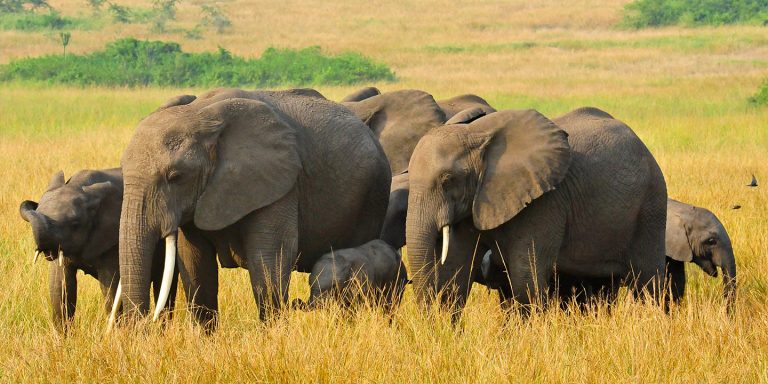
Yes, Queen Elizabeth National Park is a premier Uganda photography safari destination, offering exceptional biodiversity, stunning volcanic landscapes, and the famous tree-climbing lions in Ishasha. It is a "Medley of Wonders" with over 95 mammal species and 600+ bird species, featuring volcanic crater lakes, savannas, and the Kazinga Channel
2-days-quick-escape-to-queen-elizabeth-park-safari-holiday
3-days-fly-luxury-uganda-safari-to-queen-elizabeth-national-park
5-days-uganda-safari-to-queen-elizabeth-park-and-lake-mburo-national-park
7-days-uganda-tour-to-murchison-falls-via-ziwa-kibale-and-queen-elizabeth-national-park
10-days-best-photography-uganda-wildlife-safari-holiday-and-gorilla-trekking
Top Photography Highlights in Queen Elizabeth National Park
- Tree‑Climbing Lions (Ishasha)
The tree‑climbing lions of Ishasha are a signature photographic subject and one of Africa’s most evocative wildlife images. While tree‑climbing behavior in lions is uncommon across most of Africa, in the southern Ishasha sector of Queen Elizabeth National Park this trait has been observed regularly—lions lounging on the broad, horizontal branches of fig and other large trees during the heat of the day. For photographers, this presents a rare compositional opportunity: feline subjects elevated above the plain against sky and savannah backdrops, enabling portraits that emphasize the animals’ expressions, relaxed postures, and textural contrasts between tawny coats and dark, leafy canopies.
Plan shoots for early morning and late afternoon when lions are active and the light is warm and slanting; however, tree‑lounging often occurs mid‑day, so patience and flexible timing are crucial. Use a telephoto lens in the 200–600mm range to isolate faces and capture intimate details while maintaining respectful distance; a shorter telephoto (70–200mm) can work if you are close and wish to frame the broader scene. Because subjects are elevated, consider angles: shooting from vehicle height can flatten perspective, while small rises or position changes (if permitted and safe) help separate branches and limbs. Pay attention to background clutter—branches and leaves can distract from the subject, so shift vantage points to achieve clean sky or savannah backdrops.
Respect park rules and lion behavior: do not attempt to approach or cause disturbance to make lions move into better light or compositions. Use vehicle position, depth of field, and timing to craft images ethically. Be mindful of heat haze on hot days, which degrades image sharpness at long distances. A sturdy vehicle capable of navigating Ishasha’s rough tracks and a knowledgeable local guide dramatically increase encounter odds. Conservation-wise, photographic tourism supports local protection but must be balanced with minimal disturbance to preserve this exceptional behavior for future generations.
- Kazinga Channel Boat Cruise
The Kazinga Channel, a 32‑kilometer waterway linking Lake Edward and Lake George, is one of East Africa’s richest photographic corridors. A boat cruise along the channel offers unparalleled, close‑to‑waterline views of massive hippo pods, sunning Nile crocodiles, and frequent shorelines crowded with elephant, buffalo, and antelope. For wildlife photographers, the channel provides a controlled platform to capture both intimate portraits and dynamic wildlife interactions without the concealment constraints of land vehicles.
Timing is everything: early morning and late afternoon light yields warm tones and long shadows, ideal for sculptural hippo and crocodile portraits, while midday trips can be productive for birdlife when kingfishers, African fish‑eagles, herons, and cormorants are active. For birds, a telephoto lens in the 300–600mm range is useful to isolate subjects against water or sky; for larger mammals and group scenes, 70–200mm provides versatility. Use a fast shutter speed for takeoff or action (birds landing, hippos opening jaws) and slower speeds with panning for creative motion blur of water or animals moving alongside the boat.
Boat stability and low vantage create excellent opportunities for reflections and waterline compositions; bring polarizing filters to manage glare and boost color saturation. Respect wildlife: avoid loud noises or sudden movements that might disturb animals or cause hippos—surprisingly agile in water—to become defensive. Work with experienced local operators who know animal behavior and optimal cruise routes. The Kazinga Channel supports both high encounter rates and varied subjects—large mammals, reptiles, and a spectacular diversity of birds—making it a must for photographers seeking dense, varied wildlife imagery in a single outing.
- Diverse Landscapes: Kasenyi, Katwe Craters, Rwenzori Views
Queen Elizabeth National Park’s photographic appeal goes beyond charismatic megafauna; its landscapes provide dramatic context that elevates wildlife images and offers standalone scenic compositions. The Kasenyi plains present classic East African savannah vistas—wide grassy expanses punctuated by acacia and herds of buffalo and antelope—ideal for sweeping panoramas and low‑angle sunrise or sunset shots that emphasize scale and silhouette. Early light brings mist and warm hues that transform simple herd photos into cinematic scenes.
The Katwe Explosion Craters add geological drama and textural contrast to a photographic itinerary. These shallow, circular craters, formed by past volcanic activity, create a pattern of depressions and rim lines that photograph well from elevated viewpoints. Salt pans within some craters produce reflective surfaces at certain times, offering minimalist abstracts and geometric compositions when paired with converging shadows and muted palettes.
On clear days, the distant Rwenzori Mountains provide an epic backdrop to park scenes. Their rugged, snow‑tipped profiles—contrasting with lowland savannah—allow creative multi‑layered compositions: foreground wildlife or acacia silhouettes, midground plains, and the alpine skyline beyond. Use telephoto compression to make the mountains appear closer to foreground subjects, or wide‑angle lenses to emphasize the vast environmental context.
For photographers, combining wide vistas with situational closeups enhances portfolio variety. Scout vantage points and be mobile: dawn and dusk light moves quickly, and atmospheric effects (mist, haze, clouds) can transform scenes within minutes. Consider using graduated neutral density filters for balanced exposures across bright skies and darker foregrounds. Finally, mindful composition—leading lines, negative space, and layered depth—will help you produce images that showcase not only animals but the unique, interconnected landscapes that make Queen Elizabeth National Park visually distinctive.
- Rich Biodiversity: Large Mammals to Primates
Queen Elizabeth National Park is a biodiversity mosaic, offering photographers an exceptional range of subjects in a relatively compact area. Large herds of buffalo and elephants provide opportunities for behavioral and environmental portraiture, while frequent sightings of Uganda kob and warthog allow action and interaction shots. The park’s varied wetlands, savannahs, and forest patches support diverse feeding and social behaviors that make each encounter unique.
Photographers should take advantage of this diversity by planning shoots that focus on different species’ ecology: document herd dynamics at Kasenyi, capture hippo sociality along the Kazinga Channel, and photograph predators’ stealth and movement in open grasslands. The park’s primates—particularly chimpanzees in Kyambura Gorge and Maramagambo Forest—add arboreal action to a portfolio dominated by terrestrial subjects. Chimp tracking requires habituated groups and often involves close, emotive portraits of individuals, social interactions, and feeding scenes in varied light conditions. For primate work, lenses in the 200–600mm range and fast autofocus are valuable for isolating faces and motions among dense foliage.
Lighting is frequently a challenge in forested areas; use higher ISO settings and wide apertures to maintain shutter speeds that freeze movement. For grassland and wetland scenes, consider using low vantage points to convey scale, or capture reflections and ripples that add context. Behavioral storytelling—feeding, grooming, vocalizing, or interspecies interactions—makes images compelling beyond static animal shots.
Ethical practice is essential: respect minimum distances, do not bait animals, and avoid prolonged disturbance. Work with local guides who understand animal routines to maximize sightings while minimizing stress. Combining technical preparedness (lenses, stabilization, filters) with fieldcraft (patience, quiet movement, composition awareness) will enable you to portray Queen Elizabeth’s biodiversity in a way that informs and inspires viewers about conservation value as well as aesthetic merit.
- Cultural Photography: Fishing Villages and Lake Katwe Salt Mining
Cultural photography around Queen Elizabeth National Park extends a wildlife narrative into human landscapes, offering evocative images of communities living at the interface of natural resources and livelihoods. Small fishing villages along water bodies reveal livelihoods shaped by the lakes and channels: fishermen mending nets at dawn, colorful pirogues returning with catches, and market activity that maps daily rhythms. These scenes allow you to document technique, craft, and the intimate relationship people have with water ecosystems—subjects that add social context to environmental storytelling.
Lake Katwe’s salt‑mining activities provide striking photographic subject matter that combines labor, texture, and geometric patterns. Salt extraction here often involves traditional and small‑scale practices: workers directing brine, raking crystallized salt, and carrying loads across shimmering flats. The seasonality of salt harvesting, reflective surfaces, and repetitive forms create opportunities for strong graphic compositions—contrasts of human figures against expansive reflective pans, leading lines of furrows, and rhythmic patterns of salt heaps.
For ethical engagement, seek permissions and build rapport before photographing individuals—spend time, learn names, and explain your intentions. Small gestures (sharing prints, compensating for time) foster goodwill and often lead to more authentic, cooperative portraits. Use environmental portrait techniques: include contextual elements (tools, dwellings, watercraft) to tell human stories beyond faces alone. Natural light—soft morning or late‑afternoon illumination—flattens textures and adds warmth; midday can be used for high‑contrast, graphic images of salt pans.
Respect cultural sensitivities and avoid exploitative framing. When photographing rituals or private moments, ask for consent and follow local norms. Collaborate with local guides or community liaisons who can arrange introductions and provide cultural insights that enrich your visual narrative. Cultural images paired with wildlife and landscape work create a fuller, ethically grounded portfolio that highlights both the ecological and human dimensions of the region, emphasizing interconnectedness and conservation implications for both nature and local livelihoods.
Why is Queen Elizabeth National Park (QENP) good for photography?
Queen Elizabeth National Park excels for photography because of its extraordinary ecological variety, compact geography, and the visual contrasts that result when different habitats converge. Within relatively short distances you can find open Kasenyi savannahs, wetland channels, papyrus fringes, montane and lowland forests, crater lakes and volcanic features, and distant silhouettes of the Rwenzori Mountains. That diversity allows photographers to create varied portfolios—landscapes, intimate wildlife portraits, birdlife studies, cultural scenes, and environmental storytelling—without long transit times between subjects. The park’s mosaicked habitats also mean wildlife is concentrated at ecological edges and water sources; such focal points are photographic gold, offering predictable animal behavior and composition opportunities (reflections, silhouettes, interaction scenes).
From a practical standpoint, QENP’s infrastructure—accessible tracks, multiple sectors such as Kasenyi and Ishasha, boat access via the Kazinga Channel, and a range of lodges—supports flexible shooting schedules (dawn and dusk drives, midday boat cruises, and specialized guided walks). Experienced local guides and drivers know seasonal patterns and prime vantage points, raising encounter odds and helping position vehicles for the best light and backgrounds. The park’s famed spectacles (tree‑climbing lions, hippo pods, dense waterbird assemblages) lend signature images that are internationally recognizable.
Photographers benefit from ethical and safety regimes that limit disturbance: regulated vehicle distances, boat operator best practices, and local conservation presence. Respecting these rules maintains animal welfare and secures photography access for the future. Lastly, combining wildlife with human-interest photography—fishing villages, salt pans at Lake Katwe—adds narrative layers that contextualize conservation issues. In short, QENP’s concentrated ecological variety, logistic accessibility, and signature wildlife behaviors make it one of East Africa’s most rewarding locations for both novice and experienced photographers.
What is the top photography highlight in QENP?
The Ishasha sector’s tree‑climbing lions are QENP’s most iconic photography highlight. Few places in Africa offer such consistent, photogenic behavior—lions reclining on horizontal branches of large figs or other forest trees—creating images that juxtapose feline power with relaxed, arboreal repose. This behavior provides extraordinary compositional choices: head‑on portraits against sky, three‑quarter views showing paws draped over branches, or environmental frames with savannah below and foliage above. The rarity and international renown of tree‑climbing lions mean these images carry strong editorial and stock appeal.
Photographically, these lions invite a mix of technical approaches. Use a medium to long telephoto (200–600mm) to isolate faces and expressions without disturbing animals; pair this with a relatively wide aperture (f/4–f/6.3) for subject separation while keeping enough depth to include paws and branch detail. Because subjects are elevated, angle and perspective matter—position the vehicle to avoid distracting branch clutter and choose side‑light or backlight at golden hours for rim lighting that reveals fur texture. Midday sightings occur, so be ready to manage harsh light—use negative fill or under‑expose slightly to retain fur detail.
Patience and ethical conduct are paramount: do not request or attempt behaviors from lions, and follow guide instructions regarding distance and vehicle positioning. Local guides with sector knowledge dramatically increase sighting probability and will steer vehicles to vantage points that minimize disturbance. For wider storytelling, pair tree‑lion portraits with environmental shots (Ishasha landscape, acacia silhouettes) to communicate both the specific behavior and its habitat. This rare phenomenon is QENP’s crown jewel for wildlife photographers—and with respectful practice, it yields images few other parks can match.
When is the best time for a photo safari?
The optimal windows for a photo safari in Queen Elizabeth National Park are the dry seasons—primarily June to August and December to February—because they combine better lighting, easier access, and predictable animal concentrations. Dry conditions mean fewer ephemeral water sources, so wildlife aggregates at permanent water bodies and channels (e.g., Kazinga Channel), improving sighting opportunities and enabling photographic narratives around watering behavior, predator‑prey interactions, and social dynamics. Dry weather also reduces mud and slippery conditions on roads and trails, permitting smoother vehicle movement and better positioning for dawn and dusk light.
Photographically, dry seasons offer clear skies, longer golden hours, and reduced haze—ideal for crisp landscapes and long‑range mammal shots. Bird activity remains strong, and many species are more easily visible as vegetation thins. That said, shoulder seasons and even wet months have photographic benefits: lush green landscapes, mist and atmospheric mood, fresh foliage textures, and fewer tourists for solitary compositions. Rainy months produce dramatic skies and reflections in puddles or crater lakes—excellent for creative landscapes—though fieldwork becomes logistically harder.
Plan for time‑of‑day shooting: dawn and dusk offer the best wildlife activity and warm light; midday boat cruises on the Kazinga Channel still produce good bird and hippo opportunities. Weather is variable—mountainous Rwenzori effects can shift conditions—so pack waterproof protection and flexible schedules. Book permits and lodges well in advance for peak dry windows, and coordinate with experienced photographic guides who can position you for the best light and animal behavior. Ultimately, while dry seasons maximize encounter probability and comfortable shooting conditions, a successful photo safari balances seasonality with creative objectives and readiness for variable light.
Can I photograph lions in the park?
Yes—lions are regular photographic subjects in QENP, especially on the Kasenyi plains and in the Ishasha sector. Kasenyi offers classic savannah lion encounters with wide open plains, great for action, silhouette, and landscape compositions; Ishasha provides the tree‑climbing spectacle, granting uniquely framed portrait opportunities. Photographers should approach lion photography with both technical preparedness and strong ethical discipline: maintain safe distances, use appropriate focal lengths, and never attempt to provoke or alter animal behavior.
Technically, a versatile telephoto setup (70–200mm for environment plus 200–600mm for portraits and close shots) covers most lion scenarios. For dramatic sequences—stalking, chases, or interaction—fast shutter speeds (1/1000s or faster) and continuous autofocus tracking are critical; for resting or yawning portraits, slower shutters and careful depth‑of‑field control create mood. Dawn and dusk are peak activity times, providing warm rim light and elongated shadows that lend cinematic quality to images.
Compositionally, use leading lines from grass, tracks, or horizon to guide the viewer, and vary perspectives—low vehicle height shots emphasize scale; tighter headshots capture emotion. Mind background: open sky or distant ridgelines cleanly isolate subjects, while tall grass can add context but may obscure critical features. Work with experienced guides who know pride behavior and safe approaches; they will position the vehicle to minimize disturbance and maximize light and angle.
Ethics and safety cannot be overstated: never exit vehicles where prohibited, obey rangers, and respect distance and noise restrictions. Lion photography is rewarding but must be pursued in ways that prioritize long‑term animal welfare and human safety.
What is the best place to photograph hippos and birds?
The Kazinga Channel is QENP’s premier venue for photographing hippos and waterbirds. This long waterway connects Lake Edward and Lake George and concentrates huge numbers of hippos along its banks, often in large pods that present image-rich opportunities—close‑quarter behavioral scenes, group dynamics, submergence and surfacing patterns, and dramatic yawns. The channel’s edges and sandbanks also attract crocodiles and a dazzling array of birdlife—African fish‑eagles, kingfishers, herons, pelicans, cormorants, and numerous waders—making it one of East Africa’s top mixed subjects for wildlife photographers.
Boat cruises provide a low and stable vantage close to water level, perfect for reflections, intimate portraits, and action sequences of birds diving or taking off. For birds, telephoto lenses in the 300–600mm range help isolate subjects against smooth water or sky; for hippos and group scenes, 70–200mm to 100–400mm are useful. Early morning and late afternoon cruises produce warm light and more active animals, while midday trips may still be productive for bird action and social scenes among hippos.
Technical considerations: use fast shutter speeds for flight sequences, continuous autofocus for moving targets, and polarizing filters to cut glare and enhance water colors. Boat movement requires steady technique—image stabilization, high shutter speeds, and bracing from the boat structure help. Respectful conduct is essential: avoid excessively close approaches that stress animals, and follow captain and guide instructions. The Kazinga Channel’s density, accessibility, and species richness make it an unbeatable location for both concentrated wildlife shots and varied bird photography.
Are there good landscape photography opportunities?
Absolutely. QENP’s geological and topographical features—Kasenyi Plains, the Katwe Explosion Craters, crater lakes, papyrus fringes, and occasional views of the Rwenzori Mountains—provide striking landscape compositions that complement wildlife imagery. The Katwe Explosion Craters are particularly photogenic: their circular rims, contrasting textures, and reflective salt pans create minimalist and geometric scenes, ideal for panoramic, abstract, or staged environmental landscape shots.
For landscape work, shoot during golden hours when low sun sculpts terrain and adds warmth. Wide‑angle lenses (16–35mm or similar) capture broad vistas and layered depth, while telephoto compression (200–400mm) can bring distant Rwenzori ridges into larger relation with foreground wildlife or crater rims. Use foreground interest—acacia trees, animal silhouettes, or crater rims—to create scale and depth. Atmospheric elements—mist, low clouds rolling from the Rwenzori, or dust haze—dramatically alter compositions and mood, so be ready to adapt.
Filters help: graduated ND filters balance bright skies and darker foregrounds; polarizers reduce reflections and deepen colors. Consider multi‑panel panoramas for ultra‑wide scenes while ensuring steady technique and tripod use during calmer light. Access and vantage: early scouting with guides reveals little‑known viewpoints and the best drivable approaches. Always respect private or culturally sensitive areas when composing environmental stories, and combine landscape sequences with wildlife elements for richer visual narratives. The park’s layered landscapes reward patience and seasonality awareness—green, post‑rain textures versus dry season clarity each yield different, compelling results.
Is QENP good for bird photography?
Yes—exceptionally so. With over 600 recorded bird species in the broader region and high concentrations around wetlands, channels, and crater lakes, QENP is a top destination for bird photographers. The Kazinga Channel alone hosts dense assemblages of waterbirds, fish‑eating raptors like African fish‑eagles, and colorful kingfishers. Swamps, papyrus beds, and gallery forests support reed warblers, papyrus gonoleks, malachite kingfishers, and a range of herons and storks, while forest patches and gorge areas attract forest specialists and migrating passerines.
Technical gear for birding includes a long telephoto (300–600mm) with fast autofocus and reasonable aperture (f/4–f/5.6) for subject isolation and background separation in vegetated habitats. For flight shots, high shutter speeds (1/1000s or faster) and continuous tracking modes are essential. Good boat handling and positioning provide low-angle perspectives for waterbirds; for forest species, patience and quiet approaches with guides increase detection odds.
Lighting and backgrounds matter: aim for clean, evenly lit backdrops (water, sky) and avoid cluttered foliage when possible. Use burst modes for behavioral sequences and bracket exposures for high-contrast scenes. Respect sensitive nesting areas and avoid disturbance—maintain distance and minimize flash use. Local guides and birding specialists greatly increase species yields and can direct photographers to seasonal hotspots. For a diversified birding portfolio, combine boat cruises, lakeshore sessions, forest walks, and early‑morning hides; QENP rewards effort with both spectacle and nuanced, intimate bird portraits.
Do I need a specialized guide for photography?
While not mandatory, hiring an experienced photographic safari guide or a guide with strong local wildlife knowledge is highly recommended for maximizing photographic opportunities and maintaining ethical practice. A specialized guide understands animal routines, seasonal concentration points, and microhabitats—knowledge that shortens search time and positions the vehicle for optimal backgrounds and light. They are adept at reading behavioral cues and anticipating actions (a predator stalk, a herd’s movement), giving photographers crucial seconds to prepare settings and composition.
Photographic guides also manage vehicle positioning to avoid backlighting, distracting backgrounds, and unnecessary disturbance, and they can coordinate with other vehicles to secure advantageous angles without crowding animals. Beyond logistics, they help with specific techniques—camera settings for particular shots, suggestions for lenses and framing, and advice on dealing with challenging light or boat motion. In areas like Ishasha, guides with local relationships and authority often gain access to better vantage points and safer approaches.
If you are traveling with heavy or specialized gear, a guide can assist with logistics (loading, stabilizing, and protecting equipment) and fieldcraft (cleaning lenses, switching setups efficiently). For those seeking workshops or mentorship, many photographic guides double as tutors and can tailor outings to skill level. Ultimately, a professional guide increases encounter quality, reduces wasted time, and helps produce ethically captured, higher‑quality images—making the investment worthwhile for serious photographers.
Can I take photos of local culture?
Yes—cultural photography is possible and ethically rewarding around QENP, particularly at sites like Lake Katwe’s salt‑mining operations and local fishing communities. These scenes provide human narratives that complement wildlife and landscape work: labor, tradition, adaptation to environmental resources, and relationships between communities and the park. Strong cultural images convey dignity and context when shot with respect, informed consent, and sensitivity to local norms.
Good practice starts with building rapport: spend time with people, explain your intent, ask permission before photographing individuals (especially in intimate or private moments), and consider compensating guides or subjects fairly for time spent. Environmental portraits benefit from contextual elements—tools, boats, salt pans, and dwellings—so frame subjects within their working environment to tell a fuller story. Use natural light for authenticity; early morning and late afternoon provide flattering directional light.
Avoid exploitative tropes: be wary of images that sensationalize poverty or create voyeuristic narratives. Instead, focus on agency, livelihood skills, and human‑nature connections. If you plan to publish or sell images, discuss expectations with subjects and consider returning prints or digital copies; this often strengthens relationships and fosters reciprocity. Local cultural liaisons or operators can arrange introductions and help navigate sensitivities. Done respectfully, cultural photography around QENP enriches conservation narratives by showing how local people are part of the landscape and stewardship solutions.
What kind of lens should I bring?
Bring a flexible lens kit to cover QENP’s varied subjects: wildlife, birds, landscapes, and cultural scenes. A long telephoto (300–600mm or 200–400mm with a 1.4x/2x converter) is indispensable for mammals and birds, enabling close frames without intrusive approaches. A mid‑range zoom (70–200mm or 100–400mm) offers versatility for both portraits and mid‑distance scenes and is lighter to handle on game drives. For landscapes and environmental context, a wide‑angle zoom (16–35mm or 24–70mm) captures sweeps of savannah, crater rim panoramas, and lodge interiors or cultural village scenes.
Consider weight and stabilization: long glass is heavy, so image stabilization, monopods, or gimbal heads help in vehicles and boats. A teleconverter is useful but reduces light and autofocus performance, so test your combinations before travel. For birding, maximum focal length with fast autofocus is a priority; for mammals, faster apertures and reach matter less if you have secure vehicle positioning. Pack protective rain covers, cleaning kits, and UV or polarizing filters to manage glare on water and enhance skies.
Finally, balance between coverage and manageability: many photographers travel with two camera bodies—one fitted with a telephoto and one with a wide or mid‑range—to switch quickly. If limited to one lens, a 100–400mm or 24–105mm plus a 1.4x converter provides good compromise. Choose lenses based on your shooting priorities (birds = longer reach; landscapes = wider glass); careful selection and preparation pay off in the field.
Is it safe to take photos during a safari?
Yes—photography during guided game drives and boat cruises in QENP is generally safe when you follow established safety rules and listen to guides. Vehicles and boats provide controlled viewing platforms that keep a stable buffer between you and potentially dangerous wildlife. Guides are trained to assess animal behavior, maintain safe distances, and position vehicles to reduce risk while maximizing photographic opportunity.
Safety tips include staying inside the vehicle unless a guide explicitly says it’s safe to step out, keeping limbs inside at all times, avoiding loud noises or sudden movements that could startle animals, and not using flash near animals (especially at close range). On boat cruises, follow captain instructions about leaning, movement, and shutter hand positions to avoid falling or destabilizing the boat. Keep equipment secured with straps to prevent accidental drops that might provoke a reaction from curious or aggressive animals.
Also be aware of environmental health risks—sun exposure, dehydration, and insect‑borne disease—so carry water, sun protection, and insect repellent as advised. Back at lodges, secure gear and be mindful of local rules on drone usage and restricted areas. In short, with experienced local guides and basic common‑sense precautions, photography in QENP is both productive and safe.
Can I get aerial photos?
Aerial photography via drones is possible but strictly regulated in Uganda and requires special permission from the Uganda Wildlife Authority (UWA) and relevant national aviation authorities. Drone use in protected areas often raises conservation, privacy, and wildlife disturbance concerns; sudden drone noise and presence can stress birds and mammals, disrupt breeding, and interfere with anti‑poaching operations. Therefore, operators and photographers must obtain permits, follow strict flight plans, adhere to altitude and no‑fly zone restrictions, and ensure insurance and operator competency.
Some lodges offer scenic viewpoints or heli‑flights that provide elevated imagery without drone complications; these options may be subject to availability, extra cost, and seasonal constraints. If you intend to use a drone, contact UWA well in advance, work through a licensed operator, and prepare documentation demonstrating benign use (flight times, noise mitigation, safety measures). Always prioritize wildlife welfare—avoid flying low over animal concentrations, nesting sites, or during critical behavioral periods. When done legally and ethically, aerial perspectives add powerful context to landscape and habitat photography, but regulatory compliance and conservative operational choices are mandatory.
What other animals can I photograph?
QENP hosts a broad suite of African species beyond lions and hippos, making it excellent for varied wildlife photography. Expect sizable herds of African elephants and Cape buffalo, frequently encountered in wetlands and plains; Uganda kobs and various antelope species populate open grasslands, providing dynamic grazing and migration scenes. Warthogs, waterbuck, bushbuck, and spotted hyenas also present behavioral opportunities—feeding, territorial displays, and social interactions.
Predators include leopards (more elusive but present), and occasional hyena and jackal activity; saber‑tooth or cheetah are not typical here. Reptiles—especially Nile crocodiles—are abundant along waterways. The park’s primate list includes chimpanzees in Kyambura Gorge and Maramagambo Forest, as well as several monkey species (colobus, L’Hoest’s), offering arboreal action shots and social portraits.
Night drives (where permitted) and guided forest walks reveal nocturnal mammals—bushbabies and civets—if photography gear allows low‑light capture. Each species requires different technical approaches: long reach and fast autofocus for birds, steady stabilization and composure for large mammals, and stealthy close approach for primates under guide supervision. Combining multiple habitats in your itinerary increases the chance of encountering this taxonomic breadth, producing a portfolio that spans megafauna to intimate primate and bird behavior.
Are there opportunities for forest photography?
Yes—forest environments in QENP—Maramagambo Forest and Kyambura Gorge—offer lush, microstructured photography opportunities distinct from savannah and wetland scenes. These zones are prime for intimate, textural images: light filtering through canopy, moss‑draped trunks, epiphyte carpets, and layered understory compositions that emphasize depth. Forests also host primates (chimpanzees in Kyambura and Maramagambo) and abundant birdlife, allowing close portraits, behavioral studies, and atmospheric storytelling.
Technical challenges include low light, contrasty dappled exposures, and obstructive foregrounds. Use fast primes or stabilized zooms with wide apertures (f/2.8–f/4) and increase ISO prudently to maintain handheld shutter speeds. For static scenes, consider a tripod for longer exposures if movement is minimal; for primate action, prioritize shutter speed and continuous autofocus. Composition in forest work often benefits from leading lines (fallen trunks, water streams), careful foreground management to avoid clutter, and patience for shafts of light that create dramatic beams.
Work with trackers and guides for chimp encounters—habituated groups allow close portraiture but maintain strict distance, time limits, and hygiene protocols. Forest photography rewards slow, attentive shooting and offers images rich in mood and intimate detail that complement the park’s open‑plain work.
How long is the drive to QENP for a photo trip?
From Kampala, the drive to Queen Elizabeth National Park typically takes around 7–9 hours depending on route, road conditions, and stops—making QENP more suitable for multi‑day photo safaris rather than day trips. The journey itself offers photographic opportunities (rural landscapes, market scenes, roadside villages), but plan itineraries to arrive well before dusk so you can undertake evening or early morning drives when wildlife is most active.
Because of travel time, many photographers stay at least two to three nights to cover Kasenyi, Ishasha, Kazinga Channel, and crater/forest zones comprehensively. Allow buffer days for weather delays, mechanical issues, or extra shooting time for unexpected sightings. For tighter schedules, consider domestic flights to Kasese or nearby airstrips (where available) to reduce transfer time—this requires advance booking and coordination with operators.
On the road, pack essentials—water, snacks, camera gear cases, and a comfortable seat setup for swapping lenses. Travel in a dedicated photographic vehicle with pop‑up roofs or open sides improves shooting flexibility during transit and drives. Multi‑day stays also facilitate dawn and dusk workflows, permit time for gear maintenance, and enable selection of varied light conditions, ultimately producing a richer photographic yield than a single long day transfer would allow.
Booking Photo safari with us Roads of Adventure safaris
Book an unforgettable photography safari with Roads of Adventure Safaris to capture Uganda’s stunning biodiversity, including mountain gorillas and Big Five game drives. We offer tailored 14–16-day itineraries, expert guides, and specialized 4x4 vehicles designed for the perfect shot. Our team handles all logistics, from permits to luxury, eco-friendly accommodation, ensuring a seamless experience. We offer personalized, expert-guided tours suitable for all skill levels in Uganda, Rwanda, and across East Africa. Contact us today to create your personalized photography adventure!
