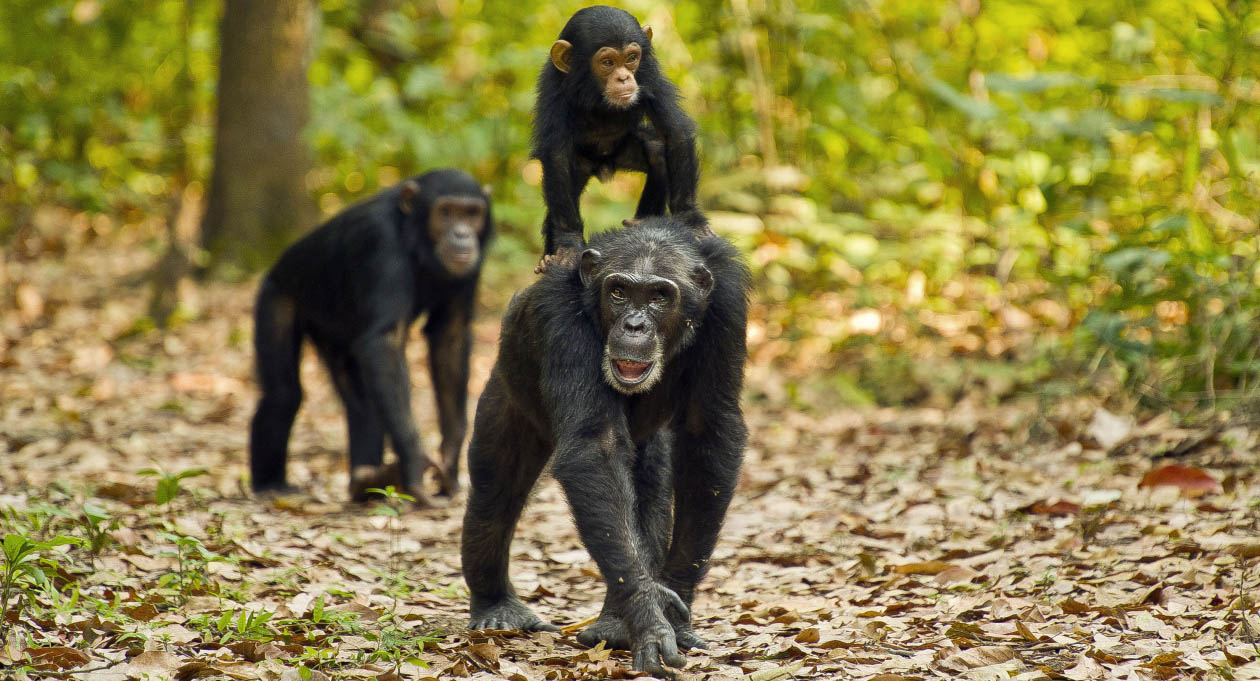
A 10–14-day itinerary is ideal for a dedicated Uganda photography safari, allowing for a comprehensive, unhurried experience covering gorillas, chimpanzees, and savanna wildlife while navigating slow terrain. While 7-day trips cover core highlights, a two-week trip is better to capture the diverse landscapes, varied primate species, and "Big Five" without rushing.
10-days-best-photography-uganda-wildlife-safari-holiday-and-gorilla-trekking
30-days-best-uganda-birding-safari-extravaganza-and-wildlife-safari
38-days-unmatched-uganda-primate-safari-tour-and-uganda-wildlife-safari-with-culture
18-days-best-of-uganda-safari-holiday-vacation-to-all-best-parks
What Is the Ideal Duration for a Comprehensive Uganda Photography Safari?
The ideal duration for a comprehensive Uganda photography safari is typically 10 to 14 days. This timeframe allows photographers to effectively cover both primate trekking (such as gorilla and chimpanzee encounters) and savannah wildlife photography without feeling rushed.
During this duration, photographers can explore major national parks like Bwindi Impenetrable National Park, Queen Elizabeth National Park, Murchison Falls National Park, and Kibale National Park. The varied landscapes and wildlife provide ample opportunities for capturing stunning images, ranging from majestic gorillas to expansive savannah scenes.
A 10 to 14-day itinerary allows for multiple game drives, forest treks, and the flexibility to take advantage of different lighting conditions throughout the day. Furthermore, it provides time for cultural interactions with local communities, enhancing the overall experience. This balance between quality time in various locations and focused photography opportunities ensures that photographers can return home with a diverse portfolio of breathtaking images.
Can I Do a Uganda Photography Safari in One Week?
Yes, it is possible to conduct a 7-day Uganda photography safari that covers major highlights such as Bwindi Impenetrable National Park and Queen Elizabeth National Park. However, it’s essential to note that this itinerary would be fast-paced, requiring careful planning to maximize photography opportunities.
In one week, you could allocate time for gorilla trekking in Bwindi, which is the centerpiece of many photography trips to Uganda. Following this, a visit to Queen Elizabeth National Park can offer remarkable wildlife photography, including elephants, lions, and a plethora of bird species.
While a week-long safari is feasible, it may limit the depth of each experience compared to longer itineraries. Photographers should prioritize their locations and subjects to ensure they capture the essence of Uganda’s diverse landscapes and wildlife. By focusing on key highlights, a week can still yield a rewarding photographic experience, albeit with a faster pace than more extended trips.
Why Is a 14-Day Itinerary Recommended for Photographers?
A 14-day itinerary for a Uganda photography safari is highly recommended for several reasons. First, this length allows for multiple game drives, which is essential for wildlife photography. Spending more time in the parks increases the chances of capturing a variety of species, particularly if you don't get the ideal photos on the first attempt.
Second, a longer trip allows photographers to manage light conditions more effectively. Photography is greatly influenced by lighting, and with extra days, you can plan to shoot during the golden hours when the light is soft and warm. This flexibility helps in obtaining high-quality images.
Additionally, a 14-day safari enables the coverage of diverse locations such as Murchison Falls, Kibale, and Bwindi. Each area provides its unique ecosystem, enabling photographers to capture a more comprehensive range of Uganda’s wildlife and landscapes.
Furthermore, having more time allows for rest days, which can be beneficial for both the body and mind. This ensures you can remain focused and creative throughout your photography journey. Overall, a 14-day itinerary can transform a safari into a fulfilling photographic adventure.
What Is the Minimum Time Needed for a Gorilla Photography Safari?
For a focused gorilla photography safari, a minimum of 3 to 4 days is recommended when visiting Bwindi Impenetrable or Mgahinga National Parks. This duration provides adequate time for gorilla trekking and capturing exceptional photographs of these majestic creatures in their natural habitat.
The first day often includes travels to the park, with the next dedicated to gorilla trekking. Engaging in multiple treks considerably boosts your chances of getting the perfect shot. Trekking can be unpredictable; thus, additional days can help ensure multiple encounters, maximizing your photographic opportunities.
Photography conditions can also vary based on time and weather, so stretching the experience over several days allows for optimization in terms of lighting and the positioning of the gorillas. Each trek can offer unique perspectives and different groups of gorillas to observe, enabling a variety of photographs.
Overall, spending 3 to 4 days on a dedicated gorilla photography safari equips photographers with the best chances to capture memorable images while allowing the time needed for the arduous treks through Uganda’s lush landscapes.
How Long Should I Spend in Bwindi for Gorilla Photography?
When targeting gorilla photography specifically in Bwindi, it is advisable to spend at least 2 days in the park, often requiring 2 trekking permits to ensure diverse photographic opportunities. This allocation allows photographers to explore different gorilla families and habitats, increasing the likelihood of capturing high-quality and varied shots.
With two days in Bwindi, photographers can engage in two separate treks, each offering unique positions and conditions for photography. This flexibility is essential for adapting to changing light and wildlife behavior, factors critical in wildlife photography.
Gorilla trekking often takes much of the day, and having an additional day gives photographers time for reflection and post-processing of images from the first trek, allowing pre-visualization for the next. This structured approach also gives opportunities for interactions with local guides who can provide insights on the gorillas, enriching the overall experience.
In summary, dedicating more time in Bwindi significantly enhances the quality of photography, ensuring that each participant can capture stunning images of one of nature’s most captivating species.
Is 10 Days Too Long for a Uganda Photography Safari?
No, a 10-day Uganda photography safari is not too long; in fact, it is ideal for visiting 3 to 4 different national parks. This duration strikes the perfect balance between a relaxed pace and the opportunity to capture both wildlife and cultural photography.
With 10 days, photographers can allocate specific time for each park, allowing for various shooting conditions. You could spend days in Murchison Falls for big game and stunning landscapes, Kibale for chimpanzees, and Bwindi for gorillas, ensuring a diverse portfolio of images.
Additionally, a 10-day itinerary allows time for exploring cultural aspects, such as visiting local communities or engaging in community-based tourism initiatives. These interactions can provide unique photography opportunities that highlight the rich cultural tapestry of Uganda.
Proper planning within this timeframe ensures that longer travel times between parks do not hamper the photography experience. The flexibility to explore different locales, capture varying wildlife, and engage with communities makes 10 days an excellent choice for ambitious photography enthusiasts looking to maximize their time and creativity.
How Long Does a Chimpanzee Photography Safari Take?
For outstanding chimpanzee photography, allow 2 to 3 days, focusing primarily on Kibale National Park. Kibale is renowned for its dense populations of chimpanzees, making it one of the best places for observing and capturing these social primates in their natural environment.
In this duration, photographers can engage in trekking activities aimed specifically at chimps, with each trek providing different lighting encounters and opportunities to capture various behaviors. The first day typically involves acquisition of permits and preparing for the trek, while the following days provide substantial chances to interact with the chimpanzees, leading to memorable photographic moments.
Additionally, spending a couple of days allows you to adapt to different weather conditions and lighting scenarios. Early morning and late afternoon light can significantly affect the quality of images, especially in forested areas.
Overall, dedicating 2 to 3 days for chimpanzee photography in Kibale positions photographers for success, while ensuring that they can maximize their use of time for capturing the essence of these fascinating creatures.
How Much Time Is Needed to Photograph the "Big Five" in Uganda?
To adequately photograph the "Big Five" in Uganda, a recommended 10 to 14 day trip is ideal. This duration allows photographers to explore Murchison Falls for big game, including elephants and lions, and Ziwa Rhino Sanctuary for rhinos.
Murchison Falls serves as a key site for observing other members of the Big Five, such as buffalos and leopards, amid its stunning landscapes. A flexible itinerary allows for multiple game drives, increasing the chances of encountering these iconic species.
Utilizing several days at Ziwa Rhino Sanctuary enables focused photography of the critically endangered white rhinos in a natural habitat, offering a unique juxtaposition with the varied wildlife found across the country’s diverse ecosystems.
Furthermore, this duration ensures additional time for light management, varied shooting angles, and post-processing data reviews, enabling photographers to make the most of their time in the field. Overall, a 10 to 14 day trip dedicated to capturing the Big Five fosters a rewarding photographic experience throughout Uganda’s wildlife landscapes.
Should I Add Extra Days for Bird Photography?
Yes, if bird photography is a priority, consider adding 2 to 3 extra days to your itinerary. This additional time allows birdwatchers to delve deeper into Uganda's avifauna, particularly in renowned birding hotspots like Mabamba Swamp, Lake Bunyonyi, or Queen Elizabeth National Park.
Each of these locations offers diverse habitats that attract a wide range of bird species, from endemics to spectacular migratory birds. By allocating extra days for dedicated birding, you can maximize opportunities for different perspectives, varying light conditions, and richer interactions with the avian life.
Spending dedicated time in birding areas can also offer chances to capture richer narratives and behaviors in bird photography, enhancing the overall portfolio. Opting for guided birdwatching tours can further bolster the experience, allowing photographers to locate and observe specific species with expert help.
Ultimately, extending your itinerary for bird photography enhances your experience, ensuring that you capture the myriad avian species inhabiting Uganda’s diverse ecosystems without feeling rushed.
How Long Should I Stay in One Park for Photography?
For specialized photography, it is advisable to allocate 2 to 3 nights per park, such as Queen Elizabeth or Murchison Falls, to effectively manage light and wildlife behavior. This timeframe allows photographers to explore various locations within each park and adapt their shooting strategies based on changing light conditions.
Staying multiple nights provides the flexibility to head out early in the morning or during the golden hours of the late afternoon for optimal lighting. It also allows for leisurely game drives or photography walks, which can yield different angles and perspectives for capturing wildlife in action.
Moreover, prolonged time in a single locale allows deeper immersion, helping photographers become familiar with animal patterns and behaviors. This knowledge can facilitate capturing a dynamic and compelling story through imagery, rather than just a series of snapshots.
Overall, investing more time in one park enhances both the quality of photographs and the overall experience, making your Uganda photography safari more rewarding.
Do I Need More Time for Remote Parks Like Kidepo?
Yes, Kidepo Valley National Park is more remote than other parks; thus, it is advisable to add 3 to 4 additional days to your itinerary for travel and effective photography. The journey to Kidepo can be time-consuming, depending on your starting point, so allocating extra days provides necessary buffer time.
These additional days allow for explorations within Kidepo, known for its stunning landscapes and impressive wildlife, including rare species and constant opportunities for captivating photography. Longer stays also permit multiple game drives to explore various terrains and adapt to light changes, maximizing your photographic opportunities.
Furthermore, Kidepo’s remote location means that the park feels less trafficked, enabling an immersive experience. The unique wildlife and distinctive scenery make the effort worthwhile, ensuring that your photography safari encompasses Uganda’s diverse ecosystems thoroughly.
Ultimately, planning extra time for Kidepo reflects a considerate approach to exploring and photographing this beautiful and underappreciated park.
How Does Travel Time Affect My Photography Safari Duration?
Travel time significantly impacts photography safari duration. Since Uganda comprises numerous national parks spread across different regions, shorter trips (under 7 days) can limit photography time. Long distances between destinations can consume valuable hours, diminishing the time you have for capturing images and experiencing wildlife.
Longer trips provide the benefit of a relaxed pace. This allows you to adequately explore each location, giving flexibility for spontaneous stops and extends the golden hours for photography.
Moreover, extended travels enable photographers to adjust based on light and weather, taking advantage of optimal conditions for capturing high-quality images. You can devote full days to exploring specific areas without feeling pressured by travel constraints.
In conclusion, incorporating sufficient travel time into your photography safari itinerary is essential for ensuring a fruitful and productive experience in Uganda's rich landscapes.
Is a 12-Day Uganda-Rwanda Combined Photo Safari Worth It?
Yes, a 12-day Uganda-Rwanda combined photo safari is certainly worth it. This itinerary allows travelers to experience the best of both countries, including gorilla trekking in both Uganda and Rwanda and rich wildlife opportunities in various national parks.
Having the time to explore Uganda’s diverse ecosystems and to trek in both countries provides varied perspectives on gorillas and other wildlife, enhancing the photographic story. Each area offers distinct landscapes and wildlife encounters, contributing to a nuanced understanding of East African biodiversity.
Additionally, the blend of cultural experiences available in both countries, from local communities in Uganda to cultural interactions in Rwanda, will further enrich the experience. Capturing these interactions can yield unique and compelling visuals, adding depth to your photography portfolio.
Thus, a 12-day combined safari not only delivers diverse photographic opportunities but also immerses travelers in the region’s ecological and cultural richness, making it an unforgettable adventure for photographers.
How Long Should I Stay to Photograph Ugandan Culture?
To effectively photograph Ugandan culture, a 10-day or longer itinerary is recommended. This duration allows ample time for specialized community visits, such as engaging with the Batwa people near Bwindi, known for their unique cultural heritage and profound connections to the forests.
Spending more time gives photographers the opportunity to immerse themselves in local traditions, festivals, and daily life, ensuring that cultural photography captures not just posed images but authentic moments. It allows for flexibility to visit multiple communities or regions, enriching the overall experience.
Incorporating cultural photography into a broader wildlife-focused safari can showcase Uganda’s rich diversity, presenting a holistic portrayal of the country. With a relaxed pace, photographers will have more opportunities to engage with subjects, enhancing the quality and depth of their photographs.
Overall, dedicating sufficient time to photograph Ugandan culture creates a more comprehensive narrative, allowing for a rewarding and engaging photographic journey in Uganda.
What Is the Best Way to Structure a 14-Day Uganda Photography Safari?
A well-structured 14-day Uganda photography safari could follow this ideal itinerary: spend 3 days in Murchison Falls, 2 days in Kibale, 3 days in Queen Elizabeth, and 4 days in Bwindi, leaving 2 days for travel and buffer opportunities.
Starting in Murchison Falls, photographers can immerse themselves in a variety of wildlife shooting opportunities while obtaining iconic images of the falls themselves. The extended stay provides ample chances for game drives and boat cruises, capturing diverse species in different habitats.
Transitioning to Kibale, dedicating 2 days allows photographers to focus on the chimpanzees. This time can also funnel into surrounding forests, enabling more extensive photography opportunities.
Spending 3 days in Queen Elizabeth National Park presents wildlife encounters, especially around the Kazinga Channel, which hosts diverse birdlife and landscapes.
Finally, in Bwindi, allocating 4 days not only allows for successful gorilla trekking experiences but also additional cultural photography opportunities with local communities.
By structuring the trip with these time allocations, photographers maximize their exposure to Uganda's natural and cultural richness while allowing time for creativity and adjustments based on the conditions encountered in each distinct region.
Booking Uganda photography safari with us Roads of Adventure safaris
Book your unforgettable Uganda photography safari with Roads of Adventure Safaris, experts in capturing the Pearl of Africa’s stunning biodiversity. We offer tailored 14–16-day itineraries, featuring mountain gorilla tracking, chimpanzee trekking, and savannah game drives in Murchison Falls and Queen Elizabeth National Parks. Our specialized, expert-guided tours ensure perfect lighting for primates and rare birds. Enjoy customized 4x4 vehicles designed for photographers and comfortable, curated accommodation for a seamless, memorable experience. Contact us to create your personalized photography itinerary!
