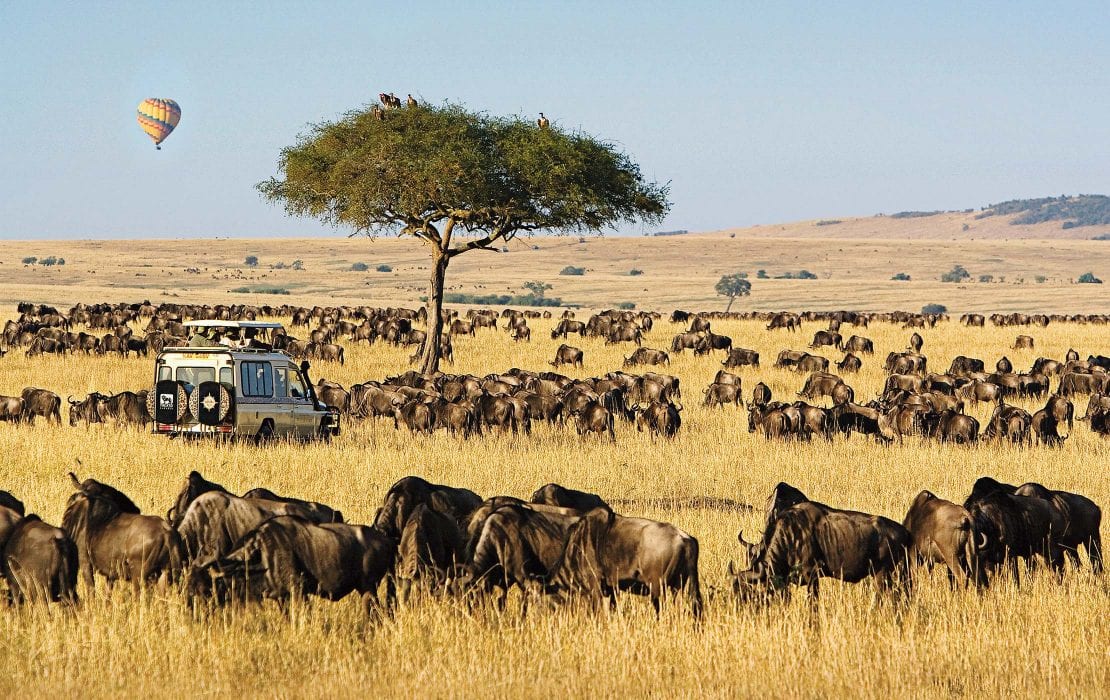
Yes, a 7-day safari in Tanzania is highly worth it and considered the "sweet spot" for first-time visitors, offering a perfect balance between viewing top wildlife destinations and managing travel costs. In one week, you can efficiently cover the "Northern Circuit Highlights" (Serengeti, Ngorongoro Crater, and Tarangire).
7-days-best-great-wildebeest-migration-safari-in-tanzania
7-days-epic-africa-big-five-safari-in-tanzania-top-best-parks
7-days-budget-tanzania-safari-affordable-africa-budget-safari
7-days-kilimanjaro-climb-and-hiking-safari-ascent-to-peak
7-days-tanzania-wildlife-safari-africa-safari-tour-best-park-visits
7-days-best-southern-tanzania-safari-parks-nyerere-mikumi-ruaha-and-udzungwa
7-day-best-zanzibar-beach-holidays-combo-to-ruaha-and-mikumi-safari-parks
7-days-zanzibar-beach-activities-and-chimpanzee-tracking-in-mahale-mountains
7-days-amboseli-kenya-and-serengeti-fly-in-tanzania-safari
7-days-masai-mara-safari-tour-and-serengeti-safari-tour-in-kenya-and-tanzania
7-days-ultimate-budget-kenya-tanzania-safari-holiday-vacation
Prime Wildlife Focus
A 7-day window allows you to target the "Holy Trinity" of Tanzanian parks—Tarangire, Ngorongoro, and the Serengeti—without the logistical strain of a rushed itinerary. In Tarangire, you have ample time to track massive elephant herds among the ancient baobabs. At the Ngorongoro Crater, the one-day permit is sufficient to explore the entire 260-square-kilometer floor, where the Big Five (including the rare black rhino) are residents. Because you aren't rushing, you can spend hours at a single sighting—watching a pride of lions strategize a hunt or a leopard hoist its kill into an acacia tree. This duration ensures that your "Big Five" checklist isn't just a series of quick drive-bys, but a sequence of deep, meaningful observations in three distinct and world-class ecosystems.
The Great Migration
While the Great Migration is a year-round event, its scale is so vast that it requires time to locate and enjoy. A 7-day safari is the minimum duration needed to include the 2 to 3 nights in the Serengeti required to track the herds. Whether you are visiting in February for the calving season in the south or August for the Mara River crossings in the north, the extra days allow your guide to move based on real-time wildlife reports. In 2026, with the help of satellite tracking and veteran guiding, a 7-day trip provides the "buffer" days necessary to account for the herds' unpredictable movements. It transforms your chances of seeing the thundering hooves of over 1.5 million wildebeest from a "maybe" into a high-probability highlight of your life.
Optimal Duration
The mechanical beauty of a 7-day trip lies in the rhythm of the journey. It accounts for the "hidden" time sinks: the 2–4 hour drives between parks and the recovery from international travel. One week allows for a "3-2-1" or "2-3-1" night split between the major parks, which is the gold standard for avoiding "safari fatigue." By staying multiple nights in the Serengeti, you aren't forced to pack your bags every morning; you can enjoy full-day game drives that venture into the remote corners of the park, far from the main tourist gates. This immersive pace is what separates a "tour" from a true "expedition," giving you the time to appreciate the smaller wonders—like the dung beetle’s labor or the intricate social hierarchy of a baboon troop—that shorter trips simply overlook.
Variety and Flexibility
A 7-day safari offers a perfect balance for diverse travel groups, especially families and couples. It is long enough to include unique "add-on" experiences that break up the traditional game drives, such as a Maasai village visit, a walking safari, or a sunrise hot air balloon flight. For families with children, 7 days is the upper limit before "animal exhaustion" sets in, and it allows for lodges with swimming pools where kids can burn off energy. For couples, it provides the luxury of "bush downtime"—afternoon tea on a private deck or a sundowner overlooking the Rift Valley. This flexibility ensures the trip feels like a vacation rather than a marathon, blending high-octane predator action with the serene, high-end hospitality for which Tanzania’s luxury tented camps are world-renowned.
7-Day Tanzania Northern Circuit Safari
This 7-Day Tanzania Northern Circuit Safari is a masterfully curated odyssey through the world’s most iconic wildlife landscapes. In 2026, this route remains the premier choice for travelers seeking a profound connection with nature, offering a seamless progression from the ancient, baobab-studded plains of Tarangire to the thundering horizons of the Serengeti. This itinerary is strategically balanced to showcase the "Big Five" and the seasonal rhythms of the Great Migration while incorporating the geological marvel of the Ngorongoro Crater. Whether you are navigating the lush groundwater forests of Lake Manyara or exploring the prehistoric caldera of a collapsed volcano, each day is designed to maximize wildlife encounters. Staying in a blend of luxury lodges and intimate tented camps, you will experience the raw energy of the African bush alongside refined Tanzanian hospitality. This journey isn't just a holiday; it is a cinematic immersion into the heartbeat of the wild.
Day 1: Arrival in Arusha/Kilimanjaro
Your journey begins at Kilimanjaro International Airport, where the crisp air of the northern highlands and the towering presence of Mount Kilimanjaro greet you. You will be transferred to your boutique lodge in Arusha, the gateway to the safari circuit. This day is dedicated to acclimatization and preparation for the adventure ahead. After checking in, you can stroll through lush coffee plantations or visit the local markets to experience the vibrant pulse of Tanzanian life. In the afternoon, you will meet your professional driver-guide for an in-depth briefing, discussing your specific wildlife interests and photography goals. As the evening mist settles over Mount Meru, you’ll enjoy a welcome dinner, falling asleep to the quiet hum of the "Safari Capital" before heading into the wild at dawn tomorrow.
Day 2: Tarangire National Park
After breakfast, you depart for Tarangire National Park, famously known as the "Land of Giants." As you enter, the horizon is dominated by prehistoric, gargantuan Baobab trees that dwarf the landscape. Tarangire is world-renowned for its massive elephant herds, often hundreds strong, which congregate along the Tarangire River. Your afternoon game drive will reveal a rugged beauty where lions, leopards, and the long-necked gerenuk roam among the mahogany trees. The park’s unique atmosphere is defined by its wild, uncrowded feel and its high concentration of dry-country wildlife. You will spend the night at a lodge overlooking the valley, where the sight of elephants silhouetted against a fiery sunset provides a breathtaking introduction to the African savannah, followed by a gourmet meal under a canopy of stars.
Day 3: Lake Manyara or Lake Eyasi
Today offers a choice between ecological diversity and deep cultural immersion. Opting for Lake Manyara National Park brings you to a lush groundwater forest at the base of the Great Rift Valley, home to tree-climbing lions and a pink haze of flamingos. Alternatively, heading to Lake Eyasi offers a rare encounter with the Hadzabe and Datoga tribes. You can join the Hadzabe on a morning hunt, learning ancient bushcraft and survival skills that have remained unchanged for millennia. This cultural exchange provides a profound perspective on the human history of the Rift Valley. Whether you spend the day watching hippos wallow in Manyara or learning to track prey with the hunters of Eyasi, the day concludes in the highlands of Karatu, where the cooler mountain air and fertile coffee estates offer a peaceful retreat.
Day 4: Serengeti National Park (Central/Seasonal)
Leaving the highlands behind, you travel toward the legendary Serengeti National Park, crossing the scenic Ngorongoro Highlands. As you pass through the Naabi Hill gate, the "endless plains" unfold in every direction. You will spend the afternoon exploring the Seronera Valley, the heart of the park and a permanent residence for big cats. Lions and leopards are frequently spotted lounging on the granite kopjes that dot the savannah. Your guide will navigate the river loops where wildlife is most active, offering your first real chance to witness predator-prey interactions. You’ll check into your luxury tented camp, feeling the absolute proximity to the wild—separated from the majestic predators only by the canvas of your suite—and falling asleep to the distant, rhythmic calls of the Serengeti night.
Day 5: Full Day in the Serengeti
A full day in the Serengeti allows you to follow the pulse of the Great Migration. Depending on the season, your guide will lead you toward the thundering herds of wildebeest and zebra. If you are visiting during the calving season in the south or the river crossings in the north, this day is dedicated to witnessing nature’s most dramatic spectacle. Even outside the migration peaks, the Serengeti offers world-class game viewing, from cheetahs hunting on the open flats to elephant families moving with quiet dignity across the horizon. For an unforgettable highlight, you can opt for a sunrise hot air balloon safari, drifting silently over the plains before a champagne breakfast. Every turn of the vehicle reveals a new cinematic vista, concluding with a traditional sundowner as the sky turns deep violet.
Day 6: Ngorongoro Crater Floor Safari
At dawn, you descend 600 meters into the Ngorongoro Crater, a self-contained Eden and the world’s largest intact volcanic caldera. Within this 260-square-kilometer sanctuary, you have an exceptional probability of spotting the "Big Five" in a single day, including the rare black rhino. The crater floor is a bustling theater of wildlife, where massive bull elephants and dense prides of lions live within the steep, protective walls. You’ll enjoy a picnic lunch near a hippo-filled lake, surrounded by the dramatic scenery of this UNESCO World Heritage site. The concentration of animals here is unlike anywhere else on Earth, offering intimate sightings that feel almost staged for your camera. After a high-intensity morning of game viewing, you will ascend the rim and transfer back to the lush highlands of Karatu.
Day 7: Departure via Arusha or Zanzibar
On your final day, you enjoy a leisurely breakfast overlooking the fertile gardens of the Karatu highlands. You will begin your drive back toward Arusha, passing through vibrant local villages where you can pick up last-minute souvenirs like Tanzanite or hand-carved Makonde sculptures. After a final celebratory lunch, you have the option to transfer to Kilimanjaro International Airport for your flight home or continue your adventure with a flight to the spice island of Zanzibar. If you choose the latter, the transition from the golden dust of the savannah to the turquoise waters of the Indian Ocean provides the perfect conclusion to your East African journey. As you depart, you carry with you the thundering energy of the migration and the profound silence of the African night, marking the end of a life-changing week.
Choosing a 7-day Tanzania safari in 2026 is widely regarded as the "Goldilocks" of African travel—it is short enough to remain manageable for most schedules but long enough to dive deep into the world's most famous wildlife ecosystems. Here is a comprehensive breakdown of what to expect from a week on the Northern Circuit.
1. Is 7 days enough for a Tanzania safari?
For the majority of travelers, seven days is the perfect duration. It allows you to cover the "Big Three"—Tarangire, Ngorongoro, and the Serengeti—at a pace that balances adventure with relaxation. Unlike a 3-day or 5-day trip, which often requires grueling 8-hour drives, a 7-day itinerary provides "buffer time." You can spend two to three nights in the Serengeti, which is essential because the park is so vast that one day is simply not enough to find the migration or track the big cats. This timeframe ensures you aren't just "park hopping," but actually experiencing the rhythms of the wild, from the early morning hunts to the quiet of a sundowner overlooking the plains.
2. Which parks are included in a 7-day itinerary?
A standard 7-day itinerary focuses on the Northern Circuit. It typically begins in Tarangire National Park, famous for its ancient baobab trees and massive elephant herds. Many travelers then visit Lake Manyara, known for its groundwater forest and pink flamingos, before heading to the Ngorongoro Crater, a self-contained Eden and the best place to see the rare black rhino. The centerpiece is always Serengeti National Park, where you spend the bulk of your time. By combining these parks, you move through four distinct ecological zones—woodland, soda lake, volcanic caldera, and open savannah—providing a complete picture of East Africa’s biodiversity.
3. What is the best time for a 7-day safari?
Timing is everything. The Dry Season (late June to October) is the absolute best for general game viewing because animals congregate around permanent water sources, and the thinning vegetation makes them easier to spot. If your 7-day trip is focused on the Great Migration, June and July are ideal for witnessing the herds move through the Western Corridor. If you want to see the dramatic Mara River crossings, aim for August to September in the Northern Serengeti. Conversely, January to March is the "Green Season," which is perfect for the calving season in the south and offers lush, dust-free landscapes for photography.
4. How much does a 7-day safari cost?
In 2026, a 7-day safari is a significant investment. Prices generally fall into three tiers. Budget camping safaris (sleeping in public campsites) typically cost between $1,800 and $2,400 per person. Mid-range tented camps (with beds and en-suite bathrooms) usually range from $2,800 to $4,000. Luxury safaris at world-class lodges like Singita or Four Seasons can exceed $7,000 per person. These costs are all-inclusive, covering your private 4x4 vehicle, professional guide, park entrance fees (which are substantial in Tanzania), meals, and accommodation. Booking 6–12 months in advance is recommended to secure mid-range lodges, as they fill up quickly.
5. Is the Serengeti included in a 7-day trip?
Yes, and it is the heartbeat of the itinerary. In a 7-day trip, you should insist on at least two, if not three, nights in the Serengeti. The park is nearly the size of Northern Ireland, and it takes time to navigate between the different regions (Central, North, South, and West). Staying multiple nights allows you to venture far from the main gates into more exclusive areas where predator-prey interactions are more common. Whether you are tracking the migration or searching for the "Big Five," the Serengeti requires time for the landscape to reveal its secrets, and a 7-day trip provides exactly that.
6. Is the Ngorongoro Crater worth visiting?
The Ngorongoro Crater is a "non-negotiable" highlight. It is the world’s largest intact volcanic caldera and serves as a natural enclosure for over 25,000 large animals. Because the animals don't migrate out of the crater, it offers some of the most reliable wildlife viewing on earth. It is arguably the best place in East Africa to see the black rhino, which is notoriously difficult to find in the vast Serengeti. Most 7-day trips dedicate one full day to a "crater floor safari," including a picnic lunch near a hippo pool. The backdrop of the 600-meter-high crater walls makes for some of the most dramatic photography in Africa.
7. Can I combine a 7-day safari with Zanzibar?
While you can do both in 10 days, trying to fit a full 7-day safari and a Zanzibar stay into a single week is too much. Experienced travelers recommend a 10-to-14-day total trip if you want both. If you only have seven days total, you are better off doing a 4-day safari (Manyara, Ngorongoro, Tarangire) followed by 3 days in Zanzibar. Trying to include the Serengeti and Zanzibar in seven days involves too much flying and not enough "being." If the Serengeti is your priority, stick to the 7-day safari and save the turquoise waters of Zanzibar for your next visit.
8. Is a 7-day safari suitable for families?
A 7-day safari is excellent for families, provided the itinerary is "kid-conscious." Long drives can be taxing for children, so many families choose to fly back from the Serengeti to Arusha on day seven rather than drive. Many lodges now offer "family suites" and swimming pools, which are vital for burning off energy after a day in a vehicle. Most reputable operators also offer shorter, more engaging game drives and "Junior Ranger" activities, like animal tracking or traditional bead-making. It’s an educational and bonding experience that children will remember for the rest of their lives.
9. What should I pack for a 7-day safari?
Packing for a week in the bush requires layers. Early morning game drives can be surprisingly cold (around 10°C), while mid-day temperatures can reach 30°C. Essential items include:
- Neutral-colored clothing (khakis and tans; avoid dark blue/black as they attract tsetse flies).
- A high-quality pair of binoculars (don't rely solely on the guide's).
- High-SPF sunscreen and a wide-brimmed hat.
- A sturdy camera with a good zoom lens (200mm–400mm).
- Comfortable, closed-toe walking shoes.
- Malaria prophylaxis and a basic first-aid kit. Remember, many small bush planes have a 15kg weight limit for luggage, so pack light and use soft-sided bags.
10. What are the accommodation options?
Tanzania offers a spectacular range of options. Public campsites are the most basic, involving shared bathrooms and sleeping on the ground. Mid-range tented camps are a favorite, offering "glamping" with proper beds and hot showers under canvas. Luxury lodges offer five-star amenities, including infinity pools, fine dining, and air conditioning. In a 7-day trip, many travelers "mix and match"—staying in a comfortable lodge near Ngorongoro and then opting for a luxury tented camp in the Serengeti to get that authentic "out of Africa" feel.
11. Is it safe for a solo female traveler?
Tanzania is generally very safe for solo female travelers, particularly when booking through a reputable safari operator. Since you will spend the majority of your time with your private guide and driver, you have a built-in "guardian" and local expert who ensures your safety and comfort. Tanzanian culture is warm and hospitable, and the tourism industry is highly professional. Solo travelers often find the 7-day format particularly rewarding, as it allows for a deep connection with the guide and a truly personalized adventure without the compromises of traveling in a large group.
12. Do I need visas and vaccinations?
Yes. Most international travelers require a Tanzanian Tourist Visa, which can be obtained online (E-Visa) or on arrival for $50 (US citizens pay $100 for a multiple-entry visa). Regarding health, you should consult a travel clinic at least two months before departure. Malaria prophylaxis is highly recommended. A Yellow Fever vaccination certificate is mandatory if you are entering Tanzania from a country where Yellow Fever is endemic (like Kenya or Ethiopia). In 2026, it is also wise to check the latest COVID-19 or health protocols, though most restrictions have been lifted.
13. What is a "private safari" in 7 days?
A private safari is the gold standard of Tanzanian travel. It means you have a dedicated 4x4 Land Cruiser and a private guide just for your party. In a 7-day trip, this is invaluable because it gives you total control over your schedule. If you want to spend three hours watching a leopard in a tree, you can. If you want to head back to camp early for a swim, you can. It also allows for a much more intimate learning experience, as your guide can tailor their expertise to your specific interests, whether it’s birding, photography, or Maasai culture.
Booking Tanzania safari with us Roads of Adventure safaris
Booking a Tanzania safari with Roads of Adventure Safaris involves customized itineraries, experienced local guides, and private 4x4 vehicles for trips, including Serengeti and Ngorongoro Crater. They offer personalized service for budget to luxury travelers, with bookings advised 6–12 months in advance to secure top accommodations and vehicles.
