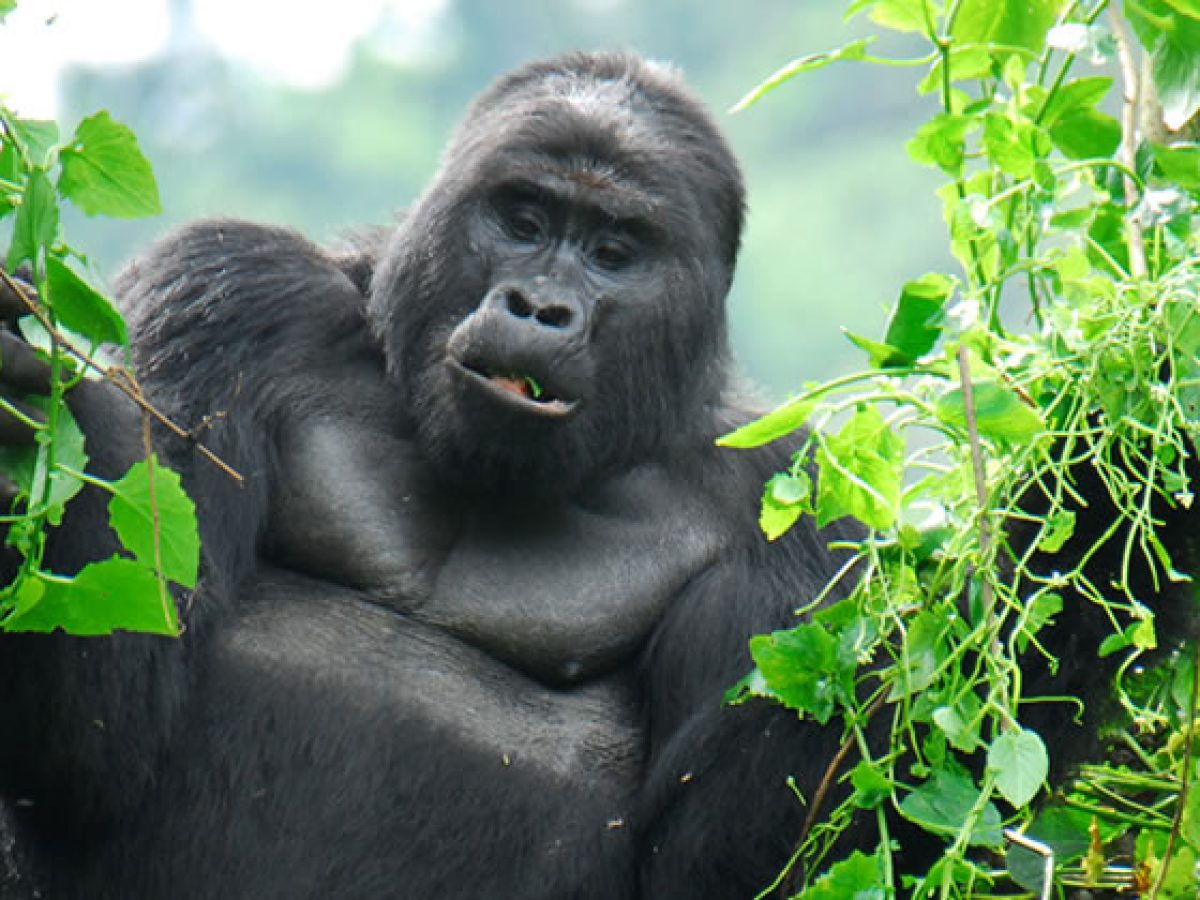
Yes, a 6-day Uganda wildlife safari is highly worth it, offering a compact, action-packed experience that combines gorilla trekking, chimpanzee tracking, and savannah game drives in a single trip. It is ideal for seeing the "Big Five," including rhinos at Ziwa, plus tree-climbing lions, hippos, and over 1,000 bird species
6-days-best-of-murchison-and-kidepo-uganda-safari-via-ziwa
6-days-safari-in-uganda-gorilla-trekking-and-chimpanzee-tracking
6-days-classic-uganda-rwanda-primate-and-wildlife-safari
6-days-uganda-primate-safari-and-wildlife-experience
6-days-budget-uganda-wildlife-safari-holiday-vacation
6-days-double-gorilla-trekking-uganda-and-rwanda-side
Key Reasons to Choose a 6-Day Uganda Safari
1. Diverse Highlights
A 6-day Uganda safari acts as a curated "greatest hits" tour of East Africa’s most celebrated ecological zones. The journey typically begins in the primate capital of the world, Kibale National Park. Here, you are immersed in a moist evergreen rainforest that supports an astonishing 13 primate species. Tracking chimpanzees through the dense canopy is a high-energy start, as these vocal primates are often on the move, hooting and swinging through the trees. The transition from the forest to Queen Elizabeth National Park introduces a dramatic shift in scenery, moving from shadowed jungles to the sun-drenched, golden Savannah of the Albertine Rift.
In Queen Elizabeth, the highlights center on the Kazinga Channel, a natural waterway that hosts one of the world's highest concentrations of hippos and Nile crocodiles. Drifting past these massive creatures at water level provides a perspective few other safaris can match. The journey then moves toward the misty, jagged ridges of Bwindi Impenetrable National Park. This UNESCO World Heritage site is the final frontier for the mountain gorilla. Covering these three distinct parks in less than a week ensures that your itinerary is packed with high-value encounters, from the social drama of a chimpanzee community and the classic predator-prey dynamics of the plains to the soul-stirring, quiet majesty of a silverback gorilla. By selecting this circuit, travelers bypass the "filler" travel days often found in longer tours, focusing instead on the three primary pillars that make Uganda the "Pearl of Africa."
2. Best of Primates and Savannah
The magic of a 6-day Uganda tour lies in its ability to marry two vastly different safari styles: the intimate, foot-based primate trek and the classic, vehicle-based Savannah game drive. Most African destinations specialize in one or the other, but this 6 days itinerary bridges the gap seamlessly. Your days in the forest are tactile and immersive; you are on the ground, navigating tangled roots and damp earth, relying on the expert tracking skills of rangers to find mountain gorillas and chimpanzees. These encounters are deeply personal, often occurring just a few meters away from our closest living relatives in the animal kingdom.
Contrast this with the expansive freedom of Queen Elizabeth National Park. Here, the experience shifts to the comfort of a 4WD vehicle as you traverse open plains in search of the "Big Four." This is where you witness the unique behavior of the Ishasha tree-climbing lions, who spend their afternoons draped over the sturdy branches of ancient fig trees. The savanna portion of the trip provides the classic "Lion King" imagery—herds of elephants crossing the road, Ugandan kobs leaping through the tall grass, and leopards silhouetted against the sunset. This dual-focus approach ensures that the trip never feels repetitive. One day you are a jungle explorer under a heavy canopy; the next, you are a traditional safari-goer under the vast African sky. It is a comprehensive wildlife education that satisfies both the desire for raw adventure and the need for iconic Savannah scenery.
3. High-Intensity Exploration
For the traveler with limited time but a deep hunger for adventure, the 6-day Uganda tour is the ultimate high-intensity exploration. This itinerary is designed to maximize every daylight hour, turning travel time into an integral part of the sightseeing experience. As you move between the northern forests of Kibale and the southern highlands of Bwindi, you witness the landscape "morph" in real-time. You pass through vibrant rural trading centers, emerald-green tea plantations that cling to the hillsides, and the famous "Switzerland of Africa" highlands, where terraced farms create a patchwork quilt across the mountains.
Because the pace is brisk, the sense of discovery is constant. There is very little "downtime," as even the transfers are essentially long-form game drives. For example, the drive from Queen Elizabeth to Bwindi takes you through the Ishasha sector, specifically to look for lions while on your way to the gorillas. This high-density format is perfect for those who want to feel fully "plugged in" to the environment. It requires a certain level of physical and mental stamina, as early wake-up calls are the norm to catch predators at their most active or to beat the forest heat during a trek. However, the payoff is a sensory overload in the best possible way: the smell of damp earth in Bwindi, the sound of a hippo’s territorial grunt on the channel, and the sight of a chimpanzee's intelligent gaze. It is a whirlwind of biodiversity that condenses a month’s worth of wonder into six unforgettable days
6-day Uganda wildlife safari
Embark on a captivating 6-day Uganda wildlife safari, a journey designed to showcase the "Pearl of Africa" in all its untamed glory. This adventure takes you through a diverse tapestry of ecosystems, from the thunderous cascades of Murchison Falls to the primate-rich canopy of Kibale Forest and the classic savannahs of Queen Elizabeth National Park. Along the way, you will encounter the "Big Five," track habituated chimpanzees, and witness one of the highest concentrations of hippos and crocodiles in the world. Uganda's unique position at the meeting point of the East African savannah and West African jungle ensures a birdwatching and wildlife experience unlike any other on the continent. With expert guides, comfortable lodges, and the warmth of Ugandan hospitality, this safari is more than just a trip—it is an immersion into the heart of the wild, offering soul-stirring encounters with nature that remain etched in your memory forever.
Day 1: Transfer to Murchison Falls via Ziwa Rhino Sanctuary
Your journey begins with an early departure from Kampala or Entebbe, heading north through the historic Luwero Triangle. The first major highlight is a visit to the Ziwa Rhino Sanctuary, the only place in Uganda where you can track wild southern white rhinos on foot. Guided by expert rangers, you’ll get remarkably close to these prehistoric giants while learning about the country’s successful conservation efforts to reintroduce them. After a hearty lunch in Masindi town, you will proceed to Murchison Falls National Park, Uganda's largest protected area. The day concludes with a visit to the Top of the Falls, where the mighty Nile River is forced through a narrow 7-meter gorge, creating a thunderous roar and a permanent rainbow. It is a powerful introduction to the sheer raw energy of the African wilderness before you check into your lodge for dinner and rest.
Day 2: Game Drive and Nile Boat Cruise
Wake up to the sounds of the wilderness for an early morning game drive across the northern banks of the Nile. This area is a haven for Rothschild giraffes, lions, leopards, elephants, and various antelopes like the Jackson's hartebeest and Uganda kob. The golden morning light provides the perfect backdrop for photography. After a midday break, you will board a boat for a three-hour safari up the Victoria Nile toward the base of the falls. This stretch of water is teeming with massive Nile crocodiles and pods of hippos, while the banks are frequently visited by elephants and buffaloes coming to drink. Birders will be thrilled by sightings of the rare shoebill stork, kingfishers, and goliath herons. The sight of the waterfall from below, crashing into a frothing pool, is the definitive highlight of the day before returning to your lodge for the evening.
Day 3: Journey to the Primate Capital, Kibale Forest
Following breakfast, you will embark on a scenic full-day drive toward Kibale Forest National Park, famously known as the primate capital of the world. The route takes you through the lush, rolling hills of the Albertine Rift, passing through vibrant rural villages and sprawling tea plantations that paint the landscape in shades of emerald green. As you approach the town of Fort Portal, the majestic "Mountains of the Moon" (the Rwenzori range) often appear on the horizon. This drive is a wonderful way to see the Ugandan countryside and observe the local way of life. You will arrive in the vicinity of the forest in the late afternoon, where the air becomes cooler and the sounds of the jungle take over. After checking into your lodge, you can relax and prepare for the chimpanzee encounter the following morning.
Day 4: Chimpanzee Trekking and Bigodi Wetland Walk
Today is dedicated to Uganda’s most famous primates. After a briefing at the Kanyanchu Visitor Center, you will head into the dense rainforest with an experienced ranger to track a community of habituated chimpanzees. Hearing their pant-hoots echoing through the canopy is an exhilarating experience that builds anticipation until you find them feeding, grooming, or playing. You will spend one unforgettable hour observing our closest biological relatives in their natural habitat. In the afternoon, you will visit the Bigodi Wetland Sanctuary, a community-run project that protects a swamp rich in biodiversity. On a guided nature walk, you may spot up to eight different primate species, including the grey-cheeked mangabey and red colobus monkey, as well as the iconic Great Blue Turaco. This immersive day highlights the incredible variety of life found within Uganda's tropical forest ecosystems.
Day 5: Savannah Exploration in Queen Elizabeth National Park
After breakfast, you will drive south to Queen Elizabeth National Park, a UNESCO Biosphere Reserve. The journey offers stunning views of the Rwenzori foothills and numerous crater lakes. Upon arrival, you will head to the Kasenyi Plains for a game drive, searching for lions, spotted hyenas, and the vast herds of Uganda kob that roam the open savannah. In the afternoon, the safari continues with a boat cruise along the Kazinga Channel, a natural waterway connecting Lake George and Lake Edward. This channel boasts one of the world's highest concentrations of hippos and is a magnet for elephants, buffaloes, and hundreds of bird species, including the African Skimmer and Pink-backed Pelican. Floating just meters away from these animals provides a unique perspective and exceptional wildlife viewing opportunities before you retire to your lodge overlooking the rift valley.
Day 6: Departure via the Equator
On your final day, enjoy a relaxed breakfast while soaking in the views of the park one last time. Depending on your flight schedule, you may opt for a short morning game drive to catch any predators you might have missed. You will then begin the return journey to Kampala or Entebbe. The route takes you through the rolling plains of Ankole, famous for its long-horned cattle. You will make a significant stop at the Equator crossing in Kayabwe, where you can stand in both the Northern and Southern Hemispheres simultaneously. It’s a great spot for souvenir shopping and a final celebratory lunch. As you reach the end of your 6-day adventure, your guide will drop you at the airport or your hotel, marking the conclusion of an incredible circuit through the best of Uganda’s wildlife and landscapes
1. Is a 6-day Uganda wildlife safari worth it for first-time visitors?
Absolutely. For a first-time visitor to Africa or Uganda specifically, a six-day window is the "sweet spot" for a high-impact introduction. Uganda is unique because it straddles the line between the open East African savannah and the dense West African jungle. In just six days, you can experience both. This duration allows you to see the "Big Five" (via a stop at Ziwa for Rhinos) and transition into the rainforests for world-class primate encounters.
The value lies in the diversity of the circuit. While some African destinations offer only game drives, a 6-day Ugandan itinerary typically includes boat safaris, walking treks, and traditional drives. This variety keeps the experience fresh and prevents "safari fatigue." You aren’t just looking at animals from a vehicle for a week; you are tracking rhinos on foot, watching hippos from a boat on the Nile, and standing eye-to-eye with chimpanzees. It provides a comprehensive "sampler platter" of the country’s biodiversity, making it an incredibly efficient use of time and resources for those with limited vacation days.
2. What are the key highlights of a 6-day Uganda wildlife safari?
The highlights of this journey are defined by the dramatic shift in landscapes. The first major peak is Murchison Falls, where the world’s longest river explodes through a tiny gap in the rocks. The boat cruise to the base of these falls is often cited as a life-changing experience due to the sheer volume of hippos and crocodiles lining the banks. Following the water, the focus shifts to the Kibale Forest, the primate capital of the world. Here, the highlight is the visceral experience of chimpanzee trekking—hearing their screams build into a "chorus" before you even see them.
Further south, Queen Elizabeth National Park offers the classic "Lion King" scenery. The highlights here include the Kazinga Channel boat cruise, which offers some of the best wildlife photography opportunities in Africa, and the search for the famous tree-climbing lions in the Ishasha sector (if the route allows). Beyond the animals, the cultural highlight is interacting with the local communities and seeing the vibrant green tea plantations and crater lakes that dot the western rift valley.
3. Which national parks are visited on a 6-day Uganda wildlife safari?
A standard, well-optimized 6-day itinerary focuses on three primary gems: Murchison Falls National Park, Kibale National Park, and Queen Elizabeth National Park. Murchison Falls, located in the northwest, is Uganda’s largest and oldest park. it is essential for seeing big game like elephants, giraffes, and lions against the backdrop of the Nile. It offers a sense of vastness that is hard to find elsewhere.
Moving southwest, you enter Kibale National Park. This is not a savannah park but a lush, tropical rainforest. It is included specifically for its 13 species of primates and its high density of habituated chimpanzees. Finally, you move to Queen Elizabeth National Park. This park is the most biodiverse in Uganda, featuring everything from volcanic craters and salt lakes to sprawling plains and wetlands. By visiting these three, you cover the northern, central, and southern sections of the Western Rift Valley, ensuring you see the full spectrum of Uganda’s different ecological zones.
4. Can I see all the "Big Five" during a 6-day trip?
Yes, you can, but it requires a specific but common addition to the itinerary: a stop at the Ziwa Rhino Sanctuary. Historically, rhinos were poached to extinction in Uganda’s national parks. Today, Ziwa is the only place in the country where you can see southern white rhinos. Because Ziwa is located directly on the road between Kampala and Murchison Falls, it is an easy and standard inclusion for 6-day trips.
Once you have checked the Rhino off your list at Ziwa, the remaining four—Lion, Leopard, Elephant, and Buffalo—are all resident in Murchison Falls and Queen Elizabeth National Parks. Elephants and buffaloes are nearly guaranteed, as they exist in massive numbers. Lions are frequently spotted on the Kasenyi plains or the northern bank of the Nile. The leopard remains the most elusive, often requiring an early morning start and a bit of luck to spot them draped over a tree limb or prowling through the thickets. While "The Big Five" is a common goal, the 6-day safari usually adds the "Big Six" by including the Chimpanzee.
5. Is chimpanzee trekking included in a 6-day Uganda wildlife safari?
In almost every professional 6-day itinerary, chimpanzee trekking is the centerpiece. While Uganda is famous for gorillas, chimpanzees are often considered more "entertaining" to watch because of their high energy, vocalizations, and complex social interactions. Kibale National Park is the premier destination for this, boasting a success rate for finding the chimps that exceeds $90\%$.
The experience is highly regulated. You are assigned a ranger who uses tracking skills—looking for dung, discarded fruit, and listening for calls—to lead you to a habituated troop. Once found, you spend an hour with them. This is typically the focal point of Day 4. For those who want a deeper experience, some 6-day trips can be customized to include a "Chimpanzee Habituation Experience" (CHEX), where you spend a much longer portion of the day with the primates, though this requires more physical stamina and a higher permit fee.
6. Is gorilla trekking possible on a 6-day wildlife safari?
While a standard wildlife safari focuses on the savannah and chimpanzees, it is entirely possible to swap one park for Bwindi Impenetrable Forest to include gorillas. However, doing so makes the trip much more "drive-heavy." Bwindi is located in the far southwest of the country, and the drive from Queen Elizabeth or Kibale to Bwindi—and then back to Entebbe—is long and taxing.
If your primary goal is to see both chimpanzees and gorillas in 6 days, you would likely have to sacrifice Murchison Falls. A common "Primate Special" 6-day itinerary would be: Day 1-2 in Kibale (Chimps), Day 3-4 in Queen Elizabeth (Wildlife/Boat), and Day 5-6 in Bwindi (Gorillas). If you want to keep the "Big Five" wildlife focus and add gorillas, you would typically need to extend the trip to 8 or 10 days to avoid spending the majority of your time in a vehicle.
7. When is the best time to do a 6-day Uganda wildlife safari?
Uganda is a year-round destination due to its equatorial climate, but for the best wildlife viewing, the dry seasons are preferred. These occur from June to August and December to February. During these months, the grass in the savannah is shorter, making it much easier to spot lions and leopards. More importantly, animals congregate around permanent water sources like the Nile and the Kazinga Channel, leading to spectacular sightings during boat cruises.
The rainy seasons (March–May and September–November) are "Green Seasons." While trekking through the rainforest for chimps can be more slippery and challenging during these months, the landscape is stunningly beautiful, and it is the best time for birdwatching as migratory species are present. Furthermore, many luxury lodges offer discounted rates during the wet season, and the parks are much less crowded, providing a more "private" safari experience for those who don't mind a bit of mud and rain.
8. Is a 6-day safari enough time to experience Uganda?
"Enough" is relative, but 6 days is the minimum time required to feel like you’ve truly explored the country rather than just "passed through" it. It is enough time to visit three major parks without feeling like you are in a race. In 6 days, you can cover approximately $800$ to $1,000$ kilometers of Ugandan road, giving you a deep look at the changing geography, from the flatlands of the north to the mountains of the west.
However, Uganda is a country of "slow travel." The roads can be bumpy, and the pace of life is relaxed. While a 6-day trip is very rewarding, it usually leaves visitors wanting more. It hits the highlights of the Western Circuit, but it doesn't allow for the remote northeast (Kidepo Valley) or the deep south (Bwindi/Lake Bunyonyi). If you have the flexibility, 6 days is a fantastic introduction, but a 10-day trip is what most experts suggest for a "complete" Ugandan experience.
9. What is the difference between a 6-day and 10-day safari?
The primary difference is pacing and scope. A 6-day safari is an "express" route. It focuses on the most accessible high-value parks (Murchison, Kibale, Queen Elizabeth). You will likely spend 4–6 hours driving on transition days. It is an active, fast-paced trip perfect for those with limited time who want to see as much as possible.
A 10-day safari allows for the inclusion of Bwindi Impenetrable Forest for gorilla trekking and Lake Bunyonyi for relaxation. It also allows for "double nights" in most locations. Instead of doing one game drive and leaving, you might spend two nights in Murchison Falls, allowing for a more relaxed pace and a higher chance of seeing elusive predators. The 10-day version often includes more community visits, walking safaris, or even a visit to the remote Kidepo Valley, which is often cited as the most beautiful park in Africa but is too far away to include in a 6-day overland itinerary.
10. What kind of accommodation is available on a 6-day safari?
Uganda’s tourism infrastructure has improved vastly, offering three distinct tiers of accommodation. Budget options usually involve comfortable tented camps or basic guesthouses. These are clean and safe, often located just outside park boundaries, providing an authentic "bush" experience without the high price tag.
Mid-range lodges are the most popular choice. They often feature beautiful cottages with en-suite bathrooms, swimming pools, and great views. Examples include lodges like Murchison River Lodge or Turaco Treetops. Luxury accommodations are world-class. Places like Chobe Safari Lodge or Kyambura Gorge Lodge offer fine dining, spa services, and stunning architectural designs that blend into the landscape. On a 6-day safari, you can even mix and match—staying in a mid-range camp for the savannah sections and splurging on a luxury forest lodge for the primate portion of the trip.
11. Is a 6-day Uganda wildlife safari suitable for families?
Yes, it is a fantastic family destination, provided the children are of a certain age. Uganda is incredibly welcoming to families, and the educational value of seeing conservation in action is immense. However, the "limiting factor" for families is often the age of the children. Chimpanzee trekking has a minimum age requirement of 15 years. While younger children can still enjoy the game drives and boat cruises, they would not be allowed to enter the forest for the primate treks.
For families with younger children, many lodges offer "child-friendly" nature walks or cultural activities while the parents are trekking. The 6-day itinerary involves a fair amount of sitting in a vehicle during transfers, so it’s important to bring entertainment for kids during the stretches between parks. Overall, the excitement of seeing a giraffe or an elephant just meters from the car is a universal thrill that makes this a memorable family bonding experience.
12. What should I pack for a 6-day Uganda wildlife safari?
Packing for Uganda requires preparation for multiple climates. In the savannah (Murchison/Queen Elizabeth), it can be quite hot, so lightweight, breathable clothing in neutral colors (khaki, green, tan) is best—avoid blue and black as they attract tsetse flies. However, for the chimpanzee trek in Kibale, you need long trousers and long-sleeved shirts to protect against stinging nettles and insects.
Essential gear includes a pair of sturdy, waterproof hiking boots with good grip for the forest floor. A lightweight rain jacket is a must, as it can rain at any time in the rainforest. Don’t forget a wide-brimmed hat, high-SPF sunscreen, and a strong insect repellent (DEET-based). From a technical standpoint, bring binoculars—they are the difference between seeing a "spot" in a tree and seeing the eyelashes of a leopard. Finally, a power bank and extra camera batteries are vital, as you will be taking hundreds of photos every day.
13. Are game drives better in the morning or afternoon?
Both have their merits, but the morning game drive is generally superior for predator sightings. We typically start at dawn ($6:00$ AM to $6:30$ AM) because lions, leopards, and hyenas are most active in the cool temperatures of the early morning. As the sun rises and the heat increases, these cats tend to retreat into thick thickets or climb trees to sleep, making them much harder to find.
Afternoon sessions are often best spent on the water. In the heat of the afternoon (around $2:00$ PM to $3:00$ PM), animals like elephants, buffaloes, and antelopes are forced to move toward the Nile or the Kazinga Channel to drink and cool down. This makes the afternoon boat cruise the perfect "afternoon safari." It allows you to see the wildlife from a different perspective while you stay cool on the water. Therefore, a perfect 6-day itinerary balances early morning drives with late afternoon boat trips.
14. What is the cost of a 6-day Uganda wildlife safari?
The cost of a safari varies significantly based on your "travel style." A budget 6-day safari can cost between $\$1,500$ and $\$2,200$ per person, assuming a group of two or more sharing a vehicle and staying in basic camps. Mid-range safaris, which offer more comfort and better locations, typically fall between $\$2,500$ and $\$3,500$ per person. Luxury safaris can easily exceed $\$5,000$ per person, especially if they involve private bush flights between parks to save time.
It is important to note what these costs include. A reputable quote should cover your 4x4 safari vehicle, a professional driver/guide, fuel, park entrance fees, boat cruise fees, and the all-important chimpanzee permit (which currently costs around $\$250$ per person). Meals are usually included on a "full board" basis at the lodges. The main variables that change the price are the level of accommodation and whether you choose to add optional activities like hot air ballooning or specialized birding tours.
15. Is it safe to go on a 6-day safari in Uganda?
Safety is a top priority for the Ugandan government and the tourism industry. Uganda is widely considered one of the safest countries for travelers in East Africa. The national parks are managed by the Uganda Wildlife Authority (UWA), and every park has a dedicated force of armed rangers who patrol the grounds to prevent poaching and ensure the safety of visitors. Additionally, a specialized "Tourism Police" unit is active in all major tourist hubs.
When you are on safari with a certified tour operator, you are in the hands of professionals who are trained in animal behavior and emergency protocols. The main "dangers" are not what people expect; they are usually related to road safety or dehydration. By following your guide's instructions—such as staying in the vehicle during game drives and wearing the correct gear during treks—you minimize almost all risks. The Ugandan people are famously hospitable, and visitors often find that the warm welcome they receive is one of the safest and most heart-warming parts of the entire journey.
Booking 6 Days safari in Uganda with us Roads of Adventure safaris
Booking a 6-day safari in Uganda with Roads of Adventure Safaris offers a diverse range of experiences, from primate trekking to classic savanna game viewing. Their itineraries typically cover top destinations like Bwindi Impenetrable Forest and Queen Elizabeth National Park.
