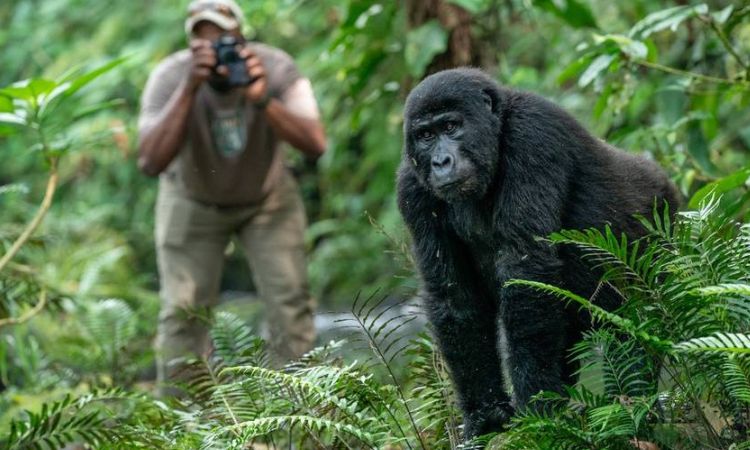
To plan a budget Uganda safari, start by traveling in the low season (March-April, Oct-Nov) or shoulder season for lower prices, book with a local operator for better rates, and join group tours to share transport/guide costs. Prioritize activities like chimp trekking (cheaper than gorillas) and budget for permits (gorilla permits are costly), choose budget lodging (campsites/guesthouses), eat local food, and consider flying into Kigali to save on park entry fees.
To successfully plan a Budget Uganda safari, you need a comprehensive approach that balances cost efficiency with memorable experiences. Here are 10 detailed steps, each focusing on key aspects of managing expenses without compromising the adventure
10-days-best-uganda-big-five-safaris-and-primate-experience
10-days-uganda-rwanda-primate-safari-vacation-and-game-drive-safari
10-days-uganda-safari-all-big-five-gorilla-and-chimpanzee-tracking-adventure
7-days-safari-to-uganda-queen-elizabeth-park-gorillas-trekking-and-lake-mburo
7-days-perfect-uganda-primate-safari-itinerary
7-days-uganda-tour-to-murchison-falls-via-ziwa-kibale-and-queen-elizabeth-national-park
7-day-ultimate-uganda-primate-safari-chimpanzees-and-game-drives
6-days-safari-in-uganda-gorilla-trekking-and-chimpanzee-tracking
6-days-classic-uganda-rwanda-primate-and-wildlife-safari
6-days-uganda-primate-safari-and-wildlife-experience
6-days-budget-uganda-wildlife-safari-holiday-vacation
6-days-double-gorilla-trekking-uganda-and-rwanda-side
4-days-bwindi-impenetrable-gorilla-trekking-and-queen-elizabeth-park-tour
4-days-budget-gorilla-trekking-lake-bunyonyi-and-golden-monkey-tracking
Define Your Safari Goals and Budget
The first step in a successful Budget Uganda safari is setting a clear financial boundary. A typical daily budget for a budget-oriented traveler might range from $250 to $350 per person, per day, excluding international flights and high-cost permits like gorilla trekking. Decide early which activities are essential. Gorilla permits in Uganda cost a substantial $800, which is the single largest fixed cost for many safaris. You might substitute this with cheaper chimpanzee trekking (around $250) or golden monkey tracking, or focus entirely on affordable vehicle game drives and boat safaris in parks like Queen Elizabeth or Murchison Falls National Park. Clearly defined priorities prevent overspending later and help tailor the trip to your available funds.
Travel During the "Green Season"
Timing is a powerful tool for a Budget Uganda safari. Traveling during the low, or "green," seasons (March to May and October to November) means fewer tourists and significant savings. Accommodations often reduce their rates by 25-50% to attract business. While roads can be muddier and require a sturdy 4x4, the wildlife viewing remains excellent. The landscape is lush and vibrant, a beautiful trade-off for potentially wetter weather. Peak season travel (June-September, December-February) is more expensive due to higher demand and better road conditions.
Book Essential Permits and Flights Early
Securing the high-demand components well in advance is critical for any Budget Uganda safari. Gorilla and chimpanzee permits are limited in number and sell out months ahead. Booking early not only guarantees your spot but also prevents the added stress and potential cost of last-minute cancellations or expensive alternative plans. Similarly, purchasing international flights several months ahead usually yields better prices than booking close to your departure date, securing a better overall rate for your journey to Entebbe (EBB).
Leverage Local Tour Operators
Booking your Budget Uganda safari directly with a Ugandan-based, licensed tour operator often results in better value than using a large international booking agent. Local companies understand how to navigate the best local deals for transport, accommodation, and guiding services. They can build customized, cost-effective itineraries that meet your budget constraints and offer transparent pricing, cutting out commissions charged by middlemen.
Choose Budget-Conscious Accommodation
Accommodation is a primary area for saving money on a Budget Uganda safari. Instead of luxury lodges, opt for community-run campsites, basic guesthouses, or hostels. Many facilities offer clean, safe, and comfortable lodging close to park entrances. Camping is often the cheapest option and many sites have facilities where you can interact with other budget travelers, enhancing the social aspect of your trip.
Optimize Ground Transportation
Transportation costs add up quickly due to long distances and the need for reliable 4x4 vehicles. To keep your Budget Uganda safari costs low, consider joining an existing group tour to share the cost of the vehicle, guide, and fuel. Alternatively, flying into Kigali, Rwanda, and driving the shorter distance to southern Bwindi (for gorilla trekking) can save significant time and money compared to driving from Entebbe.
Eat Locally and Reduce Dining Costs
Dining at local restaurants ("hotels") and food stalls is significantly cheaper than eating all meals at tourist lodges, and it offers an authentic cultural experience. Enjoy local dishes like rolex (a chapati wrap with eggs and vegetables) and matooke (steamed green bananas). Use a reusable water bottle with a built-in filter or purification tablets to save money on bottled water and reduce plastic waste.
Prioritize Health, Visas, and Insurance
A successful Budget Uganda safari requires essential administrative steps. Ensure you have all required vaccinations (Yellow Fever certificate is mandatory) and malaria prophylaxis. Apply for your Ugandan e-visa in advance. Most importantly, invest in comprehensive travel insurance that covers emergency medical evacuation and trip cancellation, protecting your financial investment should something go wrong.
Plan Your Finances and Currency Exchange
The official currency is the Ugandan Shilling (UGX). While US Dollars are widely accepted for major purchases (ensure bills are new, post-2006, and in large denominations), you'll need shillings for small purchases, tips, and local food. Plan to use ATMs in major cities like Entebbe or Kampala to withdraw local currency as ATMs are scarce in national parks.
Pack Smart, Light, and Respectfully
Packing appropriately avoids expensive emergency purchases in remote areas. Focus on lightweight, neutral-colored clothing suitable for layering, sturdy hiking boots, and essentials like binoculars, a hat, insect repellent, and sunscreen. Remember that a successful Budget Uganda safari involves cultural immersion; pack modest attire for visiting local communities and show respect by asking permission before photographing people.
7 days budget Uganda safari itinerary idea
A 7days budget Uganda safari offers an incredible opportunity to experience the "Pearl of Africa" without a massive financial outlay. By focusing on essential experiences like game drives, boat safaris, and possibly primate trekking while utilizing cost-effective accommodation (campsites or basic lodges) and ground transport options, you can have a rich and memorable adventure. This itinerary is designed to maximize wildlife viewing and cultural immersion in Uganda's Western circuit, balancing travel time with core activities. The key to a successful 7days budget Uganda safari is flexibility, planning, and booking major components like permits well in advance to lock in the best prices.
Here is a day-by-day plan for a 7-day budget safari:
Day 1: Arrival in Entebbe & Transfer to Kampala/Nearby Budget Accommodation
Your 7days budget Uganda safari begins upon arrival at Entebbe International Airport (EBB). Depending on your flight arrival time, you can explore the laid-back lakeside town of Entebbe, perhaps visiting the Botanical Gardens to see monkeys and birds, or the Uganda Wildlife Education Centre (UWEC) as an affordable alternative to traditional safaris. Later, transfer to Kampala, the capital city, which offers a wider range of budget-friendly hostels and guesthouses for your first night. Settle into your accommodation and prepare for the journey west the following morning. Using local transport (matatus or shared shuttles) is the most budget-conscious way to travel between Entebbe and Kampala.
See more
Day 2: Ziwa Rhino Sanctuary and Transfer to Murchison Falls National Park
The second day of your 7days budget Uganda safari involves an early start as you travel north to Murchison Falls National Park. An essential stop along the way is the Ziwa Rhino Sanctuary, the only place in Uganda where you can track white rhinos on foot. This guided walking safari offers a unique, close-up experience with these majestic animals for an additional fee of around $50. After lunch in Masindi, you will continue your journey to the national park, checking into a budget camp like Red Chilli Rest Camp, situated within or close to the park for a true safari experience. The long drive is part of the experience, showcasing the diverse landscapes of Uganda.
Day 3: Murchison Falls Game Drive and Boat Cruise
Day 3 is a highlight of the 7days budget Uganda safari, focusing on the spectacular Murchison Falls and the surrounding wildlife. In the morning, you will go on a guided game drive in the northern sector of the park, known for its wide savannah landscapes where you can spot elephants, giraffes, buffaloes, lions, and various antelopes. In the afternoon, embark on a scenic boat cruise along the Nile River to the base of the falls. This approximately $20 per person activity provides a unique perspective for viewing hippos, crocodiles, and a vast array of bird species. The cruise ends with a short, powerful hike to the top of the falls, where the entire Nile River squeezes through a narrow 7-meter gorge, creating a breathtaking spectacle.
Day 4: Transfer to Fort Portal/Kibale Area
After an early breakfast, you will leave Murchison Falls and begin the long drive south-west towards Fort Portal, the gateway to Kibale National Park. This day of your 7days budget Uganda safari is primarily a travel day, allowing you to witness the scenic changes in Uganda's landscape, passing via Hoima to Fort Portal with lunch en route. While long, the journey offers views of rural life, local villages, and plantations. On arrival in the Fort Portal area, you can check into a budget accommodation option like Kibale Forest Camp and perhaps take a short walk to one of the nearby crater lakes or simply relax in preparation for the next day's primate tracking activity.
See more
Day 5: Chimpanzee Trekking and Transfer to Queen Elizabeth National Park
Day 5 of the 7days budget Uganda safari features the exciting activity of chimpanzee trekking in Kibale National Park, known as the "Primate Capital". After an early briefing, you will spend a few hours in the forest tracking these active primates and observing them for an hour once located (permit costs around $250). In the afternoon, you will transfer to Queen Elizabeth National Park. The drive is relatively short (around 2 hours) and upon arrival, you can check into a budget lodge or camp, such as Pumba Safari Cottages, near the park. An evening game drive is an option, or simply relax at the lodge.
Day 6: Queen Elizabeth Game Drive and Kazinga Channel Boat Cruise
On Day 6 of your 7days budget Uganda safari, you will explore more of Queen Elizabeth National Park. Start the day with a morning game drive in the Kasenyi sector, a prime location for spotting lions, elephants, buffaloes, Uganda kobs, and warthogs. The open savannah plains offer excellent photographic opportunities. In the afternoon, you will take a boat cruise on the famous Kazinga Channel, which connects Lake George and Lake Edward. This 2–3-hour cruise is a highlight, offering close views of large numbers of hippos, crocodiles, and over 600 bird species along the banks.
Day 7: Morning Nature Walk and Departure
The final day of your 7days budget Uganda safari starts with an early morning safari walk in Lake Mburo National Park, where you can walk among zebras, warthogs, and various antelopes without the immediate presence of large predators. After the walk and breakfast, you will begin the journey back to Entebbe/Kampala. A stopover at the Equator line in Kayabwe is a classic photo opportunity and a chance to buy souvenirs. The drive takes several hours, aiming to arrive at Entebbe International Airport in the afternoon or evening for your departure flight, concluding your affordable Ugandan adventure.
10 Ways to lower costs on Budget Uganda safari
Planning a Budget Uganda safari is entirely feasible by adopting smart strategies that significantly cut down expenses without sacrificing the core experience of the trip. The key is prioritizing local alternatives, timing your travel wisely, and being resourceful with logistics.
Here are 10 effective ways to lower costs on your Budget Uganda safari
Travel During the "Green Season"
Timing is the most powerful cost-saving measure for a Budget Uganda safari. Uganda’s low seasons, from March to May and October to November, coincide with the rainy seasons. During these times, demand for accommodation and guide services drops significantly, leading to discounts of 25-50% on lodge rates and tour packages. While the rains might make some roads challenging, the wildlife viewing remains excellent, the landscapes are lush, and there are far fewer tourists.
Opt for Group Tours to Share Costs
The most significant expense in any Ugandan safari is transportation—specifically the hire of a 4x4 vehicle, fuel, and a driver/guide. By joining an existing group tour, these fixed costs are split among several people. This dramatically reduces the per-person expense. Many local operators specialize in arranging small group tours, offering an efficient way to manage a Budget Uganda safari while making new friends.
Use Local Tour Operators Directly
Booking your Budget Uganda safari directly with a registered Ugandan tour operator often provides better value than going through an international travel agency. Local operators have established relationships with local camps and guides, giving them access to the best available budget rates. They can offer customized packages tailored specifically to your financial constraints and ensure you receive transparent pricing.
Choose Camping or Budget Guesthouses
Accommodation costs vary widely. A Budget Uganda safari can be achieved by opting for community campsites or basic guesthouses over luxury safari lodges. Many national parks have designated public and private campsites offering basic but clean facilities. Camping not only saves money but also provides a more authentic, immersive bush experience, often allowing for interactions with local staff and fellow travelers.
Minimize the Length of Your Trip
A shorter safari automatically means lower costs. A focused 7days budget Uganda safari, as opposed to a 14-day trip, can cover major highlights like Murchison Falls and Queen Elizabeth National Park efficiently. Decide on your must-see destinations and streamline your itinerary to include them without unnecessary extra days of travel or lodging expenses.
Skip the Gorilla Trekking Permit (or Find Alternatives)
Gorilla trekking is a bucket-list item, but the permit costs $800, a massive single expense for a Budget Uganda safari. If cost is a primary concern, consider skipping this activity. Focus instead on chimpanzee trekking (around $250 per permit) or golden monkey trekking, which are significantly cheaper and still offer incredible primate encounters. Game drives and boat safaris are also much more affordable.
Eat Locally and Avoid Tourist Restaurants
Food expenses can be managed by eating at local eateries, often called "hotels" or "restaurants" in Uganda, rather than exclusively at tourist lodges. The local cuisine is delicious, authentic, and inexpensive. A meal at a local spot can cost just a few dollars. When staying in self-catering accommodation, shopping at local markets for fresh produce also helps manage costs effectively.
Utilize Public Transportation Where Possible
While professional safari vehicles are necessary within the parks, you can use Uganda's public transportation network (like 'matatus' or buses) for travel between major towns if you are adventurous and have time. This is significantly cheaper than hiring a private driver for the entire trip, though it requires more logistical planning and flexibility.
Pack Smartly to Avoid Purchases
Ensure you pack all necessary clothing and gear before you leave home. Forgetting essential items like sturdy hiking boots, a rain jacket, or binoculars can lead to expensive emergency purchases at lodges or shops that cater to tourists at premium prices. A well-prepared packing list is key to a cost-effective Budget Uganda safari.
Book High-Impact Permits and Flights in Advance
While last-minute deals sometimes exist for lodges, essential items like international flights and activity permits do not follow this rule. Booking these items 4-12 months in advance locks in current prices and avoids premium fees associated with last-minute scarcity, ensuring these core costs fit within your Budget Uganda safari plan.
When is the best time to travel on budget in Uganda?
The absolute best time to travel on a Budget Uganda safari is during the two rainy seasons: March to May and October to November. These periods are considered the "green seasons" or low seasons in Uganda's tourism industry. During this time, the reduced demand means that accommodation providers, local tour operators, and even some activity providers offer significant discounts, often saving you 25-50% on standard rates. While you may experience more rain, the weather often consists of short, sharp showers, followed by bright sunshine. The landscapes are lush and green, and birdwatching is at its peak. Traveling during these months allows you to stretch your budget further and experience the beauty of Uganda with fewer crowds, making it the ideal time for a cost-effective trip.
Where to stay on budget Uganda safari
For a successful Budget Uganda safari, the best accommodation options are campsites, community guesthouses, and hostels. Many of Uganda's national parks have well-maintained public and private campsites, some of which offer basic facilities like running water and shared kitchens. Lodges such as Red Chilli Rest Camp in Murchison Falls and Pumba Safari Cottages in Queen Elizabeth National Park offer excellent value for money with comfortable, no-frills lodging. These options are clean, safe, and located near park entrances for easy access to game drives and activities. Staying at these local, budget-friendly places not only saves money but also provides a more authentic and communal safari experience.
Booking budget Uganda safari with us: Roads of Adventure Safaris
Booking your Budget Uganda safari with us at Roads of Adventure Safaris guarantees a memorable and affordable trip tailored to your financial needs. We specialize in creating value-for-money itineraries by leveraging our extensive local knowledge and connections to secure the best rates for budget accommodation, transport, and activities. We cut out the middleman fees associated with international agents, offering transparent and competitive pricing. Our team helps you navigate cost-saving options like group tours and off-peak travel, ensuring you get the most out of your Ugandan adventure. Contact Roads of Adventure Safaris to plan your perfect, budget-friendly exploration of the "Pearl of Africa."
