A family safari in Tanzania offers an unforgettable adventure, blending thrilling wildlife viewing in the Serengeti and Ngorongoro Crater with cultural experiences like visiting Maasai villages. Ideal for all ages, these trips feature family-friendly lodges with pools, short travel distances, and expert guides. Highlights include the Big Five, diverse birdlife, and the Great Migration, with optional beach relaxation in Zanzibar. Safaris can be customized with junior ranger programs and educational activities, providing a safe, immersive, and educational journey for children and adults. The best time for viewing is typically from July to October (dry season) or December to March (calving season).
7-days-best-great-wildebeest-migration-safari-in-tanzania
7-days-epic-africa-big-five-safari-in-tanzania-top-best-parks
7-days-budget-tanzania-safari-affordable-africa-budget-safari
7-days-kilimanjaro-climb-and-hiking-safari-ascent-to-peak
7-days-tanzania-wildlife-safari-africa-safari-tour-best-park-visits
7-days-best-southern-tanzania-safari-parks-nyerere-mikumi-ruaha-and-udzungwa
7-day-best-zanzibar-beach-holidays-combo-to-ruaha-and-mikumi-safari-parks
7-days-zanzibar-beach-activities-and-chimpanzee-tracking-in-mahale-mountains
7-days-amboseli-kenya-and-serengeti-fly-in-tanzania-safari
7-days-masai-mara-safari-tour-and-serengeti-safari-tour-in-kenya-and-tanzania
7-days-ultimate-budget-kenya-tanzania-safari-holiday-vacation
11-day-tanzania-safari-to-tarangire-lake-naron-serengeti-ngorongoro-and-lake-eyasi
10-days-perfect-tanzania-safari-itinerary
11-days-combined-rwanda-tour-and-tanzania-wildlife-safari-tour
11-days-ultimate-rwanda-safari-and-kenya-tanzania-safari-itinerary
12-days-best-east-africa-safari-tour-package-to-rwanda-tanzania-and-south-africa-safaris
10-days-family-tanzania-safari-tour-to-lake-manyara-serengeti-ngorongoro-crater-and-tarangire
12-days-tanzania-safari-and-culture-experience
20-days-uganda-kenya-tanzania-and-zanzibar-beach-holidays
18-days-exclusive-kenya-tanzania-safari-to-uganda-primate-safari
12-days-best-tanzania-and-kenya-safari-combo-itinerary
12-days-uganda-safari-and-tours-combined-with-zanzibar-beach-vacation
25-days-east-africa-safari-to-uganda-rwanda-kenya-tanzania-safari-and-zanzibar-beach-holidays
What is the Best Time for a Family Tanzania Safari?
The best time for a family Tanzania safari is during the dry season, which runs from June to October. This period is ideal for wildlife spotting as animals gather around limited water sources, making them easier to locate. The dry season also coincides with pleasant weather, characterized by sunny days and cooler evenings, which is comfortable for families traveling with children.
During these months, national parks like Serengeti and Tarangire are bustling with activity, providing rich opportunities for game drives. The visibility is significantly better due to the sparse vegetation, enhancing your chances of seeing the Big Five—lions, leopards, elephants, buffalo, and rhinoceros—along with various other wildlife.
Moreover, the dry season is particularly vital for young children who may not adapt well to the heat and humidity of the wet season. With the dry weather, families can enjoy more reliable transportation and calmer conditions, making for smoother travel between parks.
That said, it’s essential to book accommodations in advance, as the peak travel season attracts many visitors. Tailoring the itinerary to consider children’s needs—such as including a mix of activities and plenty of downtime—can significantly enhance the experience. Thus, the dry season not only allows for optimal wildlife viewing, but also makes for a more enjoyable and memorable experience for families visiting Tanzania.
Is a Family Tanzania Safari Suitable for Young Children?
Yes, a family Tanzania safari can be suitable for young children, though it often depends on the age and temperament of the kids, as well as the specific safari operator. Many safari providers recommend that children be at least 5 to 6 years old to better handle the game drives and the excitement of the wilderness. However, some lodges and operators accept younger children, especially if they have family-friendly amenities.
Certain lodges cater specifically to families, offering activities tailored for children and ensuring that safety measures are in place. Guides are trained to engage children in a way that sparks their interest in wildlife and nature. This includes educational experiences such as tracking animals, learning about plants, and even participating in simple, supervised activities.
However, it's important for parents to recognize that young children may have different levels of patience for long game drives or new experiences. Therefore, planning an itinerary that includes shorter activity durations, plenty of breaks, and downtime can make the trip more enjoyable for everyone. Engaging the children on their terms—through interactive activities like visiting a Maasai village or participating in conservation projects—can also heighten their safari experience.
Ultimately, while a family safari can be a fantastic opportunity for young children to connect with nature and wildlife, careful planning and consideration of their needs can significantly enhance their enjoyment and comfort throughout the journey.
How Long Should a Family Tanzania Safari Last?
A family Tanzania safari is ideally 7 to 10 days long. This duration strikes a balance, allowing families to immerse themselves in the unique experiences of the safari without overwhelming their children. A 7-day trip often provides ample time to visit key destinations, engage in wildlife activities, and discover the rich culture of Tanzania while enabling a relaxed pace suitable for kids.
Longer trips, up to 10 days, afford families the chance to explore multiple national parks or reserves, such as Serengeti, Ngorongoro Crater, and Tarangire, while also allowing time for travel between areas without excessive fatigue. This flexibility helps families savor both adventure and relaxation, incorporating enjoyable downtime at lodges or during scenic picnic breaks.
Traveling with children requires considering their stamina and the potential for rest periods. The safari adventure can be tiring due to early morning starts and potentially lengthy game drives. Scheduling downtime during the heat of the day—perhaps at the lodge pool—allows for a more enjoyable experience for everyone.
Throughout the trip, engaging well-paced itineraries will keep the children interested and less prone to fatigue. Additionally, allowing for spontaneous changes based on the children’s energy levels or interest can enhance the overall experience. In summary, a duration of 7 to 10 days offers a solid framework for a fulfilling family safari while accommodating the unique dynamics of traveling with kids.
Do I Need a Travel Agent for a Family Tanzania Safari?
Utilizing a travel agent or specialized safari operator for a family Tanzania safari is highly advisable. Travel agents experienced in safari planning understand the logistics involved in creating a family-friendly itinerary, ensuring that accommodations, activities, and transportation are all suited to the needs and interests of children.
A reputable travel agent can help identify child-friendly lodges, which often provide amenities like family suites, pools, and organized activities that cater to younger guests. They can also coordinate safe travel between parks, arranging either private vehicles or short domestic flights that minimize long, bumpy road transfers, a crucial consideration when traveling with children.
Additionally, travel agents often have insights into local conditions and can provide valuable information on medical requirements, including necessary vaccinations, as well as safety guidelines specific to family travel. They can customize itineraries to include rest days or other activities that keep children engaged and reduce fatigue.
Leveraging a travel agent’s expertise not only alleviates the stress of planning but can ensure a seamless travel experience. With their guidance, families can have the assurance that everything is tailored to provide an enriching, memorable, and safe adventure in Tanzania.
What Vaccinations Are Needed for a Family Tanzania Safari?
Before embarking on a family Tanzania safari, it is essential to consult with a travel clinic regarding vaccinations and health precautions. Recommended vaccinations typically include Hepatitis A, Typhoid, and Tetanus, which are crucial in protecting against diseases prevalent in Tanzania.
Additionally, Yellow Fever vaccination is often required, especially for travelers coming from countries with the risk of the disease. The Centers for Disease Control and Prevention (CDC) and the World Health Organization (WHO) have guidelines on vaccine requirements that can vary based on the traveler's country of origin.
Malaria is another significant health concern in Tanzania, making prophylactic medication strongly advised for families, particularly when traveling to areas where malaria is endemic. Family members should discuss with their healthcare provider the best options for prevention, considering individual health needs and potential side effects.
It’s also prudent to ensure that routine vaccinations (like MMR and Diptheria) are up to date for all family members. In preparation, travelers should carry all necessary documentation of vaccinations and medications, especially with young children, for ease in obtaining medical assistance during their stay.
By being proactive regarding vaccinations and health precautions, families can safeguard their well-being and focus on enjoying the incredible experience that a Tanzania safari provides.
Are Family Tanzania Safaris Safe?
Yes, family Tanzania safaris are generally safe, especially when visiting established national parks and staying in approved lodges. As a popular tourist destination, Tanzania has well-equipped safari operators that prioritize safety standards. They ensure that guides are trained in both wildlife behavior and safety protocols.
While on safari, it is crucial that children follow specific safety rules, such as remaining seated in vehicles during game drives and listening to the guidance of their safari guide. Educating children about the importance of maintaining a safe distance from wildlife will help reinforce safety.
High-end lodges and camps often implement stringent security measures, including perimeter fencing and onsite security personnel. Furthermore, the use of reputable transport options for transfers between parks ensures children’s safety while traveling.
Parents should also be aware of personal safety measures, including ensuring young children are protected against insects, particularly in areas where malaria is a concern. Following health guidelines, such as taking malaria prophylaxis and using appropriate insect repellent, can enhance family safety throughout the trip.
Preparing for possible medical emergencies by carrying a first-aid kit and knowing the location of the nearest medical facilities can also provide peace of mind. By adhering to guidelines and choosing reputable providers, families can enjoy a safe and enriching safari experience in Tanzania.
How Do We Travel Between Parks on a Family Tanzania Safari?
Traveling between parks on a family Tanzania safari can be accomplished through various means, but small aircraft flights are frequently recommended. This option greatly minimizes long, bumpy road transfers, which can be exhausting for children. Domestic flights connect key national parks, such as from Serengeti to Ngorongoro Crater or Tarangire, allowing families to maximize their safari time.
Flying is not only more time-efficient but also provides stunning aerial views of the landscapes, enhancing the experience. Operators generally arrange seamless transitions from lodges to airports and vice versa, ensuring that families don't have to navigate logistics independently.
However, when short road transfers are necessary, quality 4x4 vehicles are typically used. These vehicles are designed for comfort and safety, with amenities to keep children entertained during travel, such as window views for wildlife spotting.
Most reputable safari companies also consider children's comfort when designing itineraries, incorporating break stops for snacks or opportunities to stretch legs. This attentiveness ensures that young travelers are engaged throughout the journey and are less likely to experience fatigue.
Overall, combining small aircraft flights and comfortable road transfers allows families to travel effectively between parks while enjoying the stunning beauty of Tanzania's landscapes without unnecessary strain.
What Should We Pack for a Family Tanzania Safari?
Packing for a family Tanzania safari requires thoughtful planning to ensure everyone has what they need for comfort and enjoyment. Begin by choosing lightweight, breathable clothing suitable for warm days and cool evenings. Neutral colors, like khaki and olive, are ideal as they help blend into the natural surroundings.
Packing layers is crucial, especially for early morning and late afternoon game drives when temperatures can be cooler. Include long-sleeve shirts and long pants to protect against sun exposure and insects. Sun protection is vital, so don’t forget wide-brimmed hats and UV-protective sunglasses.
Insect repellent containing DEET is essential for warding off mosquitoes and other insects, and you should also consider packing personal health items like sunblock and any medications necessary for your family.
For children, bring along small toys, books, or games to keep them entertained during travel and downtime at lodges. A pair of binoculars for wildlife viewing can also enrich the experience.
Regarding gear, soft-sided duffel bags are preferable for travel due to baggage restrictions on flights. Comfortable walking shoes or sandals for daytime activities and flip-flops for leisure time at the lodge are also recommended.
Lastly, include a basic first-aid kit, along with necessary medical documentation and medications, to ensure your family is prepared for any minor ailments that may arise during your adventure.
Are There Toilets on a Family Tanzania Safari Drive?
Yes, there are typically toilets available during a family Tanzania safari, but the facilities can vary depending on your location. Most luxury lodges provide restroom facilities, often including well-maintained restrooms at their properties.
During game drives, drivers will often plan stops at designated picnic areas where clean toilet facilities are available. Many safari companies ensure that rest stops are incorporated into the day’s itinerary, thereby accommodating the needs of family members, including children.
However, it’s important to note that there are no restroom facilities in the middle of the bush during game drives. Safari drivers are accustomed to handling such situations and will typically provide ample opportunity for bathroom breaks at established sites throughout the excursion.
In some cases, if facilities are not available, the guides may offer discreet options for restroom breaks. Families should encourage children to use amenities at lodges or designated stops during travels to avoid discomfort.
Overall, while the availability of toilets may not be as comprehensive as urban settings, safari operators are attentive to the needs of families and ensure that adequate facilities are accessible during excursions.
What is the Typical Day on a Family Tanzania Safari?
A typical day on a family Tanzania safari is structured around the rhythms of wildlife activity and usually includes early morning and late afternoon game drives. Here’s a general overview of how a day may unfold:
Early Morning: The day often begins with a pre-dawn wake-up, where a hearty breakfast is served before heading out for an early morning game drive, capitalizing on cooler temperatures and active wildlife. This is a prime time to spot predators and other animals as they engage in their natural behaviors.
Game Drive: The morning is usually spent exploring wildlife-rich areas, and guides will be eager to involve children in spotting animals and teaching them about the environment. Families can expect breaks at picturesque spots to stretch legs and enjoy refreshments.
Midday Relaxation: After several hours of exploring, families typically return to the lodge for a relaxing lunch. The midday heat can be intense, so time spent at the lodge encourages downtime, allowing children to nap or enjoy activities by the pool.
Late Afternoon: The pace picks up again as families head out for a second game drive, often timed to coincide with the cooler evening hours. This afternoon drive provides additional opportunities for wildlife viewing and often culminates in a glorious sunset in the savanna.
Evening: Following the drive, families usually return to the lodge for dinner. Evening meals can be a communal affair, giving families time to share stories of the day's adventures and bond over delicious meals.
Can We Get Family Rooms on a Family Tanzania Safari?
Yes, many accommodations on a family Tanzania safari offer family rooms or specific arrangements that make travel easier for families. Options typically include family tents, interconnected rooms, or suites designed to comfortably house parents and children while maintaining close proximity. This arrangement is particularly beneficial for ensuring that parents can easily supervise younger children throughout the night.
Family tents are luxurious options that provide ample space and amenities, often featuring en-suite bathrooms and private verandas. Many family-friendly lodges also incorporate safety features, such as child-friendly furniture and secure surroundings, to create a conducive environment for families.
Having family accommodations enables parents to enjoy private moments while knowing their children are safely nearby. This setup is helpful during downtime at the lodge, allowing families to relax together and share stories about their day’s adventures in the bush.
Some lodges also offer special programs for children, including activities and adventures designed specifically for families. These amenities encourage bonding time and allow everyone to fully engage in the safari experience. Overall, options for family rooms or interconnected accommodations make a family Tanzania safari not only practical but also memorable and enjoyable for all.
What Animals Will We See on a Family Tanzania Safari?
On a family Tanzania safari, travelers can expect to see an incredible array of wildlife. The Big Five—lions, leopards, elephants, rhinoceroses, and buffaloes—are among the primary attractions. These iconic species are often the highlight for families and create thrilling moments for children and adults alike during game drives.
In addition to the Big Five, families can also anticipate sightings of giraffes, zebras, wildebeests, hippos, and various antelope species, all of which contribute to the rich biodiversity of Tanzania's national parks. The Serengeti and Ngorongoro Crater particularly stand out for their wildlife density and diversity, making them popular spots for both first-time visitors and seasoned safari enthusiasts.
Birdlife is another captivating aspect of a family safari; Tanzania boasts over 1,000 bird species. Families can engage children in birdwatching, teaching them to spot colorful species like the lilac-breasted roller and various species of ostrich and flamingos.
The experienced guides accompanying the families are adept at sharing interesting facts about the animals and their habitats, which adds to the educational value of the trip. These encounters with wildlife create lasting memories, fostering a sense of wonder and appreciation for nature in young minds while also making for compelling stories to tell back home.
Can Children Participate in Activities Other Than Driving on a Family Tanzania Safari?
Absolutely, children can participate in a variety of activities beyond just driving on a family Tanzania safari. Many lodges and operators cater to families by offering a range of interactive experiences designed to engage younger guests, enhancing their understanding of the local environment and culture.
Walking safaris are a popular option, where knowledgeable guides take families on short educational walks around the camp. During these walks, children learn about tracks, plants, and smaller wildlife that they may overlook from the vehicle. These interactions create an immersive experience and allow children to appreciate the richness of the ecosystem.
Bug hunts or nature scavenger hunts can also be arranged, providing children with a fun way to explore the natural surroundings while honing their observation skills. This hands-on approach allows them to connect with nature in a meaningful way. Many lodge organizers tailor these activities to be both educational and enjoyable, ensuring children are actively engaged.
Furthermore, cultural visits to local Maasai villages are often incorporated into family itineraries, granting children the chance to learn about the customs, traditions, and daily life of the Maasai people. These encounters emphasize cultural exchange and foster understanding of diverse ways of life, inspiring curiosity in younger travelers.
Overall, the diversity of activities available on a family Tanzania safari ensures that children are not only entertained but also educated and enriched by their travels, making the adventure more profound and memorable for all family members.
Is the Great Migration Visible on a Family Tanzania Safari?
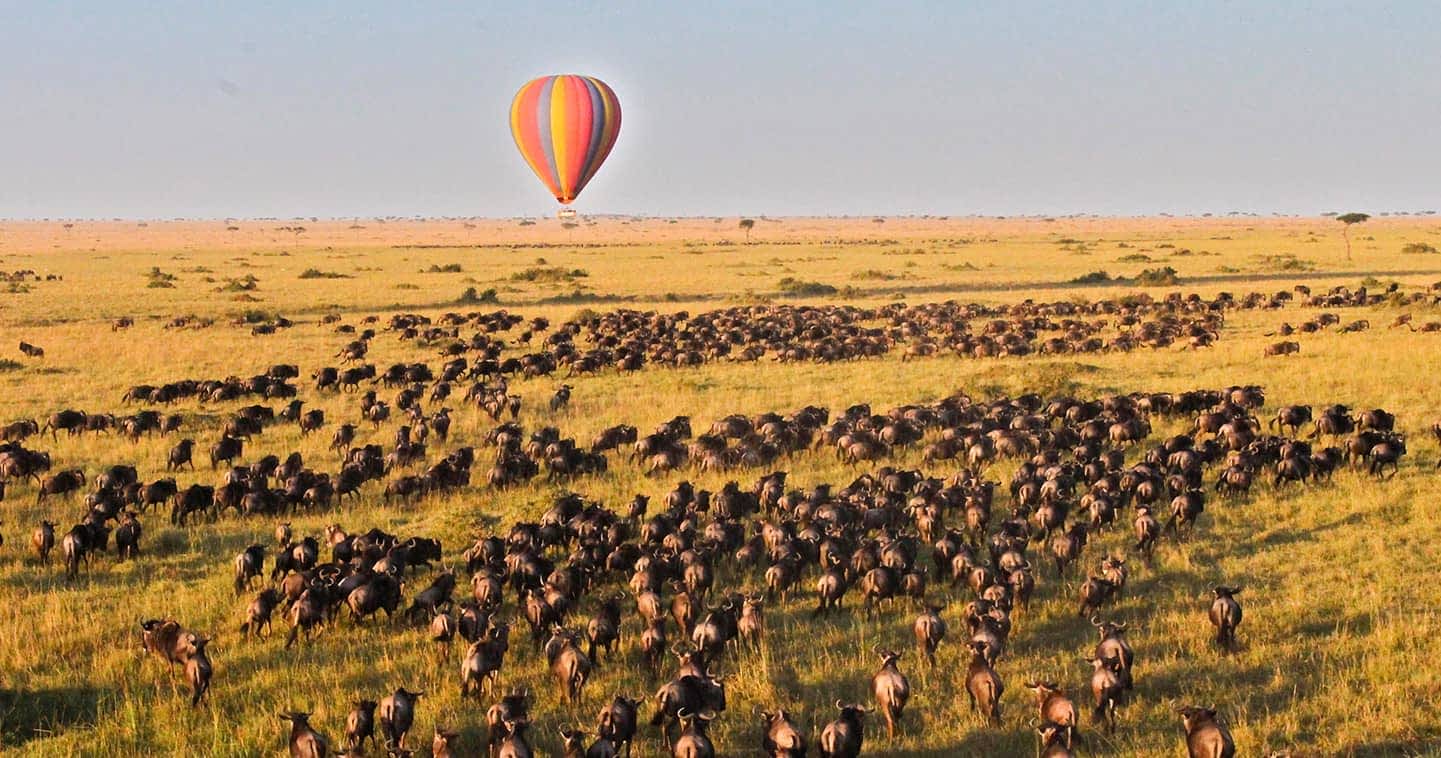
Yes, the Great Migration is visible on a family Tanzania safari, particularly when visiting the Serengeti. This awe-inspiring event, characterized by millions of wildebeests, zebras, and other herbivores making their annual journey in search of fresh pastures, is one of the most remarkable wildlife displays on Earth.
The migration typically spans several months and reaches notable areas within the Serengeti at different times of the year. For families planning their safari, synchronizing their trip with the migration can enrich their experience. The best time to witness this spectacular event often falls between June and September when herds cross rivers, facing natural predators like crocodiles.
Accommodations within the Serengeti offer various options to optimize wildlife viewing during this period. Many lodges strategically position themselves near key migration routes, allowing families to witness the movement of the herds up close, enriching the safari adventure. The excitement of seeing large groups of animals migrating together is a captivating experience for children and adults alike.
Guides play a pivotal role in enhancing this experience, explaining the dynamics of the migration and the roles of various animals within the ecosystem. These interactions emphasize the natural world's interconnectedness, creating a learning opportunity for younger travelers while providing unforgettable moments for the entire family.
In summary, incorporating a visit to the Great Migration into a family Tanzania safari offers unique and dramatic wildlife encounters that will leave lasting memories for travelers of all ages.
What is a "Walking Safari" on a Family Tanzania Safari?
A "walking safari" is an exciting and enriching activity often offered on a family Tanzania safari. This outdoor experience typically involves guided walks, which provide an alternative way to explore the natural wonders of the African wilderness, emphasizing the smaller details often missed during a game drive.
Guided by knowledgeable safari guides, walking safaris are usually short treks near the camp, designed specifically to educate and engage children. These walks may last from 1 to 2 hours and focus on the local flora, fauna, insects, and animal tracks, offering children a hands-on learning experience. This intimate approach allows families to connect with nature and develop a deeper understanding of the ecosystem.
During these walks, guides often demonstrate safety measures, reinforcing the importance of being aware of one's surroundings. They teach essential survival skills, identify wildlife signs, and explain the interconnectedness of various species within the ecosystem. This educational aspect is particularly beneficial for children, making the experience both fun and impactful.
Walking safaris encourage curiosity about nature, allowing children to ask questions and engage with their surroundings actively. These excursions also provide opportunities for families to spend quality time together, disconnecting from technology and diving into the beauty of the natural world.
In summary, walking safaris are an excellent supplement to a family Tanzania safari, providing unique, memorable, and educational outdoor experiences that deepen appreciation for wildlife and nature.
Can We Visit a School on a Family Tanzania Safari?
Yes, many family Tanzania safari itineraries include the opportunity to visit local schools or communities, providing an educational and enriching experience for travelers. These visits allow families to engage with local cultures and learn firsthand about the education systems and daily lives of Tanzanian children.
Such visits are often arranged in conjunction with cultural programs offered by various lodges or safari operators who prioritize responsible tourism practices. During these interactions, families can observe classroom settings, participate in activities, or even share experiences with the local students. These exchanges foster understanding and appreciation of different lifestyles, enriching the overall safari experience.
Visiting a school presents families with the chance to discuss topics such as education, community involvement, and cultural practices with local educators and students. Children often enjoy connecting with their peers through shared interests, making these interactions particularly meaningful.
In addition to cultural insights, participating in school visits highlights the importance of education and raises awareness about the challenges faced by communities in Tanzania. Families can take this opportunity to discuss ways to support local initiatives or contribute to educational programs, creating a lasting impact beyond their safari experience.
Overall, school visits are a fantastic addition to a family Tanzania safari, fostering meaningful connections between travelers and local communities while understanding the rich tapestry of the country's culture and education system.
Are There Discounts for Children on a Family Tanzania Safari?
Yes, many lodges and safari operators provide discounts for children on a family Tanzania safari, which can significantly help manage travel expenses. Typically, discounts are available for children under certain age thresholds, often beginning at ages 12 or 16. These policies can vary among lodges and companies, so checking specific terms beforehand is essential.
Many lodges offer reduced rates on accommodations, sometimes allowing children to share rooms with their parents at a lower cost. Furthermore, some operators provide special family packages that might include perks such as complimentary meals for children or reduced rates for activities.
It’s also common for safari companies to offer flexible pricing structures that take family size into account. For instance, larger families may benefit from more substantial discounts for booking multiple children.
In addition, during certain seasons, particularly during the low season, families might find even greater discounts or promotional offers targeting family travel. These incentives not only make safaris more accessible but also encourage families to explore the magnificent landscapes and wildlife of Tanzania.
In summary, knowing the availability of discounts for children can help families plan more effectively, making an extraordinary Tanzania safari experience more affordable and enjoyable for everyone.
What Does a Family Tanzania Safari Typically Cost?
The cost of a family Tanzania safari can vary widely based on several factors, including luxury levels, tour length, accommodations, and specific activities included in the package. On average, families can expect to pay between $5,000 to over $15,000 for a week-long safari for four people.
The price range typically reflects the choice of luxury lodges or tented camps, with exclusive high-end options often costing significantly more. Luxury properties usually feature amenities such as family suites, private guides, and personalized services that enhance the overall experience.
Additionally, the time of year plays a vital role in determining costs. Peak tourist seasons, such as during the Great Migration or the dry season (June to October), often command higher prices due to increased demand. Booking in advance can help secure better rates.
Packages may also differ in terms of included features. Some may offer all-inclusive pricing that covers meals, activities, and even internal flights, while others might have add-on fees for specific excursions.
Families should consider not only the upfront costs but also what each package entails in terms of experiences and accommodations. Assessing value for money will ensure families can create an enriching and memorable experience while exploring Tanzania’s magnificent wildlife and landscapes.
How Far in Advance Should I Book a Family Tanzania Safari?
It is highly recommended to book a family Tanzania safari at least 6 to 12 months in advance, particularly if you plan to travel during peak seasons. This timeframe allows families to secure desirable accommodations and tailor their itineraries to suit their needs while maximizing their safari experience.
The popularity of family-friendly lodges and camps means that availability can dwindle quickly during busy periods, especially those coinciding with the Great Migration or the dry season from June to October. Early booking not only provides reassurance regarding accommodation selection but often allows families to take advantage of promotional offers or discounts.
Additionally, booking in advance ensures that you can fully customize your safari according to your family's interests and preferences, including special requests for activities or specific lodges.
Consulting with a travel agent experienced in family safaris can also help streamline this process, ensuring you have all necessary arrangements sorted out well ahead of time. By planning your trip in advance, your family can set the stage for an enriching and unforgettable experience exploring the wonders of Tanzania’s wildlife and landscapes.
Booking Family Tanzania Safari with us Roads of Adventure safaris
Book an unforgettable family Tanzania safari with Roads of Adventure Safaris for a tailored 5-day adventure exploring the Serengeti and Ngorongoro Crater. Designed for all ages, these trips feature exciting game drives to spot the Big Five, alongside comfortable, family-friendly accommodations. Experience rich wildlife, cultural interactions, and educational opportunities in Tanzania's premier parks. With expert guides, this trip ensures a safe, fun, and memorable bonding experience for your family. Book your adventure today.
