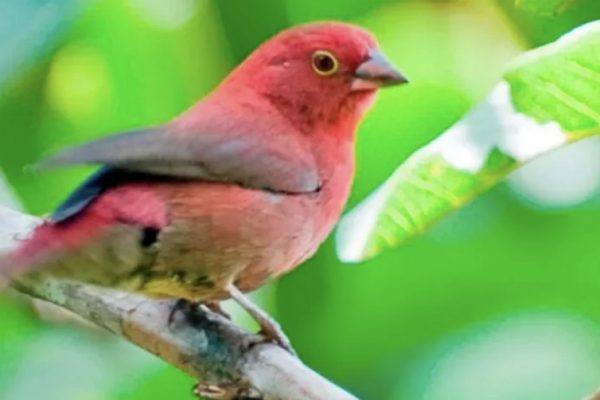
This 5–10-day Rwanda birding safari sample explores top locations like Nyungwe Forest National Park for Albertine Rift endemics, Akagera National Park for savannah/papyrus species, and Volcanoes National Park for alpine birds. Expect to spot the Shoebill Stork, Red-faced Barbet, and Papyrus Gonolek
28-days-perfect-uganda-rwanda-bird-watching-safari-and-wildlife-expedition
17-days-rwanda-birding-safari-and-uganda-birding-tour-combined-vacation
16-days-exclusive-rwanda-bird-watching-safari-extravaganza
12-days-perfect-rwanda-birding-safari-itinerary
9-days-best-rwanda-birding-safari-primates-and-wildlife
10-days-best-rwanda-birding-safari-combined-with-rwanda-gorilla-trekking-vacation
5-days-perfect-rwanda-birding-safari-and-wildlife-and-gorilla-trekking
7-days-rwanda-birding-safari-chimps-and-gorilla-trekking
5-Day Rwanda Birding Highlights (Sample Itinerary)
- Day 1: Arrival and Birding in Kigali: Arrive at Kigali International Airport and transfer for birding at Nyabarongo wetlands for papyrus specials.
- Day 2: Akagera National Park: Drive to Akagera for savanna birding and a boat trip on Lake Ihema to see the Shoebill Stork, papyrus gonolek, and kingfishers.
- Day 3: Full Day Birding in Akagera: Search for raptors and species like the Lesser Blue-eared Starling and White-headed Barbet.
- Day 4: Kigali to Nyungwe Forest: Transfer to the southwest, birding along the way.
- Day 5: Nyungwe Forest/Canopy Walk and Departure: Morning forest birding or canopy walk for Albertine endemics, then return to Kigali.
5- Days Rwanda Birding safari tour
This 5-day itinerary offers a sophisticated overview of Rwanda’s diverse avian landscapes, transitioning from the aquatic wetlands of the capital to the sweeping savannahs of the east, and finally into the ancient, mist-shrouded rainforests of the south-west.
Day 1: Arrival and Birding in Kigali
Your Rwandan birding adventure begins immediately upon arrival in Kigali. The city, known for its cleanliness and rolling hills, is surprisingly rich in birdlife, particularly within its protected wetland systems. The primary focus of the afternoon is the Nyabarongo Wetlands, a critical Important Bird Area (IBA) that forms part of the upper Nile basin. These expansive reed beds and papyrus swamps are the gateway to several "papyrus specials" that are highly sought after by regional listers.
As you explore the marshy fringes, you will be searching for the Papyrus Gonolek, a striking bird with a vibrant yellow crown that often betrays its presence with a loud, synchronized duet. Other key targets include the Papyrus Yellow Warbler, White-winged Swamp Warbler, and the Carruthers's Cisticola. The wetlands also host a variety of waterbirds, such as the African Openbill, Yellow-billed Stork, and the elegant Grey Crowned Crane, Rwanda’s national bird. This first day serves as an excellent introduction to the "Lake Victoria Biome" species, providing a high species count just minutes from the city centre before you head into the more remote national parks.
Day 2: Akagera National Park (Lake Ihema)
On the second day, you travel east to Akagera National Park, Rwanda’s only savannah destination. Akagera is a stunning complex of rolling hills, open acacia woodlands, and a chain of lakes buffered by extensive papyrus swamps. The afternoon highlight is a boat trip on Lake Ihema, the largest lake in the park. Drifting along the shoreline provides an intimate perspective on both aquatic birds and the park's large mammals, including hippos and Nile crocodiles.
The boat cruise is one of the most reliable ways in Rwanda to spot the elusive Shoebill. While not as common here as in Uganda's Mabamba, the Shoebill is a regular resident of the Akagera marshes. You will also see an incredible density of kingfishers, including the Giant, Pied, and Malachite Kingfishers. The lakeside trees are frequently draped with Pink-backed Pelicans and African Fish Eagles. Along the papyrus edges, keep a sharp eye out for the African Finfoot and the White-backed Night Heron, both of which prefer the quiet, overhanging branches of the lake’s inlets.
Day 3: Full Day Birding in Akagera
A full day in Akagera allows you to explore the northern Kilala Plains and the varied woodland habitats that host over 480 species. This is the premier location in Rwanda for savannah specialists and raptors. The open skies are often patrolled by the Bateleur, Martial Eagle, and Brown Snake Eagle. In the acacia thickets, you will seek out the Red-faced Barbet, a range-restricted specialty that is one of the park’s most prized sightings.
The day is also focused on colourful "spectacle" birds. You will encounter the Lesser Blue-eared Starling, with its shimmering iridescent plumage, and the White-headed Barbet. Other targets include the Lilac-breasted Roller, Ross's Turaco, and the Double-toothed Barbet. Akagera is unique in that it blends species from both East African savannahs and Zambezian biomes, meaning you might find the Arnot's Chat alongside the Long-tailed Cisticola. The sheer variety of habitats—from rocky outcrops to broad marshes—ensures that a full day of "bush birding" will yield a diverse and high-volume checklist.
Day 4: Kigali to Nyungwe Forest
The journey from Kigali to the south-west is a scenic transit through Rwanda’s "thousand hills," offering several productive birding stops along the way. As you leave the savannah behind, the elevation rises and the habitat transitions into montane agriculture and remnant forest patches. A popular stop is the town of Huye (Butare), where the gardens and surrounding arboretums host the Red-chested Sunbird and the African Blue Flycatcher.
As you approach the gates of Nyungwe Forest National Park, the air becomes cooler and the vegetation more ancient. Roadside birding during the final stretch of the drive can be surprisingly rewarding; you may spot the Black-billed Turaco or the Cinnamon-chested Bee-eater perched on telegraph wires. Nyungwe is one of the oldest rainforests in Africa and serves as a critical refuge for Albertine Rift endemics. Arriving at your lodge on the forest edge, you will be greeted by the misty atmosphere and the distant, primeval calls of the Great Blue Turaco, setting the stage for the endemic-focused birding of your final day.
Day 5: Nyungwe Forest and Canopy Walk
The final morning is dedicated to the "Holy Grail" of Rwandan birding: the Albertine Rift endemics. Nyungwe Forest holds 27 of these range-restricted species. The day often begins with a walk on the Canopy Walkway, a suspended bridge 70 metres above the forest floor. This provides a rare bird’s-eye view of the canopy, where you can see the Rwenzori Turaco—famed for its brilliant red wing patches—and the Purple-breasted Sunbird feeding on epiphytic flowers.
After the canopy experience, you will explore the forest trails, such as the Igishigishigi or Karamba trails, to find terrestrial and mid-stratum specialists. Key targets include the Regal Sunbird, Grauer's Warbler, Rwenzori Batis, and the Large-billed Woodwarbler. If you are lucky, you may encounter a mixed-species flock containing the Red-collared Mountain Babbler. Nyungwe is also home to 13 primate species, and your birding is likely to be soundtracked by the grunts of Chimpanzees or the sight of L'Hoest's Monkeys. After a final, intensive morning in the forest, you begin the drive back to Kigali, concluding a 5-day circuit that captures the very best of Rwanda’s avian and ecological diversity.
10-Day Comprehensive Rwanda Birding Safari: The Albertine Rift Expedition
Rwanda offers one of the most condensed and rewarding birding experiences in Africa, boasting over 700 species within a remarkably small geographical footprint. This 10-day comprehensive safari is designed to traverse the country’s three primary ecosystems: the eastern savannahs, the high-altitude montane rainforests, and the volcanic peaks of the northwest. From the prehistoric Shoebill lurking in the papyrus swamps of Akagera to the psychedelic plumage of the Rwenzori Turaco in Nyungwe, this 10 day itinerary targets the most coveted Albertine Rift endemics and habitat specialists.
Guided by expert local ornithologists, you will journey through the "Land of a Thousand Hills," experiencing world-class conservation and breathtaking scenery. Whether you are navigating Lake Ihema by boat or walking amongst the clouds on the Nyungwe canopy walkway, this safari balances intense field birding with Rwanda’s renowned hospitality, providing a definitive encounter with the remarkable avian biodiversity of Central Africa’s highland heart.
Day 1: Arrival & Transit to Akagera Your Rwandan odyssey begins in Kigali, where you are met by your specialist guide. After a brief city tour and an introductory lunch, you head east toward Akagera National Park. The drive transitions from urban hills to open acacia woodlands, offering initial sightings of the Long-crested Eagle and Lizard Buzzard. Upon entering the park, the evening is spent scouting the southern circuit for the Red-faced Barbet, a range-restricted specialty found in the whistling thorn acacia. As dusk falls, listen for the rhythmic "churrs" of the Square-tailed Nightjar near your lodge. The mix of savannah and wetlands immediately sets a high bar for the diversity to follow, providing a tranquil introduction to the sounds of the African bush before your first full day of exploration.
Day 2: Akagera National Park & Lake Ihema A full day in Akagera focuses on the park’s complex water systems. A morning boat cruise on Lake Ihema is essential for spotting the African Finfoot and the White-backed Night Heron tucked into overhanging branches. The shoreline is a theatre of activity, featuring Giant Kingfishers, Pink-backed Pelicans, and the elusive Shoebill in the remote papyrus stands. On land, you will explore the northern Kilala Plains for the Denham’s Bustard and Black-bellied Bustard. The park’s 480 recorded species include a staggering variety of raptors, such as the Bateleur and Martial Eagle, which soar over the open plains. In the acacia groves, look for the Lesser Blue-eared Starling and White-headed Barbet, ensuring a high-volume checklist that captures the best of East African savannah and wetland birding.
Day 1: Arrival & Transit to Akagera Your Rwandan odyssey begins in Kigali, where you are met by your specialist guide. After a brief city tour and an introductory lunch, you head east toward Akagera National Park. The drive transitions from urban hills to open acacia woodlands, offering initial sightings of the Long-crested Eagle and Lizard Buzzard. Upon entering the park, the evening is spent scouting the southern circuit for the Red-faced Barbet, a range-restricted specialty found in the whistling thorn acacia. As dusk falls, listen for the rhythmic "churrs" of the Square-tailed Nightjar near your lodge. The mix of savannah and wetlands immediately sets a high bar for the diversity to follow, providing a tranquil introduction to the sounds of the African bush before your first full day of exploration.
Day 2: Akagera National Park & Lake Ihema A full day in Akagera focuses on the park’s complex water systems. A morning boat cruise on Lake Ihema is essential for spotting the African Finfoot and the White-backed Night Heron tucked into overhanging branches. The shoreline is a theatre of activity, featuring Giant Kingfishers, Pink-backed Pelicans, and the elusive Shoebill in the remote papyrus stands. On land, you will explore the northern Kilala Plains for the Denham’s Bustard and Black-bellied Bustard. The park’s 480 recorded species include a staggering variety of raptors, such as the Bateleur and Martial Eagle, which soar over the open plains. In the acacia groves, look for the Lesser Blue-eared Starling and White-headed Barbet, ensuring a high-volume checklist that captures the best of East African savannah and wetland birding.
Day 3: Kigali to Nyungwe via Lake Bugesera Leaving the savannah, you head southwest toward the ancient Nyungwe Forest. The journey includes a productive stop at the Lake Bugesera wetlands. These papyrus-fringed waters are a stronghold for the Papyrus Gonolek and the White-winged Swamp Warbler. You will also scan the reeds for the Carruthers’s Cisticola and the African Marsh Harrier patrolling overhead. As you continue toward Huye, the landscape becomes increasingly mountainous. This transit day is vital for ticking off "papyrus specials" that are not found in the high-altitude forests. By late afternoon, the air cools and the vegetation thickens as you enter the primary rainforest of Nyungwe. The evening chorus of the forest—a wall of whistles and chirps—signals your arrival in one of Africa’s most important birding endemics hotspots, ready for three days of intensive forest exploration.
Day 4: Nyungwe – The Canopy & High Altitudes Your first full day in Nyungwe begins on the famous Canopy Walkway. Suspended 70 metres above the forest floor, you gain a unique perspective on the upper strata of the rainforest. Look for the Purple-breasted Sunbird and the Blue-headed Sunbird visiting epiphytes in the treetops. This is also the best place to see the Rwenzori Turaco, whose crimson wing patches flash brilliantly against the emerald canopy. After descending, you will bird the Uwinka ridge for the Regal Sunbird and Mountain Masked Apalis. The high-altitude environment is home to the Handsome Francolin, often seen scratching along the trail edges in the early morning mist. The sheer density of Albertine Rift endemics here is staggering, and the verticality of the birding—from forest floor to towering canopy—ensures a constant stream of new sightings.
Day 5: Nyungwe – Kamiranzovu Swamp Focus shifts to the Kamiranzovu Swamp, a massive peat bog within the forest that hosts highly specialised species. The primary target is the Grauer’s Swamp Warbler, a rare endemic restricted to these high-altitude wetlands. The moss-draped trees surrounding the swamp are excellent for the Albertine Boubou and the Strange Weaver. As you navigate the boardwalks, keep an ear out for the Red-collared Mountain Babbler, one of Nyungwe’s most sought-after prizes. The damp, prehistoric atmosphere of the swamp provides a stark contrast to the ridge trails, offering a different suite of birds such as the White-tailed Blue Flycatcher and Mountain Yellow Warbler. This day is about patience and precision, as the swamp dwellers are often secretive, requiring the sharp ears of your guide to locate their subtle calls amidst the dense, fern-filled undergrowth.
Day 6: Nyungwe – Karamba & Birding the Fringes The Karamba Trail offers a flatter, more open birding experience, making it ideal for photography. Here, you will search for the Red-throated Alethe and the Dwarf Honeyguide. The secondary forest growth along this trail attracts different species than the primary interior, including the Black-and-white-shrike-flycatcher and the Yellow-eyed Black Flycatcher. You may also encounter several of Nyungwe’s 13 primate species, such as the L’Hoest’s Monkey or Ruwenzori Colobus. The forest edges are frequented by the Cinnamon-chested Bee-eater and Stuhlmann’s Starling. As you conclude your Nyungwe residency, you will have had the opportunity to see nearly 30 Albertine Rift endemics. The evening is spent consolidating your checklist and enjoying the sounds of the "liquid" calls of the Tropical Boubou echoing through the valley, marking the end of an intensive rainforest chapter.
Day 7: Nyungwe to Lake Kivu Descending from the rainforest, you head north to the shores of Lake Kivu, one of Africa's Great Lakes. The drive offers stunning vistas of the Congo-Nile Divide. Birding along the shoreline and in the lakeside gardens is surprisingly productive. You will look for the White-breasted Cormorant, Pied Kingfisher, and African Openbill. The gardens of the lakeside hotels are hotspots for the Southern Red Bishop, Bronze Sunbird, and the Variable Sunbird. This day provides a relaxed "interlude" between the two intensive forest blocks. You can enjoy "armchair birding" from the terrace, watching Yellow-billed Storks and Great Egrets fly across the water against the backdrop of the volcanic peaks in the distance. It is a day to recharge while still adding water-associated and garden specialists to your growing 10-day safari species list.
Day 8: Volcanoes – Buhanga & Foothills You enter the realm of the Virungas, starting with the Buhanga Eco-Park. This ancient, sacred forest is built on volcanic rock and features massive ficus trees that provide a unique micro-habitat. Look for the African Pitta (during migration) and the Narina Trogon. The park is also excellent for the African Green Pigeon and Double-toothed Barbet. Moving toward the main national park headquarters, you bird the bamboo zones for the Mountain Yellow Warbler and the Kivu Ground Thrush. The volcanic soil and high rainfall create a lush environment where the Rwenzori Double-collared Sunbird is common. The dramatic scenery of the towering volcanoes Bisoke and Karisimbi provides a powerful backdrop. This area serves as a transition zone between the montane rainforests of the south and the afro-alpine habitats of the high volcanic peaks.
Day 9: Volcanoes – Lake Ngezi Trail A final day of intensive birding takes you up the flanks of Mount Bisoke on the Lake Ngezi trail. This route passes through diverse habitats, from bamboo to hagenia-hypericum forests. The primary targets are the high-altitude specialists such as the Rwenzori Batis and the Archer’s Robin-Chat. The trail eventually leads to a small crater lake where you may spot Yellow-billed Ducks and Lesser Swamp Warblers. The birding here is atmospheric, with the calls of the Mountain Buzzard echoing through the craters. You will also scan for the Strange Weaver and the Grey-chested Kakamega. This high-elevation trek is the perfect conclusion to your search for Albertine endemics, offering species adapted to the cool, thin air of the Virungas. The rugged beauty of the volcanic landscape makes every sighting feel like a significant discovery.
Day 10: Return to Kigali & Departure After a final morning birding session on the hotel grounds—perhaps catching a last glimpse of the Black-headed Gonolek or a Streaky Seedeater—you begin the scenic drive back to Kigali. The journey provides one last look at the "Land of a Thousand Hills," with stops at scenic overlooks where you might spot the Augur Buzzard or Fan-tailed Widowbird in the terraced fields. Arriving in the capital, you will have time for a final Rwandan meal and a visit to the local craft markets for souvenirs. Your guide will then transfer you to Kigali International Airport for your evening departure. You leave with a comprehensive checklist of over 300 species, having traversed the most iconic birding landscapes in Rwanda, from the papyrus swamps to the volcanic clouds, completing an unforgettable Albertine Rift odyssey.
What is the best time for birding in Rwanda?
The "best" time for birding in Rwanda depends entirely on your ornithological goals. For those seeking the easiest trekking conditions, the primary dry season from June to September is incomparable. During these months, the trails in Nyungwe and the Volcanoes National Park are firmer, making it significantly easier to navigate the steep, forested terrain in search of Albertine Rift endemics. The weather is generally pleasant, and the birds are often more active in the early mornings as they forage before the midday heat.
However, if your goal is to maximise your species count, the period from November to April is magical. This window marks the arrival of millions of Palearctic and Afrotropical migrants. You will see species that have travelled from as far as Europe and Northern Asia, such as various harriers, bee-eaters, and warblers, filling the savannahs of Akagera and the wetlands of the Bugesera Valley. Furthermore, many resident species are in their vibrant breeding plumage during these wetter months, and their vocal displays are at their peak. While you should expect daily rain, it often comes in short, heavy bursts followed by clear skies, creating stunning photographic light. For a comprehensive 10-day trip, February or September offer a perfect middle ground between accessibility and diversity.
How many bird species can I expect to see?
Rwanda is an avian powerhouse, packing over 750 recorded species into a country roughly the size of Wales. On a well-guided 10-day safari, a dedicated birder can realistically expect to tick off between 250 and 350 species. The crown jewels of Rwanda’s biodiversity are the 29 Albertine Rift endemics. Because Rwanda sits at the heart of this unique geological corridor, it offers some of the most reliable sightings in Africa for rare birds like the Rwenzori Turaco, Handsome Francolin, and the Purple-breasted Sunbird.
The sheer variety of ecosystems ensures a high species turnover. In a single week, you can transition from the 480 species of the Akagera savannahs—including raptors and waterbirds—to the specialized montane forest dwellers of Nyungwe, which hosts 322 species. The wetlands, such as the Rugezi Marsh, add another layer of diversity with rare papyrus specialists. Because the distances between these hotspots are short, you spend less time in a vehicle and more time behind your binoculars. Whether you are a "twitcher" hunting for the Red-collared Mountain Babbler or a hobbyist enjoying the Great Blue Turaco, Rwanda’s density of life ensures that your checklist remains constantly active.
Do I need a visa to enter Rwanda for a safari?
Navigating Rwanda’s entry requirements is remarkably straightforward compared to many other African destinations. As of 2026, Rwanda maintains an "open border" policy for many nationalities. Citizens of all African Union, Commonwealth, and La Francophonie member states can obtain a free 30-day visa upon arrival. For other travellers, including those from the US, UK, and most of Europe, a 30-day tourist visa can be purchased at the point of entry (Kigali International Airport or land borders) for approximately $50, or applied for via the official Irembo portal online before travel.
If your birding safari is part of a larger regional tour including Uganda or Kenya, the East Africa Tourist Visa is highly recommended. This $100 multi-entry visa allows you to move freely between the three countries for 90 days. Regardless of your visa type, ensure your passport is valid for at least six months from your date of entry and has at least one blank page. Rwanda is a leader in digital integration, so having a digital copy of your yellow fever vaccination certificate and your safari itinerary on your phone is always a good idea, though the process at Kigali is generally efficient, welcoming, and "paper-light."
What are the primary birding destinations in Rwanda?
Rwanda’s birding map is defined by three distinct "anchor" destinations. First is Akagera National Park in the east. This is a classic African savannah landscape of acacia woodlands and papyrus-fringed lakes. It is the best place for raptors, waterbirds, and the prehistoric Shoebill. Second is Nyungwe Forest National Park in the southwest. Nyungwe is one of the oldest rainforests in Africa and is the undisputed home of the Albertine Rift endemics. Birding here involves navigating high-altitude ridges and the famous canopy walkway to find species that exist nowhere else on Earth.
The third pillar is Volcanoes National Park in the northwest. While famous for gorillas, the volcanic slopes host high-altitude specialists like the Rwenzori Batis and Archer’s Robin-Chat in the bamboo and hagenia forests. Beyond these parks, the Bugesera Wetlands near Kigali are essential for papyrus-dwelling species, and the Rugezi Marsh is a globally recognized RAMSAR site for the Grauer’s Swamp Warbler. Even the shores of Lake Kivu offer excellent birding for kingfishers and ospreys. Because Rwanda is small, a 10-day itinerary can comfortably link all these disparate habitats, allowing you to move from savannah to rainforest to volcanic peaks with ease.
What should be included in a birding tour package?
A professional birding package in Rwanda should be comprehensive to allow you to focus entirely on the sightings. At its core, the package must include a specialised 4x4 safari vehicle with a pop-up roof and an experienced ornithological guide. Unlike general guides, birding guides are experts in "ear birding" and know the specific territories of rare endemics. The package should also cover all National Park entry fees, which can be significant, and specific activity permits for things like the Nyungwe canopy walk or boat trips on Lake Ihema.
Accommodation should be provided on a full-board basis, including packed lunches for long days in the field. High-quality packages also include daily bottled mineral water, as staying hydrated in the tropical heat is vital. If you are combining birding with primates, ensure your Gorilla or Chimpanzee permits are explicitly listed and secured in advance. Finally, a good tour operator will provide a "pre-departure kit," including a basic bird checklist for the region and advice on local customs. By ensuring these elements are bundled, you avoid the "hidden costs" that can arise at park gates and ensure a seamless transition between Rwanda’s diverse birding hotspots.
Gear & Preparation: Setting Up for Success
What essential birding gear should I pack?
The quality of your gear can make or break a birding safari, especially in the dense, low-light environments of the Nyungwe rainforest. High-quality binoculars are your most vital tool; a pair of 8x42 or 10x42 binoculars with good light-gathering capabilities is recommended for spotting movement in the canopy. If you are a photographer, a lens with a focal length of at least 400mm is ideal for capturing distant raptors in Akagera or shy sunbirds in the forest. Ensure you bring plenty of spare batteries and memory cards, as charging points can sometimes be limited in remote bush camps.
A comprehensive field guide is equally essential. While your guide will have one, having your own copy of Birds of East Africa (Stevenson & Fanshawe) allows you to study species in the evenings. Many birders now also use apps like eBird or Merlin Bird ID, but remember that mobile data can be spotty in deep valleys, so offline versions are a must. A lightweight spotting scope can be useful for the open plains of Akagera and the shores of Lake Ihema, though your guide will typically provide one for the group. Finally, don't forget a small notepaper and pen to keep a "running list"—there is nothing quite as satisfying as ticking off a rare endemic at the end of a long day in the field.
What kind of clothing is recommended for the forest?
Dressing for a Rwandan birding safari is about protection and layering. In the montane forests of Nyungwe and the Volcanoes, the weather can shift from hot and humid to cold and misty in minutes. Long-sleeved shirts and trousers are mandatory; they protect against stinging nettles, thorny vines, and biting insects like Tsetse flies or mosquitoes. Choose lightweight, moisture-wicking fabrics in neutral colours (khakis, greens, or browns) to blend into the environment—bright whites and reds can startle sensitive forest birds.
Footwear is arguably the most important choice. You need lightweight, waterproof hiking boots with good ankle support for the slippery, uneven forest trails. Pair these with longer socks that you can tuck your trousers into—this "nerdy" look is a highly effective defence against safari ants. In the savannah of Akagera, a wide-brimmed hat and sunglasses are essential for protection against the equatorial sun. Because many birding walks start before dawn, a light fleece or jumper is necessary for the chilly morning starts. By dressing in layers, you can adjust your temperature as the day warms up, ensuring you remain comfortable and focused on the canopy rather than your discomfort.
Is there a specific daily schedule for birding?
Birding in Rwanda is an "early bird" sport. A typical day starts with a 6:00 am wake-up call (or earlier) to coincide with the "dawn chorus." This is when birds are most vocal and active as they begin their morning foraging. In the rainforests, the first two hours of light are the most productive for spotting endemics before they retreat into the deep shade of the mid-canopy. You will usually head out with a packed breakfast and spend the morning on the trails or in a vehicle.
Around midday, when the sun is at its zenith and bird activity naturally lulls, you will often return to the lodge for lunch or find a shady spot for a picnic. This is a good time to rest or review your morning sightings. The late afternoon (from 3:30 pm to sunset) marks the second peak of activity as birds feed again before dusk. If you have the energy, nocturnal birding or "night drives" in Akagera can be arranged to find owls, nightjars, and thick-knees. This schedule is demanding but rewarding; it follows the natural rhythm of the African bush, ensuring you are in the field when the probability of a "life bird" sighting is at its absolute highest.
Should I bring rain gear even in the dry season?
The short answer is a resounding yes. In tropical montane ecosystems like Nyungwe Forest, the term "dry season" is relative. These forests create their own microclimates and can receive rainfall at any time of the year. A sudden afternoon downpour is common, and without protection, both you and your expensive optics could be drenched in minutes. A lightweight, breathable waterproof jacket (such as Gore-Tex) is an absolute essential. It serves a dual purpose: protecting you from the rain and acting as a windbreaker during chilly morning boat rides or canopy walks.
In addition to a jacket, consider bringing a waterproof cover for your backpack and a small "dry bag" for your camera and binoculars. Some birders also find a lightweight pair of waterproof trousers useful for walking through long, dew-soaked grass in the early mornings. Even if it doesn't rain, the mist in the Volcanoes National Park can be so thick that it saturates your clothing. Being prepared for wet conditions means you can keep birding while others are forced to retreat to the vehicle, often leading to some of the most atmospheric and successful sightings of the trip.
How physically demanding is a 5-10 day birding tour?
A Rwandan birding safari requires a moderate level of physical fitness. The terrain varies significantly. In Akagera, most birding is done from the vehicle or on short, flat walks near the lakes, making it very accessible. However, in Nyungwe and Volcanoes National Parks, birding is almost entirely on foot. The trails here can be steep, muddy, and uneven. You might spend four to five hours hiking at altitudes between 2,000 and 3,000 metres, which can be taxing on the lungs and legs if you aren't used to it.
The pace of birding is generally slow—you stop frequently to scan the canopy—but you will be on your feet for much of the day. If you choose to combine birding with gorilla trekking, be aware that the trek can last anywhere from two to seven hours depending on the location of the gorilla family. Most professional tour operators can tailor the difficulty of the walks to your ability, but having a basic level of cardio health will significantly enhance your enjoyment. Walking sticks are often provided at park headquarters and are highly recommended for stability on the slippery forest floor.
Can I see the rare Shoebill Stork in Rwanda?
Yes, the Shoebill—often described as a prehistoric relic—can indeed be found in Rwanda, though it is rarer here than in neighbouring Uganda. The primary location for a Shoebill sighting is the Akagera National Park, specifically in the vast papyrus swamps of the southern lakes like Ihema and Mihindi. The best way to see them is via a boat safari, which allows you to glide silently along the swamp edges where the birds stand motionless for hours, waiting to strike at lungfish.
The Bugesera Valley and the Nyabarongo Wetlands near Kigali also host a small, resident population of Shoebills. While sightings are never "guaranteed" due to the bird’s secretive nature and the denseness of the papyrus, Rwanda offers a quieter, more exclusive experience for those looking to find this "Living Fossil." Seeing a Shoebill in Rwanda is often considered a "badge of honour" for birders, as it requires a mix of expert guiding, patience, and a bit of luck. The sight of its massive, clog-shaped bill and its steady, ancient gaze is an unforgettable highlight of any African birding journey.
What are the "Albertine Rift Endemics" often mentioned?
The Albertine Rift Endemics are a group of bird species found only in the mountains that straddle the borders of Rwanda, Uganda, the DRC, and Burundi. This region was a biological refuge during the last ice age, leading to the evolution of species found nowhere else on Earth. Rwanda is a primary custodian of these rarities, with Nyungwe Forest hosting 29 of them. These birds are the "Holy Grail" for world birders because of their restricted range and often spectacular appearance.
The most famous is the Rwenzori Turaco, a large, colourful bird with a brilliant red crest and wings. Other highlights include the Red-collared Mountain Babbler, a bird so rare it was once thought to be extinct in Rwanda until it was rediscovered in Nyungwe. You will also seek out the Regal Sunbird, the Handsome Francolin, and the Blue-headed Sunbird. These species are not just "ticks" on a list; they are indicators of a healthy, ancient ecosystem. Finding them requires entering the deep, mist-covered montane forests, making the search for Albertine endemics as much about the adventure of the landscape as it is about the birds themselves.
Can I combine birding with gorilla or chimpanzee tracking?
Combining birding with primate encounters is arguably the most efficient and rewarding way to see Rwanda. Most 10-day itineraries are built to accommodate Mountain Gorilla trekking in Volcanoes National Park and Chimpanzee tracking in Nyungwe. Because the birds and the primates share the same high-quality forest habitats, you are essentially birding while you track. In fact, many birders find that the trek to reach the gorillas provides excellent sightings of high-altitude species like the Doherty’s Bush-shrike.
In Nyungwe, the search for the Green-breasted Pitta or the Great Blue Turaco often overlaps with the territories of Chimpanzees and Colobus monkeys. The logistics are handled seamlessly by local operators; you might spend the morning tracking primates and the afternoon focused on a specific birding trail. This multi-species approach offers a "Big Picture" view of Rwandan conservation. It’s important to remember that primate permits (especially for gorillas) are in high demand and should be booked at least six months in advance to ensure they fit into your birding schedule.
Are there specific rules for birding etiquette?
Ethical birding is taken seriously in Rwanda to ensure the long-term survival of sensitive species. The primary rule is never to "flush" a bird (forcing it to fly for a better view or photo). This causes unnecessary stress and can lead to nest abandonment. Similarly, you must maintain a respectful distance from active nests. The use of flash photography is strictly prohibited in dense forests, as it can temporarily blind or disorient birds (and primates).
The use of "playback" (playing recorded bird calls to lure them out) is generally discouraged and should only be done sparingly by your professional guide. Excessive playback can disrupt mating and territorial behaviours. As a birder, you are expected to stay on marked trails to minimize your "footprint" on the fragile forest floor. Silence is your best tool—by keeping noise to a minimum, you increase your chances of seeing shy species and show respect to other birders in the area. Rwandan birding is a privilege, and following these rules ensures that the "Land of a Thousand Hills" remains a sanctuary for generations of birds and birders alike.
What is the average cost of a birding safari?
The cost of a Rwandan birding safari is influenced by the "high-value, low-impact" tourism model the country follows. On average, you can expect to pay between $250 and $600 per day. This range covers everything from mid-range to luxury lodges, your private 4x4 vehicle, fuel, and the daily fee for a specialized birding guide. If you are a solo traveller, the cost is higher; travelling in a small group of two to four people significantly reduces the price per person.
It is important to note that permits are additional. A gorilla permit currently costs $1,500, while chimpanzee tracking is around $150, and national park entry fees for birding are usually around $50-$100 per day. While Rwanda is more expensive than some other East African destinations, the revenue goes directly into world-class conservation and community projects. The quality of the infrastructure, the expertise of the guides, and the security of the country provide a premium experience that many birders find well worth the investment. For a 10-day all-inclusive comprehensive birding tour, a total budget of $4,500 to $6,500 (excluding international flights) is a realistic baseline for a mid-to-high-end experience.
Booking Rwanda Birding safari tour with us Roads of Adventure safaris
Book an unforgettable Rwanda birding safari with Roads of Adventure Safaris, your expert for tailor-made, intimate experiences. Our specialized tours, including the 14-day Rwanda-Uganda extravaganza or shorter 7-day Rwanda-only options, take you to premier spots like Nyungwe Forest and Akagera National Park. Expert local guides focus on Albertine Rift endemics like the Rwenzori Turaco and Shoebill Stork, plus gorilla trekking. Tours include private transport, quality accommodations, and skilled guides with local knowledge. Contact us for a personalized, eco-friendly, and comprehensive birdwatching, primate, and wildlife adventure in Rwanda’s diverse ecosystems.
