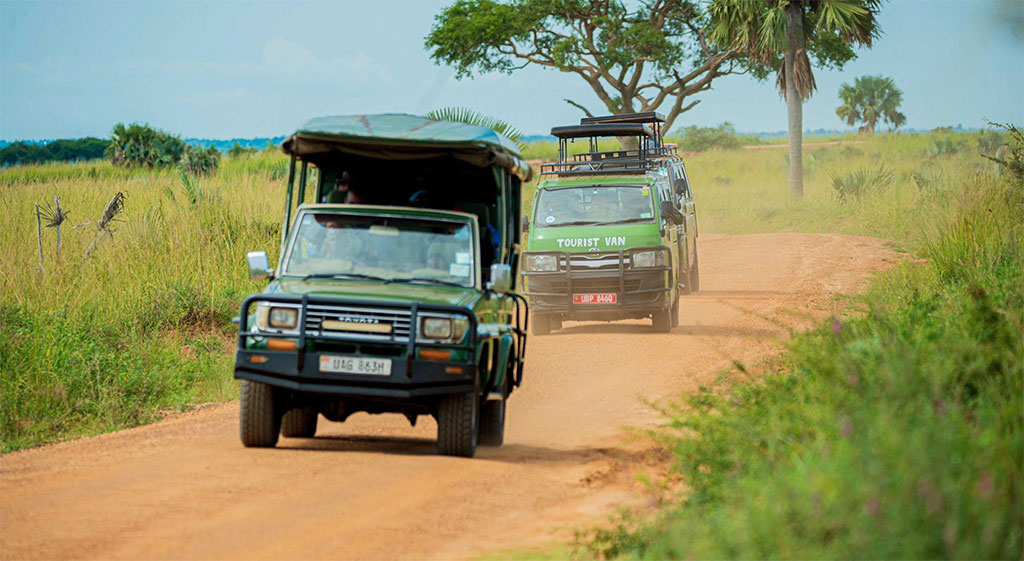
20 Top activities you can ever do in Akagera national park on Rwanda safari, Akagera National Park, located just 2.5 hours (about 100 km) from Kigali, offers diverse safari experiences across savannahs and wetlands. The top activities to do here include the "Big Five" game drives, boat cruises on Lake Ihema, sport fishing, photography safari and immersive community and cultural encounters
List of 20 top activities you can ever do in Akagera national park on Rwanda safari
Top activities in Akagera National Park include: day and night game drives for the Big Five, Lake Ihema boat safaris, sport fishing on Lake Shakani, guided nature walks, behind-the-scenes conservation tours, Humure cultural village visits, birdwatching (500+ species), canoeing, photography, and helicopter flips
Wildlife & Safari Activities
Day Game Drives
There is an undeniable magic that washes over you the moment your wheels touch the red-dirt tracks during a morning or late-afternoon exploration of this remarkable wilderness. Embarking on day game drives is the classic foundation of any premier Rwanda safari, offering a front-row seat to an incredible comeback story of conservation. As the soft golden sunlight filters through the acacia woodlands, the rolling savannas wake up in a flurry of movement. You will find yourself pausing to admire sweeping herds of zebras, their striking black-and-white stripes contrasting beautifully against the amber grass. Nearby, majestic giraffes stretch effortlessly toward the thorny tree canopies, while family herds of elephants gently bulldoze their way through the thickets. Every twist and turn of the trail presents a brand-new visual landscape, shifting from rocky hillsides to wide open valleys. Navigating these paths with an experienced tracker allows you to read the subtle signs of the bush—a sudden alarm call from an antelope or a fresh track in the mud—turning the wide-open landscape into a real-time adventure story. It is a deeply immersive experience that captures the wild, untamed essence of East Africa, leaving you with an overwhelming sense of wonder.
Night Game Drives
When the spectacular African sun finally dips below the horizon, the wilderness does not go to sleep—it simply changes players. Venturing out into the shadows on a night game drive introduces a thrilling, mysterious chapter to your Rwanda safari. Accompanied by an expert park guide equipped with a powerful, hand-held spotlight, your senses sharpen as the familiar daytime terrain completely transforms under the starry sky. The cool night air is filled with a symphony of chirping crickets and distant, low calls that keep your adrenaline pumping. As the spotlight cuts through the deep darkness, a pair of glowing amber eyes might suddenly pierce the gloom. This is prime time to search for the park’s most secretive and elusive nocturnal predators. You might catch a fleeting glimpse of a solitary leopard moving like a spotted phantom through the thick brush, or spot a beautifully patterned serval cat hunting for rodents in the high grass. Hearing the eerie, low chuckle of a spotted hyena moving through the bush adds an unforgettable edge to the journey. It is a rare, visceral peek into a secretive world, showing you the high-stakes survival dramas that unfold only after dark.
The Big Five Search
For many travelers, the ultimate dream of an African adventure is to stand in the presence of the continent's most iconic and formidable creatures. Embarking on a dedicated quest to find all of the "Big Five" animals is a thrilling centerpiece of a modern Rwanda safari, showcasing a spectacular triumph of ecosystem restoration. Over the years, passionate conservation efforts have successfully reintroduced lions and black rhinos, completely reviving the park's historical ecological balance. Tracking these magnificent animals across the diverse terrain feels like a true expedition. Your heart will quicken as you search for a pride of lions lounging lazily beneath the shade of an umbrella tree, or scan the thick, tangled brush for the heavy, armored silhouette of a newly reintroduced black rhino. Along the way, you will encounter massive Cape buffaloes staring you down with unblinking intensity, and elephants moving with surprising grace through the woodlands. Spotting the elusive leopard resting on a horizontal branch completes the legendary list. This search is a beautiful, humbling reminder of nature’s raw power, leaving you with a profound appreciation for the dedicated teams working tirelessly to protect these apex species.
Behind-the-Scenes Tour
To truly appreciate the incredible tapestry of a modern wilderness reserve, you need to step far beyond the standard tourist tracks and look at the real human effort that keeps it alive. Joining a behind-the-scenes tour offers an exclusive, highly educational look into the heartbeat of conservation management during your Rwanda safari. Accompanied by a passionate park ranger or conservationist, you visit the park’s operational headquarters to explore the daily mechanics of wildlife protection. You will get a fascinating look at the high-tech tracking rooms, where real-time data from radio collars and satellite maps helps monitor animal movements and territory boundaries. The tour provides an eye-opening, honest look at the intense anti-poaching operations, allowing you to meet the dedicated rangers and the specialized canine tracking units who patrol the boundaries day and night. Hearing firsthand accounts of how this ecosystem was brought back from the brink of collapse through community partnership and strict enforcement is deeply moving. This humanizing encounter bridges the gap between casual sightseeing and active global preservation, giving your entire journey a profound sense of purpose.
Private Guided Safaris
If you want to experience the wilderness entirely on your own terms, completely free from the distractions of a group, there is no substitute for a personalized journey. Booking a private guided safari is the gold standard of a luxury Rwanda safari, offering an intimate, flexible, and deeply educational wildlife viewing experience. Stepping into a custom, open-roof 4x4 safari vehicle alongside your own dedicated professional guide changes the entire dynamic of your exploration. There is no rush to move on to the next sighting; if you want to spend an hour watching a baby elephant clumsily playing in the mud, or waiting patiently for a hidden lion to wake up, the day is entirely yours to design. Your expert guide acts as a personal storyteller, sharing deep insights into animal behavior, local ecology, and bird calls tailored precisely to your personal interests. Whether you are a dedicated wildlife photographer needing to position the vehicle for the perfect angle of morning light, or a family seeking a slow, educational look at the bush, this tailored approach ensures every single moment feels deeply personal and unforgettable.
Self-Drive Safaris
For those who possess a fierce spirit of independence and crave the thrill of personal discovery, navigating the wilderness on your own terms is an unforgettable adventure. Embarking on a self-drive safari allows you to become the true author of your own Rwanda safari, exploring the vibrant landscapes at whatever pace suits you best. After picking up your rugged 4x4 vehicle and receiving detailed park maps and safety guidelines at the park entrance, the open road is yours to conquer. There is a distinct, heart-pounding excitement that comes from steering your own vehicle along well-marked dirt trails, scanning the thickets for a flash of color or movement. You might turn a corner and find your path gently blocked by a majestic herd of elephants crossing the track, forcing you to turn off the engine and sit in breathless silence as they walk past. Navigating the changing terrain—from open plains to lakeside tracks—gives you a profound connection to the landscape. It requires patience, focus, and a sharp eye, turning every single animal sighting into a triumphant, personal reward that you discovered entirely on your own.
Water-Based Activities
Lake Ihema Boat Cruises
While driving through the grasslands offers plenty of excitement, taking to the water provides an entirely fresh, peaceful, and visually overwhelming perspective on East Africa’s aquatic ecosystems. A scheduled or private boat cruise along the calm waters of Lake Ihema is a quintessential highlight of a Rwanda safari. As the boat gently glides away from the shoreline, the vast lake opens up into an absolute haven for water-loving wildlife. You will find yourself sailing remarkably close to massive, blubbery pods of hippopotamuses, their heavy heads bobbing above the surface as they snort, grunt, and yawn wide to display immense tusks. Along the muddy, reed-lined banks, monstrous Nile crocodiles lie completely still with their jaws wide open, looking like ancient stone sculptures sunbathing in the heat. The real magic happens when breeding herds of elephants wander down to the water's edge to drink and bathe, completely unbothered by your presence. Combined with the constant calls of thousands of nesting waterbirds flying overhead, this cruise feels like navigating a peaceful, untouched paradise where life thrives in absolute abundance.
Sport Fishing on Lake Shakani
For travelers looking to unplug completely and engage in a relaxing, hands-on outdoor pursuit, spending a quiet morning on the water is a wonderful remedy. Participating in sport fishing on the peaceful shores of Lake Shakani adds a wonderfully unique, laid-back chapter to your Rwanda safari. Surrounded by rolling green hills and the gentle rustle of papyrus reeds, this lake is famous for its abundance of tilapia and catfish. Operating on a strict catch-and-release basis to preserve the delicate aquatic ecosystem, the activity allows you to sit quietly with a rod in hand, soaking in the serene ambient sounds of the African bush. Every now and then, the stillness is broken by the exciting tug on your line, kicking off a fun battle with a powerful tilapia. The park frequently organizes lively fishing tournaments here, drawing local and international enthusiasts together for friendly competition. Whether you are an experienced angler looking to test your skills or a novice wanting to enjoy a peaceful afternoon, fishing here offers a beautifully grounded connection to the quiet, natural rhythms of Rwanda's waterways.
Exclusive Boat Charters
For discerning travelers, serious wildlife photographers, and passionate birdwatchers who want to escape the main tourist paths, a customized water excursion is the ultimate choice. Booking an exclusive boat charter allows you to elevate your Rwanda safari into a highly personalized, private exploration of the park's pristine lake systems. Leaving the scheduled tour groups behind at the docks, you step aboard a private vessel with a dedicated skipper who tailors the entire journey to your specific goals. If you are a photographer trying to capture the perfect, golden-hour reflection of a fish eagle diving for its prey, the skipper will expertly maneuver and hold the boat at the ideal angle against the sun. You can navigate deep into quiet, hidden channels and papyrus swamps that regular tours completely miss, getting up close to rare nesting birds and sleepy crocodile inlets. Sitting in the middle of a glassy lake with the engine turned off, sipping a cold drink while the wilderness carries on around you, provides an unmatched sense of luxury, peace, and uninterrupted intimacy with nature.
Birdwatching & Nature
Specialized Birding Safaris
For those who appreciate the finer, flyaway details of the natural world, stepping into a habitat teeming with feathers and song is the ultimate treasure hunt. Booking a specialized birding safari is an extraordinary highlight of a Rwanda safari, as the park boasts an astonishing checklist of over 500 recorded bird species. This incredible diversity is driven by the unique convergence of rolling savannas, dense acacia woodlands, and extensive papyrus wetlands. Armed with your binoculars and accompanied by a top-tier avian guide, you will set out to tick rare species off your lifetime list. The ultimate prize for many is spotting the prehistoric-looking Shoebill Stork standing motionless in the marshes, or catching a flash of brilliant crimson from the elusive Papyrus Gonolek deep in the reeds. From massive raptors soaring high on thermal currents to tiny, iridescent sunbirds darting between colorful blossoms, the sky and trees are constantly buzzing with movement. Your guide's incredible ability to identify complex calls transforms the bush into a rich, layered acoustic experience, revealing a vibrant world of feathers that adds immense depth to your journey.
Guided Nature Walks
There is a profound, psychological transformation that happens the moment you open the door of a safari vehicle, step out onto the dirt, and stand completely unprotected in the open air. Embarking on a guided nature walk allows you to slow down the pace of your Rwanda safari entirely, trading the bumpy mechanics of a 4x4 drive for the quiet, sensory experience of walking through the bush. Accompanied by a highly trained, armed park ranger guide, you walk single file along ancient game trails. Walking shifts your focus from the massive apex predators down to the intricate, smaller wonders that form the foundation of the ecosystem. Your guide will teach you how to read footprints in the sand, identifying the difference between a leopard's pad and a hyena's print. You will pause to examine the brilliant engineering of a giant termite mound, learn about the fascinating medicinal uses of local plants, and observe colorful insects up close. Feeling the wild earth beneath your boots and listening to the wind rustle through the high grass reconnects you to the raw roots of foot-based exploration.
Perimeter Fence Walks
True conservation can never exist in a vacuum; it requires a constant, active effort to balance the safety of wild animals with the livelihoods of the human communities living along the borders. Participating in a perimeter fence walk offers a deeply educational and thought-provoking look into this delicate balance during your Rwanda safari. Walking alongside local community guides along portions of the park’s solar-powered electric fence, you get an honest look at human-wildlife conflict mitigation strategies. Before the fence was constructed, wandering elephants or lions could destroy a local farmer's entire annual crop or target livestock overnight, leading to retaliatory poaching. Today, your guide will explain how this modern boundary successfully keeps wildlife safe inside the reserve while ensuring the surrounding villages can farm in peace. Walking the line and chatting with the people who live here is a deeply humanizing experience. It shows you the real-world dedication required to protect a park, proving that the future of Africa’s wildlife relies entirely on creating sustainable harmony with the communities that guard its borders.
Stargazing
After a thrilling day spent tracking wildlife across the hot savannas, the arrival of night brings a totally different, cosmic kind of wonder. Taking the time for stargazing is a deeply peaceful, soul-stirring way to close a day on your Rwanda safari. Far away from the light pollution of modern cities and highways, the remote African bush offers an incredibly dark, unobstructed canopy that will leave you absolutely breathless. Sitting by a crackling campfire at your lodge or stepping outside your tent, you only need to look upward to see the night sky come alive with millions of glittering diamonds. The Milky Way arches across the heavens like a brilliant, glowing river of silver dust, so clear and dense that it feels close enough to touch. With the distant, ambient soundtrack of the nocturnal wild—the low hoot of an owl or the deep grunt of a hippo—filling the night air, you can trace classic southern hemisphere constellations like the Southern Cross. It is a quiet, humbling experience that slows down your thoughts, reminding you of the ancient, timeless beauty of the planet.
Cultural & Community Experiences
Humure Refugee Village Tour
A complete and meaningful exploration of East Africa must always look beyond the wildlife to connect deeply with the human stories that define the land. Visiting the Humure Refugee Village, located just outside the park boundaries, adds a warm, profoundly humanizing chapter to your Rwanda safari. This resilient community welcomes you with open arms, vibrant songs, and genuine smiles, eager to share their rich cultural heritage and inspiring history of resettlement. This is not a passive tour; it is a highly interactive immersion into daily rural life. You will find yourself walking alongside local families, participating in daily farm activities, and learning the traditional, careful art of grazing long-horned cattle across the green hills. The community elders will proudly walk you through the fascinating, multi-step process of brewing traditional local beer from bananas, letting you try your hand at mashing the fruit. Sitting down to exchange stories with the villagers breaks down any cultural barriers instantly, leaving you with a deep respect for their resourcefulness and a lasting connection to the true, living heart of Rwanda.
Cultural Immersion & Dance
The soul of Rwanda is woven tightly into its rhythms, expressions, and traditional art forms, all of which carry the history of a proud and unified people. Participating in a cultural immersion and dance experience offers an extraordinarily joyful and energetic window into this heritage during your Rwanda safari. Gathering at a community cultural center, you are treated to a spectacular performance of traditional Rwandan folklore, where history is kept alive through poetry, drumming, and movement. The undeniable highlight is watching the famous Amaraba dance. Performed by passionate local dancers wearing traditional flowing attire and headpieces that mimic the graceful horns of Ankole cattle, the dance is a marvel of rhythmic footwork and high-energy leaps. The thundering beat of the giant wooden drums resonates deep in your chest, and before you know it, the dancers will smilingly pull you into the circle to join in the movement. Attempting to match their fluid, graceful steps fills the air with shared laughter and pure celebration, bridging cultures through the universal language of music, dance, and human connection.
Traditional Cooking & Milking
To truly understand the heartbeat of Rwanda's pastoral communities, you need to step directly into the shoes of the herdsmen whose families have managed these lands for generations. Spending a morning participating in traditional cooking and milking experiences offers an incredibly authentic, grounded connection to daily life on a Rwanda safari. Your day begins at dawn inside the traditional wooden kraal, where a local herdsman will show you how to gently approach and milk the beautiful, long-horned cattle using time-honored techniques. The deep bond between the pastoralists and their animals is beautiful to witness. Afterward, you move to a traditional kitchen to help local women prepare a hearty, authentic Rwandan meal using fresh, locally sourced ingredients like green bananas, cassava, beans, and fresh milk products. Sitting over an open fire, learning how to balance spices and slow-cook dishes according to ancestral recipes, provides an intimate space for conversation. Sharing the finished feast around a communal table nourishes your body and soul, grounding your safari journey in the beautiful, simple realities of rural hospitality.
Community Craft Shopping
Every handmade item you encounter in East Africa carries an invisible story—written in the patient movements of an artisan's hands, the natural dyes sourced from local plants, and the ancient weaving patterns passed down from mother to daughter. Taking the time for community craft shopping is a wonderful, highly rewarding way to conclude a cultural visit during your Rwanda safari. Visiting local cooperative markets puts you in direct contact with talented community artisans—weavers, jewelers, and potters—who proudly display their beautiful work. You can watch local women hand-weave iconic Agaseke baskets with incredible, lightning-fast precision, using dyed sisal fibers. Purchasing these authentic, handcrafted souvenirs directly ensures that your tourism dollars go straight into the pockets of the families who live along the park borders, financing education, healthcare, and community development. Holding a beautifully shaped clay pot or a piece of handcrafted jewelry, knowing the exact face and story of the artisan who created it, turns a simple souvenir into a priceless treasure packed with genuine human connection.
Cattle Grazing & Herding
In Rwandan culture, the long-horned Ankole cattle are far more than just livestock; they are a sacred symbol of wealth, status, and historical identity, deeply revered in poetry, dance, and daily tradition. Joining local pastoralists in the field for a firsthand lesson in cattle grazing and herding offers an extraordinarily unique, culturally rich perspective on your Rwanda safari. Walking out into the lush pastures alongside the herders, you will be absolutely mesmerized by the magnificent sight of the Ankole cattle, famous for their massive, elegant, sweeping horns that look like living sculptures moving through the grass. The herders use a beautiful, melodic language of distinct whistles and songs to guide and communicate with the herd, and watching the massive animals respond instantly to their voices is spellbinding. As you walk together, the herders will proudly explain the cultural significance of the cattle’s coat patterns and horn shapes, sharing ancestral stories of pastoral life. It is an incredibly peaceful, eye-opening experience that reveals the deep, unbreakable bond between Rwanda's people and the magnificent animals that have shaped their history.
Scenic & Photography Expeditions
Landscape Photography
While tracking large mammals is undeniably exciting, the true, overarching masterpiece of this reserve lies in the breathtaking, dramatic visual contrasts of the terrain itself. Dedicating a morning to landscape photography allows you to capture the jaw-dropping geographical diversity that makes a Rwanda safari completely unique compared to any other savanna reserve. The landscape is a magnificent, shifting mosaic where different ecosystems collide in spectacular fashion. Your camera lens can capture the stark, beautiful contrast of lush, low-lying green plains blending seamlessly into labyrinthine papyrus swamps and a stunning series of shimmering, crystalline lakes. Framing the entire scene are the dramatic, rolling green hills that rise sharply along the western horizon, casting long, artistic shadows across the valley floors in the early morning light. Whether you are focusing on a solitary acacia tree silhouetted against a fiery, blood-orange equatorial sunrise, or capturing the soft reflections of clouds on the glassy surface of Lake Ihema, the park provides an endless canvas of shapes, textures, and rich colors that are an absolute dream for any photographer.
Hilltop Viewpoint Picnics
To fully comprehend the immense scale and raw beauty of East Africa’s Great Rift Valley landscapes, you need to gain altitude, climbing up away from the valley tracks to where the horizon opens up completely. Driving up the winding trails to enjoy a hilltop viewpoint picnic is a moment of pure, quiet magic that adds an unforgettable sense of perspective to your Rwanda safari. Reaching the high, rocky ridges of the park’s western hills, you step out of your vehicle onto a natural viewing balcony that feels completely untouched by the modern world. Setting up a scenic picnic lunch beneath the shade of a mature acacia tree, you can look out over a breathtaking canvas stretching out as far as the eye can see. Below you, the vast, sun-drenched savanna plains roll out like an endless green carpet, dotted with tiny dots of migrating elephant herds and winding river channels. In the far distance, the silver ribbon of the Akagera River glides smoothly along the border of Tanzania. Sitting on top of the world with a cool breeze rustling the grass around you, sharing a delicious meal while absorbing this timeless panoramic view, creates a profound sense of peace and a beautiful, lasting memory of your African journey.
1. What are the best wildlife viewing activities in the park?
The traditional vehicle-based safari remains the absolute gold standard for experiencing the vastness of East Africa's wilderness. Climbing into a rugged 4x4 vehicle with open roofing or large windows elevates your vantage point, allowing you to scan the far horizons for movement. This dynamic activity shifts with the sun, typically taking place in the cool, crisp hours of the early morning or the soft, golden light of the late afternoon when the natural world is at its most active and expressive.
When embarking on a Rwanda safari through Akagera National Park, game drives offer a front-row seat to an extraordinary story of ecological rebirth. The park’s northern sector opens up into expansive savanna plains, while the south is characterized by dense acacia woodlands and rolling hills. Navigating these varied tracks gives you the opportunity to spot the legendary "Big Five"—lions, leopards, elephants, buffaloes, and the newly reintroduced black rhinos—which have been successfully brought back to restore the park's historical balance.
As you drive slowly along the trails, you will encounter vast herds of plains game, including striking zebras, towering giraffes, and elegant antelopes like the defassa waterbuck and topis. Watching a family of elephants quietly strip leaves from trees, or observing a pride of lions resting beneath the shade of an umbrella tree, provides a deep sense of connection to nature. Guided by an experienced tracker who understands the subtle alarm calls of birds and monkeys, a game drive becomes a real-time puzzle where every turn of the track holds the potential for an unforgettable wildlife encounter.
2. Can I drive my own car through Akagera?
For independent travelers who possess a strong spirit of adventure and a desire to explore at their own pace, the option to manage your own journey is incredibly rewarding. A self-drive safari places you firmly in the driver’s seat of your own exploration, allowing you to choose exactly when to start your day, which trails to follow, and how long to spend sitting with a single wildlife sighting without the schedule of a group.
Yes, you can absolutely drive your own vehicle through the park, which is a unique highlight for many embarking on a Rwanda safari. The park features a well-maintained and clearly signposted network of dirt tracks that wind through diverse ecosystems, from lake shores to high ridges. Upon arrival at the southern gate, you will pay the required park entrance fees and receive detailed maps and guidelines to ensure a safe and responsible journey. It is highly recommended to use a high-clearance 4x4 vehicle to comfortably navigate the changing terrain, especially during the wetter months.
To maximize your experience, you also have the brilliant option of hiring an official park guide to sit in the vehicle with you. These local experts possess an uncanny ability to spot well-camouflaged animals, like a leopard tucked into a tree branch or a rhino hiding in the thick brush, while sharing fascinating stories about the park's history and conservation journey. Steering your own car past a herd of crossing elephants creates a thrilling, intimate connection to the wild.
3. Is there a way to see nocturnal animals in the park?
The entire psychology of the African bush undergoes a profound transformation the moment the sun slips below the horizon. The bright, sun-drenched savannas fade into deep shadows, and the daytime animals retreat to safety, making way for an entirely new cast of secretive, nocturnal characters. Embarking on an evening safari sharpens your senses, narrowing your focus down to the cool night breeze, the sounds of insects, and a single beam of light cutting through the darkness.
Participating in a guided night game drive is one of the most thrilling and mysterious activities you can add to your Rwanda safari itinerary. Operating under strict park regulations and led by an expert park guide, these safaris set out after dark into the quiet plains. Armed with a powerful, hand-held spotlight, your guide will carefully sweep the bush, searching for the telltale glint of light reflecting off predatory eyes.
This is your absolute best opportunity to spot the park's most elusive apex predator: the leopard, which becomes an active hunter under the cover of darkness. Night drives also reveal smaller, highly specialized nocturnal creatures that are impossible to see during the day, such as wide-eyed bushbabies leaping through the branches, serval cats, civets, and side-striped jackals on the prowl. You might even encounter a massive hippo grazing out of the water, looking surprisingly agile as it moves through the grass in the cool night air. It is a raw, sensory journey that offers a rare peek into the secretive survival dramas that unfold only after dark.
4. Can I explore the park's water bodies?
While standard vehicle tracking offers plenty of excitement, taking to the water provides a completely fresh, peaceful, and visually overwhelming perspective on an ecosystem. A boat safari slows down the pace of exploration, allowing you to glide smoothly and quietly along the shoreline without the bumpy rattling of a dirt track. It is an experience defined by cool breezes, the soothing sound of lapping water, and an incredible concentration of wildlife that comes directly to you.
Exploring the park's vibrant water bodies is an essential component of a comprehensive Rwanda safari, and taking a boat trip on Lake Ihema is the premier way to do it. Lake Ihema is the largest of the park’s many lakes, fringed by extensive papyrus swamps and rich wetlands. As your boat glides away from the docks, you will find yourself drifting past massive, blubbery pods of hippopotamuses, their heavy heads bobbing above the surface as they snort, grunt, and yawn wide to display their enormous tusks.
Along the muddy banks, monstrous Nile crocodiles lie perfectly still with their jaws open, looking like ancient stone statues sunbathing in the afternoon heat. The true magic of a boat safari lies in watching large mammals, like breeding herds of elephants or buffaloes, wander down to the water's edge to drink, bathe, and cool off just yards from the vessel. Combined with the constant calls of thousands of nesting waterbirds flying overhead, this aquatic safari feels like navigating a peaceful, untouched paradise where life thrives in absolute abundance.
5. Is there a fishing experience for tourists?
For travelers looking to unplug completely and engage in a relaxing, hands-on outdoor pursuit, spending a quiet morning or afternoon on the water is a wonderful remedy. Sport fishing allows you to slow down your itinerary, trade the active tracking of large mammals for a peaceful seat on a shoreline, and absorb the natural world through a quiet, focused lens while enjoying the simple thrill of the catch.
Visitors seeking a unique recreational break during their Rwanda safari can cast a line at Lake Shakani for an exceptional sport fishing experience. Tucked away amidst rolling green hills and gentle stands of papyrus reeds, Lake Shakani is famous for its abundance of tilapia and catfish. The activity is managed on a strict "catch and release" basis, which ensures that the delicate aquatic ecosystem remains perfectly balanced and sustainable for future generations.
Sitting quietly along the lake's edge or on a small dock, you can soak in the serene ambient sounds of the African bush—the distant grunt of a hippo, the cry of a fish eagle, and the gentle lap of waves. Every now and then, the stillness is broken by the exciting, sharp tug on your fishing line, kicking off a fun battle with a powerful tilapia. The park management frequently organizes lively fishing tournaments here, drawing local and international enthusiasts together for friendly competition. It offers a beautifully grounded, peaceful connection to the quiet, natural rhythms of Rwanda's pristine waterways.
6. What is the birdlife like in the park?
For those who appreciate the finer, flyaway details of the natural world, bird watching is the ultimate treasure hunt. It forces you to slow down, look closely into the reeds, and tune your ears to the complex, layered acoustics of the bush. It transforms a simple journey into an active exploration, where every flash of color in the canopy or unique call from a thicket reveals a different species with its own incredible migratory story.
Akagera is globally renowned as a premier birding paradise, boasting an astonishing checklist of over 500 recorded bird species, making it an unmissable destination for any enthusiast on a Rwanda safari. The secret behind this incredible avian abundance is the park's unique geographical location, where rolling savannas, dry acacia woodlands, and extensive papyrus wetlands collide to create a diverse range of habitats.
Accompanied by a top-tier birding guide, you can search for highly sought-after species. Avid birders can look for the legendary, prehistoric-looking shoebill stork standing frozen in the marshes, or catch a vibrant flash of crimson from the elusive papyrus gonolek deep in the reeds. Along the shores of the lakes, you will easily spot majestic African fish eagles perched high on dead tree branches, throwing their heads back to emit their iconic, haunting calls across the water. From massive, soaring martial eagles to tiny, iridescent sunbirds darting between colorful blossoms, the sky and trees are constantly buzzing with movement, offering an overwhelming display of feathers, songs, and colors.
7. Are there opportunities for walking safaris?
There is a profound psychological transformation that happens the moment you open the door of a safari truck, step out onto the dirt, and stand completely unprotected in the open air. A guided nature walk allows you to slow down the pace of your journey entirely, trading the mechanical rumble of a 4x4 drive for the quiet, sensory experience of walking through the bush, connecting you directly to the earth.
While game vehicles handle the long distances, taking a guided nature walk allows you to experience the intimate, intricate details of a Rwanda safari on foot. Accompanied by a highly trained, armed park ranger guide, you step outside the vehicle to explore established park trails that wind through gentle hills and shady woodlands. Walking shifts your focus from the massive apex predators down to the smaller wonders that form the foundation of the ecosystem.
Your ranger will teach you how to read the savanna like a book, identifying footprints left in the sand, analyzing animal droppings to see what they ate, and tracking the movements of small mammals. You will pause to examine the brilliant engineering of giant termite mounds, marvel at the variety of colorful insects and butterflies fluttering through the brush, and learn about the fascinating medicinal properties of local plants. Feeling the wild earth beneath your boots and listening to the wind rustle through the high grass reconnects you to the raw, ancient roots of foot-based African exploration.
Can I learn about the local culture?
A complete and meaningful exploration of East Africa must always look beyond the wildlife to connect deeply with the human stories that define the land. Engaging in community cultural tours allows you to ground your travels in reality, offering a humanizing look at how generations of families have adapted to, worked with, and sustained themselves from the unique landscapes that border the great wild reserves.
Integrating community cultural tours into your Rwanda safari is a fantastic way to support local livelihoods while gaining deep insights into traditional life. The park management works hand-in-hand with surrounding communities, allowing visitors to engage with local cooperatives, such as the Humure refugee village. On these immersive tours, you will be welcomed with open arms, vibrant songs, and genuine smiles, eager to share their rich heritage.
This is a highly interactive experience where you can participate in daily activities, such as joining local herdsmen in the fields to learn about the immense cultural significance of the majestic, long-horned Ankole cattle. You can try your hand at milking a cow using traditional techniques, visit a local homestead to help prepare authentic Rwandan meals over an open fire, and learn how traditional beer is crafted from bananas. Concluding your cultural visit by watching or joining in on the energetic, drum-fueled traditional dancing creates a moment of pure celebration, bridging cultures through the universal language of hospitality.
Are there special activities for photographers and filmmakers?
For creative travelers, media professionals, and visual storytellers, a safari is the ultimate canvas. The goal of wildlife photography goes beyond simply taking pictures; it is about capturing the raw emotion of an animal's gaze, the dynamic tension of a hunt, or the soft, golden light filtering through a dramatic landscape. It requires patience, specialized positioning, and an environment that allows you to work without the crowding of tourist traffic.
The varied and visually stunning terrain of Akagera provides a phenomenal, uncrowded backdrop for capturing professional-grade images, making it a dream destination for photography enthusiasts on a Rwanda safari. The park’s unique geography creates dramatic visual contrasts where different ecosystems collide in spectacular fashion. Your camera lens can capture the rolling ridges of the Mutumba Hills, the sweeping low-lying savanna plains, and the labyrinthine papyrus swamps that reflect the changing colors of the equatorial sky.
Because the park is less crowded than many other East African reserves, you enjoy the luxury of time and space to set up your shots. You can frame a solitary acacia tree silhouetted against a fiery, blood-orange sunrise, or capture the dramatic reflections of elephants bathing in the glassy waters of a lake. Whether you are focusing on the intricate textures of a leopard’s coat, the massive horns of Ankole cattle, or the vibrant plumage of a kingfisher, the park provides an endless, pristine canvas of shapes, colors, and raw wildlife action.
How long does it take to get to Akagera from Kigali?
Understanding the logistics, travel times, and accessibility of a wilderness destination is crucial for planning a smooth and stress-free itinerary. A seamless transition from a bustling capital city to a wild, untamed reserve allows you to maximize your time in the bush, reducing long, exhausting travel days and ensuring you arrive fresh and ready for adventure.
One of the most remarkable advantages of choosing this destination for your Rwanda safari is its exceptional accessibility from the capital city. The park is located in the eastern region of the country, and it takes a scenic 2 to 3-hour drive to reach the main southern entrance gate from the heart of Kigali. This short transit makes it incredibly easy to incorporate a wildlife adventure into any travel schedule, even allowing for short weekend getaways or day trips for those with limited time.
The journey itself is a beautiful part of the experience. As you leave the modern streets of Kigali behind, you will navigate smooth, well-paved roads that wind through Rwanda's famous landscape of a thousand terraced green hills. You will pass through vibrant rural villages, local markets bustling with color, and expansive agricultural fields, offering a wonderful window into daily life outside the city. Before you know it, the hills give way to the lower-lying valley plains, and you step out of your vehicle at the park gate, ready to begin your safari adventure just hours after leaving the city.
Does the park offer an all-inclusive or extended safari experience?
To truly absorb the rhythm, sounds, and changing moods of the African wilderness, you need to spend more than just a few fleeting hours inside a park. An extended, multi-day safari allows you to slow down, settle into the environment, and combine a variety of different activities across multiple days, turning a simple visit into a deeply immersive, comprehensive wildlife expedition.
To fully experience the stunning diversity of this reserve, booking a multi-day safari is highly recommended by top operators. Many tour companies offer curated 2- to 3-day itineraries that allow you to seamlessly combine the park's top land and water activities into an all-inclusive adventure. For example, your first day might feature a relaxing afternoon boat cruise on Lake Ihema, drifting past hippos and crocodiles as the sun goes down, followed by a thrilling night game drive to find leopards on the prowl.
The next morning, you can rise early for a full-day game drive that takes you from the southern woodlands all the way to the northern savanna plains, tracking lions and rhinos along the way. Spending the nights at one of the park’s beautiful tented camps or luxury eco-lodges allows you to fall asleep to the distant grunt of hippos and wake up to a chorus of birds. A multi-day Rwanda safari ensures you don't miss a single dimension of this resurrected wilderness, giving you the time to appreciate both its large apex predators and its quiet, scenic corners.
When is the best time of year to visit?
The seasonal weather patterns of East Africa play a major role in shaping wildlife behavior, vegetation density, and overall visibility. Understanding the natural cycles of the wet and dry seasons allows you to strategically time your journey, matching your personal travel goals—whether they focus on intense predator viewing, lush landscape photography, or bird migration patterns—to the optimal environmental conditions. When planning your Rwanda safari, timing your visit during the dry seasons—which run from June to September, and again from December to February—offers the absolute best chances for traditional wildlife viewing. During these drier months, the park's weather is characterized by clear blue skies and warm sunshine, and the thick bush vegetation naturally thins out and recedes, making it significantly easier to spot well-camouflaged animals like lions, rhinos, and leopards through the branches.
More importantly, water becomes scarce across the landscape, forcing wildlife to move away from the thickets and congregate in large numbers around the permanent water sources, such as the series of lakes and wetlands along the eastern border. Driving along the lakeside tracks during the dry season guarantees spectacular wildlife spectacles, as multiple species gather to drink side-by-side. However, if you are an avid birdwatcher, the short rainy season from October to November is equally magical, as it brings a massive influx of colorful migratory birds from Europe and northern Africa, turning the park into a vibrant, nesting paradise.
Are there hiking trails in the park?
For active, energetic travelers, a safari should not be limited to sitting inside a vehicle for hours at a time. Engaging in hiking excursions allows you to push your physical boundaries, elevate your heart rate, and explore the unique biodiversity of a landscape from a completely active, foot-based perspective, offering a deep sense of personal accomplishment as you conquer the terrain. For active travelers seeking a physical adventure, the park offers fantastic hiking excursions that let you explore the unique topography and rich biodiversity on foot. Leaving the flat valley floors behind, these guided hikes take you up into the scenic, rugged hills that characterize the western boundaries of the reserve. Accompanied by an armed park ranger who knows the paths intimately, you will ascend winding trails that climb through pristine forests and rocky ridges.
As you gain height, the exercise rewards you with breathtaking, panoramic views of the entire park stretching out below—a magnificent canvas of lakes, swamps, and savannas reaching all the way to the distant Akagera River on the border of Tanzania. Along the way, your guide will point out specialized upland flora, unique rock formations, and forest primates like olive baboons and vervet monkeys swinging through the trees. Hiking through these elevated landscapes adds a wonderful, athletic dimension to your Rwanda safari, allowing you to breathe in the crisp hill air and experience the wilderness through pure, physical immersion.
Can I go on an adventure to help support conservation?
Modern travel is increasingly defined by a desire to give back, moving beyond passive sightseeing to actively engage with the protection of the places we visit. A conservation-focused experience connects you directly to the real challenges of wildlife management, offering an eye-opening, highly educational journey that shows you the tangible, human effort required to keep a national park safe and sustainable. If you want to turn your holiday into a meaningful adventure that directly supports wildlife protection, participating in the official "Walk-the-Line" experience is an absolute must during your Rwanda safari. This unique, guided trek takes you completely on foot alongside local park rangers and community guides along a portion of the park's 120-kilometer perimeter fence. The solar-powered electric fence serves as a vital tool for community conservation and human-wildlife conflict mitigation.
As you walk the beautiful, rolling hills that border the park, your guides will share honest, fascinating insights into the daily realities of park management. They will explain how the fence successfully keeps large mammals like elephants and lions safely inside the reserve, preventing them from destroying the crops or livestock of neighboring villages, which historically led to retaliatory poaching. This 7-kilometer walk offers an intimate look at anti-poaching operations, community relations, and fence maintenance. It is a deeply humanizing and thought-provoking activity that highlights the immense dedication required to preserve Africa’s wild spaces, giving your journey a lasting sense of global purpose.
Where do I book these activities and find more information?
Ensuring that your safari logistics, permits, and activities are booked through legitimate, official channels is the final, crucial step in planning a successful journey. Proper booking guarantees that your funds go directly toward park conservation and community development, while securing your access to highly qualified guides and safe, authorized park experiences.
To secure your permits, guides, and activities for an unforgettable Rwanda safari, all bookings should be funneled through the official park management offices or arranged via a licensed, reputable tour operator. The park is managed through a successful partnership between the Rwanda Development Board and African Parks, operating under the Akagera Management Company (AMC).
You can easily find up-to-date pricing, seasonal requirements, and detailed safety guidelines on the official Akagera Management Company website. Booking in advance is highly recommended, especially for specialized, limited-capacity activities like the Lion Tracking Experience, Behind-the-Scenes tours, or hiring official park guides for self-drive safaris. Working with a registered tour operator allows you to seamlessly package your park permits, luxury lodge accommodations, and custom 4x4 transport into a hassle-free, all-inclusive itinerary. By booking through these official, conservation-first channels, you ensure that your presence directly contributes to the sustainable funding of the rangers, anti-poaching units, and community initiatives that guard this magnificent ecosystem.
Booking Akagera activities with us Roads of Adventure safaris
Booking Akagera National Park activities through Roads of Adventure Safaris allows for a seamless, customized trip. Because popular dates and specific activities (like night drives or boat cruises) fill up fast, it is best to plan ahead
