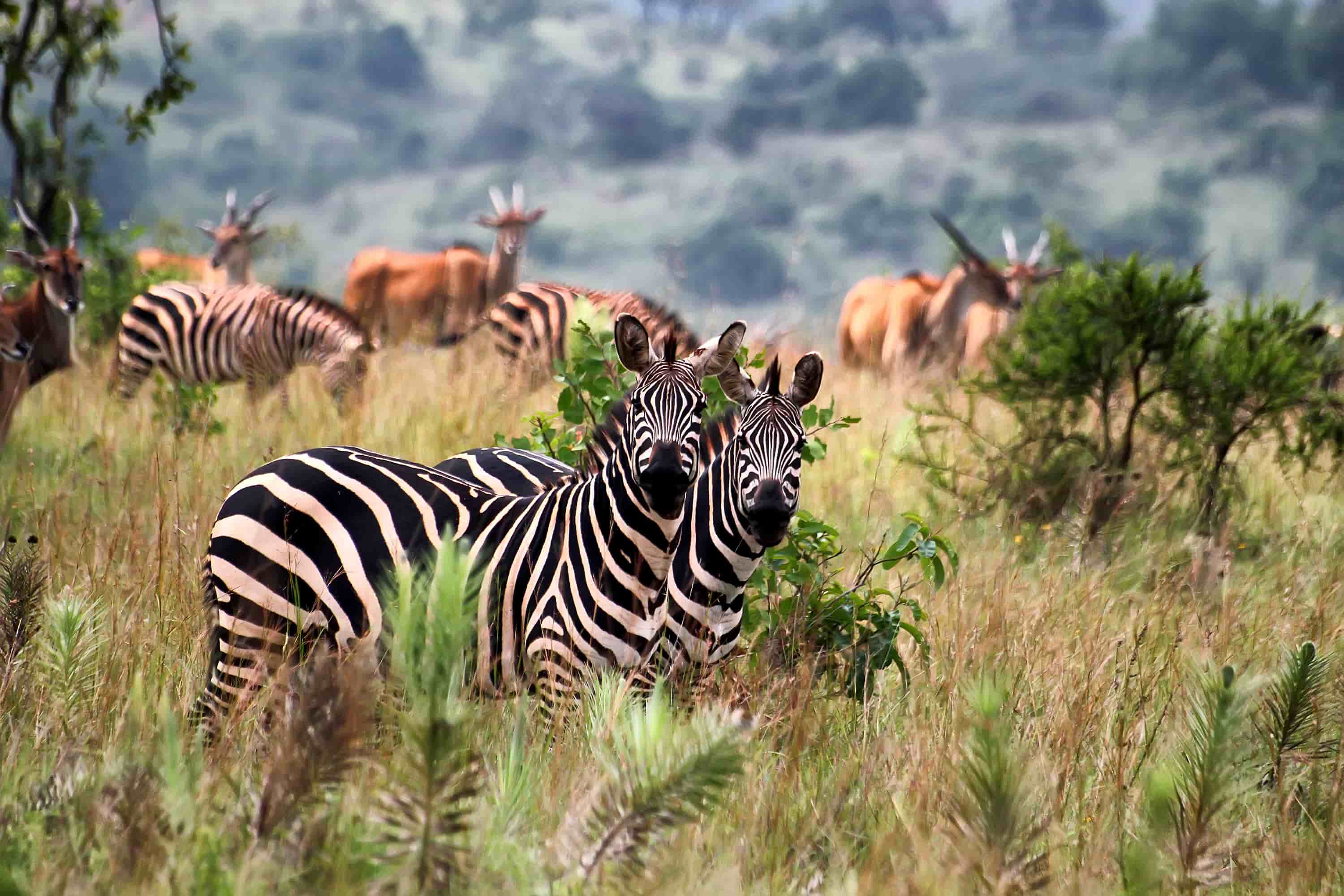
Yes, Akagera National Park in Rwanda is a fantastic, revitalized Big Five safari destination, hosting lions, rhinos, elephants, leopards, and buffaloes. Thanks to successful conservation efforts, it is the only savanna park in Rwanda where you can spot all five, offering scenic boat trips, night drives, and scenic, less-crowded game drives
4-days-akagera-safari-and-chimpanzee-tracking-rwanda-safari
4-days-volcanoes-national-park-and-akagera-rwanda-wildlife-safari
3-days-rwanda-safari-to-akagera-national-park-combined-with-lake-ihema-boat-cruise
3-day-africa-big-five-safari-in-akagera-national-park-with-kigali-city-tour
3-days-safari-in-rwanda-akagera-national-park-game-drive-and-lake-ihema-boat-trip
4-days-akagera-safari-and-chimpanzee-tracking-rwanda-safari
4-days-volcanoes-national-park-and-akagera-rwanda-wildlife-safari
9-days-rwanda-gorilla-trekking-and-adventure-activities-and-relaxation
6-days-rwanda-safari-to-akagera-and-nyungwe-chimpanzee-tracking
Key Reasons Akagera is a Great Big Five Destination
Successful reintroductions
Akagera National Park’s conservation story is one of the most compelling in East Africa. Following decades of civil unrest that left large mammals extirpated from the park, a concerted, well-funded restoration program beginning in the late 2000s has returned Akagera to health. The reintroduction of lions in 2015 and black rhinos in 2017 stands as tangible evidence of what sustained commitment, strong governance, and partnership can achieve. These translocations were not symbolic gestures; they were carefully planned ecological interventions. Animals were sourced from genetically suitable populations, and release protocols included soft-release holding periods, intensive veterinary oversight, and post-release monitoring with GPS collars. This approach maximized survival rates and integration with resident wildlife.
Beyond the headline species, the park management invested in anti-poaching capacity, community outreach, and ranger training—an integrated strategy recognizing that species recovery requires both protection on the ground and buy-in from neighboring communities. Anti-poaching units equipped with intelligence capabilities and rapid response lowered snares and illegal hunting, while benefit-sharing initiatives helped local people see value in a thriving protected area.
The reintroductions transformed ecological dynamics: predators help regulate herbivore numbers, restoring more natural grazing patterns and vegetation structure. For visitors, the success has turned Akagera from a scenic but quiet park into a dynamic Big Five destination where conservation outcomes are visible and interpretable. Tourist revenue feeds back into protection and community projects, creating a hopeful cycle of conservation financing.
For travelers interested in wildlife recovery stories, Akagera offers not only the chance to see reintroduced species but to witness effective, contemporary conservation practice. Interpreting these reintroductions—through ranger talks, visitor center exhibits, and guided drives—adds an educational layer to the safari experience that illustrates how people and wildlife can recover together.
Big Five spotting
Akagera has matured into a credible Big Five destination, offering visitors a strong chance to see elephants and buffalo with relative ease across its open savannas and woodlands. Elephant herds are frequently encountered along key watercourses and in the park’s more wooded sectors, where they feed and socialize. Buffalo—both large, imposing herds and smaller groupings—are also commonly observed and provide dramatic photographic subjects.
Lion reintroductions and subsequent population growth have expanded sighting opportunities, particularly in the park’s northern, drier zones where prey densities and open terrain favor predator visibility. Rangers familiar with pride territories and movement patterns notably increase the likelihood of close, safe encounters. Leopard sightings, historically rare in Akagera due to low predator numbers, are now becoming more regular as the predator community rebuilds; nocturnal surveys and skilled trackers further enhance detection rates.
While black rhinos remain relatively scarce and closely monitored within protected areas of the park, their presence marks Akagera as a recovery success and a special draw for visitors prepared to travel with experienced guides to designated viewing areas or to join monitored tracking excursions. Seeing a rhino in Akagera is often a highlight precisely because it signals recent conservation gains.
Crucially, the park’s mosaic of habitats concentrates animals near water and riparian corridors during drier months, allowing efficient game drives where families and photographers can achieve high-value sightings without lengthy travel between hotspots. Knowledgeable guides, regular ranger patrols, and strategic ecotourism management collectively improve the Big Five viewing experience—making Akagera a compelling choice for those who want both conservation story and wildlife spectacle.
Diverse ecosystems
Akagera’s ecological richness is defined by a striking diversity of habitats packed into a relatively compact landscape. Stretching across savanna, wetlands, papyrus-lined lakes, and montane foothills, the park supports a broad spectrum of species adapted to different ecological niches. The park’s 1,122 square kilometers include extensive floodplains and permanent lakes—most notably Lake Ihema—that serve as biological hotspots. These riverine and lacustrine systems sustain large populations of hippos and crocodiles, which are readily visible on boat safaris and along shorelines, providing dramatic wildlife theatre distinct from typical savanna drives.
Papyrus swamps and wetland fringes create specialized habitat for secretive species such as the sitatunga, a swamp-dwelling antelope rarely seen elsewhere in Rwanda. The sitatunga’s presence signals the ecological integrity of the park’s wetland systems and adds a rare, exciting element for wildlife enthusiasts. Wetlands also support high bird densities and diverse communities including pelicans, herons, African jacana, and a suite of migratory waterfowl.
On the drier flanks and open plains, classic savanna fauna thrive—giraffes browsing acacia trees, zebra and various antelope species grazing the grasslands, and elephants moving along seasonal routes. The juxtaposition of these systems means visitors can experience hippos and crocodiles on a morning boat trip, then the same afternoon encounter grazing ungulates and browsing giraffes on a land drive.
From an ecological standpoint, the habitat mosaic supports resilient food webs and seasonal animal movements, which enhances overall wildlife viewing. For visitors, this diversity translates into varied daily itineraries—boat safaris, game drives through woodland and plains, and targeted searches for wetland specialists—making Akagera an ecologically rich and visually diverse safari destination.
Exclusive activities
Akagera distinguishes itself through a range of activities that broaden the safari experience beyond daytime game drives. Boat safaris on Lake Ihema are a signature offering: slow, quiet cruises bring passengers within comfortable viewing distance of hippos, Nile crocodiles, and waterbirds while also exposing visitors to the park’s aquatic ecosystems. These water-based excursions are particularly family-friendly and photographically rewarding, permitting long, uninterrupted observation of riverine wildlife.
Another standout is the park’s night game drives, an activity less commonly available in many East African parks. Night drives expand the window for wildlife viewing, bringing elusive nocturnal species into focus—most notably increasing the chance to spot leopards, small carnivores, genets, and the mysterious silhouettes of night-active ungulates. With trained guides using spotlights and supported by strict park protocols, night drives are conducted responsibly to minimize disturbance while maximizing sightings.
Akagera also offers guided mountain hikes in park fringes, birding walks, and monitored rhino tracking—each providing a different lens on the park’s biodiversity. These exclusive activities diversify the itinerary for visitors who want more than the standard morning-and-afternoon drives. They also spread visitor pressure across time and space, aiding conservation by avoiding overcrowding at daylight hotspots.
For visitors seeking novel safari formats—boat-based ecological interpretation, nocturnal wildlife discovery, or close-but-managed rhino encounters—Akagera’s activity mix adds significant value. These exclusive experiences make the park appealing to repeat visitors and those who want a multifaceted exploration of Rwanda’s eastern wilderness.
Accessibility
Akagera’s geographic position along Rwanda’s eastern border gives it a practical advantage: it’s one of the country’s most easily accessible safari parks. From Kigali, the park is reachable within a two- to three-hour drive, making it an efficient option for travelers with limited time or those combining a country itinerary that includes gorilla trekking in the northwest. The relatively short transfer minimizes travel fatigue, which is particularly important for families or visitors transitioning between different experiences.
Road links have improved and many operators run comfortable safari vehicles with experienced drivers, making the route straightforward. This accessibility supports flexible travel planning: day trips from Kigali are possible for those with constrained schedules, while overnight stays in lodge camps provide extended exploration without significant travel investment.
The park’s proximity to the border also makes it a practical cross-border wildlife destination for regional travelers. For international visitors arriving via Kigali, Akagera presents a convenient first or last stop—offering high-quality wildlife viewing without the long transits required in some larger East African nations. Combined logistics—flight or road transfer efficiencies, shorter game-drive distances within the park, and accessible lodging—translate into high-value safari time.
For tourists aiming to combine Big Five viewing with Rwanda’s other attractions—gorilla trekking, cultural visits, or Kigali city experiences—Akagera’s accessibility allows more balanced itineraries that mix primate conservation highlights with savanna wildlife. This ease of access broadens the park’s appeal to a wide demographic of travelers.
Why combine Akagera with gorilla trekking
Combining Akagera with gorilla trekking creates an especially rewarding Rwandan itinerary by offering contrasting yet complementary wildlife experiences in a single trip. Akagera delivers classic savanna panoramas, freshwater ecosystems, and reintroduced big mammals—elephants, buffalo, lions, and rhinos—while gorilla trekking in Volcanoes National Park immerses visitors in montane forest ecosystems to encounter critically endangered mountain gorillas. This contrast showcases Rwanda’s remarkable ecological range within a compact country.
Logistically, the two parks are compatible in multi-stop itineraries. After a few days of game drives, boat safaris, and night drives in Akagera, travelers can transfer to the northwest for chimp and gorilla experiences with manageable domestic road or charter options. The timing works well: Akagera’s shorter drives and accessible location make it an excellent warm-up for the physical demands and emotional intensity of gorilla trekking, which requires permits and often pre-arranged logistics.
From a conservation narrative perspective, the combination also speaks to Rwanda’s broader environmental stewardship—Akagera’s successful species reintroductions and anti-poaching progress paired with long-term gorilla conservation and community-based tourism initiatives in the Virunga region. Visitors witness both the recovery of savanna megafauna and the fragile protection of mountain gorillas, gaining a nuanced appreciation for conservation challenges and successes.
For travelers seeking a varied wildlife holiday—one that pairs high-value savanna sightings and ecological interpretation with an intimate, once-in-a-lifetime gorilla encounter—combining Akagera and gorilla trekking represents an efficient, deeply satisfying option that highlights the best of Rwanda’s natural heritage.
Is Akagera National Park truly a Big Five Africa safari destination?
Yes—Akagera is Rwanda’s only park where visitors can see all five of the traditional Big Five: lion, leopard, elephant, Cape buffalo, and rhinoceros. That status is recent and meaningful. Decades of instability and poaching decimated large mammal populations, but sustained conservation investment—most notably by the government in partnership with African Parks and international donors—enabled strategic reintroductions and protection measures. Lions were reintroduced in 2015 and black rhinos in 2017, and ongoing ranger patrols, anti-poaching units, and monitoring programs have stabilized and helped grow those populations. While Akagera’s Big Five numbers are modest compared with vast East African parks, the achievement is important: it demonstrates successful species recovery within a small, human-dominated landscape. For travelers, seeing the Big Five in Akagera offers not only wildlife spectacle but also an educational, conservation-focused narrative—witnessing recovery and resilience. Because the park is compact and well-managed, visitors can often include Akagera on shorter Rwanda itineraries while still experiencing the full Big Five.
Which of the Big Five Africa safari animals can I see in Akagera?
Akagera hosts all five Big Five species: lions, leopards, African elephants, Cape buffalo, and eastern black rhinoceros. Elephants and buffalo are among the most commonly encountered large mammals, often seen in herds near watercourses and across savanna sectors. Lions, reintroduced in 2015, have established prides mainly in the northern and central plains; sightings are increasingly regular on morning and evening drives. Leopards are present but secretive—woodland thickets and rocky outcrops make them harder to locate, so sightings require patience and skilled trackers. The eastern black rhinoceros, reintroduced in 2017, is carefully monitored and generally found in the park’s southern protected zones; rhino viewing is treated as a special, guided experience because of the species’ vulnerability. While population densities remain lower than in some larger African reserves, Akagera’s mix of habitats concentrates animals near lakes and rivers, improving sighting chances during dry seasons and boat safaris. Guides and ranger intelligence further amplify visitors’ opportunities to encounter each Big Five species safely.
What makes Akagera special for a Big Five Africa safari compared to others?
Akagera’s distinctive appeal lies in its intimacy and conservation narrative. Unlike sprawling East African parks where vehicles often cluster at popular sightings, Akagera commonly delivers quieter, less crowded game-viewing—frequently allowing visitors to enjoy solitary encounters with wildlife. This intimacy enhances photographic opportunities and a sense of being immersed in nature. The park also blends diverse habitats—savanna, woodland, papyrus swamps, and lakes—so visitors can move from boat safaris to land drives in a single day, increasing the variety of species observed. What truly sets Akagera apart, though, is the story of ecological recovery: carefully executed reintroductions of lions and rhinos and robust anti-poaching work by African Parks have transformed the park from fragile remnant to functioning Big Five reserve. Visitors experience not just wildlife but conservation success—an uplifting counterpoint to many more tragic stories elsewhere. For travelers who value meaningful, low-density wildlife encounters and learning about contemporary conservation, Akagera offers a uniquely rewarding Big Five safari.
Are rhinos really part of the Big Five Africa safari experience in Akagera?
Yes—eastern black rhinos were reintroduced to Akagera starting in 2017 as part of a tightly managed conservation program, and they now form a visible and vital component of the park’s Big Five offering. Rhinos are housed in well-monitored, protected zones in the park’s southern sectors to minimize poaching risk while allowing them to adapt and breed. Because of the species’ critical conservation status, rhino sightings are typically facilitated through guided, controlled experiences that balance visitor viewing with strict security and minimal disturbance. These monitoring protocols include GPS tracking, ranger escorts, and sometimes viewing from set vantage points rather than free-roaming encounters. For visitors, seeing a rhino in Akagera is particularly meaningful—it represents a successful effort to reestablish a locally extirpated species and the effectiveness of anti-poaching initiatives. While rhino numbers are still modest and sightings therefore less frequent than for elephants or buffalo, including Akagera in your itinerary offers a rare opportunity to witness active rhino conservation in the field.
What is the best way to spot lions during a Big Five Africa safari in Akagera?
To maximize lion-spotting chances in Akagera, schedule early-morning and late-afternoon game drives in the park’s northern savanna plains, where prides have become established since their reintroduction. Lions are most active during cooler hours—pre-dawn into mid-morning and late afternoon toward dusk—so these windows offer the highest likelihood of observing hunting behavior, pride interactions, or territorial movement. Engage an experienced guide or ranger who actively follows pride territories and radio networks; guides’ local knowledge and coordination with ranger posts can markedly increase success. Opt for private or small-group drives to allow flexible routing and longer stakeouts at recent sightings without disruptive vehicle turnover. In the dry season, animals concentrate near permanent water, further improving the odds of encountering lions. Be prepared for patient observation: prides may rest for large portions of the day, but morning and evening drives capture peak activity. Finally, ask your lodge about recent sighting reports—many accommodations maintain up-to-date tracking logs and will tailor your drive timing and route accordingly.
Can I see leopards on a Big Five Africa safari in Akagera?
Yes—leopards are present in Akagera, but they are naturally elusive and often occur at lower densities, so sightings are less common than for elephants or buffalo. Leopards favor woodland thickets, rocky outcrops, and riparian corridors where they can stalk prey and remain concealed. To improve your chances, schedule drives with experienced guides who know leopard territories and travel patterns; night drives are particularly effective because leopards are largely nocturnal and more active after dark. Patience is key—spotting may require slow, focused tracking and an element of luck. Combining land drives with nocturnal surveys and using guides who collaborate with ranger intelligence networks increases detection probability. Even if you don’t see a leopard, tracking their signs—scratches, tracks, and kills in trees—can be an insightful wildlife-education moment. For photographers and wildlife enthusiasts, the reward of a leopard sighting in Akagera is high precisely because it’s uncommon and offers a glimpse into the park’s recovering predator community.
Is Akagera suitable for a Big Five Africa safari in a single day?
Technically you can attempt Big Five viewing in a long single-day excursion from Kigali, but a single day rarely offers a reliable chance to see all five species. Akagera’s attractions are spread across diverse habitats—northern savannas, central lakes, and southern protected zones—so covering them thoroughly in one day is logistically tight. For a comfortable and realistic experience, plan a two- to three-day visit. This allows time for morning and evening drives (prime wildlife windows), a boat safari on Lake Ihema, and specialized outings such as guided rhino tracking in the south. Multi-day stays also reduce travel fatigue, enable leisurely exploration of the park’s habitat mosaic, and increase the odds of encountering elusive species like rhinos and leopards. If you only have one day, prioritize specific interests (for example, a morning drive for lions and an afternoon boat cruise), and book a private driver-guide to optimize routing and timing. But for a full Big Five experience and relaxed travel, two or three days in Akagera is strongly recommended.
Are boat rides part of the Big Five Africa safari in Akagera?
Yes—boat safaris on Lake Ihema are a signature element of the Akagera experience and an important complement to land-based Big Five viewing. Lake-based cruises bring you close to hippo pods, basking Nile crocodiles, and large concentrations of waterbirds, and they also allow for sightings of buffalo and elephants coming to the water’s edge to drink or bathe—scenes that are both dramatic and accessible. Boat trips provide a different perspective on the park’s ecology, showcasing papyrus fringes, reed beds, and flooded plains that sustain unique wetland species such as sitatunga. Because water-based viewing concentrates animals along the shorelines, boat safaris can be particularly productive during the dry season when animals gather at remaining water sources. Boats are operated with safety protocols, knowledgeable guides, and interpretive commentary, making them family-friendly and highly photographic. Pairing a morning or late-afternoon boat trip with terrestrial drives maximizes species diversity seen in a single day and broadens your understanding of Akagera’s habitat mosaic.
When is the best time for a Big Five Africa safari in Akagera?
The dry season—June through September—is widely considered the best window for Big Five safaris in Akagera. During these months, water becomes more concentrated in permanent lakes and river channels, drawing wildlife into predictable congregation points and improving game-viewing efficiency. Vegetation is also lower in many areas, increasing sightlines across savannas and reducing hiding cover for predators and prey. These conditions make boats and land drives particularly productive for spotting elephants, buffalo, and lions, and for finding rhino in monitored southern zones. The dry season is also ideal for road conditions—tracks are firmer and easier to navigate—minimizing travel disruptions. The wet seasons (March–May and October–November) bring lush landscapes, active birdlife, and spectacular scenery, but roads can be muddier and species more dispersed. If your priority is consistent visibility of large mammals and reliable logistics, plan for the dry months; if you prefer lush scenery and birding, the shoulder and wet seasons have their own rewards.
How easy is it to spot all Big Five Africa safari animals here?
Spotting all five species in Akagera ranges from straightforward (elephants, buffalo) to challenging (leopards, rhinos). Elephants and buffalo are commonly encountered across much of the park and are often seen during routine drives or at water edges. Lions have become increasingly visible since their reintroduction, especially in northern savannas and during prime activity periods. Leopards and rhinos, however, remain more elusive: leopards due to their secretive, nocturnal habits and rhinos because their numbers are relatively low and they are conservatively managed in protected southern habitats. Consequently, seeing the full Big Five on a single trip is possible but not guaranteed; it benefits from multiple days in the park, well-timed drives (morning, evening, night), and coordination with guides who use tracking intelligence. Booking a two- or three-day itinerary, combining boat safaris and night drives, and staying in lodges that receive daily sighting reports will greatly improve your odds of locating all five.
Are night drives available for a Big Five Africa safari in Akagera?
Yes—night game drives are one of Akagera’s notable offerings and are especially valuable for Big Five-focused visitors seeking elusive predators. Night drives are conducted by trained guides following strict park protocols to minimize disturbance. Using spotlights and quiet, controlled vehicle movement, night drives reveal nocturnal mammals such as leopards, civets, genets, hyenas, and small carnivores that are rarely seen by daytime visitors. These drives complement daytime game viewing—where grazers and diurnal predators dominate—by opening a separate wildlife window after dark. Night drives are typically conducted from secure lodges with park approval and provide an exhilarating, safe way to encounter animals in their nighttime behaviors. Because leopards are largely nocturnal, these outings are among the best ways to increase your chances of seeing them. As with any nocturnal activity, listen to guide briefings and follow safety instructions closely.
Is a Big Five Africa safari in Akagera safe?
Yes—safaris in Akagera are safe when conducted with reputable operators, experienced guides, and by following park rules. The park is managed with strong conservation and security measures; anti-poaching units and ranger patrols actively protect wildlife populations and visitor areas. Safari vehicles are purpose-built, with guides trained in wildlife behavior, safety protocols, and emergency procedures. During drives, passengers remain inside vehicles and follow guide instructions regarding distance, noise levels, and movement around animals. Boat operators maintain safety equipment and briefing procedures for lake excursions. Lodges provide secure accommodations, and many coordinate with park authorities on night activities and transfers. While wildlife is unpredictable by nature, the controlled, professional approach to tourism in Akagera minimizes risk. Standard traveler precautions—keeping to designated areas, listening to guides, and ensuring children are supervised—ensure a safe and rewarding Big Five safari experience.
What other animals can I see on a Big Five Africa safari in Akagera?
Beyond the Big Five, Akagera supports a rich assemblage of mammals and other fauna. Expect to see giraffes browsing acacias, plains zebra grazing in mixed herds, hippos loafing in lake shallows, and Nile crocodiles sunning on riverbanks. Antelope diversity is strong: bushbuck, waterbuck, impala, topi, and Oribi can be encountered across different habitats. Predators such as spotted hyenas and African wild dogs (less common) are present; sightings are possible with attentive guides. Small mammals—bushbabies, mongooses, and various small carnivores—add interest, particularly during night drives. The park’s wetland systems and lakes concentrate aquatic life and create dramatic scenes of congregation, while papyrus and reed beds host rarer species like sitatunga antelope. This broader diversity means that even if one target species is elusive, visitors are rewarded with varied wildlife and dynamic ecological interactions throughout the park.
Is a Big Five Africa safari here good for birders?
Yes—Akagera is an excellent birding destination, boasting over 500 recorded species thanks to its mix of savanna, woodland, papyrus swamps, and large lakes such as Ihema. Birders can expect to see waterbirds (herons, egrets, pelicans), raptors (African fish-eagle, hawks), and a rich assemblage of passerines—rioting with Weaver species, kingfishers, sunbirds, and papyrus specialists. Migratory birds augment diversity during certain seasons. Boat safaris are particularly productive for water- and marsh-associated species, while early morning land drives and guided bird walks reveal forest-edge and savanna species. With varied habitats concentrated in a compact park, Akagera rewards birders with substantial species counts without requiring excessive travel—making it a valuable addition to Big Five itineraries for mixed-interest groups.
Are there any unique Big Five Africa safari experiences in Akagera?
Yes—Akagera offers distinctive experiences that set it apart. Foremost is the combination of boat safaris on Lake Ihema alongside traditional land drives—allowing visitors to watch hippos and crocodiles up close, and to see elephants and buffalo approach shores, which contrasts with many purely terrestrial Big Five parks. Night drives offer another unique angle, exposing nocturnal predators and small mammals in safe, guided outings. Rhino tracking in protected southern zones—conducted under heavy security and monitoring—provides a rare opportunity to witness black rhino conservation in action. Additionally, the park’s conservation narrative and community-driven programs let visitors engage with real-world species recovery stories, making the trip both impactful and educational. For travelers seeking a Big Five safari that combines water-based viewing, nocturnal discovery, and active conservation storytelling, Akagera delivers several memorable, uncommon experiences.
How far is Akagera from Kigali for a Big Five Africa safari?
Akagera is conveniently close to Kigali—approximately 100 km east of the city, and typically a 2 to 2.5-hour drive depending on traffic and road conditions. This short transfer makes Akagera an efficient option for visitors based in Kigali or those with limited time. The proximity allows for flexible planning: day trips are possible (though multi-day stays are recommended for a fuller experience), and transfers can be comfortably scheduled without long overland fatigue. Many lodges coordinate pick-ups from Kigali and time drives to coincide with optimal wildlife-viewing windows in the park, ensuring minimal wasted travel time. The short distance also makes Akagera an excellent first- or last-stop on Rwanda itineraries that include gorilla trekking or city exploration.
Can I combine a gorilla trip with a Big Five Africa safari in Akagera?
Yes—combining Akagera with gorilla trekking in Volcanoes National Park makes for a highly rewarding Rwandan itinerary that showcases distinct ecosystems and flagship species. Akagera’s savanna and wetland Big Five experience contrasts beautifully with the montane forests and mountain gorillas of the northwest. Although the parks are on opposite sides of the country, domestic transfers—by road or short charter flights—make the combination logistically feasible within a typical 5–7 day trip. Many travelers choose to begin with Akagera’s gentler drives and boat safaris before onward travel to the physical, permit-driven gorilla treks. This sequencing provides a balanced pace and variety: wildlife spectacle on open plains followed by intimate, primate-focused trekking. Tour operators commonly design combined packages that handle permits, transfers, and lodging for a smooth multi-park experience.
Are there top-end lodges for a Big Five Africa safari in Akagera?
Yes—Akagera features high-quality, luxury accommodation that caters to travelers seeking comfort alongside intimate wilderness experiences. Magashi Camp (part of the Singita group) and Ruzizi Tented Lodge are standout properties offering well-appointed tents or cottages, gourmet dining, and professionally guided activities that emphasize privacy and personalized service. These lodges often provide amenities such as plunge pools, en-suite facilities, and private verandas overlooking game-rich areas. Luxury properties typically include knowledgeable guides, bespoke itineraries, and coordinated transfers from Kigali, enhancing accessibility and convenience. Staying at a top-end lodge elevates the safari experience through refined hospitality while still maintaining close connection to the park’s wildlife and conservation story.
How has conservation improved the Big Five Africa safari in Akagera?
Conservation interventions—led by the Rwandan government in partnership with African Parks and international donors—have transformed Akagera from a degraded reserve into a recovering Big Five ecosystem. Anti-poaching patrols, intelligence-led enforcement, and community engagement programs dramatically reduced illegal hunting and snares, creating safer conditions for wildlife recovery. Species reintroductions (lions, rhinos) were carefully planned and accompanied by monitoring and veterinary support, allowing populations to establish. Revenue from tourism has been reinvested into protection and local development projects, aligning community incentives with conservation goals. Habitat restoration and water management improved ecological functions, benefiting herbivore and predator dynamics. The combined effect is visible: increased sightings, fledgling rhino and lion populations, and healthier herd structures—evidence that well-funded, well-managed conservation can restore even heavily impacted landscapes.
Is Akagera considered a premier Big Five Africa safari destination?
Akagera is rapidly earning recognition as a premier Big Five destination—especially for travelers seeking a quieter, conservation-focused alternative to busier parks. While its Big Five populations are smaller than those in large East African reserves, Akagera’s strengths lie in accessibility from Kigali, habitat diversity, unique water-based safaris, and a powerful conservation narrative of species recovery. Luxury and mid-range lodges provide comfortable bases for exploration, and specialized activities—boat safaris, night drives, and rhino tracking—add distinctive value. For visitors who prioritize meaningful wildlife encounters, solitude, and witnessing active conservation success, Akagera delivers an elegant, high-quality Big Five experience within a compact footprint. It may not compete on sheer scale with larger African savanna parks, but for many travelers, its combination of intimacy, success story, and varied activities makes it a premier and increasingly popular choice.
Booking Big five Africa safari with us Roads of Adventure safaris
Book an unforgettable Big Five Africa safari with Roads of Adventure Safaris, a premier operator specializing in tailored wildlife encounters in Uganda and beyond. Expertly guided 4x4 tours, such as the 15-day itinerary, guarantee sightings of lions, leopards, elephants, buffaloes, and rhinos across savannah parks like Murchison Falls.
