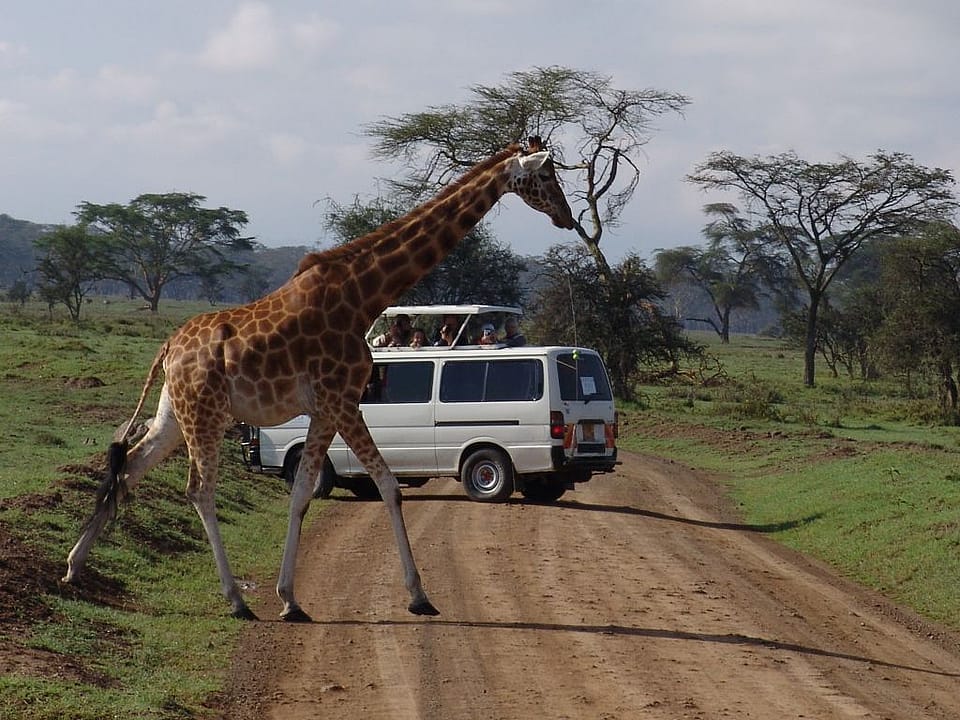
A Rwanda photography safari in Akagera National Park offers prime opportunities to capture the Big Five—lions, leopards, rhinos, elephants, and buffaloes—alongside diverse savannah, wetland, and lake landscapes. Best from mid-December to February, this experience features tailored 4x4 vehicles, hot air balloon aerial shots, and iconic birdlife, including the shoebill stork.
20-days-complete-rwanda-uganda-safari-tour-combo
18-days-rwanda-uganda-birding-safari-and-primate-experience
16-days-exclusive-rwanda-safari-tour-and-gorilla-trekking-tour-package
14-days-magical-rwanda-photography-safari
10-days-rwanda-photography-safari-and-gorilla-trekking-adventure
11-days-rwanda-safari-tour-and-uganda-safari-vacation
12-days-rwanda-primate-safari-vacation-and-akagera-national-park
Key Photography Highlights in Akagera
Big Five & Wildlife Photography
Akagera National Park is a premier destination for photographers interested in capturing Africa's iconic Big Five: lions, black rhinos, elephants, buffaloes, and leopards. This park, known for its diverse ecosystems—from wetlands to savannas—provides an excellent backdrop for wildlife photography.
The park is also home to a variety of other species, including giraffes, zebras, and various antelope species such as roan, eland, and topi. Each of these animals offers unique opportunities for capturing stunning images, from the powerful stance of a lion to the elegant gait of a giraffe. The best time for wildlife photography is during the early morning or late afternoon when animals are most active and the lighting is perfect for photography.
Engaging with a knowledgeable guide can enhance the experience by directing you to prime locations for sightings and enabling close encounters with wildlife. You'll have elevated chances of finding leopards lounging in trees or herds of elephants congregating near watering holes, providing opportunities to capture dramatic moments in their natural behaviors.
With patience and the right equipment, photographers can create striking images that tell the story of the rich biodiversity present in Akagera. The contrast of the animals against the varied landscapes of the park enhances the visual appeal of each photograph, making each outing an exhilarating adventure filled with breathtaking captures.
Birding Photography
For bird enthusiasts, Akagera National Park is a paradise, offering some of the best birding photography opportunities in East Africa. The park is home to over 703 bird species, making it one of the richest avian habitats on the continent. The papyrus swamps are particularly noteworthy for birding photography, as they attract a myriad of species, including the elusive shoebill stork.
Photographers can capture stunning images of a wide variety of birds, from raptors soaring high above to colorful kingfishers darting near the water's edge. Different habitats within the park, such as wetlands and woodlands, host diverse species, providing a range of opportunities to shoot vibrant plumage and unique behaviors.
The best times for bird photography are early in the morning and late afternoon when birds are most active and the lighting conditions are ideal. Observing and photographing birds can be a rewarding experience, as it requires patience and keen observation skills to anticipate their movements.
Guided birdwatching tours lead you to hotspots where photographers can get up close to these fascinating creatures. Whether capturing a majestic African fish eagle in flight or the striking patterns of a lilac-breasted roller perched among the foliage, Akagera delivers a cornucopia of photographic opportunities for bird lovers, making it a must-visit destination for avian photography.
Landscapes
One of the most captivating aspects of Akagera National Park is its diverse landscapes, providing stunning backdrops for photography. The park features a rich tapestry of habitats, including rolling savannas, dense woodlands, and expansive wetlands, all of which create vibrant visual opportunities.
A prime location for landscape photography is the Ruzizi Tented Lodge, strategically placed along the shores of Lake Ihema. This site offers breathtaking sunrise views that transform the sky into a canvas filled with rich hues of orange, pink, and gold. As the sun rises, the reflections on the lake create magical moments, perfectly framed by the silhouettes of hippos and crocodiles near the water's edge.
The unique mix of landscapes also invites photographers to explore various angles and perspectives. From elevated vantage points, panoramic shots capture the vastness of the park, while close-ups of the local flora showcase the intricate details of the environment. The ever-changing light and atmospheric conditions enhance the richness of each photograph.
Timing is essential; sunrise and sunset provide magical lighting that brings depth and vibrancy to your photos, illuminating the contours of the land. Additionally, capturing wildlife as part of the landscape creates compelling narratives that reflect the interconnectedness of life in Akagera. Each landscape photograph tells a story, allowing viewers to immerse themselves in the natural beauty and serenity of this remarkable national park.
Aerial Photography
Aerial photography in Akagera National Park takes landscape and wildlife photography to new heights—literally. Hot air balloon tours offer a unique vantage point, allowing photographers to capture stunning wide-angle shots of the park's breathtaking scenery, which includes wetlands, lakes, and savannas.
From above, the landscape unfolds like a living tapestry, revealing patterns and textures that may go unnoticed from the ground. The sweeping vistas provide ample opportunities to photograph the wildlife below, including herds of elephants roaming the plains or flocks of birds taking flight from the water. The aerial perspective creates a different narrative, emphasizing the relationship between the various ecosystems present in the park.
Timing your flight during the golden hour, either at sunrise or sunset, adds an ethereal quality to your aerial images. The soft, warm light enhances the colors of the landscape, creating dramatic contrasts and enriching the visual appeal. Photographers can capture magnificent images of reflections on the lakes and the interplay of light and shadow across the diverse terrain.
Moreover, aerial photography allows for an expansive view of Akagera, showcasing its vastness and beauty, and giving a sense of scale that ground-based shots cannot achieve. These aerial images serve not just as breathtaking photographs but also as powerful reminders of the natural wonders and ecological diversity of Akagera National Park.
What is the Best Month for an Akagera Photography Safari to Ensure Clear Shots?
The best months for an Akagera photography safari, ensuring clear shots, fall within the dry seasons from June to September and December to February. During these times, the grass in the park is shorter, allowing wildlife to be more visible and easier to photograph. The sparse vegetation also means that animals congregate near water sources, enhancing the likelihood of capturing stunning images in their natural habitat.
Additionally, the dry seasons provide optimal lighting conditions, particularly during the early morning and late afternoon—the so-called golden hours—when the soft light bathes the landscape in beautiful hues. This lighting not only highlights the colors of the animals but also adds depth and drama to the scenery.
Visiting during these periods significantly increases your chances of encountering diverse wildlife, including the Big Five—lion, leopard, rhino, elephant, and buffalo—along with numerous other species. The less humid atmosphere during these months reduces the likelihood of rain disrupting your plans, allowing for uninterrupted photography sessions.
Overall, planning your Akagera safari during these dry months maximizes your opportunities for obtaining clear, dynamic shots that exemplify the beauty and diversity of this incredible national park.
Which Lenses are Essential for Wildlife Photography in the Park?
For wildlife photography in Akagera National Park, having the right lenses is critical for achieving stunning results. A telephoto lens in the 300mm to 600mm range is highly recommended for capturing frame-filling shots of animals from a safe distance. This focal length allows photographers to get close to large wildlife—such as elephants and lions—without inadvertently disturbing them, ensuring that the images are rich in detail.
In addition to specialized telephoto lenses, a versatile 24–105mm lens is ideal for capturing landscapes, wildlife in context, and a range of other scenes. This lens allows for great flexibility, enabling photographers to zoom out for wider shots of the expansive savanna or zoom in for more intimate close-ups of animals interacting with their environment.
The advantage of using a 24–105mm lens also extends to various shooting conditions. Whether in direct sunlight or shaded areas of the park, this lens helps capture the vibrant colors of the landscape and wildlife, producing visually stunning images.
When equipped with both a telephoto lens and a standard zoom lens, photographers will be well-prepared to document the diverse beauty of Akagera National Park, effectively tackling the varying photographic opportunities that arise throughout the safari.
Are Professional Photography Guides Available to Help Position for the Best Light?
Yes, hiring an experienced guide while on an Akagera photography safari is highly recommended for both novice and seasoned photographers. A knowledgeable local guide can significantly enhance your photographic experience by helping you find the best spots and ensuring that you're positioned for optimal light throughout your shoot.
These guides are well-versed in the park's geography, wildlife behavior, and ideal times for photography. They can direct you to prime locations where wildlife is frequently spotted, maximizing opportunities for capturing stunning images. Additionally, their expertise in understanding natural light and its effects on photography helps in creatively positioning you for the best shots.
Professional photography guides can also assist in understanding the importance of composition, suggesting angles and framing considerations that capture the essence of a scene or action. Their experience and familiarity with the local wildlife can lead to opportunities that you might otherwise miss.
Overall, having an expert guide not only improves your chances of getting the best images but also enhances the learning experience, allowing you to deepen your understanding of both photography and the natural world during your time in Akagera National Park.
Is a Special Photography Permit Required for Commercial Shoots?
Yes, if you plan to engage in commercial photography in Akagera National Park, obtaining a special photography permit is necessary. This permit is approximately $300 and allows you to conduct professional photographic activities without contravening local regulations. The requirement for such a permit emphasizes the importance of responsible photography in protected areas, ensuring that activities conducted do not disturb wildlife or their habitats.
For any filming or media-related activities, additional accreditation from the Rwanda Development Board may be required. This extra step ensures that all media production complies with local laws and conservation efforts.
Obtaining the correct permits before your visit helps streamline your experience, enabling you to focus on capturing breathtaking images without the worry of legal repercussions. It's also a way to contribute to the preservation of Akagera's ecosystems, as fees collected from photography permits often support conservation projects and park management.
In summary, if you're considering commercial photography during your safari, it's essential to secure the necessary permits beforehand to facilitate a smooth and legally compliant shooting experience in this beautiful national park.
What Are the Best Photography Hotspots for Capturing Hippos and Crocodiles?
Lake Ihema is renowned as the premier hotspot for capturing stunning photographs of hippos and crocodiles in Akagera National Park. This expansive lake not only supports a diverse range of wildlife but also provides a picturesque setting for photographers. The aquatic environment allows for unique compositions that highlight the interaction of these large creatures with the surrounding habitat.
The best time to photograph hippos and crocodiles is during late afternoon boat safaris, especially when the golden light casts a warm glow on the water. This soft light enhances color saturation and can create stunning reflections, adding depth and richness to your images. Photographers can capture hippos emerging from the water, basking in the sun, or crocodiles stealthily lurking along the banks—providing compelling stories through your lens.
Additionally, the vast marshland and wetlands surrounding Lake Ihema attract a variety of bird species, making it possible to capture vibrant birdlife alongside your shots of hippos and crocodiles. This diverse setting enables photographers to experiment with various framing and composition techniques.
In summary, Lake Ihema offers unparalleled opportunities for wildlife photographers to document the fascinating interactions of hippos and crocodiles, all while benefiting from stunning lighting conditions and abundant biodiversity.
Can I Use a Tripod During a Game Drive in Akagera?
While it is technically possible to use a tripod during a game drive in Akagera National Park, it is often not the most practical choice. The nature of game drives requires mobility and quick adjustments to capture fleeting moments as wildlife moves. Traditional tripods can be cumbersome in a moving vehicle, complicating the challenge of positioning your camera quickly.
Instead, many wildlife photographers prefer using bean bags to stabilize their cameras on vehicle window sills or roof rails. Bean bags are lightweight and versatile, allowing for easy adjustments as animals appear and disappear. They can be molded to fit various angles, providing stability while minimizing excess gear.
Using a bean bag enables you to capture sharp images without the bulkiness of a tripod, essential for maintaining quick responsiveness during a game drive. This setup allows for flexibility in shooting positions without compromising comfort or ease of use, making it ideal for dynamic wildlife photography.
In conclusion, while tripods can be utilized, adopting a bean bag as your primary stabilization tool during game drives in Akagera may yield better results, enhancing your overall photography experience.
Is Flash Photography Allowed When Encountering Nocturnal Animals?
Flash photography is strictly prohibited when encountering nocturnal animals in Akagera National Park. The rule is in place to protect wildlife, as the sudden burst of bright light can startle animals, disrupt their natural behaviors, and potentially lead to dangerous situations for both the animals and photographers.
For those wishing to capture images of nocturnal animals, alternative techniques are necessary. Utilizing fast lenses with wide apertures (such as f/2.8 or wider) and increasing ISO settings can help in low-light situations, allowing you to capture clearer images without relying on flash.
Additionally, using a stabilizing tool like a tripod or a monopod can enhance your ability to get sharp images during nighttime photography. Longer exposure times at low ISOs can capture fine details and beautiful colors, even in dim light.
It's essential to respect the wildlife and surroundings by adhering to these regulations, as doing so enhances your photography experience while contributing to the conservation efforts within the park. Ethical wildlife photography emphasizes the importance of minimizing disturbance, ensuring that both the photographer and animal can engage in a natural and safe environment.
How Do I Handle Camera Equipment Maintenance in the Dusty Savanna Environment?
Managing camera equipment in the dusty savanna environment of Akagera National Park is crucial for capturing stunning images while ensuring your gear remains functional. The dry season can bring fine dust that settles on camera bodies and lenses, potentially impeding performance if not addressed.
To prepare, it is essential to bring a comprehensive cleaning kit that includes a blower, microfiber cloths, and lens cleaning solutions. A blower helps easily remove dust or debris without physically touching the lens surface, while microfiber cloths keep screens and lens glass clean and free of smudges.
It’s prudent to perform routine checks and clean your equipment after excursions, particularly before and after game drives. Shielding your camera with protective covers when not in use can also minimize dust accumulation, protecting sensitive components.
Additionally, consider securing your equipment when traveling in a vehicle, perhaps in a padded bag or case that prevents jostling and exposure to the elements. Overall, being proactive in equipment maintenance enhances durability and ensures you can focus on capturing breathtaking photographs without interruptions from technical issues.
Are Drones Permitted for Aerial Photography Over the Park?
Drone use for aerial photography in Akagera National Park is strictly regulated, and individuals interested in flying a drone must comply with local laws and obtain necessary permits. Typically, casual tourists are not allowed to operate drones without authorization. The regulations are in place to minimize disruption to wildlife and protect the natural environment, as the noise from drones can significantly disturb animals and alter their behavior.
For those aspiring to capture breathtaking aerial views of Akagera’s landscapes and wildlife, collaborating with licensed drone operators who have secured the appropriate permits is advisable. These professionals are familiar with the regulations and will ensure a responsible and ethical approach to aerial photography.
Following guidelines regarding drone usage in protected areas is essential to maintaining the integrity of the park while promoting sustainable practices. If you plan on incorporating drone photography into your safari, it's important to prioritize compliance with regulations and respect for the wildlife within Akagera National Park.
What is the Best Time of Day for Savanna Photography in Rwanda?
For capturing stunning images of Rwanda's savanna landscapes and wildlife, the best times of day are early morning and late afternoon—often referred to as the golden hours. During these periods, the light is soft, warm, and ideal for photography, casting beautiful hues and creating striking contrasts that enhance the visual appeal of both landscapes and animal subjects.
In the early morning, as the sun rises, wildlife is often most active, For example, as animals like elephants and lions are embarking on their daily routines, photographers can capture dynamic shots of their behaviors in the gentle light that adds a layer of magic to the images.
Similarly, late afternoons provide opportunities for photographers to capture the dramatic light of the setting sun. This period highlights colors in wildlife, making them pop against the backdrop of the savanna. Animals often congregate near water sources during these times, allowing photographers to document various interactions.
Ultimately, planning photography sessions during the golden hours maximizes both the quality of light and the likelihood of observing wildlife in action, resulting in breathtaking imagery that embodies the essence of Rwanda's natural beauty.
Where Can I Stay for the Best Sunrise Photography Opportunities?
To maximize your chances of capturing stunning sunrise photography in Akagera National Park, staying at Ruzizi Tented Lodge is highly recommended. This lodge is strategically located along the shores of Lake Ihema, providing direct access to breathtaking views right from your accommodation.
Waking up at Ruzizi means you can enjoy serene sunrises that paint the sky in vibrant hues while reflecting beautifully on the tranquil waters of the lake. The ethereal morning light enhances the visual landscape, allowing for remarkable photographs of hippos, crocodiles, and the surrounding wildlife.
The lodge's unique positioning not only offers incredible sunrise opportunities but also facilitates easy access to various photography locations throughout the day. You can embark on early morning boat safaris or game drives to capture the lively moments of wildlife as they begin their day.
The combination of comfort, proximity to the lake, and natural beauty makes Ruzizi Tented Lodge an ideal choice for photographers looking to make the most of their Akagera experience. Overnight stays here ensure you won't miss those magical sunrise moments that enrich your photographic journey.
Is a 4x4 Safari Vehicle Necessary for a Photography Mission?
When planning a photography mission in Akagera National Park, a 4x4 safari vehicle is highly recommended. The park's terrain is diverse, with a mix of rugged paths and muddy areas, particularly during the rainy season. A 4x4 vehicle provides the necessary traction and stability to navigate these challenging conditions while enabling access to remote photography locations.
These vehicles also offer the advantage of elevated seating, allowing for improved visibility of wildlife and landscapes, which enhances your photographic opportunities. The flexibility of being able to maneuver quickly from one location to another ensures that spontaneous wildlife encounters can be captured effectively.
Moreover, 4x4 safari vehicles are designed with features that support photography, such as pop-up roofs that allow you to shoot directly from the vehicle while maintaining a safe distance from wildlife. Traveling in a 4x4 ensures that you're not only comfortable but also adequately equipped to make the most of your photographic experiences in Akagera.
In summary, utilizing a 4x4 vehicle for your photography mission significantly improves your chances of success while providing the comfort and flexibility essential for capturing breathtaking images.
Can I Photograph the "Big Five" in Akagera National Park?
Yes, you can photograph the "Big Five" in Akagera National Park, which includes lions, leopards, rhinos, elephants, and buffalo. The park is recognized as one of the few places where you can capture these iconic species in their natural habitat, offering wildlife enthusiasts considerable opportunities for photography.
While elephants and buffalo are commonly observed, lions present opportunities for dramatic action shots, especially around waterholes at dusk. However, leopards and black rhinos may be more elusive, requiring patience and careful planning during your safari to increase your chances of spotting them.
The varied landscapes of Akagera, from wetlands to savannas, provide diverse settings for wildlife photography. Capturing these iconic animals against stunning backdrops adds compelling stories to your portfolio and underscores the richness of Africa's biodiversity. Working with local guides can also enhance your chances of finding these elusive animals, as they are familiar with their behaviors and likely locations.
By documenting the Big Five, you not only create stunning imagery but also contribute to raising awareness about wildlife conservation efforts within Akagera National Park, encouraging responsible tourism and the preservation of these magnificent creatures for future generations.
How Should I Manage Photography Storage and Backups During the Trip?
Effectively managing photography storage and backups during your trip to Akagera National Park is essential to ensure your valuable images are safe and secure. Given the nature of wildlife photography, where you may capture thousands of images daily, a well-organized system is crucial.
First, bring multiple high-speed memory cards with ample storage capacity. This allows you to take thousands of photos without worrying about running out of space. Using high-speed cards ensures quick writing times, crucial when capturing fast-moving wildlife.
Backing up your images is equally important. Consider bringing a laptop equipped with external solid-state drives (SSDs), enabling you to store backups of your daily shots. It's advisable to back up your images at the end of each day, ensuring that you have duplicates in case of card failure or loss.
Organizing your images into folders based on days or locations can streamline your workflow, making it easier to review your photos upon returning home. Additionally, investing in redundancy measures, such as uploading important images to cloud storage, can provide an additional layer of security.
In summary, being proactive about photography storage and backups ensures your unforgettable experiences in Akagera National Park are preserved, allowing you to recall and share these remarkable moments long after your adventure is over.
Are There Specific Photography Rules Regarding Distance From Wildlife?
Yes, Akagera National Park has strict rules regarding the distance you must maintain from wildlife to ensure both your safety and the well-being of the animals. Photographers are required to remain inside their vehicles and adhere to designated guidelines on proximity to wildlife. These regulations are in place to minimize human disturbance and respect the animals' natural behaviors.
Maintaining safe distances ensures that wildlife can engage in their daily activities without feeling threatened by human presence. This not only allows for ethical photography practices but also enhances the likelihood of capturing stunning images without causing stress to the animals.
Guides in the park provide valuable insights on appropriate distances and can help locate wildlife while ensuring adherence to these rules. Understanding and respecting the guidelines not only enriches your photography experience but also fosters the preservation of the ecological balance within Akagera National Park.
Ultimately, ethical wildlife photography emphasizes observing animals without causing disruption. By following these rules, photographers can enjoy a harmonious experience while capturing the beauty of the wildlife and landscapes that Akagera has to offer.
Booking Rwanda photography safari with us Roads of Adventure safaris
Book your ultimate Rwanda photography safari with Roads of Adventure Safaris for an unforgettable, personalized journey. We specialize in capturing breathtaking images of mountain gorillas in Volcanoes National Park, chimpanzees, and rich biodiversity in Akagera. Our expert, flexible guides ensure you get the best shots in the "Land of a Thousand Hills," offering customized itineraries including, canopy walks and scenic lake views. Enjoy intimate, high-quality wildlife photography experiences with tailored, luxurious, or mid-range, options. Contact us today to secure your, bespoke, photographic adventure in Rwanda
